

In Better Life, written and directed by Jessica Liu, an aging father learns about a groundbreaking medical procedure that turns slackers into overachievers. He sees it as his last chance to achieve the American Dream, through his unemployed adult daughter. Liu describes the short as a proof of concept and the origin of an upcoming debut feature. It was made with support from Alliance of Women Directors while Liu was an inaugural fellow in the Rising Directors Program in 2025.
Liu says the film was inspired by a personal journey of going against the grain. Liu grew up in a competitive Bay Area suburb with a large Asian American population, where a 'better' life often went hand in hand with monetary success and achievements. Liu names Boots Riley's Sorry to Bother You as a great inspiration for the film's tonality.
Key Takeaways
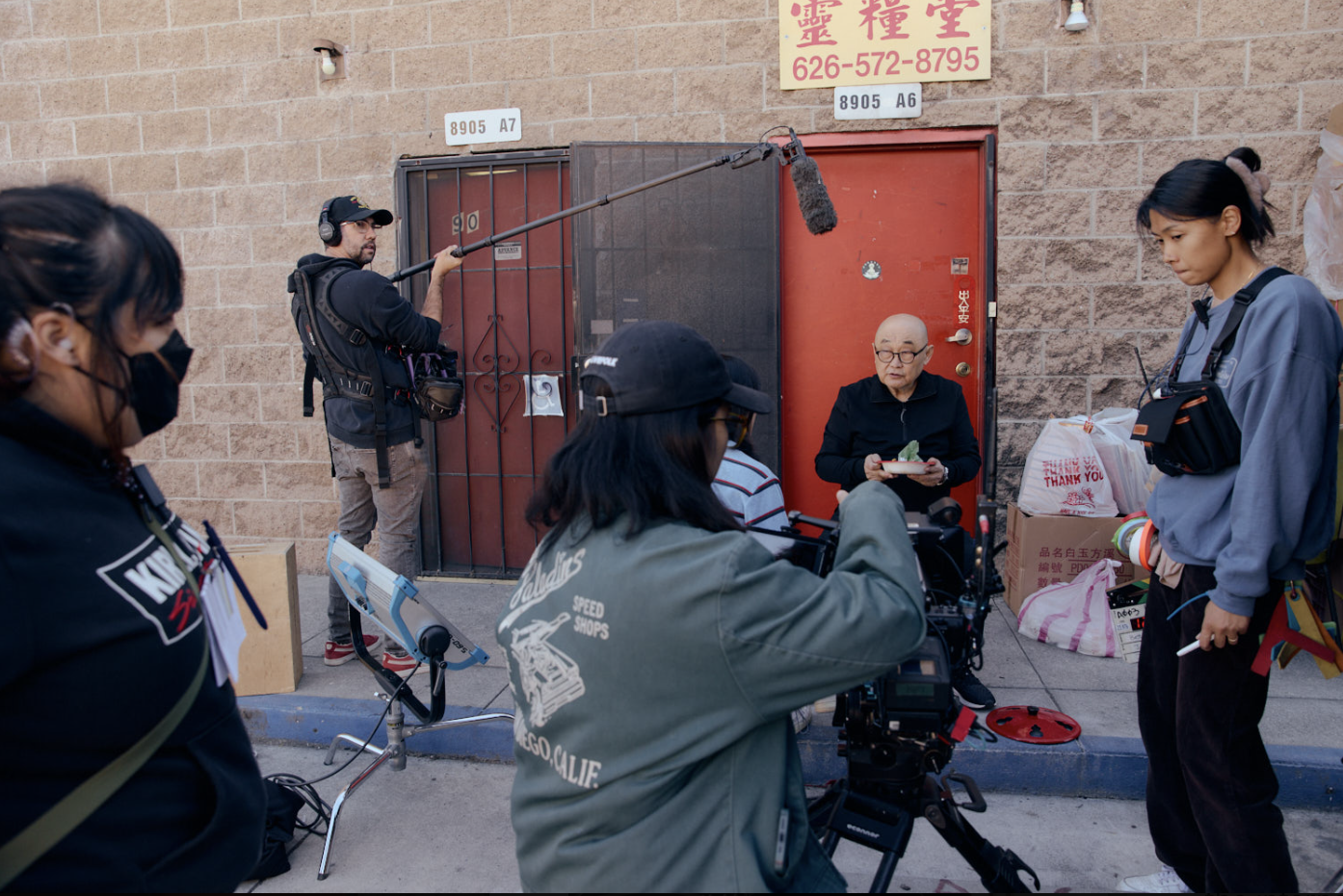
- Liu originally wrote the script with the family's Buddhist shop in mind. Even though the shop was sold many years ago, the team secured the exact location for the shoot.
- To work economically, the production cut back on scale. A planned opening of Gao floating in the pool became Gao lounging by the side of the pool.
- The short's script was rejected from a program. Liu made it anyway through fundraising, a fiscal sponsor and connections through fellowships.
Below, Liu answers our questions in writing.
Interview
What drew you to make this film, and why this story, why now?
This is a proof-of-concept short that was the origin of my upcoming debut feature film! I was able to create the short with support from Alliance of Women Directors while I was an inaugural fellow in the Rising Directors Program in 2025. The genesis of the film was actually inspired by my own personal journey navigating going against the grain in society.
Being a filmmaker or creative of any kind is definitely not an economically stable position, and while it has been rewarding, it also can be a lonely journey. As someone who grew up in a competitive suburb of the Bay Area, with a large Asian American population, the definition of success and a 'better' life often went hand in hand with monetary success and achievements. Breaking from the traditional path and being a filmmaker, we're often examining not only the world around us but ourselves. I wanted to take a critical yet satirical approach on the stereotypes of the 'model minority' as well as the chase of the American Dream.
I've long been inspired by dark comedies that utilize heightened realities to hold a mirror to larger social issues. This is the type of film that really goes there in terms of challenging expectations within the Asian American circle but also in our larger capital-driven society. Boots Riley's "Sorry to Bother You" was a great inspiration for the tonality of the film.
I think that "Better Life" is highly relevant now due to the ever-pending collapse of old ideals of just pulling yourself up by your bootstraps. We're all starting to question what our values are, what really makes a 'better life' as we enter a new wave of economic and societal restructuring globally.
“I wanted to take a critical yet satirical approach on the stereotypes of the 'model minority' as well as the chase of the American Dream.”
What surprised you most about the filmmaking process creatively or logistically, including any moment on set or in post that changed how you saw the story?
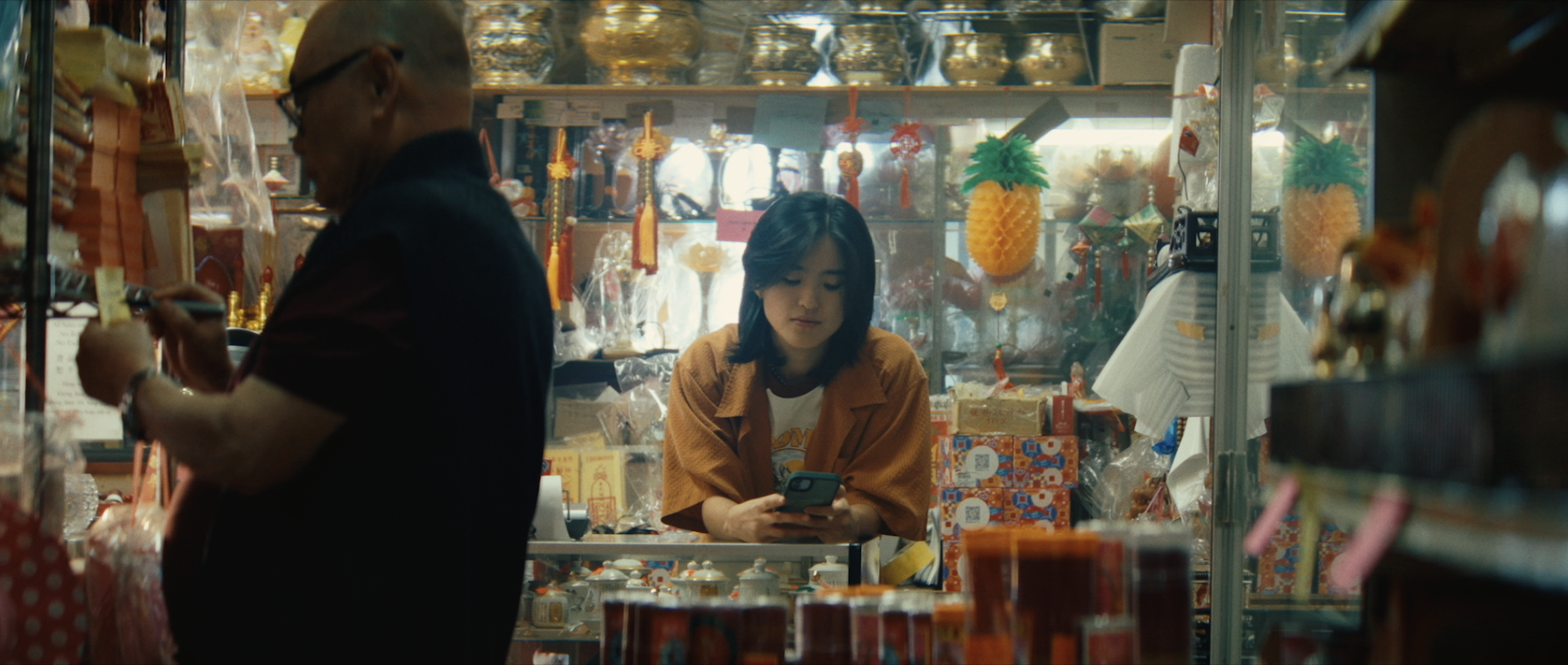
Though the seeds of my films always have a bit of an academic or cerebral background, there's always been a lot of comedy within my work. I am very particular with my casting process and already had my leads in mind for the short film. The natural comedy and like-ability that Richard Ouyang brought to the larger-than-life character, Gao, who is a dreamer and a hustler, translated extremely well on screen. The balance that Terry Hu brought with Winnie, who is the reliable and sensitive one of the duo, was perfect. A cosmic melting of great coincidences came about when we were able to secure the Buddhist Supplies shop for the film. I had originally written the script with a store in mind, my family's Buddhist shop that I had grown up in and around. The crazy thing is, even after the shop was sold many years ago, my team was able to secure the exact location for the shoot! This really helped with building the world, and even more so when my amazing Art team , lead again by Production Designer Justine Ellen Chen, built and recreated the store on a sound stage for the feature film version.
I would say overall building the short definitely helped me see how I could scale the world for the feature and delve deeper into various characters' backstories.
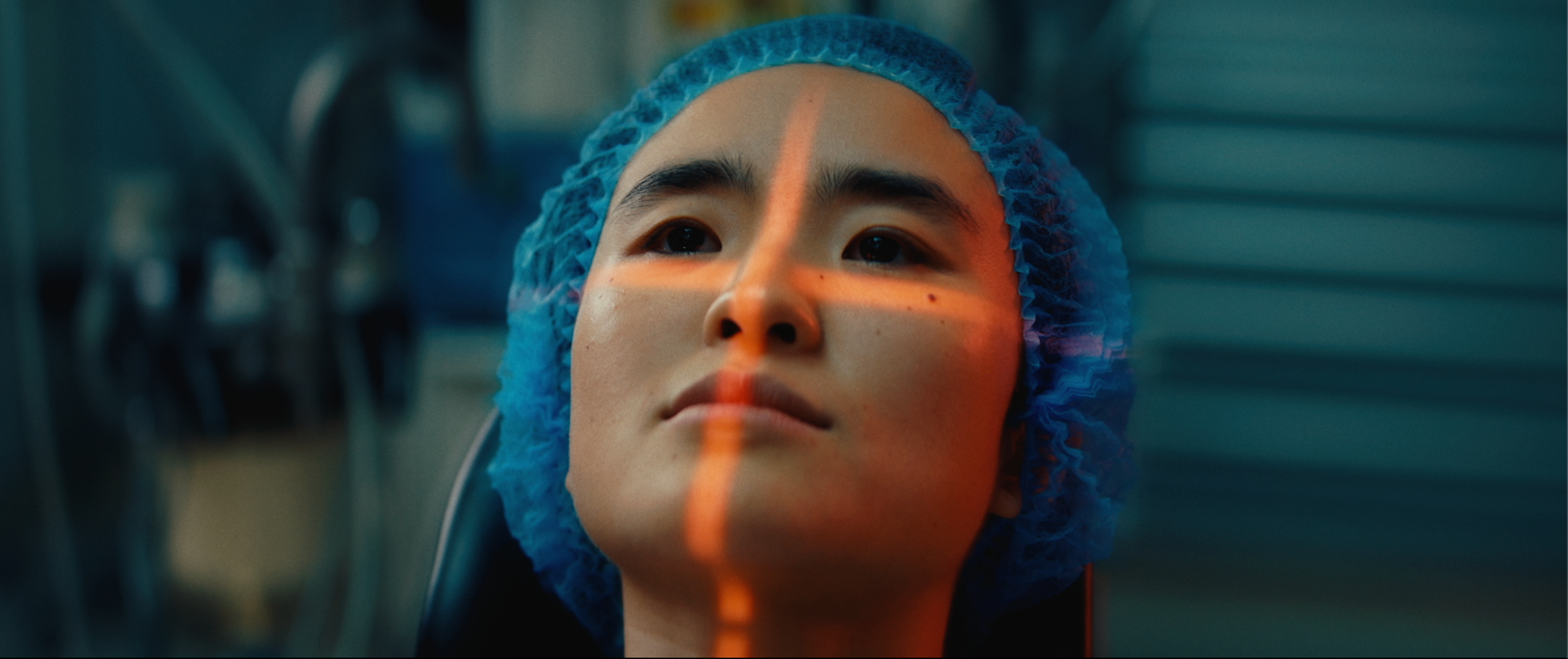
What moment in the film feels most like you, or like something only you could have made?
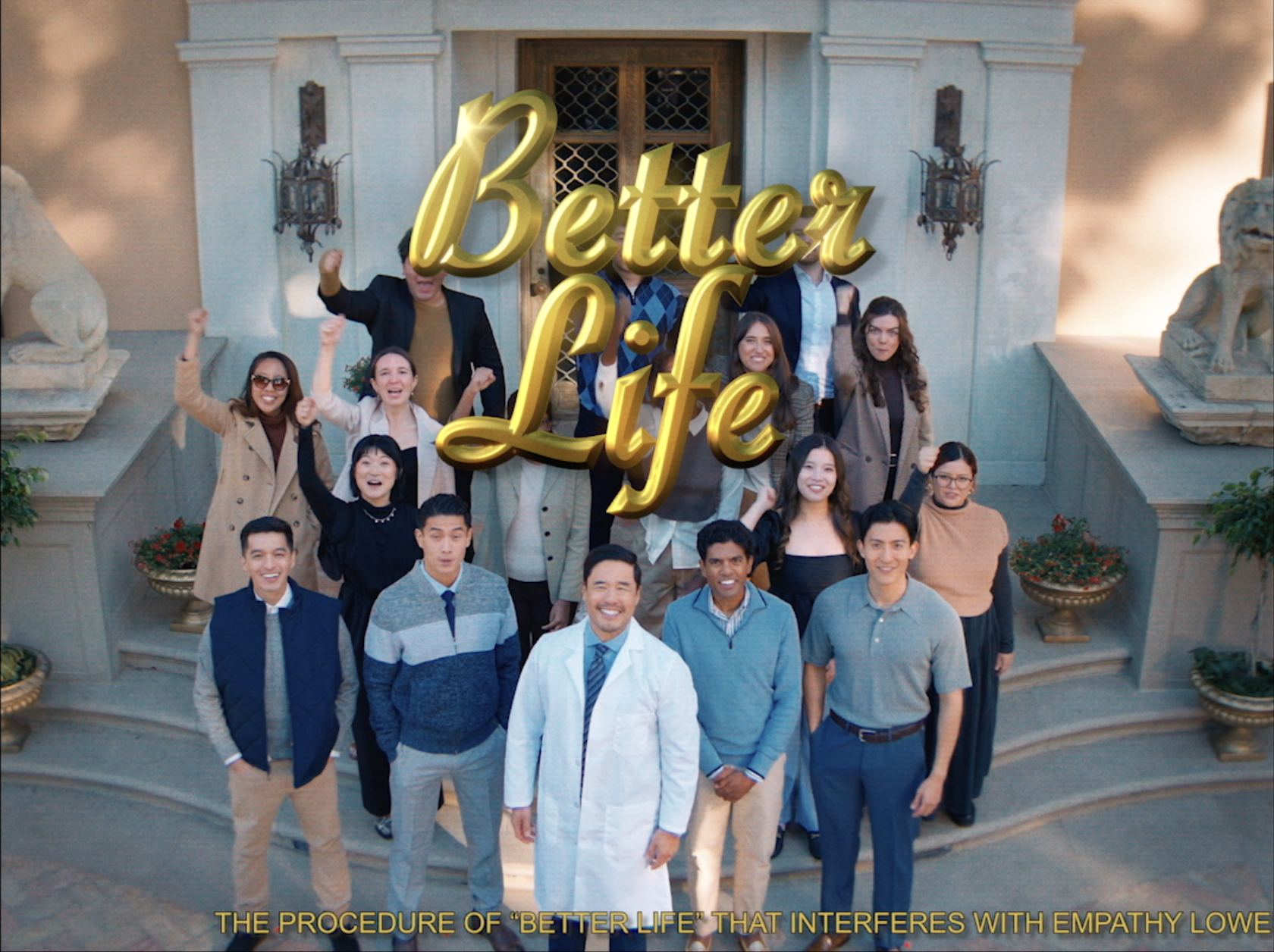
The commercial for "Better Life" within the film is one of the highlights of the short, and it always is a treat to hear the reactions for audiences. It has a bit of tongue-in-cheek irreverence, satirical comedy, but also builds tantalizing tension within the world of the film as a driver for the characters. I would say that that sequence is great at summarizing my voice as a filmmaker.
“I would say that that sequence is great at summarizing my voice as a filmmaker.”
What was the hardest creative decision you made while making the film?
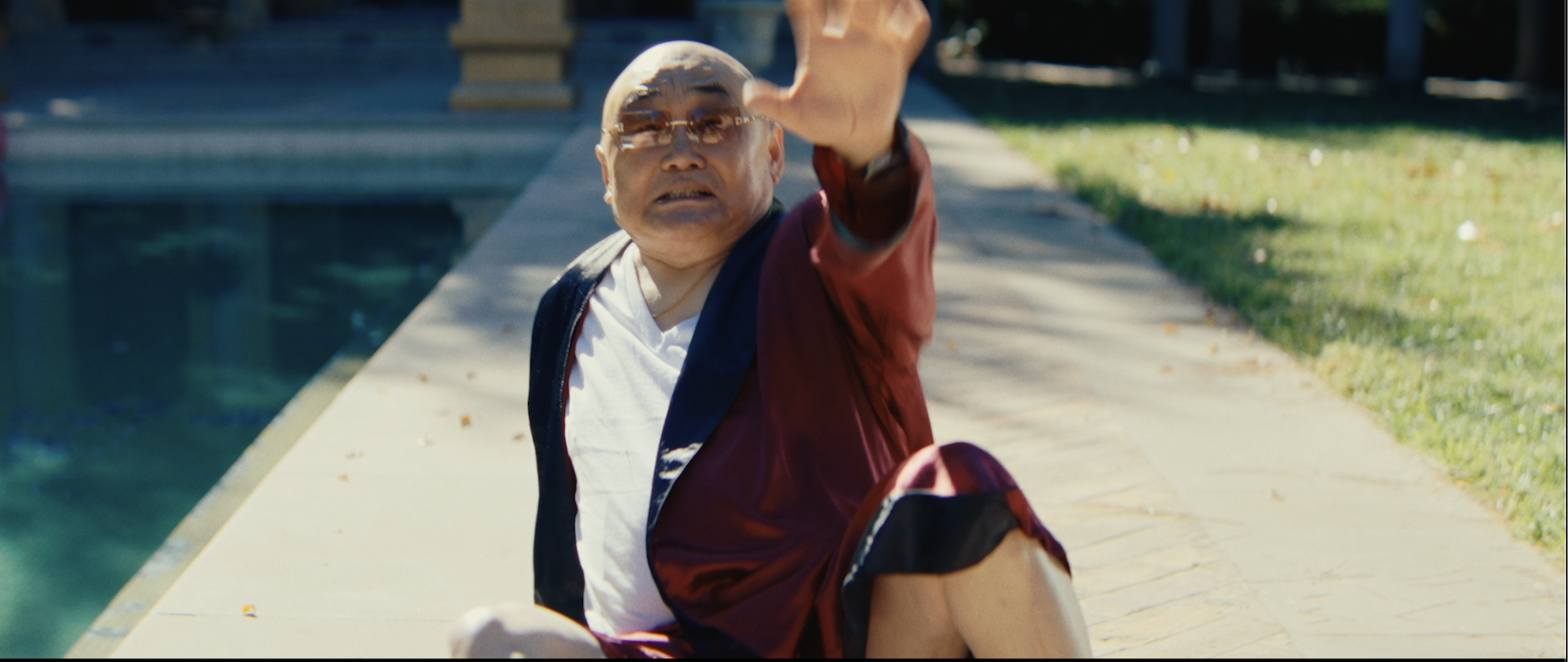
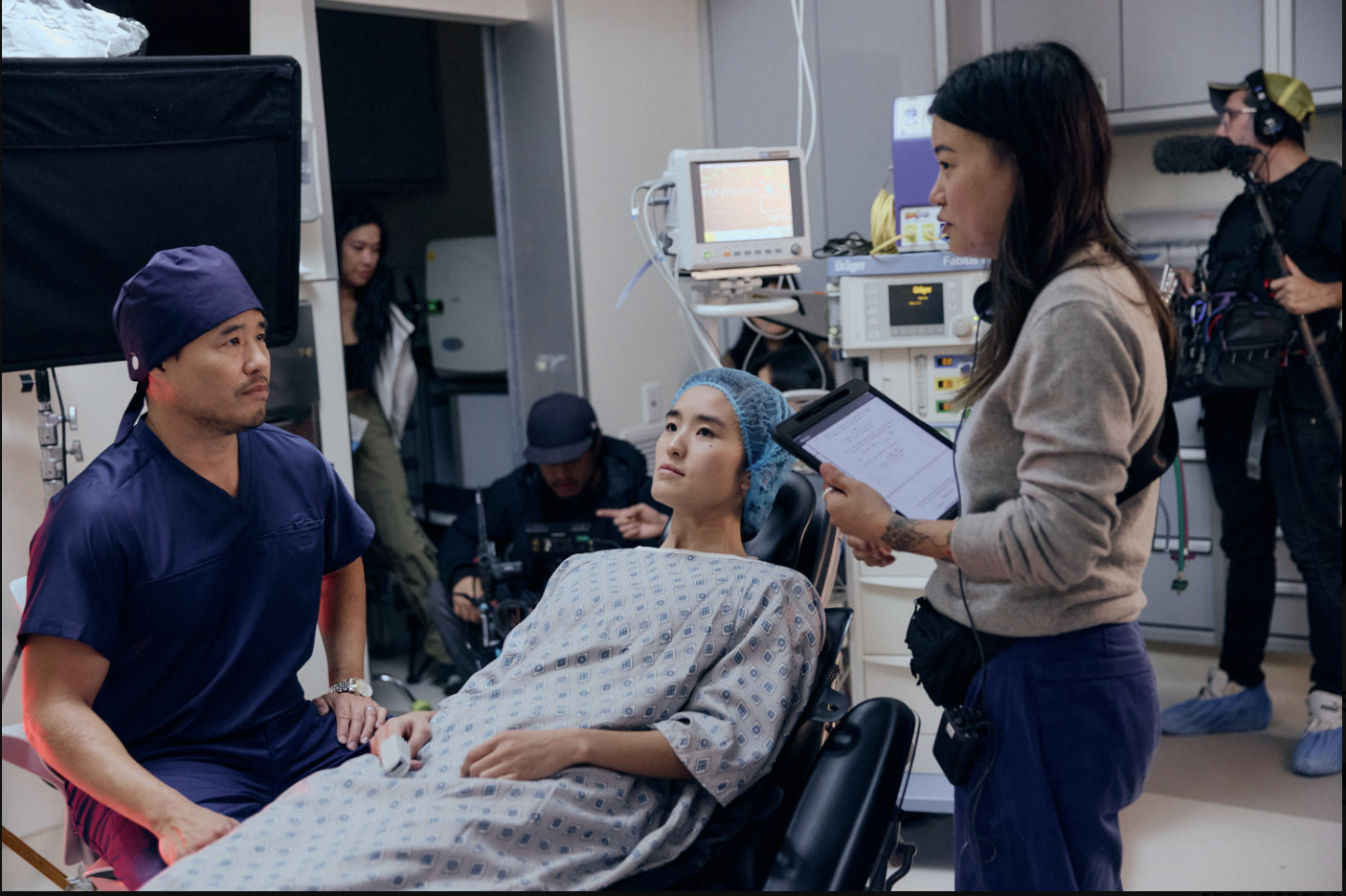
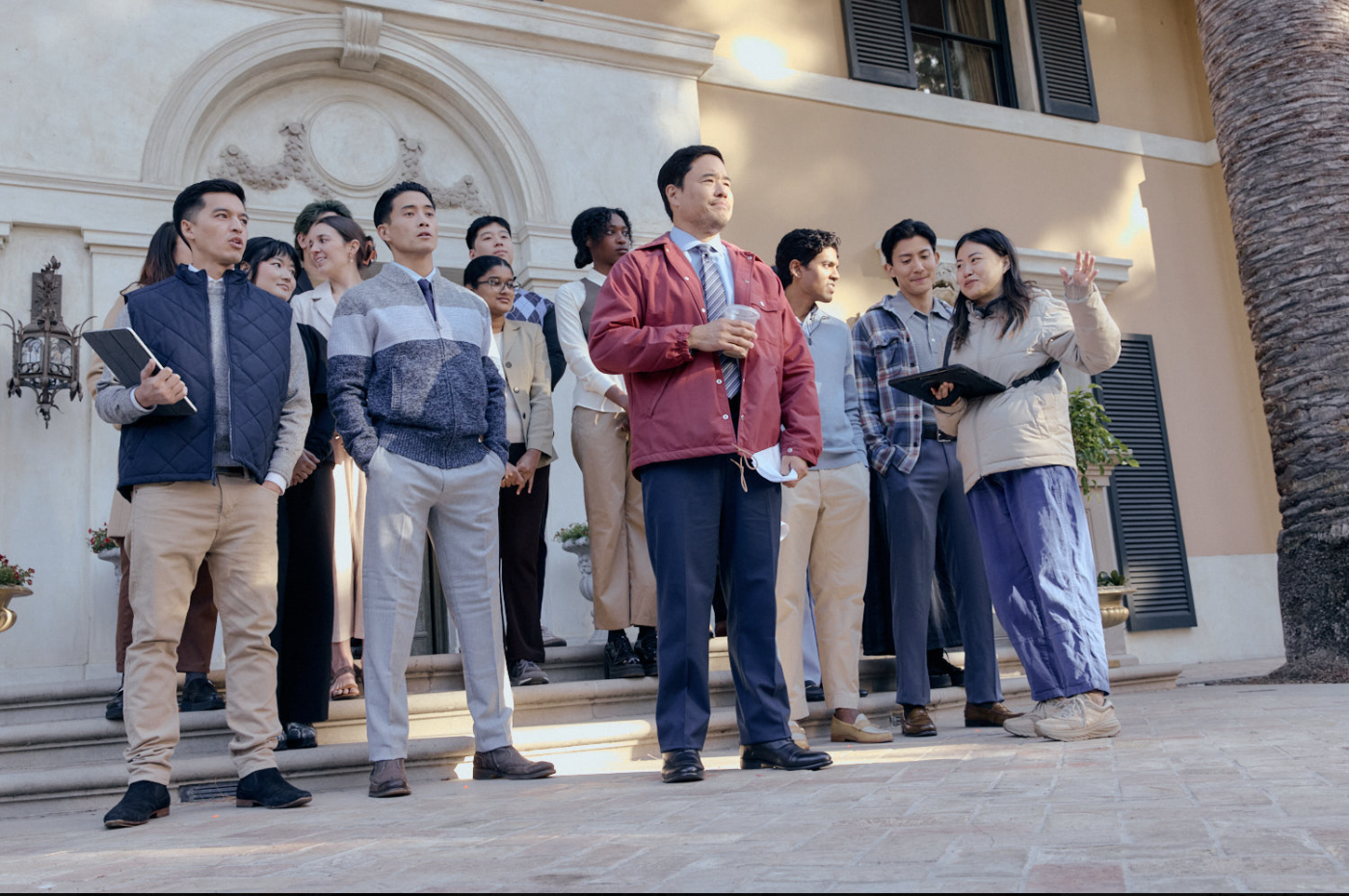
With the many locations and larger set pieces, there were definitely challenges in terms of working economically. Shooting the final sequence with the crowd for the commercial took a lot of blocking and coordinating amongst various departments. I was very grateful to have a group of our friends and supporters on set and step in to be background for that set piece. At times there were moments that involved cutting back on scale - the opening of the film was originally going to be Gao floating in the pool, but due to time and complexity, we shifted this to him lounging by the side of the pool instead. Additionally, working on combining or cutting down locations was a very useful thing that we employed. We utilized the same mansion location twice - once for the Better Life commercial and another time to play as Winnie's new mansion for the end of the film.
How does your film fit within, or push the boundaries of, its genre or form?
Better Life plays with the stereotypes of being a 'model minority' and questions the ideas of the American Dream. Utilizing satirical comedy, I was able to heighten certain tropes of characters to dig deeper into their motivations and have audiences question the world around us. Neither Winnie or Gao are 'right' or 'wrong'. I think we all have a bit of both characters within us. We all can be tempted by greed or material success, and it is just a part of human nature. This is a tale of morality with a punchy and comedic delivery that ends in tragedy. I wanted this to be an unexpected ending that is reminiscent of morality tales that teach kids a lesson.
What do you hope audiences take away from this film?
What really makes for a 'better' life? And being proud of the steps we've taken and small everyday achievements that have gotten us through life. While we may not have lived up to the expectations of familial pressure, it really can just be about appreciating what you have and the relationships around us.
Where do you see this film going next?
We have completed the post-production on the feature film for "Better Life"! The goal is to premiere next year at a festival and bring it to screens near you. Stay tuned and check out this short, which is an origin story for the feature.
Asked to finish the sentence "At the core of all my work is a desire to," Liu wrote: "bring a darkly comedic light to power hungry misfits that are at the bottom of the social ladder."
Main Cast & Crew
- Director + Writer: Jessica Liu
- Producers: Annie Haung, Samantha Gao
- Executive Producers: Randall Park, Brandon Bui
- Cast: Terry Hu, Richard Ouyang, Randall Park, Shirley Chen, Peggy Lu
- Directors of Photography: Jon Keng, Mary Ma
- Production Designer: Justine Ellen Chen
- First Assistant Director: Michi Doan
- Second Assistant Director: Long Le
- Editor: Tiffany Lin
- Composer: Tangelene Bolton
- Sound Mix: Kai Scheer
- Colorist: Jesus Borrego
Follow the Film
Filmmaker Opportunities
💛 Fund your next project with fiscal sponsorship
Have a project in the works? As a 501(c)(3) nonprofit, the Cinematography for Actors Institute can accept tax-deductible donations on your film's behalf — a door-opener for grants, foundations, and supporters who want to back your work. We've serviced over 100 projects to date and helped route over $800,000 in funding to filmmakers. Explore fiscal sponsorship →
📬 Grant deadlines and festival opportunities, straight to your inbox
The CFA newsletter rounds up grants, festival calls, and community news for independent filmmakers — the kind of opportunities that are easy to miss and painful to miss. Join the newsletter →
🎬 Focus on the creative — we'll help with the logistics
Production Management, CFA's newest member program, launches this November: production insurance and workers' comp, payroll, film permits, gear rental coordination, SAG-AFTRA compliance, contract drafting, production consulting, and crew recommendations — handled by a team of working filmmakers, à la carte or all in, in partnership with Creative Access Group. It's waitlist-only until launch. Join the waitlist →
League of Filmmakers is published by our parent organization, the Cinematography for Actors Institute — a 501(c)(3) dedicated to education, community, and capital for underrepresented filmmakers and actors. Learn more about CFA →


