Table of Contents
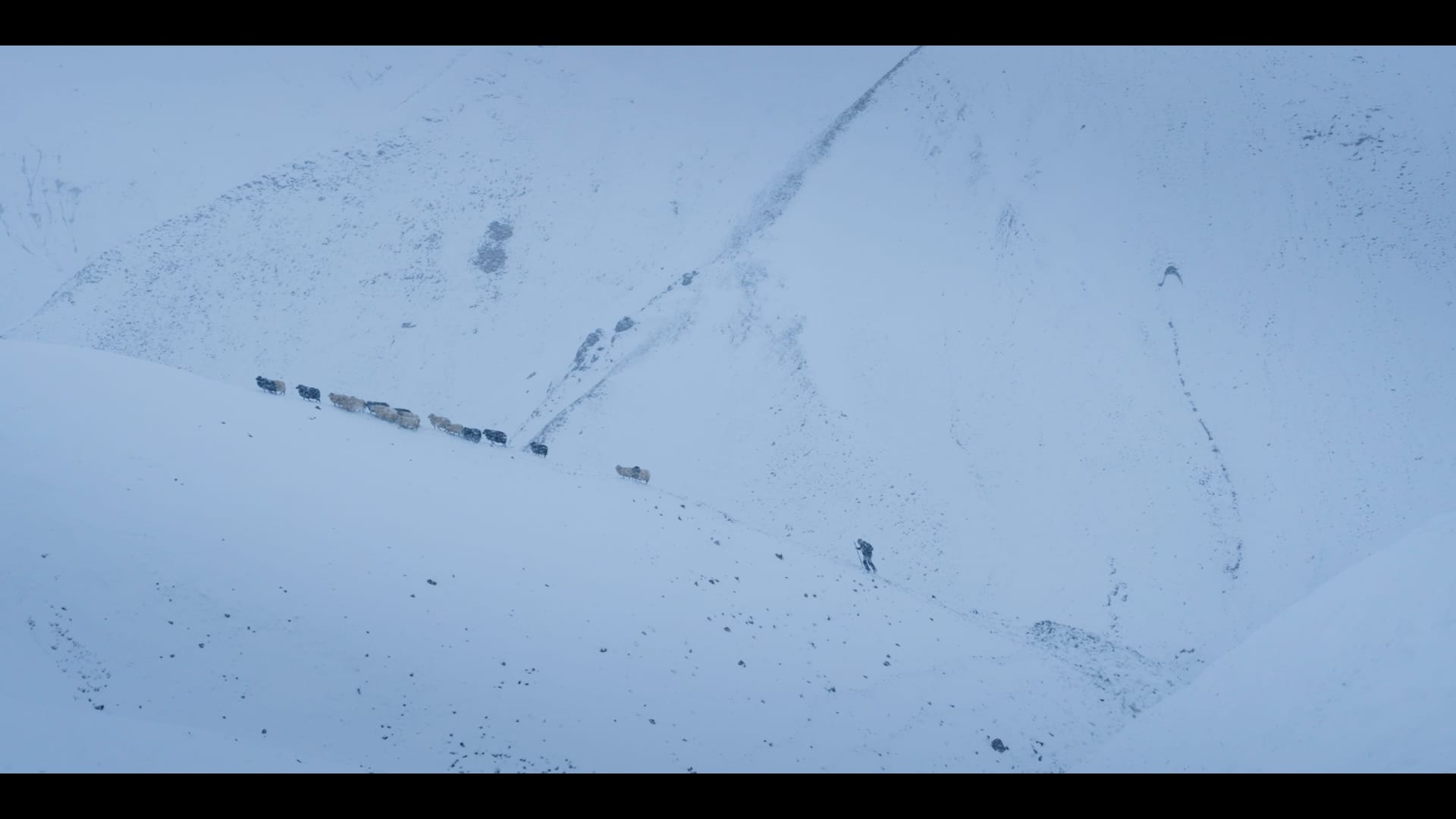
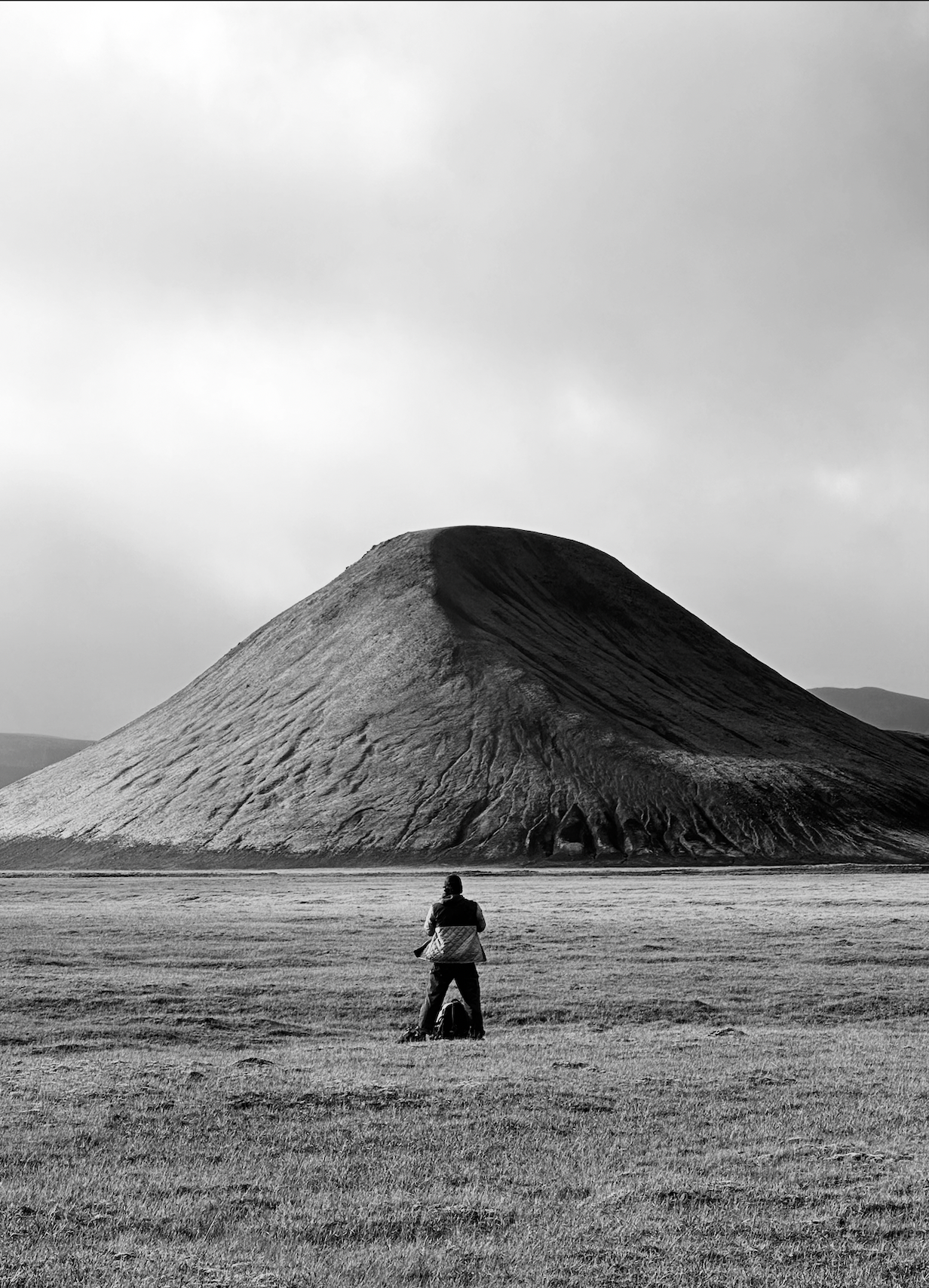
Every autumn, before winter closes the highlands, Icelandic farmers and their families set out on the réttir — a grueling, five-day trek of nearly seventy kilometers to gather thousands of sheep and guide them toward the coast. Fjallferð, directed by Jesse Smolan with Josh Fairmont and Ollie Smith, follows one multigenerational group through snow, sleet, and rapidly changing weather, into a landscape that feels almost otherworldly.
Made by three college students with no budget and a set of coordinates, the film began as a visual attraction and became something far more personal. Iceland's beauty draws you in, but Smolan is after the people who live inside it — their humor, their struggles, and the way knowledge passes from one generation to the next.
Key Takeaways
- A crew of three with essentially no budget moved with the farmers, slept in the cabins, and captured the roundup from inside the experience.
- The film deliberately resists the "landscape as spectacle" tradition, using Iceland's scale to draw viewers toward its people.
- A cold DM to photographer Ragnar Axelsson became the connection that made the entire project possible.
Smolan spoke with us about the accidental adventure at the film's center, the quiet moments that feel most like him, and what it means to screen at the TCL Chinese Theatre.
Interview
What drew you to make this film, and why this story, why now?
We were drawn to this story because it felt like a world that was both visually extraordinary and deeply human. The annual sheep roundup takes place in this vast, almost otherworldly landscape, but at its core it is really about family, responsibility, and a community coming together to continue something that has been passed down for generations.
What interested me most was the contrast between how timeless the tradition feels and how uncertain its future is. These farmers are doing something their parents and grandparents did before them, but they are also living in a world that is changing quickly. The weather is becoming less predictable, younger generations have more choices, and traditions like this can no longer be taken for granted.
What surprised you most about the filmmaking process, creatively or logistically?
The biggest surprise was how quickly the film became an adventure for us as well as for the farmers. We had traveled to Iceland believing Ragnar, our main contact, would be accompanying us into the highlands and helping us navigate the journey. Then, after we interviewed him, he told us he had an emergency photography assignment in Greenland and wouldn't be able to accompany us.
Suddenly, the three of us were left with a set of coordinates, a rough understanding of where the farmers might be, and no real way of knowing what we would encounter once we left the road. We downloaded the general region of where the farmers were supposed to be on Google Maps, and suddenly we were driving into a remote part of the highlands with no roads, without cell service, trying to locate a small, isolated cabin in an enormous landscape. After several hours of driving we found the cabin, and the farmers immediately took us in and treated us like family. That was just the first of many unexpected adventures throughout the trip.
What moment in the film feels most like you, or like something only you could have made?
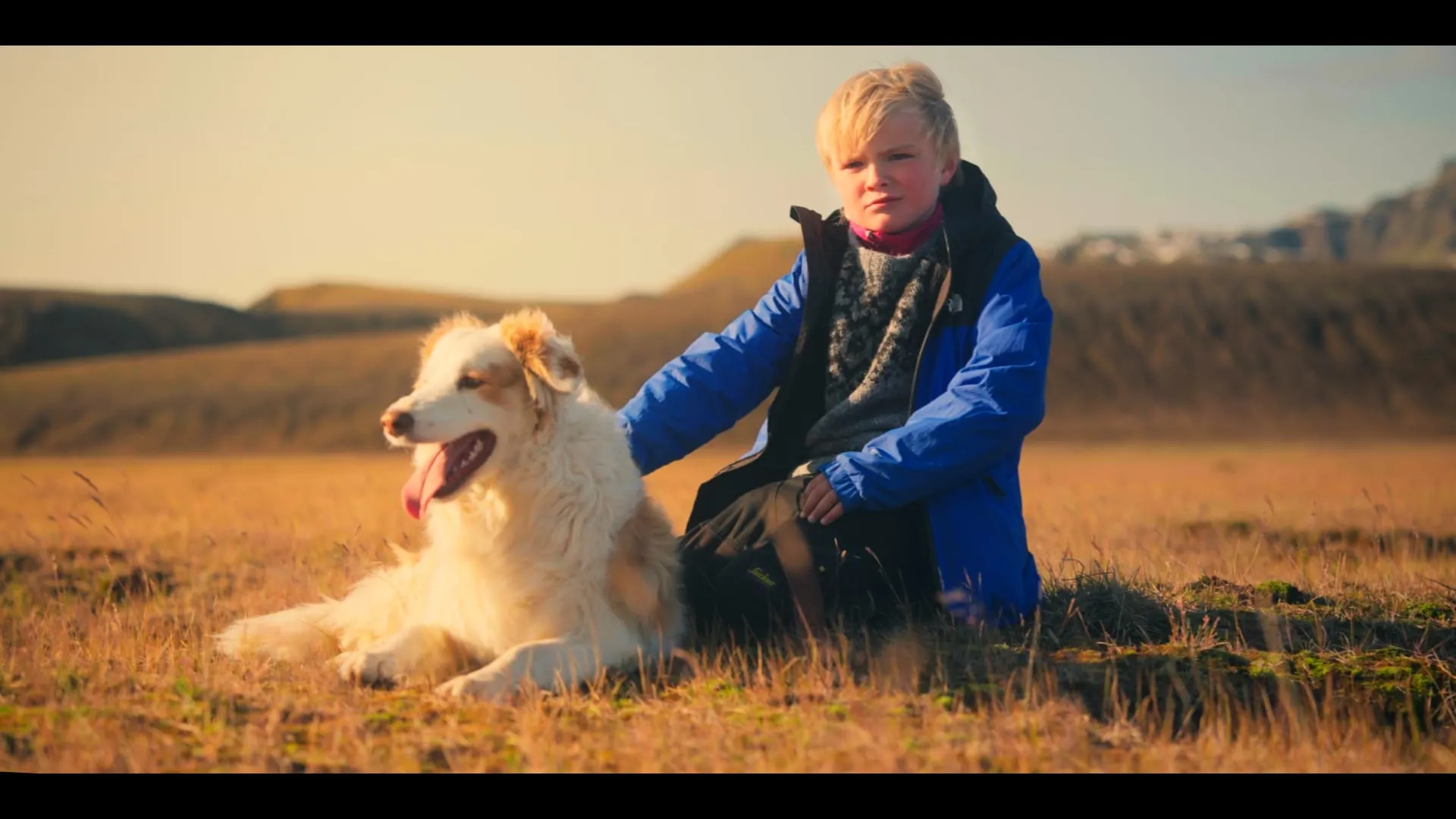
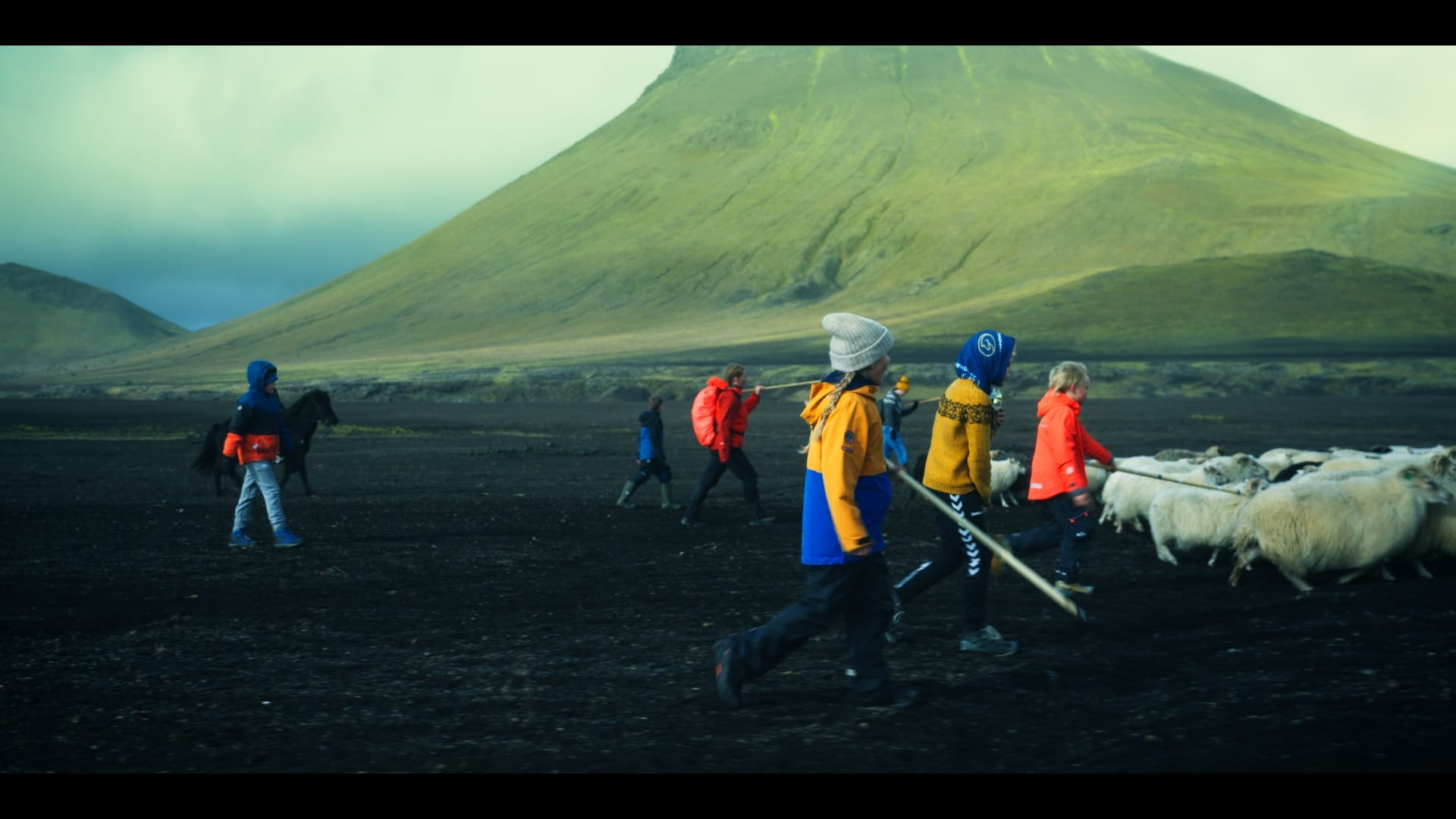
The moments that feel most like me are the quieter ones between the spectacle. Iceland is strikingly beautiful and vast, but the moments I connect with most are often the simplest, like walking alongside Hilmer, a six-year-old boy, as he scouts ahead for sheep, speaks into the radio, and directs me around the landscape with remarkable precision.
Those were the moments I was most excited to capture, when the audience not only sees the beauty of the landscape, but begins to understand the culture of the people who live within it. Iceland is so often celebrated for its natural beauty, while its people are overlooked. I've seen dozens of films about adventurers crossing glaciers, hiking mountains, or skiing through the wilderness, but they often ignore the people at the heart of those places. Having the opportunity to focus on this community — their triumphs, their struggles, their humor, and the way knowledge is passed between generations — was the most inspiring part of making the film. That combination of epic landscapes and intimate human moments is what feels most personal to me, and most like something I would make.
What was the hardest creative decision you made while making the film?
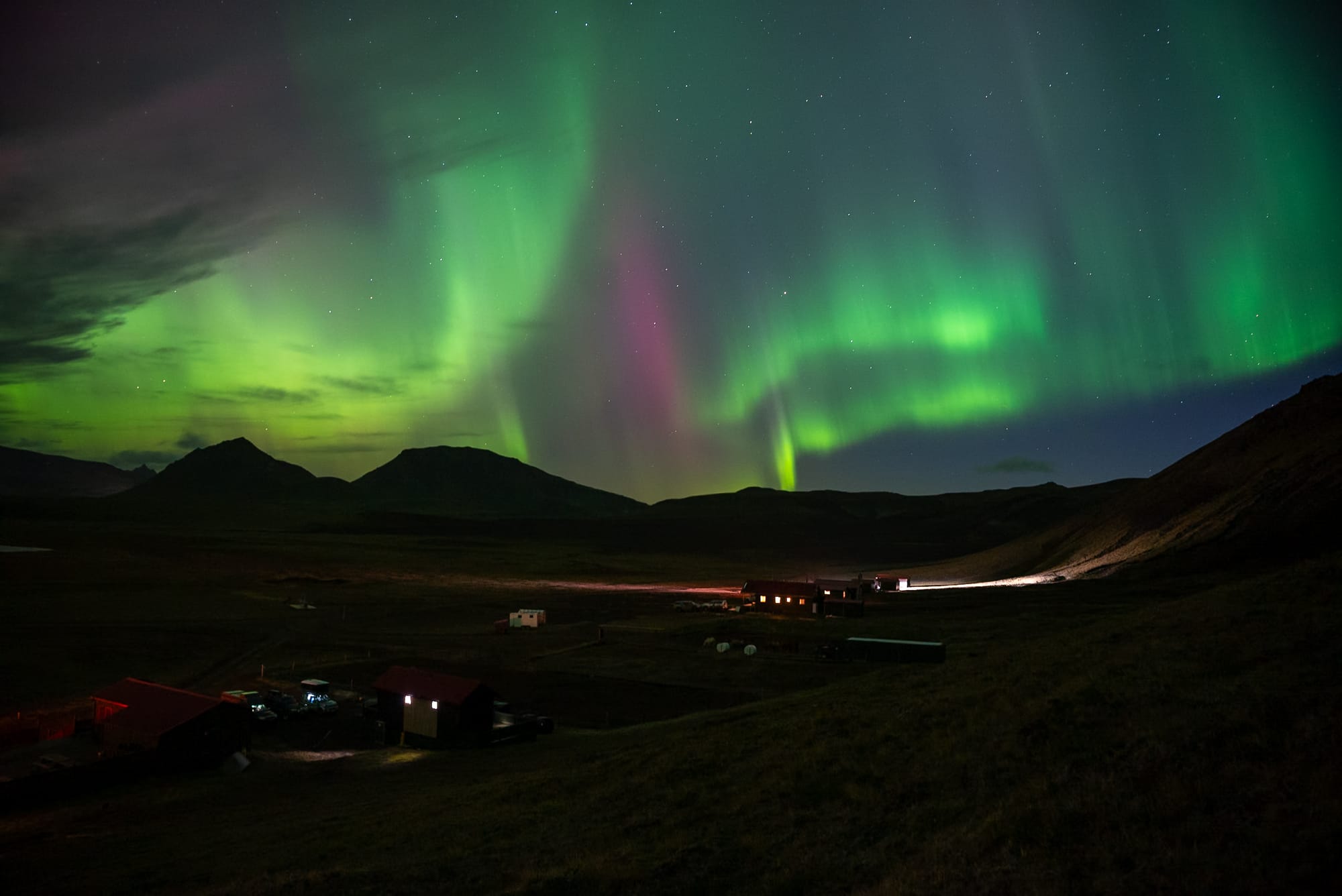
The hardest creative decision was how much context to give the audience and how much to simply let them experience the journey. We had filmed interviews that explained the history of the roundup, the changing climate, and the pressures facing the tradition, and it was tempting to use more of that material to make everything completely clear.
But every time we added too much explanation, the film started to feel less immediate. I wanted the audience to feel as though they were traveling alongside the farmers, slowly understanding the tradition through what they saw and heard rather than being told exactly what to think and given a history lesson.
What tool, technique, resource, or collaborator helped most during production?
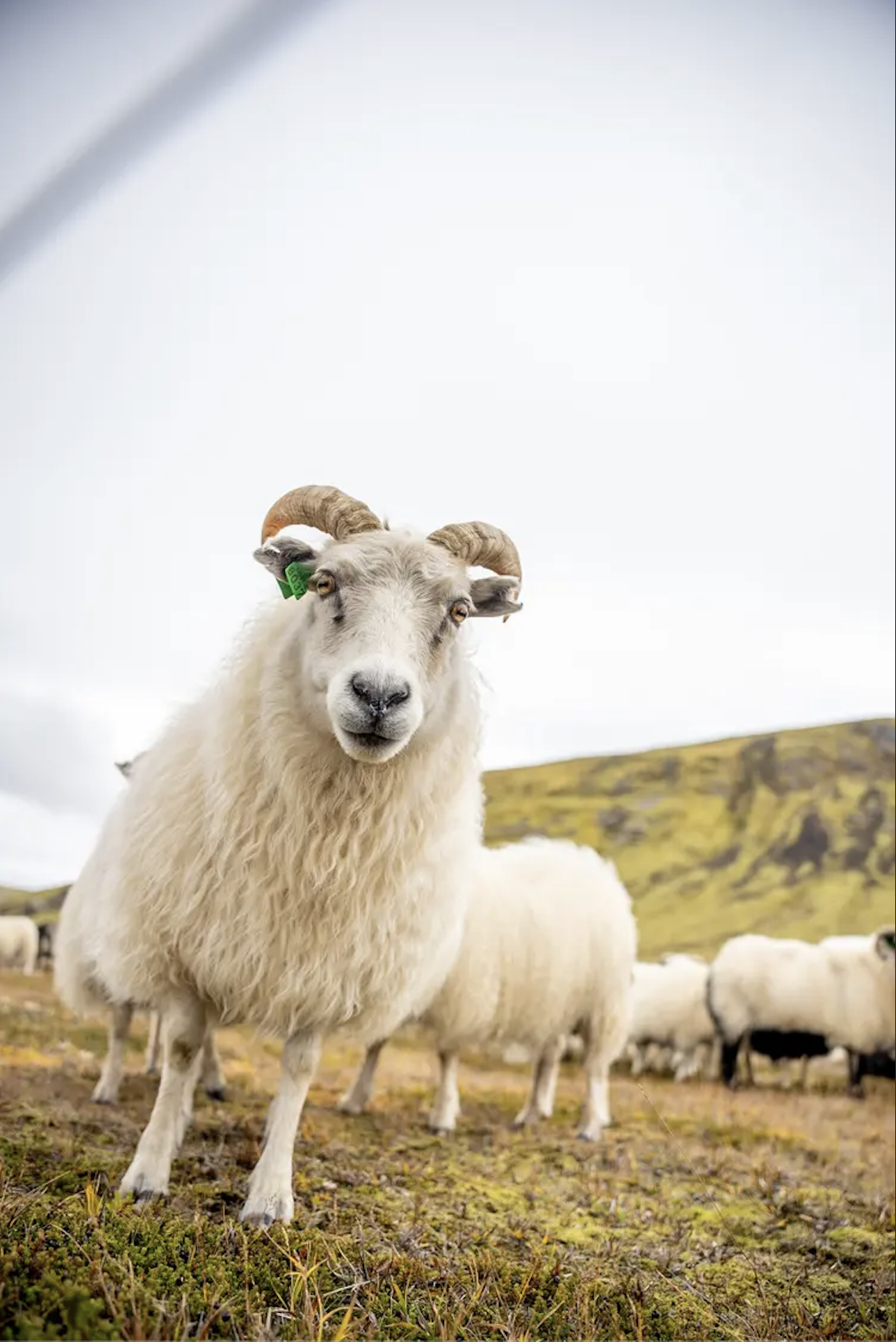
The most valuable resource during production was Ragnar Axelsson, an Icelandic photographer whose work I had admired for years. I initially reached out to him through a DM on Instagram, not knowing whether he would respond, but he became integral to the entire project. He connected us with the farmers, helped us understand the tradition, appeared in the film, and gave us unrestricted access to decades of his extraordinary archival photographs. His generosity taught me the importance of simply reaching out to people you admire and approaching a project with genuine curiosity. Without him the film would not exist.
What is the greatest strength of independent filmmaking, and how did you lean into it here?
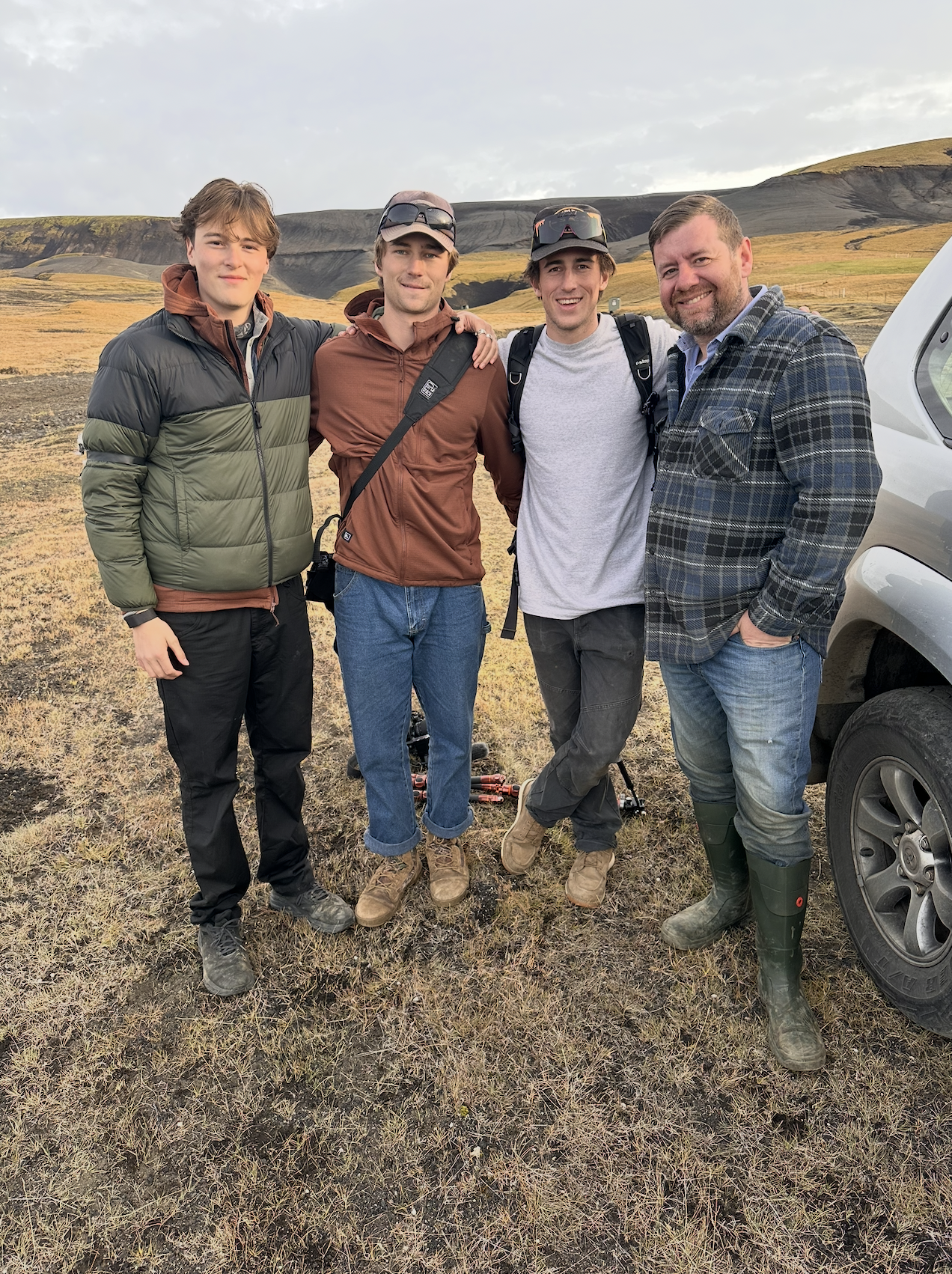
The greatest strength of independent filmmaking is the freedom to follow a story. On Fjallferð, we were a crew of three with basically no budget, which allowed us to move with the farmers, sleep in the cabins, stay adaptive to the weather, and remain open to moments we never could have planned. The lack of a big production team and resources helped us build trust and capture the story from inside the experience rather than observing it from the outside.
The biggest lesson I would share is not to wait until every detail is perfectly in place. Reach out to the people you admire, keep the crew small, and be willing to enter a project with more curiosity regardless of uncertainty. Some of the most important parts of this film came from things that initially felt like problems or unknowns.
What does it mean to have your film selected for HollyShorts?
Having Fjallferð be selected for HollyShorts is an unbelievable honor. We made the film as three college students with limited resources, and no certainty of what the story would become. To now have it screen at one of the world's premier short film festivals, at the TCL Chinese Theatre, feels surreal. More than anything, it means that this Icelandic tradition and the people who welcomed us into their lives will be seen by a much wider audience, which is incredible.
Main Cast & Crew
- Directors: Jesse Smolan, Josh Fairmont, Ollie Smith
- Featured Cast: Ragnar Axelsson, Ingvar Pétur, Margrét Stefánsdóttir, Kristinn Guðnason
- Hill88 Studios
- Caution Media
Filmmaker Opportunities
💛 Fund your next project with fiscal sponsorship
Have a project in the works? As a 501(c)(3) nonprofit, the Cinematography for Actors Institute can accept tax-deductible donations on your film's behalf — a door-opener for grants, foundations, and supporters who want to back your work. We've serviced over 100 projects to date and helped route over $800,000 in funding to filmmakers. Explore fiscal sponsorship →
📬 Grant deadlines and festival opportunities, straight to your inbox
The CFA newsletter rounds up grants, festival calls, and community news for independent filmmakers — the kind of opportunities that are easy to miss and painful to miss. Join the newsletter →
🎬 Focus on the creative — we'll help with the logistics
Production Management, CFA's newest member program, launches this November: production insurance and workers' comp, payroll, film permits, gear rental coordination, SAG-AFTRA compliance, contract drafting, production consulting, and crew recommendations — handled by a team of working filmmakers, à la carte or all in, in partnership with Creative Access Group. It's waitlist-only until launch. Join the waitlist →
League of Filmmakers is published by our parent organization, the Cinematography for Actors Institute — a 501(c)(3) dedicated to education, community, and capital for underrepresented filmmakers and actors. Learn more about CFA →