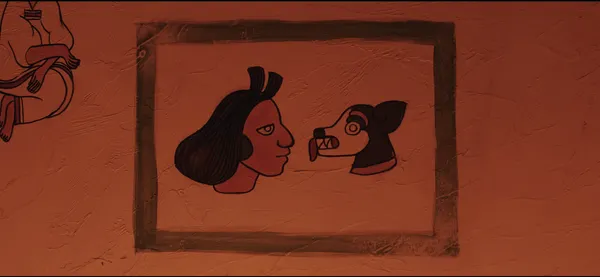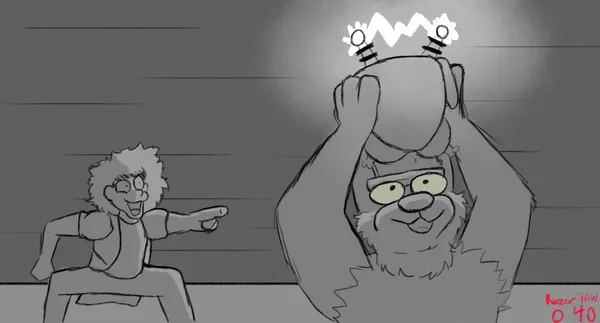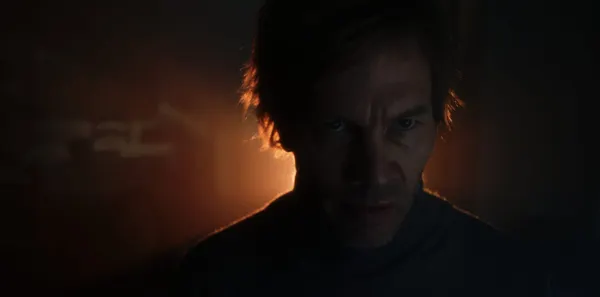
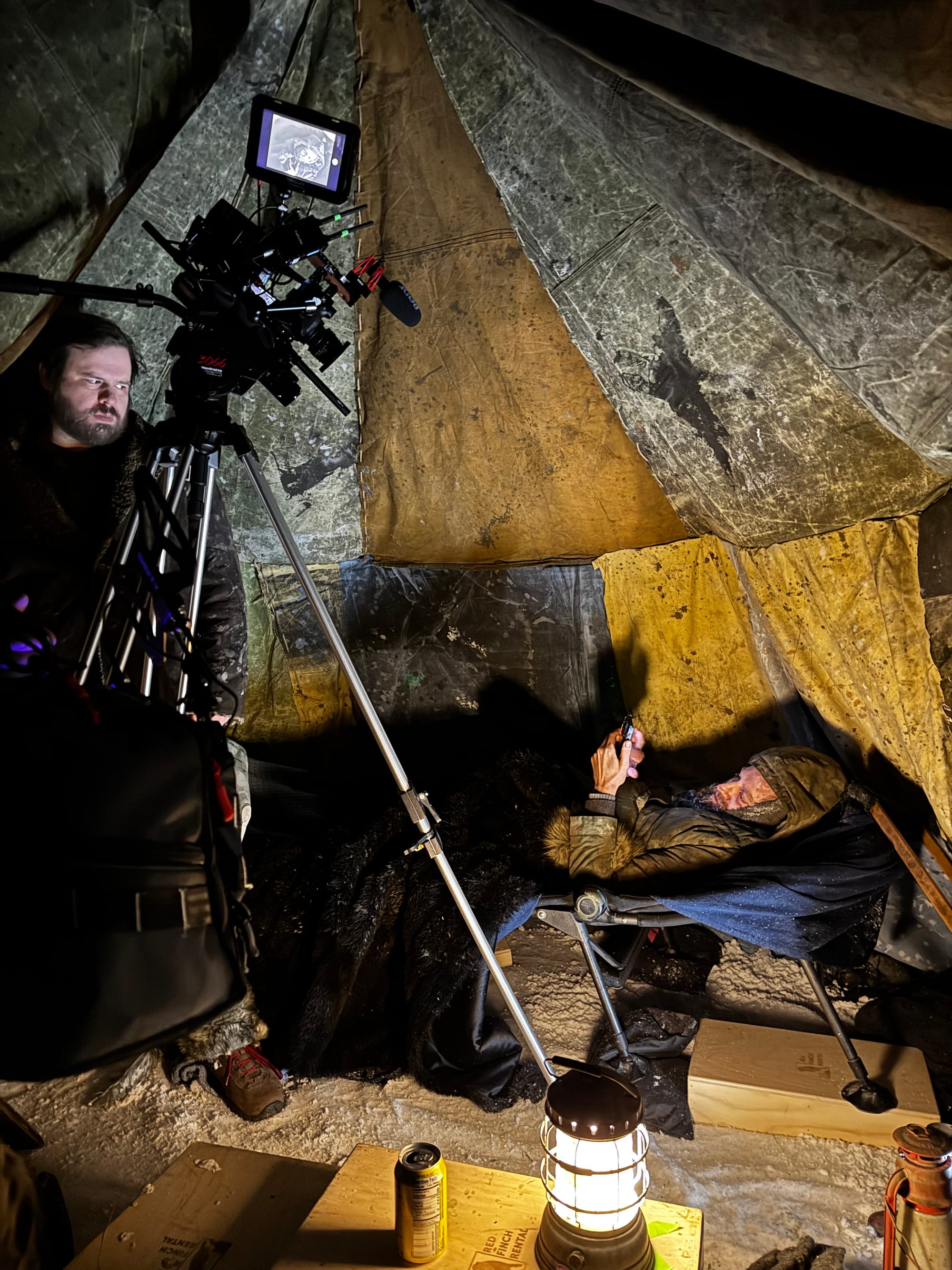
- A ship has been crushed by the ice. Two men are left, sharing a tent on the polar tundra. One of them is rotting from the inside. The other has never looked healthier. That's the whole engine of Frostburn, and it's enough — Phillip Davis builds his short out of a premise so tight it can only tighten further, and then spends his energy on how the thing looks and feels rather than on explaining itself.
Davis came to the story sideways, through a fixation on the Franklin Expedition and the long shelf of books about doomed Arctic explorations that followed. He had the setting before he had the plot, and a creature script sitting unrelated on another corner of the desk. Frostburn is what happened when those two files collided. The result, screening at FilmQuest, is less a conventional horror short than an experiment in deprivation — of color, of light, of health — and Davis is upfront that it doesn't sit neatly in any box.
Key Takeaways
- Davis combined two unrelated projects — a doomed Arctic period piece with no story, and a creature script — to find Frostburn.
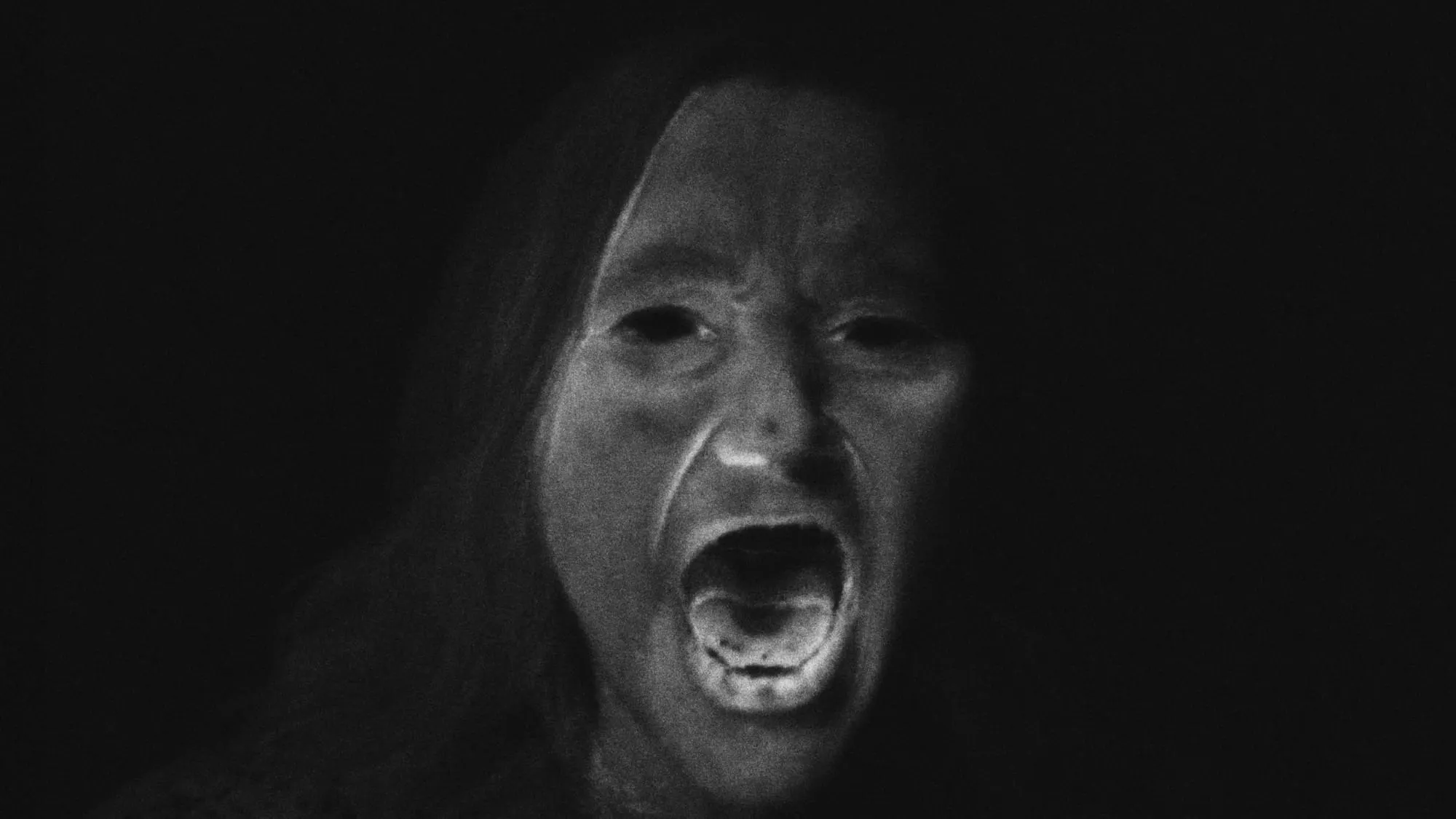
- The dream sequences use what he calls the "nightmare spectrum process": only the sensor's color channel, luma discarded, for images that read like UV, infrared, or X-ray photography.
- A lack of snow sent the production to the beach at the Great Salt Lake, where bright colored sand stood in for tundra.
Davis spoke with us about lead poisoning as a tone, film LUTs made from orthochromatic stock, and why limitation is the best thing independent filmmaking has going for it.
Interview
What drew you to make this film, and why this story, why now?
After reading about the Franklin Expedition I became fixated on doomed arctic explorations, and, after reading several books, the idea came.
What surprised you most about the filmmaking process, creatively or logistically?
The biggest surprise was during the writing. I'd been wanting to make a doomed arctic period piece but had no story. I was separately working on a script about a creature. Eventually it hit me to combine the two.
What moment in the film feels most like you, or like something only you could have made?
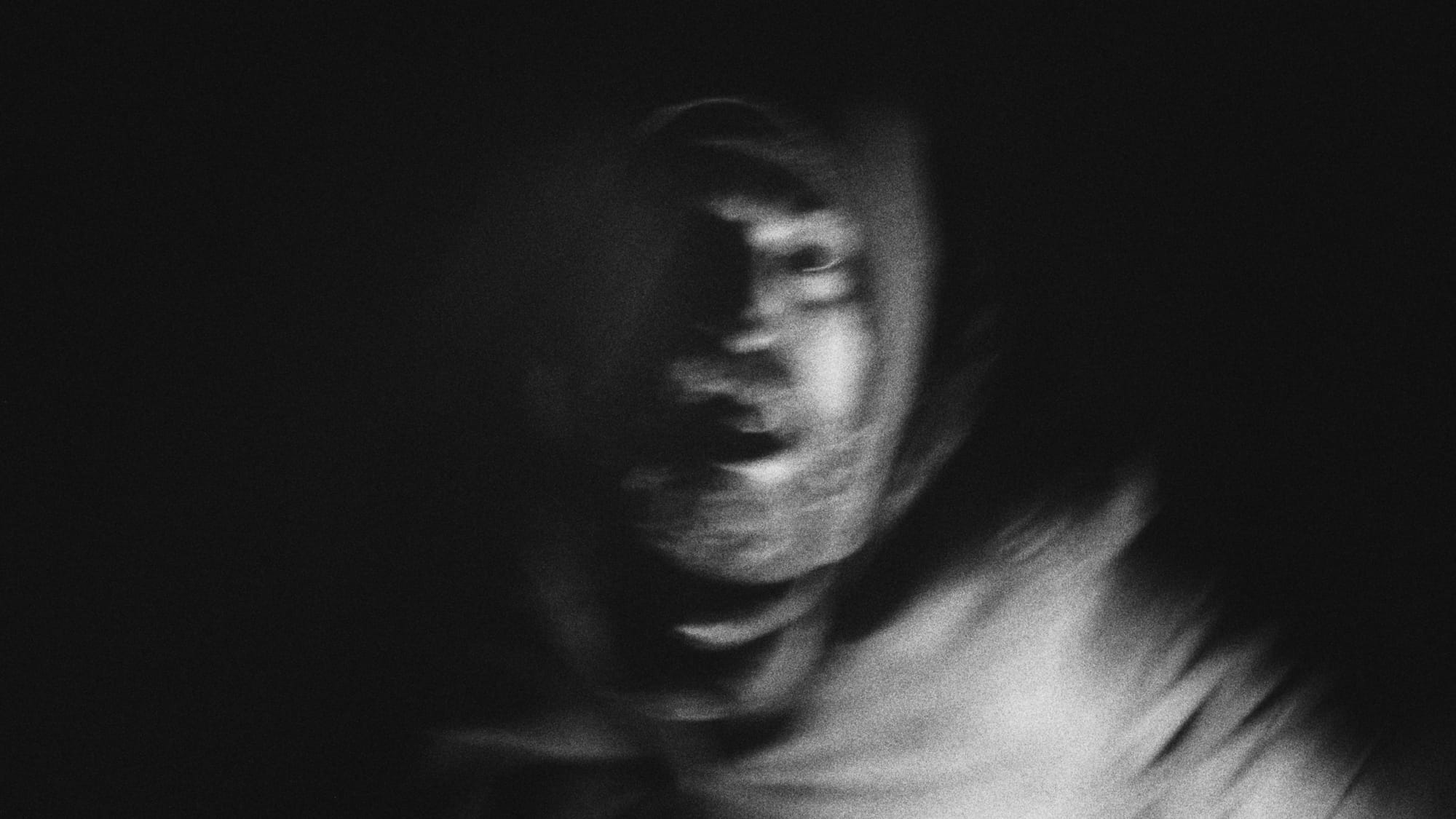
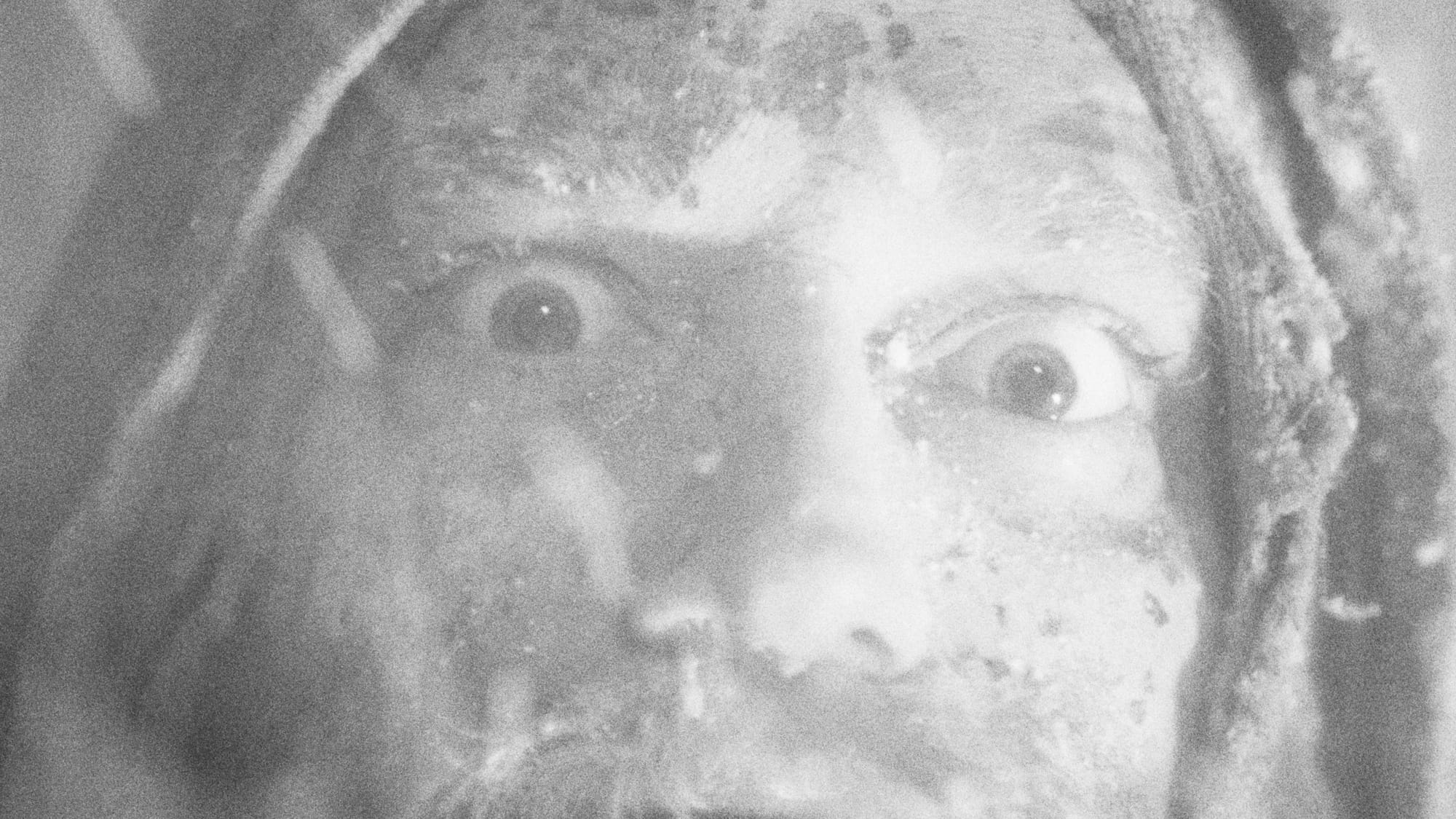
The dream sequences. We developed a very special look for those that I called the "nightmare spectrum process," using only the color channel on the sensor and throwing out the luma (brightness) information to create a look that almost looks like UV, infrared, or X-ray photography. Geeking out over the creation of inexplicable images is one of my most joyful pastimes.
What was the hardest creative decision you made while making the film?
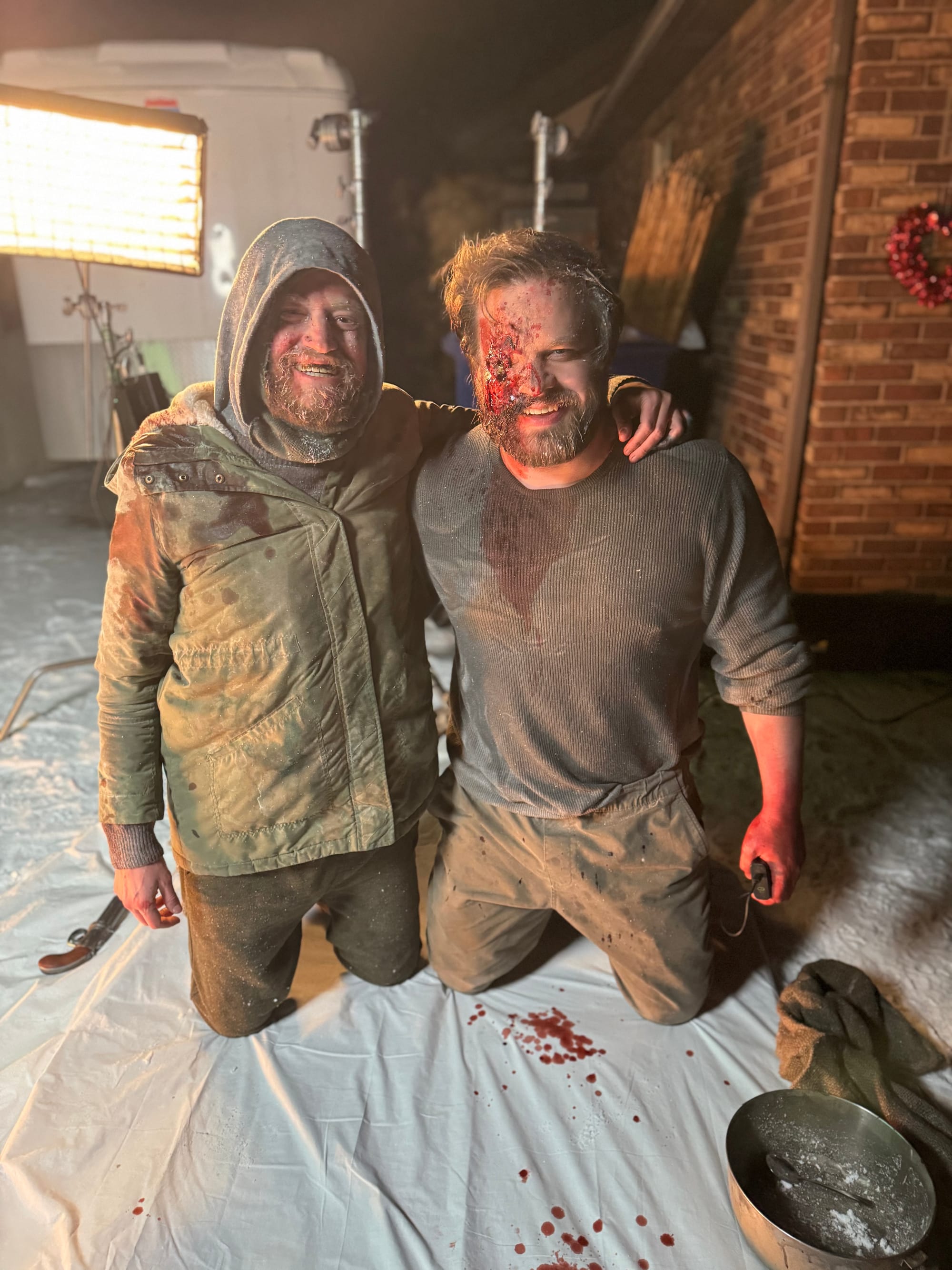
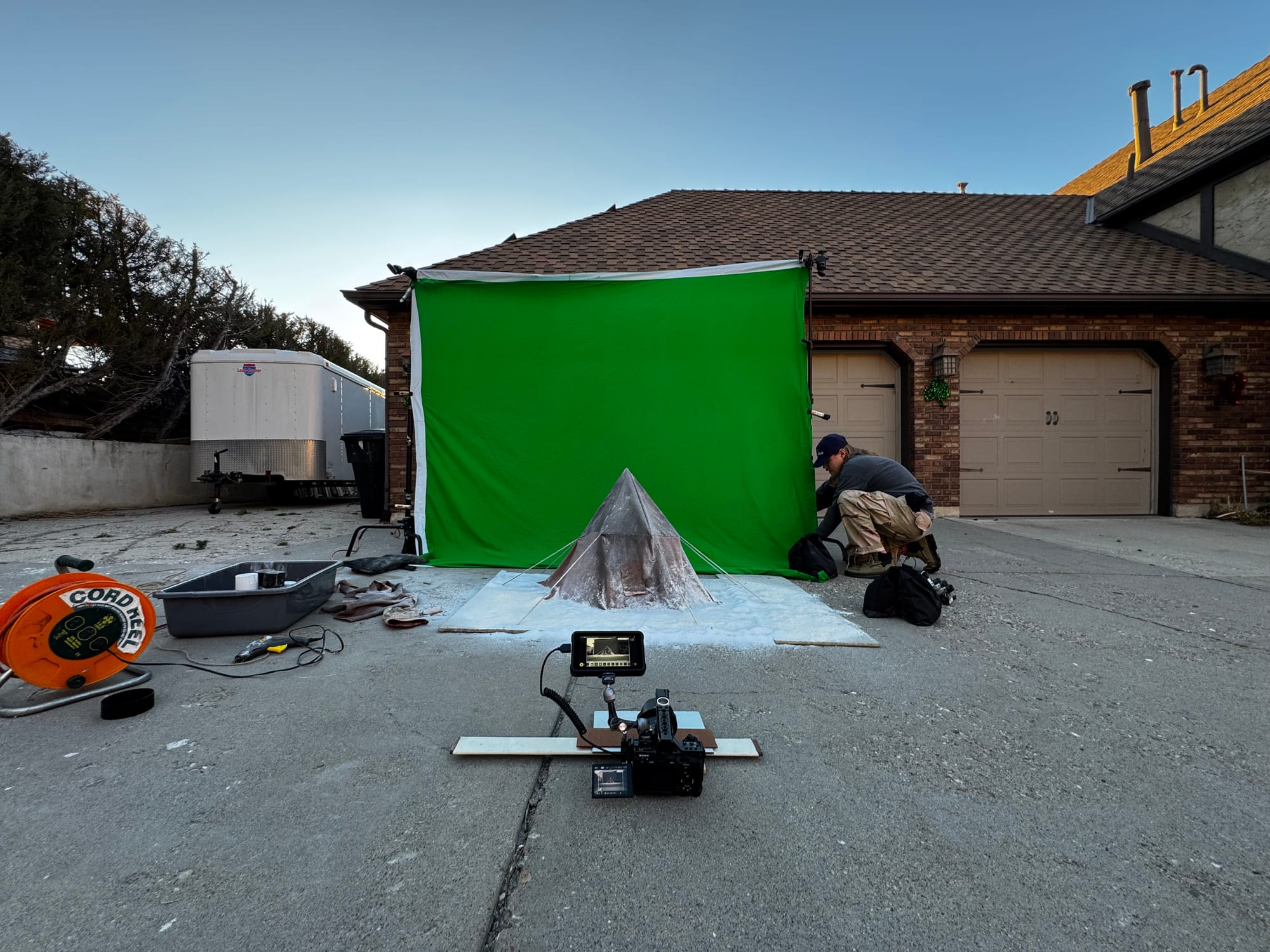
I had to quickly change a lot of filming locations due to lack of snow that I'd anticipated. We ended up shooting on the beach at the Great Salt Lake, where the bright colored sand could play as snowy tundra.
What tool, technique, resource, collaborator, or mindset shift helped most during production?
Other than the "nightmare spectrum" process, I made a film LUT that we used on set and in the color grade that was created from shooting orthochromatic film through an orange filter. If you're an utter film nerd, you know that's a crazy thing to try, since ortho film is mostly sensitive to blue light, and the orange filter filters OUT most of the blue light. It produced a muddy, oppressive image that was perfect for this.
How does your film fit within, or push the boundaries of, its genre or form?
This is a tough question because it doesn't fit any box neatly; to me, it was mostly a tone-poem to lead poisoning and scurvy. But I hope that its audiovisual treatment and experimentation is something people haven't quite seen, and that it feels more like an experience than a movie.
What is the greatest strength of independent filmmaking, and how did you lean into it on this project?
Limitation is the greatest strength of indie filmmaking. Because your resources are incredibly limited, it forces you to be intentional, scrappy, and inventive — solving problems with creativity rather than money. I always say good producing is knowing which corners to cut; indie filmmaking teaches you how to do this.
What does it mean to have your film selected for FilmQuest, and where does the film go next?
It is always an honor to get into FilmQuest because of the community of wacky filmmakers it fosters. It's incredibly fun to see the other insanely creative movies, to see boundaries and taste pushed, and to meet the fellow weirdos who make them.
As for what's next: back into the archival hard drive of my short films never to be seen again! No, seriously, short films don't usually get distributed. If we're incredibly lucky, something may happen. But we make these things out of passion, not expectations of success.
How has this film shaped or shifted the kinds of stories you want to tell next?
Mainly, it whetted my hunger to make an even more stylized, expressionistic movie. Also, every time I make a horror film, I'm compelled to get the dick jokes out of my system by making a comedy. So an expressionist-comedy might be next.
What do you hope audiences take away from this film?
A creepy crawly feeling.
There's a useful honesty in that last answer. Frostburn isn't reaching for a thesis about the Arctic or a reveal that reframes everything; it's reaching for a physical response, the kind that arrives before interpretation does. Everything in the film's construction serves that — the muddy, oppressive image produced by an orange filter fighting orthochromatic stock, the drained X-ray strangeness of the dreams, the sand of the Great Salt Lake passing for a tundra that wouldn't cooperate. Davis says that at the core of all his work is a desire to evoke something in the audience. Two men, one tent, and a body going wrong: it turns out that's a remarkably efficient delivery system.
Main Cast & Crew
- Mike Langer — Melville
- Eric Fisher — Erickson
- Margaret Yorkgitis — Woman
- Caitlin Deering — Producer
- Trevor Turpin — Director of Photography
- Aspen Raine — SFX Makeup
Filmmaker Opportunities
💛 Fund your next project with fiscal sponsorship
Have a project in the works? As a 501(c)(3) nonprofit, the Cinematography for Actors Institute can accept tax-deductible donations on your film's behalf — a door-opener for grants, foundations, and supporters who want to back your work. We've serviced over 100 projects to date and helped route over $800,000 in funding to filmmakers. Explore fiscal sponsorship →
📬 Grant deadlines and festival opportunities, straight to your inbox
The CFA newsletter rounds up grants, festival calls, and community news for independent filmmakers — the kind of opportunities that are easy to miss and painful to miss. Join the newsletter →
🎬 Focus on the creative — we'll help with the logistics
Production Management, CFA's newest member program, launches this November: production insurance and workers' comp, payroll, film permits, gear rental coordination, SAG-AFTRA compliance, contract drafting, production consulting, and crew recommendations — handled by a team of working filmmakers, à la carte or all in, in partnership with Creative Access Group. It's waitlist-only until launch. Join the waitlist →
League of Filmmakers is published by our parent organization, the Cinematography for Actors Institute — a 501(c)(3) dedicated to education, community, and capital for underrepresented filmmakers and actors. Learn more about CFA →