
Table of Contents
TK James began Fuck Your Policy as a modest, personal idea — a way to convey what coming out as nonbinary had felt like. Days before shooting, on January 20th, the film's stakes changed entirely, and a private reflection became an act of public record. The result is a documentary in five parts that gathers the positive and negative experiences of nonbinary people from all walks of life, then situates those stories against a political climate that grows more hostile by the day.
A Brooklyn-based writer-director and RIT graduate, James folds animation and experimental video into live-action storytelling, and that instinct for the slightly strange shapes every frame here. Fuck Your Policy is small in budget and enormous in intent — proof that a $300 shoot, a dark soundstage, and a circle of friends can make room for voices the culture keeps trying to push into the shadows.
Key Takeaways
- A five-part documentary made for roughly $300, using yellow paint and purple fabric to mirror the colors of the nonbinary flag.
- Reinvents the standard talking-head format by interviewing participants from behind, changing how viewers meet them.
- Born from personal experience, then sharpened into urgent testimony by an executive order denying trans and nonbinary existence.
James spoke with us about pivoting under pressure, the cuts that hurt, and why people remain the coolest thing they know.
Interview
What drew you to make this film, and why this story, why now?
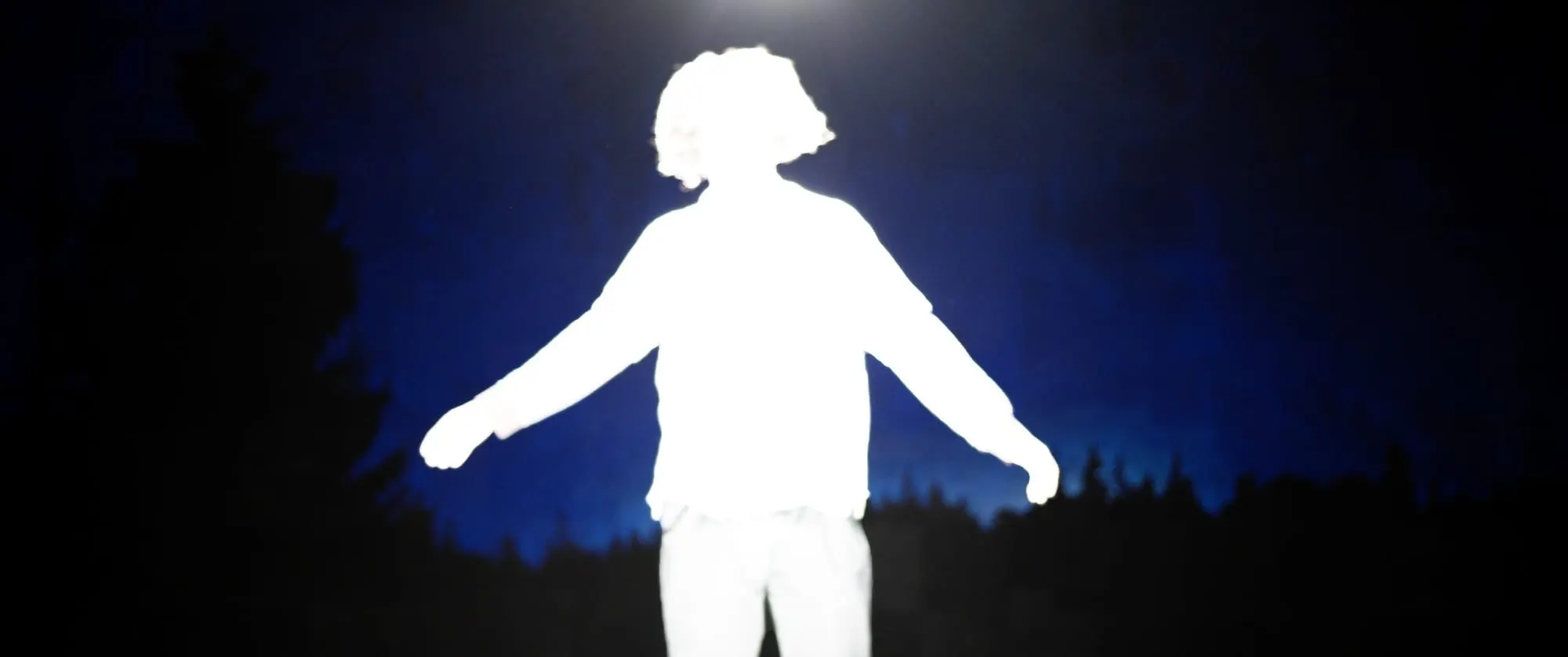
I started pre-production for this film — then, just a vague idea to try and convey what my personal experience was coming out as nonbinary — just days before January 20th, when Trump was inaugurated as president and promptly declared "it is the policy of the United States that there are only two genders." Immediately, the film pivoted. Now more than ever it is essential to bring trans and nonbinary voices to the light as the powers at play do everything they can to confine us to the shadows. As terrifying as it was to make this film, constantly haunted by the question of "am I putting a target on my back?", it was even empowering just how many people came out of the woodwork to support.
What surprised you most about the filmmaking process, creatively or logistically?
It surprised me how much I needed to cut away. I had set out to make an entry-level story that anyone could partake in and empathize with, even if they weren't nonbinary. Thirteen interviews later, I realized all my favorite moments were deeply nuanced and very specific, and I had to figure out how to cut out the more complicated stuff that wasn't very easy to understand while still retaining the core emotion and message that I loved. That really forced me to confront how I saw the film, and consider how others would see it too.
What was the hardest creative decision you made while making the film?
At the end of the day, we had interviewed 13 people for several hours each, but we only had 10 minutes to tell the story. Leaving some of my favorite moments behind on the cutting room floor was rough, especially when I felt they really aided the story, but were just a little bit too long to be included. It's the only time I've finished a project and gone "Man, I wish I made this as a feature," but who knows, maybe I'll get the chance to return to it someday and weave in all those pieces I left behind.
What moment in the film feels most like you, or like something only you could have made?
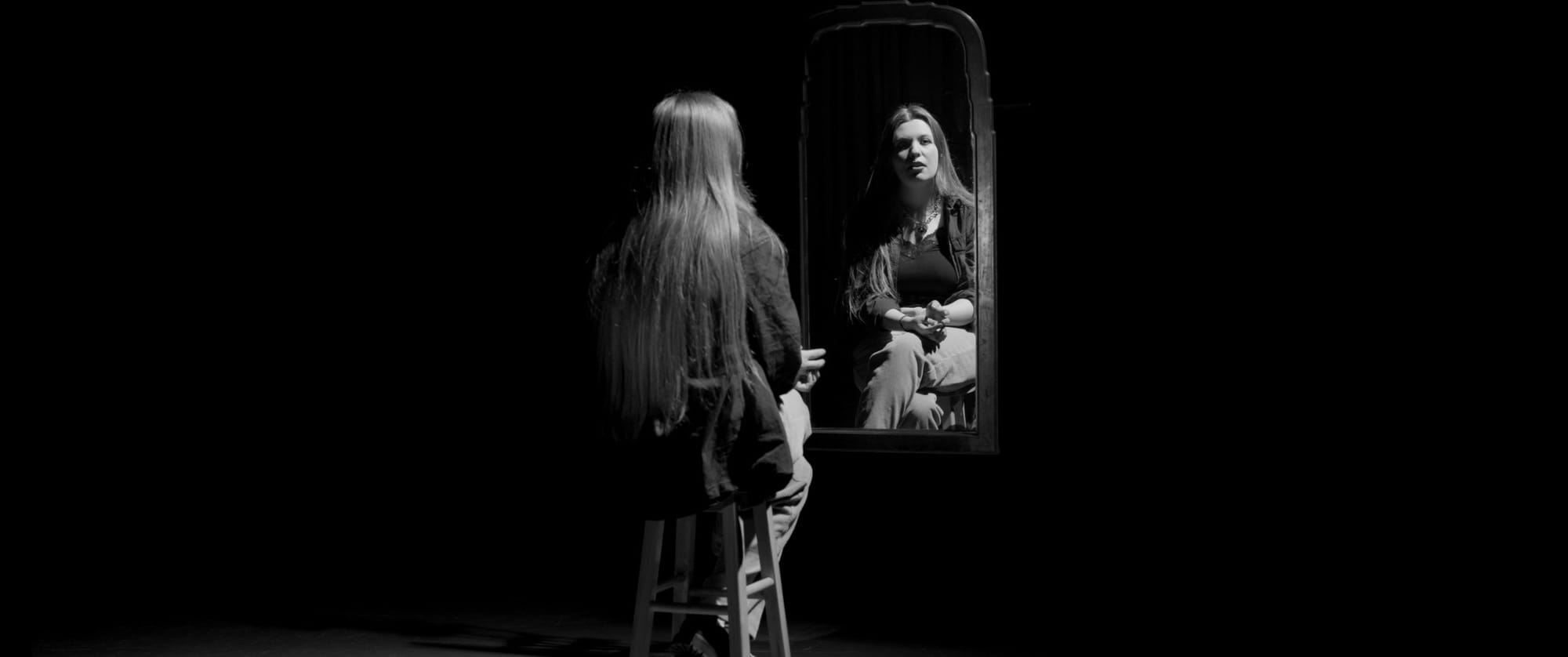
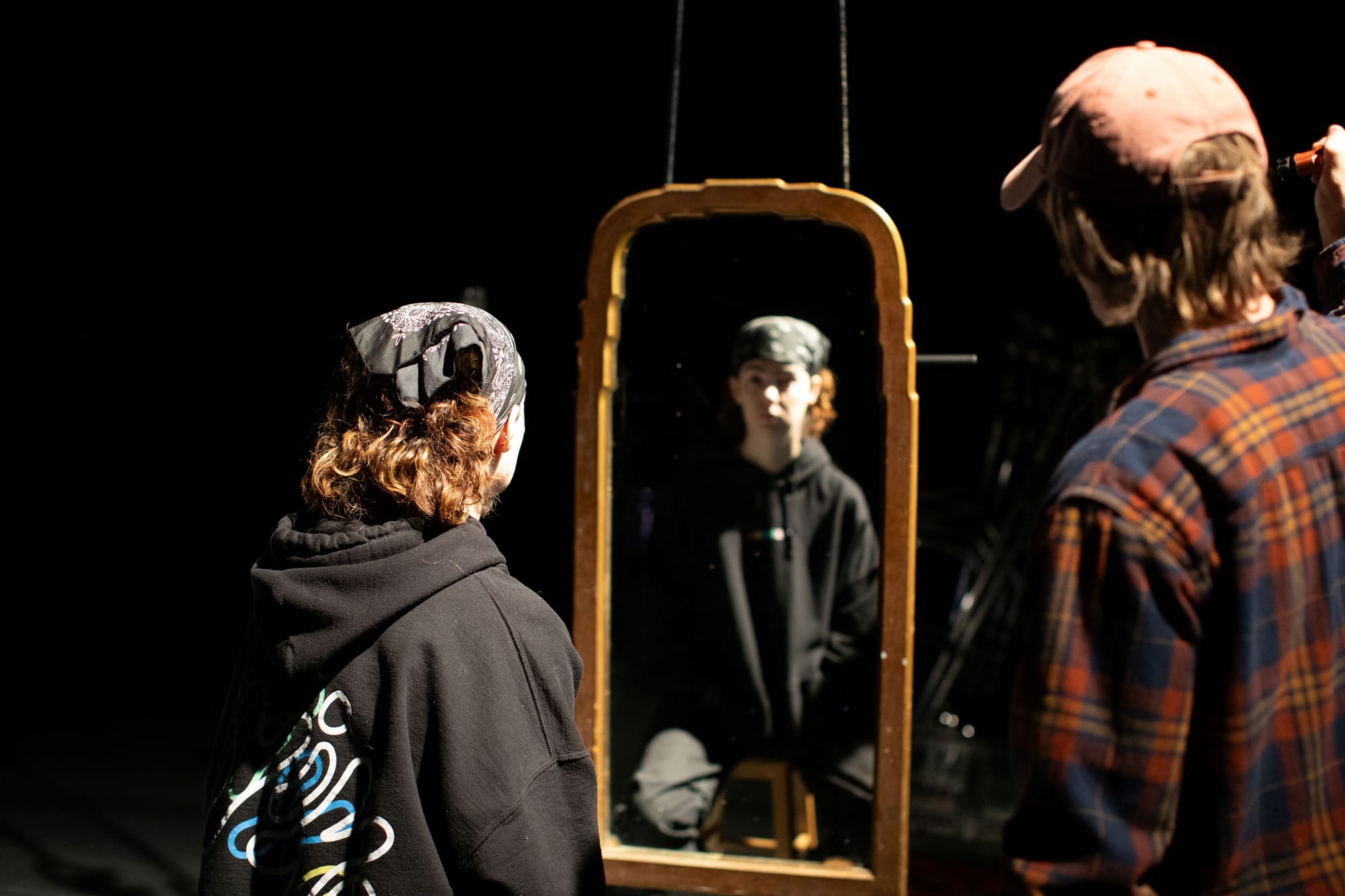
The framing of the black-and-white section feels like the most "me" part of the film. My friends often tell me that they can tell when I had a hand in the shot, because it looks just strange enough to be "TK." The idea of interviewing people from behind them and really affecting how the viewer gets to interact with these participants is something I consider to be really unique and eye-catching about the film. In their standard form, talking heads would be remarkably boring. Fuck Your Policy pushes the form both literally, via camera placement, and metaphorically, tying that placement into the core of what our participants are talking about.
What tool, technique, resource, or collaborator helped most during production?
My editor, Sam Fleming, was the biggest help throughout this film. They're one of my best friends, and I truly believe our minds merged into one mega-nonbinary-filmmaker brain while holed up in our edit suite and chipping away at the timeline. They're a beast, and working with them really reinvigorated my love for collaboration and kept me going, even when I was sure the emotional weight of the film was going to take me out.
What is the greatest strength of independent filmmaking, and how did you lean into it here?
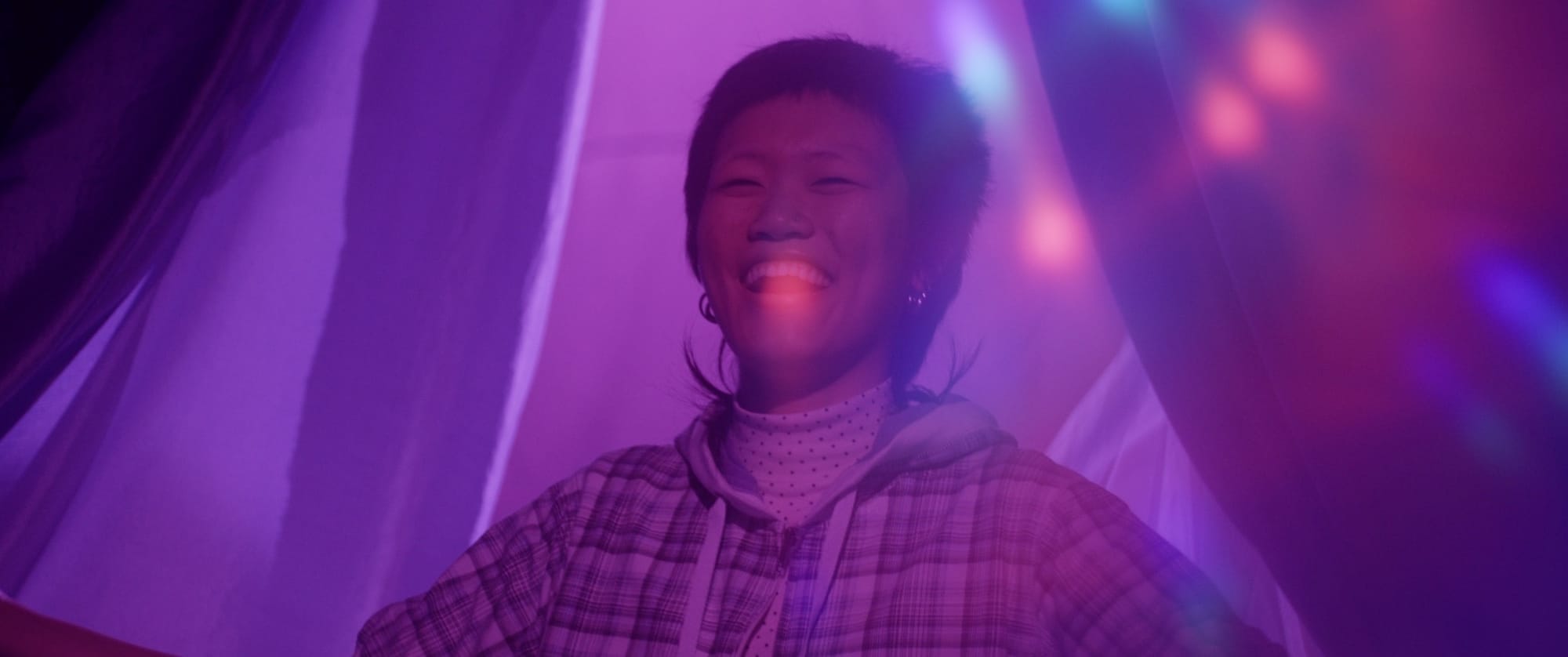
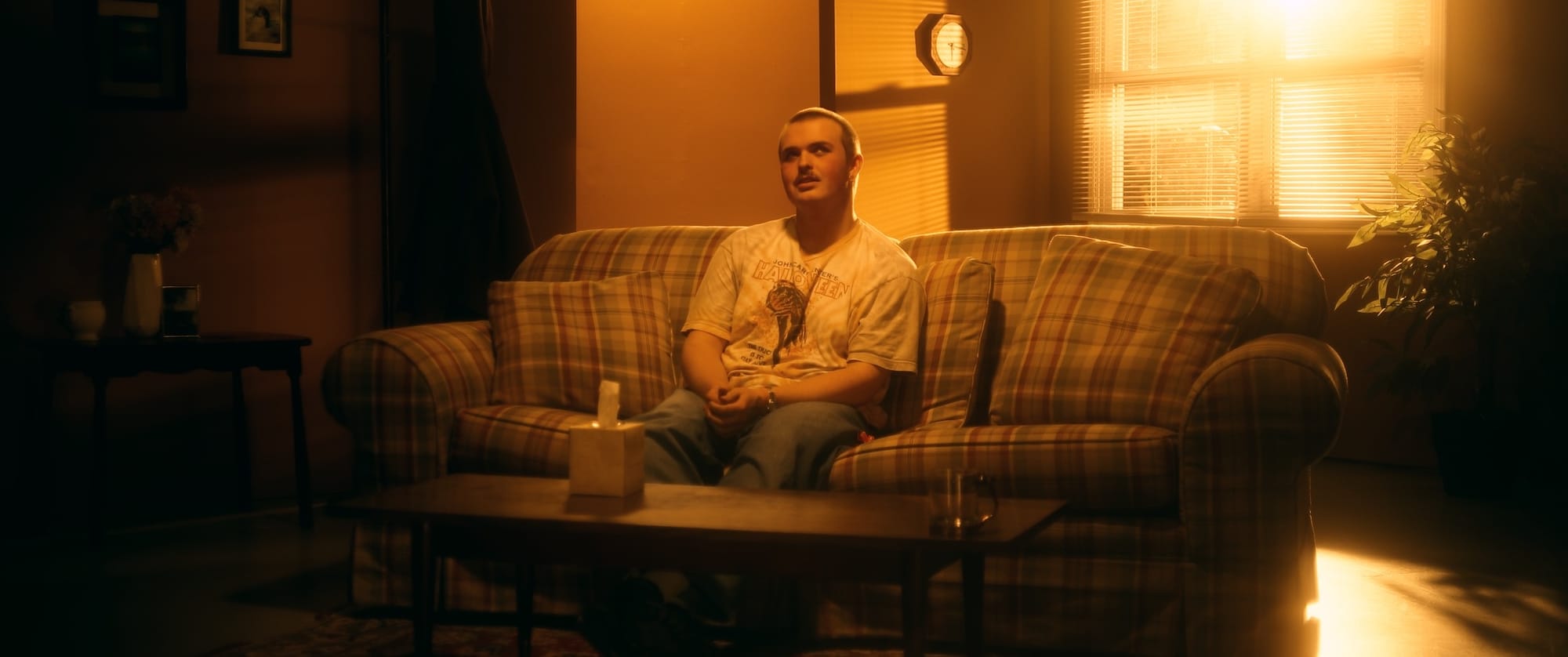
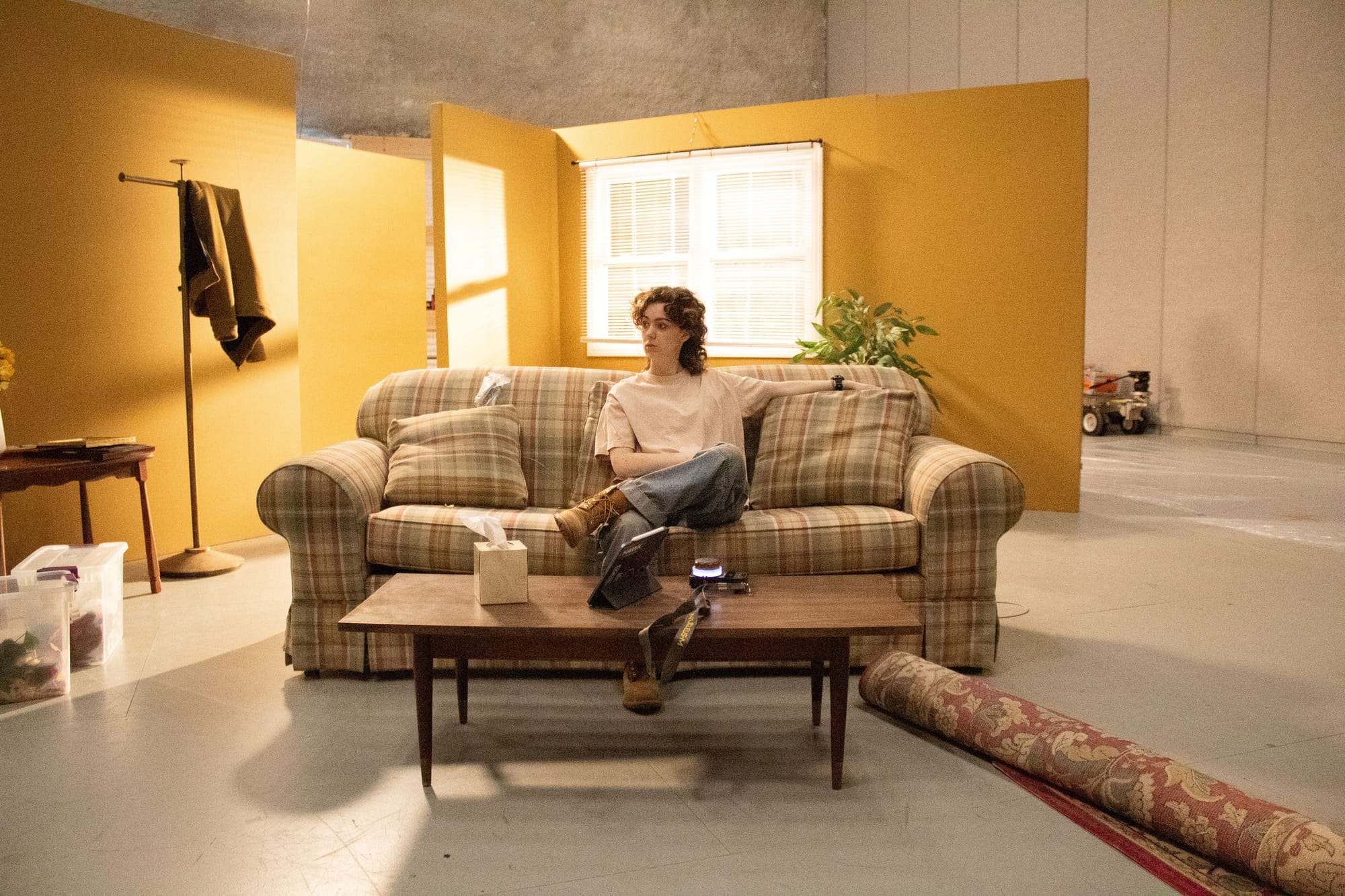
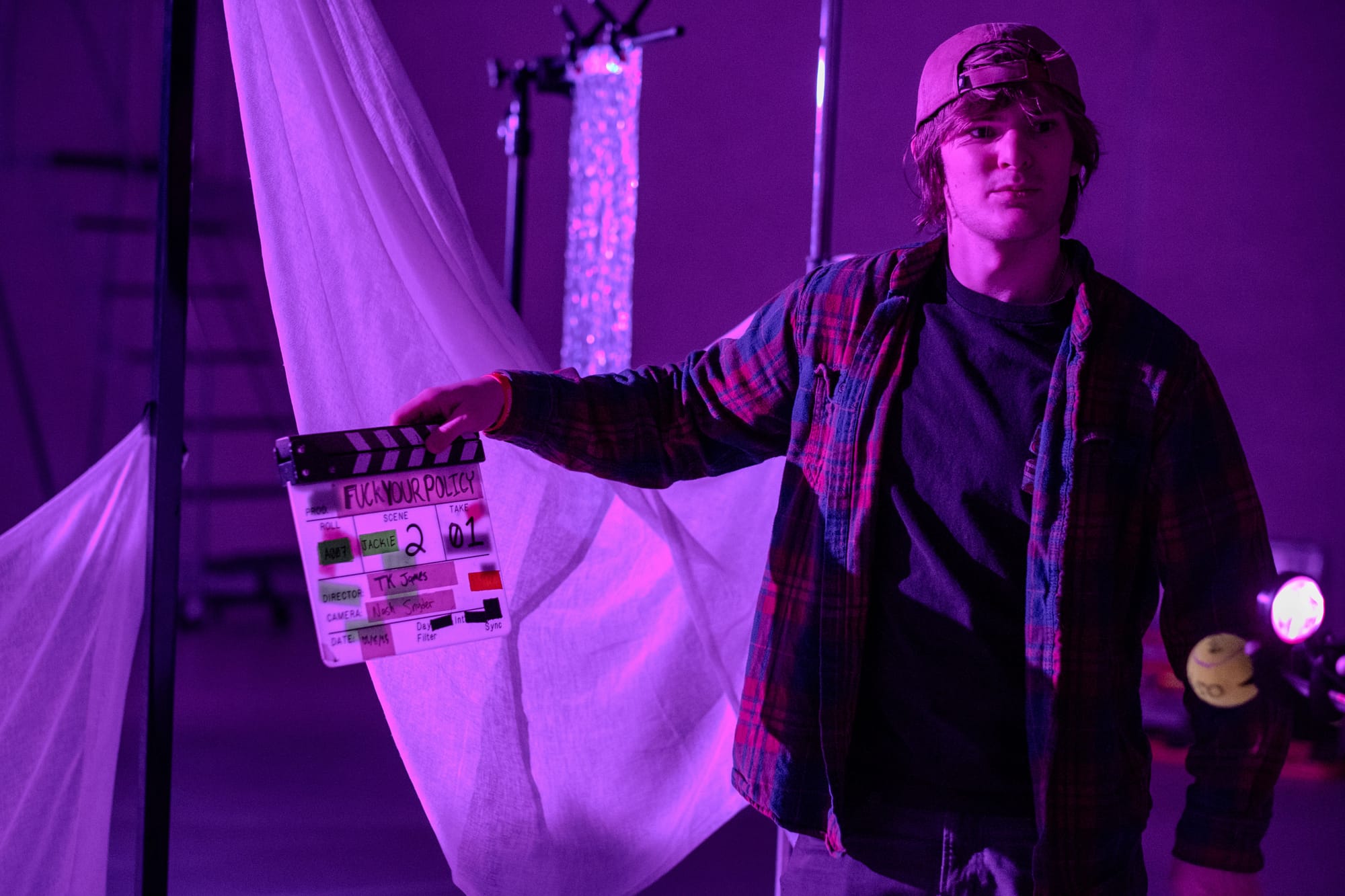
The greatest strength of independent filmmaking is thinking outside the box. You have more limitations working on such a small scale — this entire film cost about $300 total to shoot — and that really inspires me to figure out how I can still achieve what I'm after without everything I'm without. I really wanted highly color-coded scenes to mimic each of the colors of the nonbinary flag, so we bought yellow paint and swaths of purple fabric, found the darkest soundstage available, and asked favors of old friends, and we made it happen, boots on the ground.
What does it mean to have your film selected for The Reel Champions Shorts Fest?
To be selected for any fest means the absolute world — the more people I can bring this film to, the more people I can potentially connect with and open up more empathetic connections with. To be selected for The Reel Champions specifically is like a special kind of gratification, to stand among other talented women and nonbinary people and say "Look, we're all equals here. We're all deserving of this recognition." It's really something special to be received with such open arms. This film reaffirmed for me that I want to continue to center queer voices, whether documentary or fiction. Nonbinary people are everywhere, in all multitudes of shapes and colors, and I'd love to broaden the swath of people I'm able to represent in the future.
Main Cast & Crew
- TK James — Director
- Sam Fleming — Editor
- Nash Snyder — Cinematographer
- Sofia Carrera — Sound Mixer
- Nathan Blader — Colorist
Filmmaker Opportunities
💛 Fund your next project with fiscal sponsorship
Have a project in the works? As a 501(c)(3) nonprofit, the Cinematography for Actors Institute can accept tax-deductible donations on your film's behalf — a door-opener for grants, foundations, and supporters who want to back your work. We've serviced over 100 projects to date and helped route over $800,000 in funding to filmmakers. Explore fiscal sponsorship →
📬 Grant deadlines and festival opportunities, straight to your inbox
The CFA newsletter rounds up grants, festival calls, and community news for independent filmmakers — the kind of opportunities that are easy to miss and painful to miss. Join the newsletter →
🎬 Focus on the creative — we'll help with the logistics
Production Management, CFA's newest member program, launches this November: production insurance and workers' comp, payroll, film permits, gear rental coordination, SAG-AFTRA compliance, contract drafting, production consulting, and crew recommendations — handled by a team of working filmmakers, à la carte or all in, in partnership with Creative Access Group. It's waitlist-only until launch. Join the waitlist →
League of Filmmakers is published by our parent organization, the Cinematography for Actors Institute — a 501(c)(3) dedicated to education, community, and capital for underrepresented filmmakers and actors. Learn more about CFA →


