Table of Contents
Leah broke up with Kyle. Now he'll do anything to get her back. That logline reads like a romantic comedy, and for a while Get Her Back! wants you to believe it is one — Kyle is charming, appealing, exactly the kind of man movies have trained us to root for. Then the lens shifts. Leah Nanako Winkler's first film as a director is a coffee-shop two-hander that curdles in real time, and the disorientation is the point.
Winkler comes to filmmaking after nearly two decades in the theater and a decade writing for television — an award-winning playwright and screenwriter hailed by the New York Times as a "distinctive new voice." Get Her Back! is where she finally directs a story she'd carried for fifteen years, reclaiming it frame by frame.
Key Takeaways
- A romcom premise engineered to expose how charm and persistence get mistaken for love — and how dangerous that mistake can become.
- Shot in two days, with pivotal discoveries — including the film's opening — found in the edit alongside editor Casey Brooks.
- A first-time filmmaker's argument for authentic voice over marketplace-friendly caution, and for letting the work itself be the reward.
Winkler spoke about the memory that seeded the film, the craft of tonal misdirection, and why she's doubling down on the stories only she can tell.
Interview
What drew you to make this film, and why this story, why now?
When I was younger, I broke up with a charming, older white man. Early in our relationship, when I was fifteen and he was in his twenties, we made a sex tape. When I asked for it back, he destroyed it in front of me instead, and accused me of being ungrateful and untrusting. At the time, I internalized this experience and wondered if I was a bad person who hurt a knight in shining armor. But the image of this grown man ripping apart the film from the plastic spools, with tears streaming down his face and rage in his eyes, became seared into my brain. I knew I would eventually write about that moment, but for almost fifteen years I didn't know what I wanted to say.
Then, in 2021, Robert Aaron Long shot up two Asian spas in Atlanta and killed six Asian women. When I read that a parlour owner reprimanded Long for not tipping before he fired the first round, I thought about my ex and the tape. Suddenly, the way I understood my own experience started to change. I began thinking about how Asian women are often portrayed throughout history: submissive, accommodating, grateful and sexually available. At fifteen, I probably played into these stereotypes because I thought that's how I would be likable. But when women are viewed as exotic tropical flowers, something to possess, it creates expectations and entitlement in the wrong men — and when that racial mirage is broken, it can actually be dangerous. We can suddenly be seen as cold, ungrateful, and deserving of extreme punishment.
That question — had I experienced punishment, too, when I demanded something and stopped being his submissive, young girlfriend? — propelled me into finally writing the script that had been in my head for years. I also knew the only way I could reclaim as much agency as possible was to direct. After a decade writing for television and nearly twenty years directing actors in theater, I finally felt I had the experience to tell this story as a filmmaker.
How does your film fit within, or push the boundaries of, its genre or form?
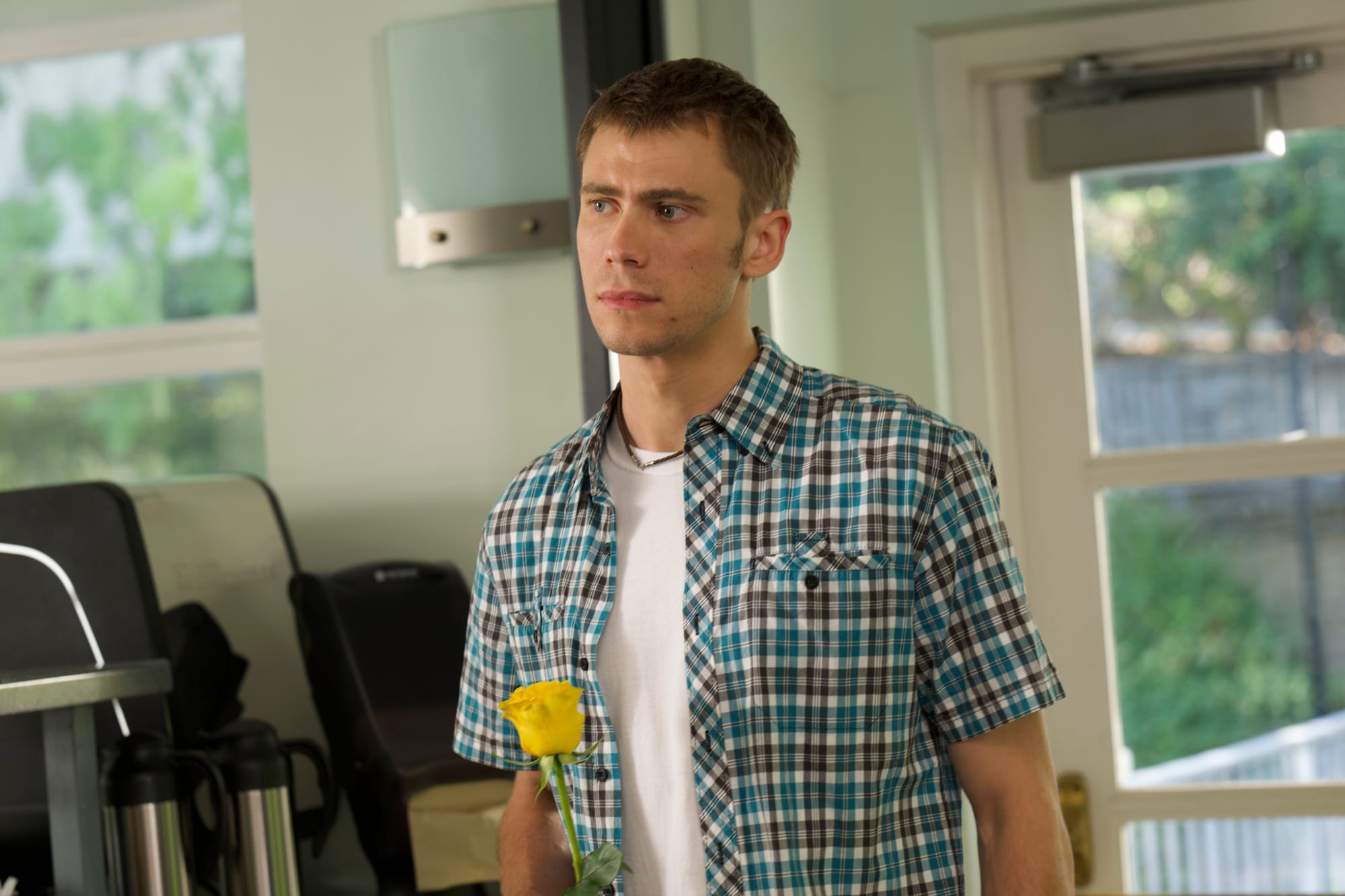
I asked myself — what narratives have taught us to interpret relentless persistence as romance, entitlement as devotion, or scary obsession as love? I rewatched a lot of romcoms I love, like 500 Days of Summer, as well as movies where fathers try to win back their families, like The Santa Clause or Mrs. Doubtfire. What I noticed is that these films hide extremely disturbing behavior from the male leads by casting the most charming, appealing actors possible, so you forget that what they're doing is actually crazy.
That's why Kyle is crafted to feel like the perfect romcom hero — until he isn't. Leah is positioned as the villain — until she isn't. But the truth is there from the beginning, hiding in plain sight. The audience is invited to see it only when they're ready to question the lens they've been given. The tonal shift is meant to be disorienting, unsettling, and, I hope, exhilarating.
What surprised you most about the filmmaking process?
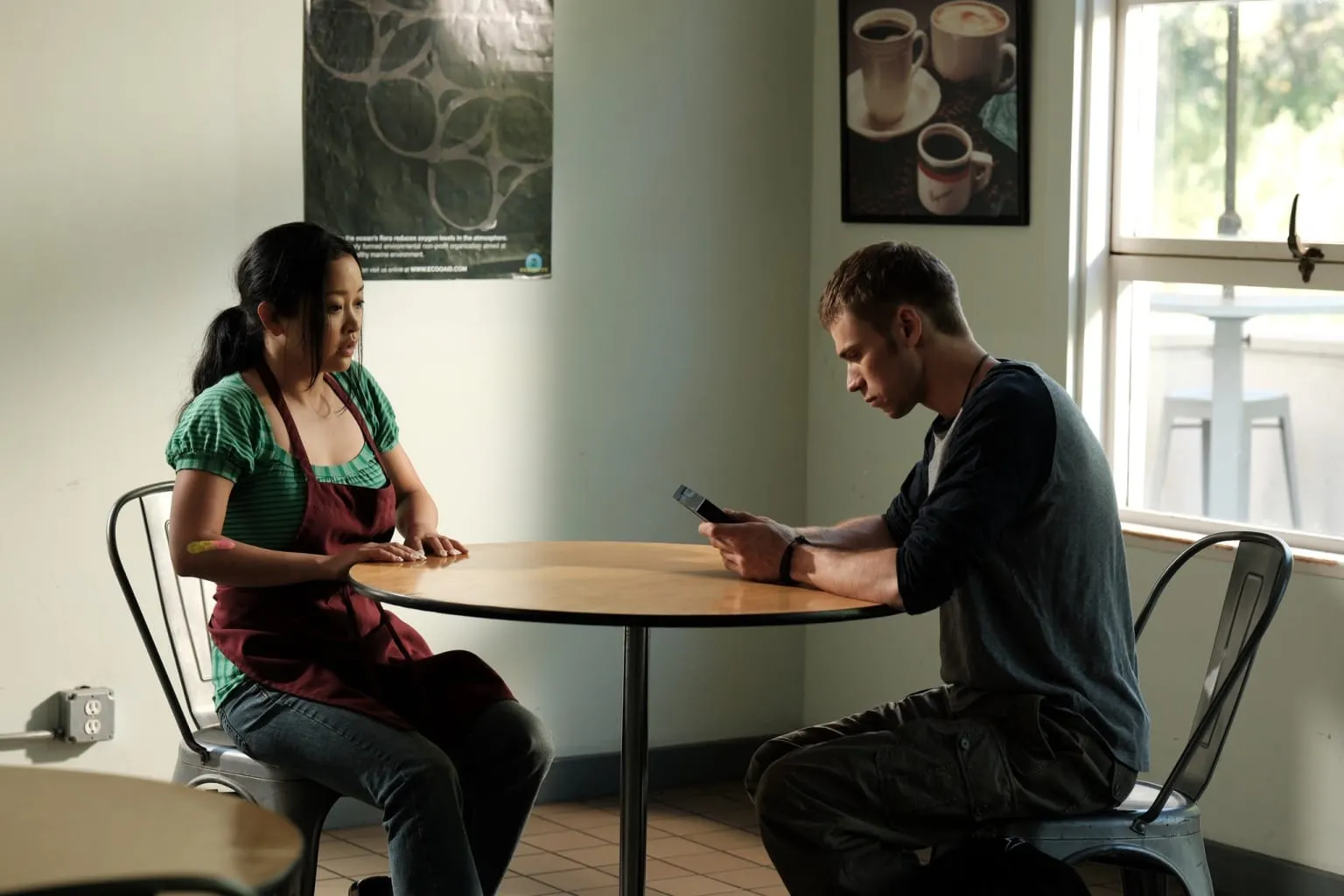
I knew restructuring happened in the editing room from my television experience, but I was most surprised by how much is possible. We shot Get Her Back! in two days, and the coffee shop scenes — which I underestimated as the easier shoot — were on the first day. I got everything I wanted from the shot list, but in the editing room I realized I didn't have all the coverage I needed. I spent hours and hours combing through the footage to find snippets of the actors being in character before the scene actually started, so I could make up for it. It was truly stressful, and a lesson to challenge myself to think visually outside of the text.
What moment in the film feels most like you, or like something only you could have made?
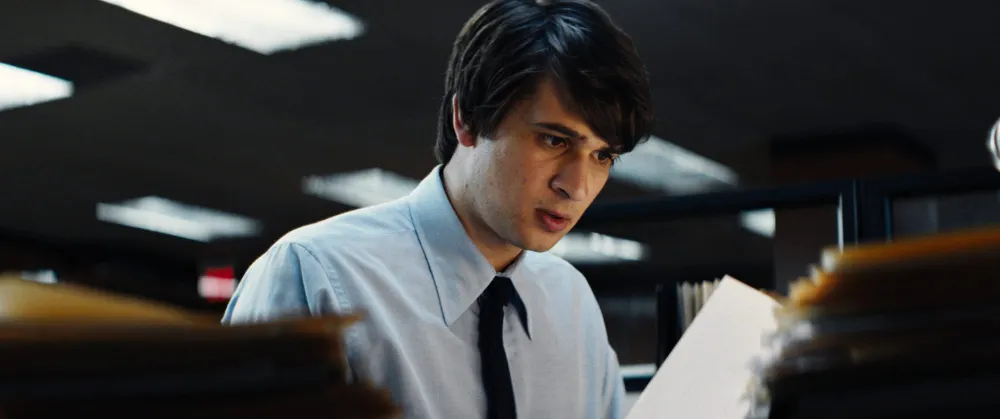
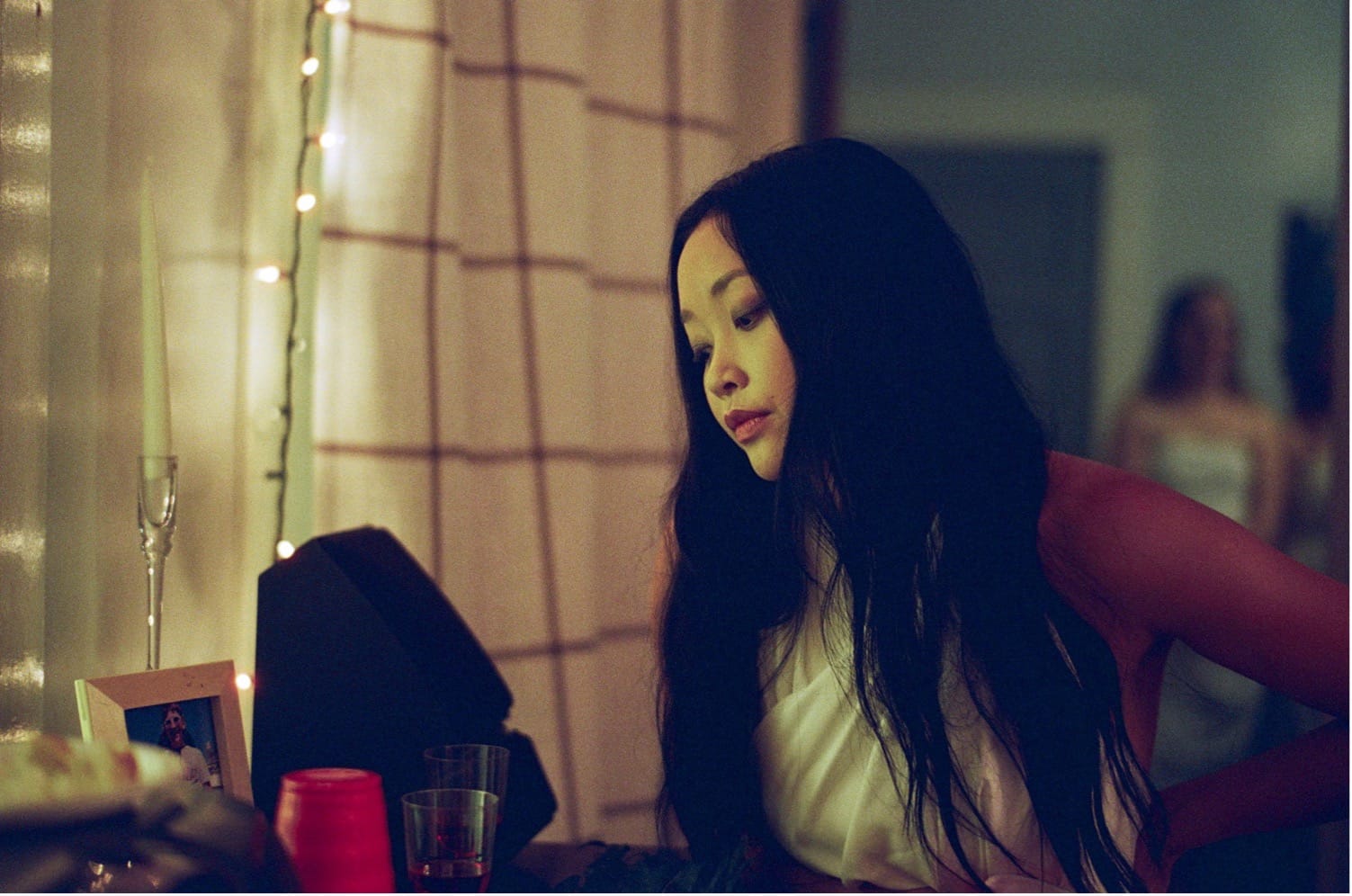
There's a moment in the pivotal coffee shop scene where Lana's character feels an impending sense of doom because she dismissed her own instincts. The look on her face, to me, perfectly encapsulates how I feel about the tape in retrospect. Owen Teague and Lana Condor are such incredible actors, and though the script isn't a transcription of my life, that moment feels the most like me. I process monumental personal experiences through my writing, but being able to shape performances, pacing and visual language as the director let me truly reinvent that specific trauma into art. It was extremely empowering.
What was the hardest creative decision you made while making the film?
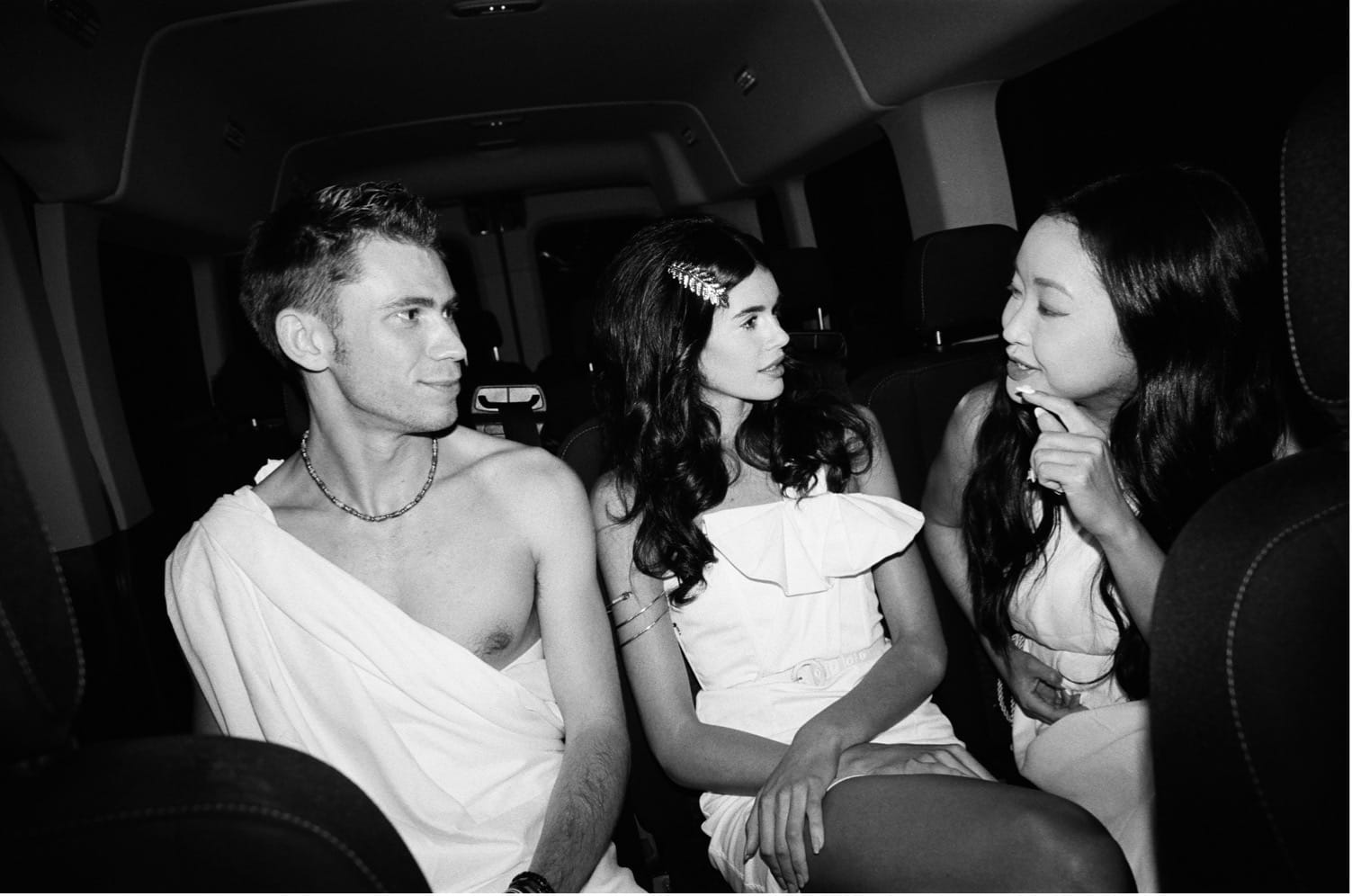
Starting the film with footage from the tape without context was something I found in post with my editor, Casey Brooks. That decision was difficult for my writer brain, because I wanted to make the exact script I wrote. But now I realize so many wonderful discoveries happen after set, and you have to let initial ideas evolve and grow. I do think it would help for more writers to be involved in post. I was able to make changes like that because I knew the story better than anyone else.
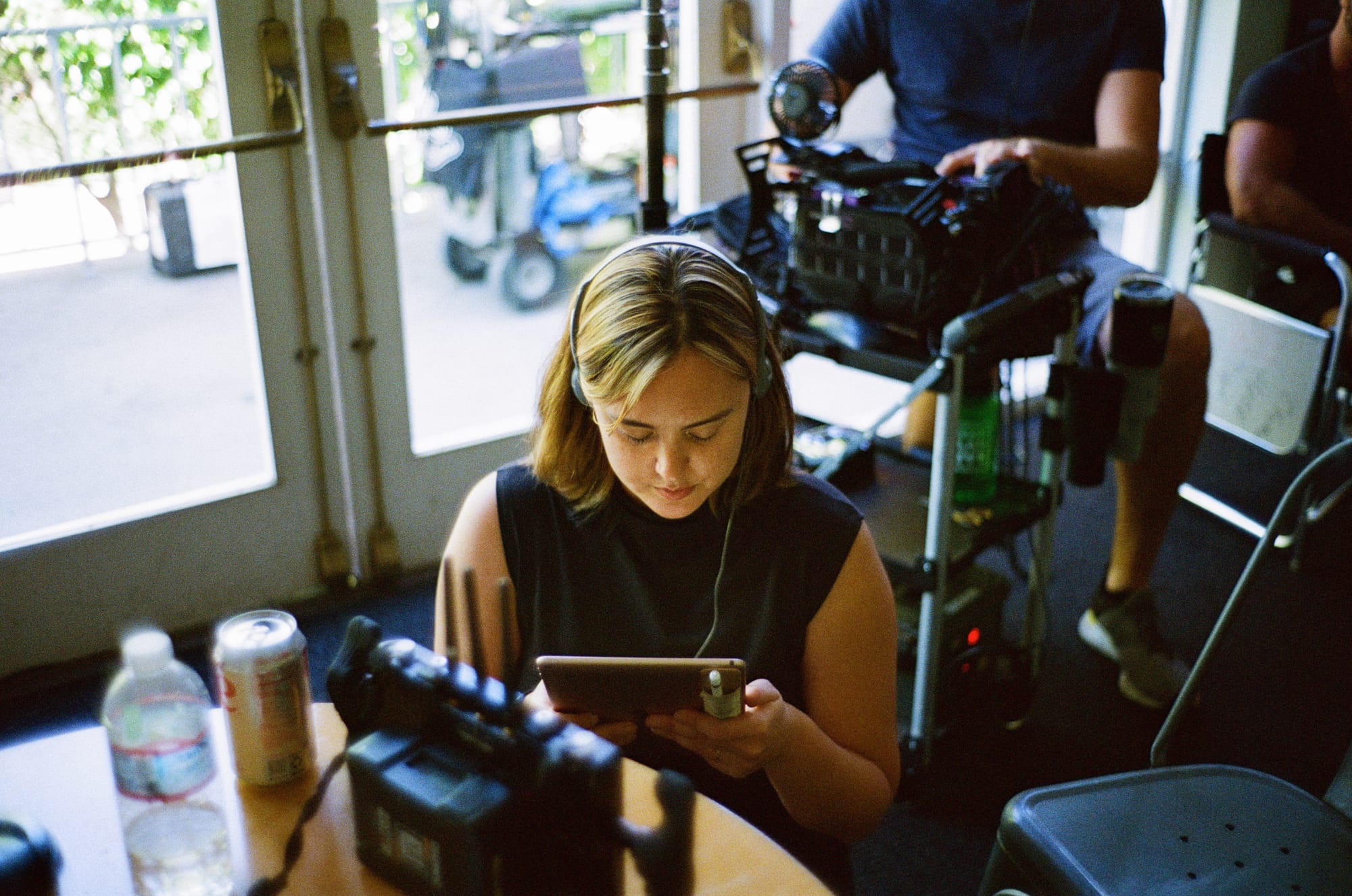
What collaborator or mindset shift helped most during production?
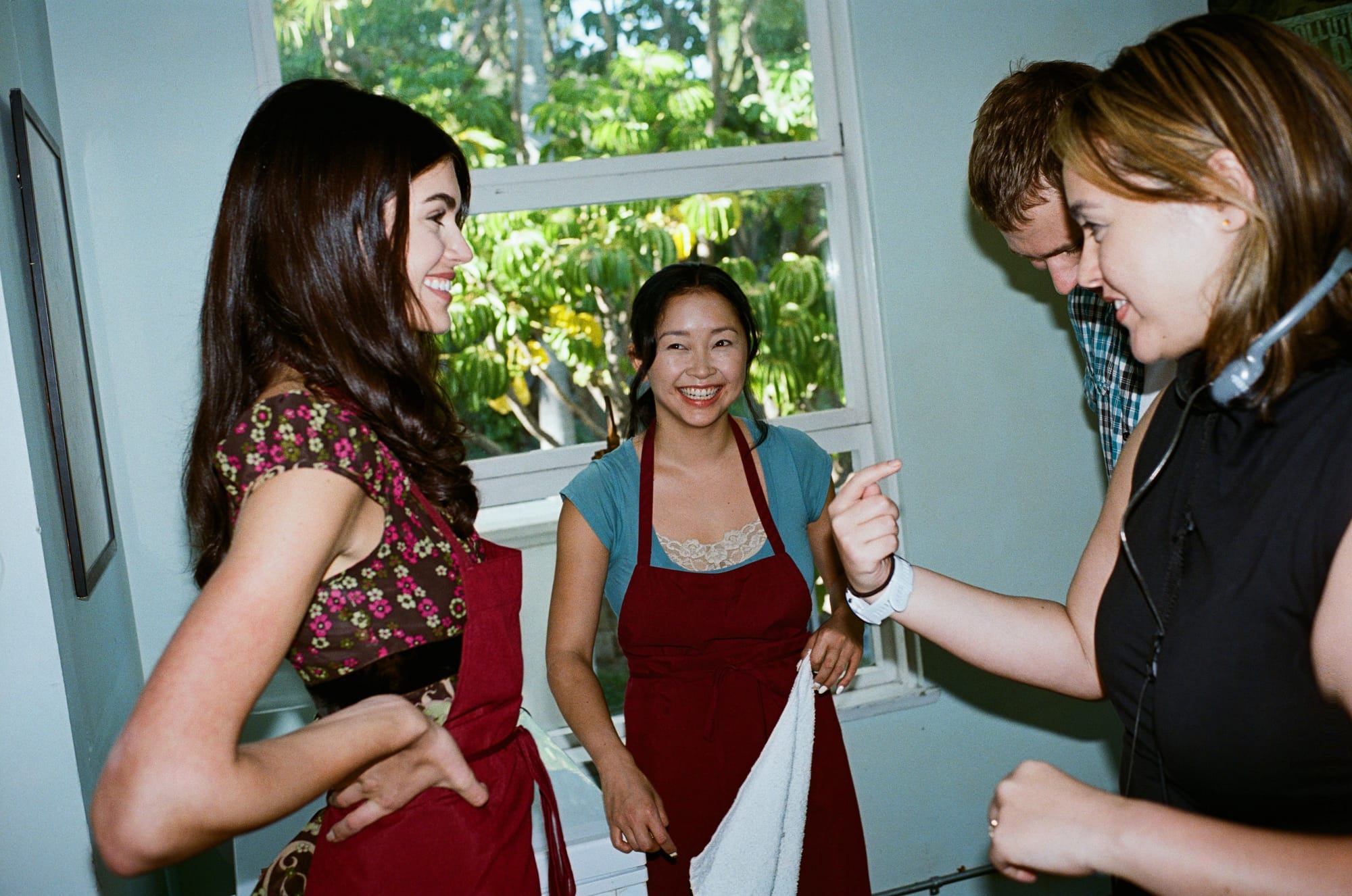
My editor Casey Brooks. He and I worked together for a year in his apartment, and that is a creative bond unlike any other. I would do anything for him, and everyone should work with him. Beyond that: even though this was my first film, I was deeply inspired by the inventiveness, resourcefulness and generosity of everyone who helped. Every single person was an accomplished artist willing to donate their time and creativity because they believed in the project — they reminded me of the New York theater community, where nobody is making the work for money and the work itself is the reward. I'd encourage anyone doing this for the first time not to pretend they know everything. Be open to input, and make people feel valued for their contributions.
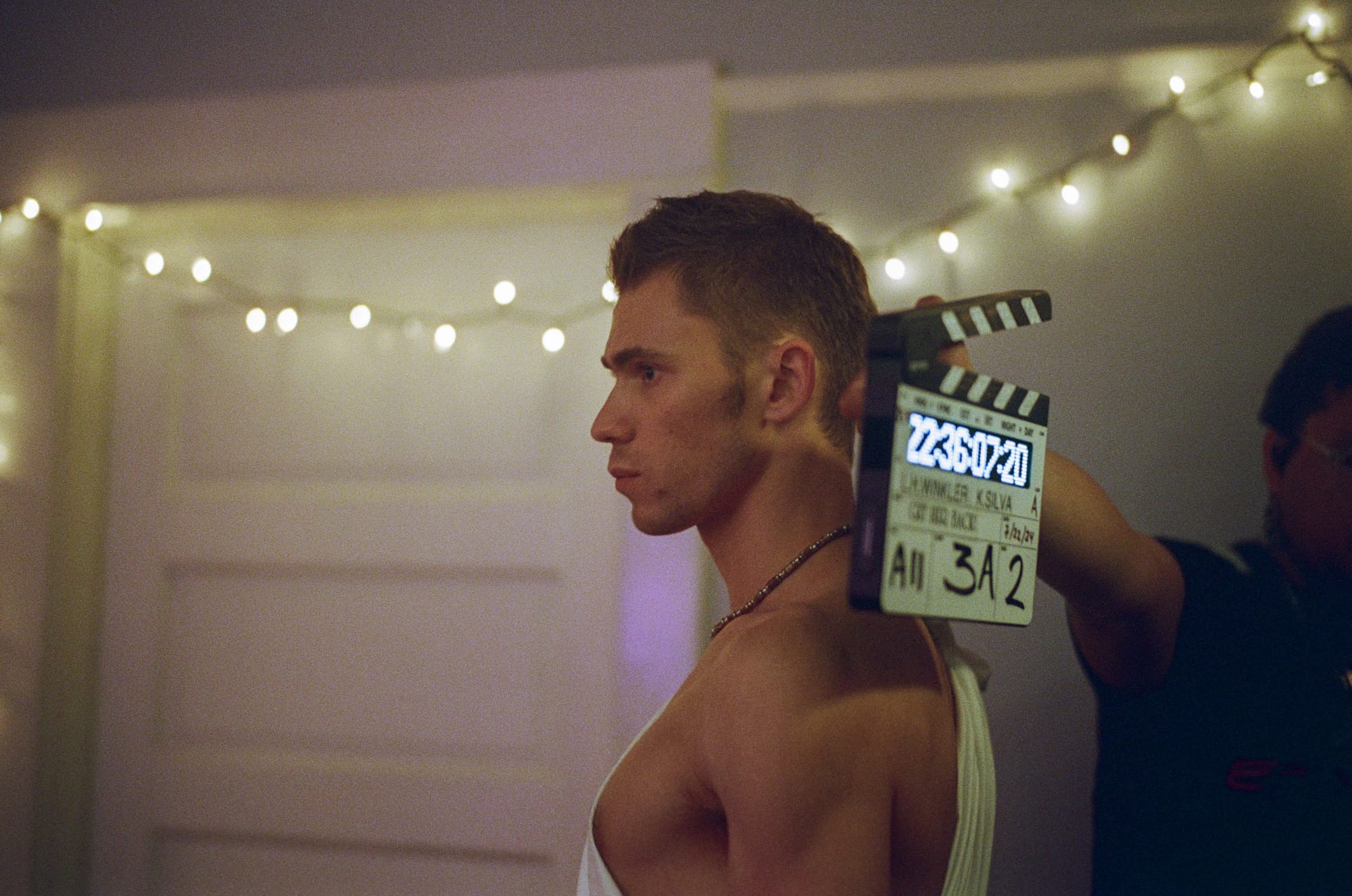
Where do you see this film going next?
I just want as many people as possible to see Get Her Back! — being selected for HollyShorts is a total honor, meaningful in every way possible. This film has encouraged me to foster my authentic vision by challenging myself to make it better, rather than trying to shrink or be someone else, even if that means I won't be for everyone. I'm doubling down on telling distinctive stories that come from the heart. I also wrote a feature in a similar tonal vein called Nevada-Tan, and I'm currently looking for producing partners. If the film resonates with you, I'd love to connect.
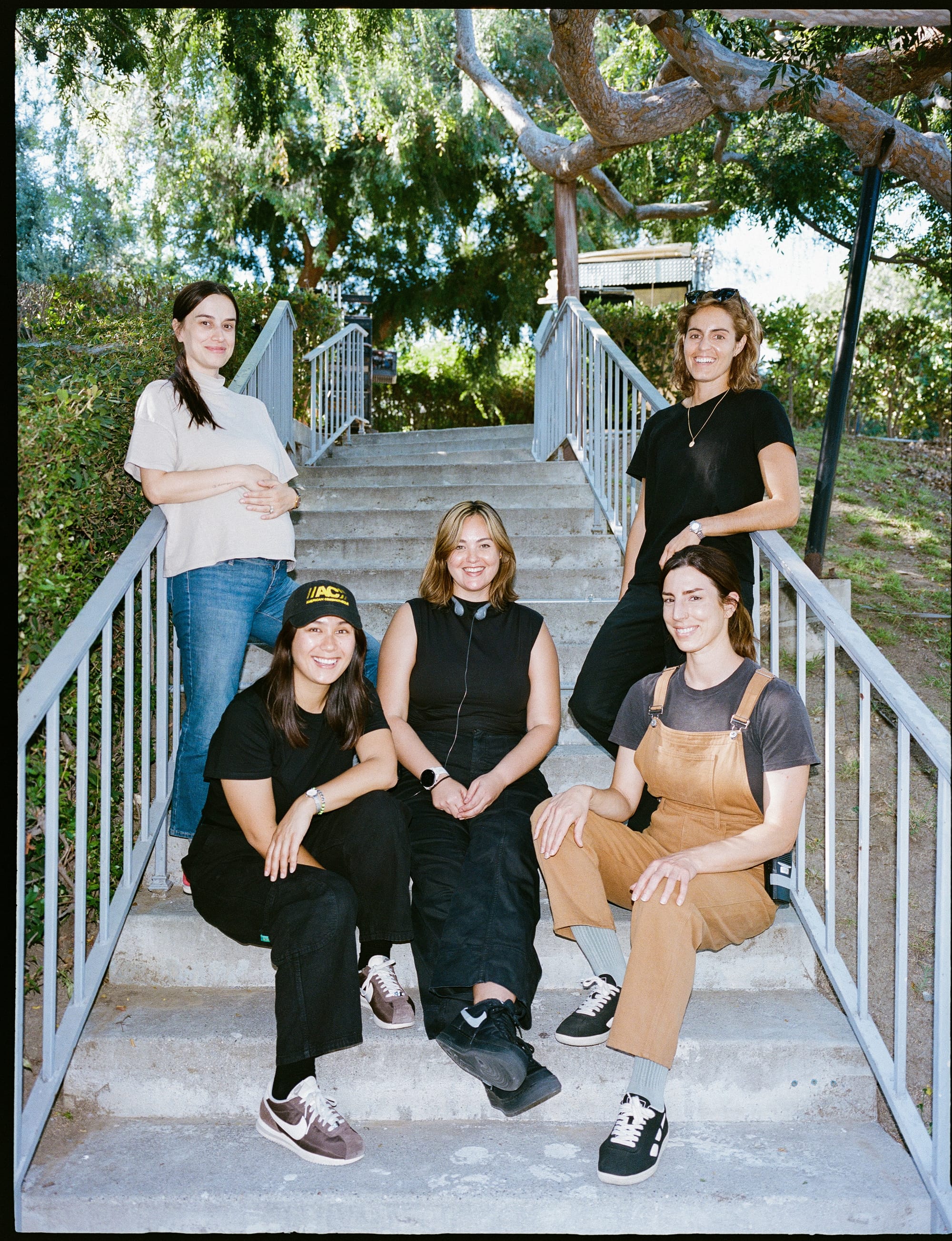
Main Cast & Crew
- Director & Screenwriter: Leah Nanako Winkler
- Cast: Lana Condor, Owen Teague, Kaia Gerber
- Producers: Bronte Payne, Josey McNamara, Will Greenfield
- Executive Producers: Steven Rales, Margot Robbie, Tom Ackerley
- Co-Producer: Joel Baral
- Cinematographer: Karina Silva
- Editor: Casey Brooks
- Sound Design: Chris Polczinski, Daniel Timmons
- Production Design: Katie Hickman
Filmmaker Opportunities
💛 Fund your next project with fiscal sponsorship
Have a project in the works? As a 501(c)(3) nonprofit, the Cinematography for Actors Institute can accept tax-deductible donations on your film's behalf — a door-opener for grants, foundations, and supporters who want to back your work. We've serviced over 100 projects to date and helped route over $800,000 in funding to filmmakers. Explore fiscal sponsorship →
📬 Grant deadlines and festival opportunities, straight to your inbox
The CFA newsletter rounds up grants, festival calls, and community news for independent filmmakers — the kind of opportunities that are easy to miss and painful to miss. Join the newsletter →
🎬 Focus on the creative — we'll help with the logistics
Production Management, CFA's newest member program, launches this November: production insurance and workers' comp, payroll, film permits, gear rental coordination, SAG-AFTRA compliance, contract drafting, production consulting, and crew recommendations — handled by a team of working filmmakers, à la carte or all in, in partnership with Creative Access Group. It's waitlist-only until launch. Join the waitlist →
League of Filmmakers is published by our parent organization, the Cinematography for Actors Institute — a 501(c)(3) dedicated to education, community, and capital for underrepresented filmmakers and actors. Learn more about CFA →