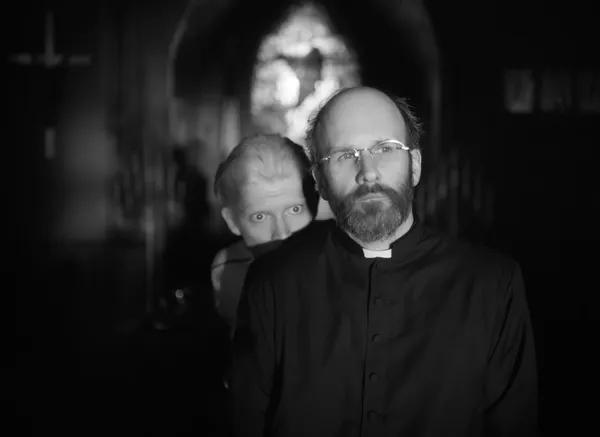
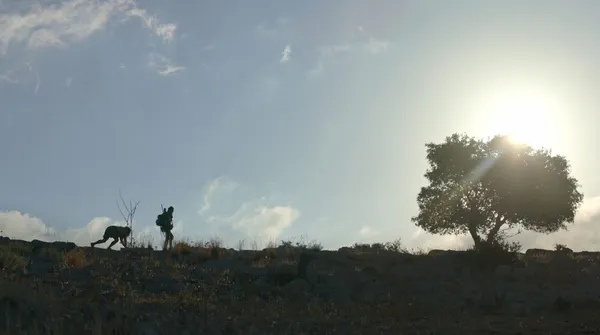
A pirate ship sits becalmed on a dead ocean. Its crew is thinning, its captain is hiding something, and beneath the planks a mythical siren is held captive and tortured for its precious tears. In Keelhaul, a period horror short written, directed, and produced by Mexican filmmaker Edgar Cortés Campoy from a story by Dakota Daulby, desperation, superstition, and distrust consume the men as whispers of a curse spread through the hold. The crew must eventually reckon with the terrible price of their greed.
The film premiered at Sitges Film Festival in 2025, had its North American premiere at the Santa Barbara International Film Festival, and now arrives at FilmQuest 2026. It was shot in a Los Angeles garage on close to no budget, and its scale lives mostly in what it withholds. Cortés Campoy, who is based in Los Angeles and drawn to atmospheric, visually driven genre work, built Keelhaul as a proof of concept for a feature. He also made it to stand on its own: a short meditation on fatherhood, faith, and freedom, told through the brutality of the 18th century.
Key Takeaways
- Keelhaul recreates the interior of an 18th-century pirate ship inside a Los Angeles garage, with close to no budget, and keeps its world's scale almost entirely off-screen.
- Cortés Campoy wrote dialogue that is deliberately not period-accurate. He drew on poetry and literature older than the 1720s so the language would feel authentic.
- The short is a proof of concept for a feature, and Cortés Campoy calls it "an incredibly personal story" hidden inside a genre film.
Cortés Campoy spoke about building a vast world in a small space, and about what genre lets a filmmaker hide.
Interview
What drew you to make this film, and why this story, why now?
I've always been fascinated by period films, particularly the way they allow us to explore very human questions through worlds that feel so distant from our own. Dakota and I have always been drawn to genre films, especially horror. With Keelhaul, we wanted to bring those interests together and explore ideas of fatherhood, faith, and freedom through the brutality and superstition of the 18th century.
At its heart, the story is about the things we're willing to believe, the people we choose to follow, and what it takes to break free from them.
Keelhaul actually began as a much larger story, one we always envisioned as a feature. Eventually, Dakota and I decided to take a small piece of that world and turn it into a short film, with the hope of one day bringing the full story to the screen. We were also drawn to the challenge of creating something that felt much larger than our resources would normally allow. And while the short serves as a proof of concept, we wanted it to stand on its own, as a glimpse into a much darker world.
What surprised you most about the filmmaking process, creatively or logistically?
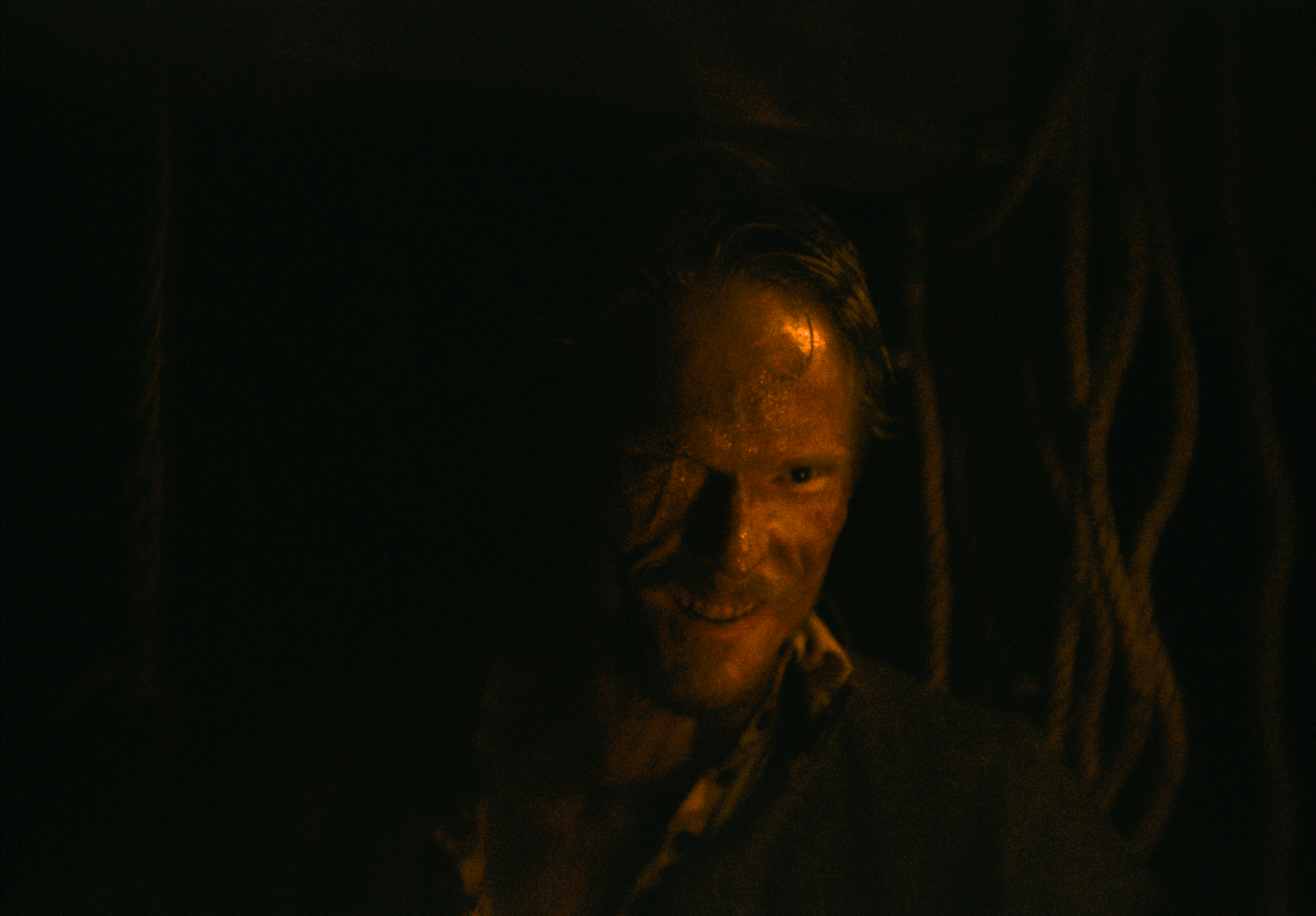
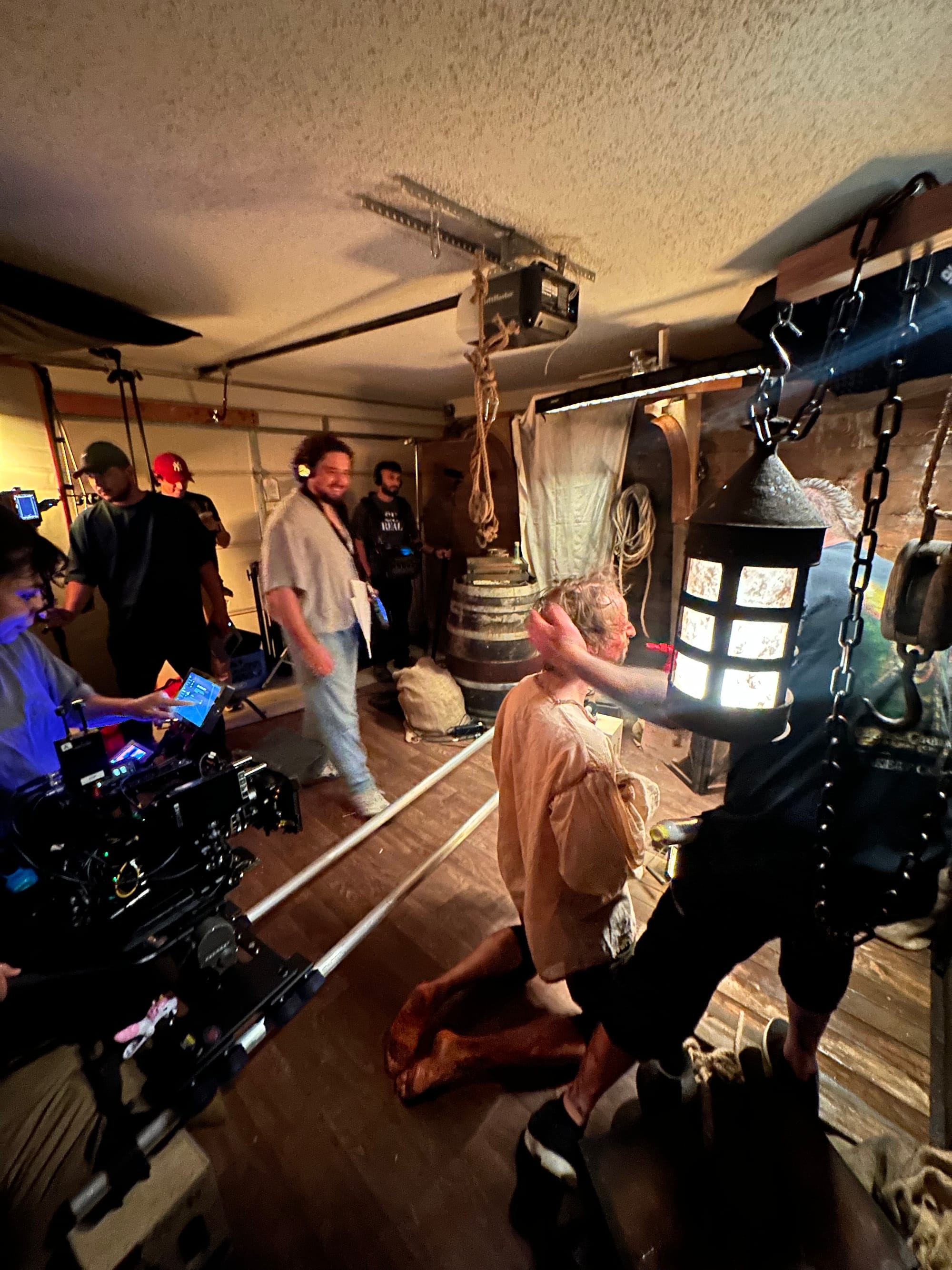
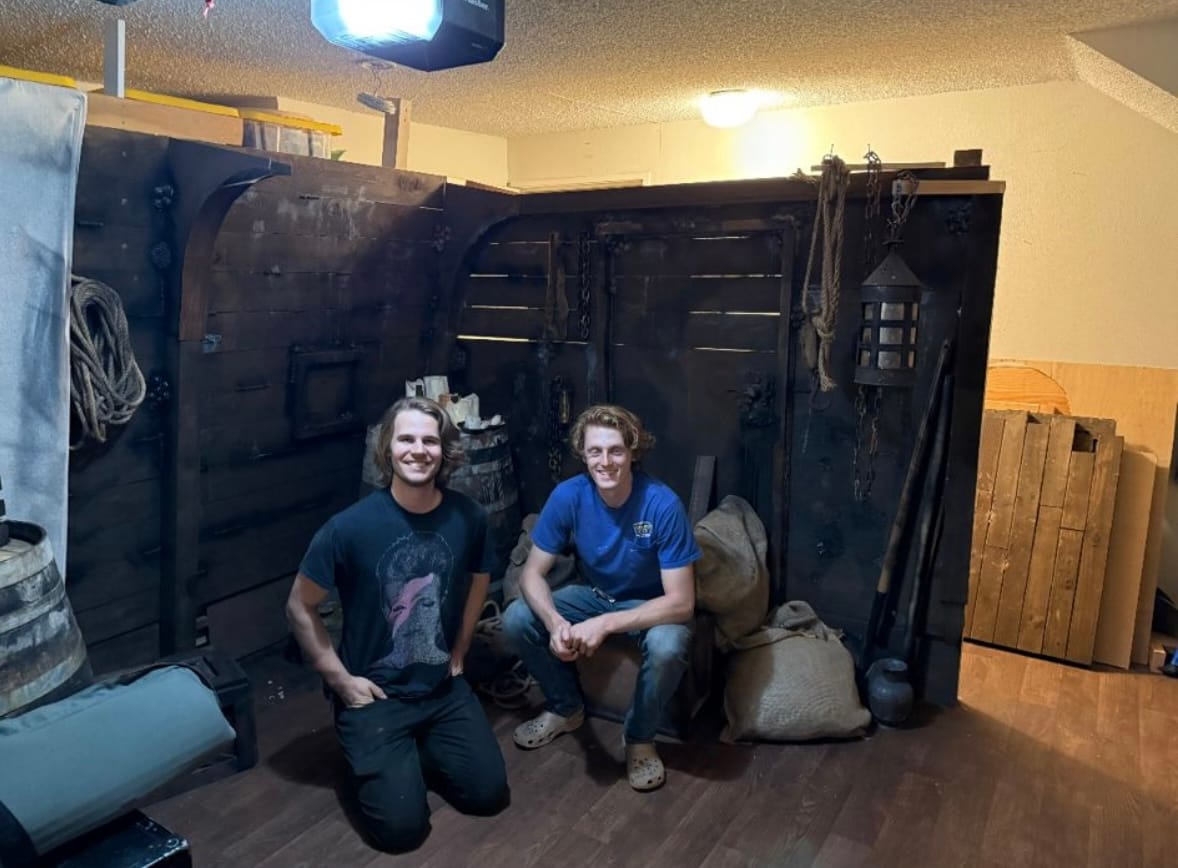
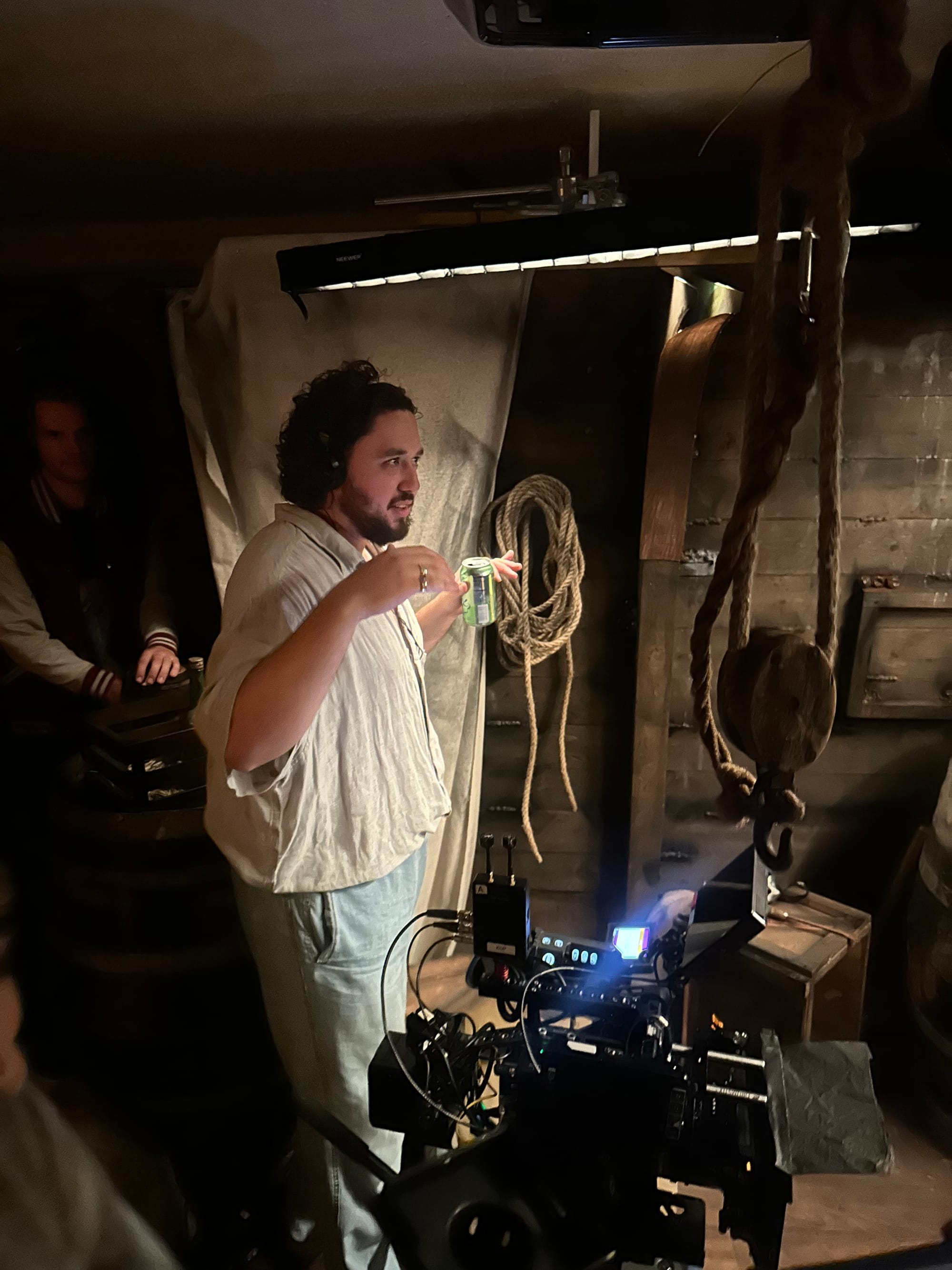
I think what surprised me most was how much we were able to accomplish with so little. We shot Keelhaul in a garage in Los Angeles, with close to no budget, trying to recreate the inside of an 18th-century pirate ship. On paper, it was a pretty ridiculous undertaking.
But those limitations ended up becoming one of the most interesting parts of the process. We had to be incredibly deliberate about what we showed, what we left in darkness, and how much we allowed the audience to imagine. Somewhere along the way, I realized that the world outside the frame was just as important as what we were putting in front of the camera.
What stayed with me was the realization that we didn't necessarily need to show the scale of this world to make people feel it. In a strange way, working with so little made me even more excited about what we could eventually do with the feature.
What was the hardest creative decision you made while making the film?
I think the hardest creative decision was finding the right voice for the dialogue. There was an enormous amount of research involved, but I also drew inspiration from poetry and literature that predated the period in which the film takes place. A lot of those works used language, expressions, and ways of speaking that actual pirates would probably never have used in their everyday lives.
So the challenge was finding a balance between historical authenticity and a certain poetic quality I didn't want to lose. The truth is, the dialogue isn't entirely period-accurate, nor was it ever meant to be. What mattered to me was that it felt authentic, that an audience could hear these characters speak and never question whether those words belonged to their world. Finding that balance was probably the hardest thing to crack.
How has this film shaped or shifted the kinds of stories you want to tell next?
Keelhaul is actually an incredibly personal story. It reflects my own struggles between personal and professional ambitions, and the sacrifices we make when those worlds collide.
I've always gravitated toward genre filmmaking because, in a way, it allows me to hide behind the stories I tell. I can explore deeply personal themes without making them so obviously connected to myself.
But after Keelhaul, I felt the need to do the opposite. I wanted to make something unapologetically personal, something that would allow audiences to understand a little more about who I am and how I feel. I think making that jump helped me realize that perhaps the most interesting stories lie somewhere between those two approaches.
How does your film fit within, or push the boundaries of, its genre?
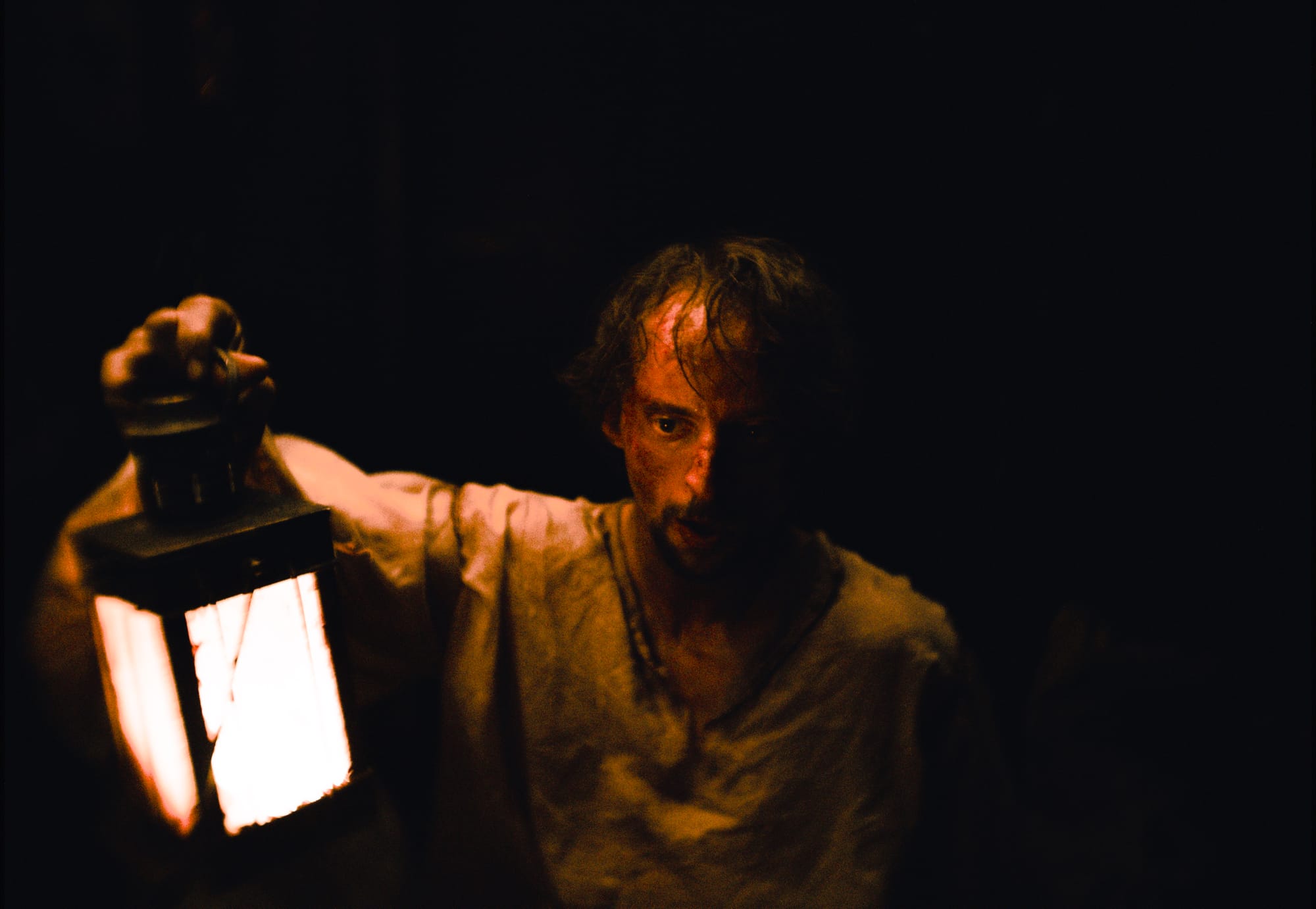
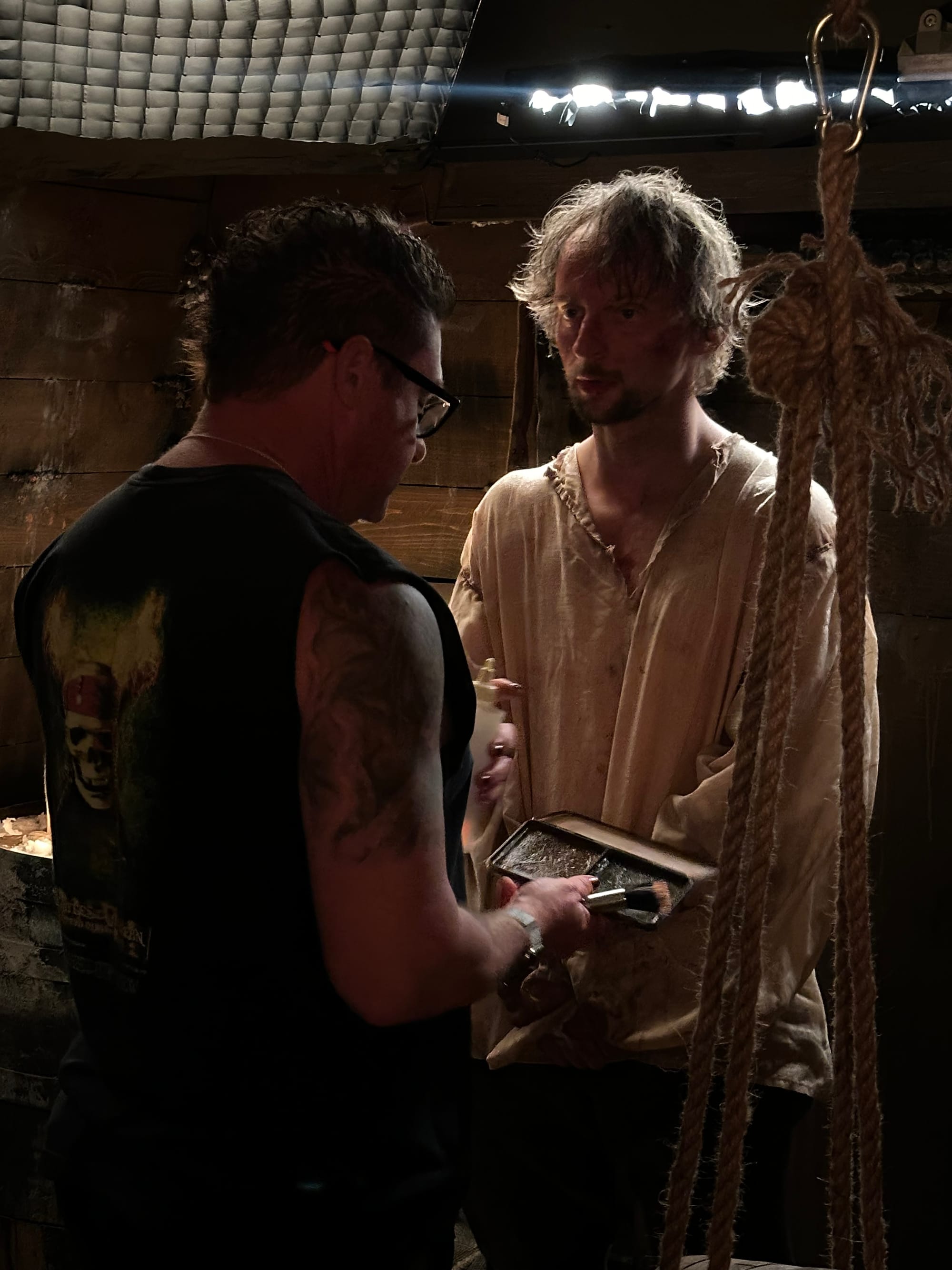
With Keelhaul, I wanted to make a character piece that exists within a much larger world, while keeping our attention almost entirely on the characters' faces. There's something terrifying happening beyond what we see, but I was much more interested in how these men react to it, and to one another.
I think choosing not to show the scale of that world, especially in a genre where audiences often expect spectacle, was a creative risk. But it's one I stand by. I love the idea that something can feel enormous without ever having to show it, and that sometimes a face can tell us far more than whatever horror lies beyond the frame.
What tool, technique, or collaborator helped most during production?
This is definitely very technical, but using the Dana Dolly to move from one angle into another made our shoot go incredibly fast. If you know how to place it and time it with certain narrative beats, it's a great tool for turning two or even three shots into one take.
Natalia, our DP, and I planned it so we could start in a wide, travel fast into a close-up for a moment, and then go into a medium shot for another beat. Some of that traveling ended up working, and some of it didn't, but it wasn't meant to.
What does it mean to have your film selected for FilmQuest?
It means a great deal, especially because Keelhaul was born out of a shared love for genre filmmaking and a desire to create something far beyond what our resources would normally allow. To have the film embraced by a festival that celebrates bold, imaginative storytelling is incredibly rewarding.
But I think what excites me most is the opportunity to share it with an audience that genuinely loves the genre, meet filmmakers who share that same passion, and hopefully take another step toward bringing the feature to life. Hopefully we can keep pitching it and get the feature made, baby!
Main Cast & Crew
- Edgar Cortés Campoy (Writer, Director & Producer): Mexican filmmaker based in Los Angeles, focused on atmospheric, visually driven genre films. He is developing Keelhaul into a feature, and his latest short, Then We Were, shot in Southern Italy and exploring childhood, friendship, and the bittersweet nature of growing up, is set for release in 2027.
- Dakota Daulby (Story By & Actor)
- Joseph Schwartz (Actor)
Filmmaker Opportunities
💛 Fund your next project with fiscal sponsorship
Have a project in the works? As a 501(c)(3) nonprofit, the Cinematography for Actors Institute can accept tax-deductible donations on your film's behalf — a door-opener for grants, foundations, and supporters who want to back your work. We've serviced over 100 projects to date and helped route over $800,000 in funding to filmmakers. Explore fiscal sponsorship →
📬 Grant deadlines and festival opportunities, straight to your inbox
The CFA newsletter rounds up grants, festival calls, and community news for independent filmmakers — the kind of opportunities that are easy to miss and painful to miss. Join the newsletter →
🎬 Focus on the creative — we'll help with the logistics
Production Management, CFA's newest member program, launches this November: production insurance and workers' comp, payroll, film permits, gear rental coordination, SAG-AFTRA compliance, contract drafting, production consulting, and crew recommendations — handled by a team of working filmmakers, à la carte or all in, in partnership with Creative Access Group. It's waitlist-only until launch. Join the waitlist →
League of Filmmakers is published by our parent organization, the Cinematography for Actors Institute — a 501(c)(3) dedicated to education, community, and capital for underrepresented filmmakers and actors. Learn more about CFA →