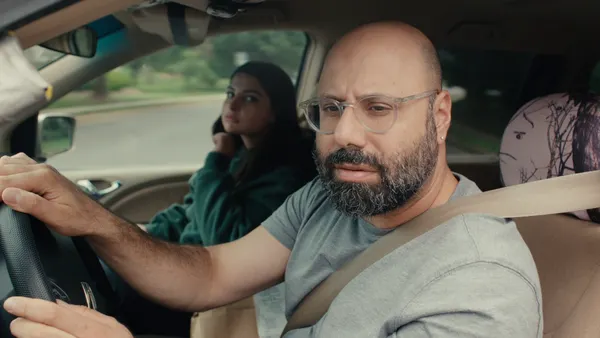
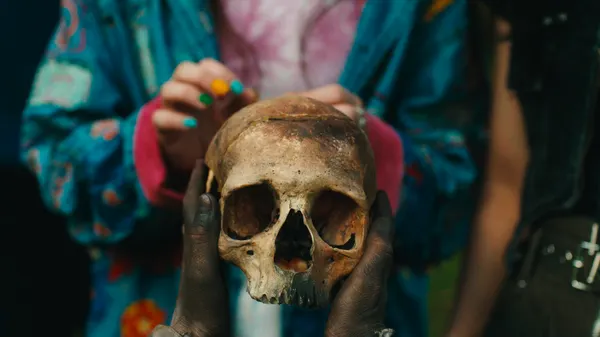
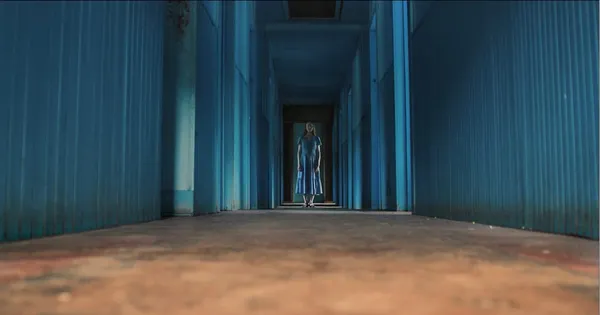
Two girls, a forest after dark, and a ritual that goes badly wrong. The Soulless begins as a coming-of-age story with fireflies and in-jokes, then gradually withdraws the ground from under its audience. Director Liam Hooper built the film around 1980s cinema, practical effects, and two actors he had wanted to work with for years — and discovered, somewhere between the first cast call and an eleven-page script, that he had a proper short film on his hands.
Nominated for Best Fantasy Short at FilmQuest, the film arrives at a festival that has given it a label Hooper is happy to accept: dark fantasy. A horror film at heart, with a little magic in it. He is currently developing it as a feature.
Key Takeaways
- Hooper and his DPs shot the entire film on an iPhone during days off, creating a complete moving storyboard that freed him to focus on performance once the real cameras rolled.
- The hardest creative decision was restraint: letting Molly and Enith's friendship breathe so that the horror, when it comes, actually lands.
- Self-marketing was treated as part of the filmmaking — campaigns that funded the film, built festival awareness, and sold premiere tickets.
Hooper spoke with us about night shoots, firefly light, and why finishing your film is only half the job.
Interview
What drew you to make this film, and why this story, why now?
I knew our two leads, one from a previous job and the other through mutual friends, and I'd wanted to work with both of them for a while. I knew they could both convincingly play teenagers, so I started combining the elements of storytelling and filmmaking I love, such as 1980s cinema, coming-of-age meets horror and practical effects, into something that would bring them together. That's really how The Soulless was born.
Initially, it was conceived as a showcase of the kind of filmmaking I wanted to do more of, but from my very first call with the cast, it became clear that there was a proper short film here. We developed the story further and brought writer Marco Rodriguez on board, who helped elevate it into the 11-page script we eventually shot.
We actually filmed over an extended period, which gave me the unusual luxury of reviewing footage between shoot nights and finding ways to make the next night even better. The film really evolved through that process.
What surprised you most about the filmmaking process, creatively or logistically?
I probably shouldn't have been surprised by just how demanding the lighting would be, considering the entire film takes place in a forest at night.
In an ideal world, we'd have had a lighting team setting up the next scene while we were still shooting, but that simply wasn't realistic at our budget level. It didn't mean compromising on the look of the film, though. It meant being more selective about how many shots we could realistically achieve each night.
It was a useful lesson in balancing ambition with practicality. I'd much rather come away with fewer beautifully executed shots than rush through twice as many and compromise what makes them work.
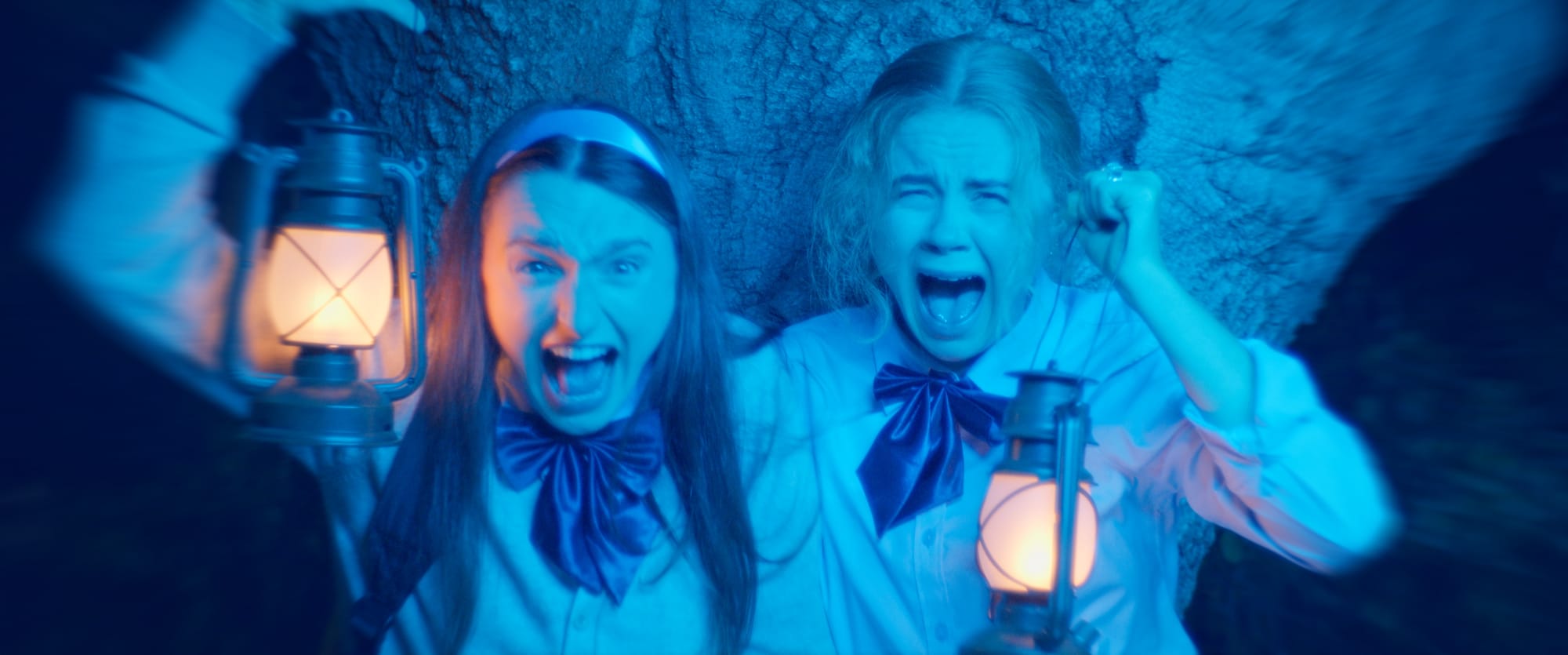
What moment in the film feels most like you, or like something only you could have made?
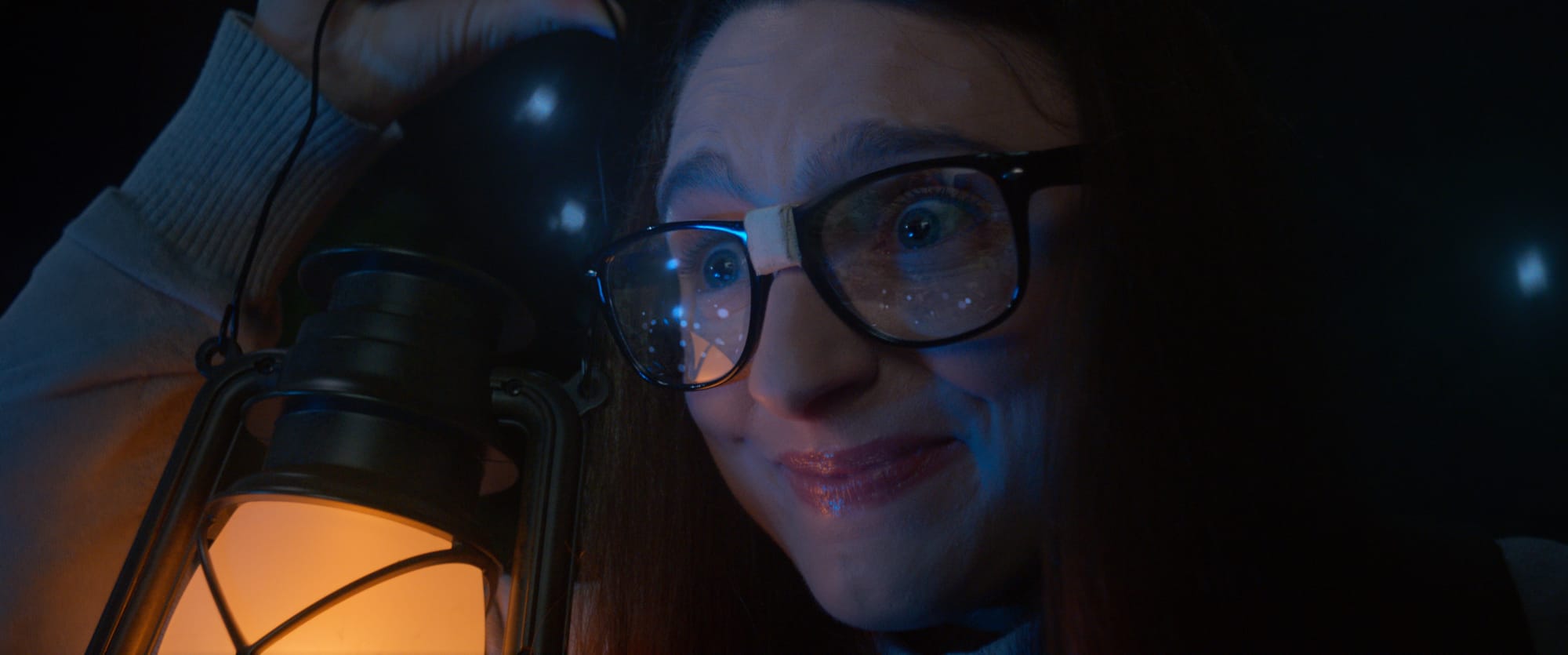
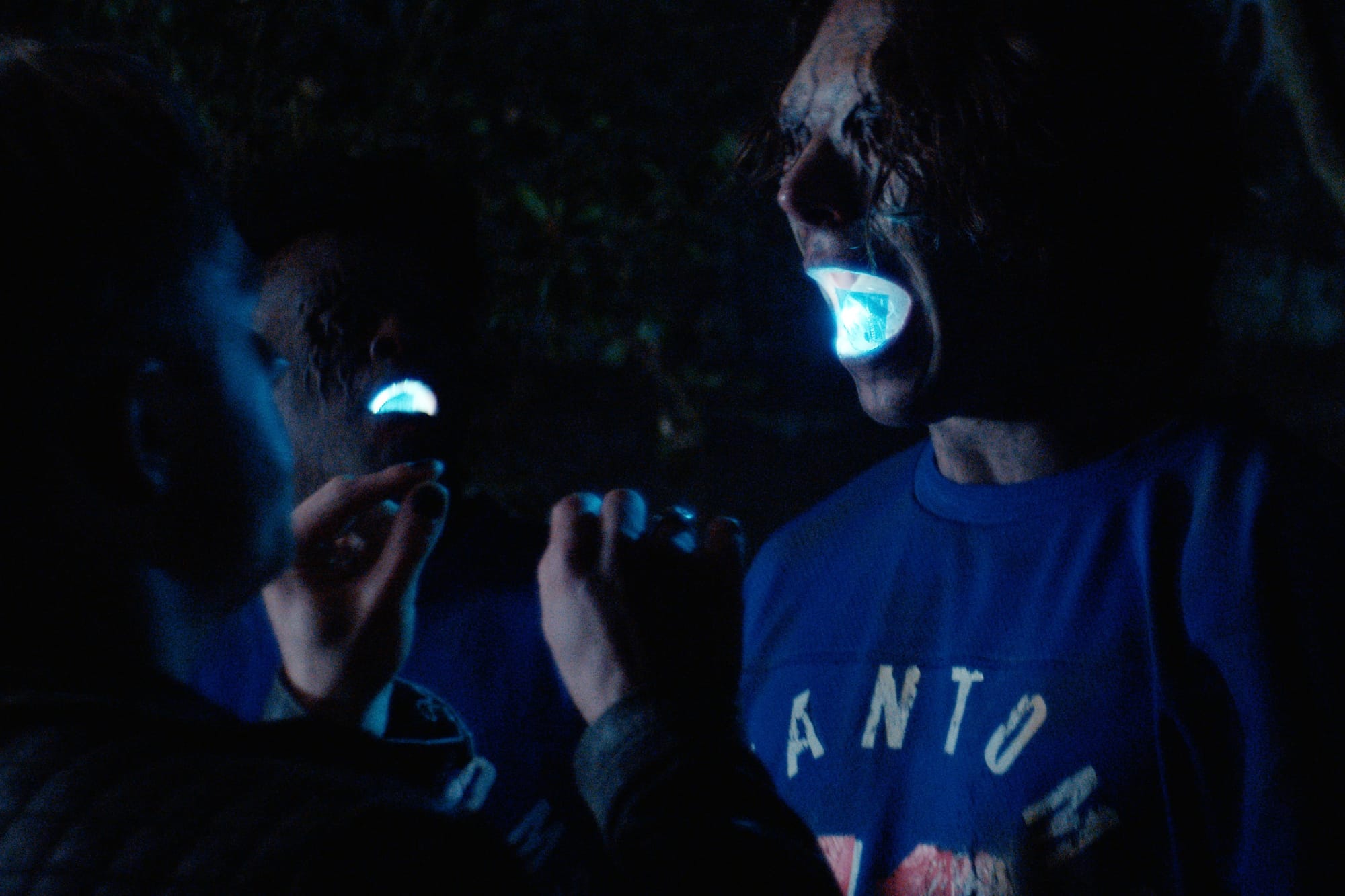
I'd probably say the firefly-catching scene. There's something about the combination of childhood innocence, friendship, beautiful imagery and an underlying sense that something isn't quite right that really sums up the kind of filmmaking I love.
I enjoy taking audiences somewhere that feels magical and inviting before gradually making them question whether they should feel safe there at all. That contrast between wonder and dread is something I find really exciting about genre filmmaking.
Plus, I just love a good cinematic sequence where the visuals, music and performances do most of the storytelling.
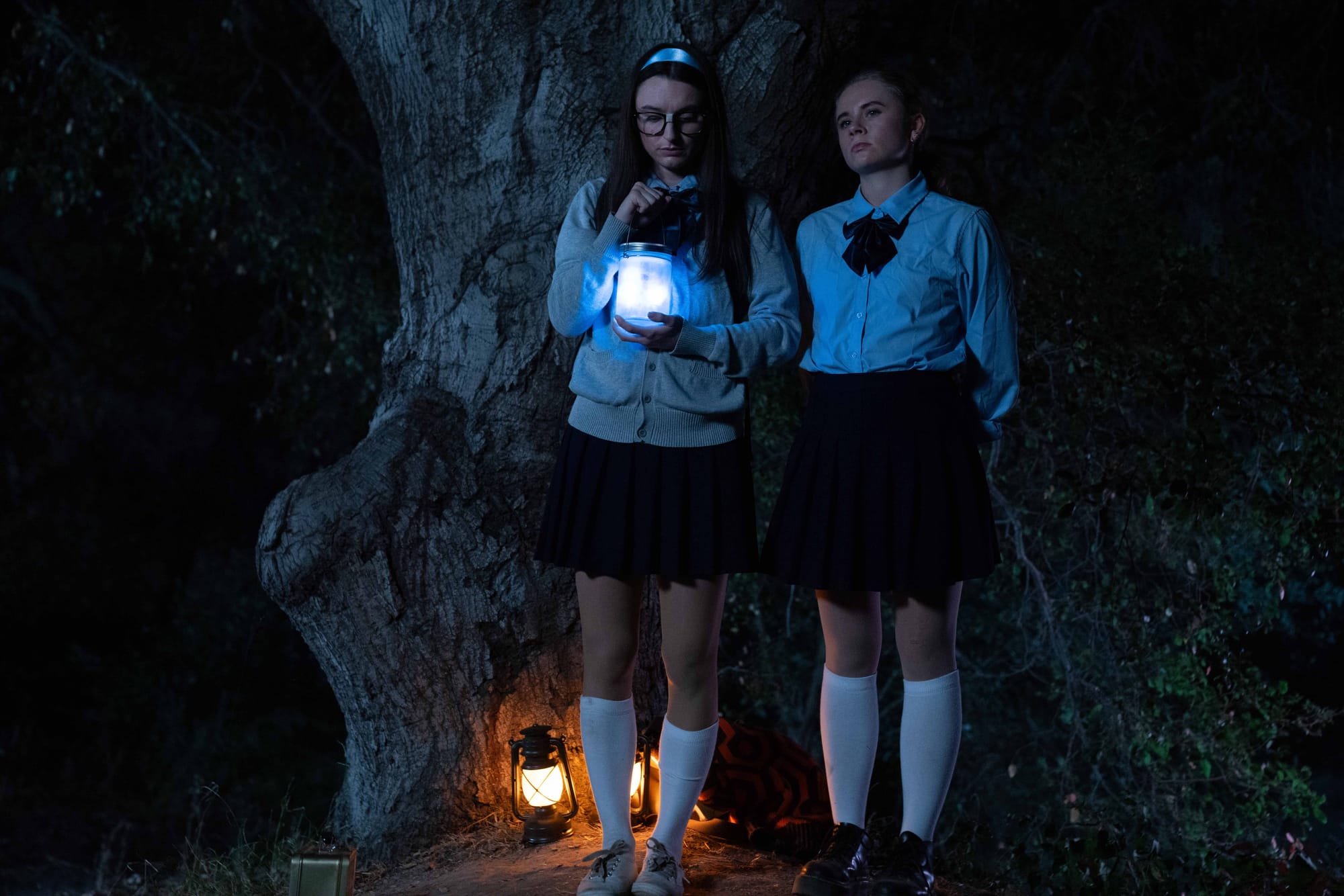
What was the hardest creative decision you made while making the film?
One of the hardest things was knowing when to hold back. I'm a huge fan of horror films that really go for it, and it's tempting to throw everything you've got at the audience, especially when you're making a short and want to demonstrate what you can do.
But I wanted the audience to fall in love with Molly and Enith before things took a sinister turn. That meant allowing time for their friendship, the humour and the more enchanting moments to breathe, rather than rushing towards the horror.
Finding that balance was probably the biggest creative challenge, but I think it's what gives the frightening moments their impact. I approached it by peppering little moments of unease throughout the warmer first half, hinting that something is going to go wrong and that the audience should never get too comfortable.
One scene we actually reshot on all three nights was the girls peeking out from behind a tree. Something about it wasn't quite landing for me, so we kept experimenting with the cinematography and blocking. Each version had its merits, but the one we shot on our final night ultimately told the story most effectively and delivered just the right amount of tension.
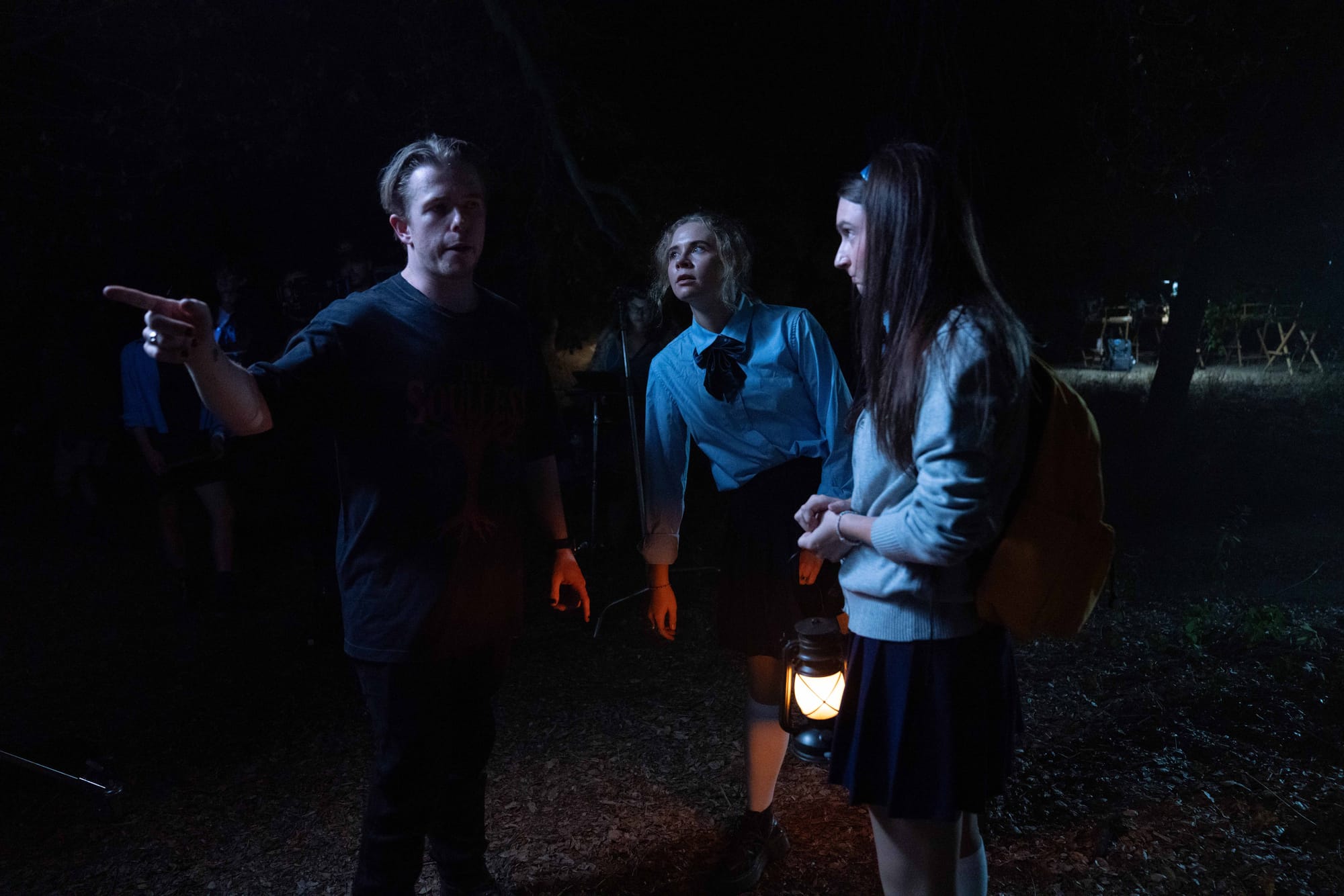
What tool, technique, resource, collaborator, or mindset shift helped most during production?
Preparation, without question. I personally put months into pre-production, which made an enormous difference once we were on set.
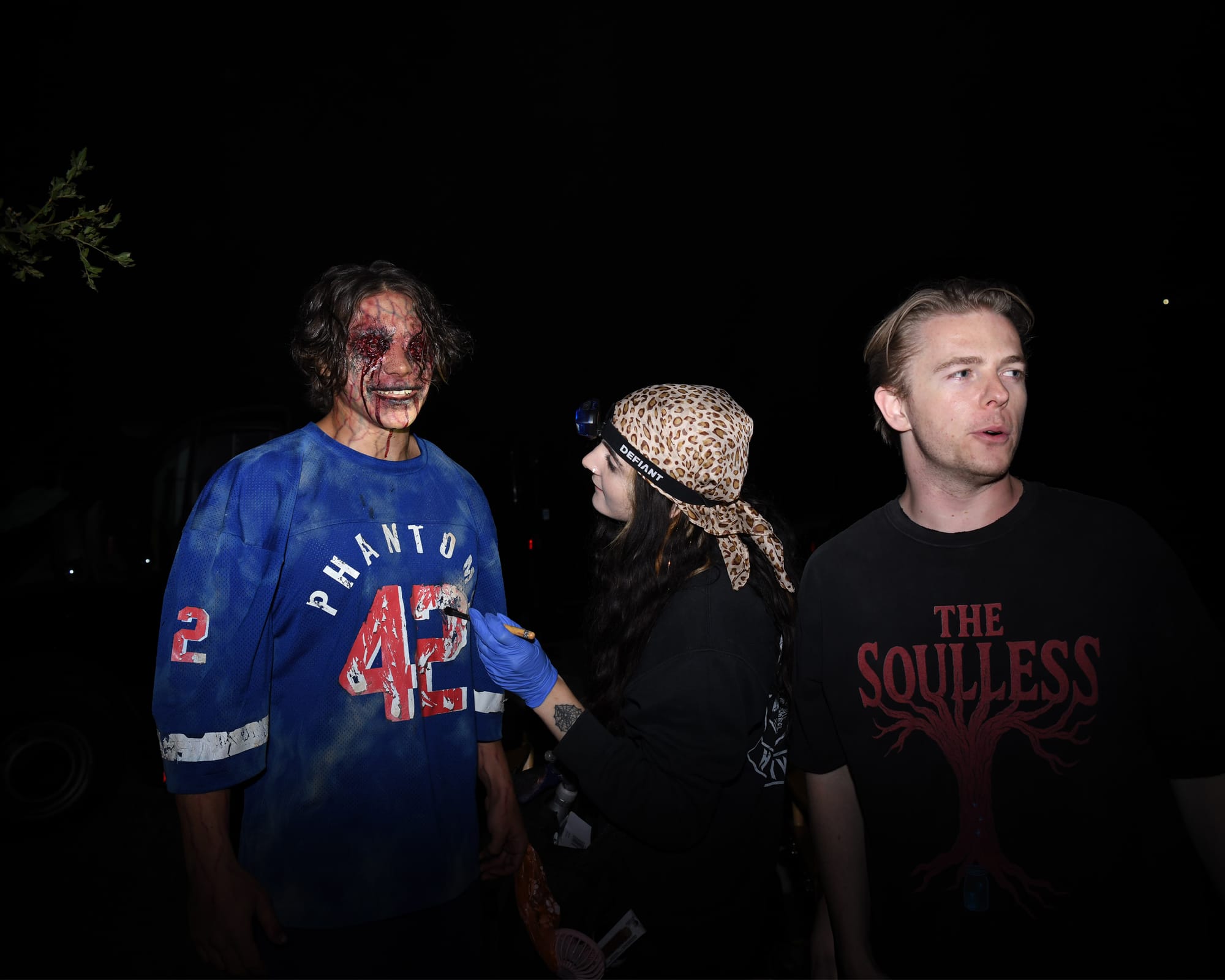
The actors and I had rehearsed extensively, the two leads had developed a wonderful rapport, and our villains even had a creature-performance crash course with Kevin Keppy, who worked on Smile.
The DPs and I also shot the entire film on an iPhone beforehand on days off, using whoever we could find to stand in for the characters. It was essentially a complete moving storyboard. As we filmed each night, I could replace those rough shots with the actual footage and see how the film was coming together.
Of course, things evolved along the way, but having already thought through the visual storytelling and editing meant I could spend much more of my time on set focusing on performances and making the most of the time we had. That preparation gave us the freedom to be creative rather than constantly trying to solve problems.
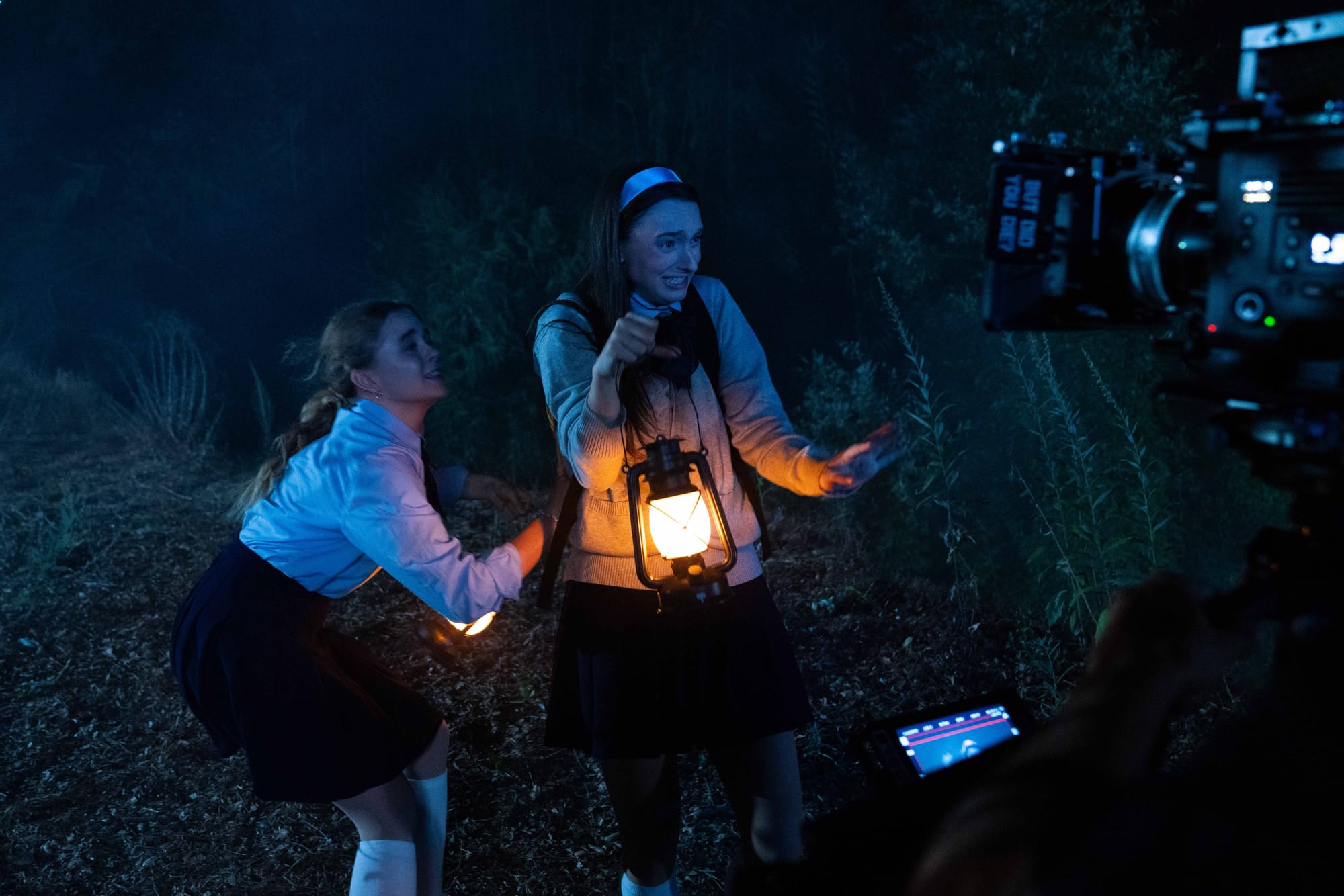
What is the greatest strength of independent filmmaking, and what lesson would you share with others?
One of the greatest strengths of independent filmmaking is that you have the freedom to take ownership of every aspect of your film, including what happens after you've finished making it.
Something I really embraced with The Soulless was self-marketing. I ran several social media campaigns throughout the process: initially to help raise financing, then to build awareness during our festival run, and finally to drive ticket sales for our premiere.
I managed all of it myself, and while it required an enormous amount of time and attention, it really paid off. We've built an engaged audience around the film, and a couple of directors in our shorts block at Screamfest even joked that they owed their audience to my marketing. There could be a little truth to that.
I think the biggest lesson is that finishing your film is only half the job. If you've poured your heart into making something, you should put just as much care into getting people to see it.
What does it mean to have your film selected for FilmQuest, and where does the film go next?
It's a huge honour to be selected for FilmQuest, let alone nominated for Best Fantasy Short. FilmQuest has such a strong reputation for celebrating imaginative genre filmmaking, and the quality and variety of films in the programme is incredible. As someone who loves horror, fantasy and cinema in general, it's especially exciting to be part of a festival that embraces all of those things. When FilmQuest categorised the film as 'dark fantasy', I thought that was a perfect description. It's a horror film at heart, but there's definitely a little magic in there too.
Next is a feature, absolutely. We've developed the story into something much bigger, with a complete beat sheet and a pitch deck that we're really proud of. The short was always intended to demonstrate the potential of this world and these characters, and the response from festival audiences has only made us more excited about expanding it. The next step is finding the right producing partners who share our enthusiasm. There's so much more of Molly and Enith's story that I can't wait to tell.
Main Cast & Crew
Cast:
- Sophia Delucchi as Molly
- Sophia Dawson as Enith
- Evan Adams as Jimmy
- KJ Criddell as Zack
Crew:
- Director — Liam Hooper
- Writer — Marco Rodriguez
- Producer — Anna Langston
- Executive Producers — Jenna Eliav, Santino Ferrese , Jesse Gallagher , Cat Shank , Anica Barbosa, Tony Snegoff, Liam Hooper, Anna Langston
- Directors of Photography — Sam Robinson , Nick Price
- Creature FX Design — Santino Ferrese
- Costume Design — Michelle Loos , Adrienne Reishus
- Makeup Design — Nicole Behling
- Production Design — Andrei N Zamfir , Adrienne Reishus
- Music — Iain Mahanty
- Practical Effects — Liam Hooper , Jamie Munsey
Filmmaker Opportunities
💛 Fund your next project with fiscal sponsorship
Have a project in the works? As a 501(c)(3) nonprofit, the Cinematography for Actors Institute can accept tax-deductible donations on your film's behalf — a door-opener for grants, foundations, and supporters who want to back your work. We've serviced over 100 projects to date and helped route over $800,000 in funding to filmmakers. Explore fiscal sponsorship →
📬 Grant deadlines and festival opportunities, straight to your inbox
The CFA newsletter rounds up grants, festival calls, and community news for independent filmmakers — the kind of opportunities that are easy to miss and painful to miss. Join the newsletter →
🎬 Focus on the creative — we'll help with the logistics
Production Management, CFA's newest member program, launches this November: production insurance and workers' comp, payroll, film permits, gear rental coordination, SAG-AFTRA compliance, contract drafting, production consulting, and crew recommendations — handled by a team of working filmmakers, à la carte or all in, in partnership with Creative Access Group. It's waitlist-only until launch. Join the waitlist →
League of Filmmakers is published by our parent organization, the Cinematography for Actors Institute — a 501(c)(3) dedicated to education, community, and capital for underrepresented filmmakers and actors. Learn more about CFA →