

Table of Contents
Ash Blodgett has spent five years learning that a film about being put on hold has a sense of humor about its own timing. May I Put You On Hold? follows Liz, who — while wrestling with telephone customer service — is accidentally transferred to the Afterlife. Stuck between death and hold music, she has to outwit cosmic bureaucracy and figure out what really matters if she ever wants to get back to the land of the living. It is a comedy, and it is also a film shaped by real loss, which is exactly the register Blodgett works in best.
Selected for TRC Shorts Fest — the 40th festival to program the film — May I Put You On Hold? arrives as the second entry in Blodgett's ongoing series about death and reconnection. The subject is heavy; the delivery is bright, satirical, and generous. That balance is the whole point.
Key Takeaways
- A comedy about cosmic bureaucracy that doubles as a plea to call the people you love before it's too late.
- Made through sheer persistence: five years, a pandemic delay, rejected grants, and finally self-funding.
- 80% of the cast and crew were women, with key above-the-line roles held by women and BIPOC and API creatives.
Blodgett spoke about the long road to the screen, a forest shoot that tested everyone, and the phone call that closes the film.
Interview
What drew you to make this film, and why this story, why now?
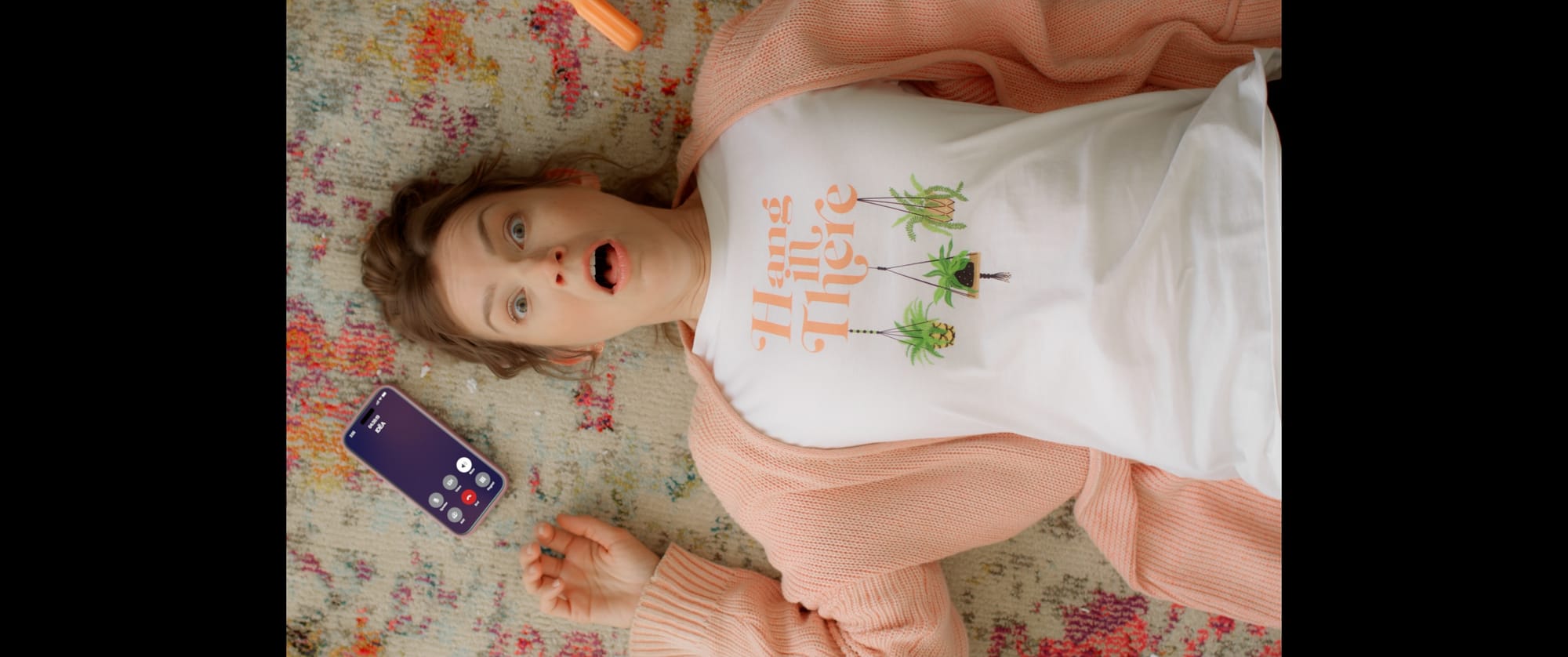
Believe it or not, this film has been on hold twice and been in the making for five years. In 2019, after taking the festival circuit by storm with my award-winning short Zombie Debt, I was eager to dive into my next project, May I Put You On Hold. I kicked off casting in early 2020, and then... well, you know the rest. The pandemic hit, and like so many other things in our lives, May I Put You On Hold got put on hold. The irony is not lost on me.
But as time passed, the film took on a much deeper meaning. In early 2021, I unexpectedly lost my father. Due to COVID restrictions, I hadn't seen him in over a year and wasn't able to be by his side in the hospital. Instead, I spent his final moments with him over the phone, wishing I had called more often.
Because of this, the film's message — that life is fleeting, that we have to stop putting our lives on hold and tell the people we love how much they mean to us — hits closer to home than ever. But the world also needs to laugh. As a comedy storyteller, I love to explore deep, meaningful themes while finding the humor in them. My father taught me that, with his deep love for both film and comedy.
What was the hardest creative decision you made while making the film?
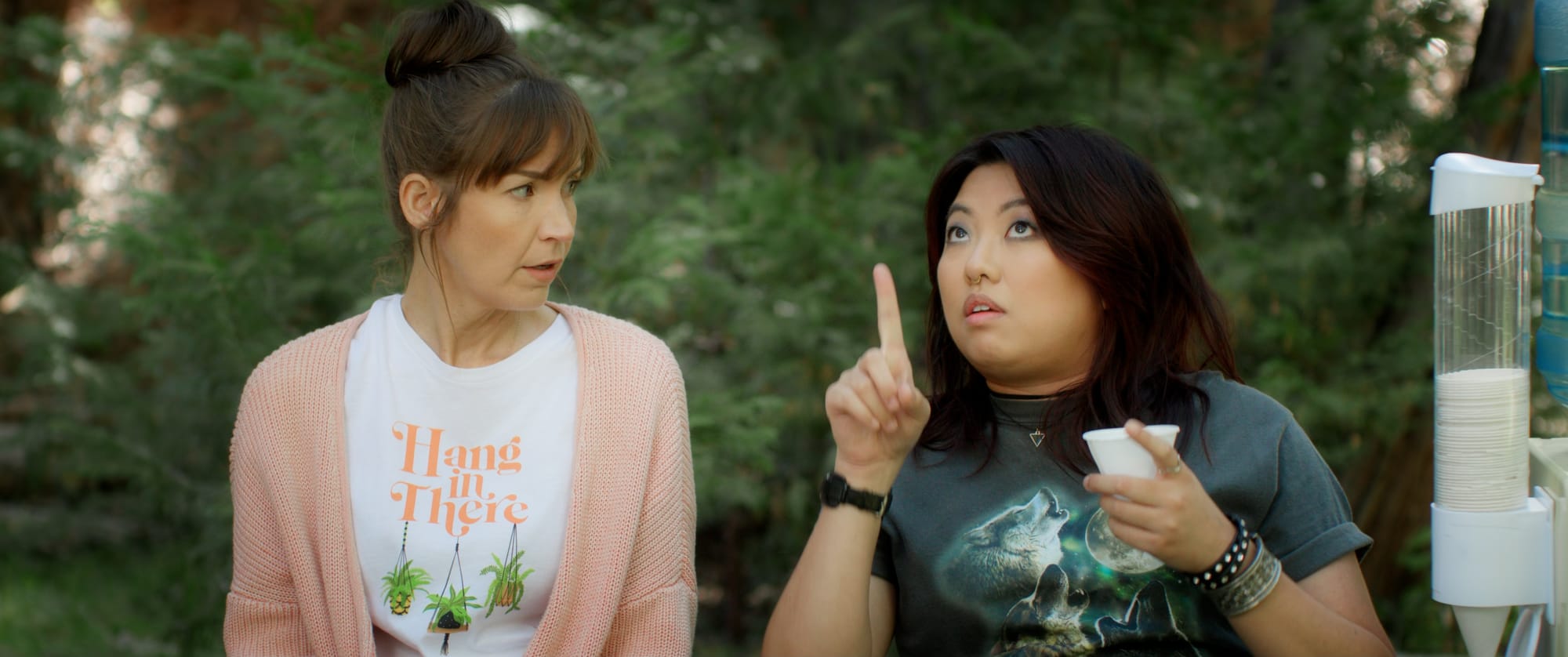
Probably just to keep trying to make it. We were originally going to shoot it in 2020, but then the pandemic put a stop to that. I then tried to raise funds for the film in 2023 by applying to grants and got semi-finalist on a few, but received no money. So then finally in 2024, out of sheer determination and love for the film, I decided to fund it all myself and make the film. It was a tough decision because I was deciding between two projects, but I just couldn't stop thinking about this one and decided I had to make it.
What surprised you most about the filmmaking process, creatively or logistically?
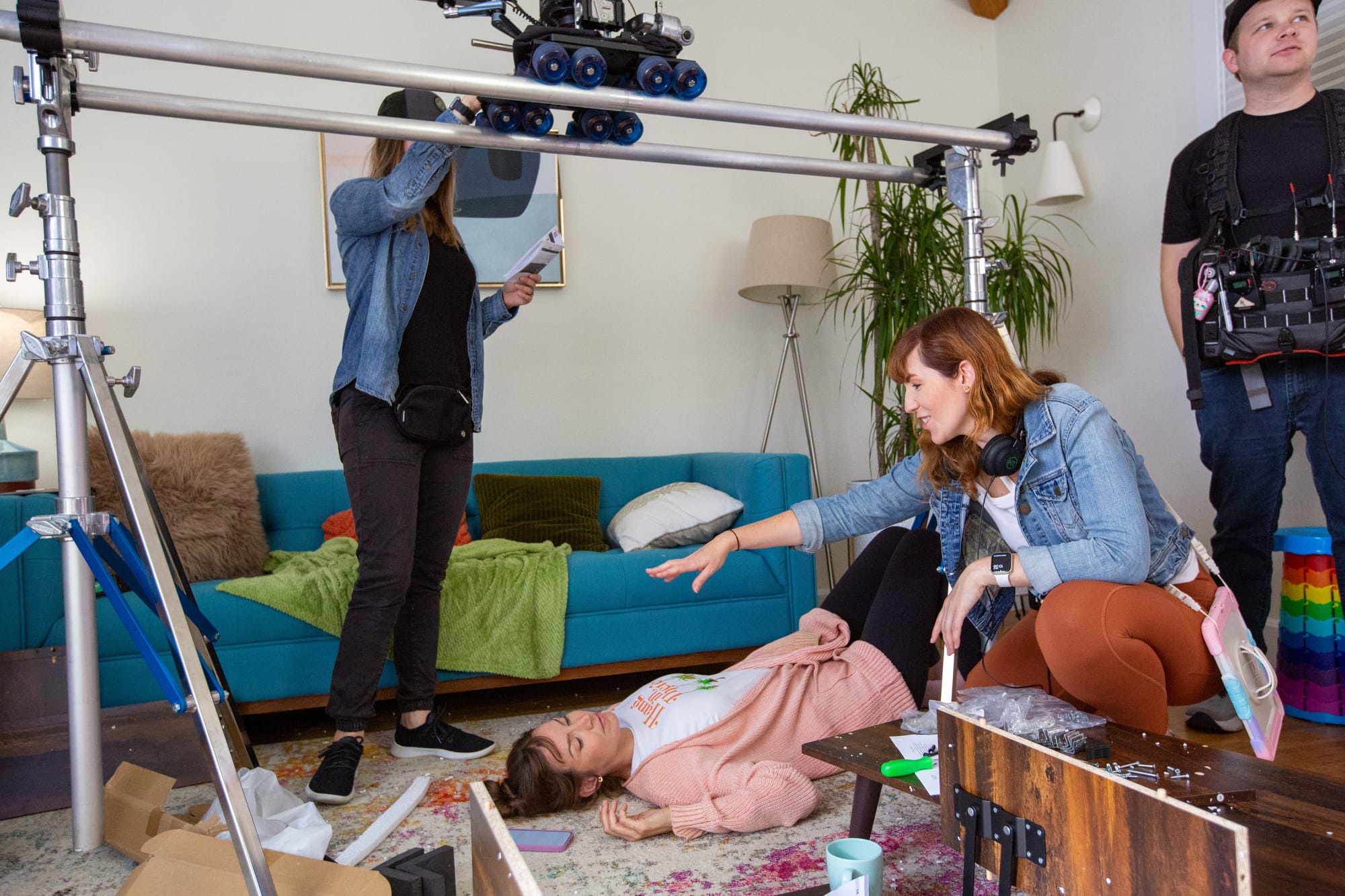
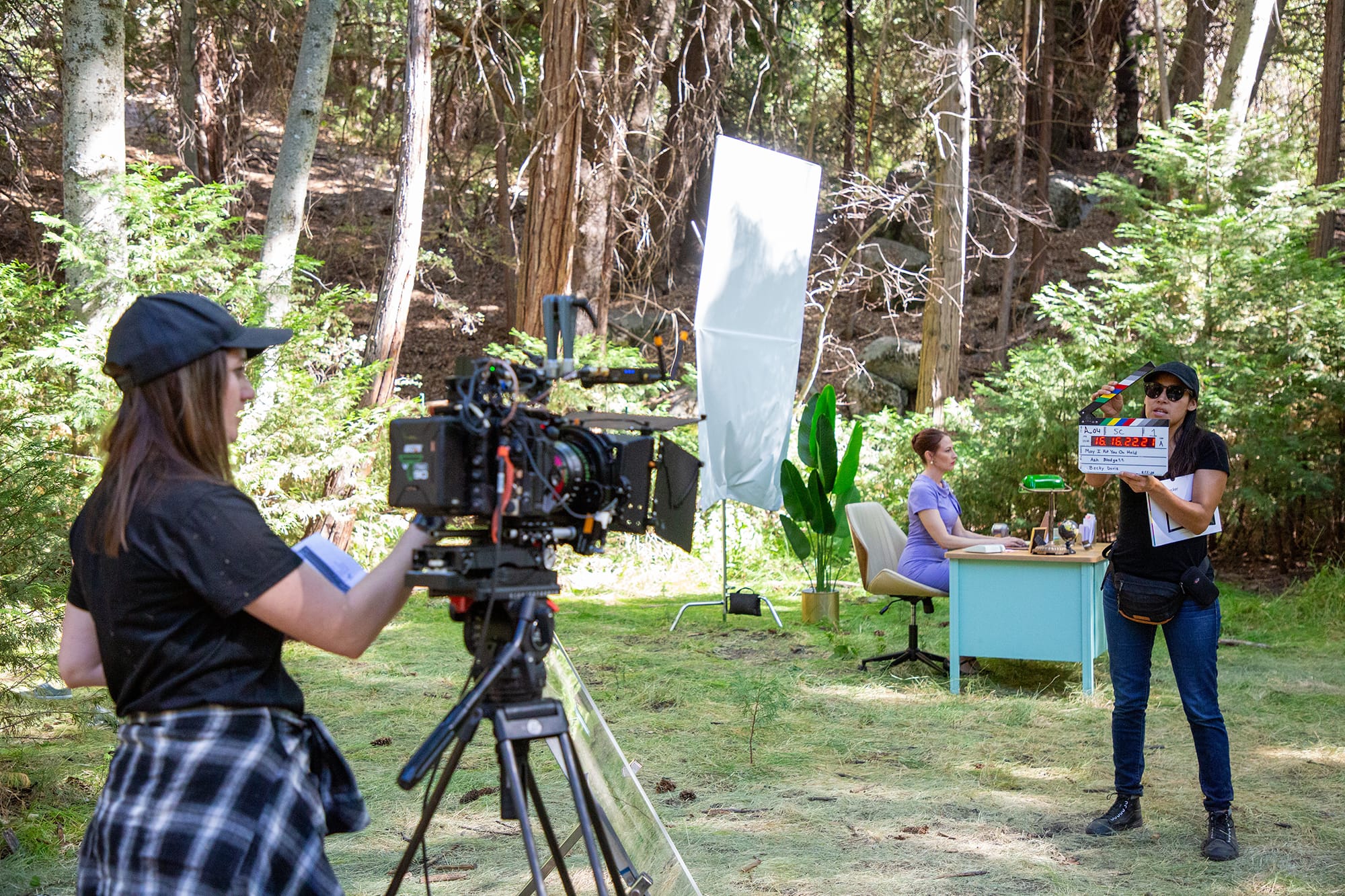
What surprised me the most was the challenges that came with shooting in a forest. We faced bugs, shifting light, a police car chase, a fire, lugging gear uphill, and more. We also had to change our location slightly last minute, as we were informed our original location was a frog rehabilitation site. This meant a few weeks before the shoot I had to drive three hours to our forest location and completely re-storyboard large sections of the film to fit the new location that was only about 20 feet away from the original one, but looked different.
What moment in the film feels most like you, or like something only you could have made?
Oh man, well, a lot about this film feels very me. The bright color palette is totally my style and the Good Place vibe is my jam. But the moment that probably feels really personal to me is the phone call Liz makes at the end to her mom. Actress Tara Jayn is talking to her real mom, Trish Ridgon, and I just love their whole improvised conversation over the credits. It feels so honest and real to me.
What tool, technique, or mindset shift helped most during production?
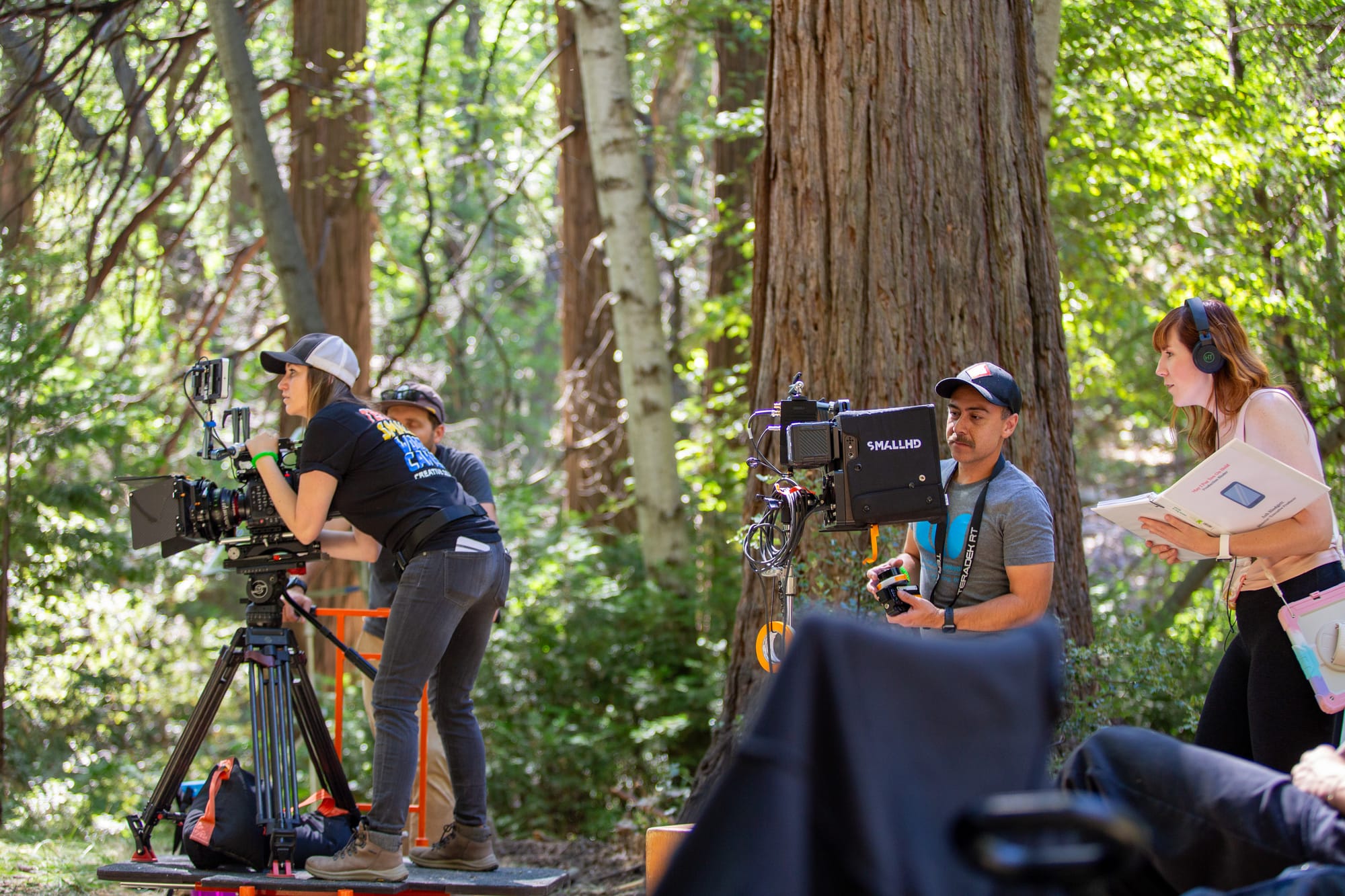
Oh, I'm a big fan of Shot Lister! It's the app I cannot make a film without. It allows you to build a shot list and shape a schedule around it. I also love PreVis Pro, an app that lets you make storyboards by building 3D environments and moving your camera around them to find shots. I took the storyboards I made there and edited them into an animatic using the recorded table read from my actors for the dialogue. This was essential for every crew member to know what shot we were doing next, and it helped me edit the movie in advance to make sure pacing and transitions were working.
What is the greatest strength of independent filmmaking, and what breakthrough would you share with others?
I think the greatest strength of the indie filmmaker is a sort of blissful ignorance. Having a dream and not realizing the challenges of that dream makes it thus possible to pursue the dream. If you knew all the challenges, you might never start down the path. So try to hold onto that blissful ignorance as long as you can, and don't let your producer brain kick in and say "no, that's impossible," because you know what? Anything is possible.
What do you hope audiences take away from this film?
I hope audiences take a moment from their busy, tech-filled lives to reach out to their loved ones. It's so easy to get distracted with all the technology and busy lives we live — believe me, I'm guilty of it — but it's definitely important to reach out more. I wish I had before my dad passed. At the core of all my work is a desire to break stigmas about grief.
Main Cast & Crew
- Ash Blodgett — Director / Executive Producer / Editor
- Ryan Self — Writer / Producer
- Tara Jayn — Actress / Producer
- Nicole Mangona — Producer & 1st Assistant Director
- Becky Davis — Director of Photography
- Natalie Lynch — Actress / Costume Designer
- Sam Manual — Actor
- Terry Li — Actress
Filmmaker Opportunities
💛 Fund your next project with fiscal sponsorship
Have a project in the works? As a 501(c)(3) nonprofit, the Cinematography for Actors Institute can accept tax-deductible donations on your film's behalf — a door-opener for grants, foundations, and supporters who want to back your work. We've serviced over 100 projects to date and helped route over $800,000 in funding to filmmakers. Explore fiscal sponsorship →
📬 Grant deadlines and festival opportunities, straight to your inbox
The CFA newsletter rounds up grants, festival calls, and community news for independent filmmakers — the kind of opportunities that are easy to miss and painful to miss. Join the newsletter →
🎬 Focus on the creative — we'll help with the logistics
Production Management, CFA's newest member program, launches this November: production insurance and workers' comp, payroll, film permits, gear rental coordination, SAG-AFTRA compliance, contract drafting, production consulting, and crew recommendations — handled by a team of working filmmakers, à la carte or all in, in partnership with Creative Access Group. It's waitlist-only until launch. Join the waitlist →
League of Filmmakers is published by our parent organization, the Cinematography for Actors Institute — a 501(c)(3) dedicated to education, community, and capital for underrepresented filmmakers and actors. Learn more about CFA →


