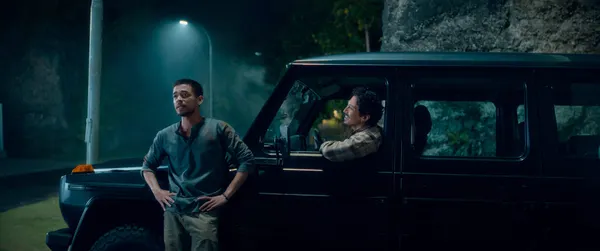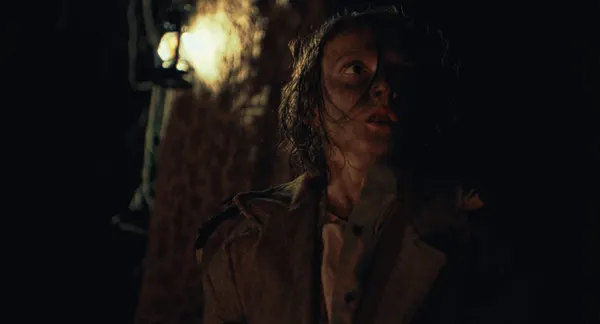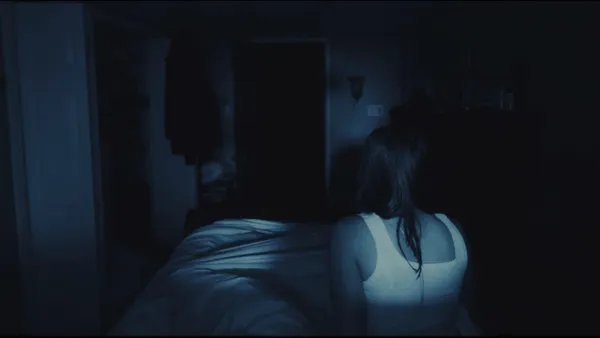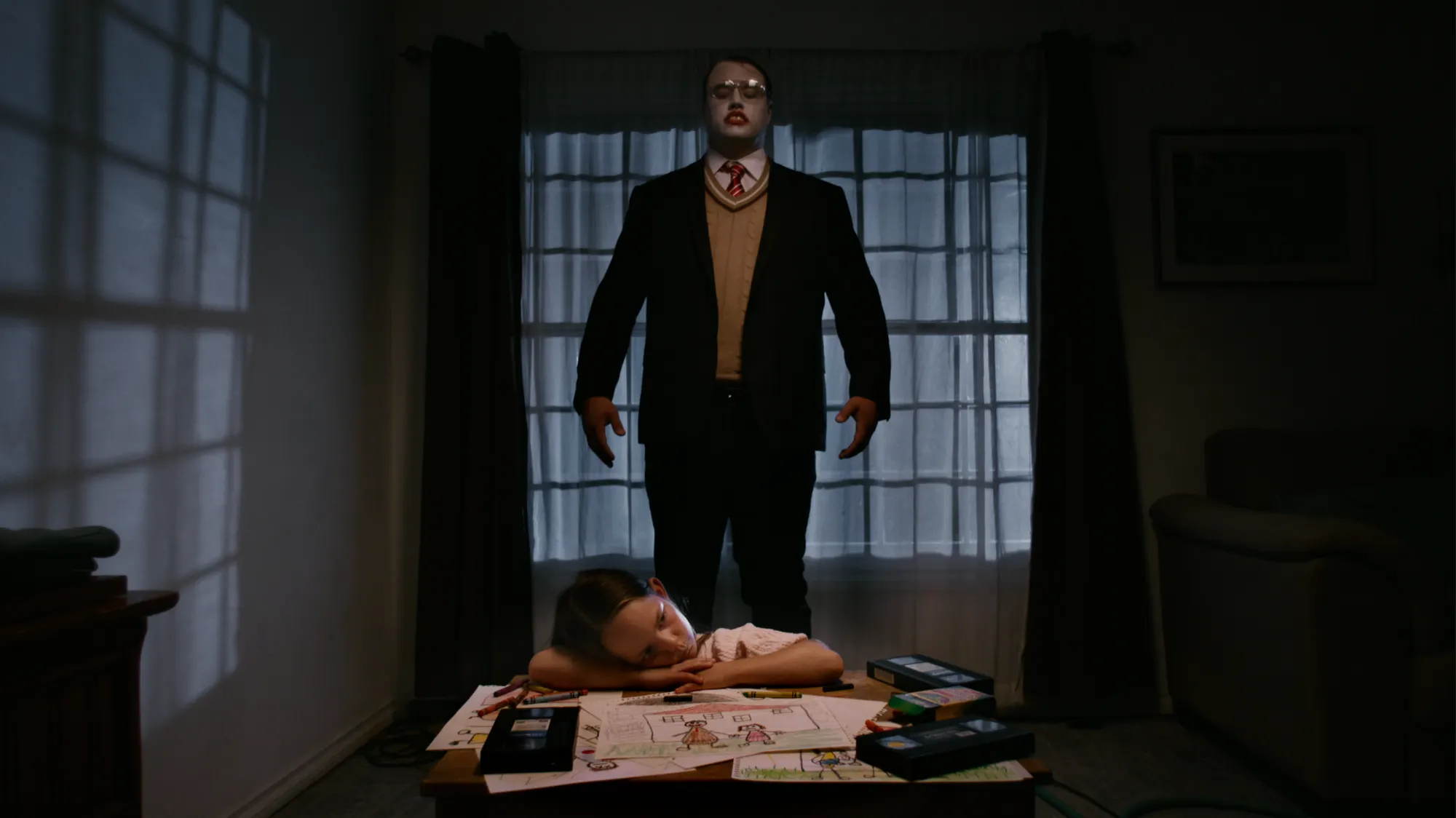
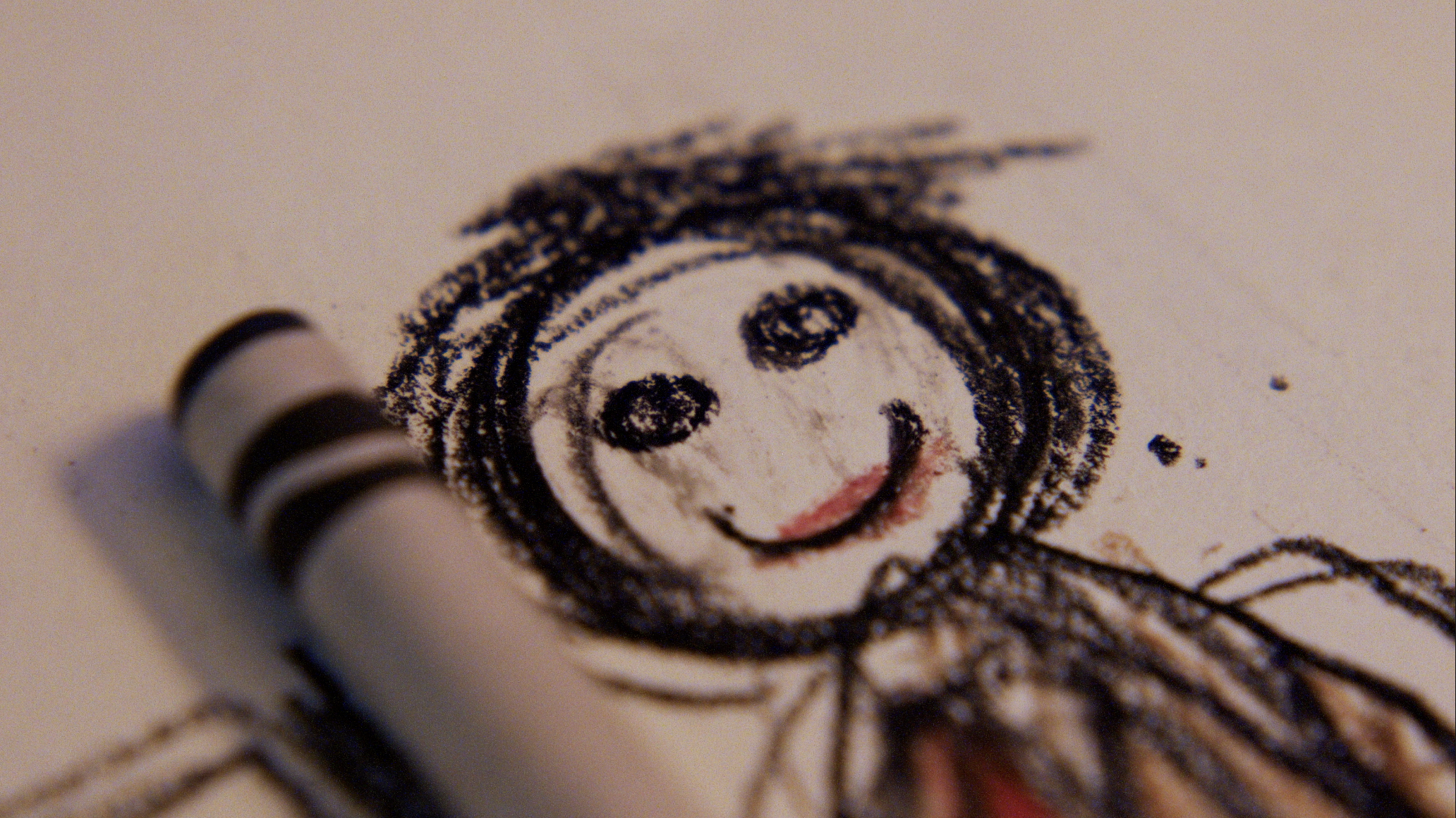
A little girl draws. She narrates. Her new friend, the one she met online, has a game he wants her to play. That is nearly the whole of How I Met My New Best Friend — a few hundred dollars, a box of crayons, and a voice — and it is more unnerving than most films with a creature in them.
Nicholas Jandora built the short out of half-remembered PSAs about the dangers of the early internet, and out of something more durable: childhood loneliness, and what happens when a lonely kid finds company in a place with no supervision. "The more connected we are online, the lonelier we become in the real world," he says. The film makes the case without ever raising its voice.
Key Takeaways
- Ninety-five percent of the film is a child's drawings, narrated by a child — a formal gamble Jandora didn't know had paid off until the edit.
- The horror is never shown. Jandora leans on suggestion the way a campfire story does, letting the audience build the worst of it themselves.
- It's a family production: his niece narrates, his nephew drew every image, and his fiancé composed the score and handled the sound mix.
Jandora spoke with us about restraint, risk, and making his first film with the people closest to him.
Interview
What drew you to make this film, and why this story, why now?
A lot of the idea for this short film was based off of old PSA ads, the dangers of the internet in its early stages with children, and childhood loneliness. I think this story really hits home with how much children have unfiltered access to the internet and how dangerous that could be. I think the more connected we are online the lonelier we become in the real world. This is especially true during the development stages of a child and how it can stunt a person, especially if they are lonely.
What surprised you most about the filmmaking process, creatively or logistically?
Honestly, it was a risky move to make this film because it is all told from a child's narration and 95% of the film is just showing a child's drawings. So it was a little nerve-racking during the filming because it could've fallen flat very easily, but once I was in the editing room, I knew I had something special.
What moment in the film feels most like you, or like something only you could have made?
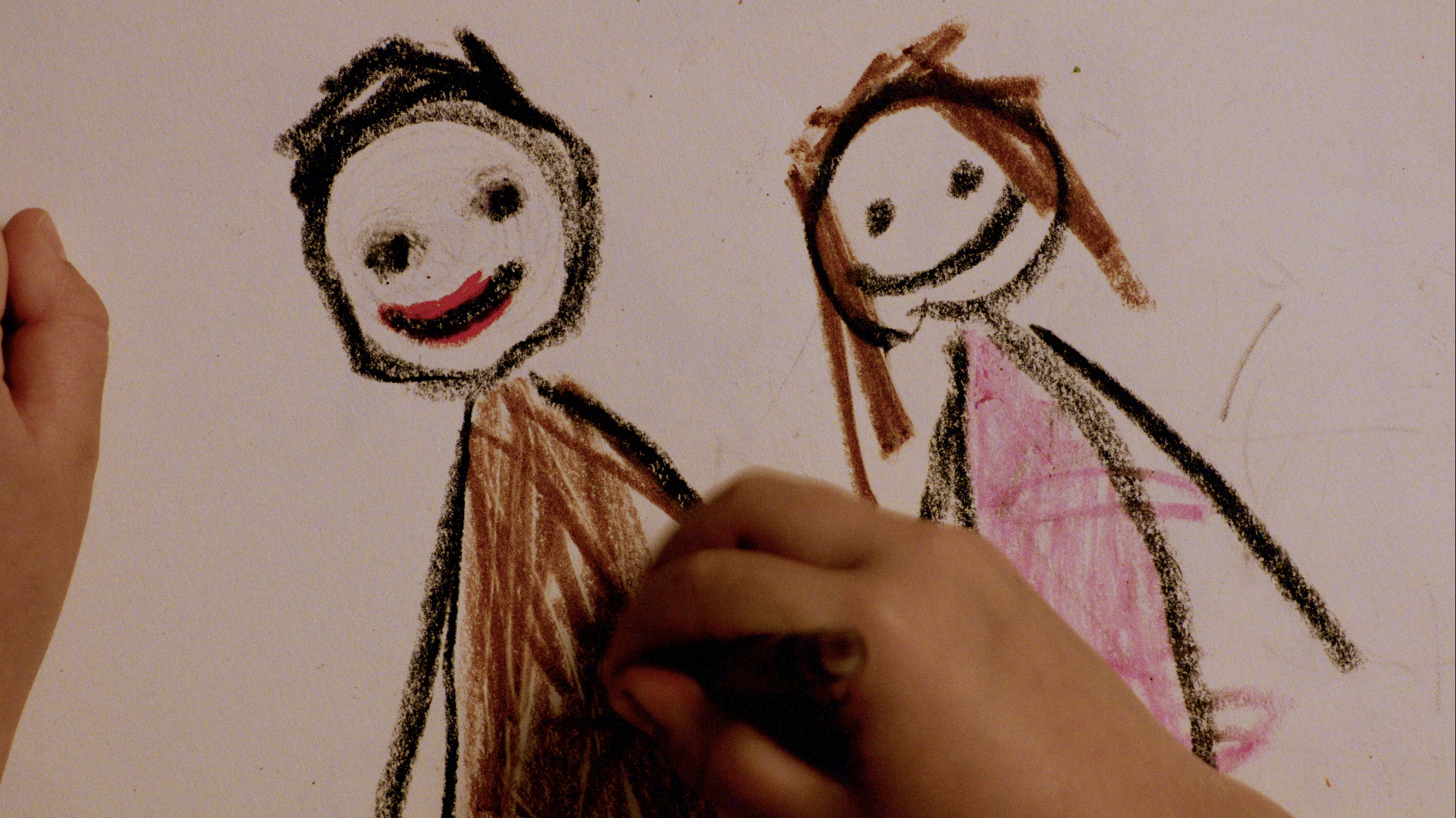
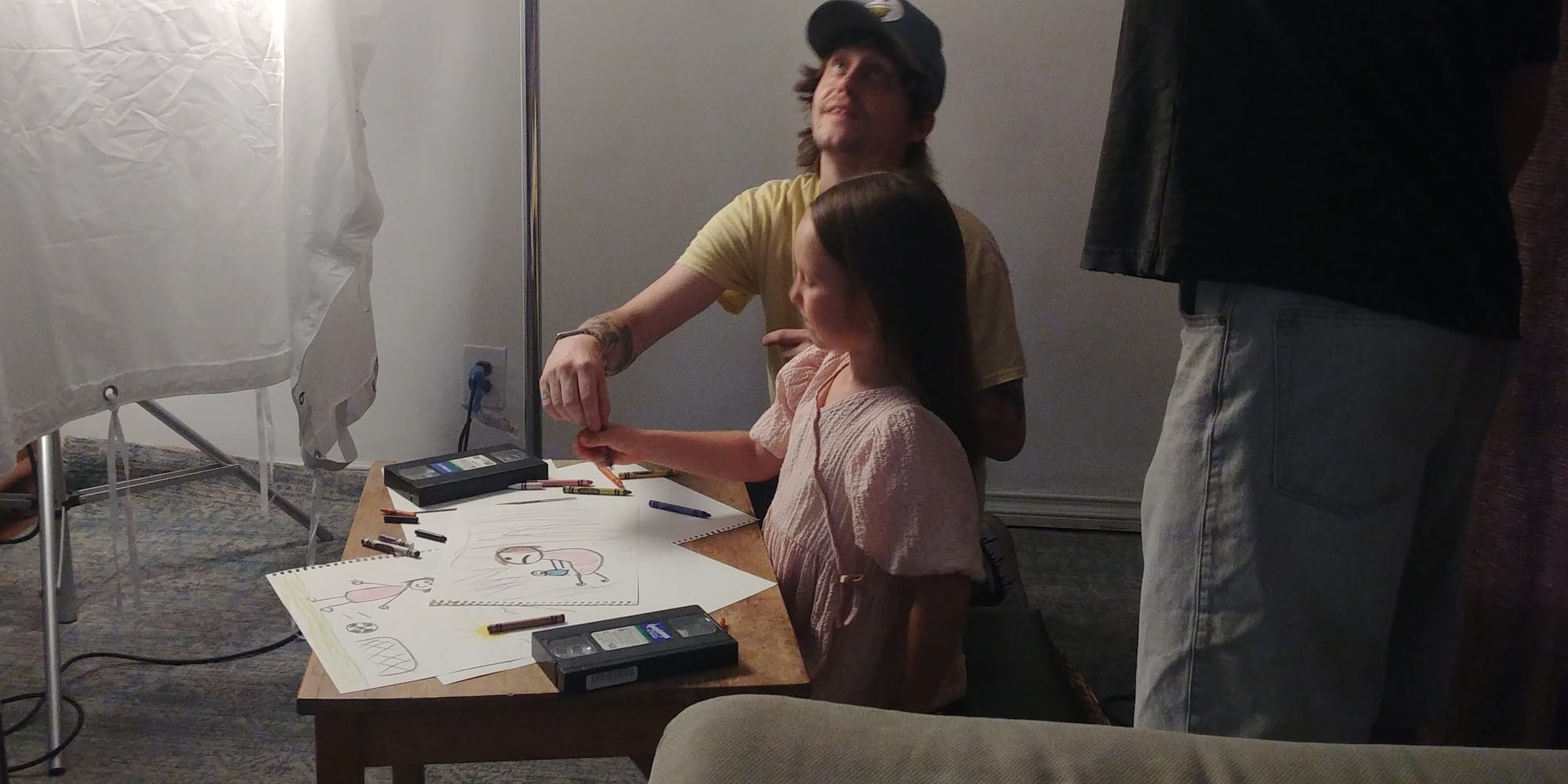
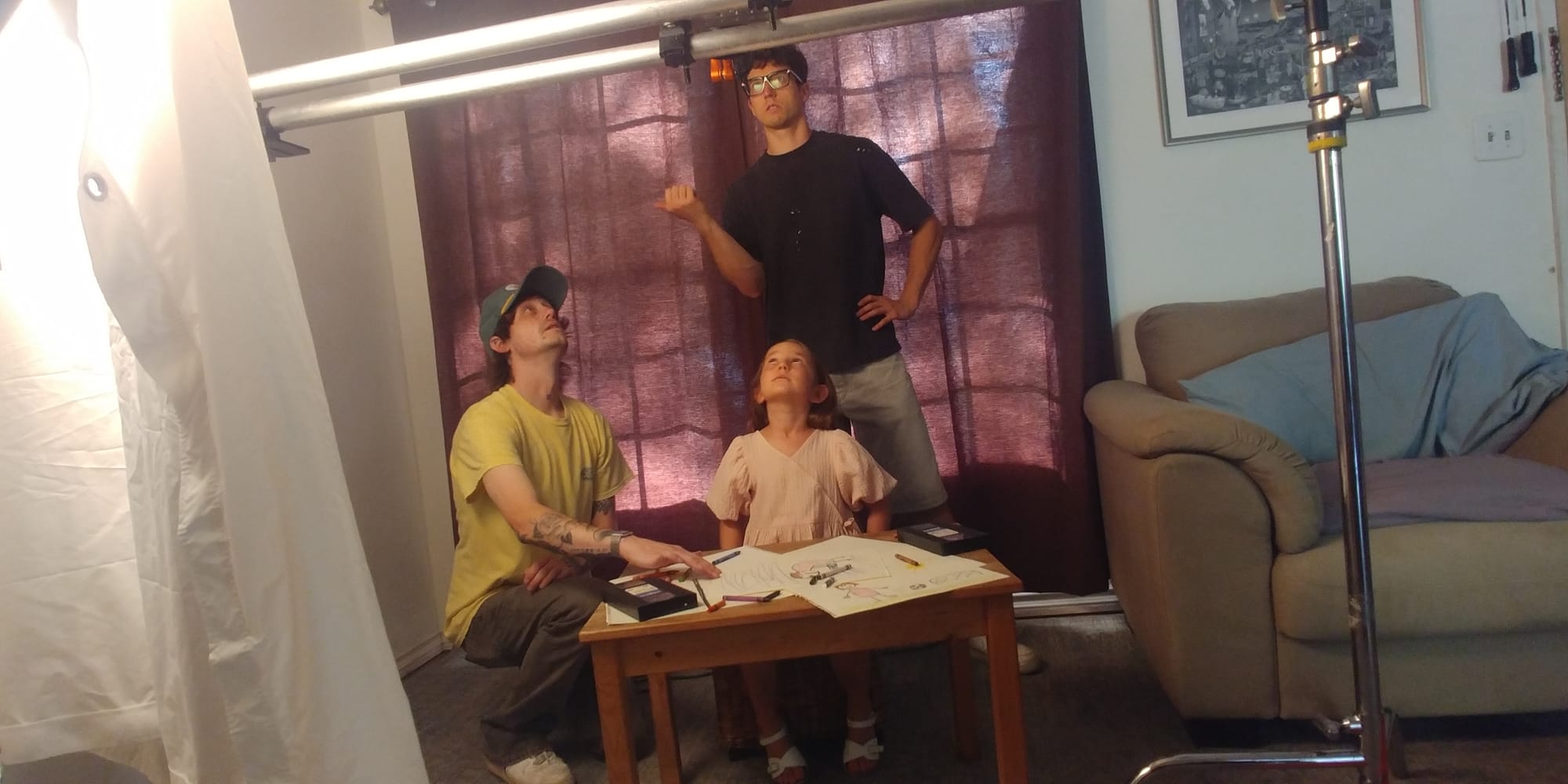
I am a 90s kid so I grew up without having a computer and then saw all the early stages of social media and what it has become now, which I'm sure a lot of other people my age have experienced. But I think what makes this unique is that I created it with my entire family. My niece did the voiceover. My nephew did all the drawings and my fiancé did all of the score and sound mixing, so it felt very close to my heart because it was the first time I created something with my family.
What was the hardest creative decision you made while making the film?
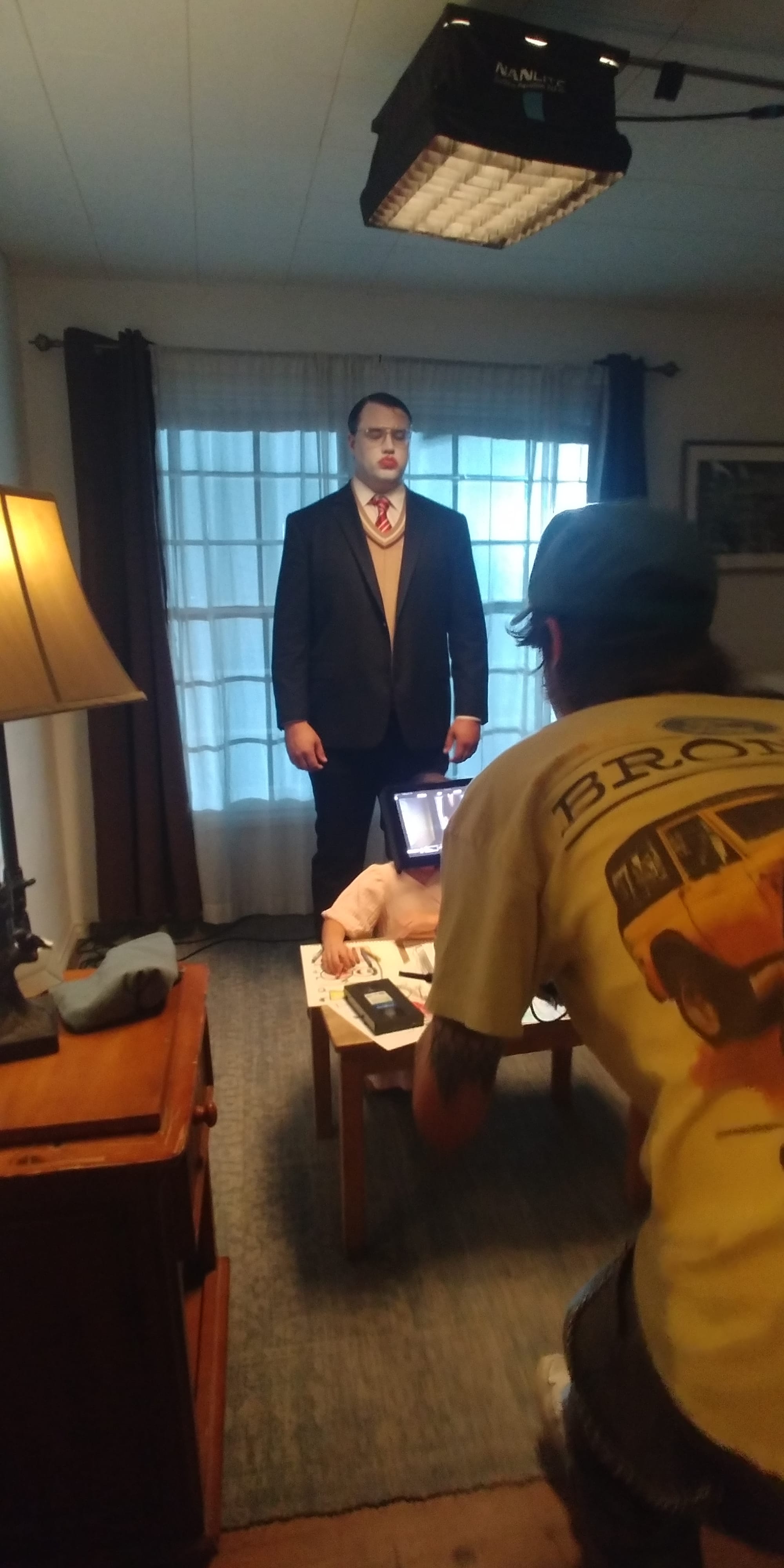
The hardest decision was to really lean into not showing any of the horror that goes on and really let the story live in these child's drawings. I was very nervous that it wasn't going to work, but in the editing room, I was pleasantly surprised how well not showing the horror worked.
How does your film fit within, or push the boundaries of, its genre or form?
I think this helps push the boundaries because it shows the simplicity of filmmaking. My short never shows anything explicit or "scary." It stays very contained within these child's drawings, and just lets the story itself drive the horror rather than the imagery. It kind of goes back to the fear you would get from hearing campfire stories.
What is the greatest strength of independent filmmaking, and what lesson would you share with others?
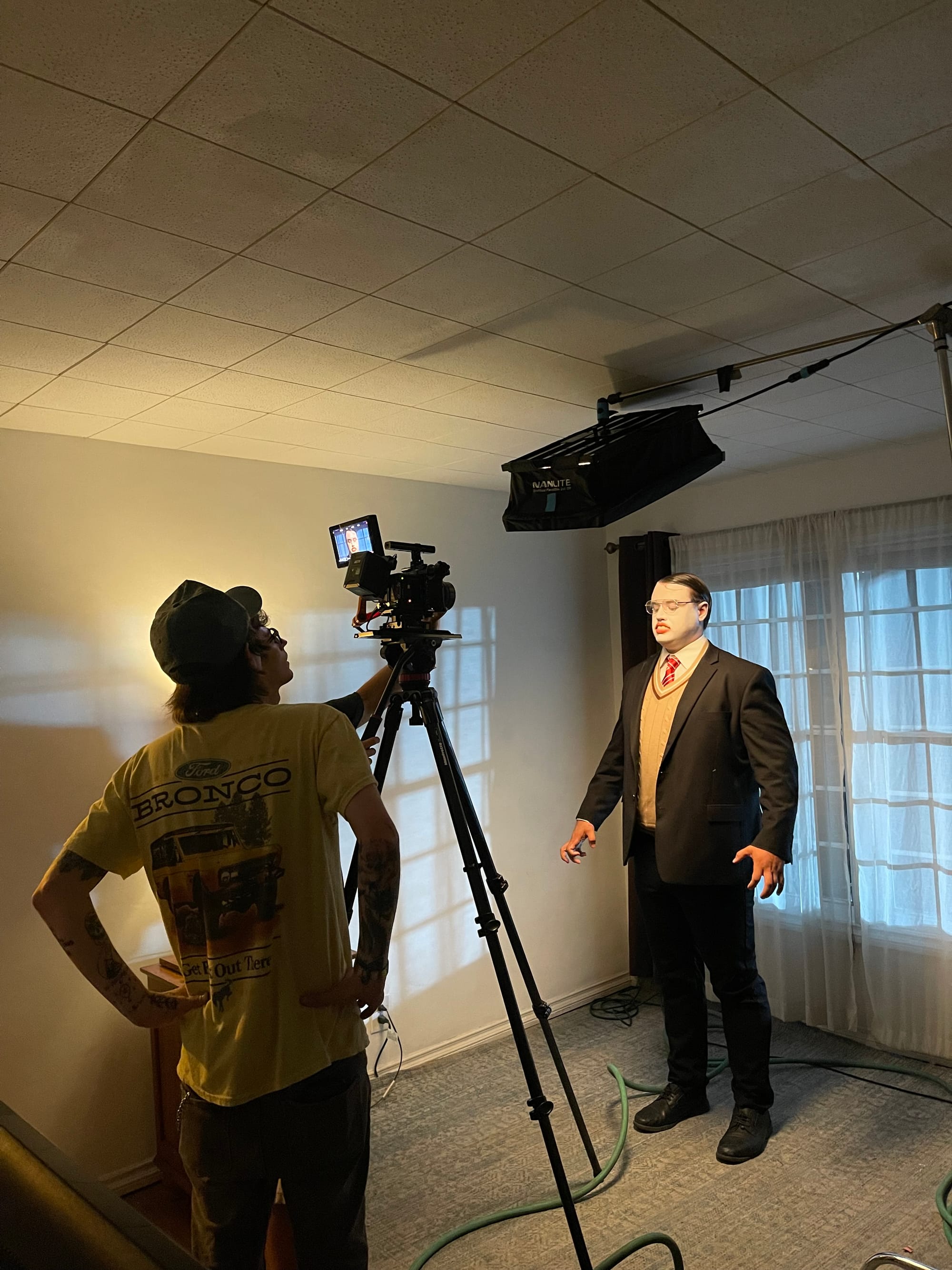
Story always comes first. Especially in horror, the less you show and the more you let the audience's imagination run wild will overall help the story you were trying to tell. Things are always more scary in your head, so if you show too much that can sometimes limit the horror you are trying to portray. Going off the budget constraints, it really taught me that less is more sometimes. It taught me that as long as you have a good story, a large production isn't necessary.
What do you hope audiences take away from this film?
I am just happy if people see it, honestly. I created this with a few hundred bucks, a box of crayons and an idea. I hope that people take away, one, how dangerous the internet could be and the dangers of childhood loneliness, but as a filmmaker, I hope other filmmakers can take away that you don't need a large budget to create a good story.
What does it mean to have your film selected for FilmQuest, and where does the film go next?
Honestly, even to be mentioned in the same sentence as the filmmakers that have been selected for FilmQuest in the past is an honor. I created this short film with no money and a dream so it really feels surreal to be selected in the first place. My goal is to turn this into a full feature. I wrote this short almost as a cold open, and I have so many ideas that really dive into the psyche of the characters and the aftermath of what happens after this tragedy that takes place.
Main Cast & Crew
- Nicholas Jandora — Director
- Voiceover performed by the director's niece
- Drawings by the director's nephew
- Score and sound mixing by the director's fiancé
Filmmaker Opportunities
💛 Fund your next project with fiscal sponsorship
Have a project in the works? As a 501(c)(3) nonprofit, the Cinematography for Actors Institute can accept tax-deductible donations on your film's behalf — a door-opener for grants, foundations, and supporters who want to back your work. We've serviced over 100 projects to date and helped route over $800,000 in funding to filmmakers. Explore fiscal sponsorship →
📬 Grant deadlines and festival opportunities, straight to your inbox
The CFA newsletter rounds up grants, festival calls, and community news for independent filmmakers — the kind of opportunities that are easy to miss and painful to miss. Join the newsletter →
🎬 Focus on the creative — we'll help with the logistics
Production Management, CFA's newest member program, launches this November: production insurance and workers' comp, payroll, film permits, gear rental coordination, SAG-AFTRA compliance, contract drafting, production consulting, and crew recommendations — handled by a team of working filmmakers, à la carte or all in, in partnership with Creative Access Group. It's waitlist-only until launch. Join the waitlist →
League of Filmmakers is published by our parent organization, the Cinematography for Actors Institute — a 501(c)(3) dedicated to education, community, and capital for underrepresented filmmakers and actors. Learn more about CFA →