As a child, the number one people in your life are your parents. They become superheroes and role models; then, imagination makes even the most difficult of moments feel a little more magical. In 2010, director Taika Waititi captures this feeling through the eyes of a Māori boy in the film Boy. While the plot is not a direct tie to Waititi’s life, he did grow up in a small village in New Zealand. The child, named Boy, believes that his absent father is a legendary figure. But when his father returns home, Boy discovers that the man he spent years imagining as a superhero is extremely different from the man he just met.

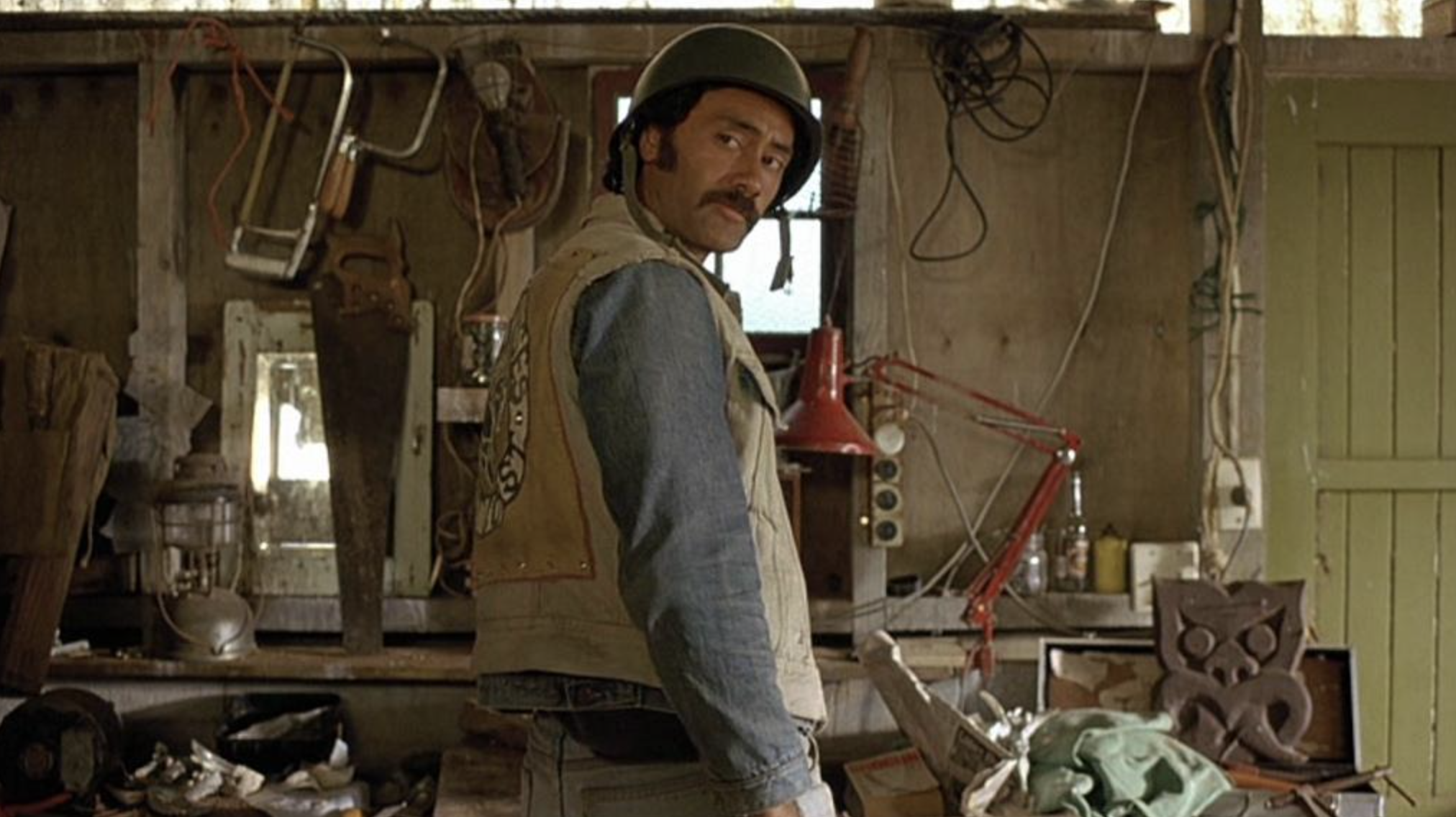
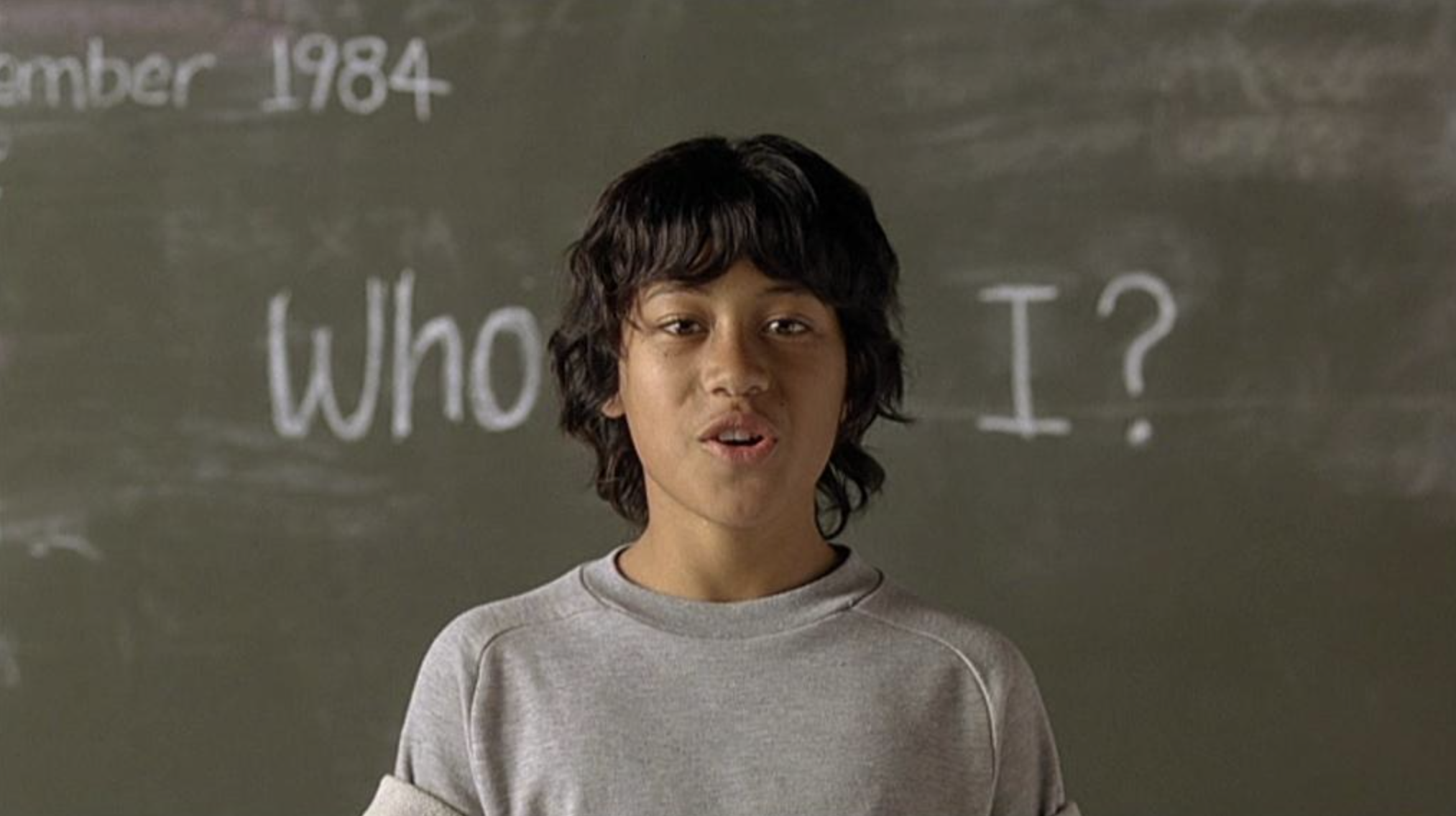
Set in a small rural community in 1984 New Zealand, Boy follows an 11-year-old boy, played by James Rolleston, who lives with his younger brother, Rocky, and their grandma. Boy often spends his time imagining what his parents were like. He pictures his father as a brave hero who cares about him and his achievements. His big imagination is what gets Boy through his tough days. His fantasy falls apart when his father, Alamein, played by Waititi, returns home after being released from prison. Boy quickly learns that his father is an immature and irresponsible man who is more interested in searching for hidden treasure than getting to know his children.
Although most of the story is functional, one interesting part is how much of Waititi's own childhood is included, which makes the setting very unique. He grew up in Waibau Bay, a small coastal town on the east coast of New Zealand, which is exactly where this film is set.
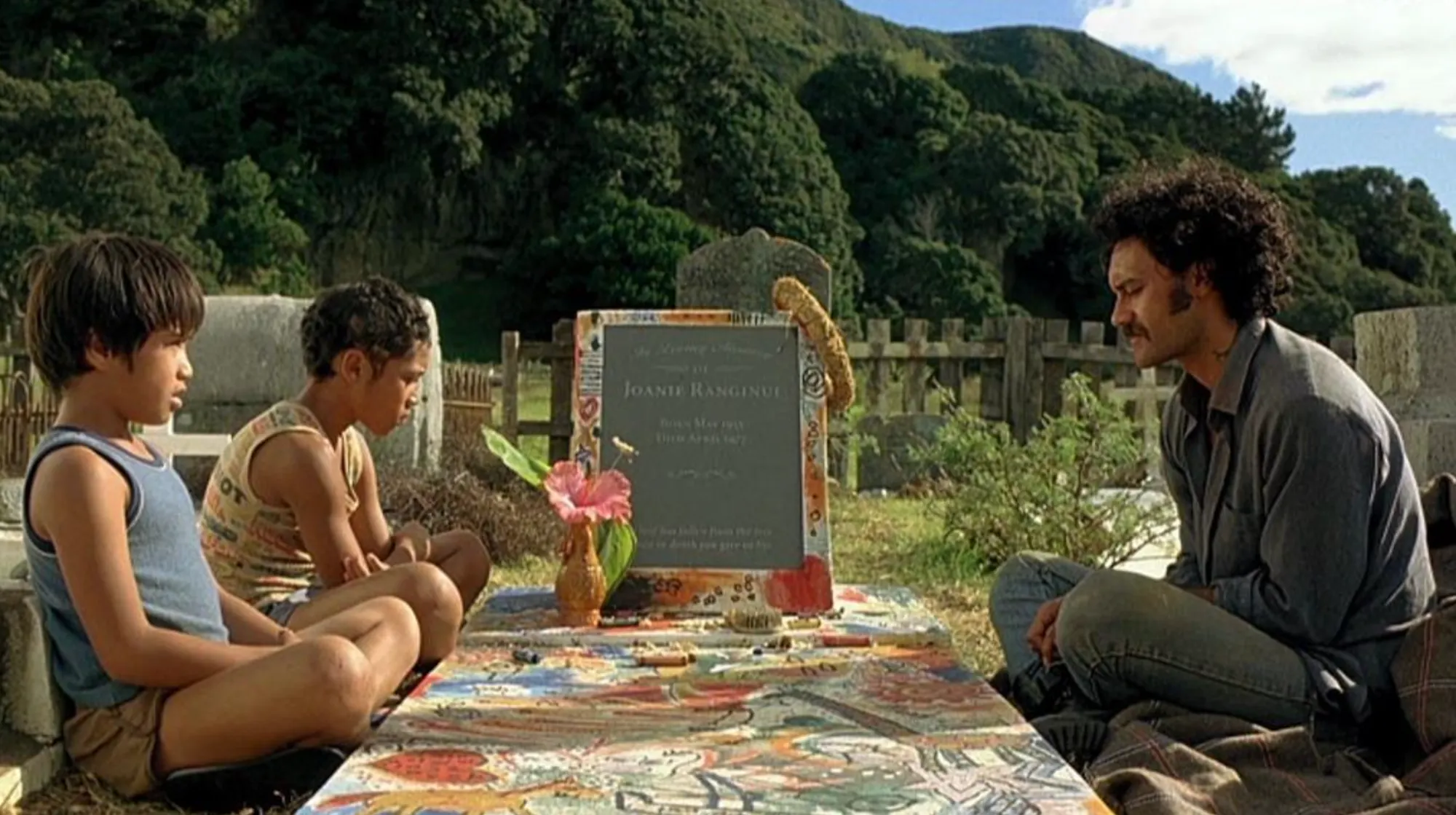
Boy is ultimately a grief story; even though his dad is still alive, Boy is grieving the perfect idea he had. His relationship with his father creates an interesting contrast in how children see adults and who adults actually are. As a kid, you rarely see your parents have negative emotions, so one pivotal point of growing up is realizing that your parents are humans who are just trying their best. Growing up means recognizing that adults make mistakes and have their own struggles. Waititi's storytelling is so effective here because he keeps the humor and whimsy through the difficult moments. The film embraces the comedy even when his father is being a jerk to him. Since the story is told through Boy's eyes, and because of his strong imagination, it plays more like a comedy than a drama.
Waititi tells a meaningful story rooted in his own childhood, and even more than a decade later, Boy still remains an important example of turning personal experiences into impactful filmmaking. The film gives a great balance of emotional storytelling with beautiful Māori culture. Boy is so much more than a story about a young boy reconnecting with his father; it depicts a window into a child's mind as he handles growing up and losing childhood illusions.