Table of Contents
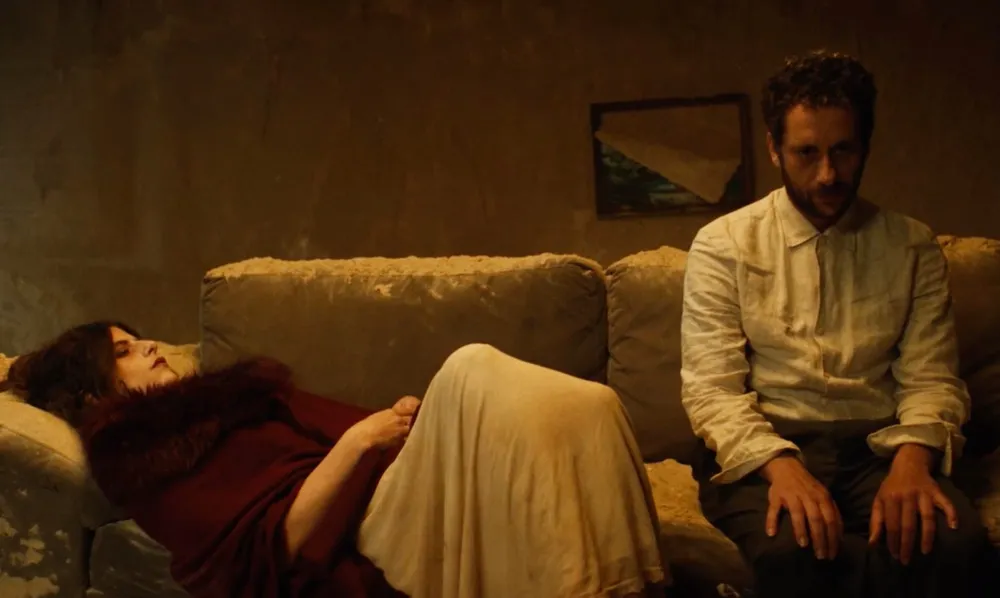
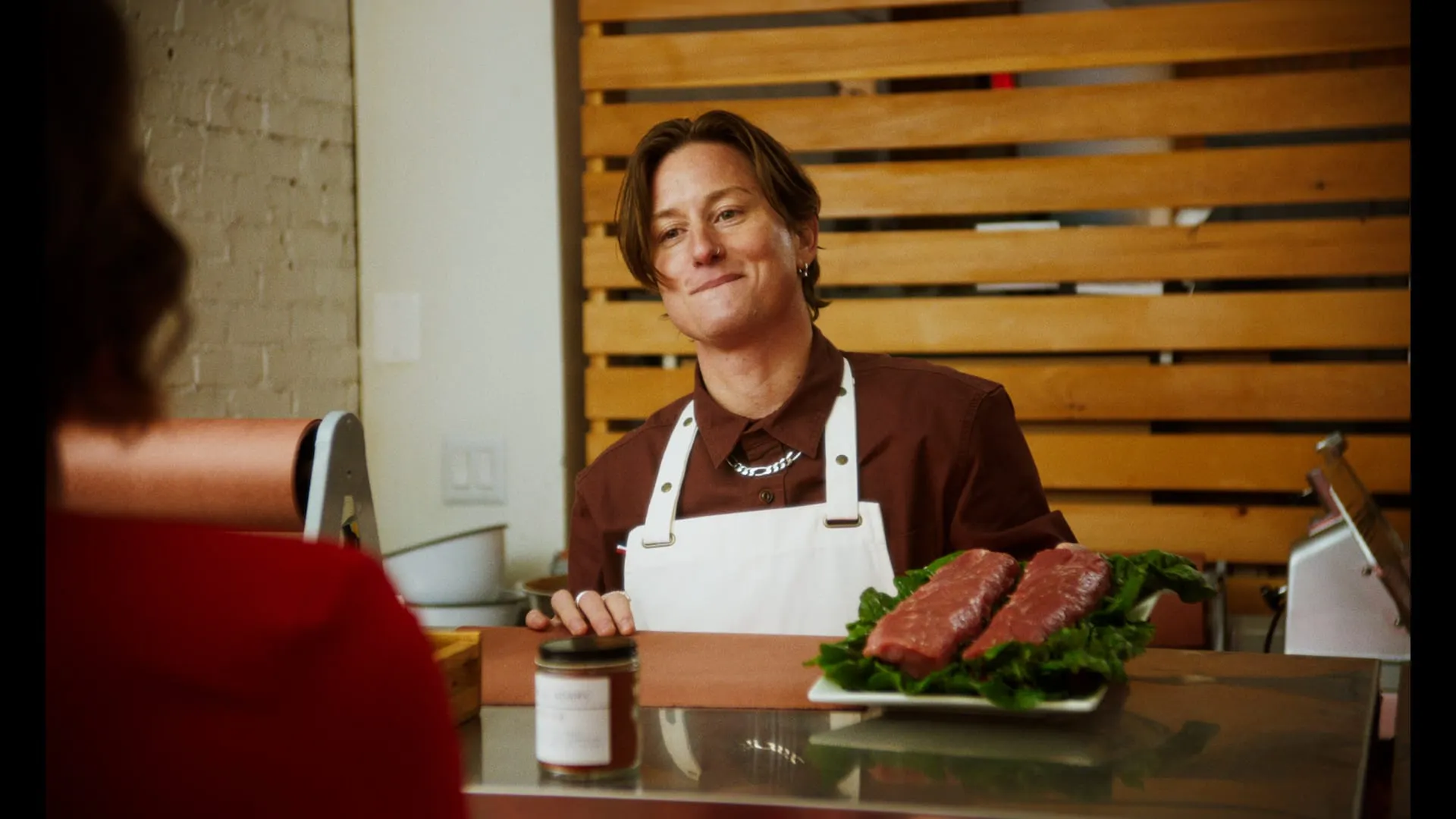
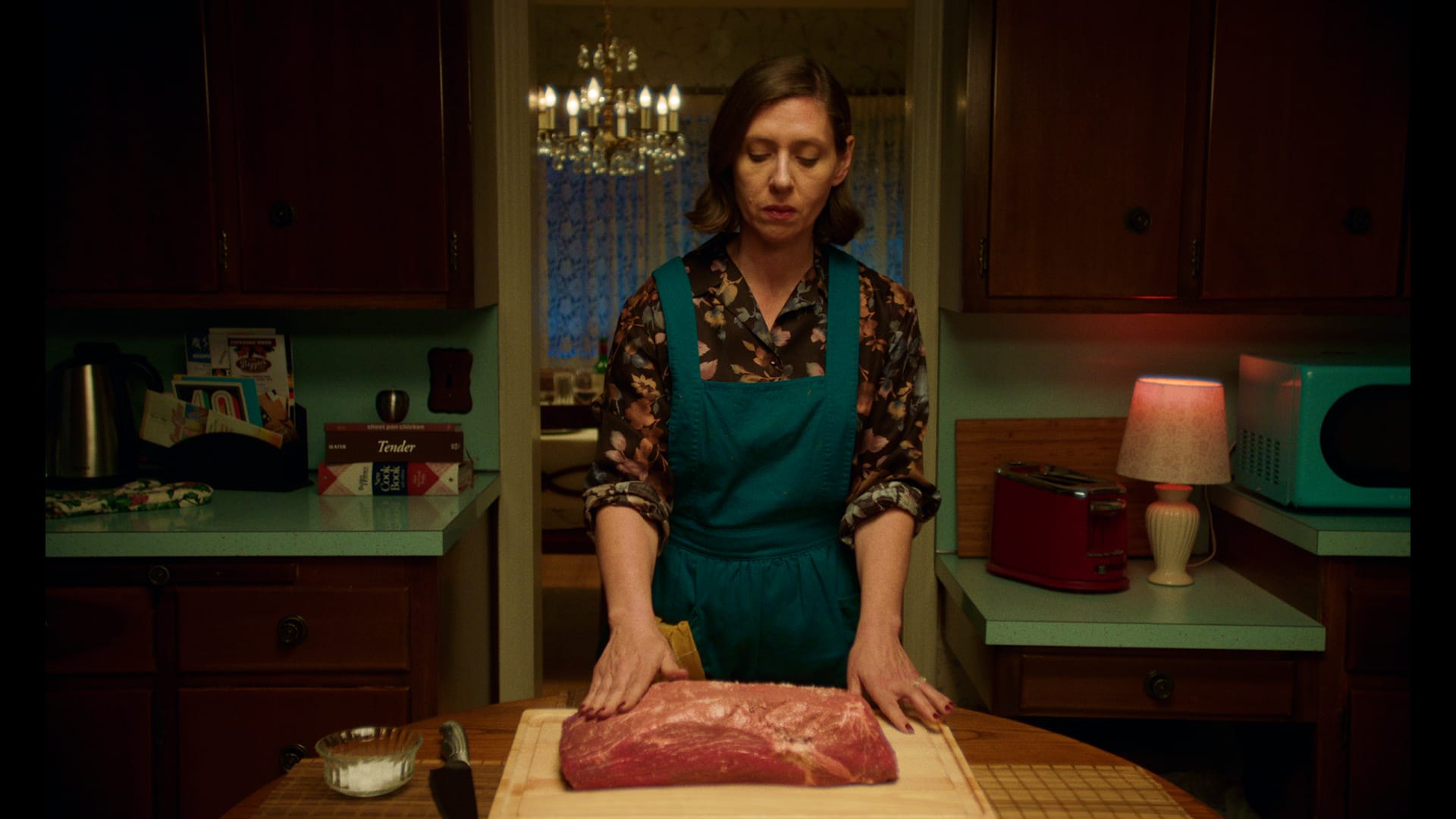
The perfect housewife has a secret: she's obsessed with expensive meat, and the local butcher who knows how to handle it. When her dream of a chance encounter comes true, the cracks in her home life are exposed. In In the Flesh, Emily Frances Kaplan uses the visceral, illicit texture of raw meat as a stand-in for forbidden desire — the thing you're not allowed to want.
It's a film that arrives at an interesting crossroads of queer and erotic cinema, sexy without a single sex scene, grounded in a late-in-life awakening that resists easy labels. Kaplan, writing outside her usual register, found comedy to be both a departure and a natural evolution of the themes she's always chased.
Key Takeaways
- A 16-page script shot across multiple locations in just 2.5 days, with the pivotal dinner scene captured in three hours.
- Raw meat as metaphor for forbidden desire and a quest for self-love beyond obsessive self-criticism.
- A first-time actor — Kaplan's own hair stylist — anchors the film as the butcher.
Kaplan spoke with us about appetite, compression, and knowing which shot you can't go home without.
Interview
What drew you to make this film, and why this story, why now?
Even as a vegetarian, I've always had a strange fascination with raw meat. The texture is so visceral and evocative — there is something very illicit about it. In this film I'm using that as a stand-in for the idea of a crush, or forbidden desire. The thing you're not allowed to want. Combining that with a character in the midst of a late-in-life sexual awakening and queer curiosity felt honest and original, and true to my own life experience.
What moment in the film feels most like you, or like something only you could have made?
Honestly, the whole film. The original idea came out of memories of visiting the butcher shop as a child, and being totally fascinated by the case. On top of that, the person who plays the butcher is my hair stylist. They'd never acted before, and somewhere in the back of my mind I think I wrote this specifically for them. They have an undeniable star quality and I couldn't believe that they'd never been on screen before.
What was the hardest creative decision you made while making the film?
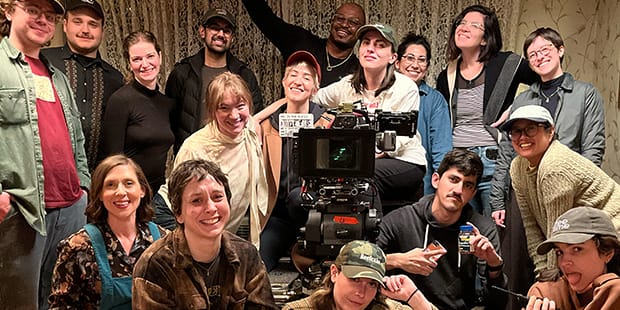
We shot the whole movie in 2.5 days, which is tough for a 16-page script with multiple locations. The dinner scene, which is the heart of the film, was shot in three hours with five characters to cover. Anyone who has made a film knows how tight that schedule is. Each actor only got a couple of takes, and we had to be very strategic about what lines would be covered from which angle. I pre-edited the scene with boards beforehand.
What do you hope audiences take away from this film?
In the Flesh is a story about repressed desire, and finding the courage to reimagine our beliefs about what we're allowed to want. Ultimately, the principal character's desire for the butcher is not just a crush — it's emblematic of a greater quest for self-love. Her relationship to her own body, and to the body of her child, is defined by obsessive criticism. Her fixation with meat and cooking as a creative outlet is a stand-in for her need for physical freedom; to experience herself as a source of pleasure. Unselfconsciously.
How does your film fit within, or push the boundaries of, its genre or form?
I think In the Flesh sits at an interesting crossroads of queer and erotic cinema. It is, in my opinion, a very sexy film, without having any real "sex" on screen. And as an LGBTQ film it features trans, nonbinary, lesbian, and bisexual characters while also being first and foremost about the exploration of a sexual orientation that cannot be labeled.
What tool, technique, resource, collaborator, or mindset shift helped most during production?
Our shoot was so compressed, and several scenes had to be cut down and turned into "oners" to make our days. I was so lucky to work with both incredible actors who could pull that off, and an amazing editor — Chris Rand — who really had the patience and skill to work through the moments that we weren't able to get on the day.
What is the greatest strength of independent filmmaking, and what lesson would you share with others?
As an indie director, you have to know both when to let go, and when to say "we are doing this, no matter what." What is the shot that you're not going home without getting because the movie just doesn't work without it, and what is the shot that would look cool but is not 100% necessary when push comes to shove? It takes a lot of preparation and confidence to make those decisions in the moment.
How has this film shaped or shifted the kinds of stories you want to tell next?
I don't have a lot of experience writing or directing comedy, so this film felt like a departure for me in tone, while also a fluid evolution thematically. I had so much fun working in this genre, and am currently developing a feature that occupies a similar lane — situational, grounded comedy with a heavy dose of cringe.
What does it mean to have your film selected for HollyShorts?
It's great. This is my second time playing HollyShorts, and it's an incredible venue to celebrate with other filmmakers. Great venue, great selection of shorts.
Main Cast & Crew
- Emily Frances Kaplan — Writer / Director / Producer
- Breanne Thomas — Producer
- Tory Lenosky — Producer
- Nona Catusanu — Director of Photography
- Chris Rand — Editor
- Dabney Morris — Composer
- Miriam Silverman — Cast
- Luca Tullio — Cast
- Eric T. Miller — Cast
- Serena Parrish — Cast
- Frances Li — Cast
Filmmaker Opportunities
💛 Fund your next project with fiscal sponsorship
Have a project in the works? As a 501(c)(3) nonprofit, the Cinematography for Actors Institute can accept tax-deductible donations on your film's behalf — a door-opener for grants, foundations, and supporters who want to back your work. We've serviced over 100 projects to date and helped route over $800,000 in funding to filmmakers. Explore fiscal sponsorship →
📬 Grant deadlines and festival opportunities, straight to your inbox
The CFA newsletter rounds up grants, festival calls, and community news for independent filmmakers — the kind of opportunities that are easy to miss and painful to miss. Join the newsletter →
🎬 Focus on the creative — we'll help with the logistics
Production Management, CFA's newest member program, launches this November: production insurance and workers' comp, payroll, film permits, gear rental coordination, SAG-AFTRA compliance, contract drafting, production consulting, and crew recommendations — handled by a team of working filmmakers, à la carte or all in, in partnership with Creative Access Group. It's waitlist-only until launch. Join the waitlist →
League of Filmmakers is published by our parent organization, the Cinematography for Actors Institute — a 501(c)(3) dedicated to education, community, and capital for underrepresented filmmakers and actors. Learn more about CFA →