Table of Contents
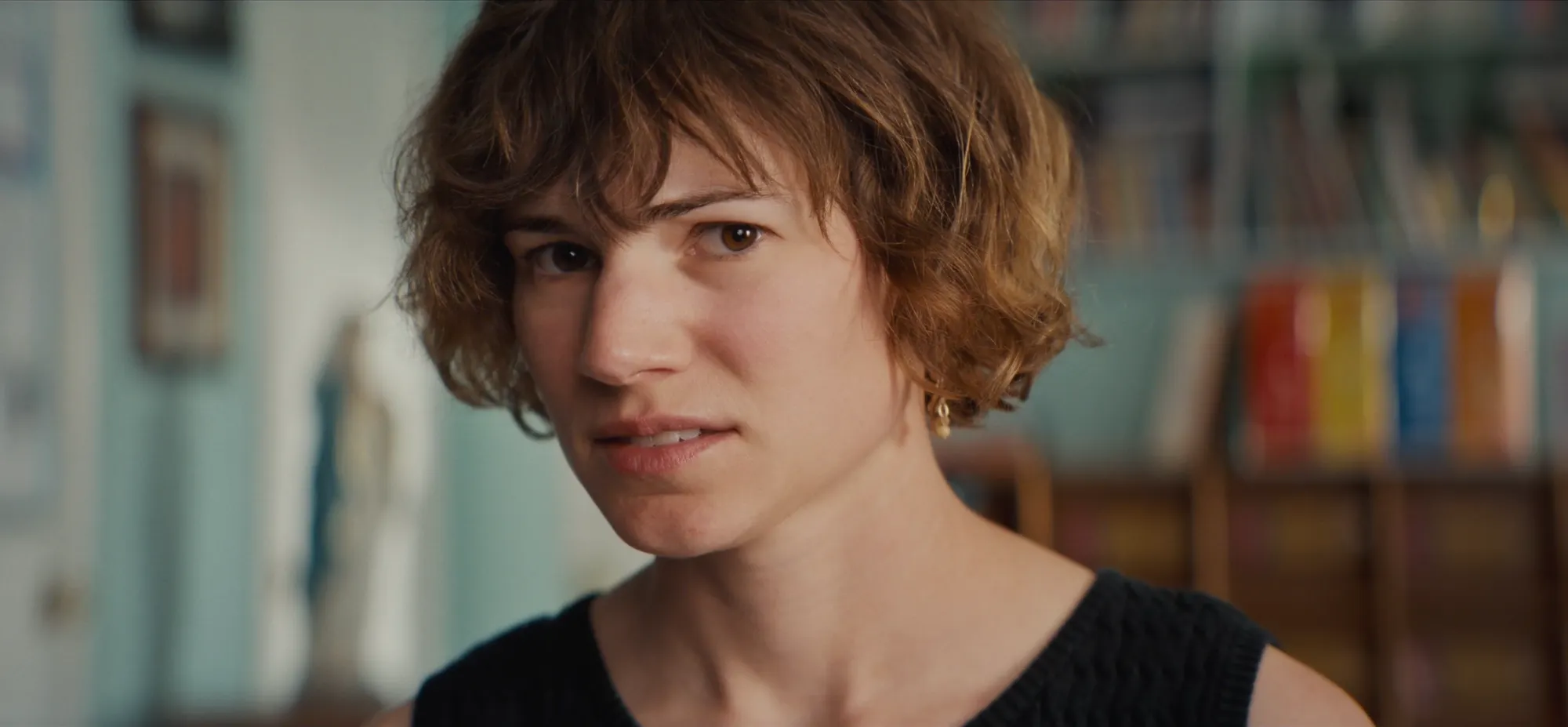
Brendan Beachman writes what he knows, even when what he knows is a hangover and a stack of non-stackable Tupperware. It's All Fine, a performance-heavy dark comedy having its world premiere at HollyShorts, follows a father whose interior monologue screams louder and louder over the chipper cadence of his son's preschool teacher. The premise is small — one room, one meeting — but the film is really about the anxiety and toxic anger Beachman noticed himself processing in all the wrong ways, and about who the real heroes are when the world feels like it's coming apart.
Beachman, a film and commercial director from Craig, Colorado who specializes in stylized dark comedy and horror, is quick to point out that his protagonist is not meant to look cool. By the end, the man is alone, screaming into an empty room. The teacher, singing toddler poopy songs, is the one actually changing the world.
Key Takeaways
- It's All Fine is drawn straight from Beachman's life — some of the voiceover is verbatim from his own thoughts during a real, hungover parent-teacher conference.
- The film's true hero is the preschool teacher, whose everyday care is quietly held up against the protagonist's directionless fury.
- Shot in a single 12-hour day in his son's actual preschool, the film leans into financial limits as a creative advantage — simple shots, experimental sound design, and two performances he trusted completely.
Beachman spoke with us about anger, restraint, and the dollhouse footage that almost made the cut.
Interview
What drew you to make this film, and why this story, why now?
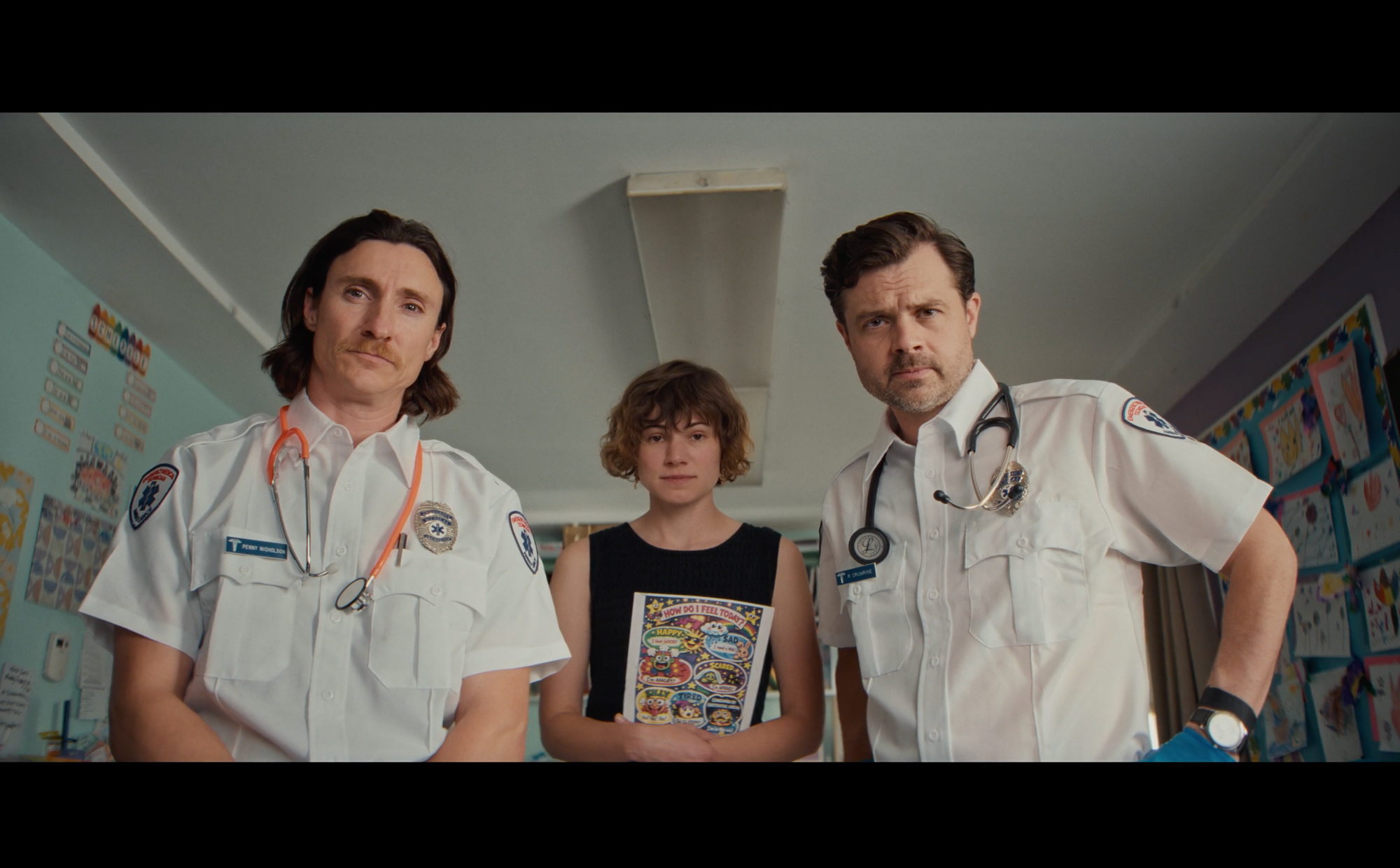
This project was born out of two separate incidents in my life. The first being a parent-teacher conference at my son's kindergarten. Now, I am not proud of this — in fact I am deeply ashamed — but I was indeed hungover during this meeting. The entirety of the conference involved me barely holding it together. My interior voice was screaming as I mentally flagellated myself for being such a complete IDIOT. There are bits of VO dialog that are not changed whatsoever from my actual thoughts.
The other incident occurred with a seemingly benign minor annoyance: I couldn't get a stack of Tupperware to stay in a kitchen cabinet. Every time I tried to shut the door, it'd fly open and I was hit with an avalanche of plastic containers. Each time this occurred I would become exponentially angrier until I was physically slamming the door, cursing the Gods for creating such a monstrosity of plastic non-stackable nonsense — not to mention allowing for a cabal of billionaire predators to run amok with zero repercussions. That's when I realized I have been harboring a LOT of anxiety and toxic anger toward our leaders here in the US and power structures around the world, and I have been processing it in very unhealthy, self-destructive ways. I decided to put that anger toward something more productive, so I wrote this film.
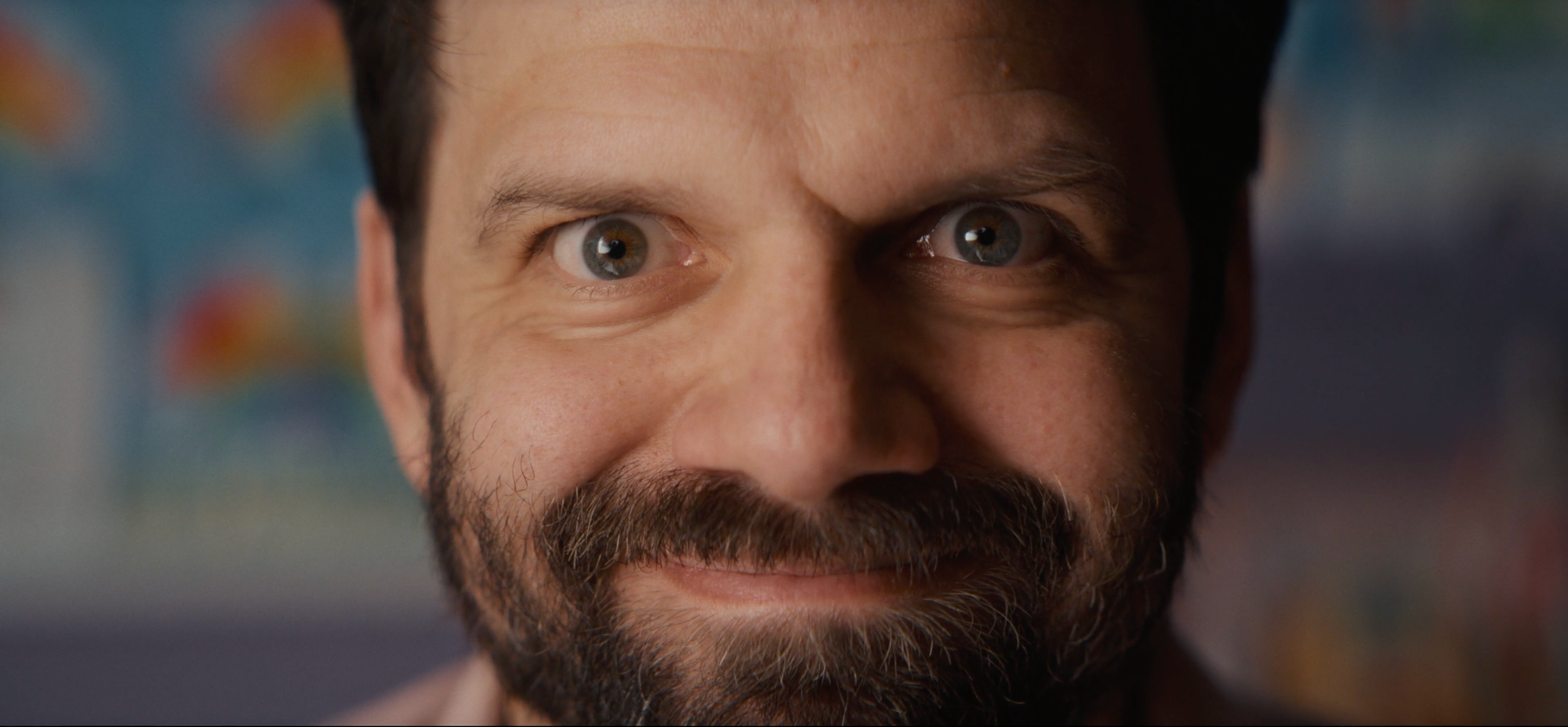
I know I'm not alone with my anger — many of us are very, VERY angry — but I'm in no way trying to make this main character look "cool." He is filled with impotent rage and no productive way to direct it. The hero of this, to me, is actually the teacher. Her chipper energy juxtaposed with his outrage may seem frivolous, but while he is screaming into the void, she is actively making real positive change in the world every single day by teaching and caring for children. These are the people who truly do change the world.
What moment in the film feels most like you, or like something only you could have made?
The inner dialog is an exaggerated version of my own thoughts. It's a circus in this slightly oversized dome of mine. So the entire film is quite personal to me and my weird, socially anxious, self-deprecating sense of humor.
What was the hardest creative decision you made while making the film?
There was this really cool antique dollhouse in the classroom that I noticed during our initial location scout. So I purchased dolls that my wife painted to look like our main characters. After the main cast and crew wrapped, my DP and I stuck around until almost 4AM shooting coverage of the dollhouse with a probe lens. My thought was to spice in these crazy shots during the height of the main character's climactic mental breakdown and add flickering fire and sound design of an impending inferno in post — a tribute to the popular "this is fine" meme. Sadly, in the end, we made the difficult decision to cut all those shots, as they just didn't really make any sense in the context of the rest of the film.
What do you hope audiences take away from this film?
I mostly hope they laugh. My favorite comedy is relatable in nature, and I think there should be at least some relatable moments for parents out there like me who are just doing all they can to hold onto sanity and to hope for their children's future. I hope there's some catharsis in the main character's anger. I'm not saying we should discard our rage and forgive and forget the people who abuse their power. I AM saying that screaming into the void, poisoning ourselves with substances, and ignoring the positive, beautiful little things all around us is not the best way to cope with our current world.
What tool, technique, resource, collaborator, or mindset shift helped most during production?
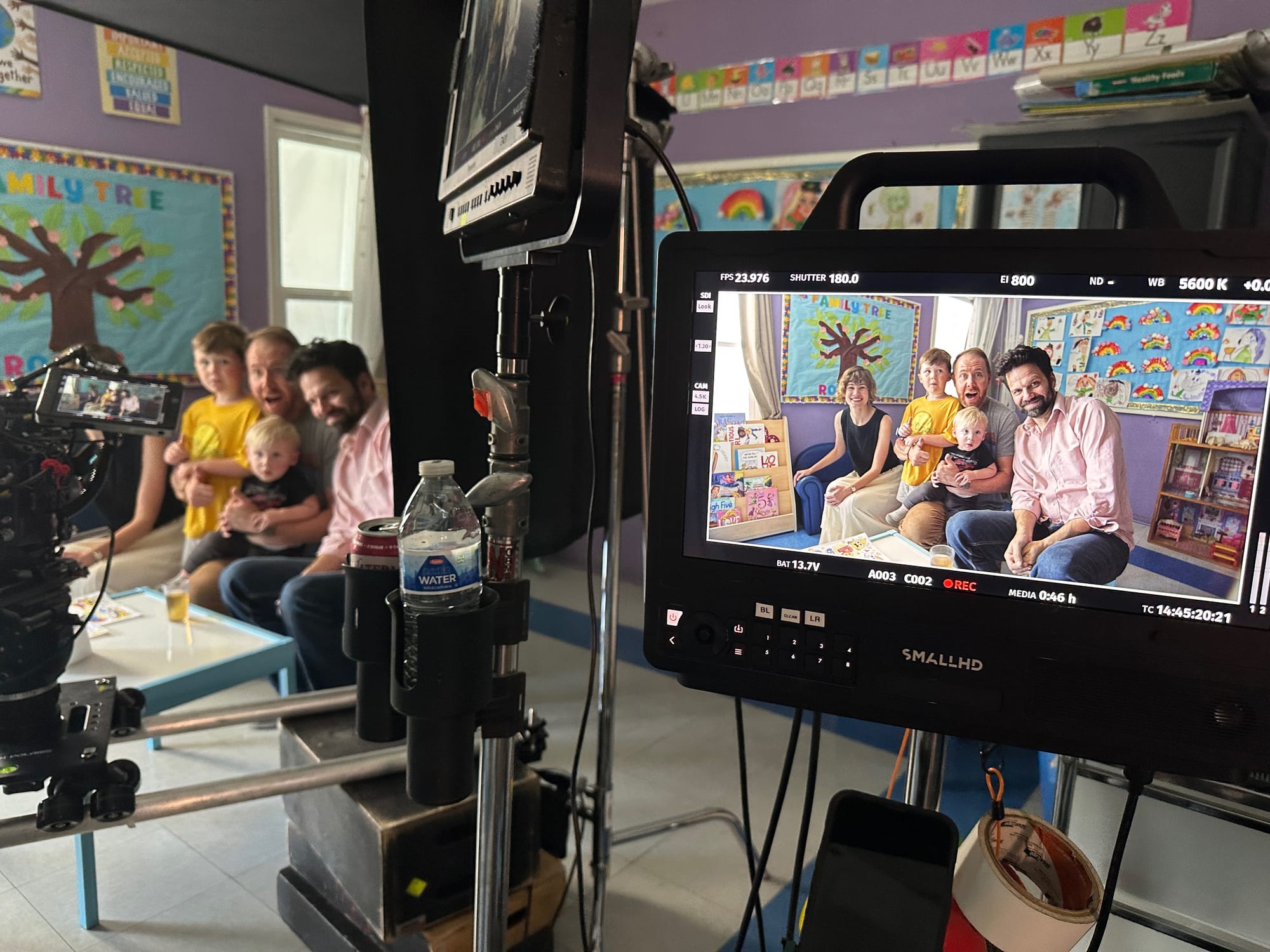
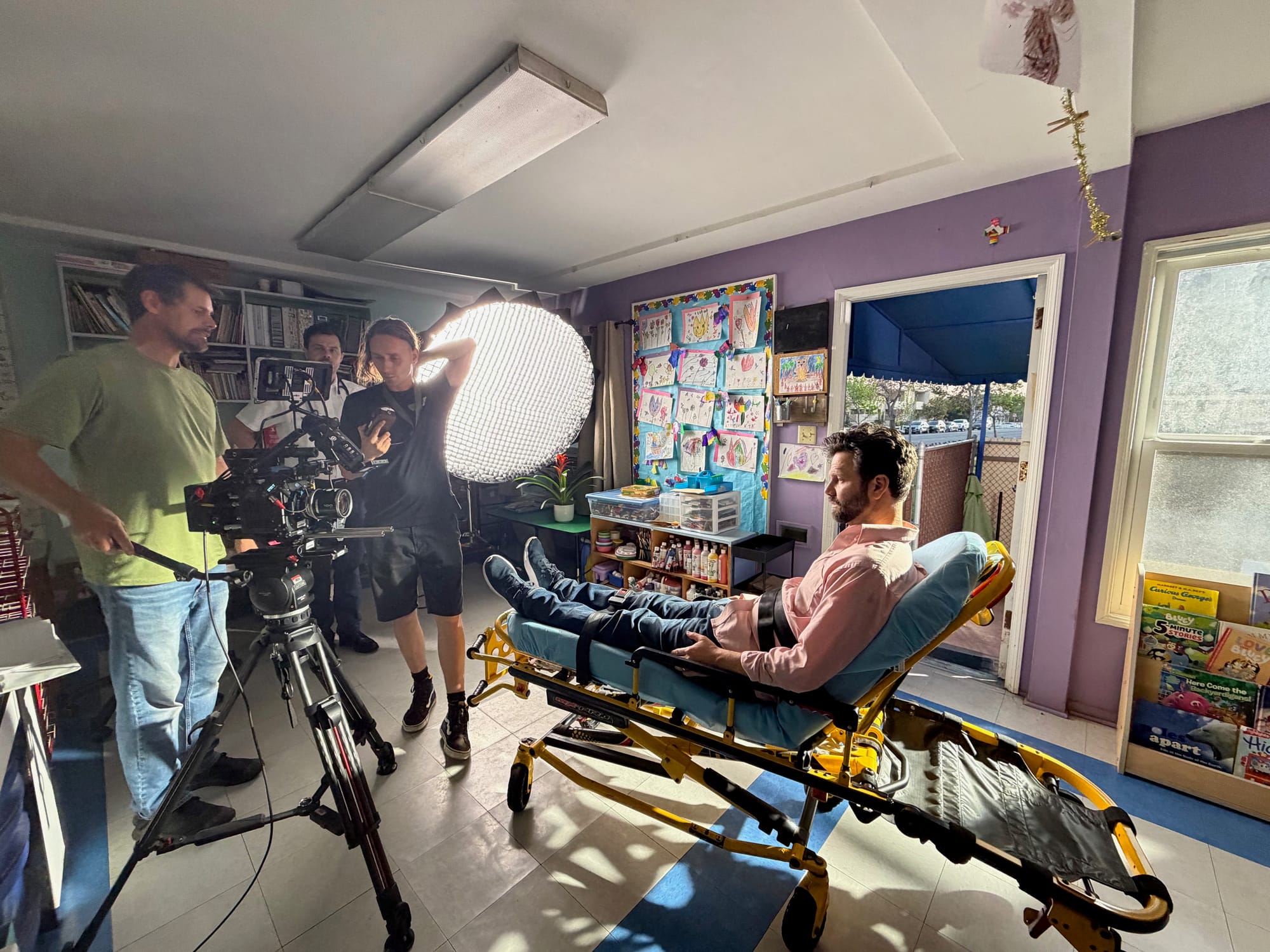
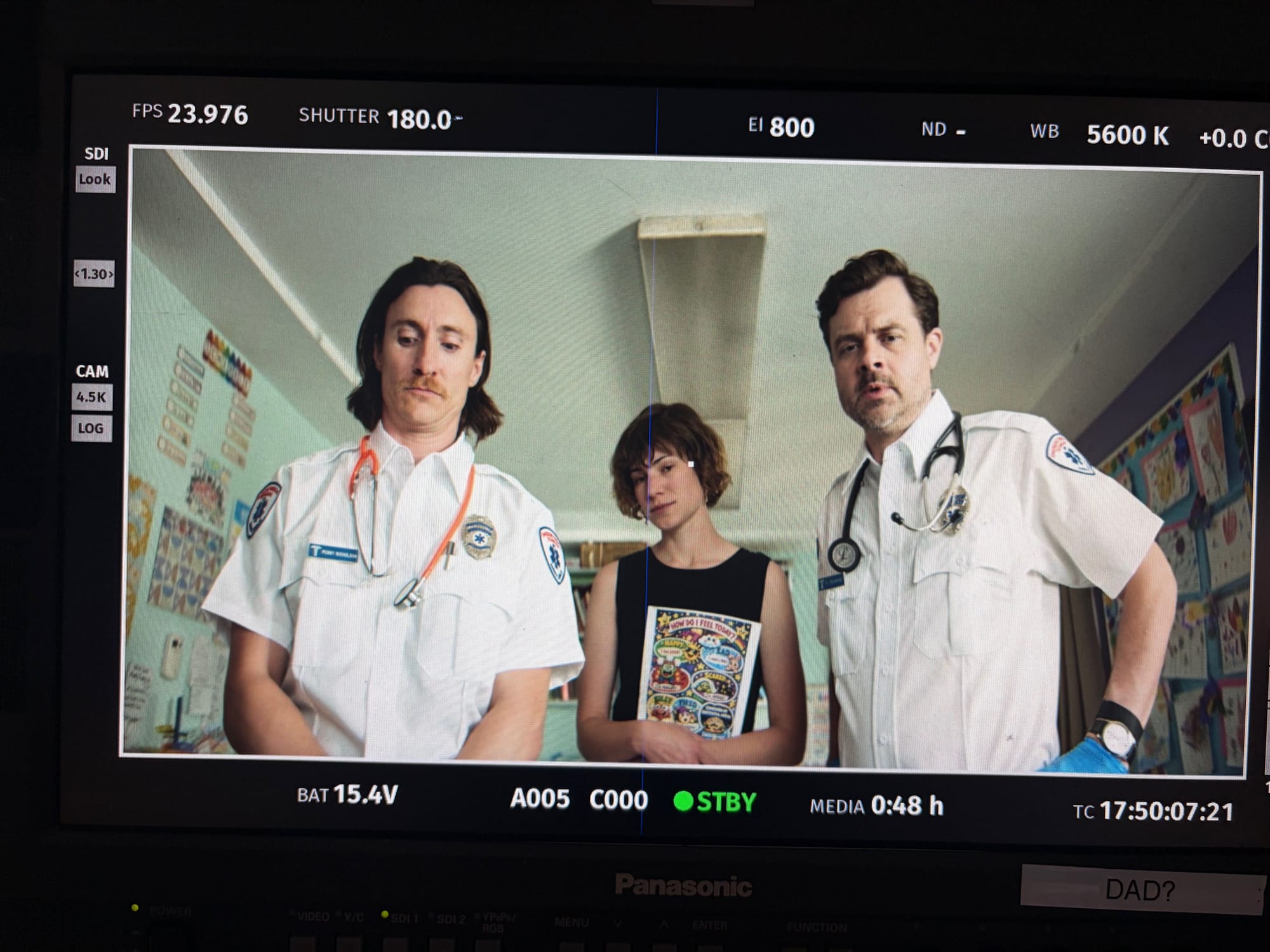
I shot this in my son's actual preschool. They were fantastic about renting it at a reasonable rate and gave me the keys and basically said "have at it." That freedom and trust alleviated SO much stress and let me focus solely on the shoot, whereas in past projects I've had location reps breathing over my shoulder, making me nervous about every single thing we did. Shooting in a real preschool also saved a HUGE amount of time and budget on art direction.
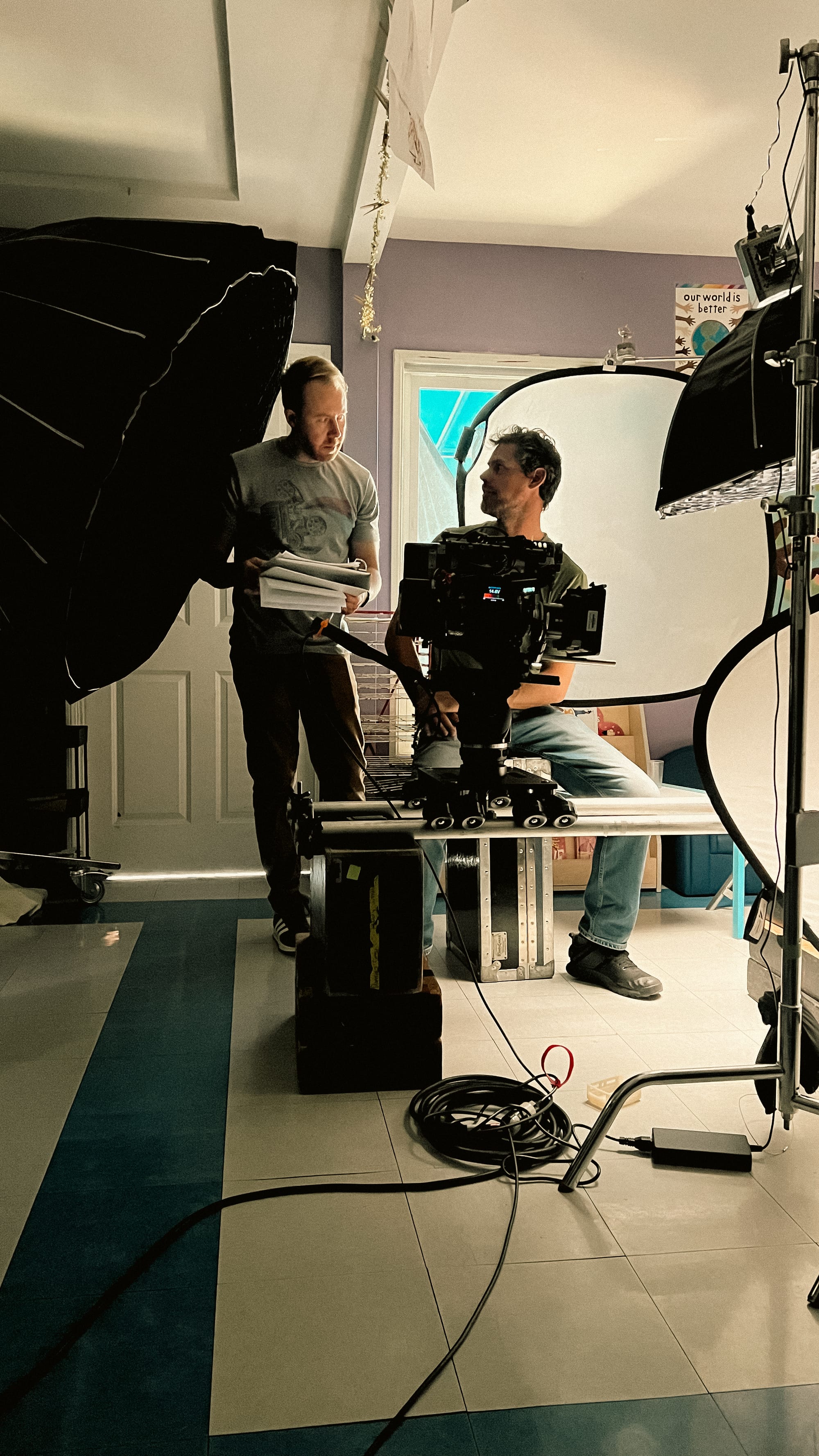
I shot this with my longtime collaborator and cinematographer Colin Arndt. We have extremely similar taste in comedy and cinematic instincts, and we both like to keep a super mellow, goofy, fun vibe on set — no room for ego or friction. We're making a movie, so it has to be fun for Chrissake! Our talented editor and co-producer Todd Sandler was also on set, viewing the movie in real time with an editor's eye. He had fantastic notes and ideas for additional shots and angles that absolutely made it into the final cut.
What is the greatest strength of independent filmmaking, and what breakthrough would you share with others?
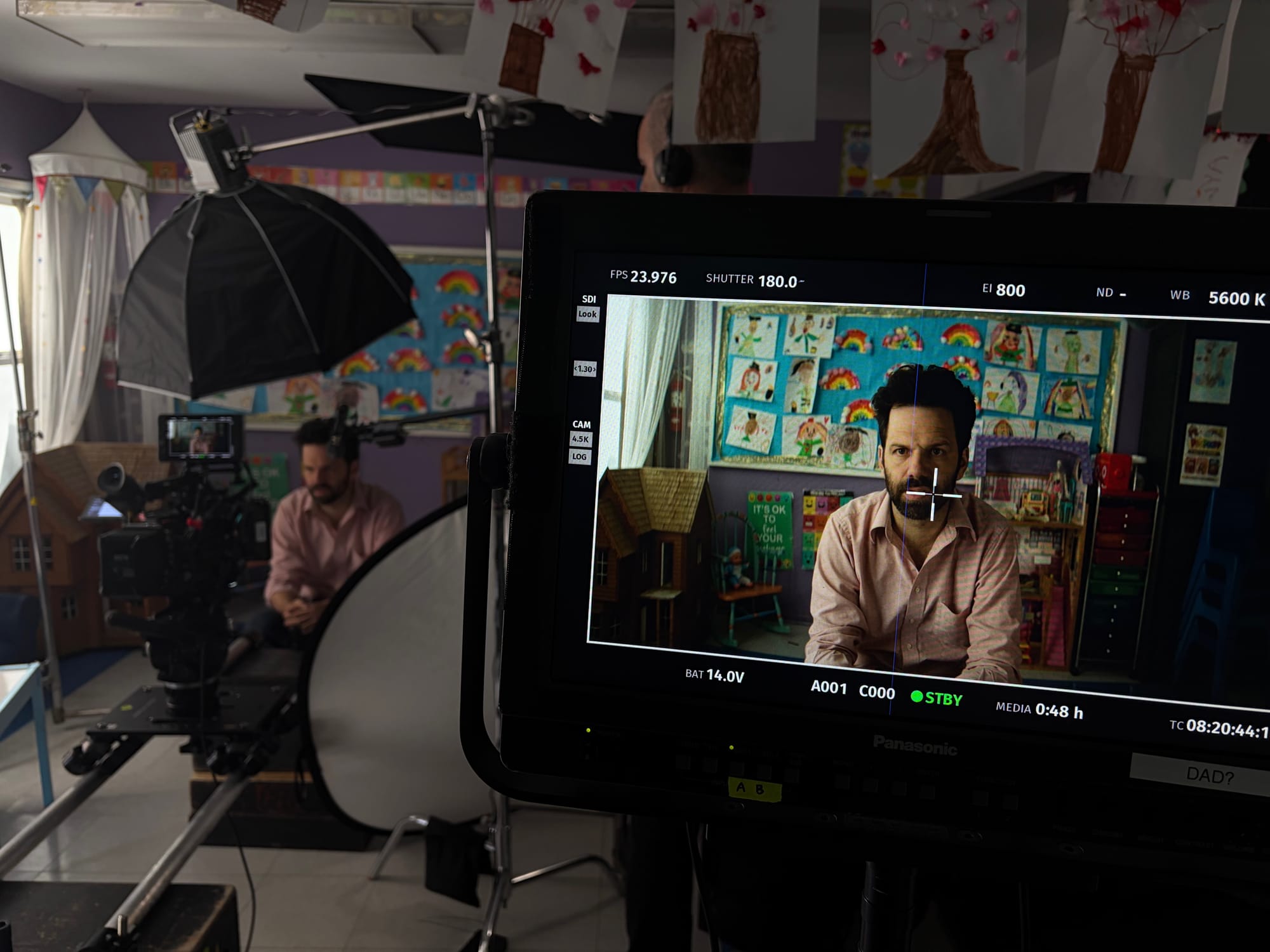
Guardrails can ironically produce incredibly innovative results. The biggest one we all deal with is financial constraints, and this project had less budget than almost any short I've ever made. So I wrote it to be purposely super simple and in one location. It reminds me of my grandfather shouting "K.I.S.S." at me when I'd try to swing as hard as humanly possible on every golf drive: "Keep It Simple, Stupid." Use your limitations to your benefit.
I planned everything as a single 12-hour shoot day, so the shot design was more basic than my usual style. I offset that with more experimental sound design and music. The simple shots allowed more time and energy for Brian and Serra's performances. They were both fantastic and added nuances I didn't even notice until we were well along in editing. Cast the best talent you possibly can — it makes life infinitely easier on the day.
What does it mean to have your film selected for HollyShorts?
It's an incredible honor. I've watched many of the trailers for other films in the festival and I'm blown away at the talent. We were a local LA-based team, so I can't think of a more perfect setting for our world premiere. From here I have plans for a limited festival run, and then I'll put it out into the world for the people to do with it as they will. Best case, I parlay some momentum from this into my other long-form projects in development — including a horror feature that has me rethinking how much of my own offbeat humor I'm willing to let in.
Main Cast & Crew
- Writer/Director/Producer — Brendan Beachman (brendanbeachman.com, instagram.com/beeeaach)
- "Mark" — Brian Villalobos (brianvillalobos.com, instagram.com/brianvillalobos)
- "Teacher Avery" — Serra Naiman (instagram.com/serra.naiman)
- Editor/Co-Producer — Todd Sandler (toddisandler.com, instagram.com/toddisandler)
- Cinematographer/Co-Producer — Colin Arndt (colinarndt.com, instagram.com/colinarndt)
Filmmaker Opportunities
💛 Fund your next project with fiscal sponsorship
Have a project in the works? As a 501(c)(3) nonprofit, the Cinematography for Actors Institute can accept tax-deductible donations on your film's behalf — a door-opener for grants, foundations, and supporters who want to back your work. We've serviced over 100 projects to date and helped route over $800,000 in funding to filmmakers. Explore fiscal sponsorship →
📬 Grant deadlines and festival opportunities, straight to your inbox
The CFA newsletter rounds up grants, festival calls, and community news for independent filmmakers — the kind of opportunities that are easy to miss and painful to miss. Join the newsletter →
🎬 Focus on the creative — we'll help with the logistics
Production Management, CFA's newest member program, launches this November: production insurance and workers' comp, payroll, film permits, gear rental coordination, SAG-AFTRA compliance, contract drafting, production consulting, and crew recommendations — handled by a team of working filmmakers, à la carte or all in, in partnership with Creative Access Group. It's waitlist-only until launch. Join the waitlist →
League of Filmmakers is published by our parent organization, the Cinematography for Actors Institute — a 501(c)(3) dedicated to education, community, and capital for underrepresented filmmakers and actors. Learn more about CFA →