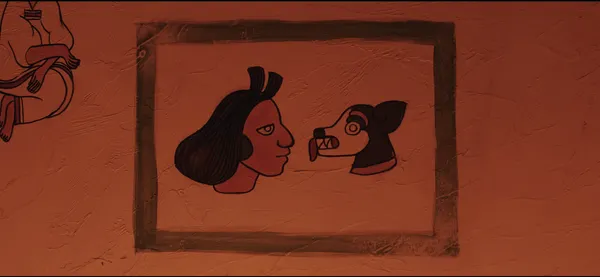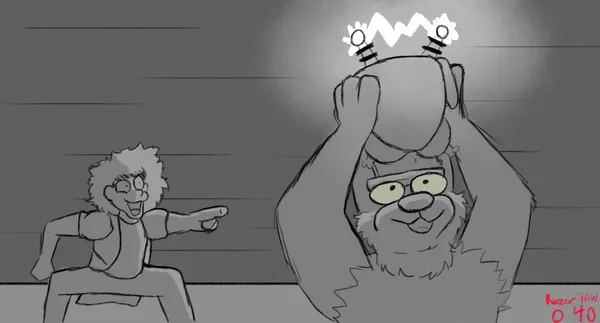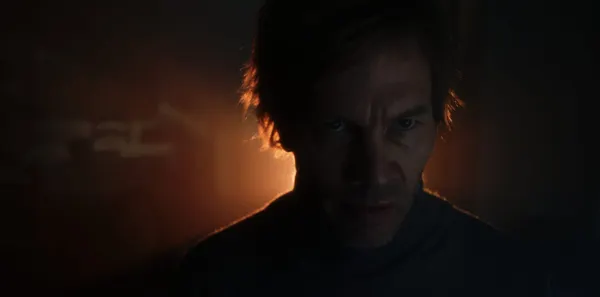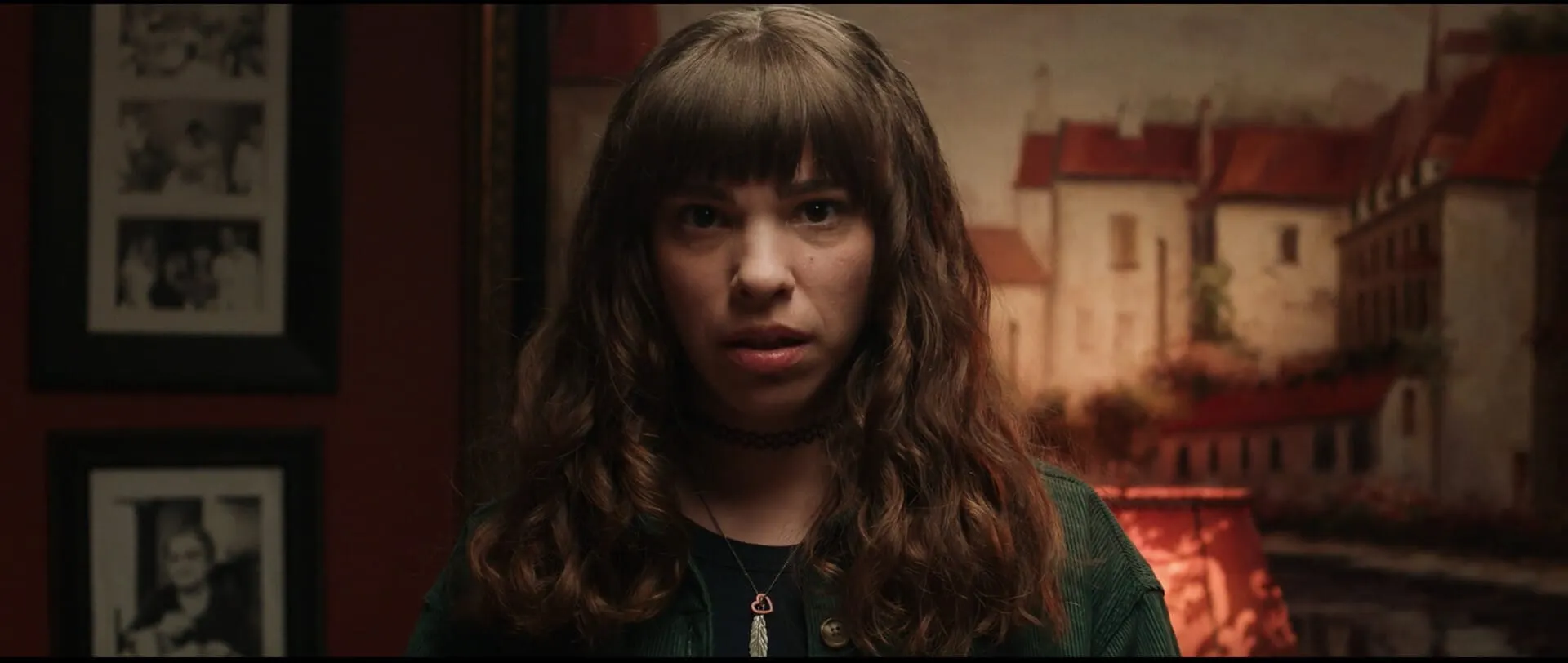
The logline is five seconds of dread: a young woman comes home one night to find her stalker has arrived for dinner. In JAW, Mim's quiet evening with her folks is crashed by a man who has become dangerously obsessed with her, and the film stays inside that domestic room long enough for the ordinary to curdle. It is based on a true story — Olken's own — and she makes no attempt to soften that fact into metaphor.
What's notable about JAW is how deliberately it refuses to resolve. Olken is a filmmaker who loves open endings and distrusts being told what to feel, and she has built a horror short that hands its final interpretation to the audience. That choice has made the film a harder sell for some programmers. It is also, by her account, exactly why FilmQuest's yes meant what it did.
Key Takeaways
- JAW is drawn from a true story Olken carried for years before deciding that waiting for permission was the same as never making it.
- When she couldn't solve the location for the ending, she rewrote the entire ending to fit the space she had — flexibility as a production value.
- Several programmers were scared of the film; FilmQuest's selection confirmed for Olken that she had something worth protecting.
Olken spoke with us about making horror personal, trusting a crew who showed up for free, and what she wants audiences to do after the lights come up.
Interview
What drew you to make this film, and why this story, why now?
The story had literally been gnawing at me for a long time, as it's based on a true story, and I finally decided that if I didn't do it now it would never get done. I think we shouldn't wait for permission to talk about difficult things in our past, and I think horror especially is a very special genre to tell stories like this.
What surprised you most about the filmmaking process, creatively or logistically, including any moment on set or in post that changed how you saw the story?
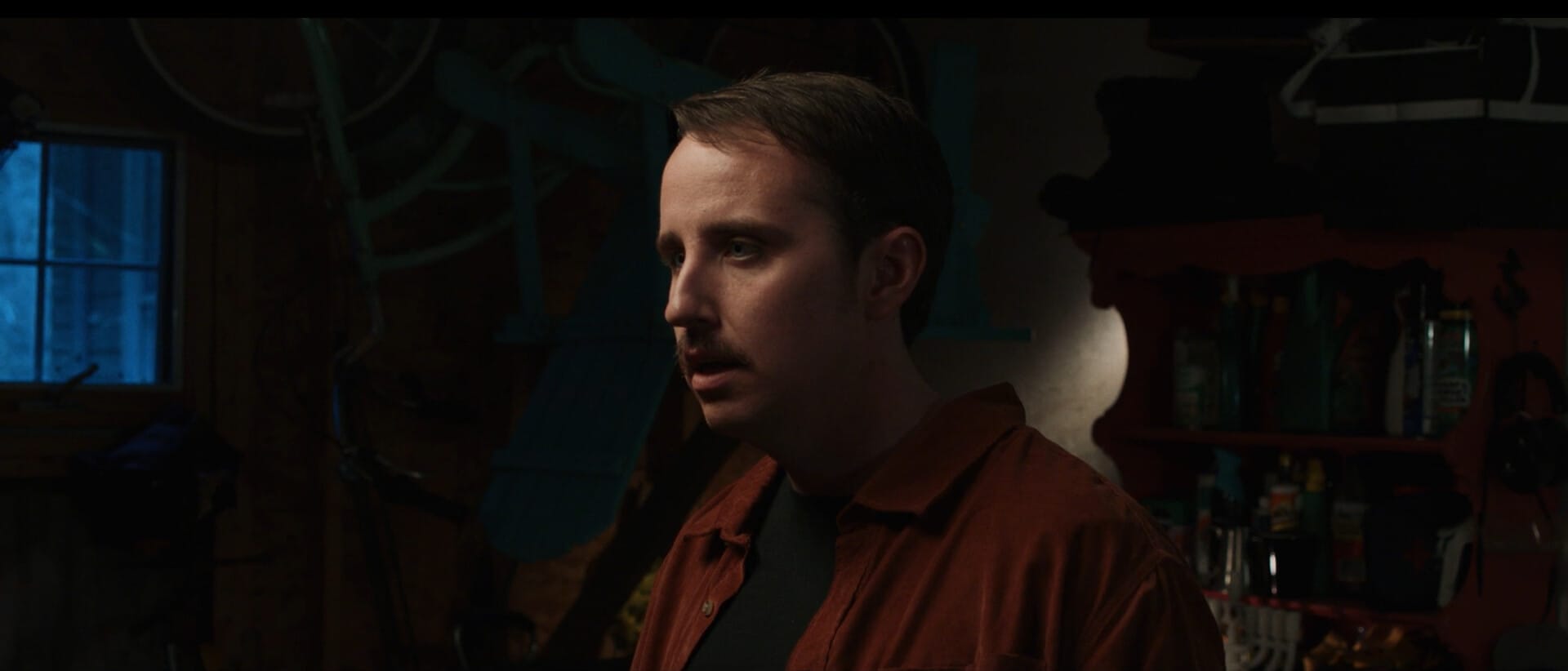
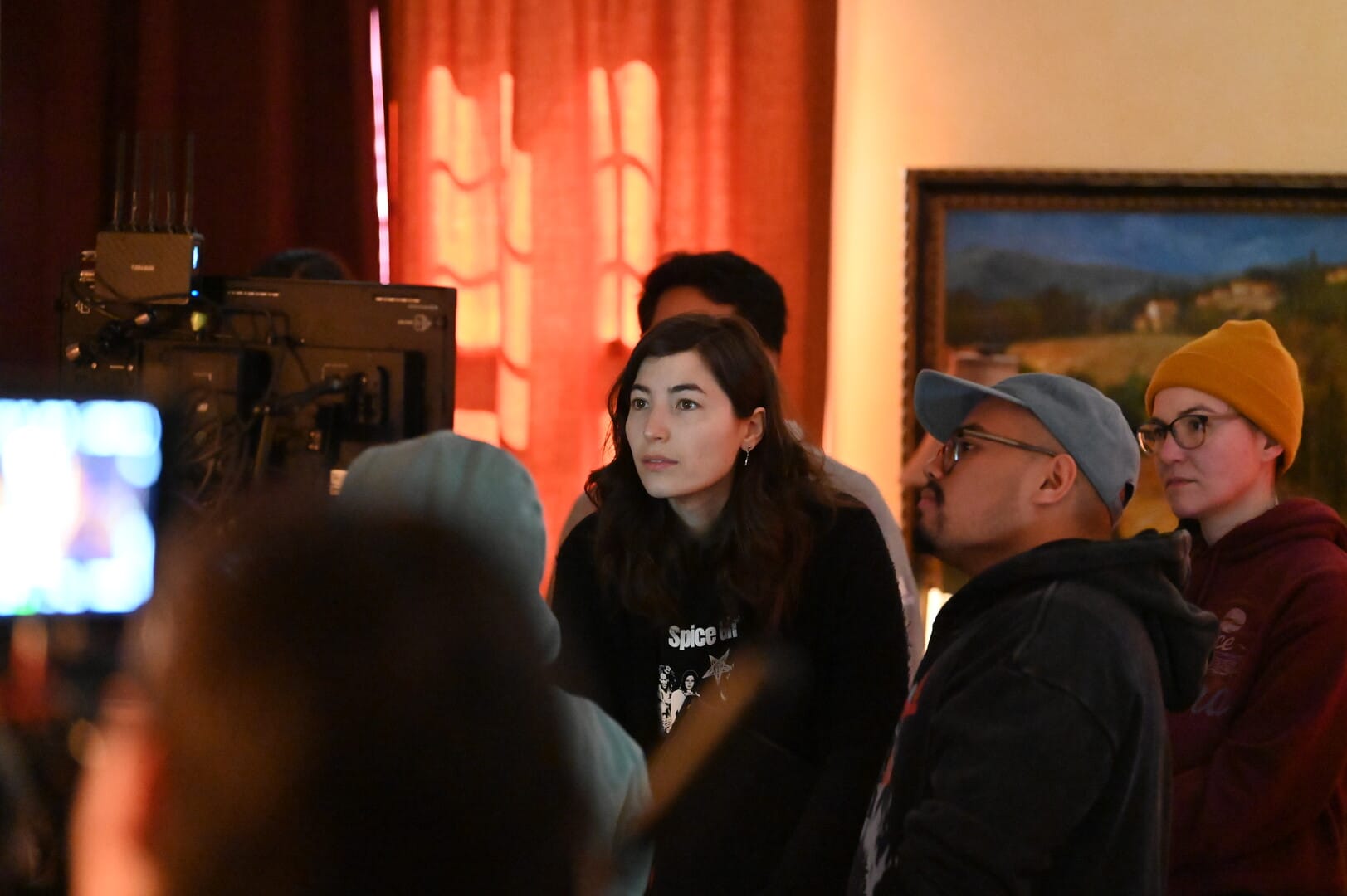
I remember being in the garage for our final scene and being overwhelmed with gratitude that my friends and New England film community had given up their time to help me make my film. When one of my crew members also came up to me the last day and said thank you for making this, it's so important, I knew I was doing the right thing.
What was the hardest creative decision you made while making the film?
I had a really hard time trying to figure out how to show a difficult thing but make it empowering, and also create empathy for my main character.
What moment in the film feels most like you, or like something only you could have made?
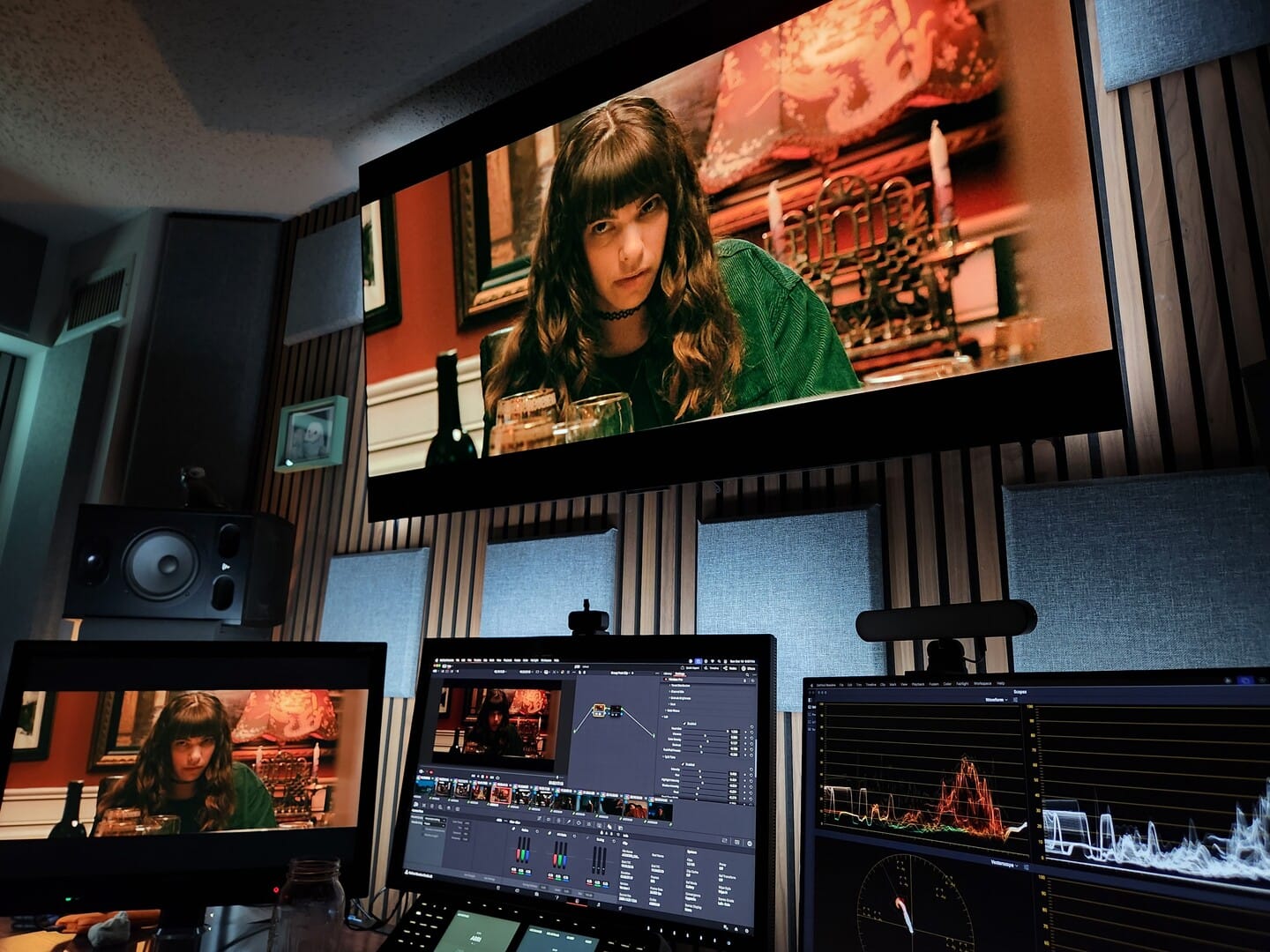
I think when the main character stands up when she is startled at a guest coming in — it shows my love of dark and whimsy, and it's also just a really cool shot that luckily serves the story.
What tool, technique, resource, collaborator, or mindset shift helped most during production?
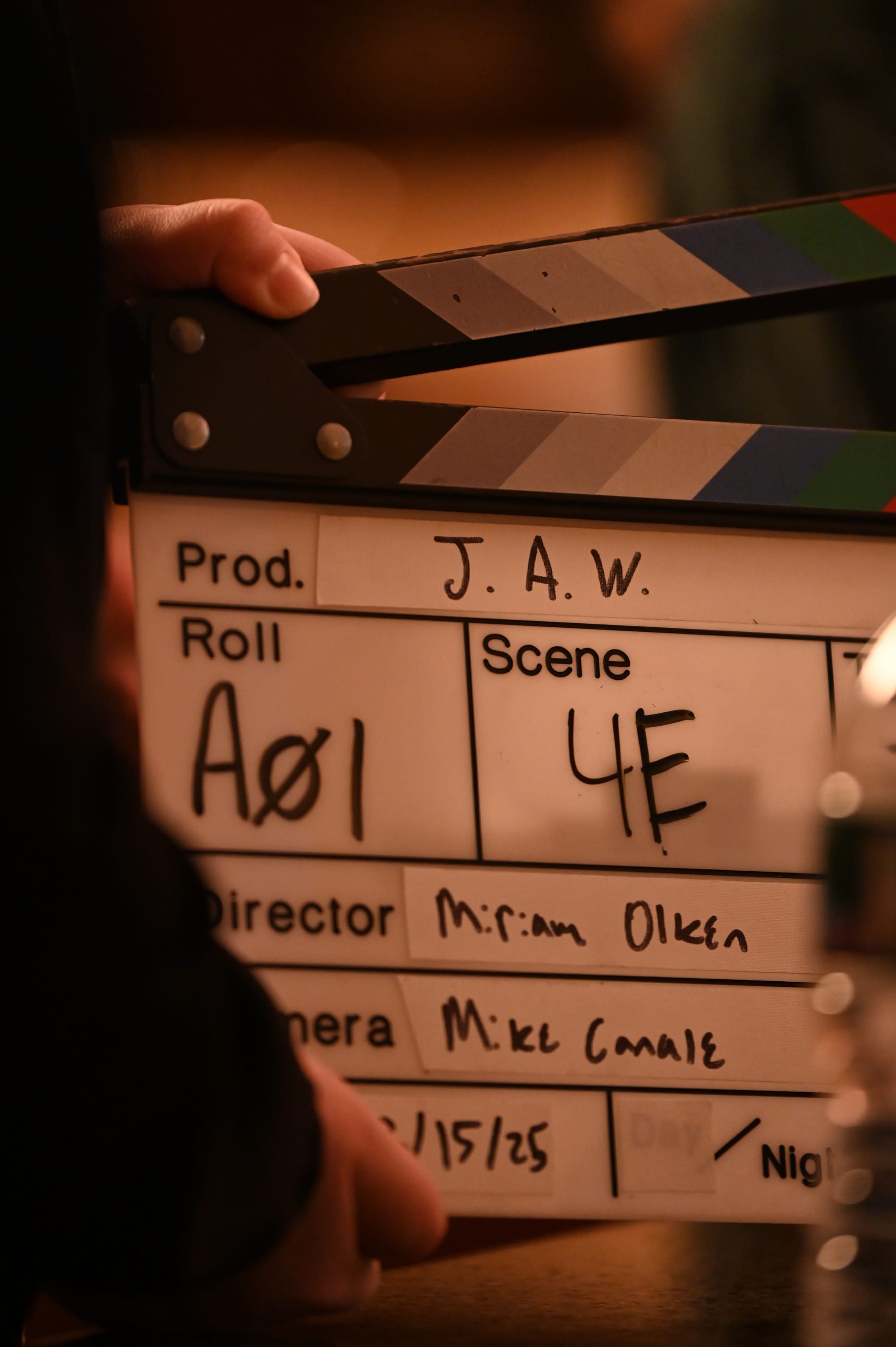
I knew I had only a few days to film, and my friends and community were giving up their time to help me. So when I was struggling with where to film the ending, I rewrote the entire ending to fit the location I had. Being flexible and getting stuff done as a filmmaker is so important.
What is the greatest strength of independent filmmaking, how did you lean into it on this project, and what lesson would you share with others?
Be resourceful, ask for help when you need it, lean into your community. I think you also must not compromise your vision, but also let the heads of departments and the crew that you hired do their job, and trust them to help bring your vision to the final film.
How does your film fit within, or push the boundaries of, its genre or form?
My film pushes horror to a personal place, which is hard to be vulnerable, but it is also able to start hard conversations and to encourage others to speak up.
What do you hope audiences take away from this film?
I want them to start conversations. I love movies that are open-ended and wish there were more of them, where it's up to you, the audience's, interpretation — and I really hope this does. I don't like being slammed over the head with the ending. I also hope it empowers others, men and women, to tell their difficult stories and not be afraid to express themselves.
What does it mean to have your film selected for FilmQuest?
It is absolutely amazing. FilmQuest has such an incredible validation and reputation with filmmakers and in the film festival world, and I almost fell over when I found out I got in. My film is controversial and many programmers have been scared of it, and when FilmQuest said yes, I knew I had something special.
How has this film shaped or shifted the kinds of stories you want to tell next, and where do you see this film going?
I have been very pleased with how the film has been received at festivals and also privately, and I want to keep going and tell more difficult stories, especially for the younger generation to hopefully be inspired by. I hope more programmers will give it a chance and not be scared of it at film festivals, and I hope to have community screenings where more conversations and sharing of others' stories like it can be had.
At the core of all her work, Olken says, is a desire to "keep making and supporting only the films I can tell." JAW is the proof of concept: a short that came out of a few days, a borrowed garage, a New England crew working for love, and a story its director decided she was finished waiting on. The conversations she wants it to start have already begun — one of them on set, on the last day, from a crew member who thanked her for making it.
Filmmaker Opportunities
💛 Fund your next project with fiscal sponsorship
Have a project in the works? As a 501(c)(3) nonprofit, the Cinematography for Actors Institute can accept tax-deductible donations on your film's behalf — a door-opener for grants, foundations, and supporters who want to back your work. We've serviced over 100 projects to date and helped route over $800,000 in funding to filmmakers. Explore fiscal sponsorship →
📬 Grant deadlines and festival opportunities, straight to your inbox
The CFA newsletter rounds up grants, festival calls, and community news for independent filmmakers — the kind of opportunities that are easy to miss and painful to miss. Join the newsletter →
🎬 Focus on the creative — we'll help with the logistics
Production Management, CFA's newest member program, launches this November: production insurance and workers' comp, payroll, film permits, gear rental coordination, SAG-AFTRA compliance, contract drafting, production consulting, and crew recommendations — handled by a team of working filmmakers, à la carte or all in, in partnership with Creative Access Group. It's waitlist-only until launch. Join the waitlist →
League of Filmmakers is published by our parent organization, the Cinematography for Actors Institute — a 501(c)(3) dedicated to education, community, and capital for underrepresented filmmakers and actors. Learn more about CFA →