Table of Contents
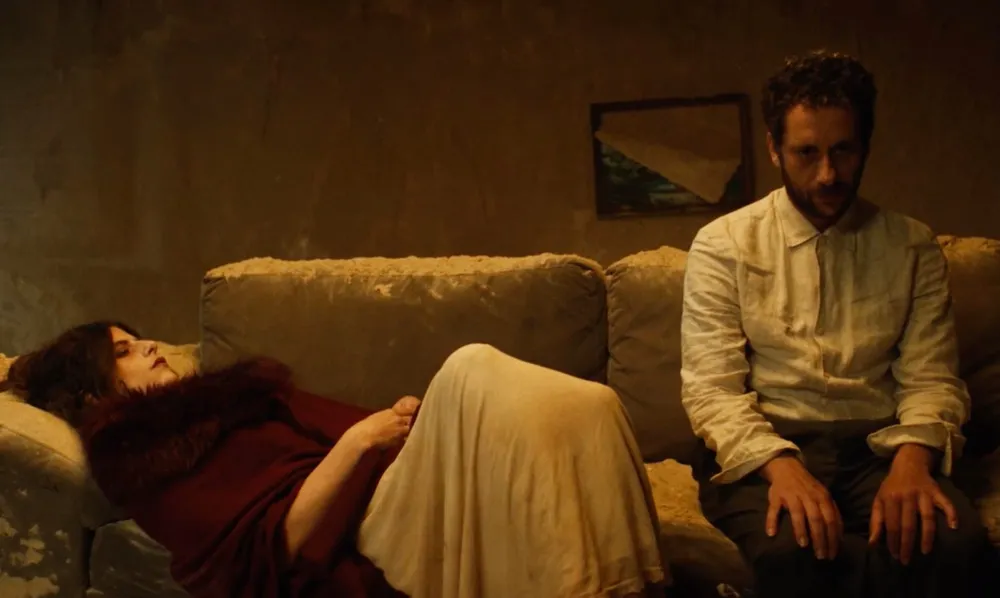
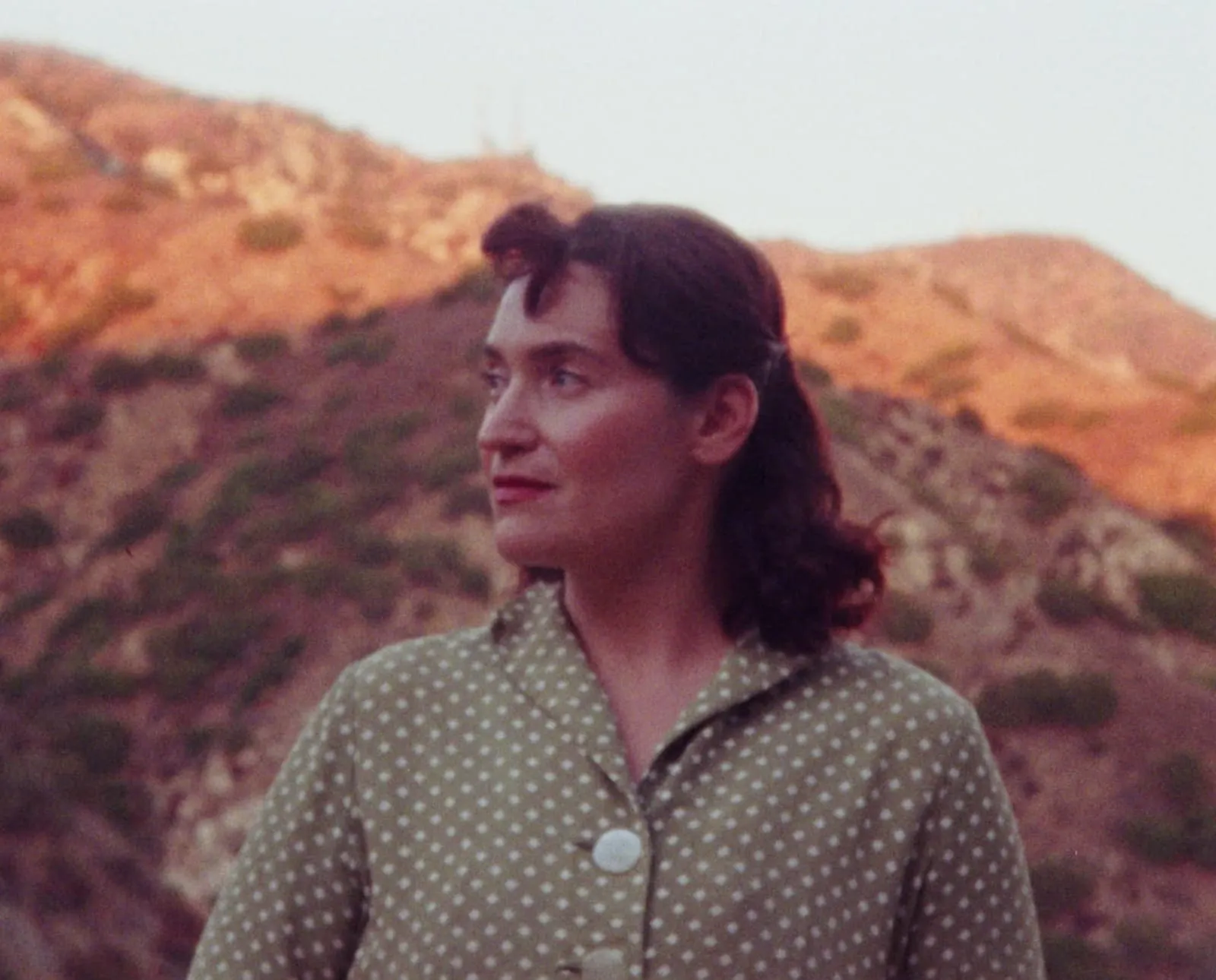
Kathryn Kalucki found her grandmother's story by chance, in a shoebox tucked at the back of a closet, discovered years after Józefa had passed. Inside were the possessions of a woman forcibly deported from Poland to Siberia by the Soviet Union, then shuffled to India — one of nearly 5,000 Polish refugees granted shelter there between 1943 and 1947. JÓZEFA is Kalucki's attempt to answer the question that shoebox raised: why India, and how did this piece of history vanish?
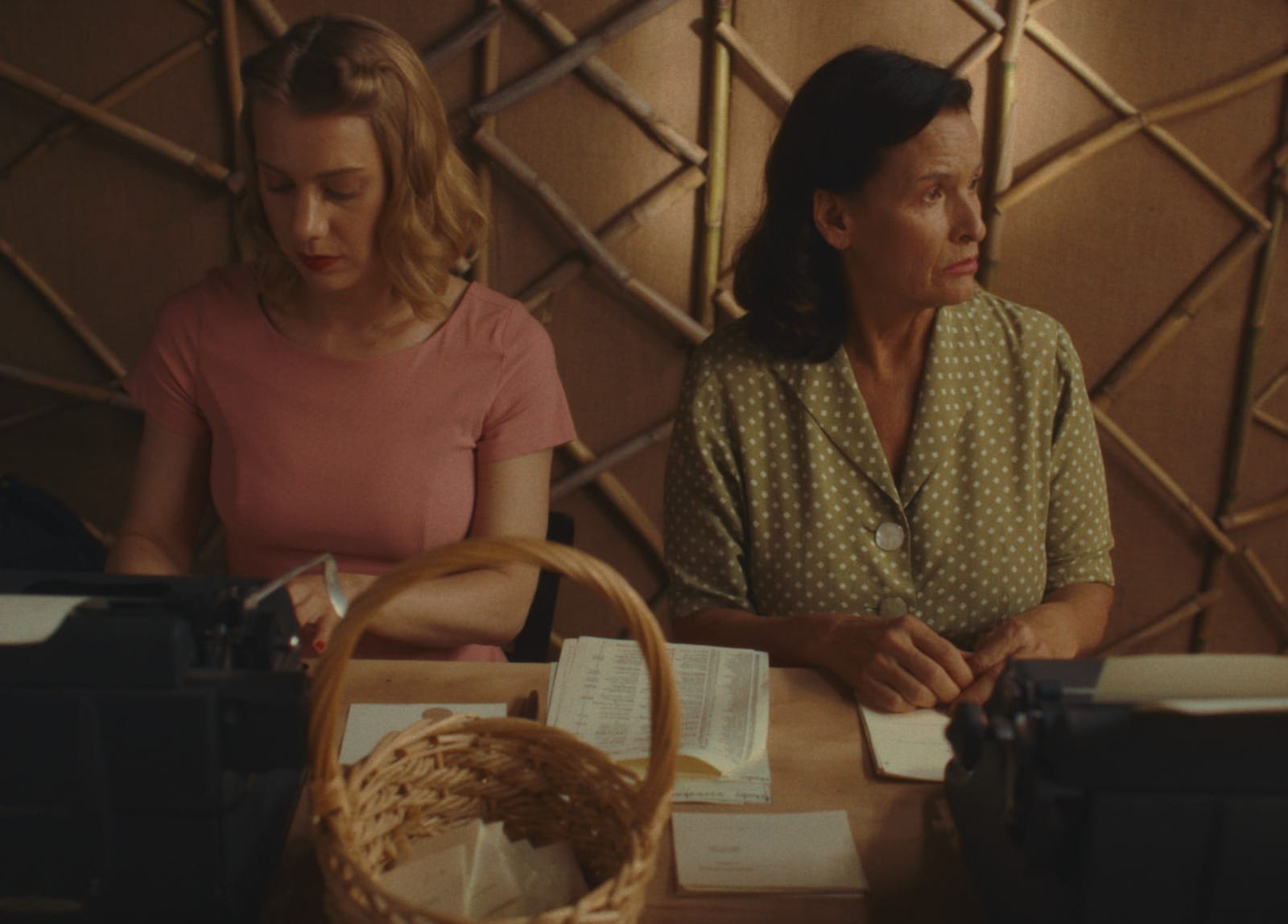
A Casting Director and Producer making her narrative directing debut, Kalucki plays her own grandmother in the film. The result is a period drama that refuses the epic scale of most war stories, shrinking the frame to one exhausted woman arriving alone at the Valivade camp, desperate to reunite with the sister she lost. It is a quiet, inward story of survival, memory, and the healing power of human connection.
Key Takeaways
- Based on a true family history, JÓZEFA dramatizes India's little-known sheltering of nearly 5,000 Polish evacuees during WWII.
- A 30-minute short first quoted at $100k was built for a fraction of that — including a WWII barrack replica hand-constructed in a Burbank backyard.
- Kalucki frames the film as active remembrance: a counter-narrative against a history "deported" from the record.
What follows is our conversation with Kalucki about the shoebox, the backyard, and the 1% of history we actually know.
Interview
What drew you to make this film, and why this story, why now?
I only recently discovered my grandmother's incredible true story, by chance, in a shoebox. Her life possessions were stored in this shoebox, hidden at the back of our closet, only to be found years after she had passed away. That is how I came to learn of her tragic past. Józefa was forcibly deported from her home in Poland, sent to harsh work conditions in Siberia by the Soviet Union, and then shuffled to India. Perplexed, I dived deeper into this lost piece of history. Why India? From 1943 to 1947, India granted over 5,000 Polish refugees shelter and aid, working alongside the British Government and the Polish Government in exile in London. They saved these people from starvation in the USSR. My grandmother was one of those fortunate few.
Her astonishing war journey crossed 6 countries, 3 continents, some 13,000 miles, and 10 years. It is a story of war, and a quiet, eloquent analysis of the individual experience of modern war — of memory, the trauma of displacement, and the role of faith and hope in survival. Worldwide, 117.8 million people were forcibly displaced at the end of December 2025. This film is a great lesson to be lifted for today. At the core of the story is a woman who was at the mercy of fate by those in power, moved around the world over and over again, forced to rebuild time and time again. Without her willpower to survive, I would not be here.
What surprised you most about the filmmaking process, creatively or logistically?
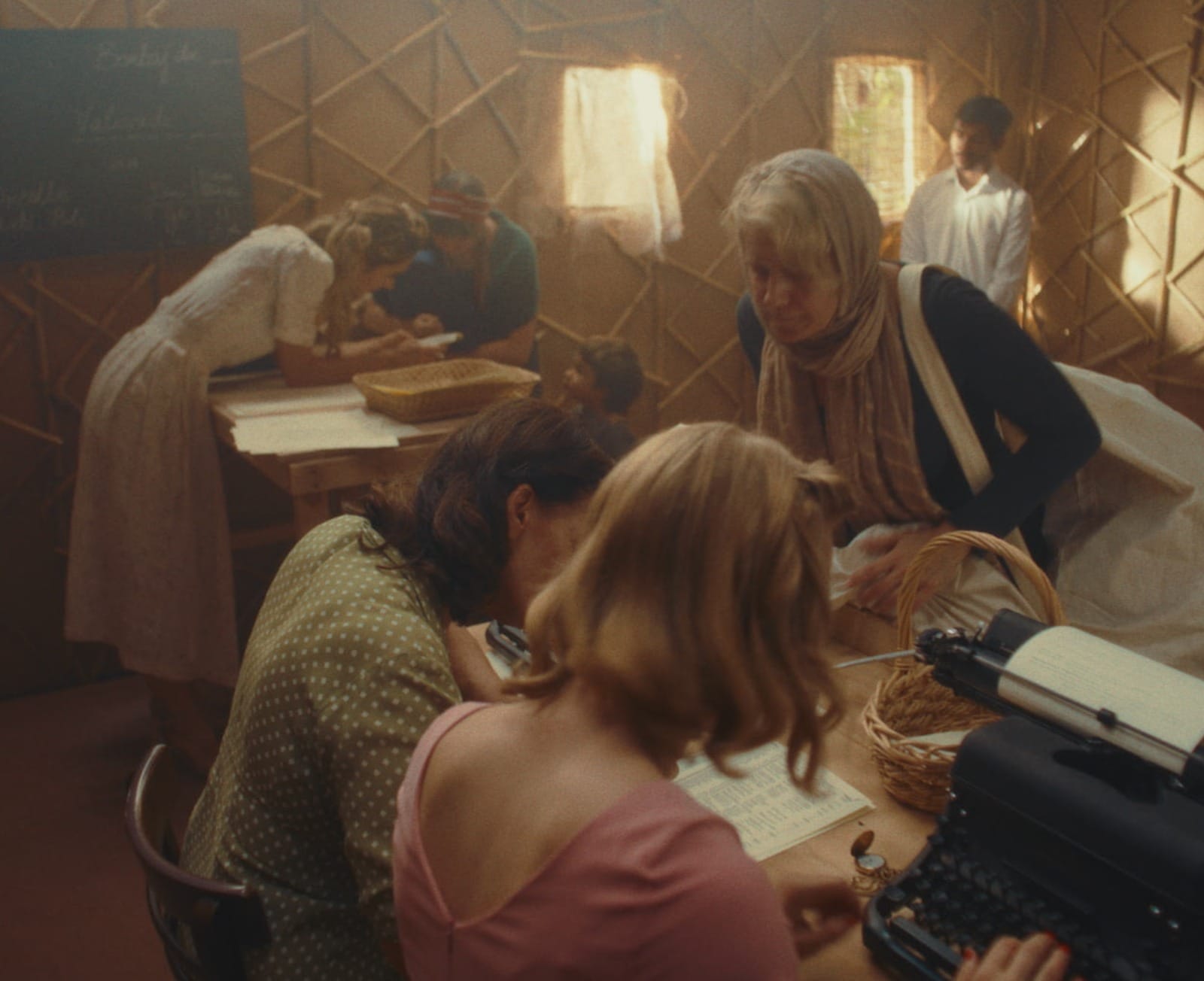
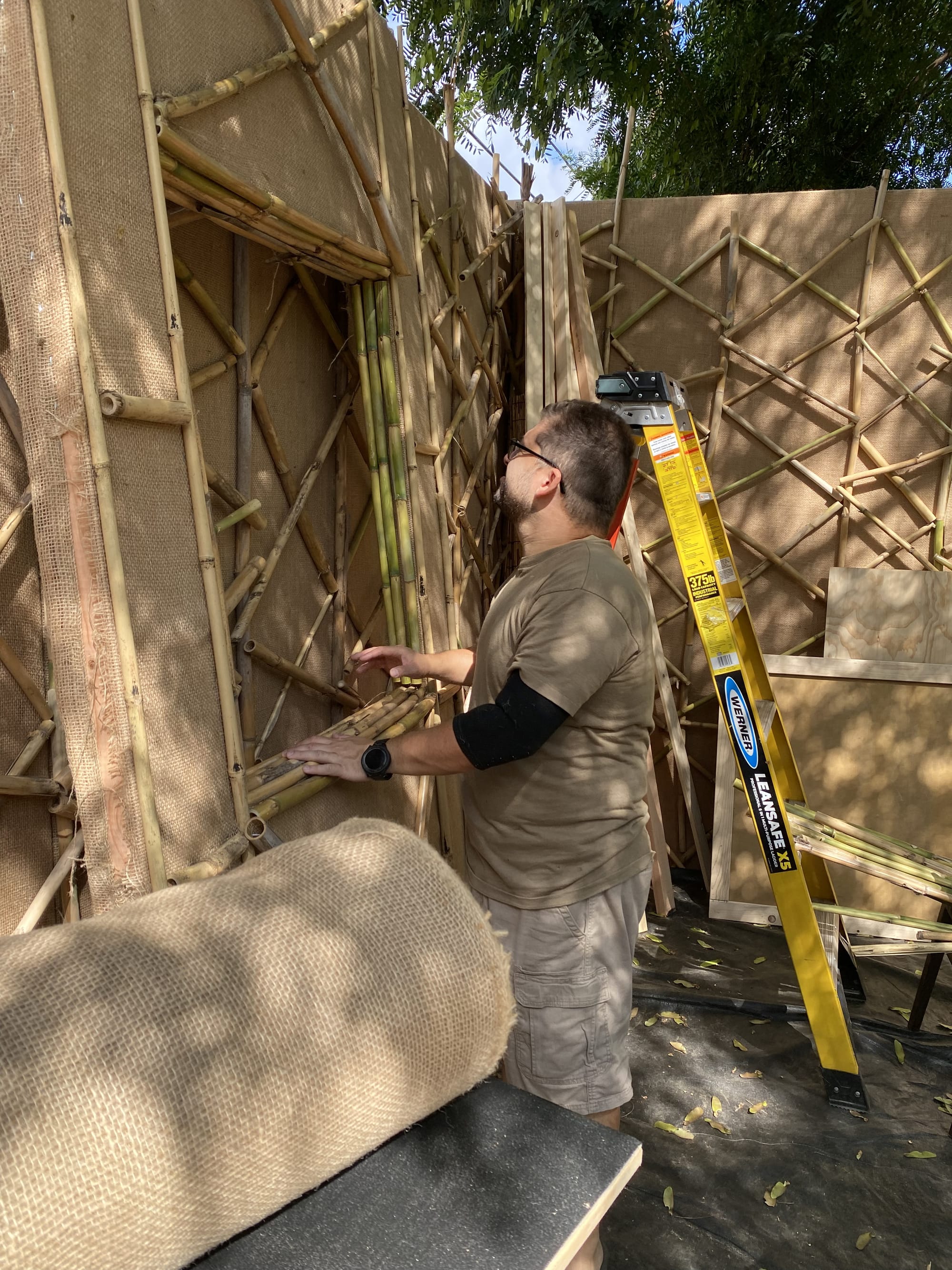
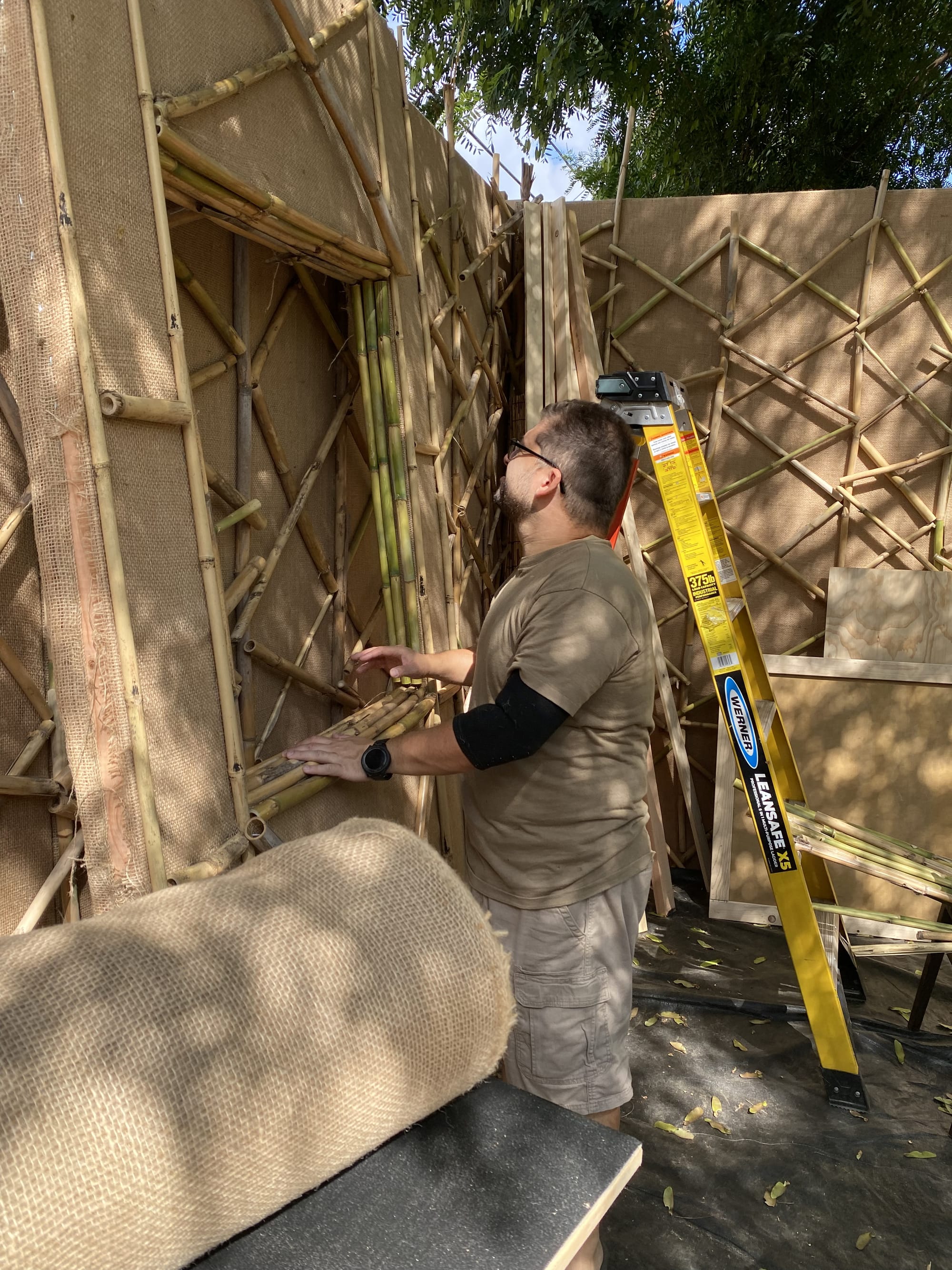
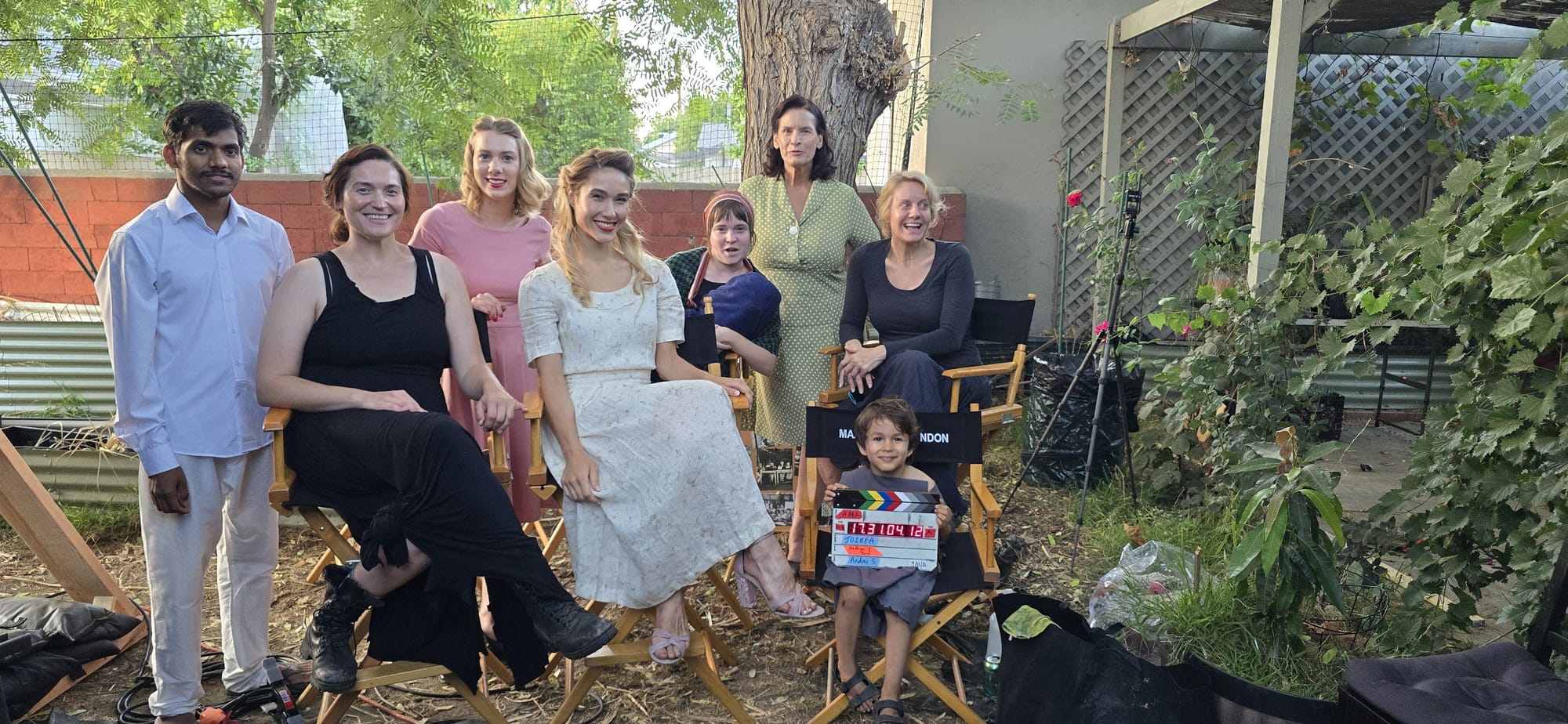
The process epitomized independent filmmaking and "making a lot out of nothing." The original plan for a 30-minute short film carried a $100k price tag that was financially out of reach, forcing myself and my producing partner, Jason, to rethink our approach. To avoid a $30k corporate set construction quote, Jason, single-handedly built the WWII barrack camp replica in a Burbank backyard during the extreme heat of August. Because bamboo is highly expensive in the United States, we relied on Facebook Marketplace to find a homeowner in Topanga Canyon who needed their yard cleared, securing the necessary camp building materials for free! And when co-producer and co-lead actress Ida Nowakowska announced an unexpected trip to Los Angeles from Poland, production had to be mounted in just one week, including recruiting our cinematographer, Andres, whom we met just days prior at a Kodak mixer.
What moment in the film feels most like something only you could have made?
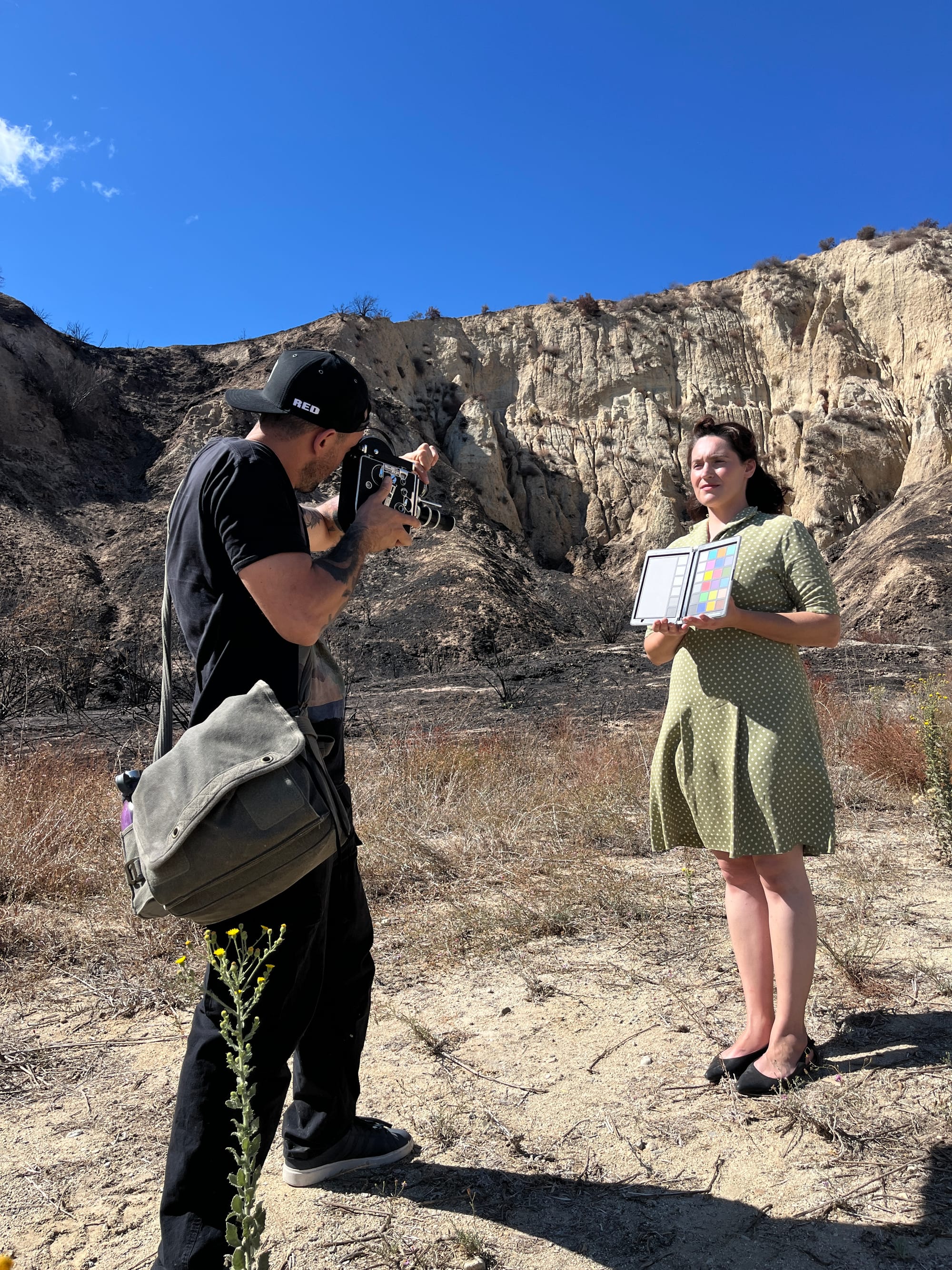
My favorite moments in the short will forever be those we captured on a vintage Bolex H16 16mm camera from 1939. The camera had originally been purchased merely as a decorative mantle piece, and I didn't even know if it functioned — until it successfully delivered a replication of the era that couldn't be beat.
What was the hardest creative decision you made while making the film?
A dedicated research trip to Poland in 2024 had fundamentally shifted how I saw the narrative structure. I realized the original draft lacked a depiction of Józefa's life before her forced deportation. Fleshing out her life in Poland prior to the arrival of the Soviet army led to completely restructuring the opening, so that the audience could fully grasp the weight of everything she lost. However, due to budget and time constraints, we ultimately decided that for this short film version, we needed to dive right into the world of the displacement camp in India, which only lead to the greater mystery of how these refugees ended up there. It was a hard script cut, but ultimately served this short piece exactly right.
What do you hope audiences take away from this film?
We know perhaps 1% of the stories that have shaped our world. Stay curious; always look for the counter-narrative. And if your grandparents are still with you, start asking questions today. Don't wait. I would give anything to have one last conversation with my grandmother.
What tool, technique, or collaborator helped most during production?
Ida Nowakowska was a vital creative collaborator. Her dual role — both on-screen talent and a bridge to critical institutional support — completely transformed the project's scale. Her influence and her organization of a 2024 research trip to Poland allowed for access to the National Institute of Remembrance and key historian backings, which moved the film from a purely personal family narrative to one that felt deeply grounded in historical, state-backed reality.
I would also say: finding a "Jason-level" producing partner — someone as comfortable with a power drill and a Facebook Marketplace search bar as with a production schedule — is the holy grail for an independent filmmaker. These multi-hyphenate producers are rare because they operate with a mindset of "whatever it takes." When you find that person, lock them in, start a production company, and keep working.
What does it mean to have your film selected for HollyShorts?
Our selection validates the scrappy, honest, and human-centric approach I took with JÓZEFA. We didn't rely on the safety of a massive budget; we built a compelling piece of art through resourcefulness and conviction. HollyShorts is the kind of festival that respects exactly that type of filmmaker — one who prioritizes story above all else. This official selection means everything for this LA-based cast and crew, who shot this WWII story in a backyard in Burbank. Next, we are partnering with historical institutes, with our New York screening set at the prestigious Piłsudski Polish Institute of America this September.
Main Cast & Crew
- Kathryn Kalucki — Writer/Director/Producer, and Józefa
- Ida Nowakowska — Co-Producer / Cast
- Kathrene Gawel — Cast
- Kranthi Setty — Cast
- Jason Friedman-Mendez — Producer (The Irishman, Blindspot, Doctor Strange)
- Andres Solorzano — Cinematographer
- Andrew Gibson — Editor
- Arvis Yao — Composer
Filmmaker Opportunities
💛 Fund your next project with fiscal sponsorship
Have a project in the works? As a 501(c)(3) nonprofit, the Cinematography for Actors Institute can accept tax-deductible donations on your film's behalf — a door-opener for grants, foundations, and supporters who want to back your work. We've serviced over 100 projects to date and helped route over $800,000 in funding to filmmakers. Explore fiscal sponsorship →
📬 Grant deadlines and festival opportunities, straight to your inbox
The CFA newsletter rounds up grants, festival calls, and community news for independent filmmakers — the kind of opportunities that are easy to miss and painful to miss. Join the newsletter →
🎬 Focus on the creative — we'll help with the logistics
Production Management, CFA's newest member program, launches this November: production insurance and workers' comp, payroll, film permits, gear rental coordination, SAG-AFTRA compliance, contract drafting, production consulting, and crew recommendations — handled by a team of working filmmakers, à la carte or all in, in partnership with Creative Access Group. It's waitlist-only until launch. Join the waitlist →
League of Filmmakers is published by our parent organization, the Cinematography for Actors Institute — a 501(c)(3) dedicated to education, community, and capital for underrepresented filmmakers and actors. Learn more about CFA →