Table of Contents
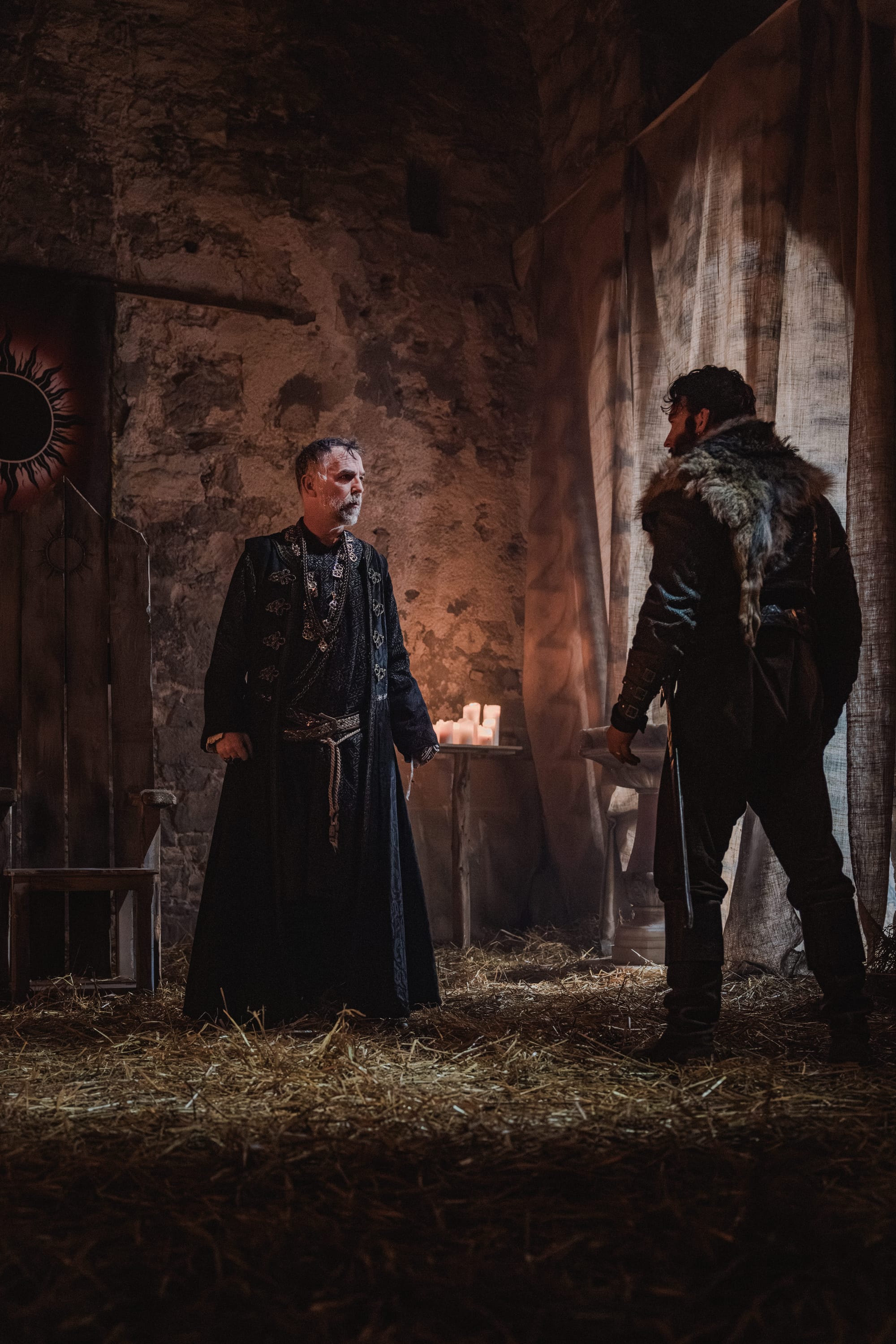
Liam James Collins grew up in a working-class family in South East London with no connections to the arts, began acting at nineteen, and later built an international business that let him fund ambitious creative work on his own terms. King of the Iron Will is the film he stopped waiting for permission to make: a 13-minute medieval drama written entirely in Shakespearean language, shot in two historic Scottish castles, and staged almost entirely as a confrontation between two men.
The logline is deceptively large — a battle-scarred king faces the ruler who slaughtered his family in a final reckoning over power and legacy. But Collins, who co-wrote and produced the film with director Scott Vickers and stars as King Baron opposite Charlie Creed-Miles's King Draven, is after something quieter and more dangerous: the war a victor fights inside himself once the enemy has fallen.
Key Takeaways
- A self-financed, performance-led period two-hander written entirely in Shakespearean language, receiving its World Premiere at HollyShorts.
- Collins wrote the original premise as a vehicle for himself, then reshaped it with director Scott Vickers into a film built on restraint, silence and psychological complexity.
- The film pushes the medieval epic inward, trading armies and spectacle for a single conversation where the real violence lives beneath the words.
Collins spoke about ambition, the cost of victory, and why creative freedom is never the same as making a film alone.
Interview
What drew you to make this film, and why this story, why now?
I have always felt deeply connected to medieval and Celtic storytelling. When I completed an Ancestry DNA test, the only three strands that appeared were English, Irish and Scottish. Nothing else. That felt significant, because those histories and landscapes had already held a powerful fascination for me throughout my life. As a child, I watched an old, battered VHS copy of Braveheart so many times that I could recite almost every word by the age of ten.
After years of waiting for someone else to have the imagination to see me within that genre, I decided to create the opportunity myself. I wrote the original premise and first draft as a vehicle that would place me inside the kind of world I had always wanted to perform in, then brought Scott Vickers onto the project. As we began developing the screenplay, we realised there was an opportunity to create something far more substantial. Scott was imperative to the decision to transform the script into an entirely Shakespearean-language piece.
At its heart, the story asks whether anyone can possess absolute power without eventually being corrupted by it. We are living through an ever-changing cycle of leadership in which those who rise so often attempt to make the world conform to their own perspective, rather than shaping it to serve everyone. At the same time, we live in a culture where people are constantly searching for significance. The film asks what remains when the position has been won, the enemy has fallen, and the achievement that was supposed to make everything whole leaves behind an even greater void.
What surprised you most about the filmmaking process?
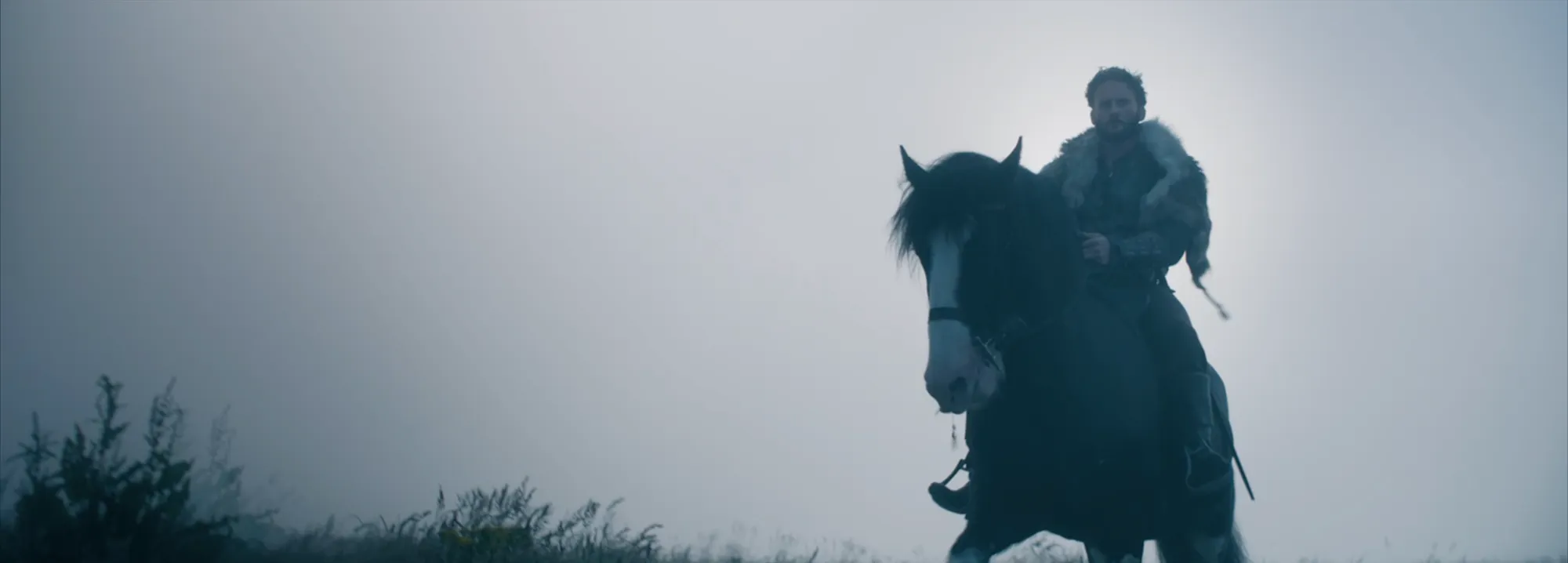
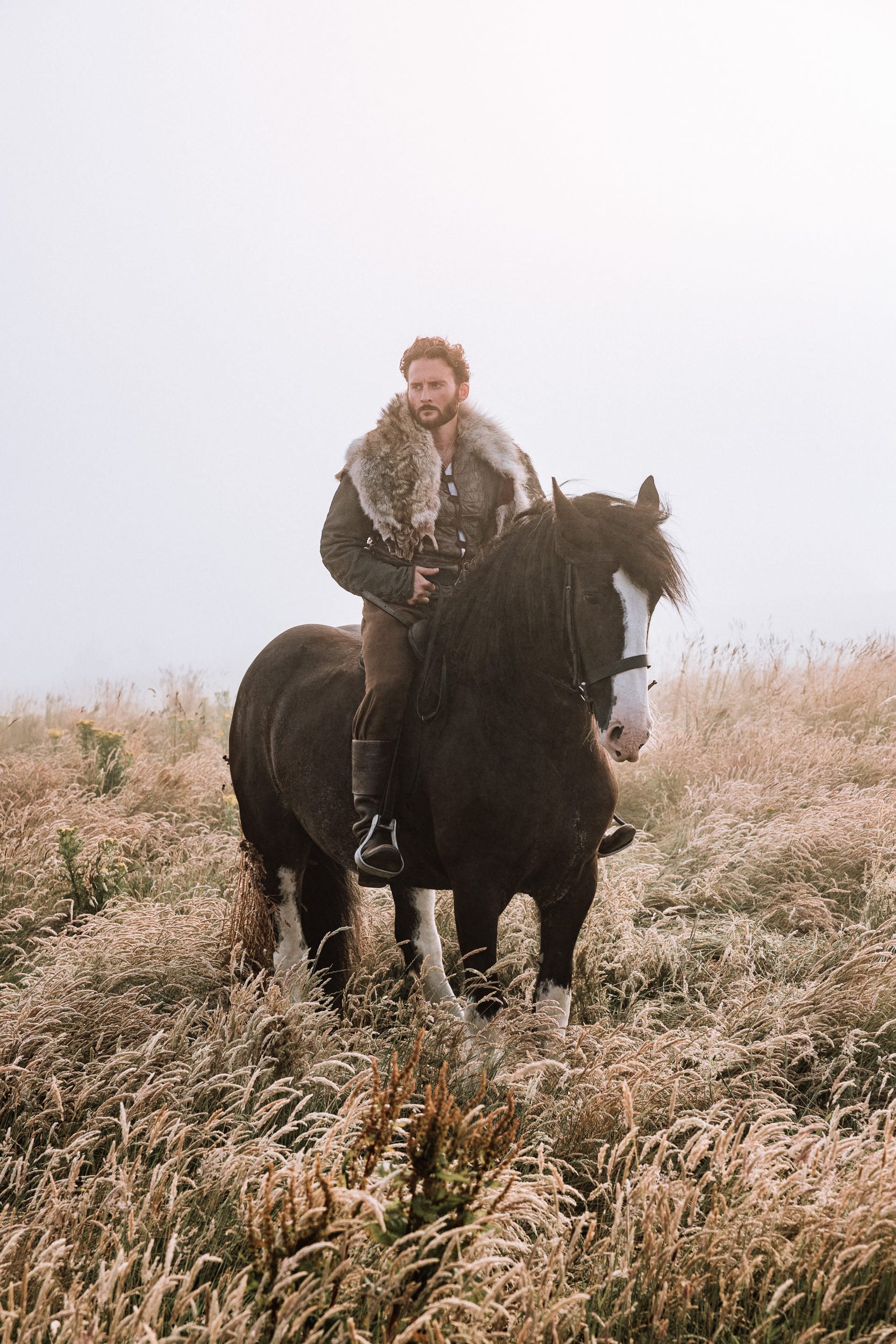
What surprised me most was simply reaching the point where the film was finished. For years, King of the Iron Will existed as a seed of an idea that I kept returning to without fully believing it could become real. Even though the finished film is only 13 minutes long, the scale of what was required felt enormous. I rented two genuine medieval castles in Scotland, sourced a horse, learned to ride, trained with a sword and wrote the original script.
What only really struck me afterwards was how little room there had been for anything to go wrong. We had specific access dates for the castles, a horse booked for one day, and Charlie Creed-Miles committed to fixed travel and filming dates. One serious disruption could have meant losing a substantial amount of money and potentially the film itself.
The moment that changed how I saw the project came in post-production, when I finally watched the completed film with its finished edit, colour, sound and music. Until then, it had always felt like a collection of ambitious decisions and calculated risks. Suddenly, it was a complete film that existed independently of the struggle required to make it.
What moment in the film feels most like you, or like something only you could have made?
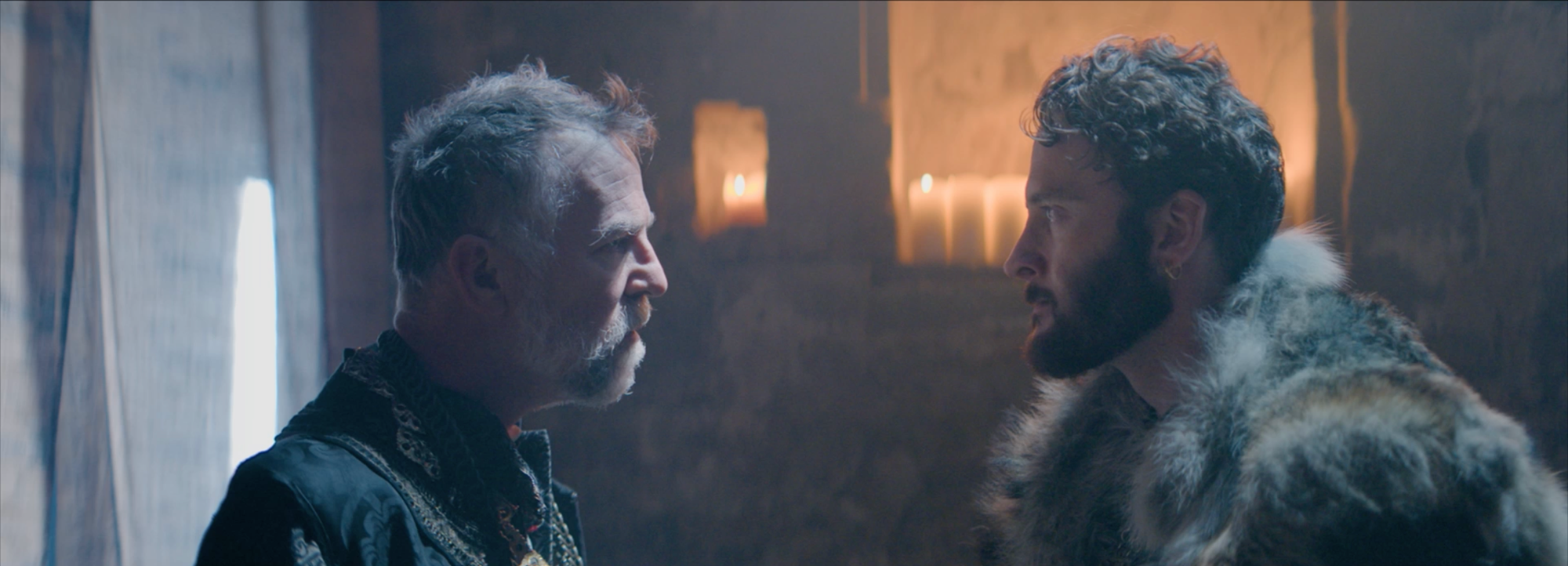
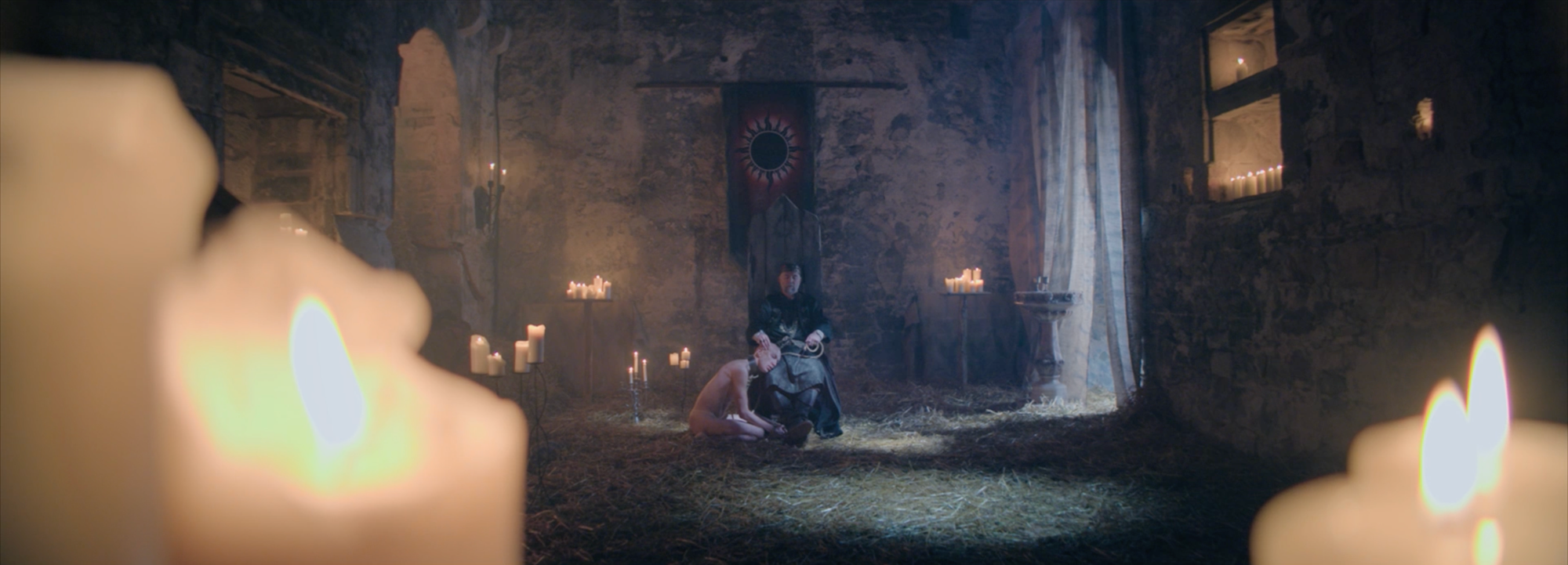
The moment that feels most like me comes when King Baron finally reveals to King Draven who he really is. He is not blue-blooded, divinely appointed or born into power. He was born of dirt and labour, the son of a farmer who raised an army and became a king for the sole purpose of destroying the man responsible for the massacre of his family.
What makes that moment personal is the way it is delivered. Baron is not roaring with triumph. He speaks with vulnerability. Beneath the victory is fear, grief and the realisation that he has built his entire identity around revenge. I have always been more fascinated by confrontation through language than spectacle alone. One of my favourite scenes in cinema is the conversation between Robert De Niro and Al Pacino in Heat — sworn enemies speaking calmly, despite knowing they would kill each other if circumstances demanded it. That kind of restrained danger interests me far more than watching two people fight.
What was the hardest creative decision you made while making the film?
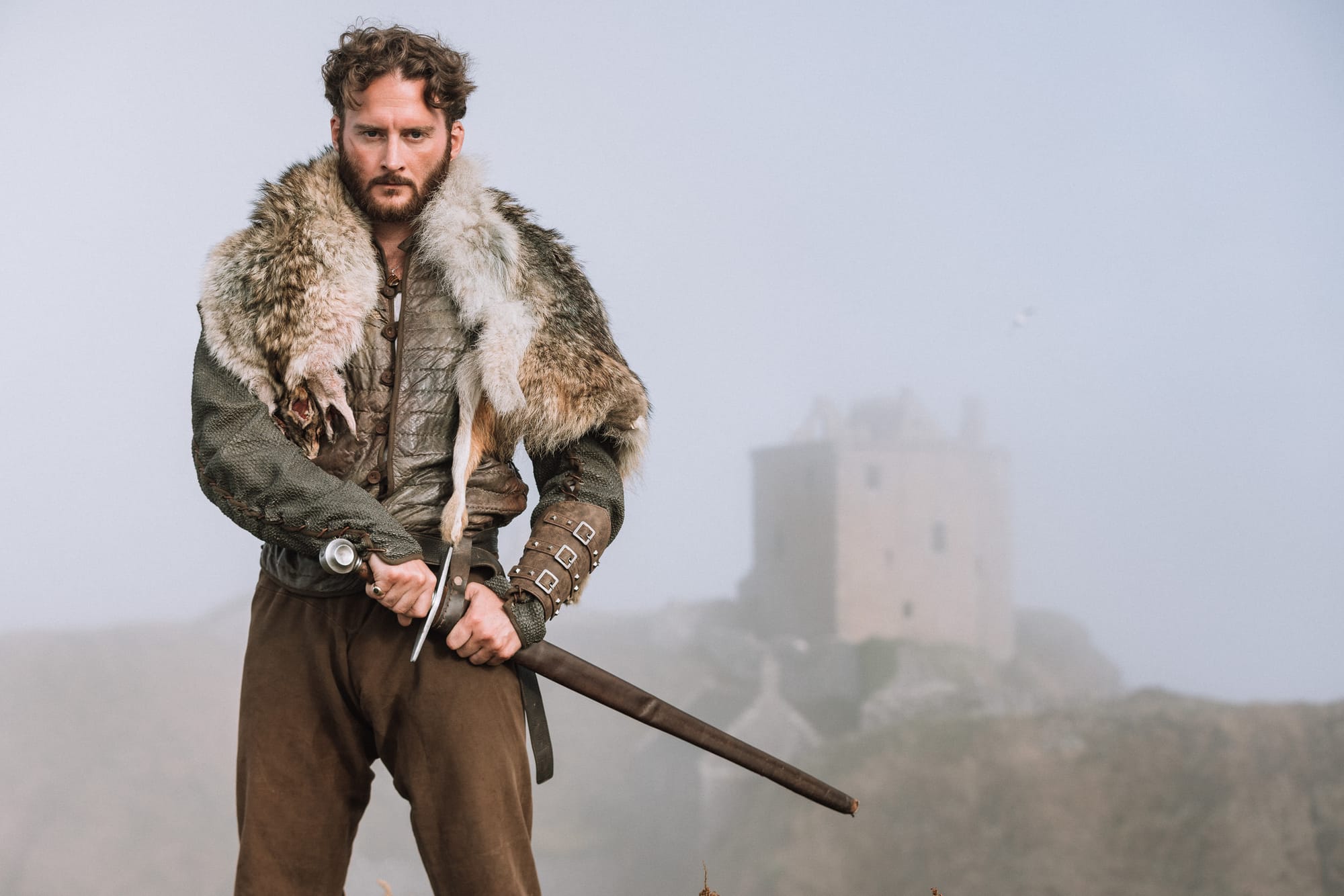
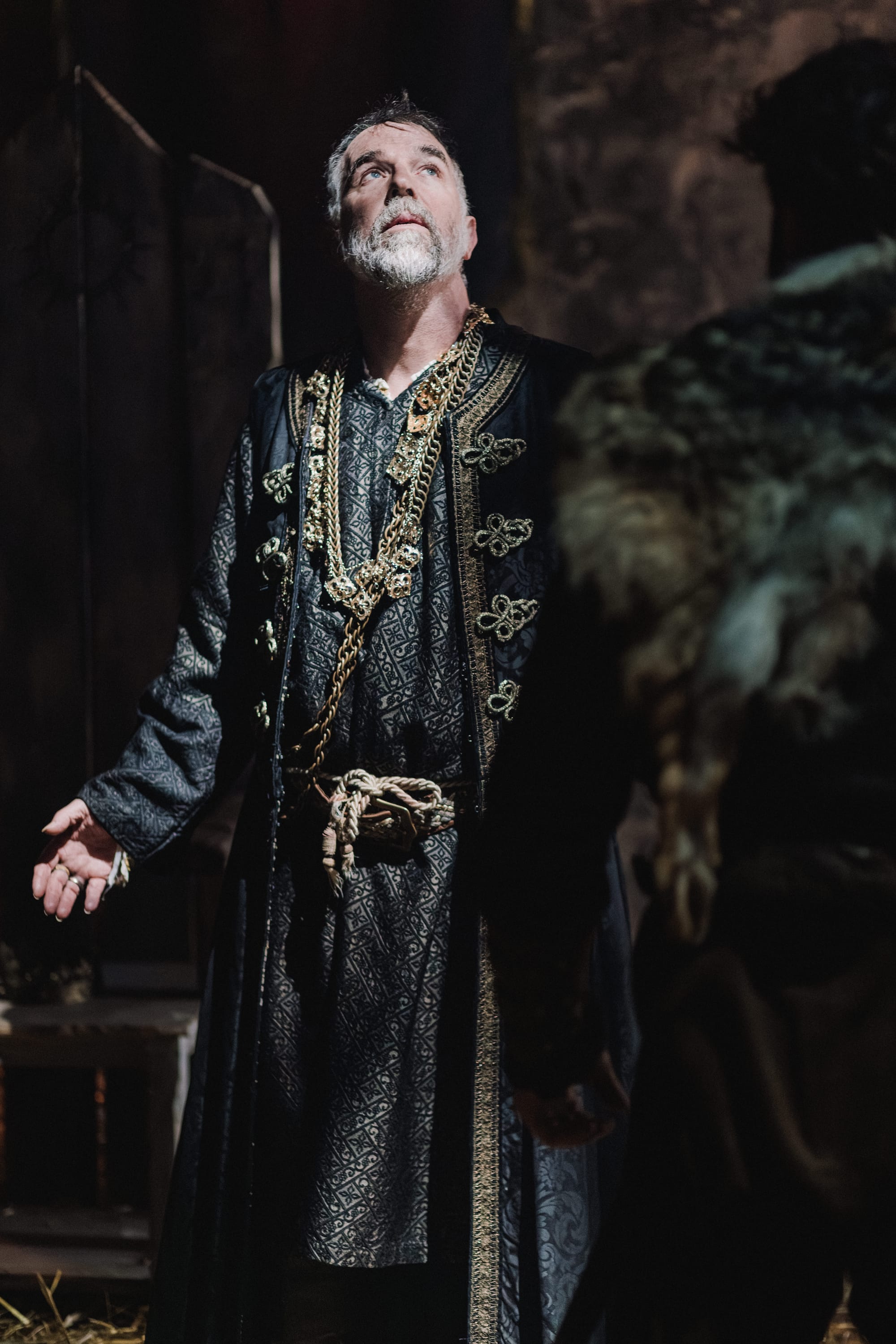
Honestly, the creative decisions were rarely the hardest part. Scott and I are extremely aligned, and once we began working together, most decisions flowed naturally. The most significant creative decision was casting King Draven. The entire film depends on the relationship between the two men, so the actor opposite me needed authority, danger, intelligence and vulnerability in equal measure. Charlie Creed-Miles was my first choice, and fortunately he responded to the script as something bold, moving and ambitious.
In reality, the hardest decision was not creative at all. It was deciding to finance the film personally. Every castle, costume, flight, hotel, crew member and production day represented money from my own savings. The creative part was the joy of making the film. The difficult part was accepting the personal risk required to make those ideas real.
What collaborator or mindset shift helped most during production?
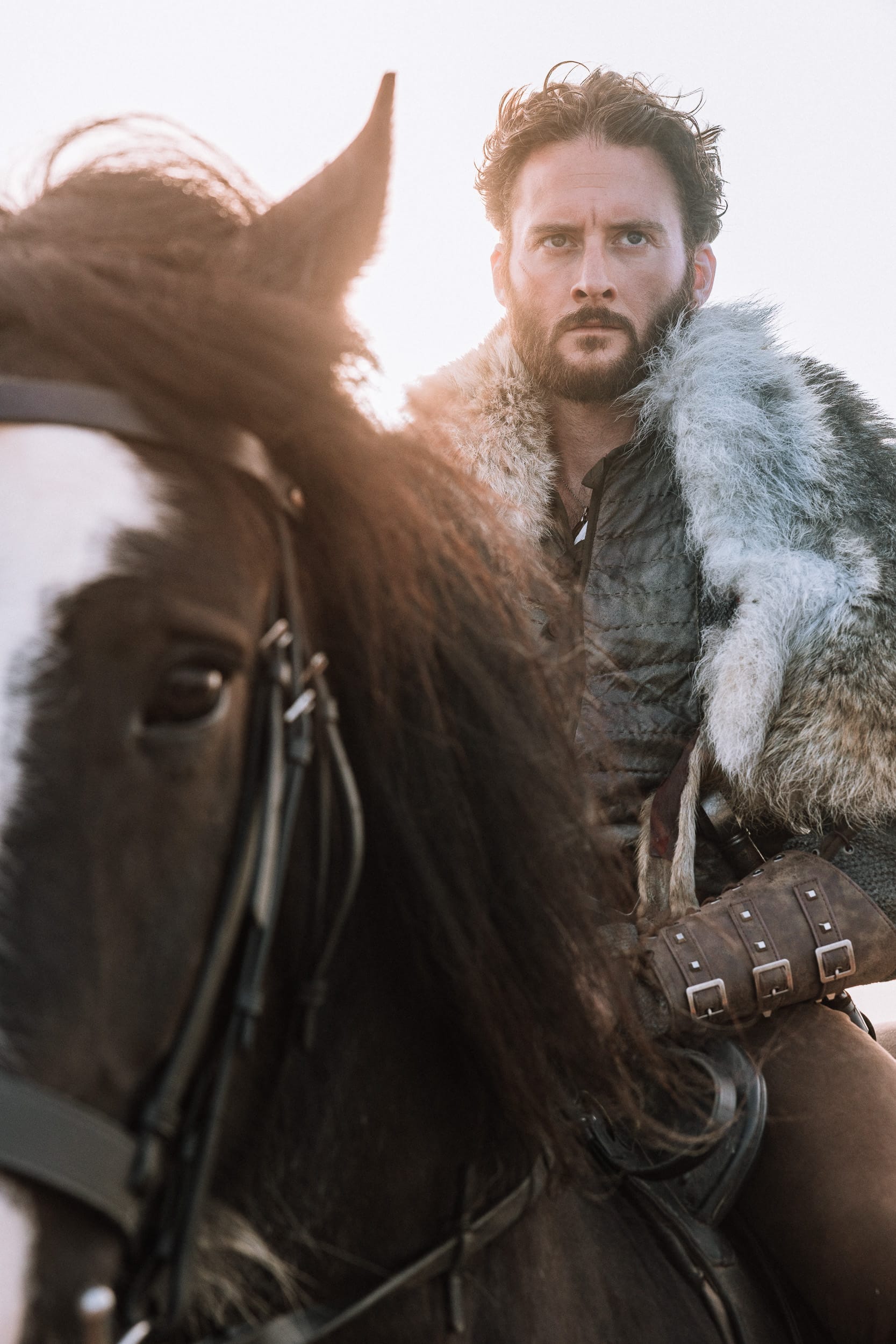
The collaboration that helped most, without question, was my partnership with Scott Vickers. I brought him the original premise and first draft, and from that point onward he became essential. He was instrumental in taking the dialogue fully into Shakespearean language, and he helped deepen the material with greater subtext, restraint and psychological complexity. He understood that the film could feel epic without relying on scale alone.
The greatest mindset shift for me was realising that creating something personally does not mean carrying every part of it alone. I created and financed the project, but it became a far stronger film because I trusted Scott as a genuine creative and producing partner. Protect your creative freedom, but do not confuse protecting the vision with controlling every decision yourself. Find people who understand what you are trying to make, trust them deeply, and allow their expertise to help the film become more than you could have created alone.
What does it mean to have your film selected for HollyShorts?
HollyShorts will always hold a special place in the journey of King of the Iron Will because it was the first festival to embrace the film. It was the first organisation to look at the completed film, believe in what Scott and I had created, and choose to give it a platform. Nobody can ever take that distinction away from them.
I have enormous respect for Theo and the entire HollyShorts team. For 22 years, they have created opportunities for filmmakers, strengthened independent voices and introduced audiences to work they may never otherwise have discovered. To now receive its World Premiere at HollyShorts, surrounded by filmmakers from across the world, feels like an extraordinary first chapter in the film's festival journey.
Where do you see this film going next?
I do not know exactly where the film will go, and I am trying not to place too much pressure on that. I have significant ambitions — I would love to see it qualify for the Oscars, BAFTA and BIFA, to secure distribution, to reach a streaming platform, and potentially to serve as proof of concept for a feature film or series. Medieval storytelling remains my favourite genre, and there is a much larger world and mythology I would love to explore.
At the same time, I feel genuinely at peace with whatever path the film takes. It has already given me something I did not have before: a completed piece of work I am deeply proud of, created on my own terms, brought to life with collaborators I trust. Even if the film went no further, it would still have proved something important. It proved that the idea could become real, that the scale was achievable, and that I could create the kind of work I had spent years hoping to be invited into.
Main Cast & Crew
- Liam James Collins — Creator, Co-Writer, Producer, Executive Producer, and King Baron
- Scott Vickers — Director, Co-Writer, and Co-Producer
- Charlie Creed-Miles — King Draven
- Claudia Collins — Producer
- Robbie Jones — Director of Photography
- T.W. Leshner — Editor
- Ellen De Faux — Art Director
- Lady Maisery (Hazel Askew, Hannah James, Rowan Rheingans) with Jimmy Aldridge and Sid Goldsmith — Music
Filmmaker Opportunities
💛 Fund your next project with fiscal sponsorship
Have a project in the works? As a 501(c)(3) nonprofit, the Cinematography for Actors Institute can accept tax-deductible donations on your film's behalf — a door-opener for grants, foundations, and supporters who want to back your work. We've serviced over 100 projects to date and helped route over $800,000 in funding to filmmakers. Explore fiscal sponsorship →
📬 Grant deadlines and festival opportunities, straight to your inbox
The CFA newsletter rounds up grants, festival calls, and community news for independent filmmakers — the kind of opportunities that are easy to miss and painful to miss. Join the newsletter →
🎬 Focus on the creative — we'll help with the logistics
Production Management, CFA's newest member program, launches this November: production insurance and workers' comp, payroll, film permits, gear rental coordination, SAG-AFTRA compliance, contract drafting, production consulting, and crew recommendations — handled by a team of working filmmakers, à la carte or all in, in partnership with Creative Access Group. It's waitlist-only until launch. Join the waitlist →
League of Filmmakers is published by our parent organization, the Cinematography for Actors Institute — a 501(c)(3) dedicated to education, community, and capital for underrepresented filmmakers and actors. Learn more about CFA →