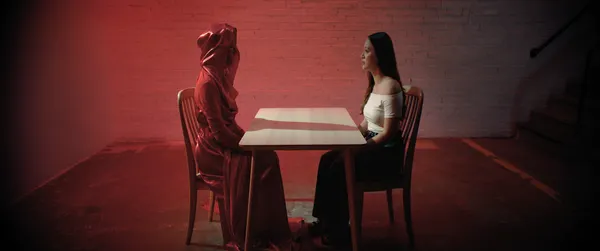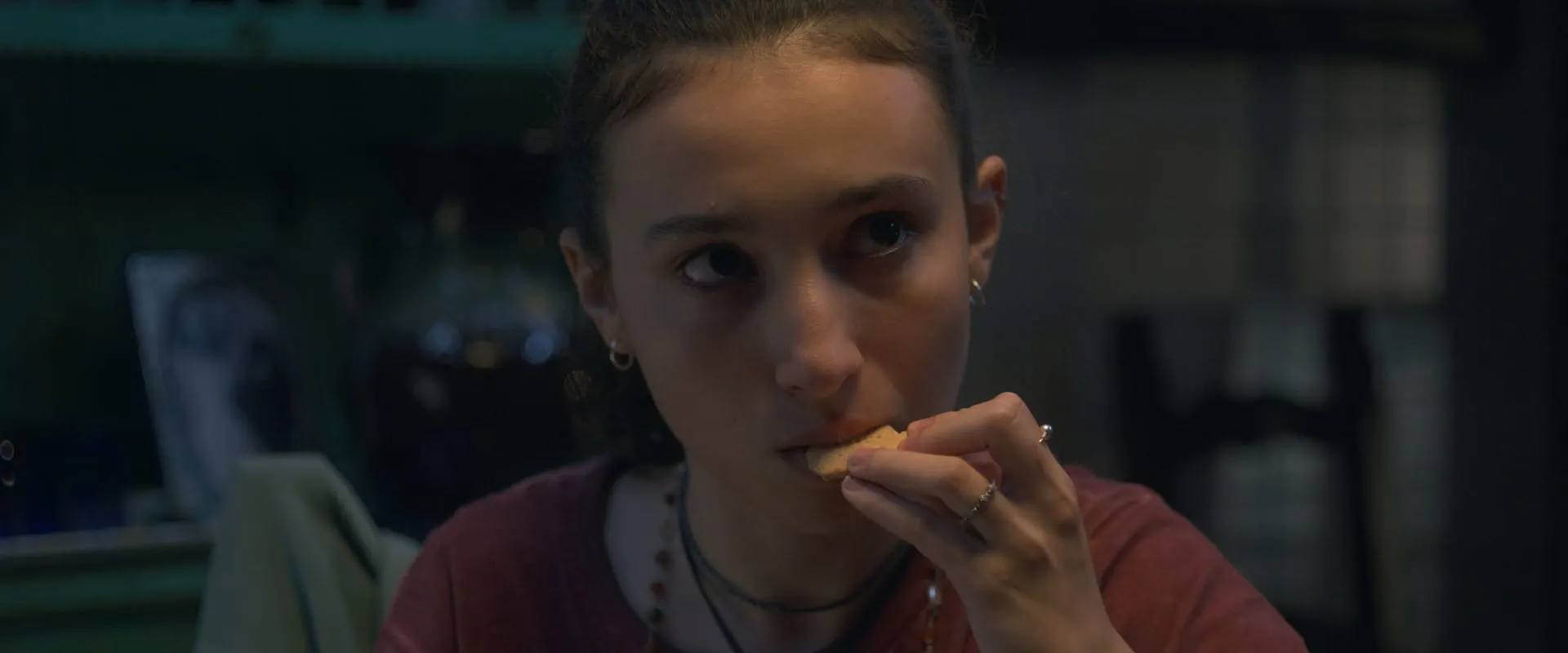
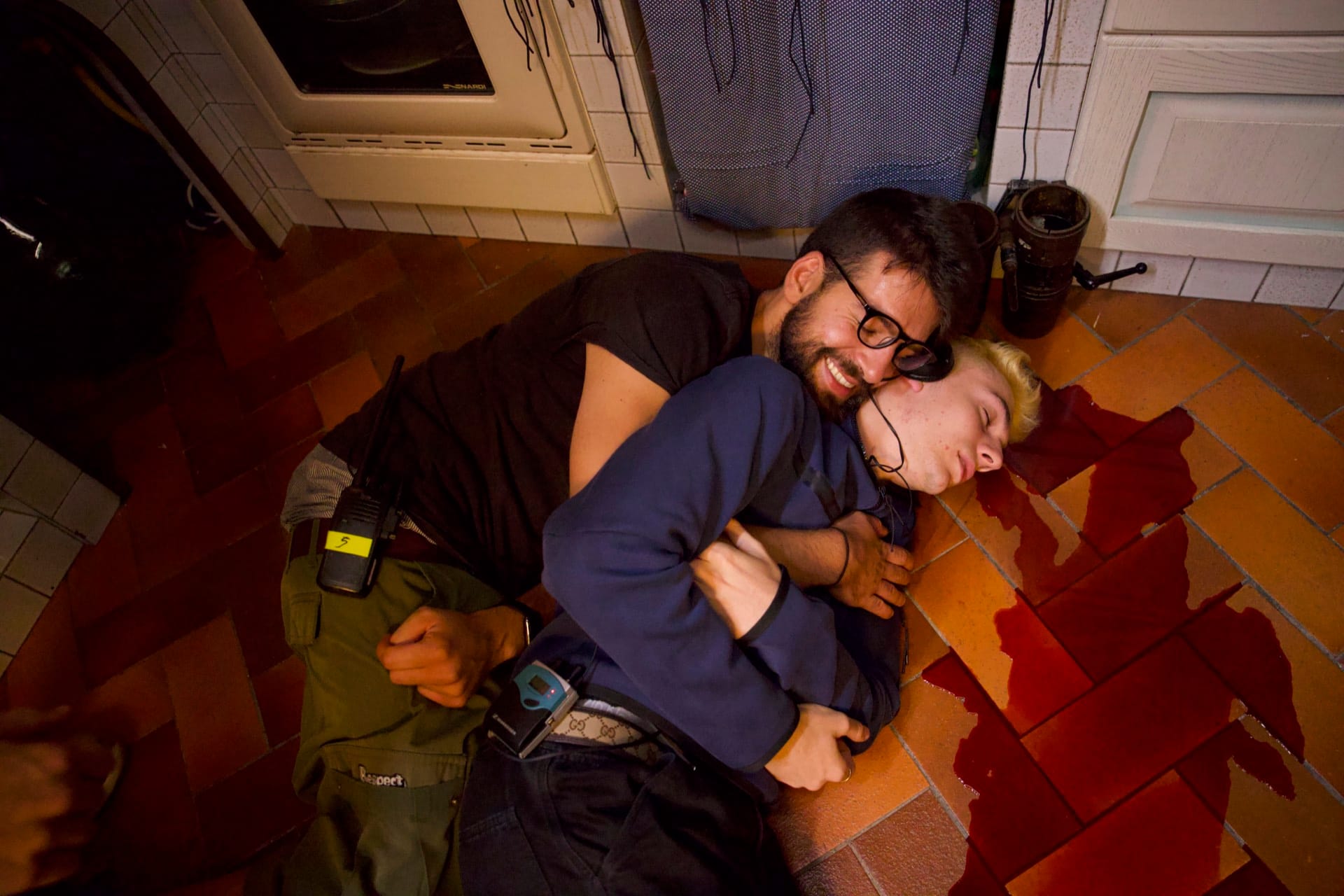
Alma returns home and delivers tragic news to her parents. Lucio and Annamaria, caught off guard, are forced to face a shocking reality: their beloved daughter has committed a terrible crime. La Buona Condotta (The Good Conduct) — written and directed by Francesco Gheghi, produced and distributed by Simone Rossi's PunxFilm with Image Hunters — is a black comedy and family drama that unfolds over one night in one apartment, following a couple who discover how far they are willing to go for their child.
What makes the film land is its refusal to take a side. As Rossi puts it, the script never tells you who is right. It stays inside the apartment, at night, with people who are not monsters and are about to behave like monsters.
Key Takeaways
- A black comedy and family drama set across a single night in one apartment, where the confinement becomes the engine of the tension.
- The film keeps its humour lodged inside the tragedy and deliberately leaves the moral question open — no punishment, no absolution, no lesson.
- Built almost entirely on dialogue and faces, its production value is casting, performance, and a warm domestic room that stays reassuring as events stop being reassuring.
We spoke with Simone Rossi, answering as producer and distributor at PunxFilm.
Interview
What drew you to make this film, and why this story, why now?
What convinced us to produce it was that the script never tells you who is right. It puts two ordinary parents in front of the one question no family wants to answer out loud: how far does love for a child go before it becomes complicity. We are living through a moment where everyone is very quick to judge other people's families from the outside, and this film refuses to do that. It stays inside the apartment, at night, with people who are not monsters and are about to behave like monsters.
What surprised you most about the filmmaking process, including any moment that changed how you saw the story?
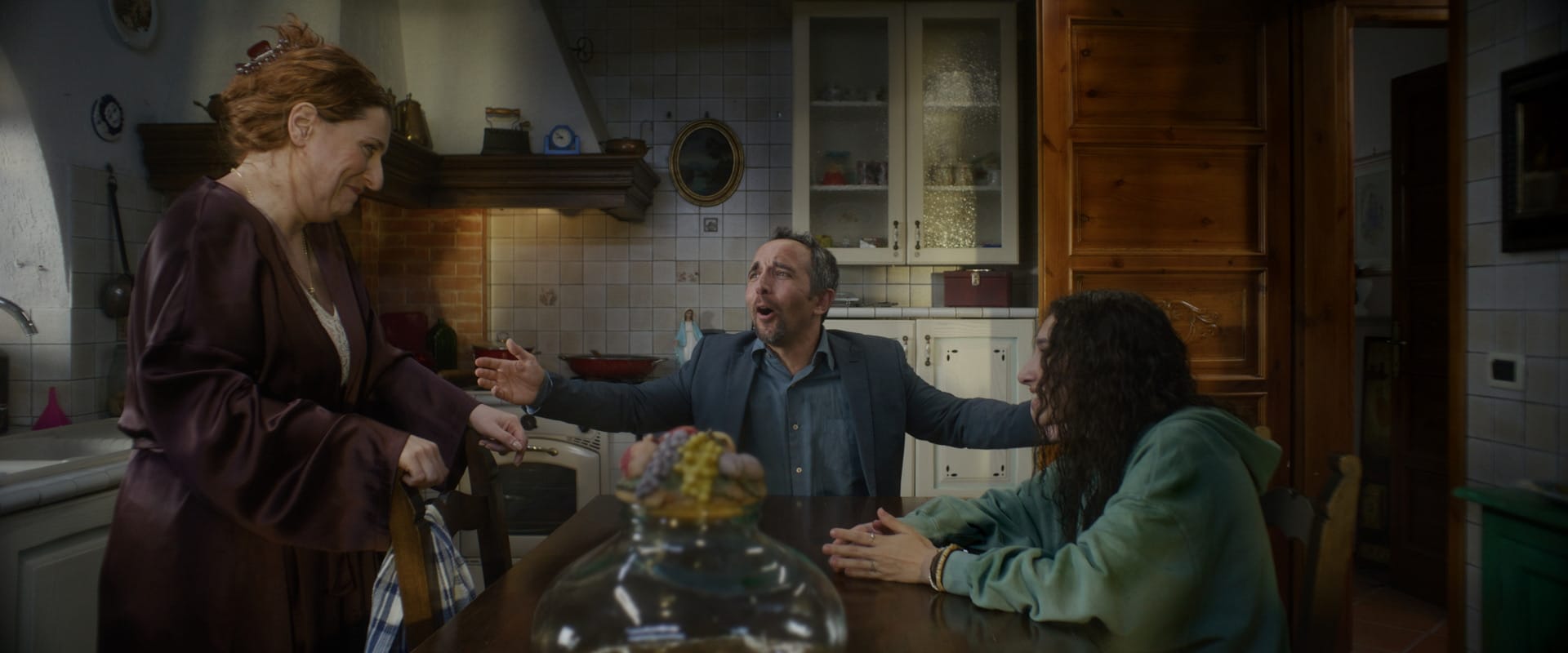
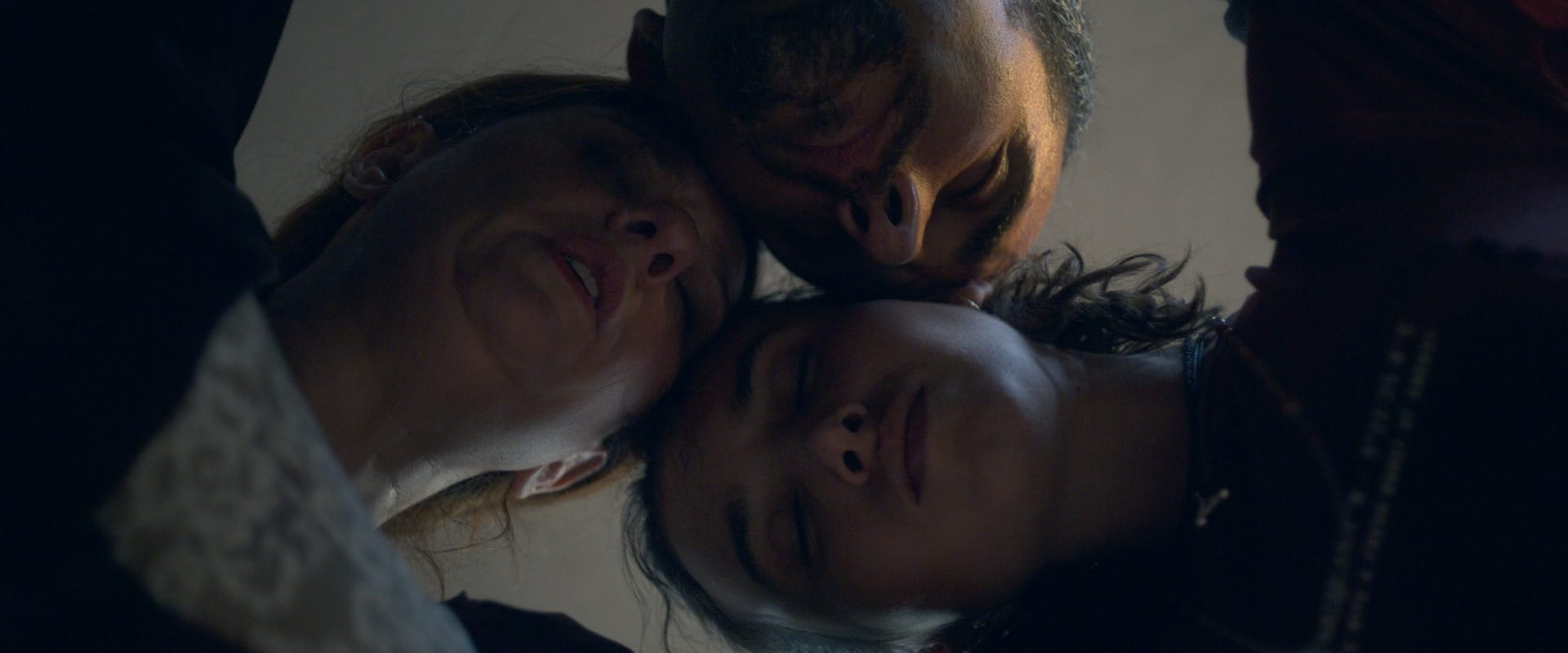
How much the limitation became the engine. The whole film lives in one apartment over a single night, and on paper that reads like a budget constraint. In practice it turned into the reason the film works: there is nowhere for the characters to escape to, so the pressure has to come out in the dialogue and in the faces. The other surprise was tonal. On set we kept discovering that the more seriously the actors played it, the funnier and more unbearable it became at the same time.
What moment in the film feels most like something only you could have made?
The turn where the parents stop being horrified and start being practical. Nobody makes a speech, there is no moral scene, they simply begin solving the problem. That shift, played almost casually, is the whole film, and it is the part that made us want to put our name on it as producers: it trusts the audience to notice on its own that something terrible has just been accepted.
What was the hardest creative decision you made while making the film?
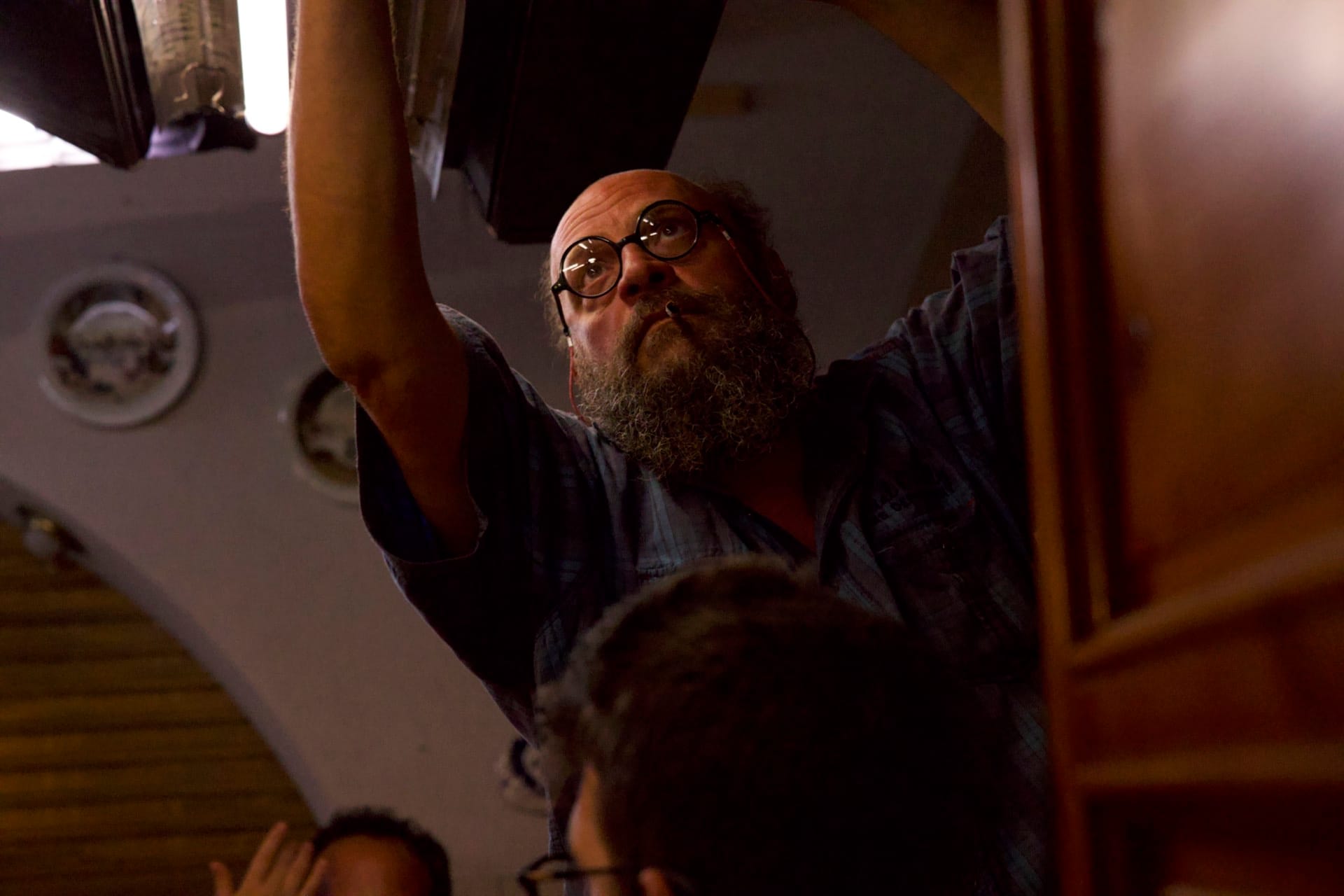
Keeping the comedy inside the tragedy instead of choosing one. There was a real temptation to soften the humour once you understand what Alma has done, because dark irony next to that subject can read as cruelty. We kept it, and we also refused to close the moral question at the end. The film does not tell you whether the parents did the wrong thing, and that was a decision we had to defend more than once.
What tool, technique, or mindset shift helped most during production?
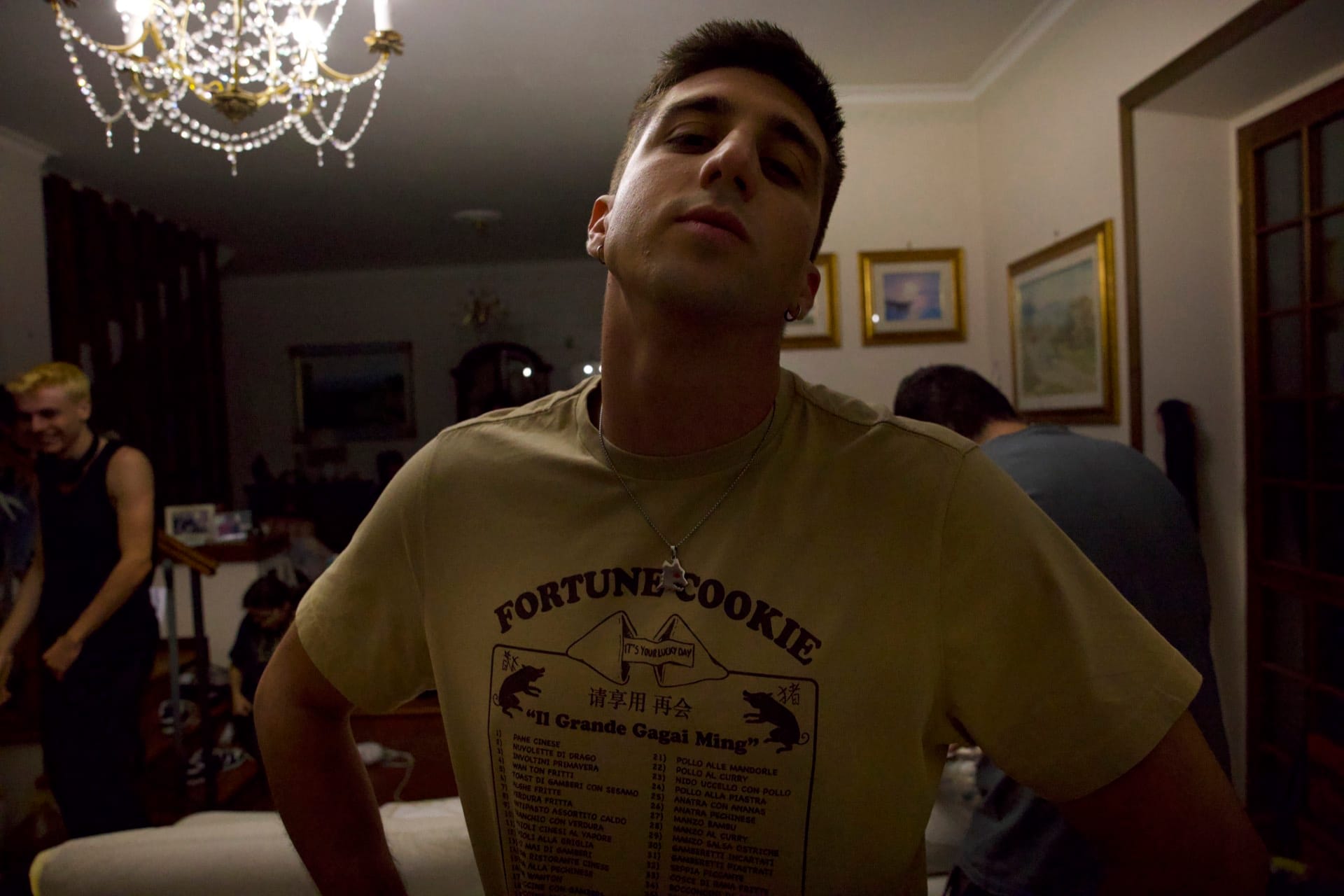
Casting, and then trusting it. With a film built almost entirely on dialogue in one room, the performances are the production value: no location and no camera move can save you if the family is not believable. The second thing was shooting in a real domestic space with warm, soft lighting, so that the room stays reassuring exactly while what happens inside it stops being reassuring.
What do you hope audiences take away from this film?
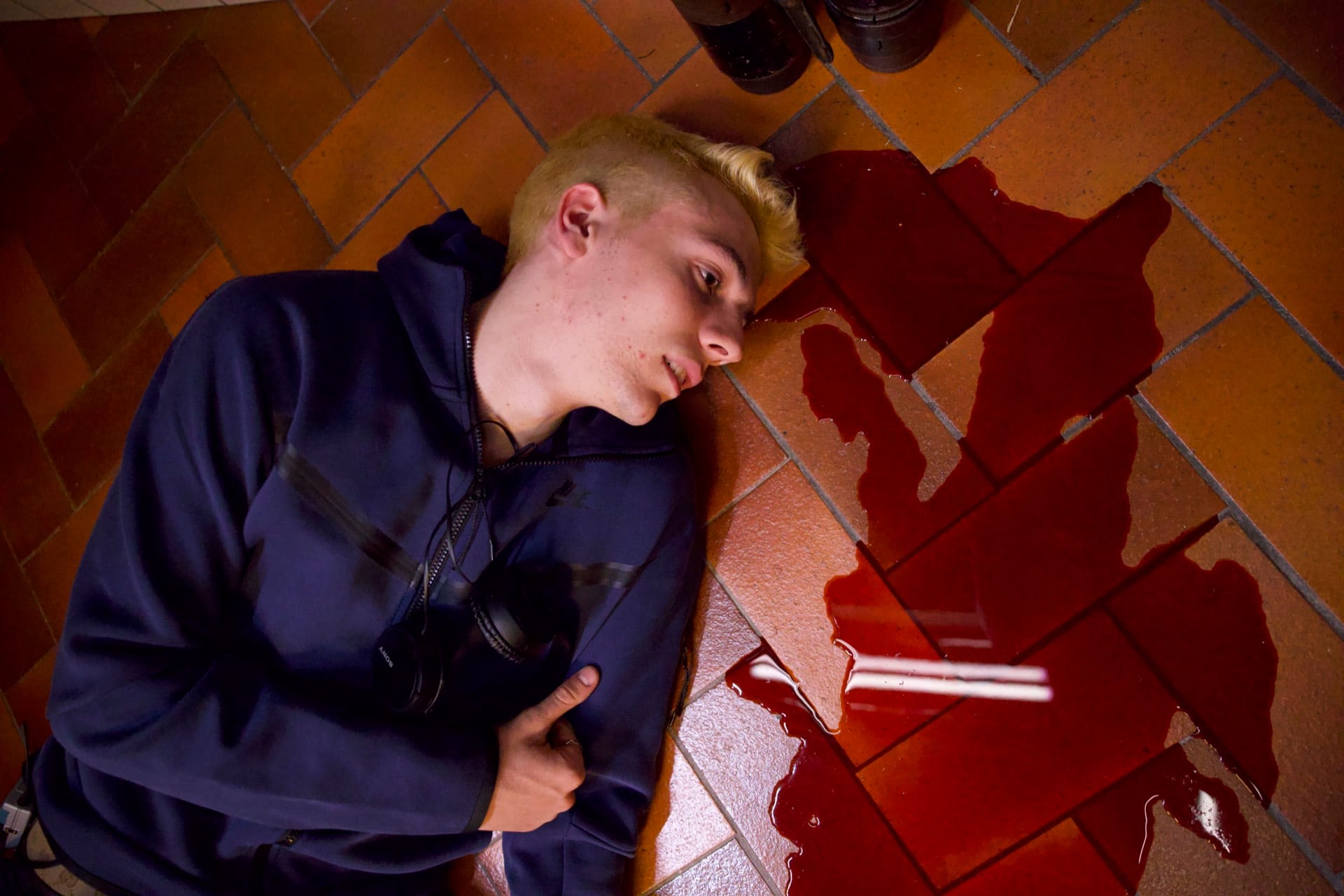
The discomfort of recognising themselves in the parents rather than judging them. If someone leaves the screening certain that they would have behaved better, the film has not worked. If they leave slightly unsure, it has.
What does it mean to have your film selected for Not Film Fest, and where does it go next?
Nòt programmes films with a voice rather than films that behave, so being in that line-up is a good sign for a short that deliberately leaves the audience unsettled. It also matters to us that it happens in a place where the filmmakers actually stay for the week and talk to each other. That is not true of every festival. From here we want to go further into the international festival circuit, specifically towards programmes and audiences that like uncomfortable family stories rather than reassuring ones. It has already travelled well in Italy, and we are now working the film abroad.
Main Cast & Crew
- Written and directed by Francesco Gheghi, an Italian actor and filmmaker who moves between acting and directing
- Cast: Ludovica Ciaschetti, Licia La Mura, Danilo Giova
- Cinematography and colour grading by Lorenzo Di Nola
- Editing by Giacomo Lalli
- Original music and sound design by Raffaele Inno
- Produced by PunxFilm and Image Hunters
- Producer and distributor: Simone Rossi, PunxFilm
Filmmaker Opportunities
💛 Fund your next project with fiscal sponsorship
Have a project in the works? As a 501(c)(3) nonprofit, the Cinematography for Actors Institute can accept tax-deductible donations on your film's behalf — a door-opener for grants, foundations, and supporters who want to back your work. We've serviced over 100 projects to date and helped route over $800,000 in funding to filmmakers. Explore fiscal sponsorship →
📬 Grant deadlines and festival opportunities, straight to your inbox
The CFA newsletter rounds up grants, festival calls, and community news for independent filmmakers — the kind of opportunities that are easy to miss and painful to miss. Join the newsletter →
🎬 Focus on the creative — we'll help with the logistics
Production Management, CFA's newest member program, launches this November: production insurance and workers' comp, payroll, film permits, gear rental coordination, SAG-AFTRA compliance, contract drafting, production consulting, and crew recommendations — handled by a team of working filmmakers, à la carte or all in, in partnership with Creative Access Group. It's waitlist-only until launch. Join the waitlist →
League of Filmmakers is published by our parent organization, the Cinematography for Actors Institute — a 501(c)(3) dedicated to education, community, and capital for underrepresented filmmakers and actors. Learn more about CFA →