Table of Contents
Hazel McKibbin has built a body of work around power, complicity, and the things people cannot bring themselves to say. With Last Man Up, the BAFTA Newcomer and Princess Grace Award recipient turns that preoccupation toward three best friends on a bender through rural American dystopia — a story that arrives, as her earlier films did, at the moment a carefully maintained fiction begins to slip.
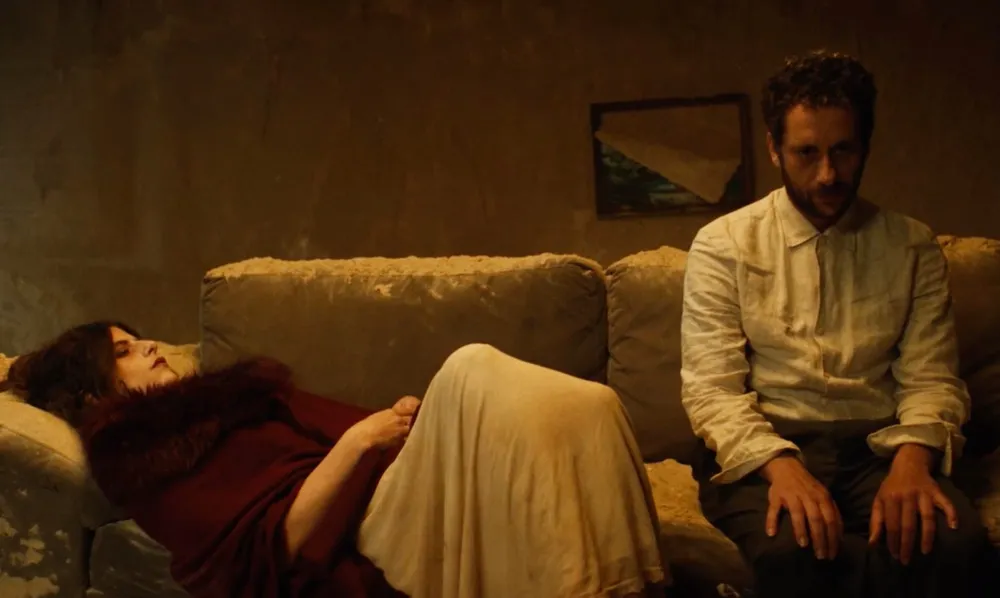
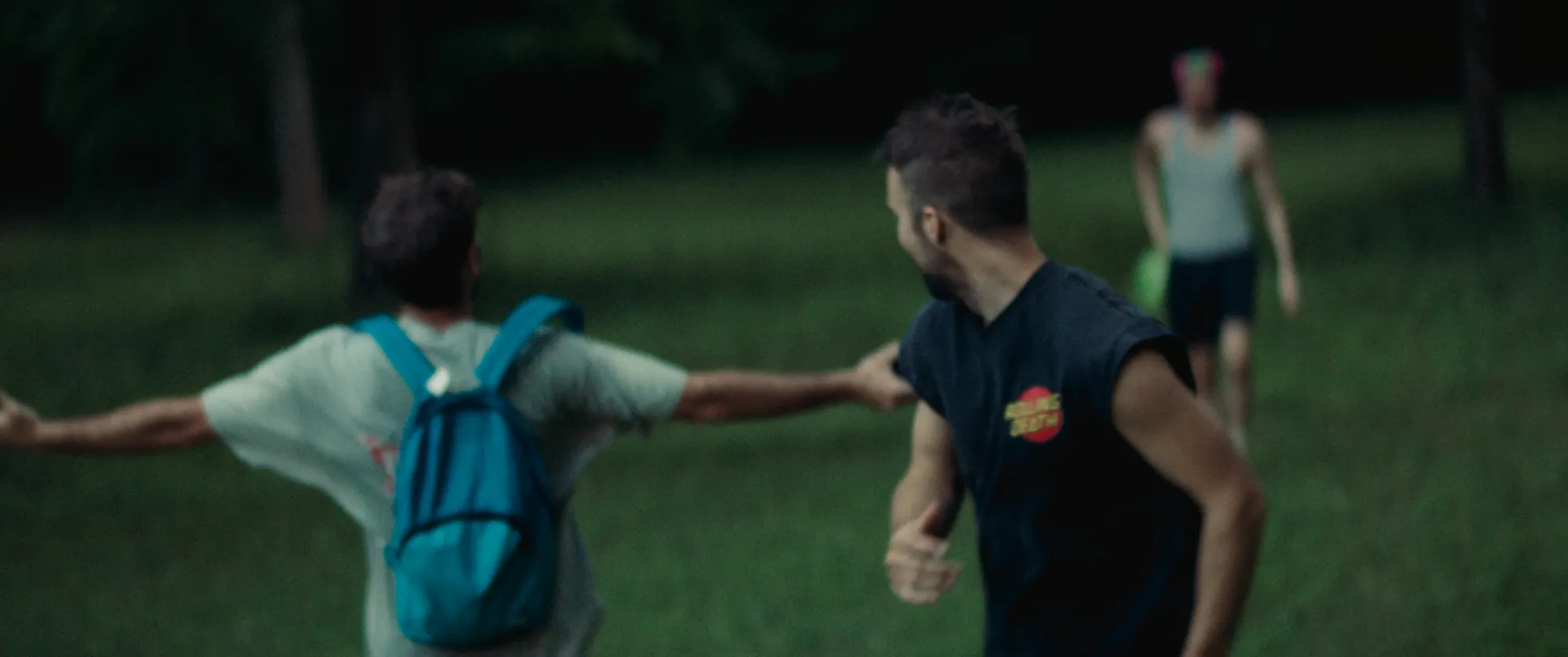
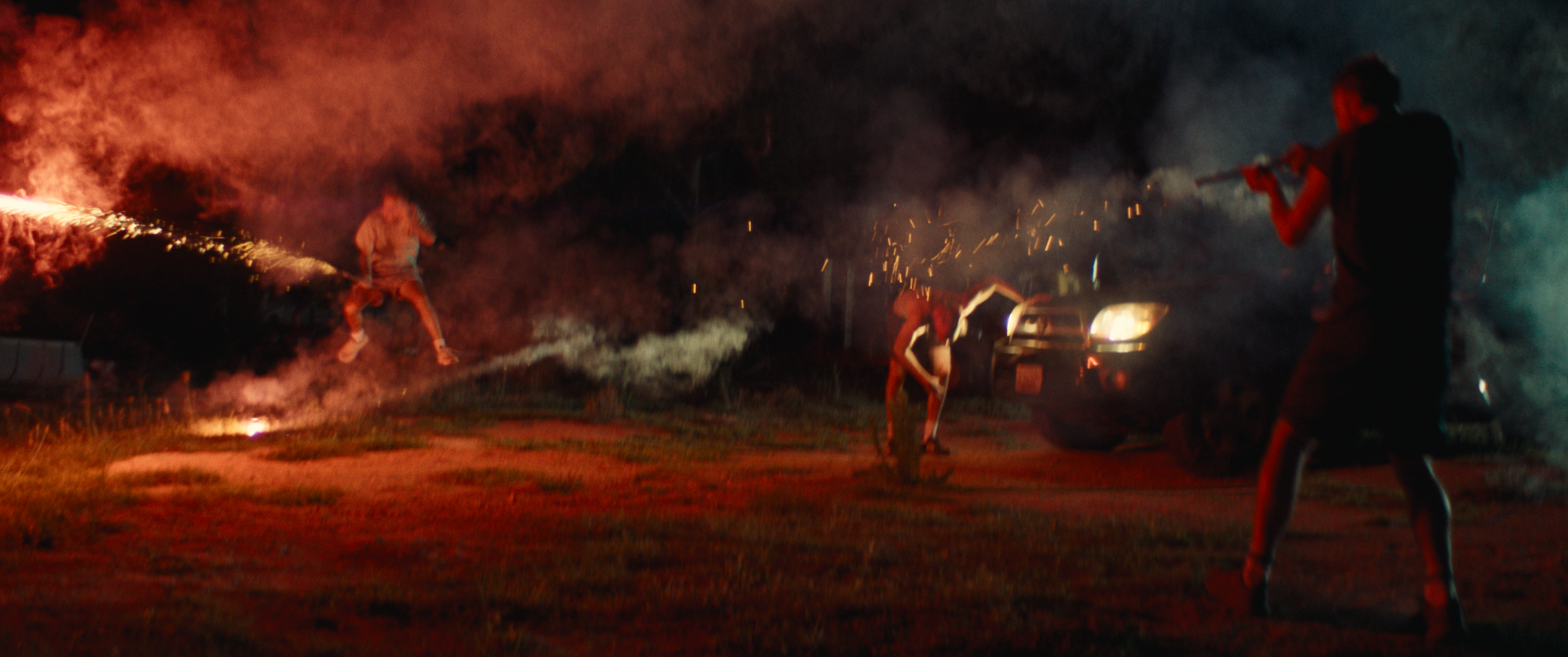
Written with Robert R. Palmer, who also stars, the film follows Tye as he hides the repossession of the run-down house that has become home to his misfit band. Over one hungover Sunday of running, shotgun beers, and fireworks, the glue holding the group together melts away — and what began as hedonism curdles into something violent and irreversible.
Key Takeaways
- McKibbin brings her feminist, realist eye to a film with no women in it, arguing that the architecture of withheld power isn't inherently gendered.
- A second camera, operated in character by an actor, gives the film its raw, unguarded texture and propulsive edit.
- Beneath the drama sits a smaller, devastating story: had Tye simply told the truth early, none of it would have happened.
McKibbin spoke about the film's origins, its surprises in the edit, and the discipline independent filmmaking demands.
Interview
What drew you to make this film, and why this story, why now?
My work has always been rooted in exploring power dynamics and gendered structures through a realist lens. With my previous films Doublespeak and She Always Wins, that came from my own experience navigating oppressive dynamics as a woman, both institutional and intimate. When Robert first approached me, I wasn't certain I was the right director for a story with no women in it. But sitting with the script, I recognized that the underlying architecture — who withholds power, who lies to protect it, what goes unspoken between people who claim to love each other — is not inherently gendered. It is the same interest that has shaped everything I have made, applied to a film with more action and physical conflict.
What surprised you most about the filmmaking process, on set or in post?
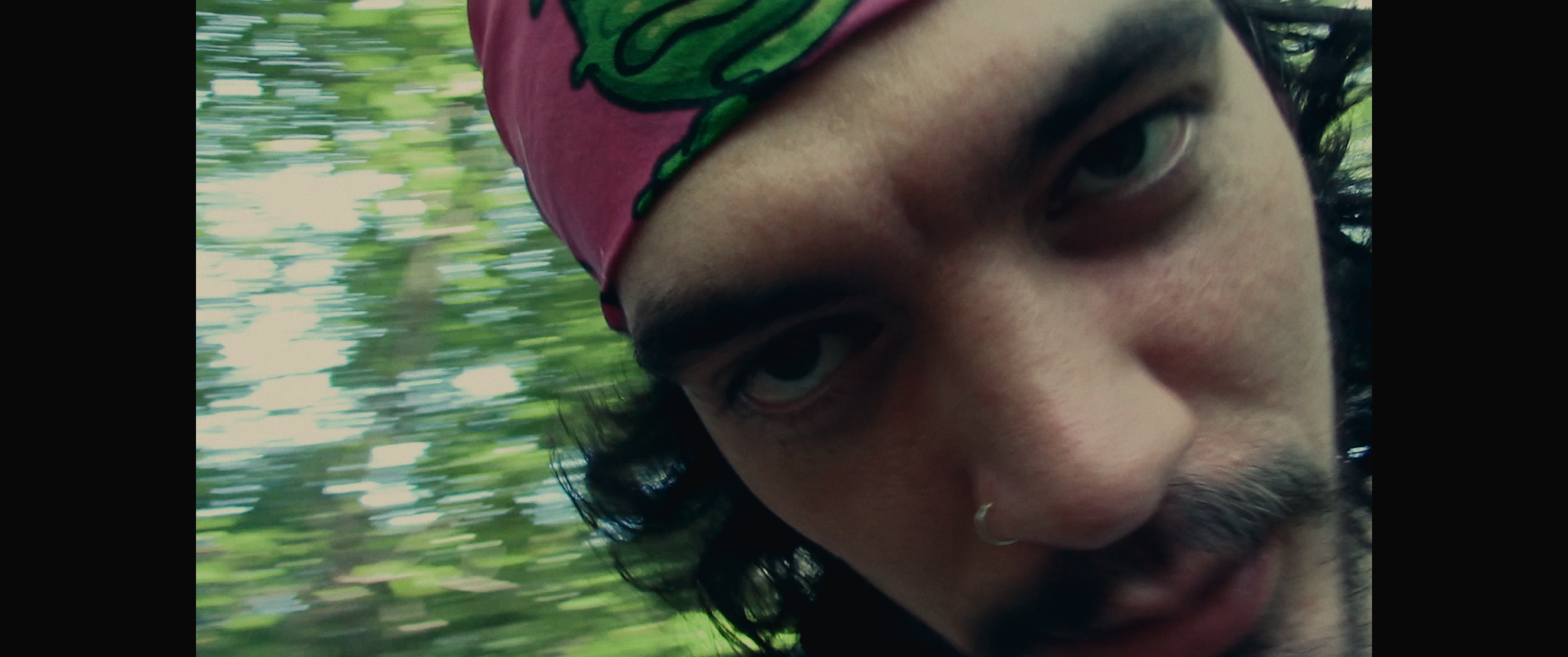
The biggest creative surprise was in the edit. Joseph, who plays Ross, had a handheld camcorder running almost continuously, including between takes, when we weren't monitoring the footage at all. It was written into the character from the outset, but I had no way of knowing how much of it would ultimately be usable. Working through hours of that material with our editor, Steven, months after the shoot, we kept finding moments where the actors clearly weren't aware they were being filmed, and that unguarded quality became essential to the film's texture. I ended up cutting the ending myself, and it took several passes before it found its shape. The contrast between that raw, handheld material and Bradley's more composed cinematography ended up carrying much of the film's tension, in a way I hadn't fully anticipated when we were still in pre-production.
What moment in the film feels most like you, or like something only you could have made?
Any moment where the tension is generated by what is withheld rather than what is stated. That has been consistent across every film I've made. The scene in which Tye is asked directly about the eviction notice and simply refuses to answer distills the film into a single beat. It draws on the same instinct that has shaped my previous work: a character maintaining a fiction because the truth would cost them the position they're clinging to.
What was the hardest creative decision you made while making the film?
Determining who ultimately bears the consequences of the group's unravelling took a lot of deliberation. It needed to be the character least implicated in the actual conflict, because he deserved it least, and that is what makes the ending feel devastating rather than simply dramatic. The second significant decision was structural: to create a triangle dynamic, because that is what allows the balance of power to shift scene by scene and keeps the audience uncertain who is in control at any given moment.
What tool, technique, or collaborator helped most during production?
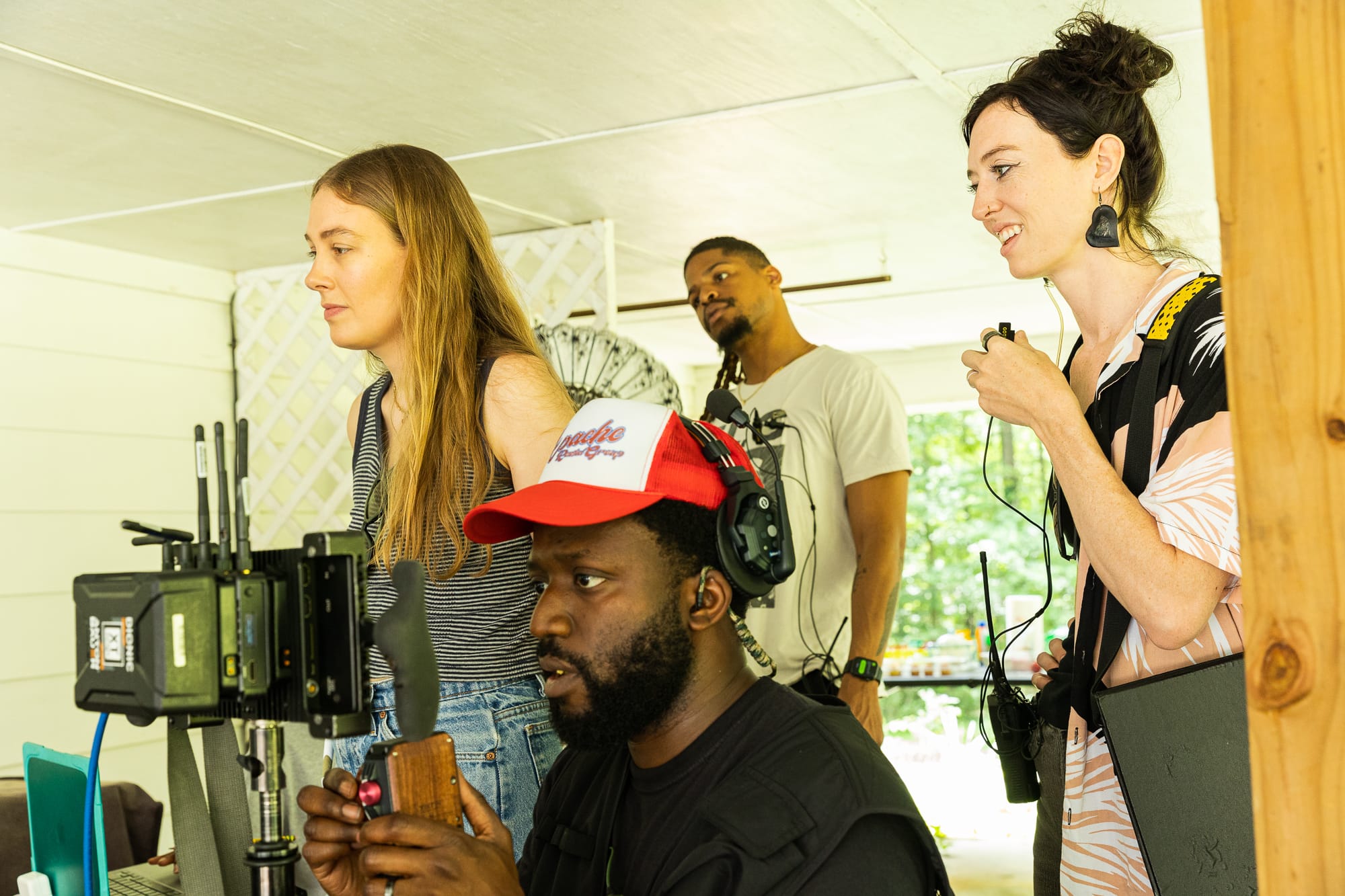
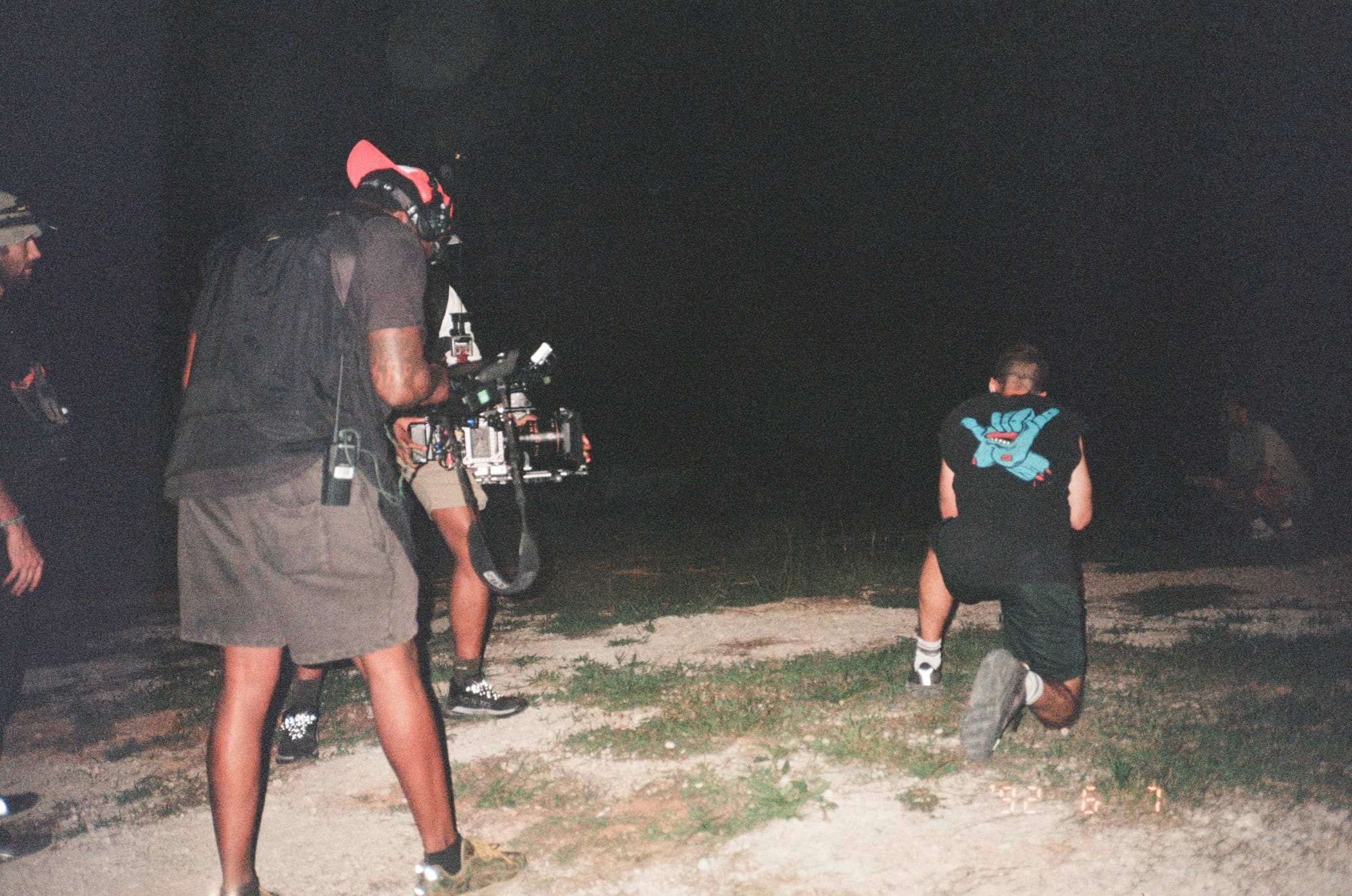
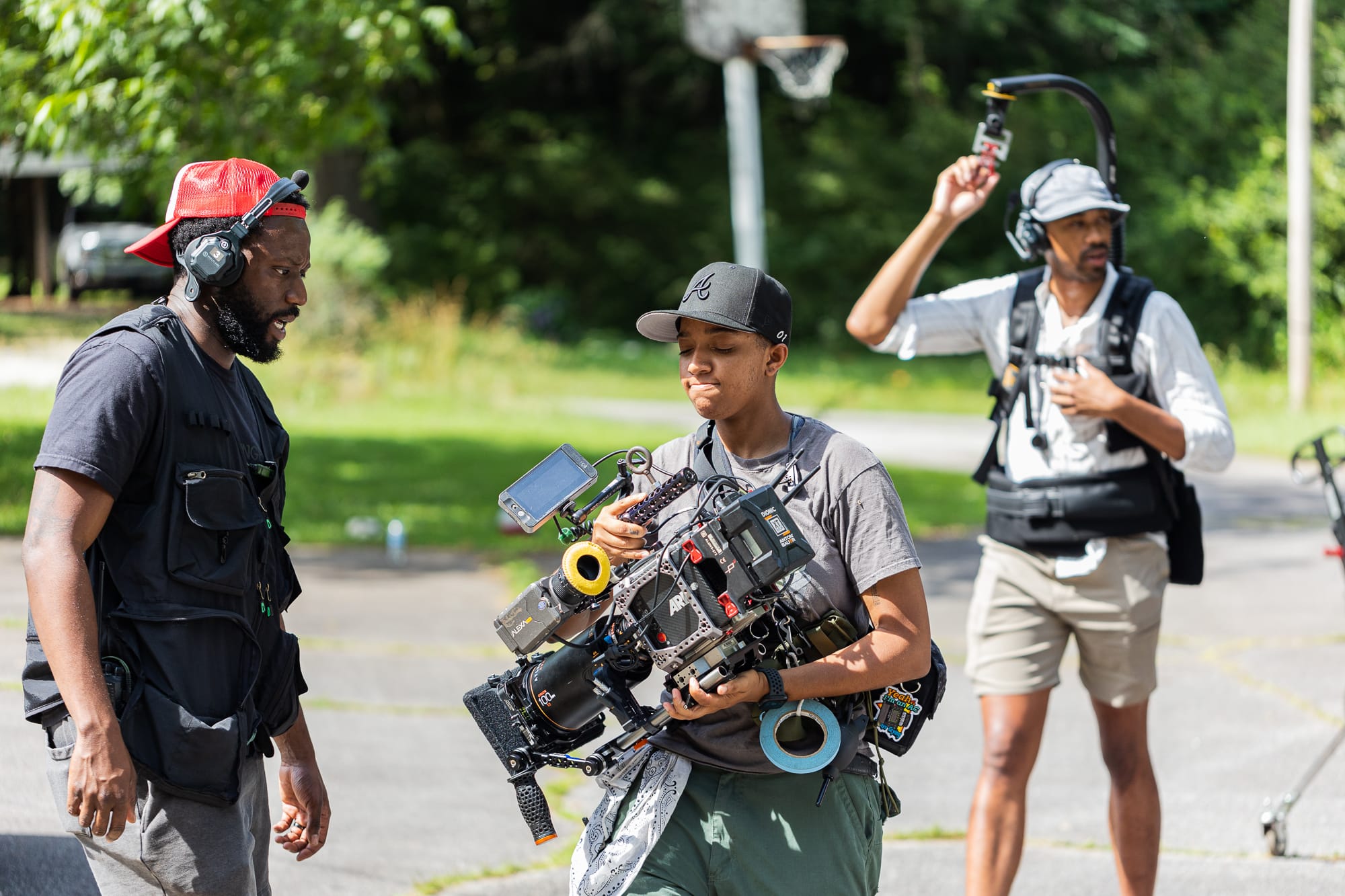
The two-camera approach, developed closely with Bradley: we slated both cameras on every take so the handycam footage could be properly synced with the primary coverage in the edit, which was the only way to make that material usable later. It required a level of trust I hadn't had to extend before, as Joseph was operating the second camera himself, in character, making his own choices about what to point it at and when, without any direction from me in the moment. That meant giving up a degree of control I'm not usually comfortable relinquishing on set. It paid off because he understood the character well enough to know what Ross would actually be filming, rather than what would simply look good. In the edit, we could use that footage to play with pace. Cutting between our two cameras is what gives the film its propulsive quality and the sense that you're never quite settled in one register for long.
What is the greatest strength of independent filmmaking, and what lesson would you share?
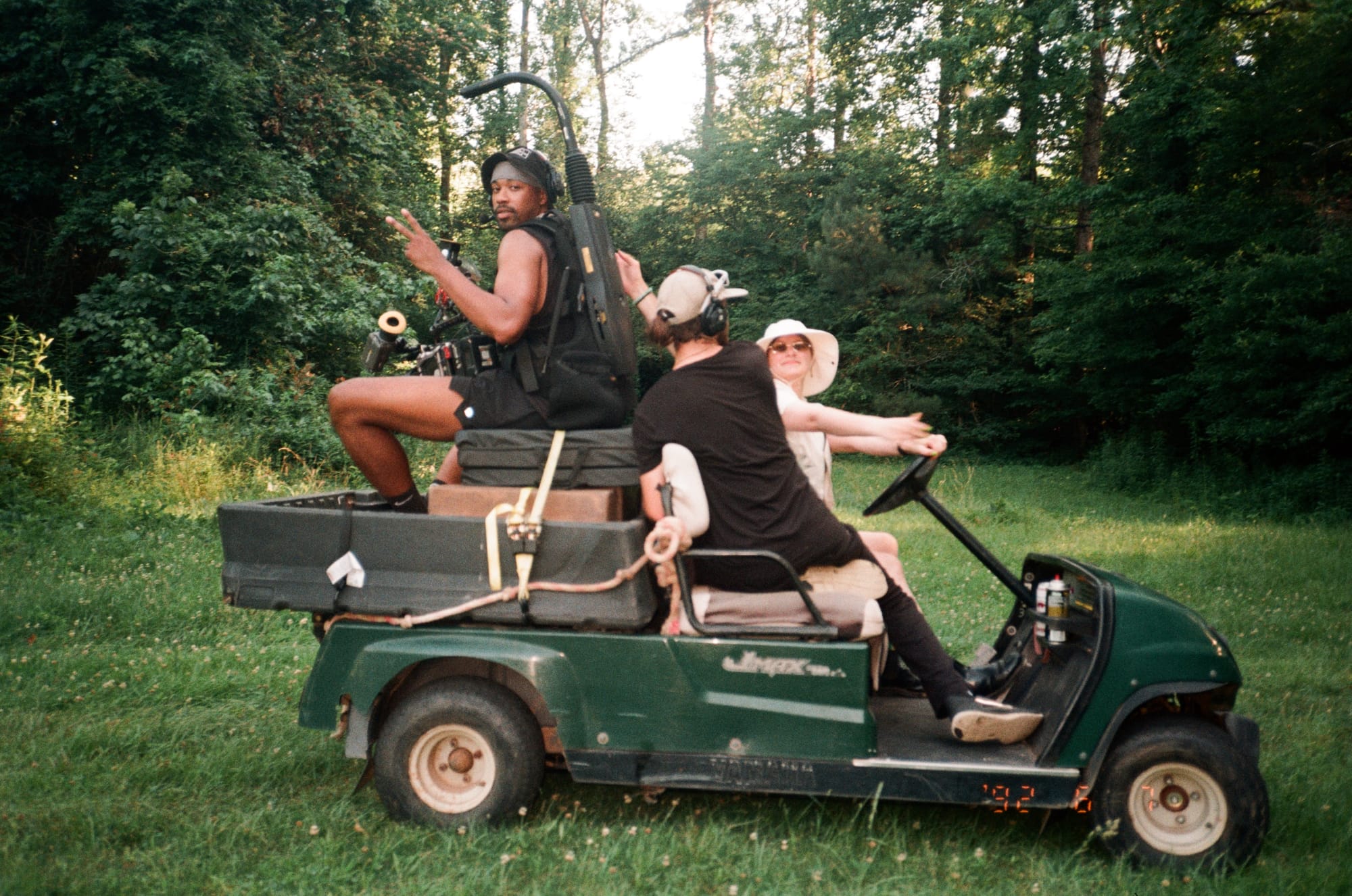
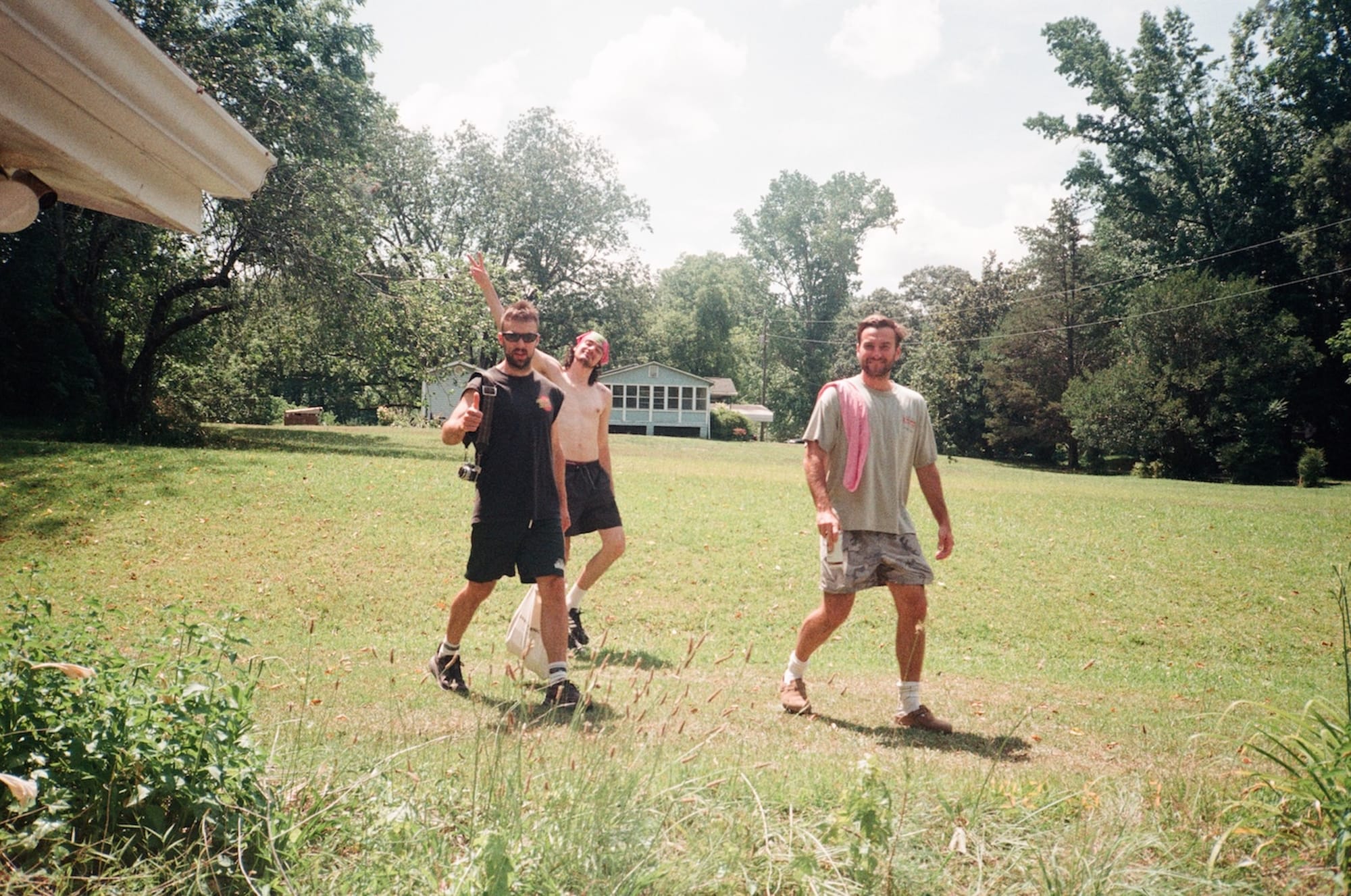
I think the greatest strength of independent filmmaking is intimacy: the kind that only comes from working with very little. On this project, that meant cast and crew effectively living together on the property for the entire shoot, and that proximity built something between them that no amount of rehearsal time could have manufactured on its own. The lesson I'd offer anyone starting out is unglamorous but essential: the script is the one element of this process you can develop without spending anything, and no amount of production value compensates for a script that isn't ready. Also, try to create unity of time, place, and action. Keeping the story contained to a single day and a few locations forces the kind of discipline that makes an independent production achievable, and makes the finished film sharper, more tense and more compelling.
What does it mean to have your film selected for HollyShorts?
HollyShorts has a strong reputation for championing work early, before a filmmaker's next step is obvious, and being included in this line-up is such a vote of confidence. It also means the film gets to continue its life in a different city, in front of a different audience, which matters for a story built around ambiguity. I'm always curious what conversations it generates somewhere new, and I look forward to hearing how the LA audience connects with Last Man Up.
Main Cast & Crew
- Director: Hazel McKibbin — hazelmckibbin.com
- Writers: Hazel McKibbin & Robert R. Palmer
- Cast: Robert R. Palmer , Armando Rivera , Joseph Basquill
- Producers: Clarissa Blau & A.C. Smallwood
- Co-Producer: Patrick Nichols
- Executive Producers: Jamee Ranta , Robert R. Palmer
- Cinematographer: Bradley Credit
- Editors: Steven Rico , Hazel McKibbin
Filmmaker Opportunities
💛 Fund your next project with fiscal sponsorship
Have a project in the works? As a 501(c)(3) nonprofit, the Cinematography for Actors Institute can accept tax-deductible donations on your film's behalf — a door-opener for grants, foundations, and supporters who want to back your work. We've serviced over 100 projects to date and helped route over $800,000 in funding to filmmakers. Explore fiscal sponsorship →
📬 Grant deadlines and festival opportunities, straight to your inbox
The CFA newsletter rounds up grants, festival calls, and community news for independent filmmakers — the kind of opportunities that are easy to miss and painful to miss. Join the newsletter →
🎬 Focus on the creative — we'll help with the logistics
Production Management, CFA's newest member program, launches this November: production insurance and workers' comp, payroll, film permits, gear rental coordination, SAG-AFTRA compliance, contract drafting, production consulting, and crew recommendations — handled by a team of working filmmakers, à la carte or all in, in partnership with Creative Access Group. It's waitlist-only until launch. Join the waitlist →
League of Filmmakers is published by our parent organization, the Cinematography for Actors Institute — a 501(c)(3) dedicated to education, community, and capital for underrepresented filmmakers and actors. Learn more about CFA →