Table of Contents
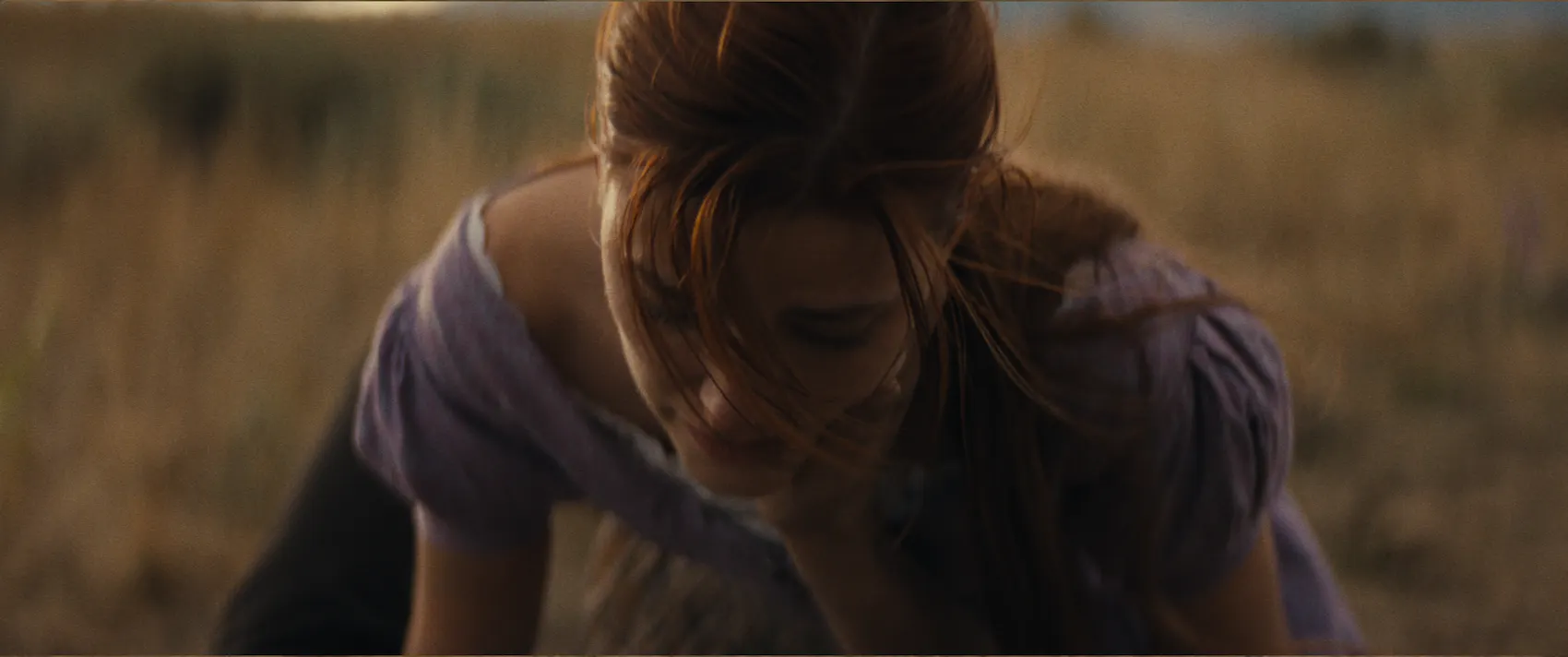
In 1880 Montana, fifty-eight-year-old Charlotte has spent more than thirty years on her homestead, choosing isolation over the noise of town. When the Northern Pacific Railway gives her thirty days to vacate, that fragile safety collapses, and the threat of losing her land forces her to confront the losses that bound her to it in the first place. Last Stand at Butte City uses the scale and mythology of the American West to stage something intimate: a reckoning with grief, identity, and the stories we tell ourselves about holding on.
Natalie Schwan grew up on a ranch and has ridden horses most of her life, and that lived intimacy with the landscape runs through every frame. She wrote Charlotte from a place that understood profound loss, then unexpectedly lost her own home in the Los Angeles fires after the script was finished, an experience that gave the film an entirely new meaning for her.
Key Takeaways
- A Western built around an older female protagonist, whose greatest battle is with herself rather than an outlaw.
- Restraint became the film's engine: nearly every element pulled back in the edit landed harder.
- Envisioned as a proof of concept, the short is the launchpad for a feature version of Charlotte's story.
Schwan spoke with us about grief, restraint, and the resilience that first drew her to the West.
Interview
What drew you to make this film, and why this story, why now?
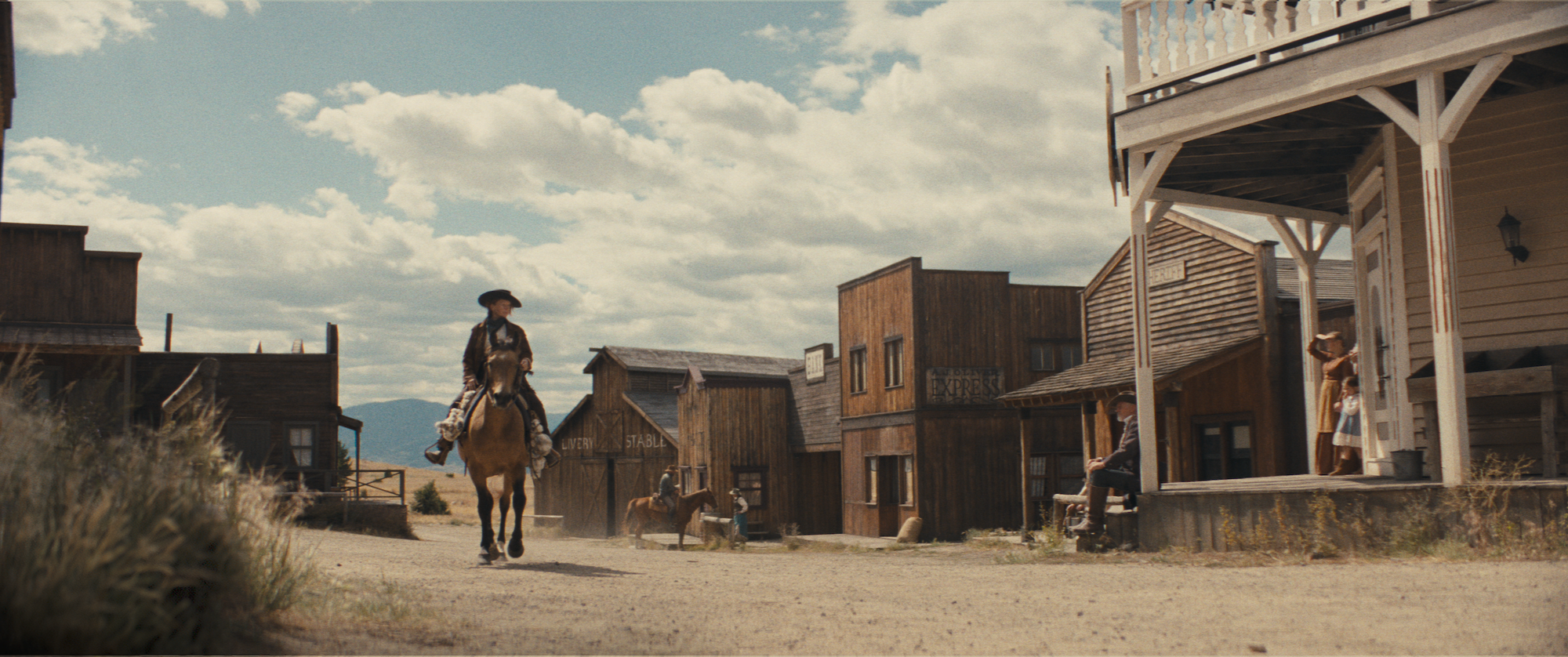
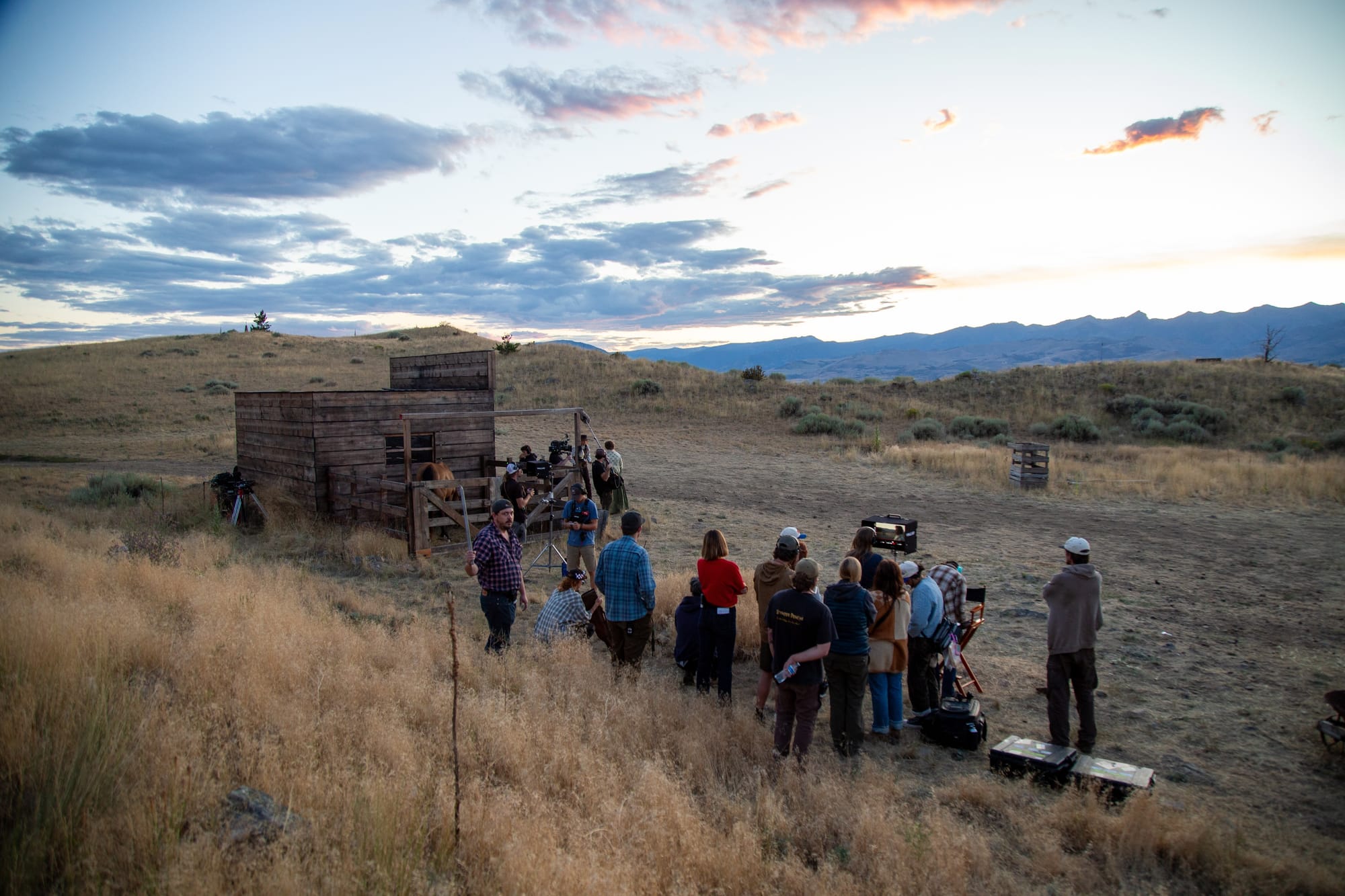
I've always been captivated by stories set in the American West; not because of the gunfights or outlaws, but because of the incredible resilience of the people who chose to build lives in such an unforgiving place. I grew up on a ranch, and there has always been something deeply romantic and inspiring to me about the grit, independence, and quiet strength of the people who call that landscape home.
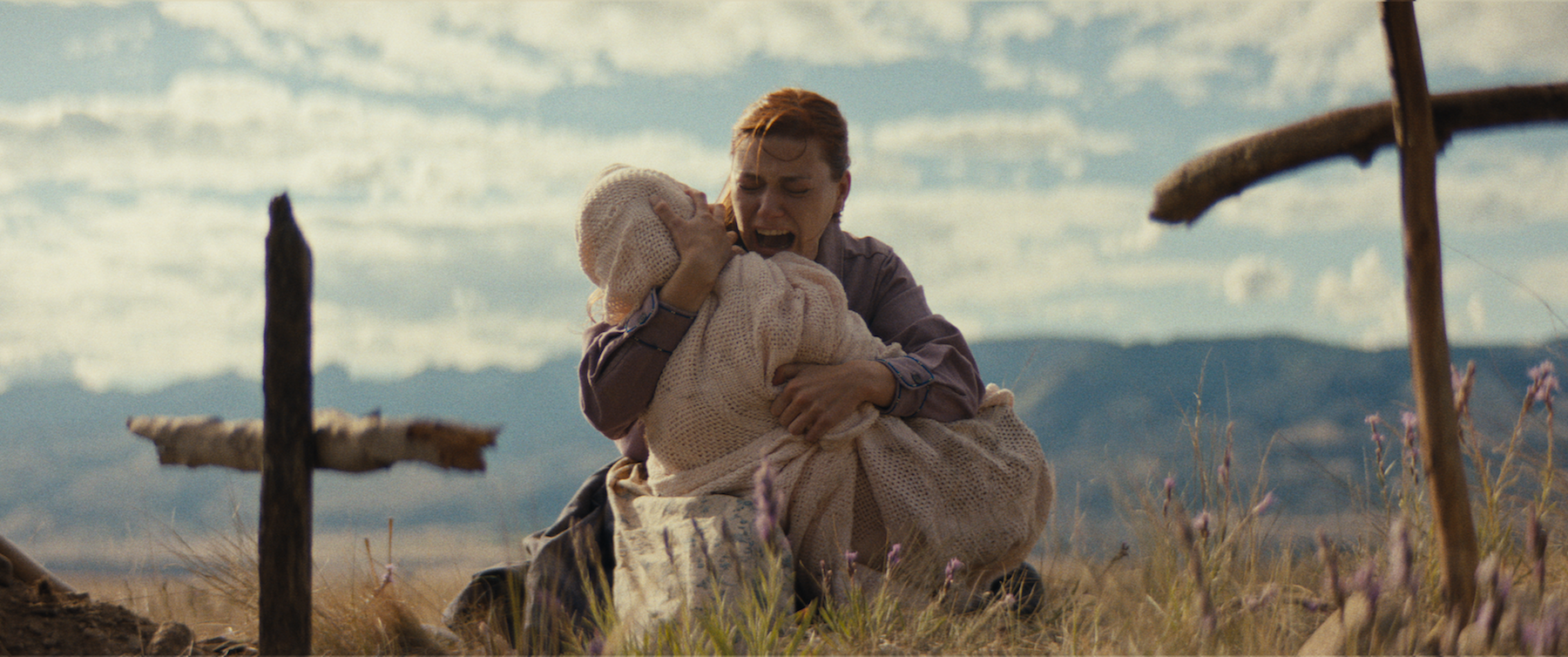
What really drew me to Charlotte was her emotional journey. The railroad and the changing West create the circumstances, but the story has always been about grief, trauma, and the ways we isolate ourselves after profound loss. I think we often convince ourselves that holding onto our pain somehow keeps us connected to the people we've lost, when in reality it can keep us trapped.
After writing the film, I unexpectedly lost my own home in the Los Angeles fires, and Charlotte's story took on an entirely new meaning for me. I suddenly understood in a much deeper way that a home isn't just a structure, it's what grounds us: where our memories live, where our identity takes shape, and why being forced to leave can feel like losing a massive part of yourself. I love telling stories where the external conflict forces a deeply internal journey, and that's exactly what this film became.
What surprised you most about the filmmaking process?
Honestly, how much restraint made the film stronger. As filmmakers we're constantly tempted to explain everything, but almost every time we pulled something back in the edit, the emotional impact was stronger. It reminded me to trust the audience more. Watching Kerry O'Malley and Jamie Lynn Richards bring Charlotte to life was also incredibly moving. They approached the character with so much empathy that they revealed things about her I hadn't even realized while writing. That's one of my favorite parts of directing: when your collaborators make the story better than you imagined.
What moment in the film feels most like you, or like something only you could have made?
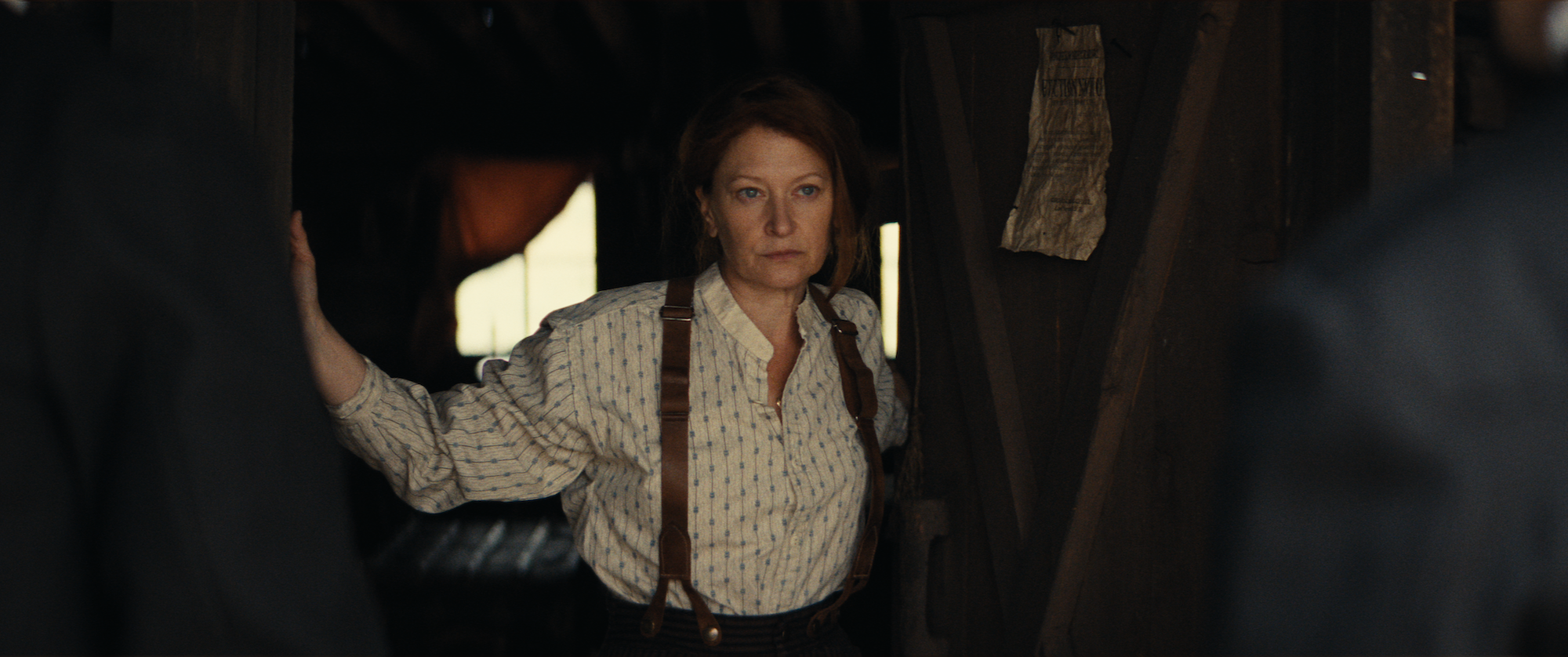
Charlotte is probably the most emotionally personal character I've ever written. While our lives are very different, I wrote her from a place that understood profound loss, trauma, and what it feels like to rebuild yourself afterward. I know what it's like to have an experience completely reshape your sense of home, identity, and the future you imagined for yourself, and I think that emotional truth found its way into every scene.
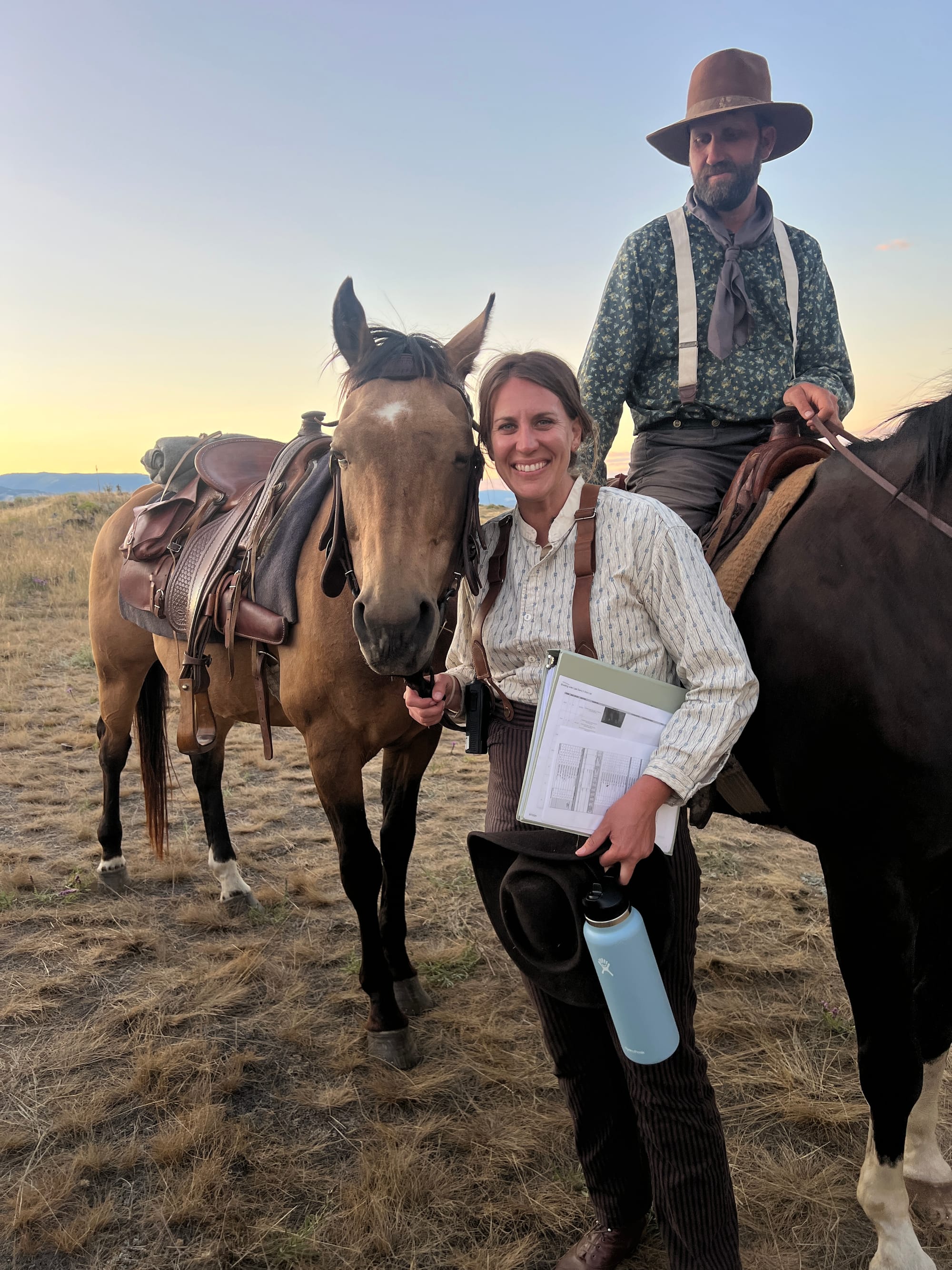
The film also brings together so many things that have shaped me as a filmmaker. I grew up on a ranch and have been riding horses for most of my life, so stepping into the world of the American West felt incredibly personal and natural. I even did all of my own stunt riding in the film. I wanted to tell a Western through the eyes of an older woman whose greatest battle isn't with the outside world, it's with herself. Using an epic historical landscape to explore an intimate emotional journey feels very much like who I am as a filmmaker.
What was the hardest creative decision you made while making the film?
Resisting the urge to over-explain. I wanted audiences to experience Charlotte's emotional journey instead of feeling like they were being told what to think. That meant leaving space for interpretation and trusting that people would connect the dots emotionally. As a storyteller that can feel like a risky choice, because you always wonder if you've been too subtle. But I think audiences are incredibly perceptive, and I'm always more interested in asking questions than providing every answer.
What do you hope audiences take away from this film?
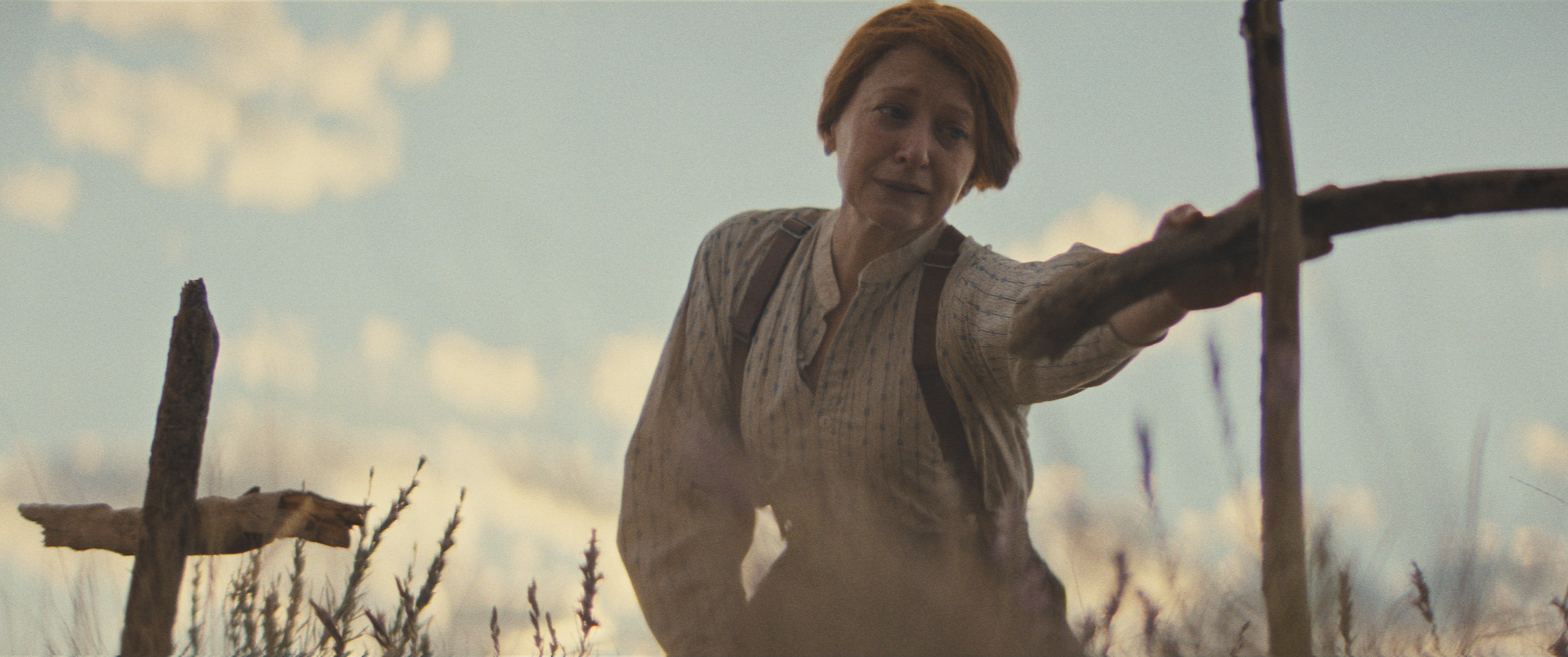
More than anything, I hope people leave thinking about the things they hold onto and finding the strength to start over, even when it feels impossible. We've all experienced loss in some form, and I think grief has a way of convincing us that moving forward somehow means leaving someone behind, sometimes even leaving yourself behind. I don't believe that's the entire truth.
If the film reminds someone that healing and remembering can exist at the same time, then I feel like we've done something meaningful. At the core of all my work is the hope that people feel a little less alone by both finding empathy for a character and feeling seen by them. I believe healing begins when we're willing to let others in, even when connection feels like the most vulnerable thing in the world.
How does your film fit within, or push the boundaries of, its genre?
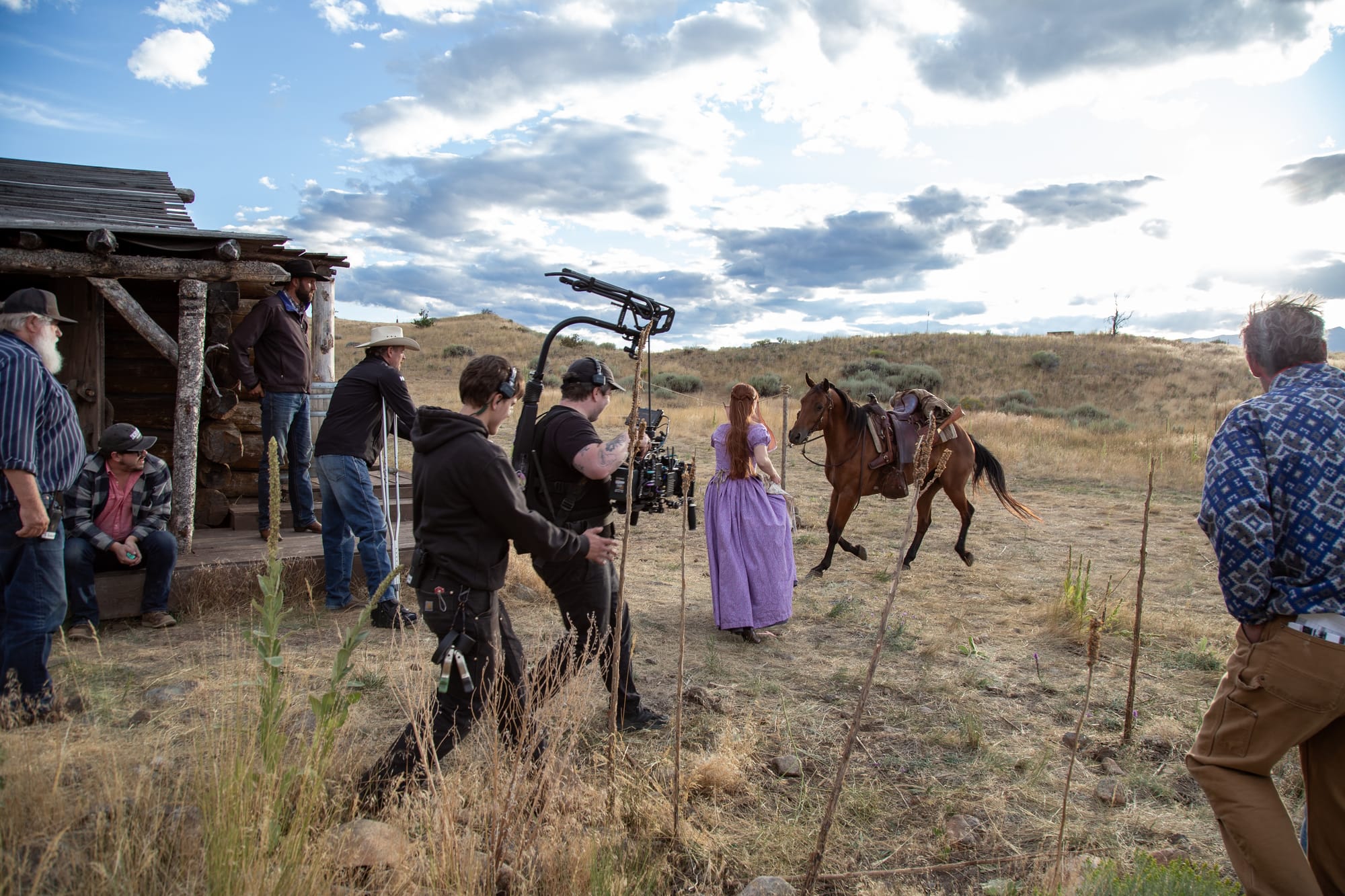
One of the things that excited me most was telling a Western through the eyes of an older female protagonist. We don't often see women of that age carrying stories like this, especially in the Western genre, and Kerry O'Malley brought such incredible strength and vulnerability to Charlotte. Westerns traditionally center on younger male heroes and external conflict. I was excited to tell a quieter, deeply emotional Western through a unique character's perspective. Charlotte's greatest battle isn't with an outlaw, it's with grief, identity, and learning to let go. I love the scale and mythology of the American West, but I'm always interested in using those epic worlds to tell deeply personal stories.
What does it mean to have your film selected for HollyShorts, and where does it go next?
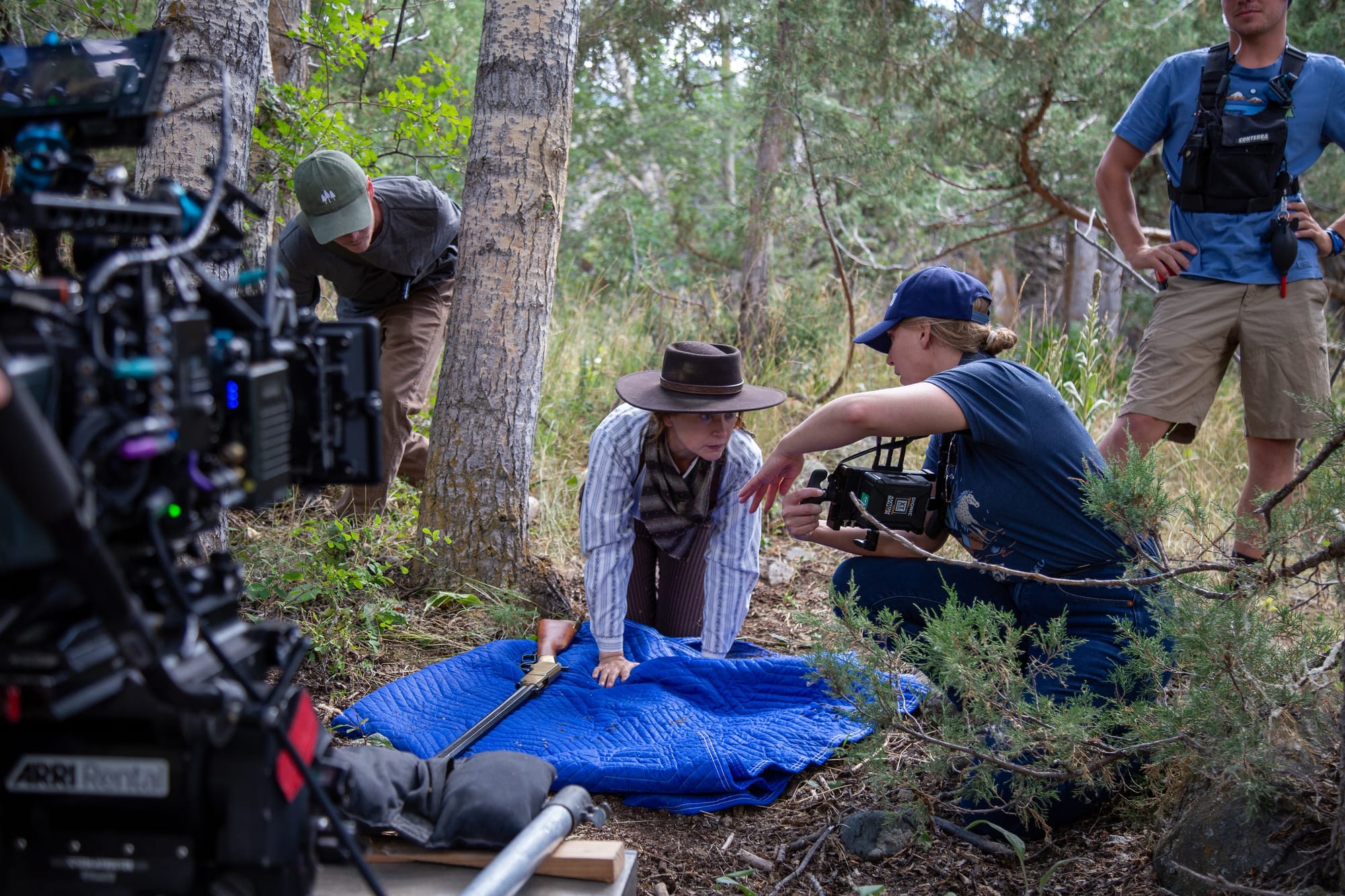
It's incredibly surreal and such an honor. When you look at the filmmakers HollyShorts has championed over the years, and the company we're keeping this year, it's truly humbling. Independent filmmaking asks so much of everyone involved, so it's incredibly rewarding to see the work recognized by a festival with such a strong reputation for celebrating emerging voices. We're excited to continue its festival journey while developing Last Stand at Butte City as a feature. The short was always envisioned as a proof of concept, and there are so many more layers to Charlotte's story that we can't wait to explore. My hope is that this is just the beginning of her journey.
Main Cast & Crew
- Director / Writer / Producer — Natalie Schwan , Velocity Films
- Producer / Executive Producer — Susie Talbot
- Executive Producer — Lila Claghorn
- Director of Photography — Kyle Deitz
- Editor — Oriana Soddu
- Composer — Clark Rhee
- Costume Designer — Sarah Cogan
- Production Designer — Julia Sparr
- Charlotte — Kerry O'Malley
- Young Charlotte — Jamie Lynn Richards
- Production Companies — Velocity Films, in association with Puff Piece Productions
Filmmaker Opportunities
💛 Fund your next project with fiscal sponsorship
Have a project in the works? As a 501(c)(3) nonprofit, the Cinematography for Actors Institute can accept tax-deductible donations on your film's behalf — a door-opener for grants, foundations, and supporters who want to back your work. We've serviced over 100 projects to date and helped route over $800,000 in funding to filmmakers. Explore fiscal sponsorship →
📬 Grant deadlines and festival opportunities, straight to your inbox
The CFA newsletter rounds up grants, festival calls, and community news for independent filmmakers — the kind of opportunities that are easy to miss and painful to miss. Join the newsletter →
🎬 Focus on the creative — we'll help with the logistics
Production Management, CFA's newest member program, launches this November: production insurance and workers' comp, payroll, film permits, gear rental coordination, SAG-AFTRA compliance, contract drafting, production consulting, and crew recommendations — handled by a team of working filmmakers, à la carte or all in, in partnership with Creative Access Group. It's waitlist-only until launch. Join the waitlist →
League of Filmmakers is published by our parent organization, the Cinematography for Actors Institute — a 501(c)(3) dedicated to education, community, and capital for underrepresented filmmakers and actors. Learn more about CFA →