Table of Contents
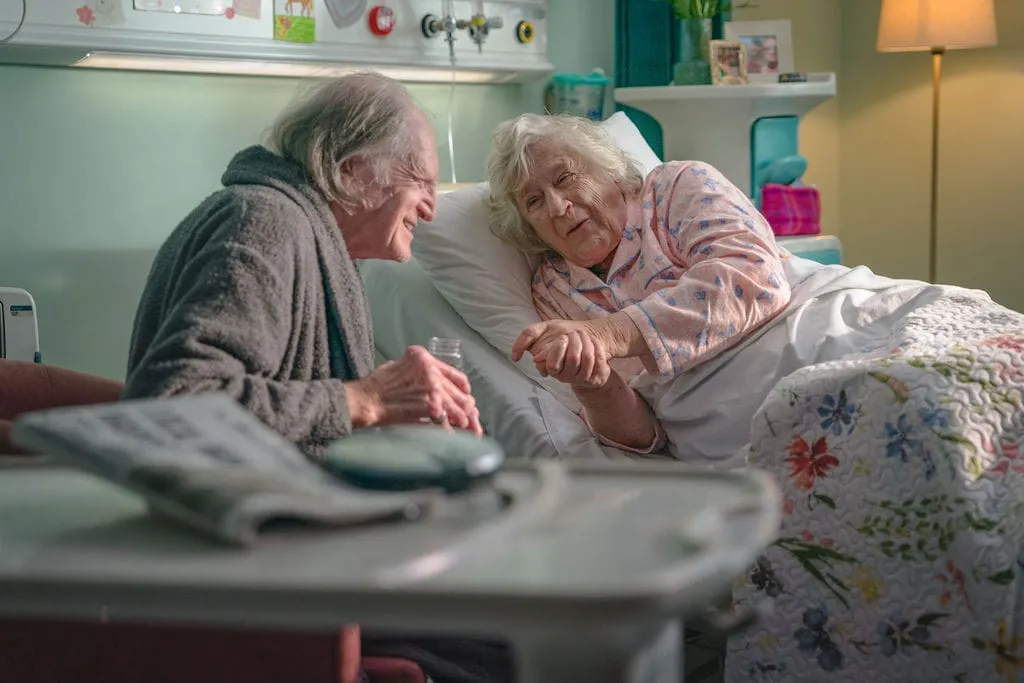
Bill is in end-of-life care, waiting for what he hopes is the sweet release of death. Unfortunately for him, he's stuck in an infinite time loop that restarts the day the moment his heart stops. From that audacious premise, Kat Butterfield and Daniel Audritt build Life Goes On, a dark comedy about cherishing the time you have left and saying the things you're too scared to say to the people who matter.
The debut short from the Audacious Productions duo — writers behind Comedy Central's Modern Horror Stories and a decade of work with Comic Relief — arrives at HollyShorts already carrying a Grand Jury Prize for Best International Short Film from the Oscar-qualifying Dallas International Film Festival. Starring BAFTA winner David Bradley and Emmy nominee Matt Berry, it's a film that makes people laugh and, to its makers' surprise, cry.
Key Takeaways
- A comedy-writing team drew on real hospice experience to make a life-affirming film about death and the conversations we avoid.
- The time-loop is inverted: their 83-year-old protagonist wants to escape into death, not back into life.
- Made in 3.5 days and 160 slates, the film shows both the power and the limits of indie scrappiness.
Butterfield spoke with us about hospice work, northern English pride, and why letting an editor in changed everything.
Interview
What drew you to make this film, and why this story, why now?
Long before I was a filmmaker, I used to work in the fundraising and marketing team at an end-of-life care hospice in Lancashire, UK, and my experiences there, combined with recent family illnesses and bereavements, led me to want to talk about death, family and the things we don't say to each other. Combining an infinite time loop device with a hospice patient who couldn't die felt really audacious and original to us. End of life is a taboo subject that most people wouldn't touch with a bargepole, especially in a comedic way, and we felt like the ones who could do it.
What surprised you most about the filmmaking process, creatively or logistically?
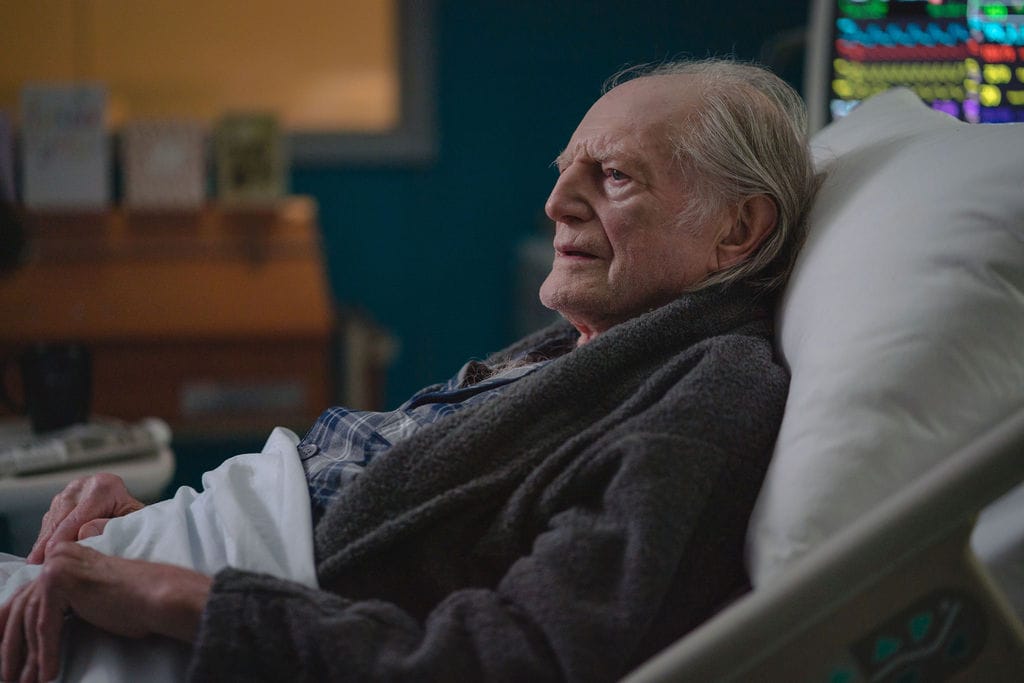
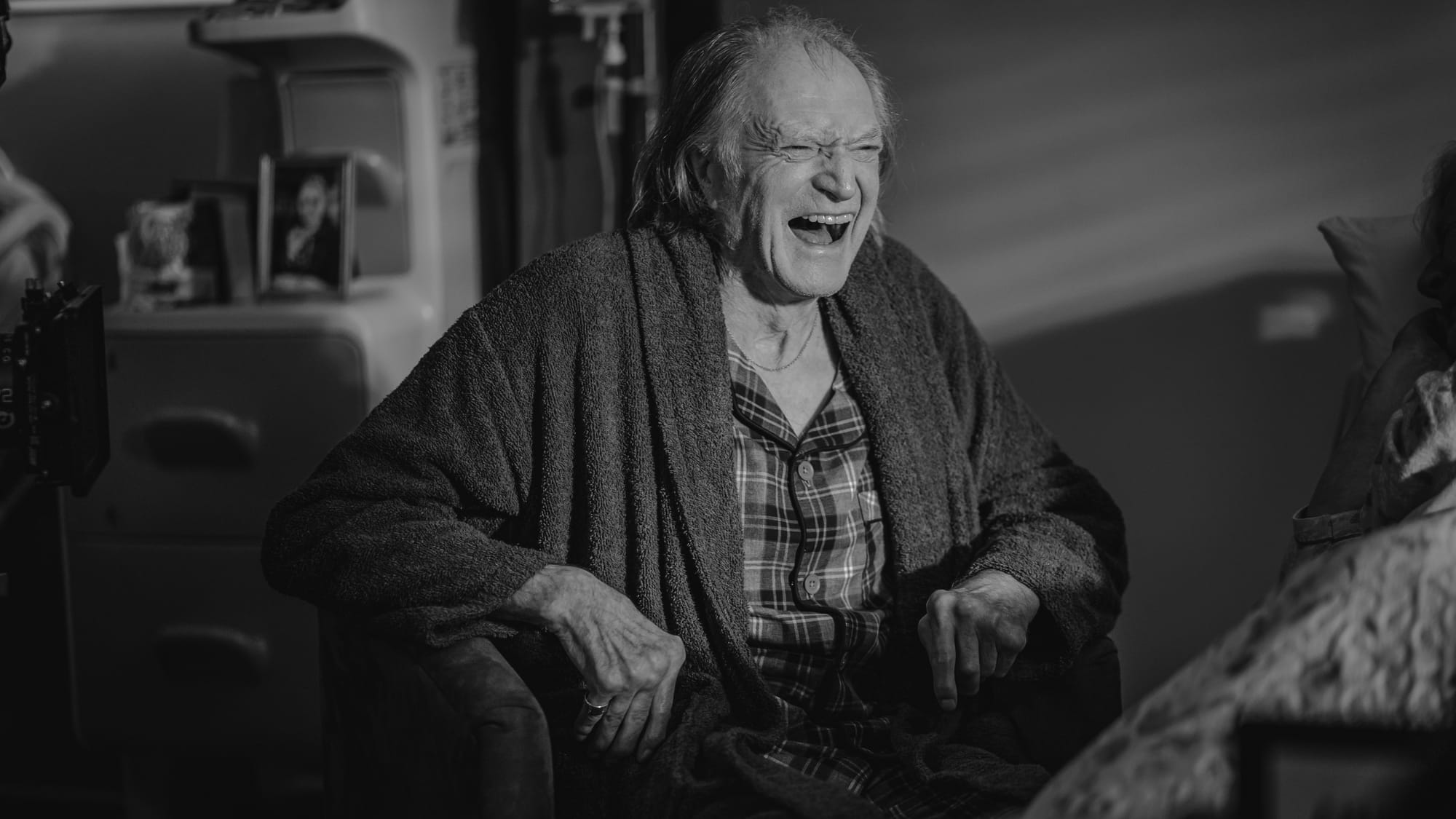
As writer/producer/directors, we often work as a one-stop shop and take on all the roles, including editing, which Dan often does. Working with an editor on this — Hettie Griffiths — was such a rewarding experience because it allowed a third perspective to help us ensure our heart and humour tone was perfectly balanced. We spent a long time agonizing over how long to hold on a look of vulnerability from David, for example, and on how long to spend with the more outwardly comedic moments so that they didn't outbalance the rest. We'd be editing and we'd find performance choices David Bradley made, subtle looks he'd done, that gave us so much more than was on the page. These decisions we made with our editor definitely impacted how we saw the story as it helped us really painstakingly find the tone we wanted to achieve.
What moment in the film feels most like you, or like something only you could have made?
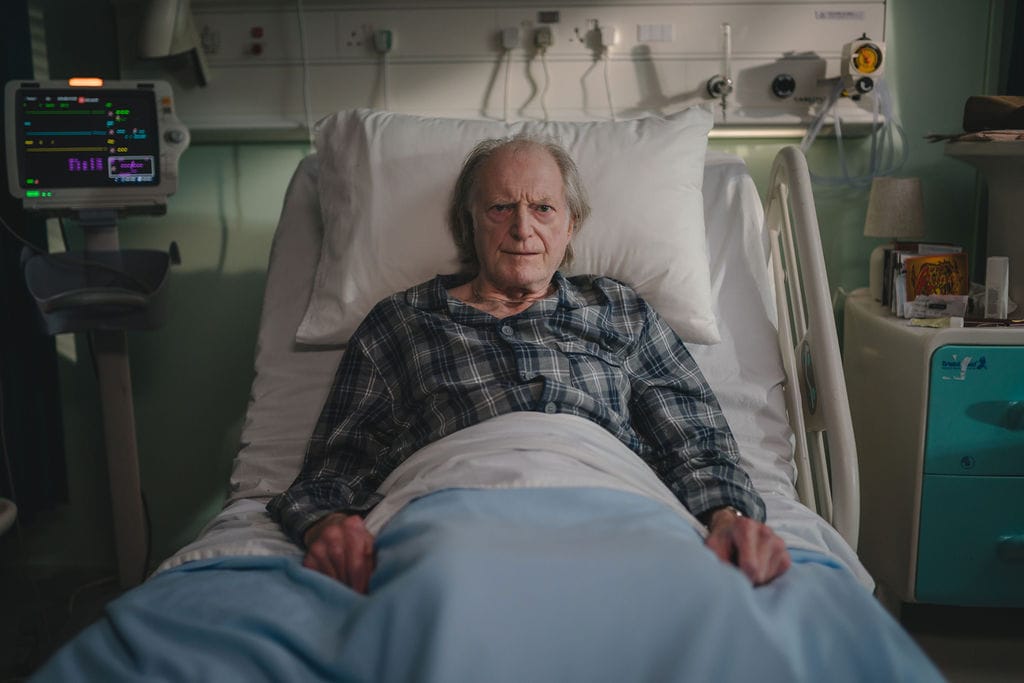
The film feels so oddly specific to my experiences that it amazes me how many people around the world are relating it to their own family members, no matter where they're from. To pinpoint just one thing, it has to be the dialogue. David speaks in a distinctly northern English vernacular, drawn from my experiences of living in a small working-class town and noticing various older family members being extremely proud to ask for help or admit vulnerability, even when dying.
What was the hardest creative decision you made while making the film?
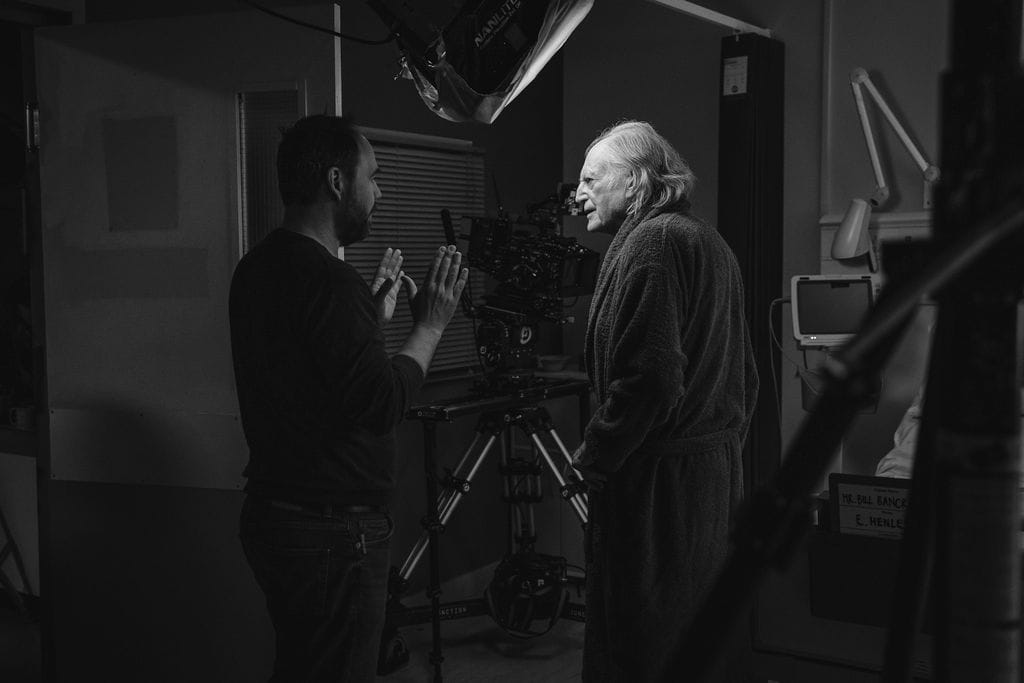
We stupidly thought we could film the whole thing in three days, not realising how much of a continuity nightmare a time loop presents, especially when you have big plans for ambitious trick shots and a desire to have every repetition of each day be shot differently. So realising we weren't going to get it all in time, and deciding to add another shoot day, were the most stressful moments we had on set.
How does your film fit within, or push the boundaries of, its genre?
We wanted to make a time-loop film, but not as you'd expect. It's about a man with very little time left, who wants to die and can't. Usually in the time-loop genre, the protagonist needs to escape the situation so they can continue living their life. In ours, a terminally ill 83-year-old has been granted a weird gift and curse — more time on earth — so it's all about appreciating the time he has left, rather than learning how to be a better person for the future. The ultimate outcome we want for him as a viewer is a restful death, for him to finally be free.
What tool, technique, or collaborator helped most during production?
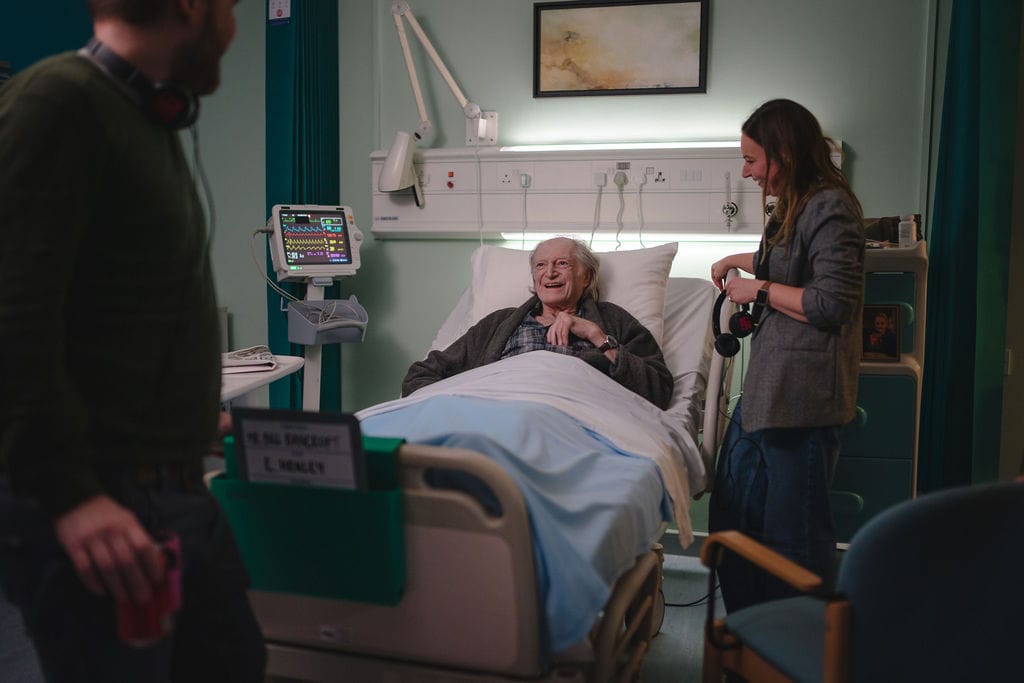
Our relationship with our incredibly talented cinematographer, Hamish Anderson, is absolutely key for us, especially on this short. We've worked with him for the past ten years, having met making sketches at Comic Relief. The shorthand we have on set allows us to work very, very quickly — we got through about 160 slates on this film across 3.5 days of shooting time.
What is the greatest strength of independent filmmaking, and what would you share with others?
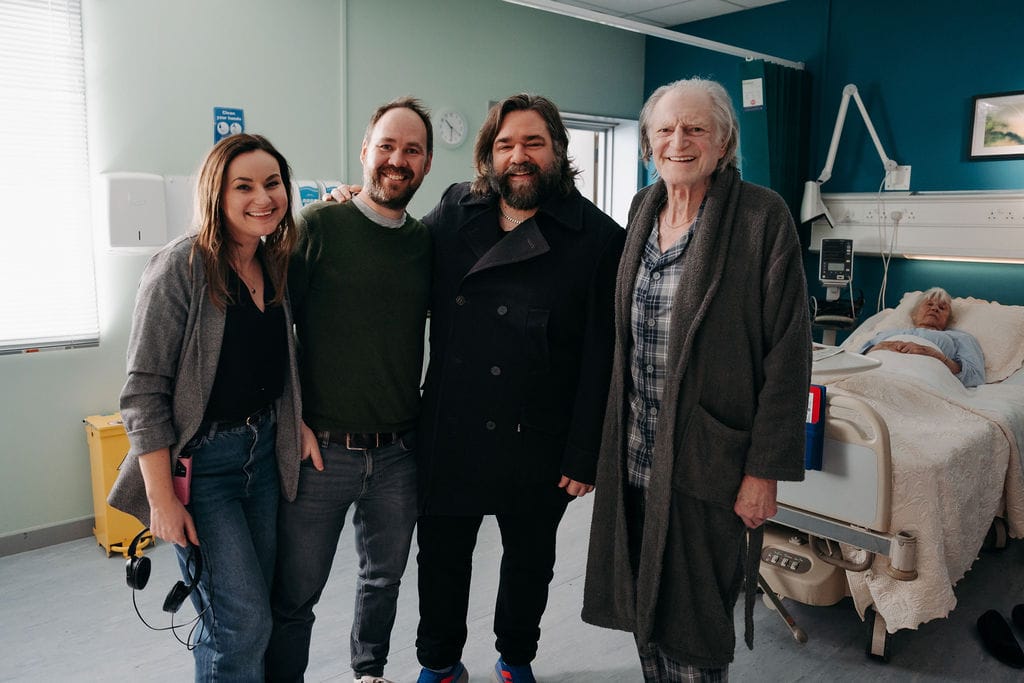
The greatest strength of indie filmmaking is that you can make a film purely with your own passion and determination, not much money and very few professional contacts. It's this scrappiness that makes indie film so special — you can make something from nothing — but it's also a weakness if you do too much of it yourself. We were the writers, directors and producers, with no co-producer, line producer or even assistant producer, so a lot of my pre-production time was taken up by tasks like budgeting, insurance, contracting and taxi booking. Doing it all yourself works up to a point, but then there comes a point where you really need to let others help you, and to staff your short properly, otherwise you're putting the project in danger.
What does it mean to have your film selected for HollyShorts?
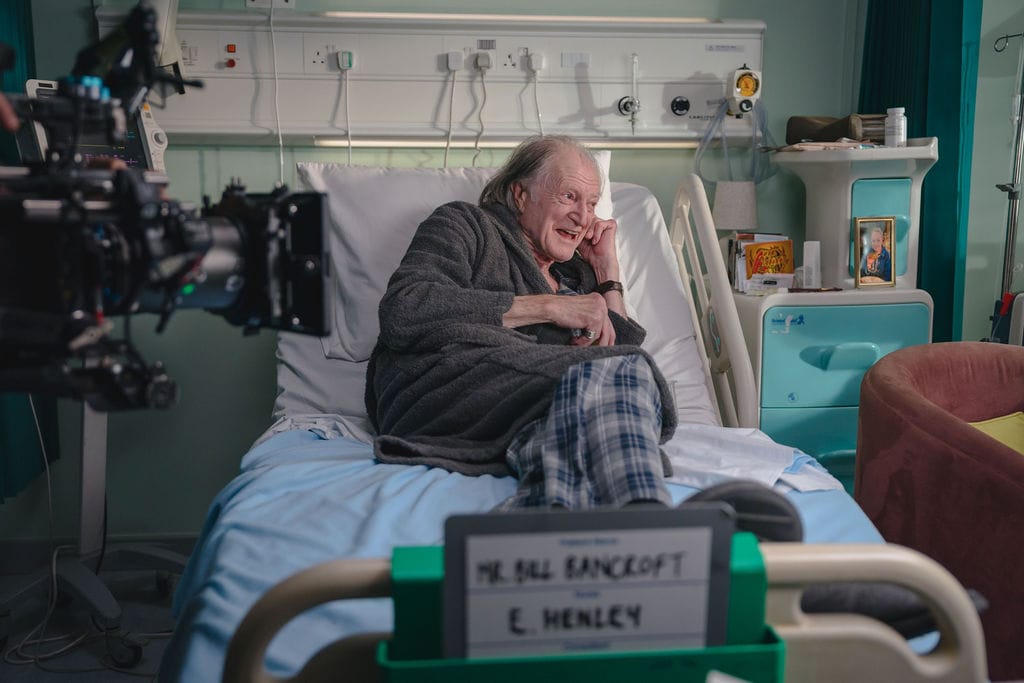
It means the world to us to have our scrappy little British film selected by HollyShorts — it's almost hard to believe it'll be played at the Chinese Theatre in LA. What the HollyShorts team has created is an incredible and exciting community of short film lovers. We can't wait to fly over from the UK to attend in person, seeing as many fellow films as we can, supporting other filmmakers and meeting as many people as possible while we're over there.
Main Cast & Crew
- Written, Directed & Produced by Daniel Audritt & Kat Butterfield
- Key Cast: David Bradley, Maggie Steed, Laura Checkley, Matt Berry
- Full Cast: David Bradley, Maggie Steed, Laura Checkley, Matt Berry, Amanda Root, Mark Davison, Jayne Aguire, Paul G Raymond, Joe Da Costa, Brona C Titley, Ninette Finch
- Director of Photography: Hamish Anderson
- Editor: Hettie Griffiths
- Composer: Jeremy Velez
- Production Design: Sophie Swinton
- Hair & Make-up: Branka Vorkapic
- Costume: Patrick Jack Whelan
Filmmaker Opportunities
💛 Fund your next project with fiscal sponsorship
Have a project in the works? As a 501(c)(3) nonprofit, the Cinematography for Actors Institute can accept tax-deductible donations on your film's behalf — a door-opener for grants, foundations, and supporters who want to back your work. We've serviced over 100 projects to date and helped route over $800,000 in funding to filmmakers. Explore fiscal sponsorship →
📬 Grant deadlines and festival opportunities, straight to your inbox
The CFA newsletter rounds up grants, festival calls, and community news for independent filmmakers — the kind of opportunities that are easy to miss and painful to miss. Join the newsletter →
🎬 Focus on the creative — we'll help with the logistics
Production Management, CFA's newest member program, launches this November: production insurance and workers' comp, payroll, film permits, gear rental coordination, SAG-AFTRA compliance, contract drafting, production consulting, and crew recommendations — handled by a team of working filmmakers, à la carte or all in, in partnership with Creative Access Group. It's waitlist-only until launch. Join the waitlist →
League of Filmmakers is published by our parent organization, the Cinematography for Actors Institute — a 501(c)(3) dedicated to education, community, and capital for underrepresented filmmakers and actors. Learn more about CFA →