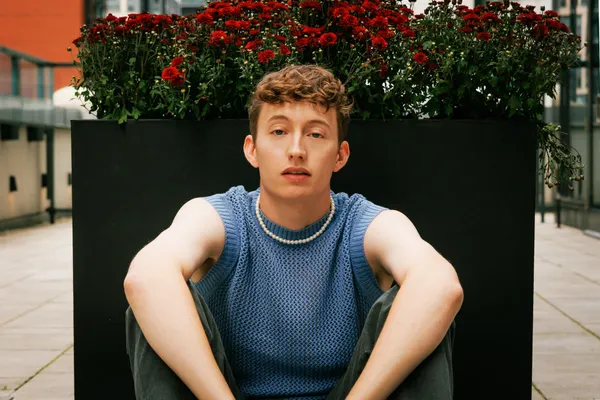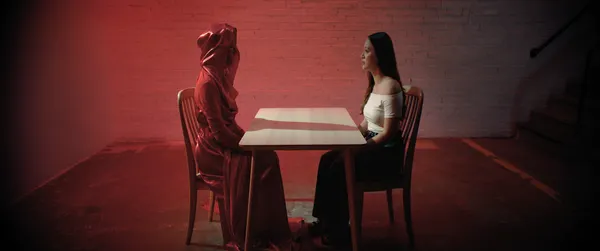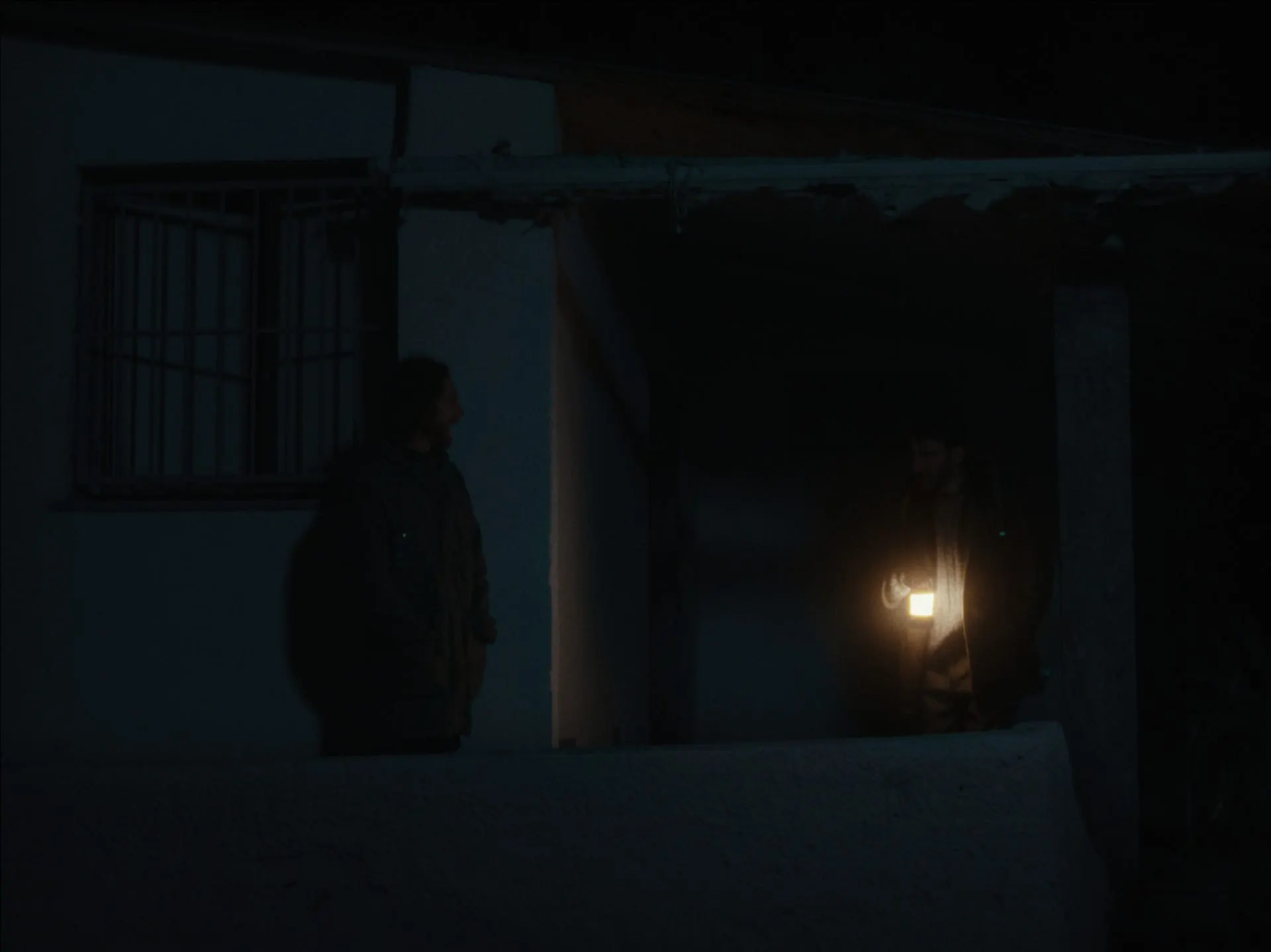
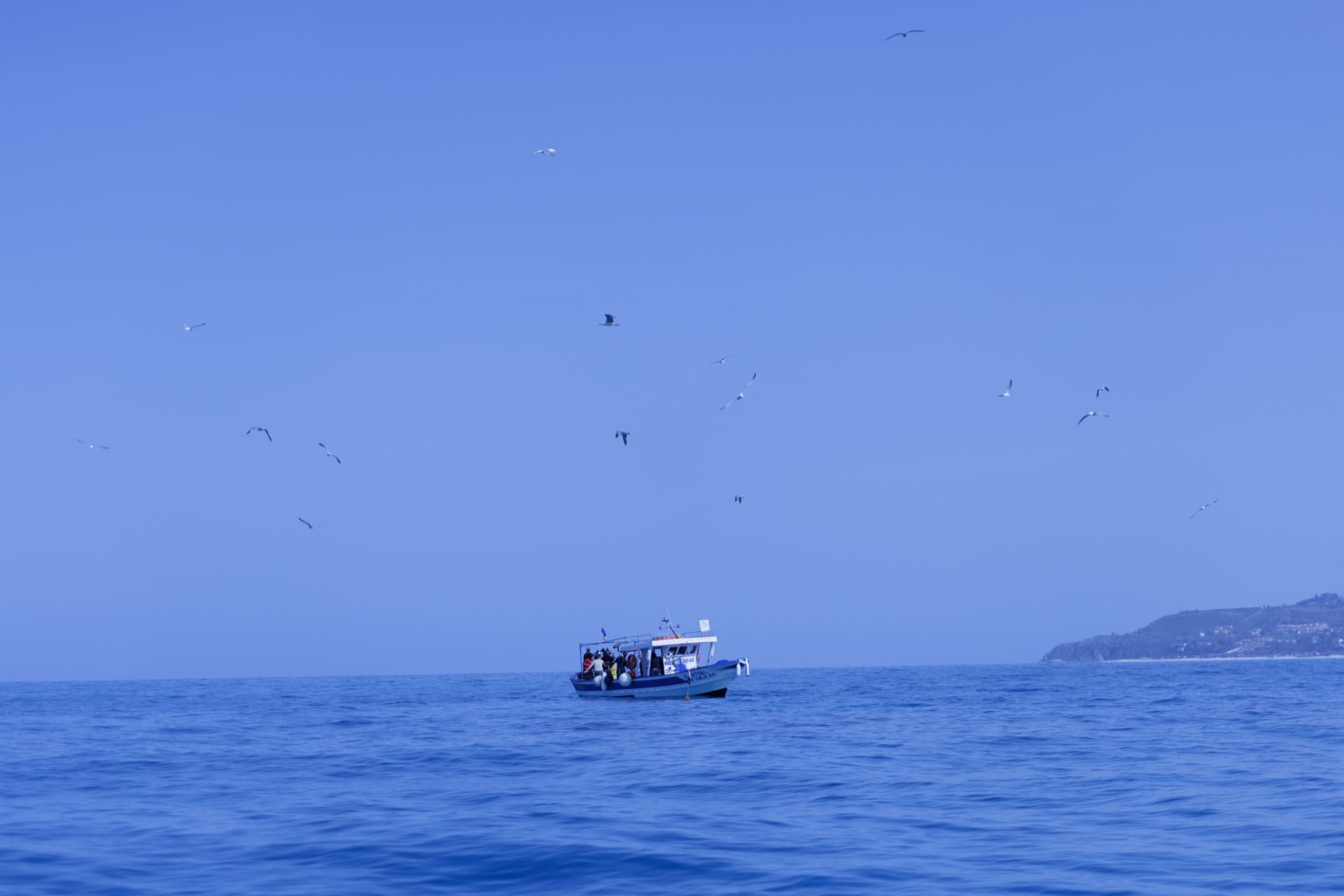
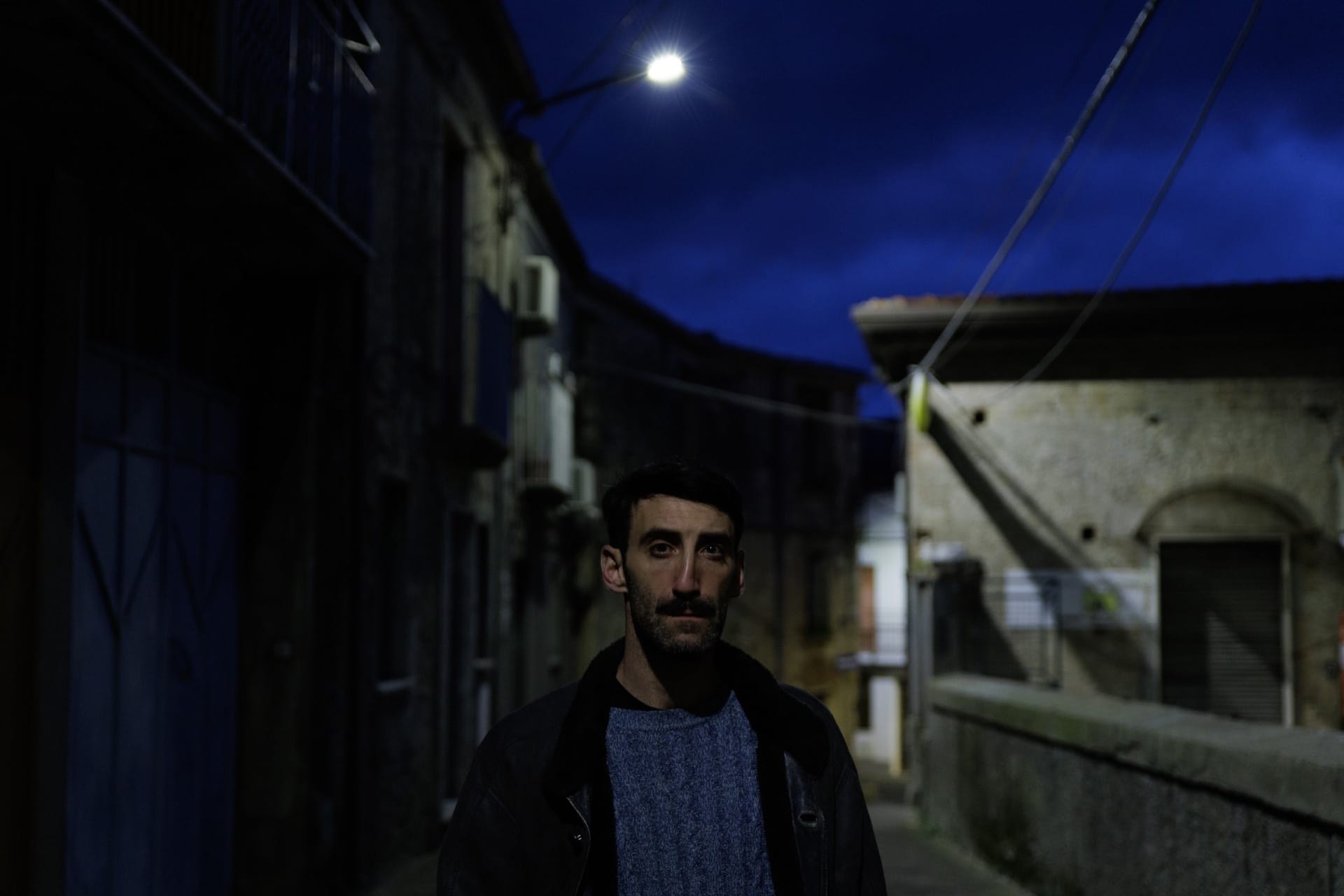
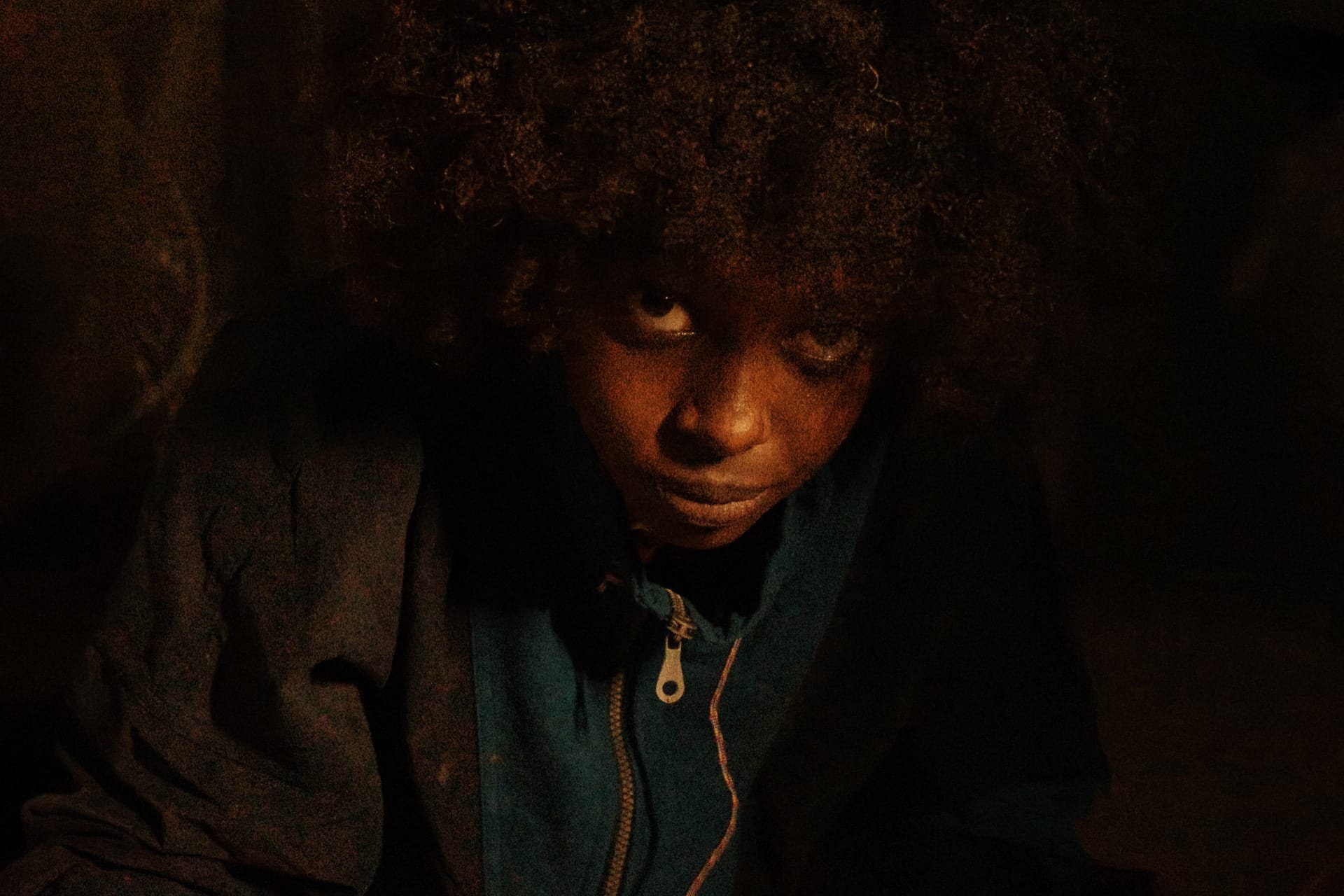
Peppe is a fisherman condemned from birth to a hard, repetitive life at sea, a man who never really had a choice about what to be. When he finds a mermaid and hides her in an abandoned building, certain his destiny has finally changed, Lighèia opens the fracture between reality and imagination inside a man who wants to escape his own life and cannot do it physically. Director Nicolò Ferrara, working from a story he wrote with Arturo Caciotti, treats the mermaid not as magic but as symptom, and never tells you which world you are standing in.
Shot entirely in Calabria by a small crew that drove south in a nine-seat van, Lighèia is the kind of film that exists because a handful of people decided it should. It takes the shape of a fairy tale and then refuses every comfort a fairy tale is supposed to offer.
Key Takeaways
- A dark fable about a fisherman who hides a mermaid, built on an ambiguity the film deliberately never resolves.
- Made "punk," on the road through Calabria, with local people opening the hardest locations to a crew from elsewhere.
- A pointed argument that fairy-tale roles — prince charming, the damsel to be saved — can distort a real life.
Ferrara spoke about the crack at the center of his film, the decision not to explain, and the tape and sweat that got it made.
Interview
What drew you to make this film, and why this story, why now?
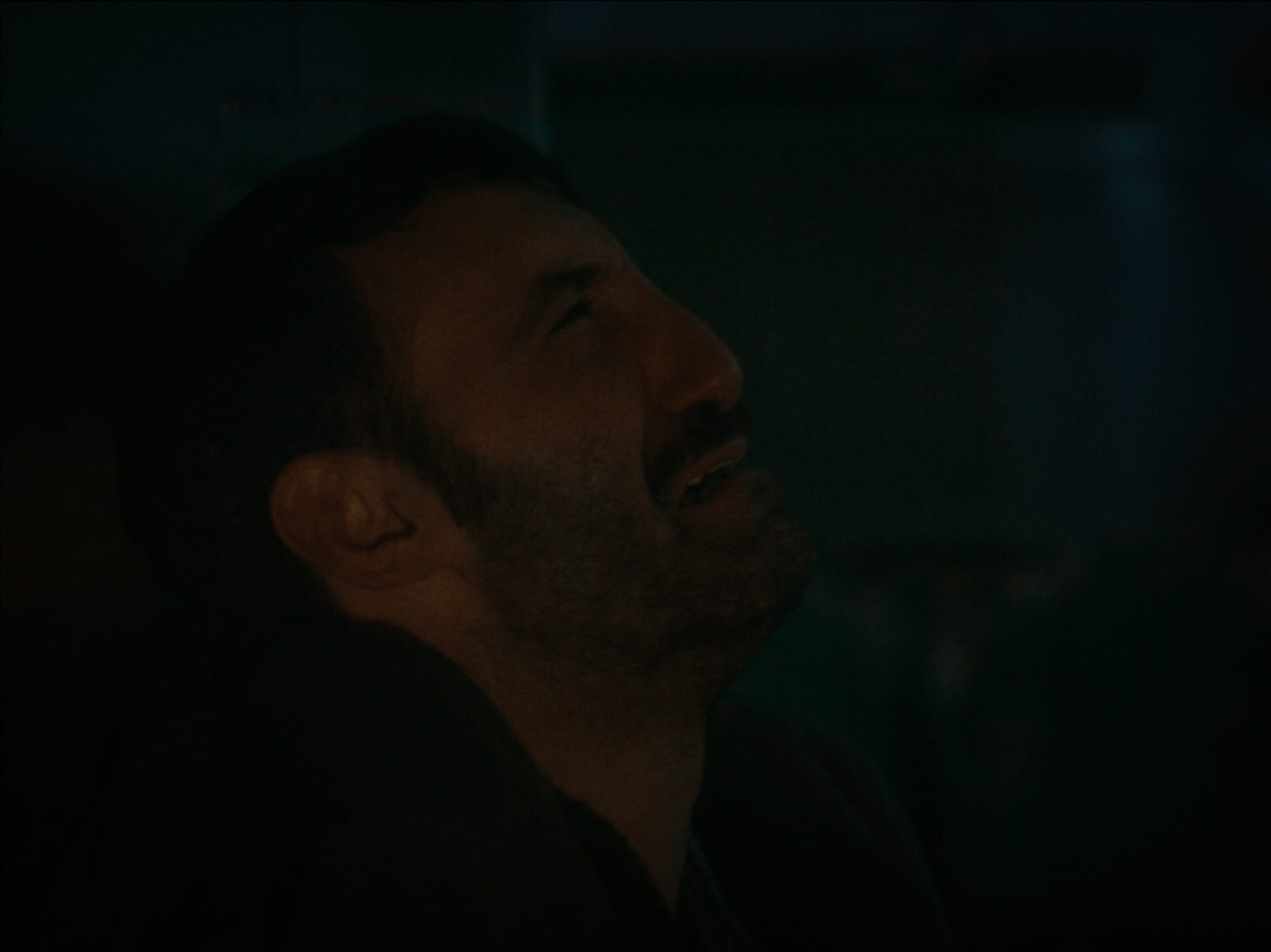
There is a line from Shirley Jackson at the opening of The Haunting of Hill House that says no live organism can continue for long to exist sanely under conditions of absolute reality. No sentence describes this film better. Peppe is a fisherman who was condemned from birth to a hard, repetitive life at sea and never really had a choice about what to be. What drew me in was the idea that a man like that can find hope in a sea fairy tale, and what happens when he carries that fairy tale into the real world.
What surprised you most about the filmmaking process, creatively or logistically?
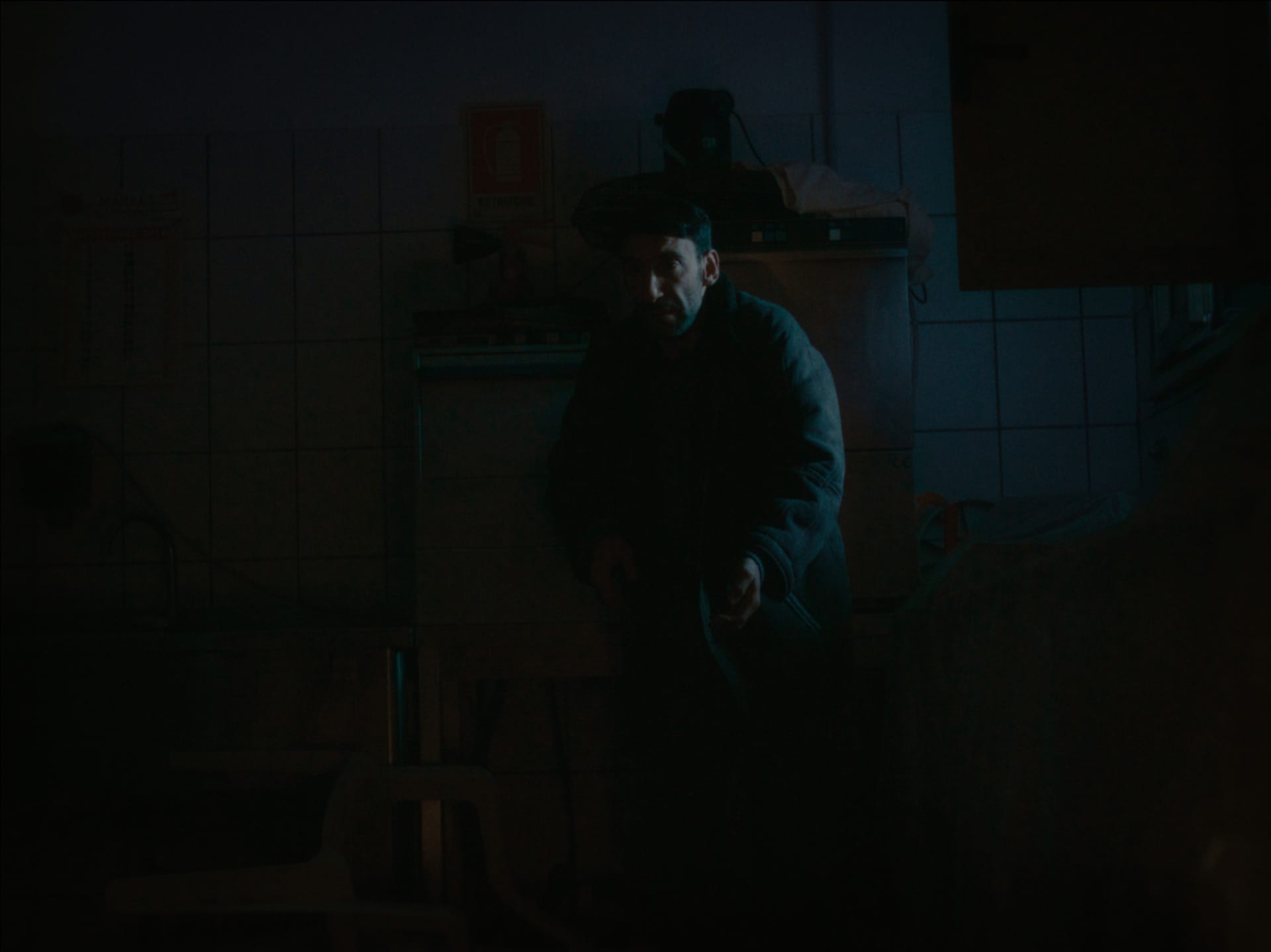
Logistically, how much a place gives you when you have almost nothing else. This film had a long history and several false starts before it happened. It was a very punk set, shot entirely in Calabria, with a crew that travelled almost entirely on the road in a nine-seat van from Padova, Ferrara and Roma down to Tropea. Many local people stepped in to help us with the most difficult locations and to move around in an environment most of us did not belong to. That was the surprise: the film was made by a small group of people who wanted to give life to something bigger than the means available.
What moment in the film feels most like you, or like something only you could have made?
Every moment where the film refuses to tell you which of the two worlds you are in. Acting, cinematography and sound all work to accompany the viewer between Peppe's imagination and the hard reality around him, and the direction deliberately never points at where the truth lies. That choice, to make the direction invisible and give the scene over to the emotion of the moment, is the thing I would defend as mine.
What was the hardest creative decision you made while making the film?
Not explaining. It would have been easy, and in some ways safer, to let the audience know what is real and what Peppe is imagining. We decided the film should not settle it, and that meant trusting the performances and the sound to carry an ambiguity that a single explanatory shot would have destroyed.
What do you hope audiences take away from this film?
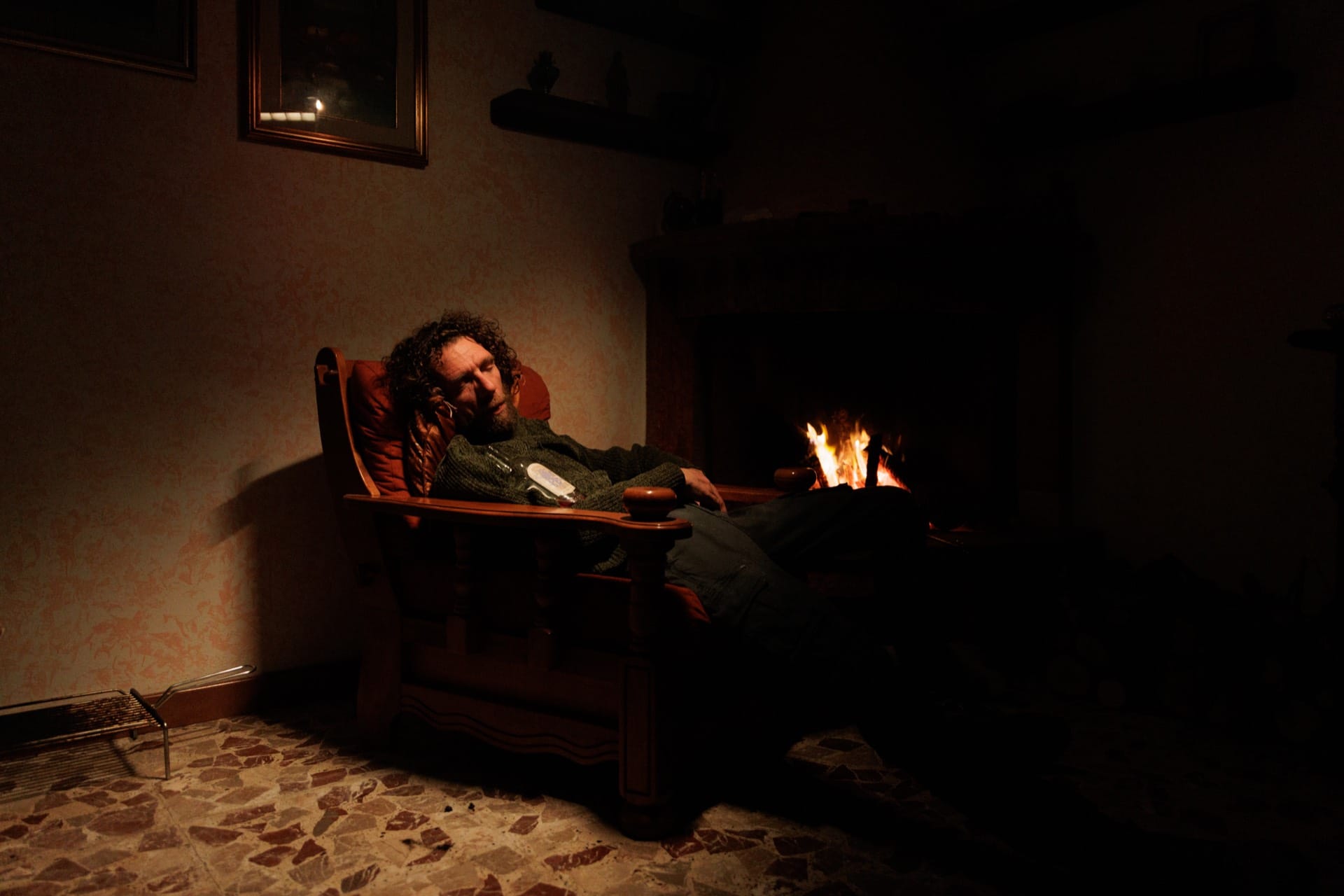
That a fairy tale is not harmless. Prince charming and the damsel to be saved are roles rooted deep in our culture, and bringing them into real life can produce serious distortions. I would like people to leave thinking about what Peppe needed so badly that he was willing to believe it.
What tool, technique, resource, or mindset shift helped most during production?
Being honest about the budget from the start. Knowing exactly what we did not have, we built the film on the actors' performances and kept the technical setup at the service of the emotion of each scene, without giving up on how the film looks. The other decisive resource was the people of the places we shot in, who opened the hardest locations to us and helped a crew that mostly came from elsewhere move through a territory it did not know. There is an Italian saying that cinema is made with tape and sweat, and this production is exactly that. The strength of independent filmmaking is that nobody can tell you the film is not worth making. The limit is that everything rests on those same few people, and their time and energy are finite.
What does it mean to have your film selected for Not Film Fest, and where does it go next?
It means the film found a place that programmes work on its own terms rather than asking it to be clearer than it wants to be. For a film built on an ambiguity we refused to resolve, that is the right room to be shown in. From here we are going further into the festival circuit in Italy and abroad, with the help of PunxFilm, who are handling distribution. It has been travelling steadily since its release and we are now looking at international programmes. This film also pushed me towards characters who never really had a choice about who they are. Peppe is not a man who decides to escape, he is a man who was assigned a life and finds one crack in it. That is the kind of story I want to keep working on — people at the edge of a life they did not choose.
Main Cast & Crew
- Directed by Nicolò Ferrara
- Story by Nicolò Ferrara and Arturo Caciotti
- Screenplay by Arturo Caciotti; dialogue by Arturo Caciotti and Vincenzo Di Rosa
- Cinematography by Graziano Panfili
- Editing by Michele Gallone
- Sound design by Giuseppe Tripodi
- Original music by NAOM (Nazareno Caputo and Omar Cecchi)
- Mermaid voice by Dagmar Bahtmann
- Produced by Nicolò Ferrara and Anna Golinelli for Arbalak, in collaboration with CiaKalabria
- Distributed by PunxFilm
Filmmaker Opportunities
💛 Fund your next project with fiscal sponsorship
Have a project in the works? As a 501(c)(3) nonprofit, the Cinematography for Actors Institute can accept tax-deductible donations on your film's behalf — a door-opener for grants, foundations, and supporters who want to back your work. We've serviced over 100 projects to date and helped route over $800,000 in funding to filmmakers. Explore fiscal sponsorship →
📬 Grant deadlines and festival opportunities, straight to your inbox
The CFA newsletter rounds up grants, festival calls, and community news for independent filmmakers — the kind of opportunities that are easy to miss and painful to miss. Join the newsletter →
🎬 Focus on the creative — we'll help with the logistics
Production Management, CFA's newest member program, launches this November: production insurance and workers' comp, payroll, film permits, gear rental coordination, SAG-AFTRA compliance, contract drafting, production consulting, and crew recommendations — handled by a team of working filmmakers, à la carte or all in, in partnership with Creative Access Group. It's waitlist-only until launch. Join the waitlist →
League of Filmmakers is published by our parent organization, the Cinematography for Actors Institute — a 501(c)(3) dedicated to education, community, and capital for underrepresented filmmakers and actors. Learn more about CFA →