Table of Contents
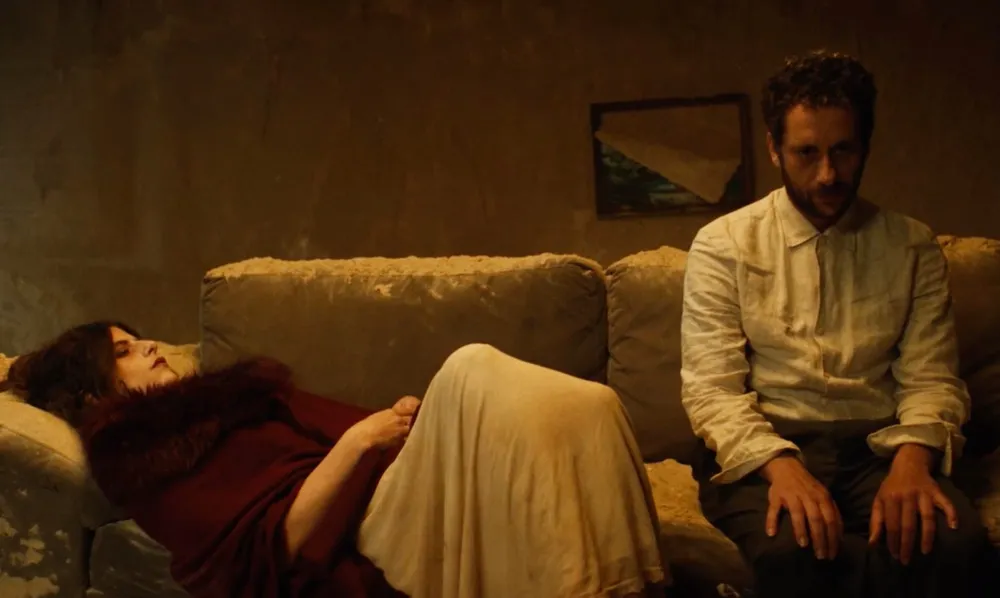
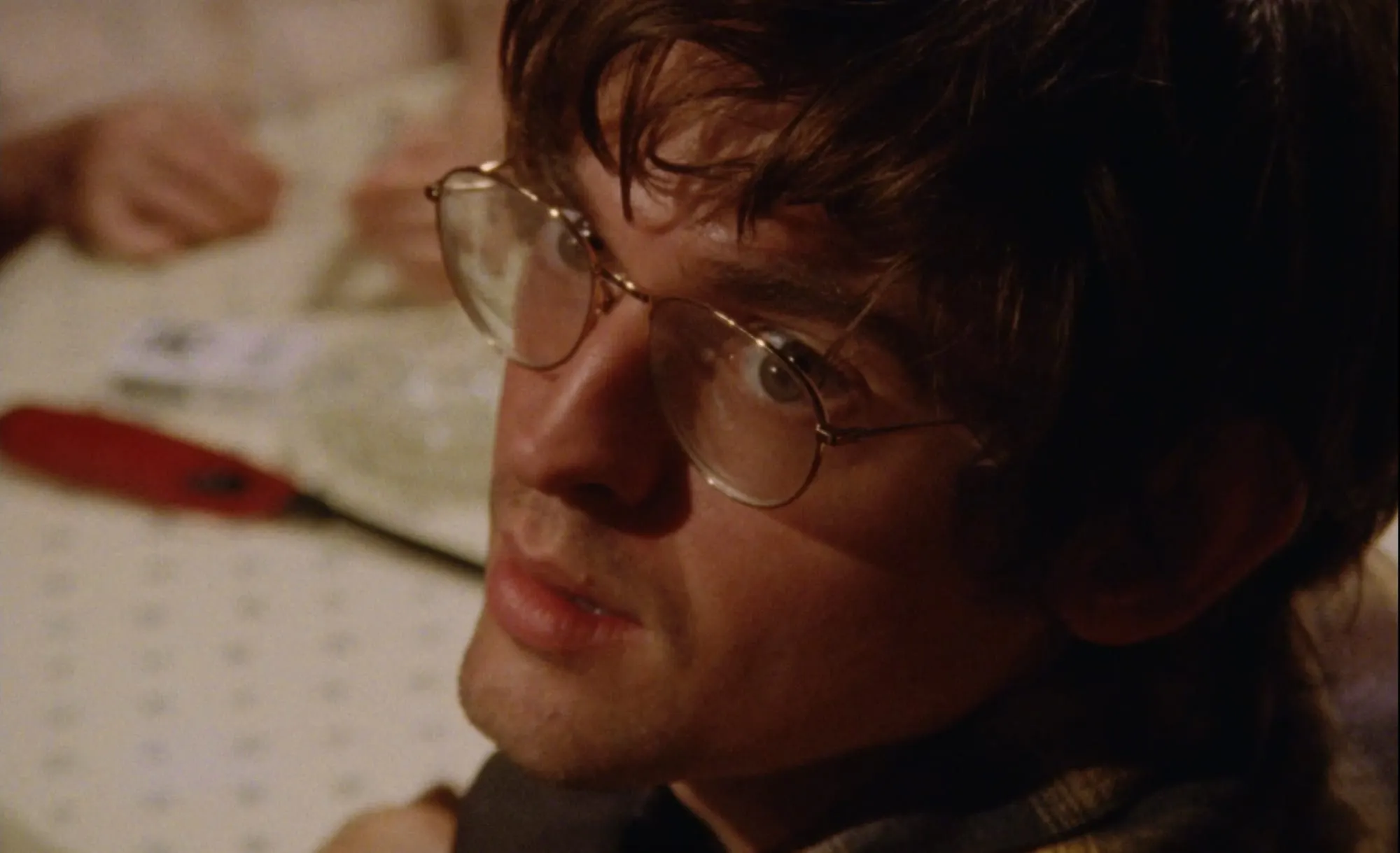
Lydia is a retired Broadway actress in her 90s, living a secluded life in the country while her family quietly makes other plans for her future. When an unexpected visitor interrupts an already-fraught family dinner, what looks like a familiar domestic squabble slips its footing and becomes something far less comfortable. Lightning Bug is Zane Pais's directorial debut, and it arrives with the assurance of someone who was, by his own account, brought up in the theater world it depicts.
Pais is a New York-based actor, writer, and director whose acting credits include Room 104, Modern Love, and Three Women. He wrote Lightning Bug for a specific performer, and the film exists because she said yes. That devotion — to a legend, to a milieu, to character above all — runs through every frame.
Key Takeaways
- A first-time director shot on 16mm for very little money, co-designing the set himself while keeping the energy warm and the pace efficient.
- The film opens as a realist domestic dramedy in the tradition of Mike Nichols and Cassavetes, then veers into something pulpier and more dangerous.
- Its central lesson is disarmingly simple: don't second-guess a 95-year-old who says she can handle something herself.
A conversation with the filmmaker follows.
Interview
What drew you to make this film, and why this story, why now?
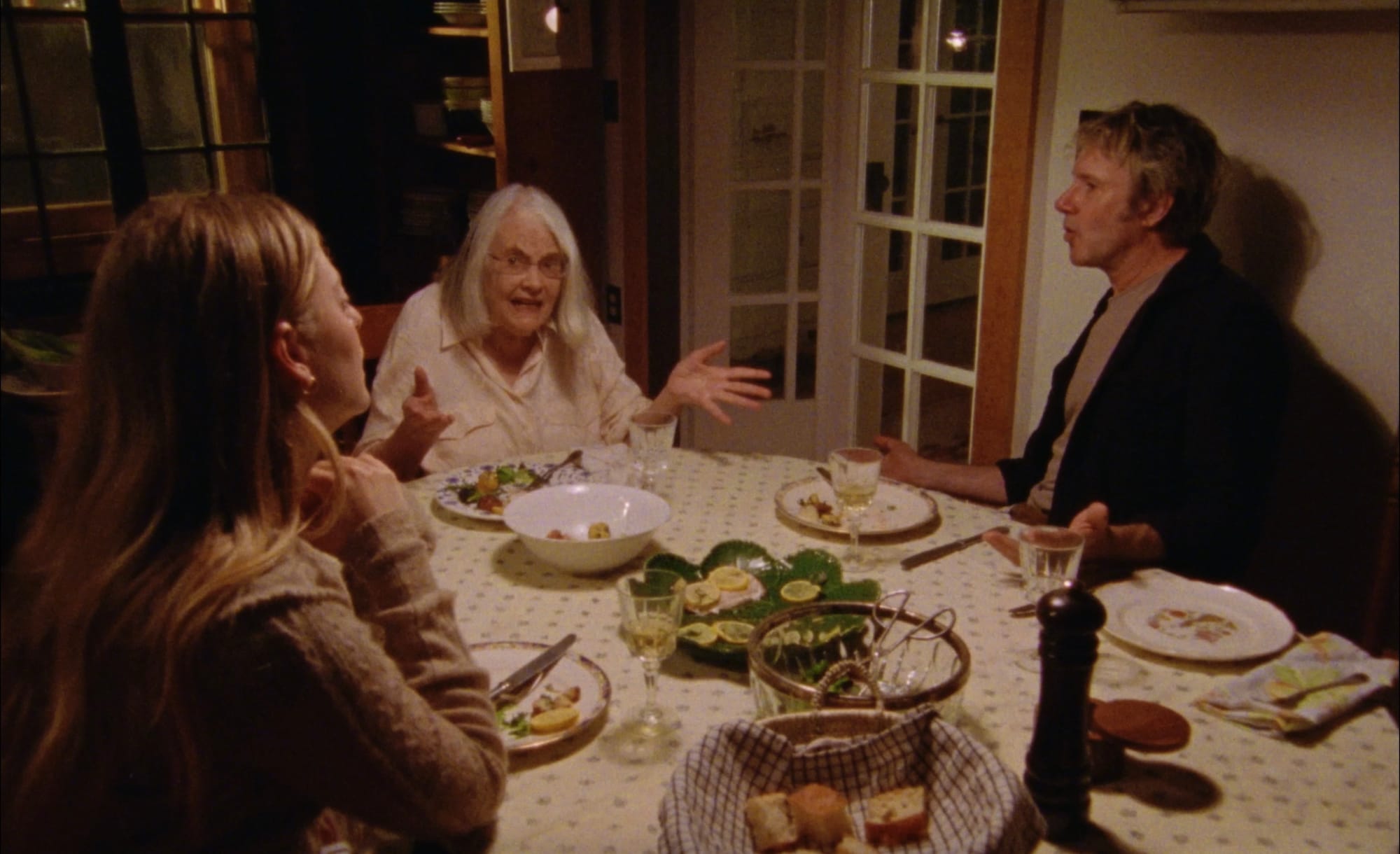
I worship at the altar of film and theater legend Lois Smith. I knew I wanted to write a short that was self-encapsulated — that is, not proof-of-concept. And I've always desperately wanted to work with Lois. I wrote this part for her, and it would've never been made had she not signed on willingly.
What surprised you most about the filmmaking process, creatively or logistically?
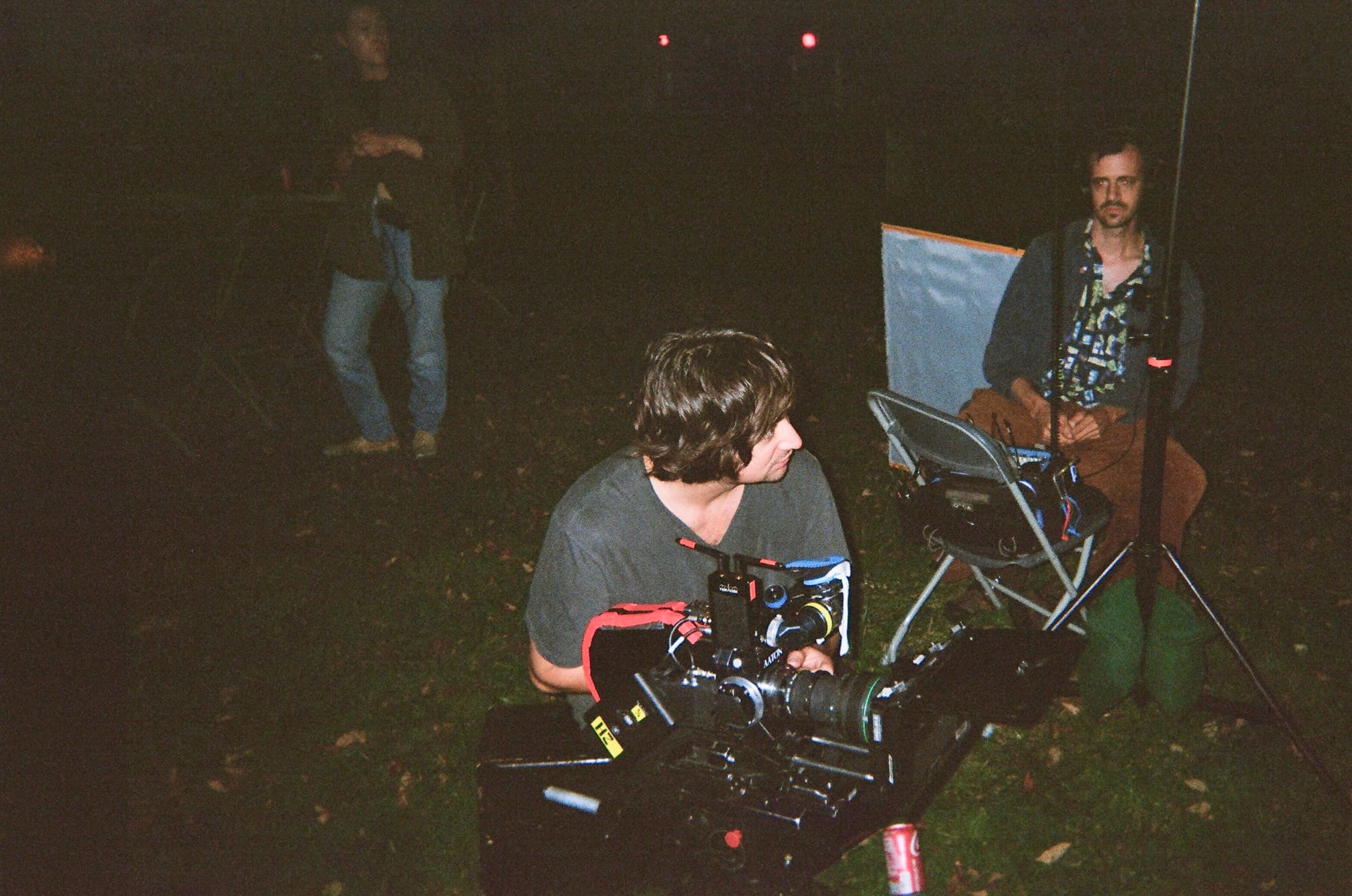
Shooting on film as a first-time director was such a pleasure, and a challenge. We made this for very little money, and Myriam, one of our producers, and myself, decorated a kitchen in a small cabin, serving as production designers. So we had limited resources and made the most of them. We had to operate at a very efficient speed, and the limitations of the amount of film we had made that an organic process.
What moment in the film feels most like you, or like something only you could have made?
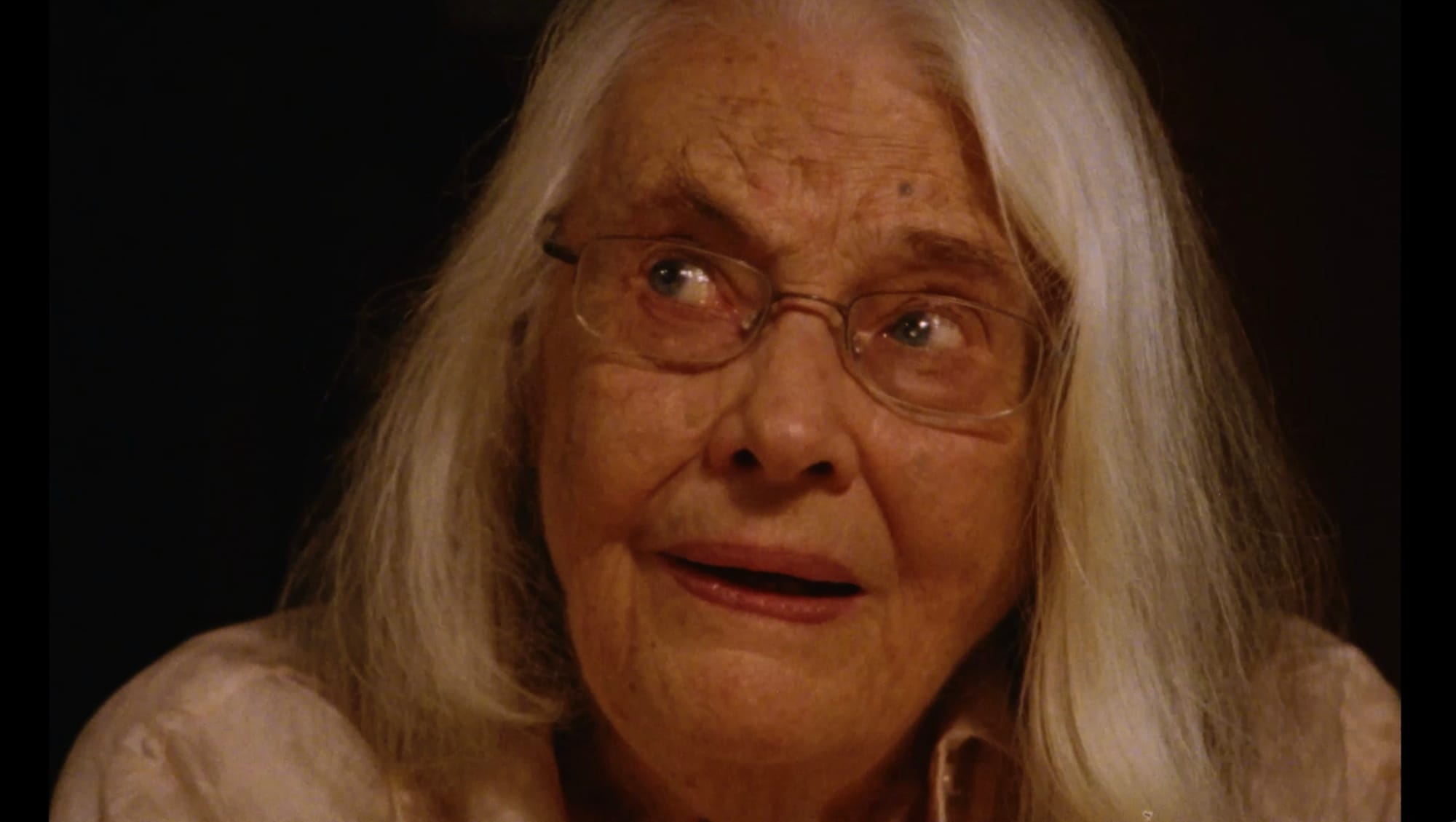
This is a family of theater heavies being berated by a theater nerd. I know what theater artists are like, how competitive and biting — but almost always loving — they are. I was truly brought up in this world.
What was the hardest creative decision you made while making the film?
We shot the final scene as basically a oner — there is one separate small shot of the lawn — while maintaining that what precedes it should feel almost like cinema verité, and quite choppy. So the major tempo shift in visual language, while still maintaining the same emotional energy as the first scene, felt like a risk that paid off. Hopefully.
What tool, technique, or collaborator helped most during production?
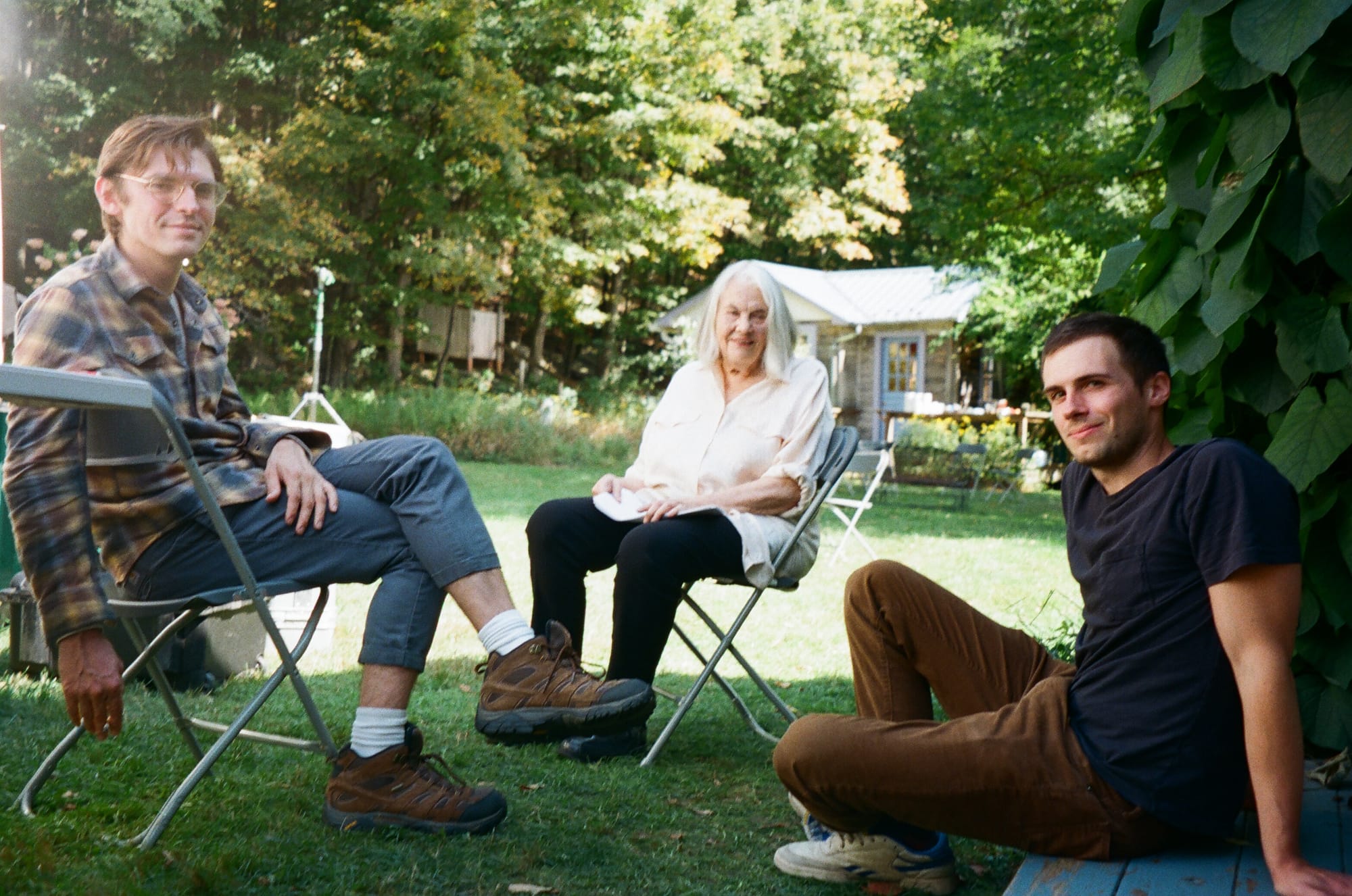
I wanted the first scene to feel like we were in a place out of time, even though it is set very much in the present. Hunter Zimny threw an antique suede filter on the camera which reacted really beautifully with the 16mm film and gave the movie this timeless aesthetic I wanted. In terms of genre, I think it begins as a very realist domestic dramedy — I was relying on some of my favorite films in that genre from the 70s and 80s, a bit of Mike Nichols, Cassavetes — and then we kind of up the stakes and veer into something pulpier and stranger and more dangerous. I try to let us know with an early music cue, which I asked Nina, our composer, to base loosely on the score from Roeg's Don't Look Now, that things are going to get bizarre.
What is the greatest strength of independent filmmaking, and how did you lean into it here?
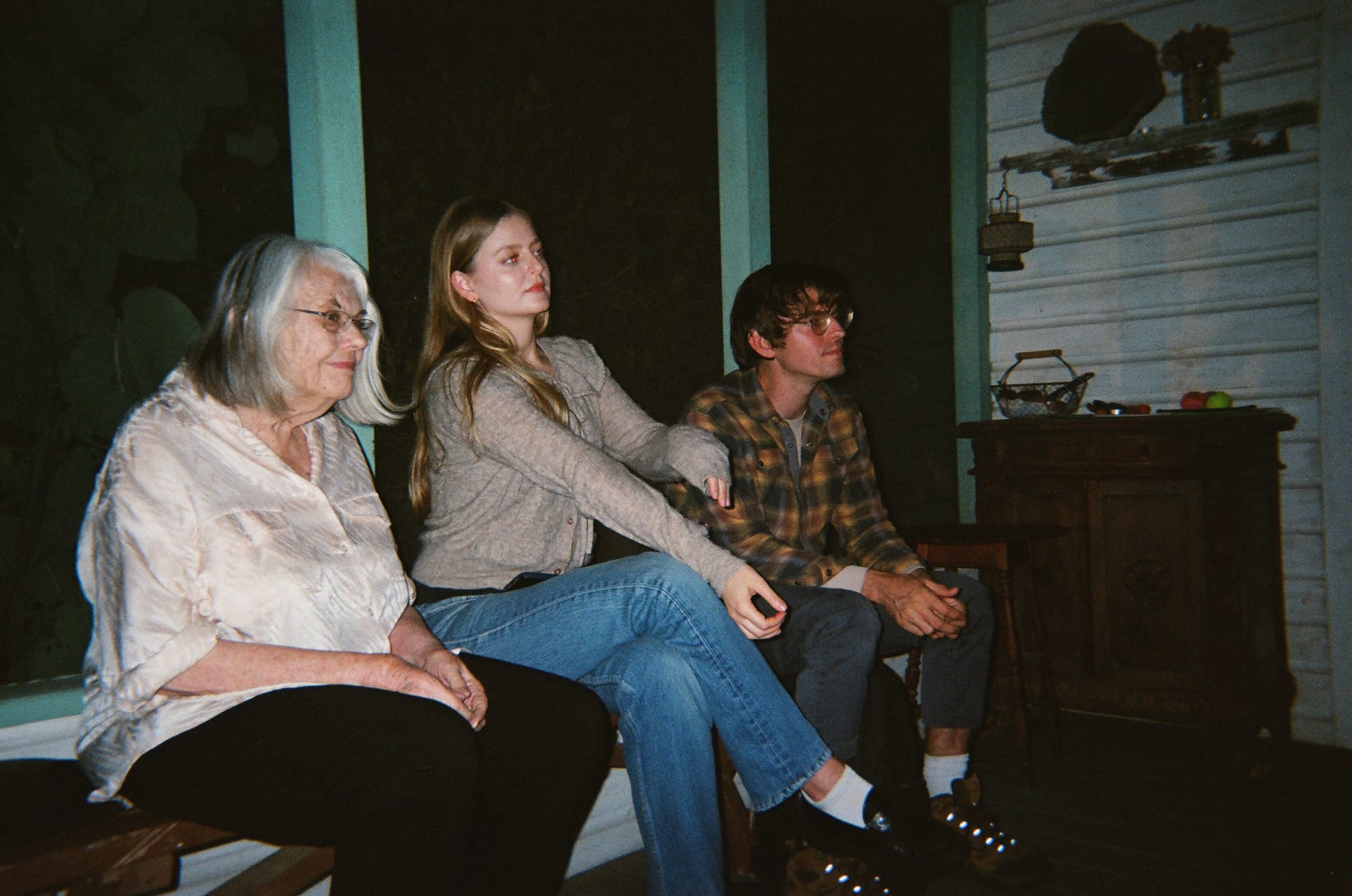
If you're asking people to travel, prepare, and spend multiple long days on any project, you have to keep the energy on set incredibly warm and welcoming, but professional and moving. That feeling has to be tripled on an indie. You might not have a trailer. You might not have a great crafty set-up. You might be wearing multiple hats, and you might be cleaning up the set at the end of the night as the director. But you have to make sure it's an environment where people's artistry is being fostered, or else it all falls apart. Put the frustration aside — you're doing what you love. I truly believe a bad set vibe can be avoided at any budget, and can exist at any budget. What makes filmmaking so beautiful, for me, is when everyone who is there would rather be no one else. So I perhaps naively use that feeling as my north star.
What does it mean to have your film selected for HollyShorts, and how has it shaped what you want to make next?
I'm so excited to be screening at HollyShorts. So many filmmakers I love and admire have premiered their shorts here, and I feel so proud to be amongst them — and this year's lineup is stellar. I love writing about family, and I love writing about artists. My first feature is also fairly one-location, although in a very different type of place. I discover who characters are by letting them speak to each other on the page, then go back and figure out context and plot and how they're going to drive the engine forward. Coming at this from an acting background, I love putting character first, and this film reinforced that impulse. At the core of all my work is a desire to let people see humanity at its most beautiful and its ugliest — which is usually funny.
Main Cast & Crew
- Director/Writer: Zane Pais
- Producers: Adam Kersh (Between the Temples, Ghostlight, Blue Film), Myriam Schroeter (Sing Sing, Between the Temples, Sorry Baby), Ani Schroeter (This Closeness, Between the Temples, Bunnylovr)
- Cinematography: Hunter Zimny
- Editor: Kate Brokaw
- Music: Nina Ryser
- Costumes: Natasha Simchowitz
Filmmaker Opportunities
💛 Fund your next project with fiscal sponsorship
Have a project in the works? As a 501(c)(3) nonprofit, the Cinematography for Actors Institute can accept tax-deductible donations on your film's behalf — a door-opener for grants, foundations, and supporters who want to back your work. We've serviced over 100 projects to date and helped route over $800,000 in funding to filmmakers. Explore fiscal sponsorship →
📬 Grant deadlines and festival opportunities, straight to your inbox
The CFA newsletter rounds up grants, festival calls, and community news for independent filmmakers — the kind of opportunities that are easy to miss and painful to miss. Join the newsletter →
🎬 Focus on the creative — we'll help with the logistics
Production Management, CFA's newest member program, launches this November: production insurance and workers' comp, payroll, film permits, gear rental coordination, SAG-AFTRA compliance, contract drafting, production consulting, and crew recommendations — handled by a team of working filmmakers, à la carte or all in, in partnership with Creative Access Group. It's waitlist-only until launch. Join the waitlist →
League of Filmmakers is published by our parent organization, the Cinematography for Actors Institute — a 501(c)(3) dedicated to education, community, and capital for underrepresented filmmakers and actors. Learn more about CFA →