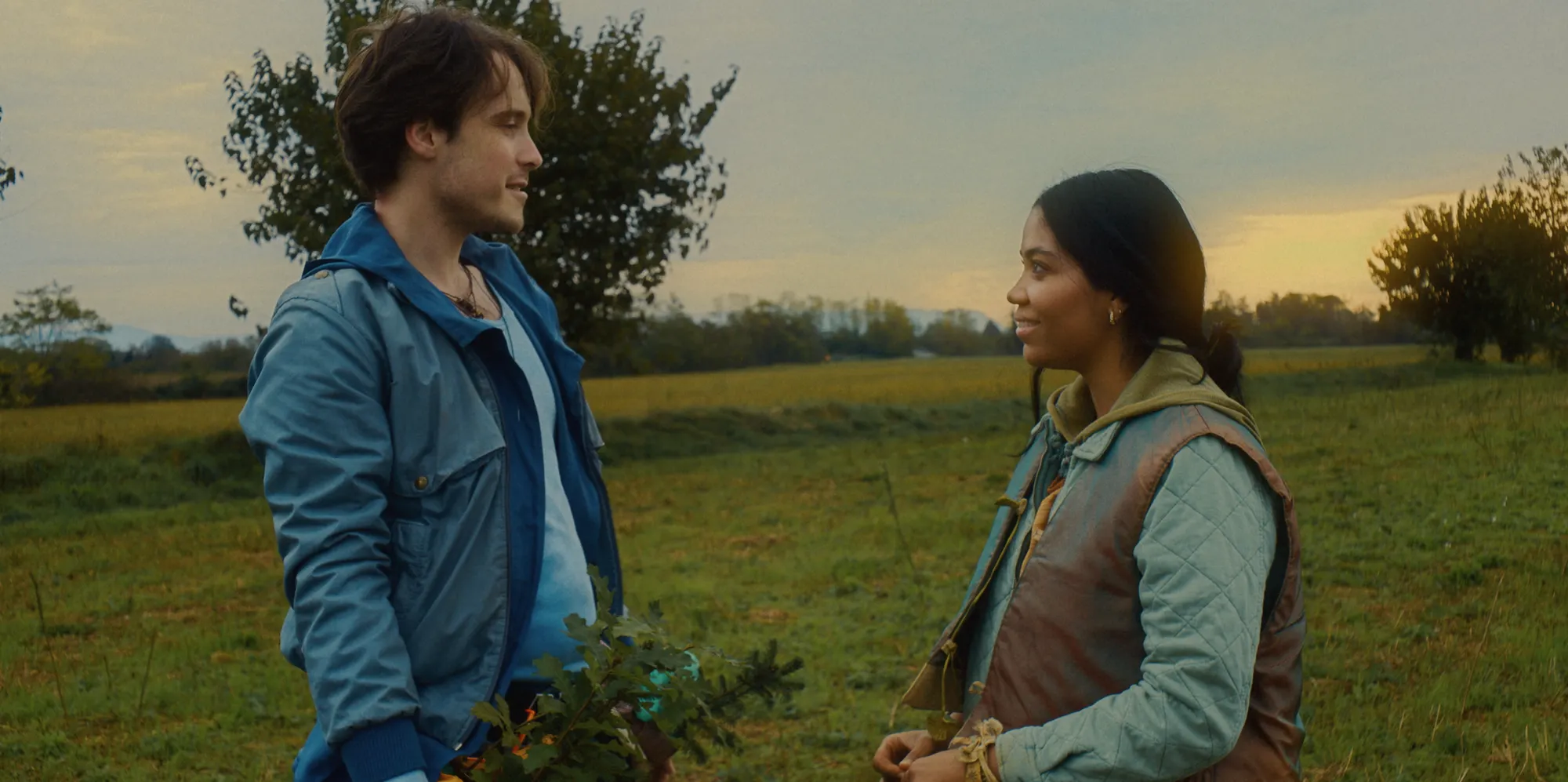
Eight years in the making, LUNA is the proof of concept for a feature Aurora Ovan has been carrying since she returned from a filmmaking year in New York City. It merges the dystopian and the solarpunk, and it asks a question that once got her labeled "too green and too ambitious": what does it actually mean to care that much about the environment? In LUNA, that question belongs to a Nature Custodian-to-be who sets out to prove to her elders that Citizens can still change.
What makes the film land is that it practices what it preaches. LUNA is certified GreenFilm, so its story of sustainability was made on a genuinely sustainable set — a choice that, by Ovan's account, brought the cast and crew closer rather than boxing them in.
Key Takeaways
- LUNA is a proof of concept for a feature that fuses dystopian and solarpunk into an emerging "climate narrative" genre.
- The production was certified GreenFilm, with refurbished and second-hand costumes and production design, local meals, and a zero-waste ethos.
- Screened to roughly 450 people across six schools, the short prompted 75.5% of respondents to say they'd reduce their waste.
A conversation with the writer-director about patience, intuition, and building a world worth returning to.
Interview
What drew you to make this film, and why this story, why now?
I've been working on Luna's journey for the past eight years, after I came back from my filmmaking year in New York City. Having always lived in a place next to nature and as a climate activist myself, I could experience two very different ways of living. With LUNA, now in the proof of concept and in the future feature film in development, I want to convey a climate story that brings together the dystopian and solarpunk genres along with what it means to be an activist and to care that much about the environment.
Now is the best moment to tell this story. Eight years ago I was negatively labelled during my pitches as a "too green and too ambitious" story. Now, sales and producers understand it as a climate narrative — this means that finally activism has become a genre itself. And if it's a genre, there is an audience. And if there is an audience, well, I feel like stories like these can inspire even more people.
What surprised you most about the filmmaking process, including any moment on set that changed how you saw the story?
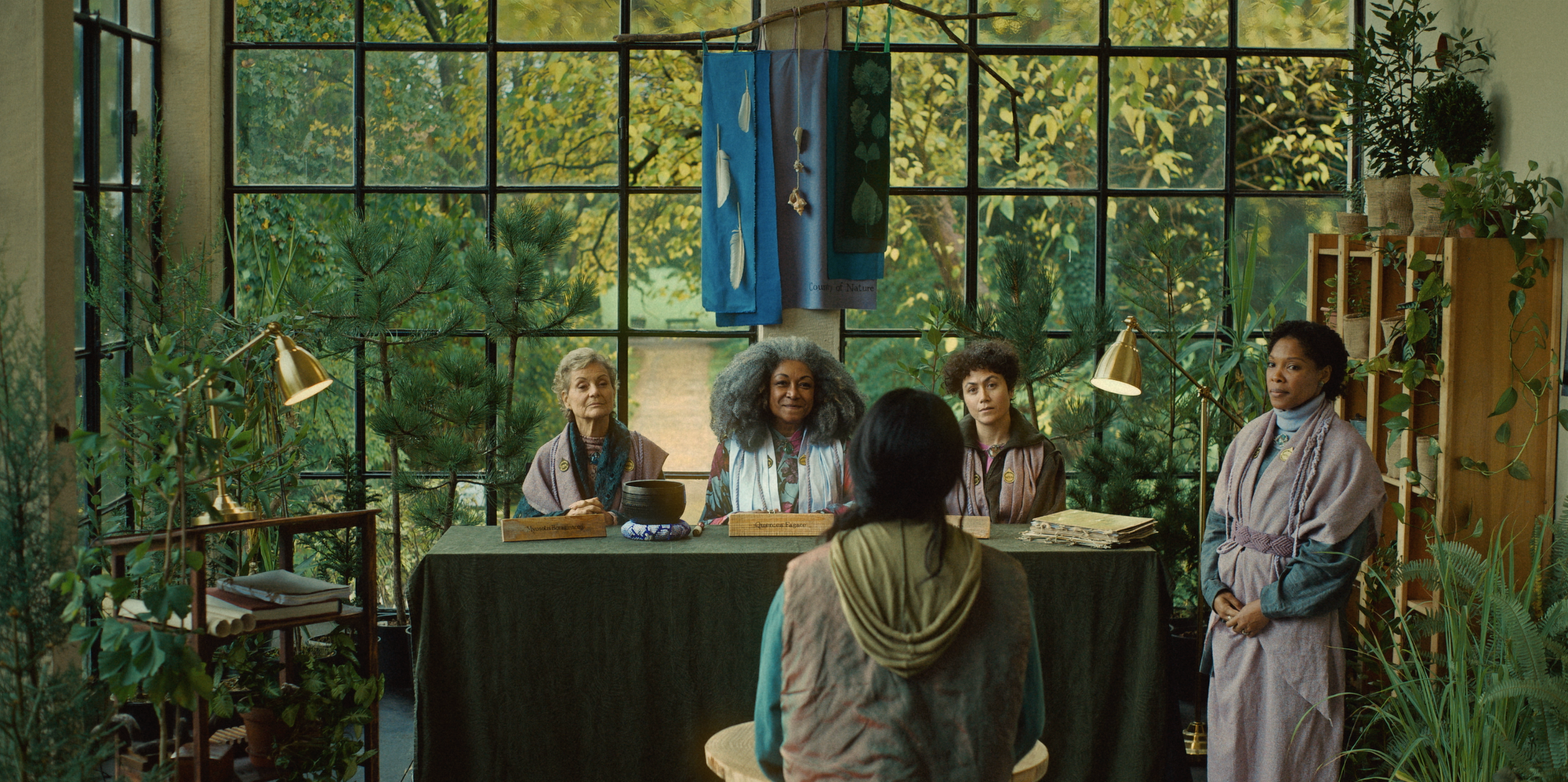
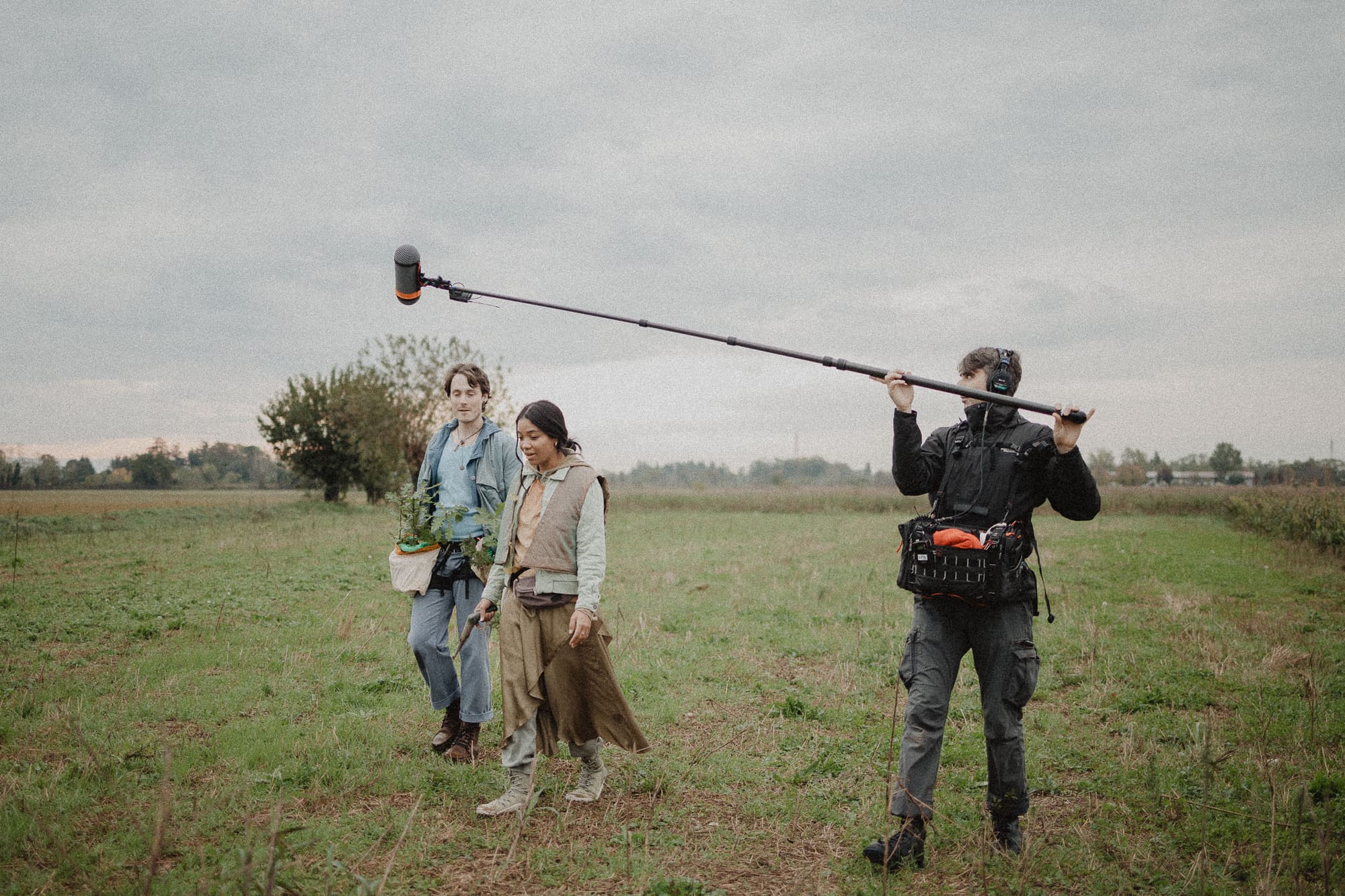
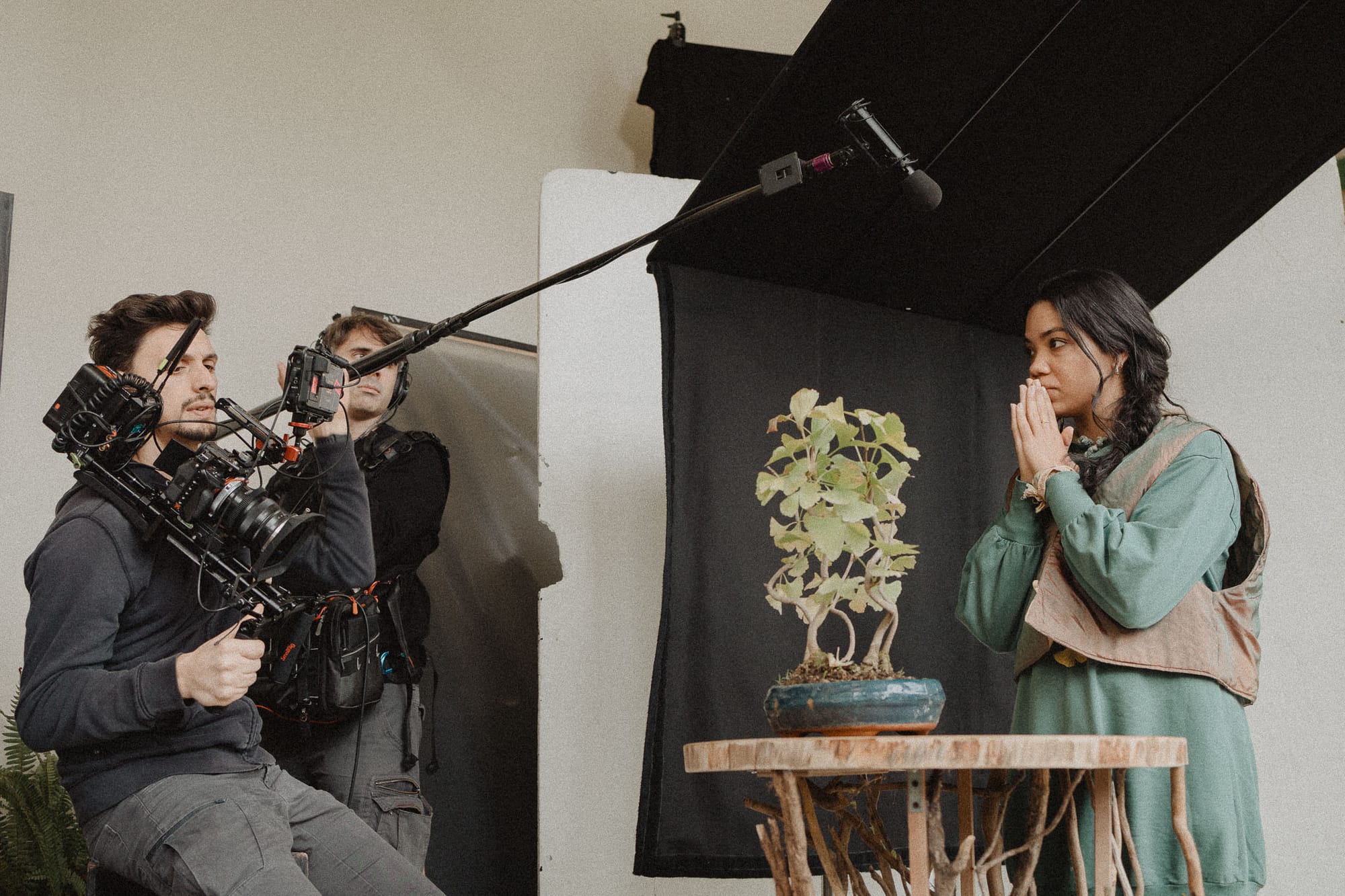
LUNA is certified GreenFilm, which means we're not just conveying an environmental story but actively making choices to be a sustainable set while filming it. Following a green protocol is very challenging: there are certain things in your control, others where you can't do anything about it. I was worried that for the crew and cast these protocols would be difficult to follow and too restrictive, but it was exactly the other way around. The trust in the process and the satisfaction of not creating waste on set, eating in local restaurants all together, having costumes and production design completely refurbished and second hand — it only brought us more connected.
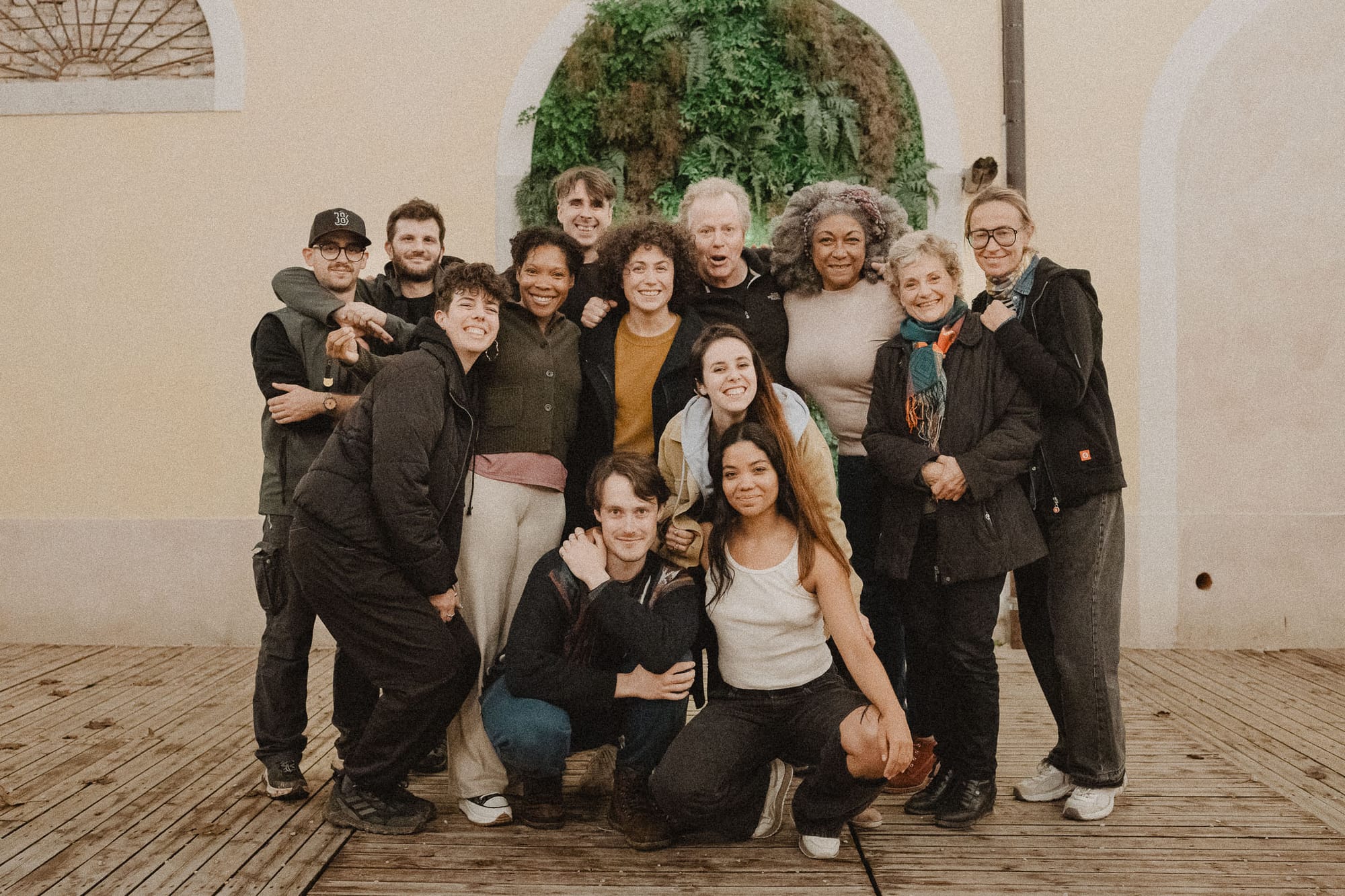
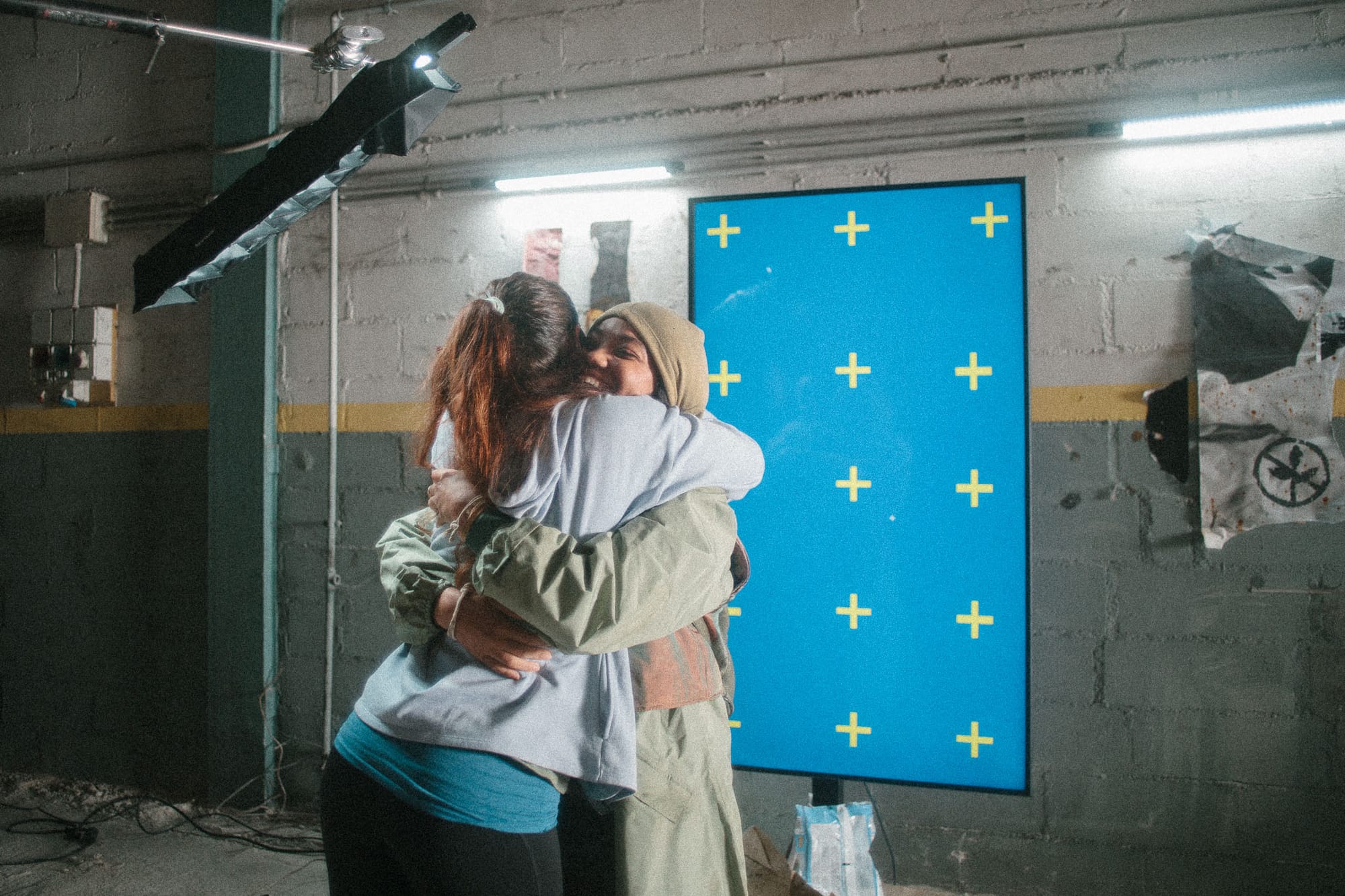
I still remember when, on the last day, I gifted everyone a reusable bag made of second-hand textiles that my grandma sewed. Blanche, the actress who plays Myosotis, hugged me with watery eyes saying it was the loveliest set she's ever been on in her life. That still gives me chills when I think about it.
What moment in the film feels most like you, or like something only you could have made?
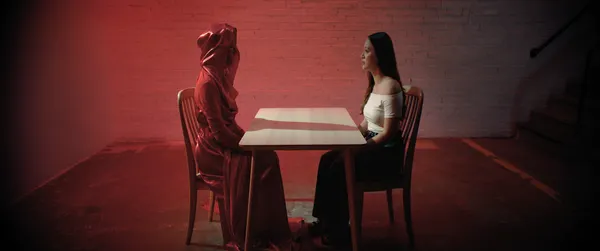
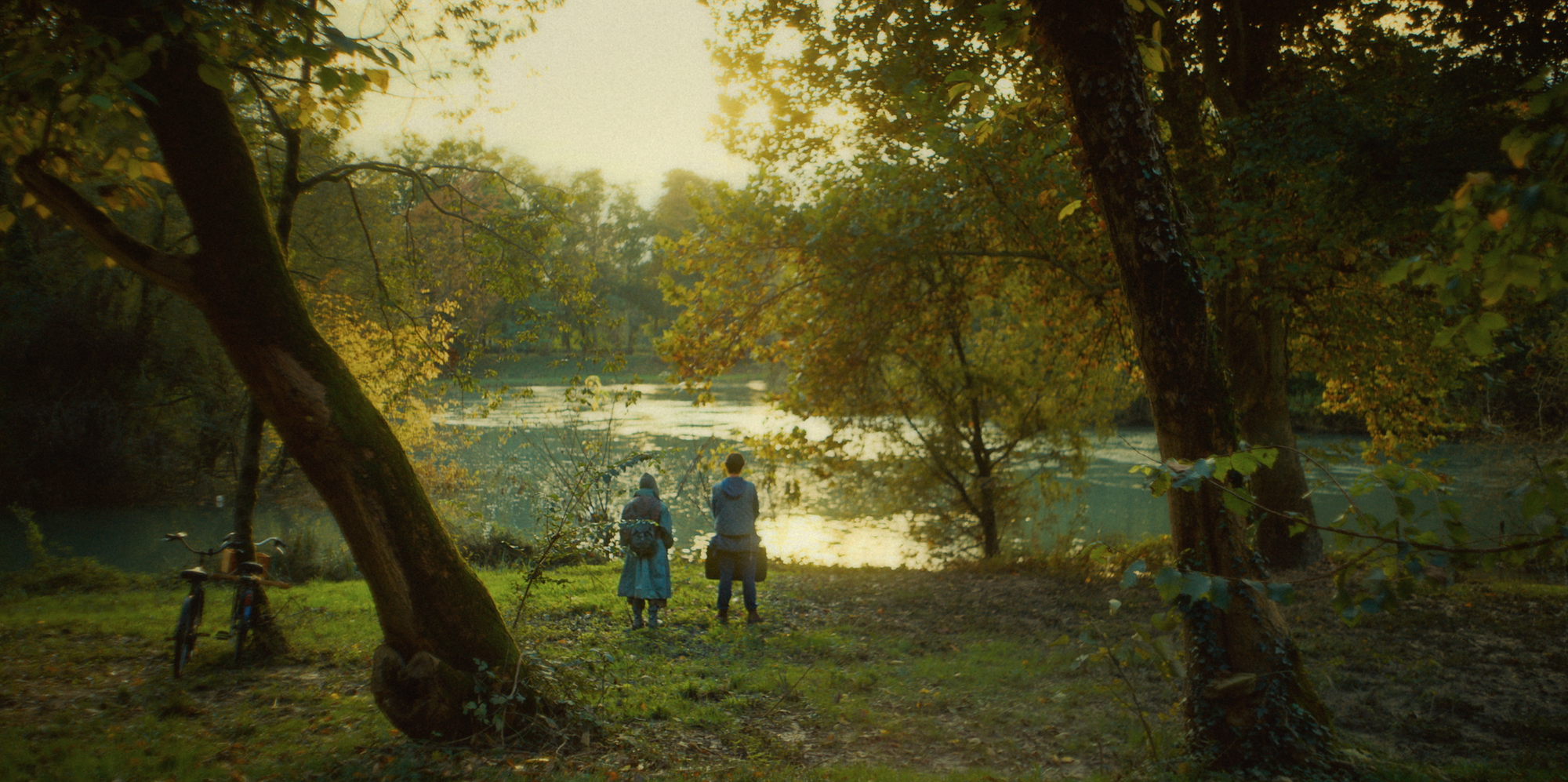
I think what feels most like me isn't a specific scene but the world building itself where the story takes place. The fact that I'm a very eco-spiritual person but also studied science gives me a need for a narrative that is both magical and very rooted. I also think I have a very specific way of conveying subtext and foreshadowing through blocking and camera placement. This can be best seen in the Initiation scene, where the relationships and subtexts between the Custodians and Luna change throughout the scene as it unravels.
What was the hardest creative decision you made while making the film?
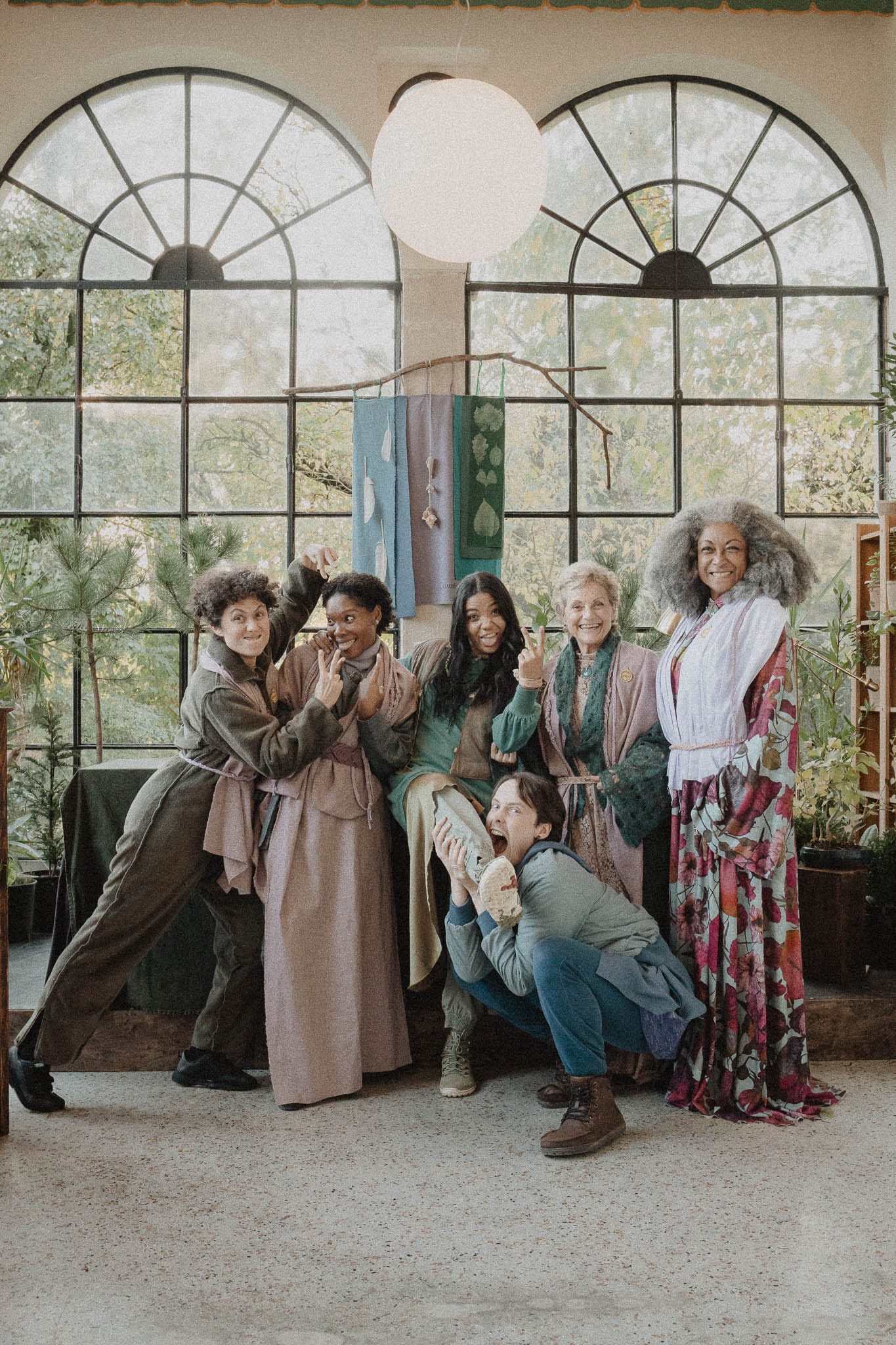
The hardest creative decision was letting the perfect location slip away. For months before filming I had chosen a location that would have been perfect both in terms of production design and green logistics — it would have saved us a day's worth of travelling. We eventually got rejected by the owner, and I had to rewrite some scenes a few weeks before filming to fit the new locations. This affected the narrative a bit, but I think we saved it perfectly.
What tool, technique, or mindset shift helped most during production?
Mental health first. A set where everyone feels comfortable, included, safe and relaxed will always bring positive filming days, even when things get stressful. Creating a light environment is the best tool anyone can have to let creativity and problem-solving grow freely. The greatest strength of independent filmmaking, to me, can be summed up in three words: "don't give up." You're short on time, short on money, and yet the joy of creating beats all of that. My advice is to always be led by intuition — that little spark that vibrates in your heart will always tell you what to do when things go unexpected. Listen to yourself, and don't be afraid to ask for help.
What does it mean to have your film selected for Not Film Fest?
Being selected for Not Film Fest is a great honor. The lineup is breathtaking, and knowing that LUNA is among such pieces of art gives me such a proud feeling in my heart. It's very important to have independent festivals lead with this kind of care — it's certainly the best way to bring creatives and audiences together.
Where do you see this film going next?
I've always wanted this to become a feature film and actively bring change. With the proof of concept, we screened the short and the green behind-the-scenes to six different schools, reaching almost 450 people between the ages of 12 and 75. Afterward I sent everyone a poll to understand the impact: 75.5% said they'd reduce their waste, and almost 50% would bring the example to friends and family on how to live more sustainably. So if a short film could impact these numbers, how much can we do with a feature film and cross media too?
Main Cast & Crew
- Luna — Silvia Dionicio
- Dianto — Daniel Grimston
- Salvia — Pinar Karaaslan
- Gea — Ganne Raymond
- Myosotis — Blanche Ravalec
- Quercea — Kathy Owen
- Writer-Director — Aurora Ovan
- Director of Photography — Davide Nicolicchia
- Costume Designer — Mateja Fajt
- Editor — Diego Bellante
- Colorist — Kosta Jokic
- Composers — Giulio Ghirardini and Ismaele Marangone
- Singer — Ekaterina Shelehova
- Sound Design — Massimiliano Borghesi
- Sound Mixing — Eric Nardin
Filmmaker Opportunities
💛 Fund your next project with fiscal sponsorship
Have a project in the works? As a 501(c)(3) nonprofit, the Cinematography for Actors Institute can accept tax-deductible donations on your film's behalf — a door-opener for grants, foundations, and supporters who want to back your work. We've serviced over 100 projects to date and helped route over $800,000 in funding to filmmakers. Explore fiscal sponsorship →
📬 Grant deadlines and festival opportunities, straight to your inbox
The CFA newsletter rounds up grants, festival calls, and community news for independent filmmakers — the kind of opportunities that are easy to miss and painful to miss. Join the newsletter →
🎬 Focus on the creative — we'll help with the logistics
Production Management, CFA's newest member program, launches this November: production insurance and workers' comp, payroll, film permits, gear rental coordination, SAG-AFTRA compliance, contract drafting, production consulting, and crew recommendations — handled by a team of working filmmakers, à la carte or all in, in partnership with Creative Access Group. It's waitlist-only until launch. Join the waitlist →
League of Filmmakers is published by our parent organization, the Cinematography for Actors Institute — a 501(c)(3) dedicated to education, community, and capital for underrepresented filmmakers and actors. Learn more about CFA →