Table of Contents
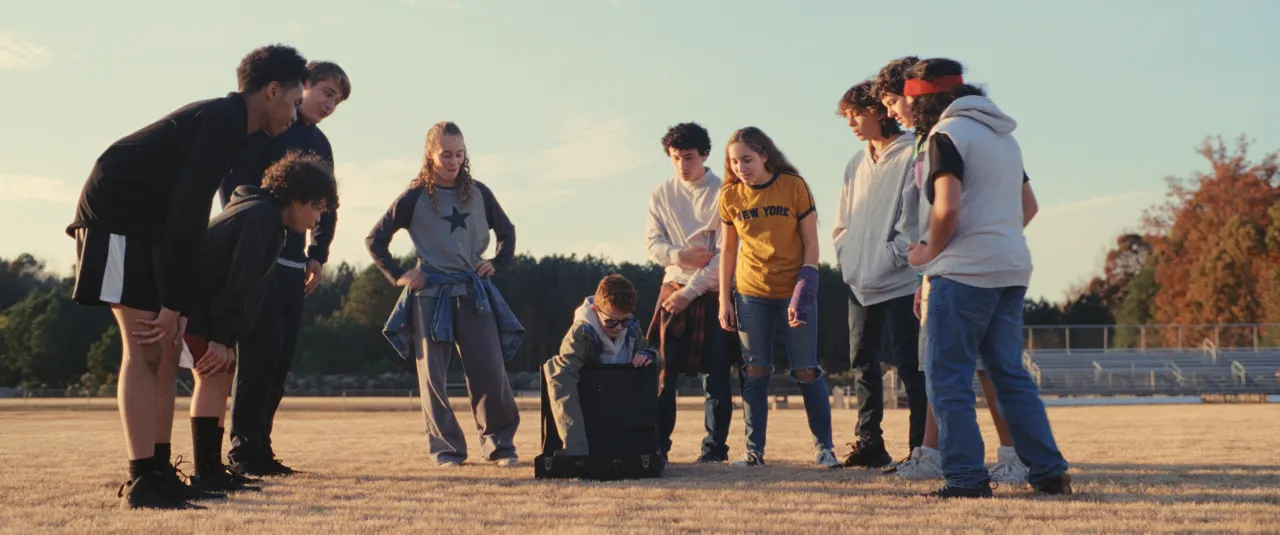
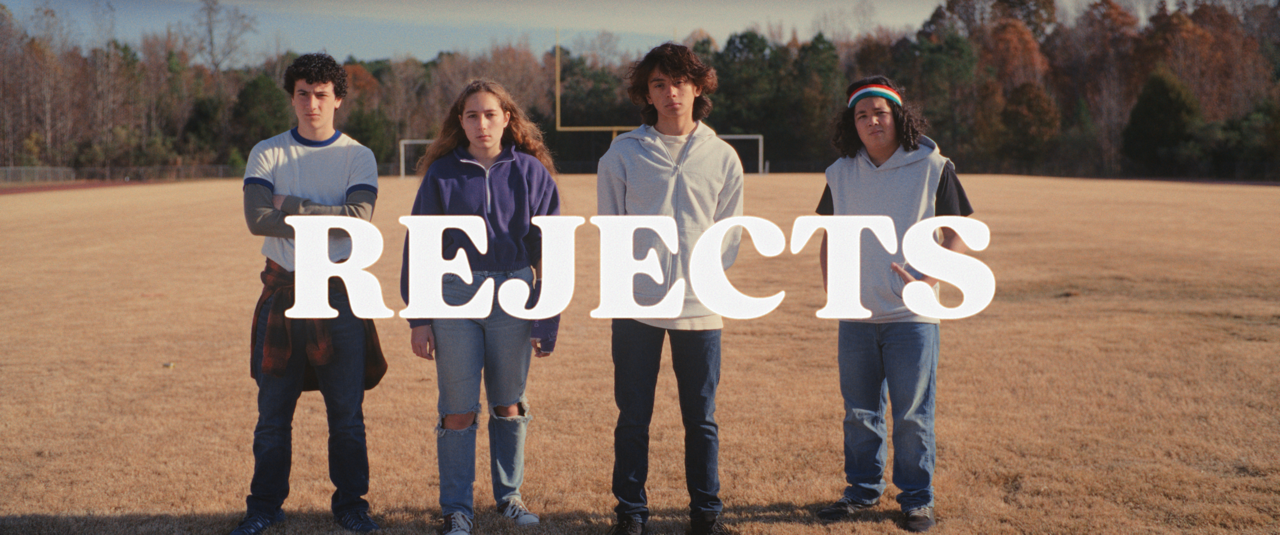
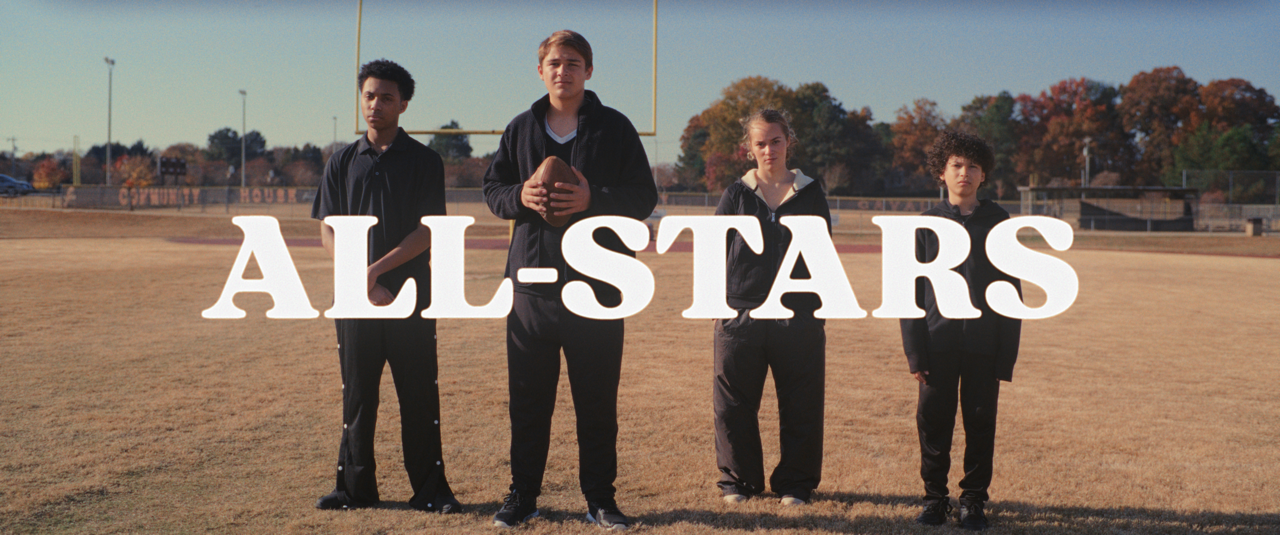
Over three recesses, a ragtag team of underdog eighth graders takes on their school's all-star athletes for a coveted prize: a lunch box filled with junk food. On the surface Lunch Box is a chase for bragging rights, but beneath the schoolyard competition is something both of its directors know firsthand — the feeling of arriving somewhere after the social order is already set.
Sean Billings-Almendarez, a Brooklyn-based writer, director, and producer by way of Charlotte, and Romeo Okwara, a Nigerian-born photographer and filmmaker who spent eight seasons in the NFL before turning to visual storytelling, both moved to Charlotte, North Carolina in middle school. Sports became their way in. Lunch Box, their directorial debut, is built on that shared memory, and on the belief that the more specific a story gets, the more universal it becomes.
Key Takeaways
- A coming-of-age story set to a sports backdrop, where the emotional victory matters more than the literal one.
- Rooted in the directors' real experience of being new kids in Charlotte, where sports became a path to belonging.
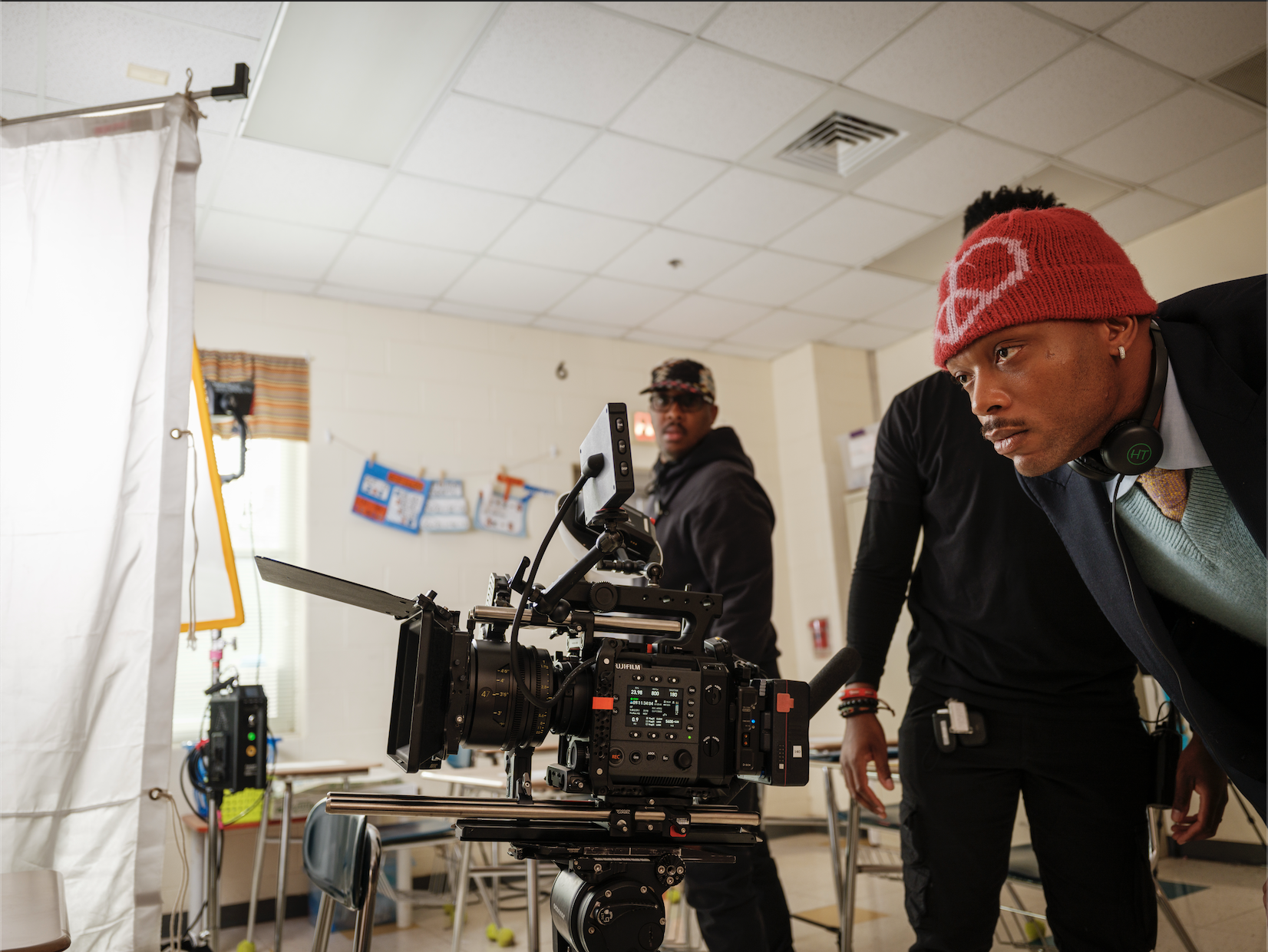
- Shot on Fujifilm's GFX ETERNA 55 with support from Fujifilm North America, keeping the camera close and the images warm.
A conversation with the co-directors about memory, trust, and the recess that shapes you.
Interview
What drew you to make this film, and why this story, why now?
Lunch Box grew out of a shared experience. Although we come from very different backgrounds, we both moved to Charlotte, North Carolina in middle school and knew what it felt like to arrive after the social hierarchy had already been established. Those years can be incredibly isolating, and for both of us, sports became a way to make friends and find a sense of belonging.
We wanted to tell a story that captures that feeling. On the surface, the film is about a group of underdogs chasing a lunch box. Underneath, it's about friendship, identity, and the people who help us find our place. Those themes feel just as relevant today as they did when we were kids.
What moment in the film feels most like you, or like something only you could have made?
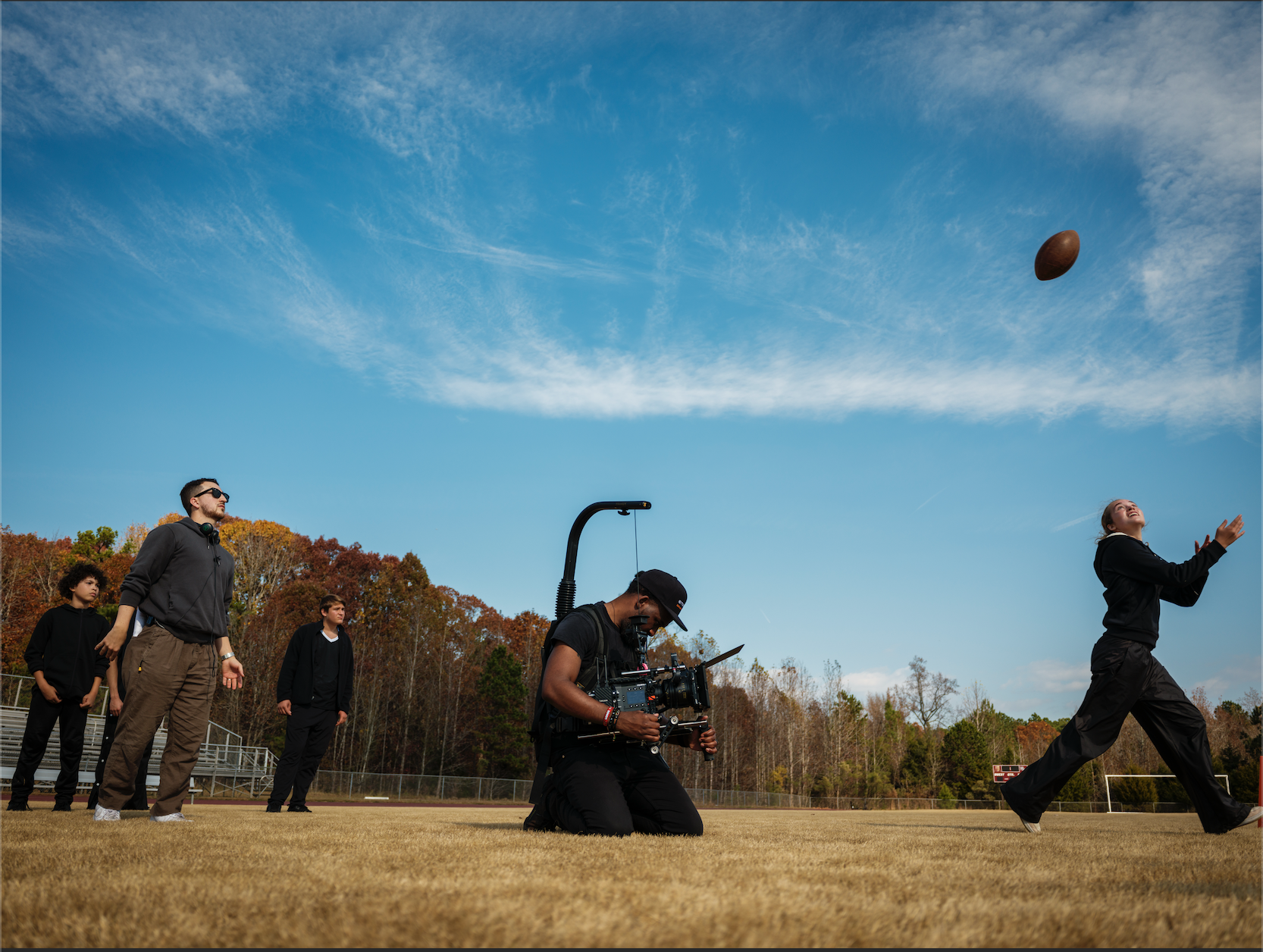
The opening football sequence feels deeply personal. It's rooted in memories we shared about playing out on the schoolyard. We swapped real stories which ultimately formed the basis of the story.
There are so many incredible coming-of-age stories, but this one is ours because it comes from lived experience. We weren't recreating memories as much as trying to recreate the feeling it left us with.
What surprised you most about the filmmaking process, including a moment on set that changed how you saw the story?
One of the biggest surprises was how much the actors brought to each scene. We had storyboarded and rehearsed, but some of our favorite moments happened on the day — we stayed open to what was unfolding in front of us. Often the best moments weren't the ones we planned.
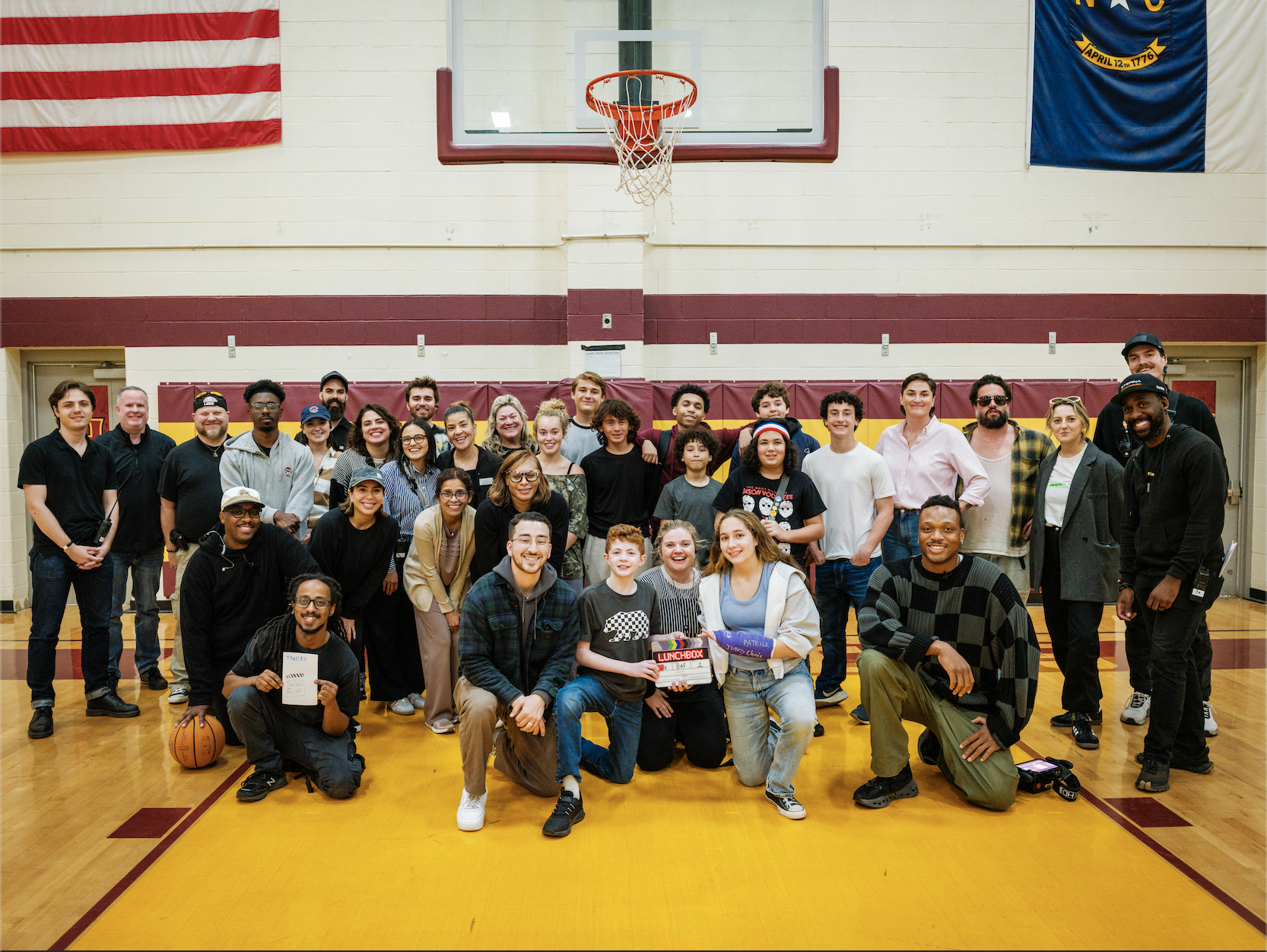
One that stands out is Robbie's game-winning basketball shot. We thought we already had the hero angle, but Charles kept finding the right place at the right time to capture these moments perfectly. When the time came, Darby, who plays Robbie, made the shot on the second take. Our team all looked at each other and knew that was the shot. We were able to move on and stay on schedule during crunch time.
What was the hardest creative decision you made while making the film?
The biggest challenge was finding the right balance between competition and friendship. It would have been easy to make the film solely about winning, but that was never what resonated with us.
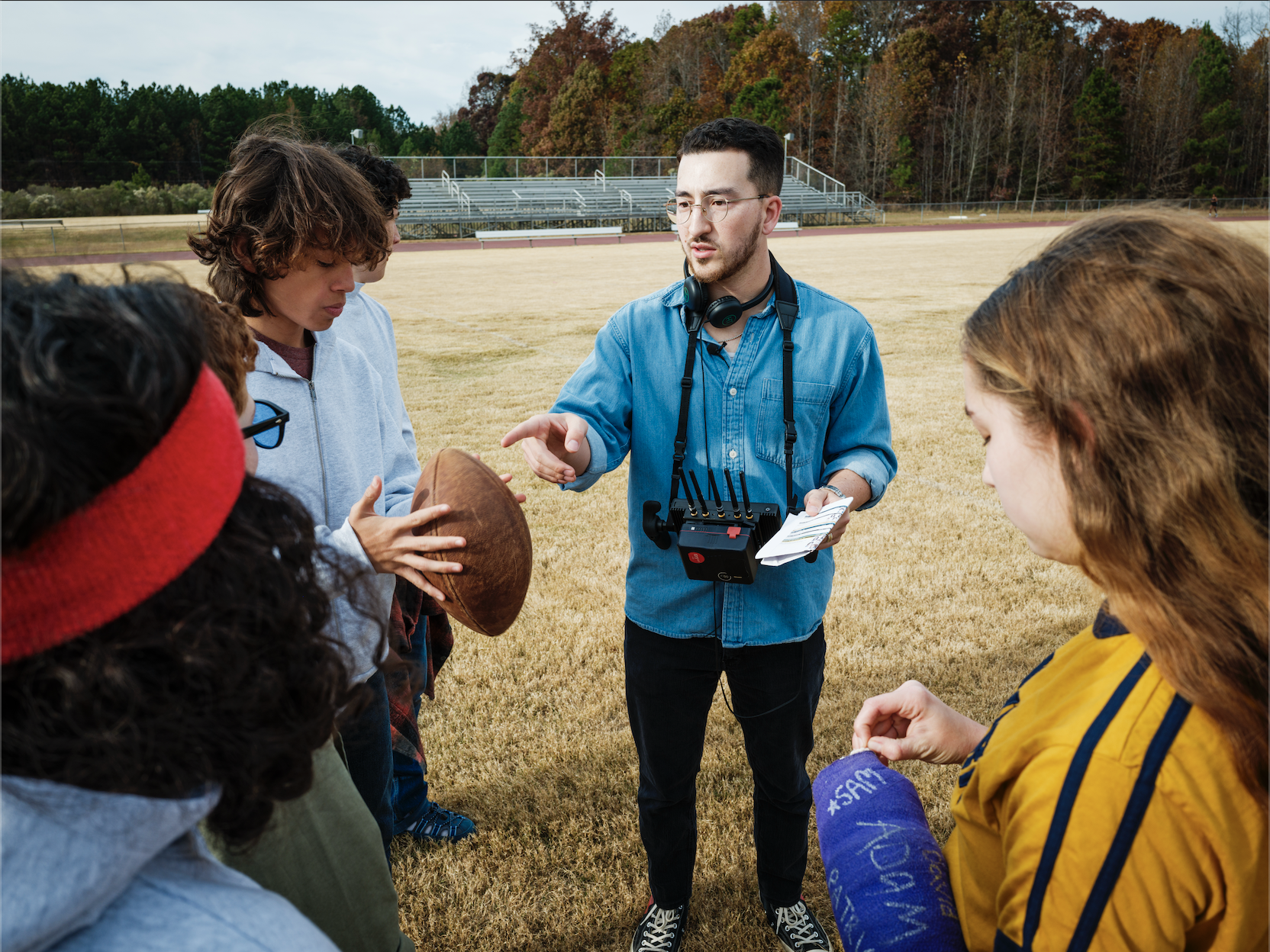
The story is really about belonging and friendship. Through conversations with each other and even with our actors after the first read-through, we worked to make every decision from that viewpoint.
What tool, technique, resource, collaborator, or mindset shift helped most during production?
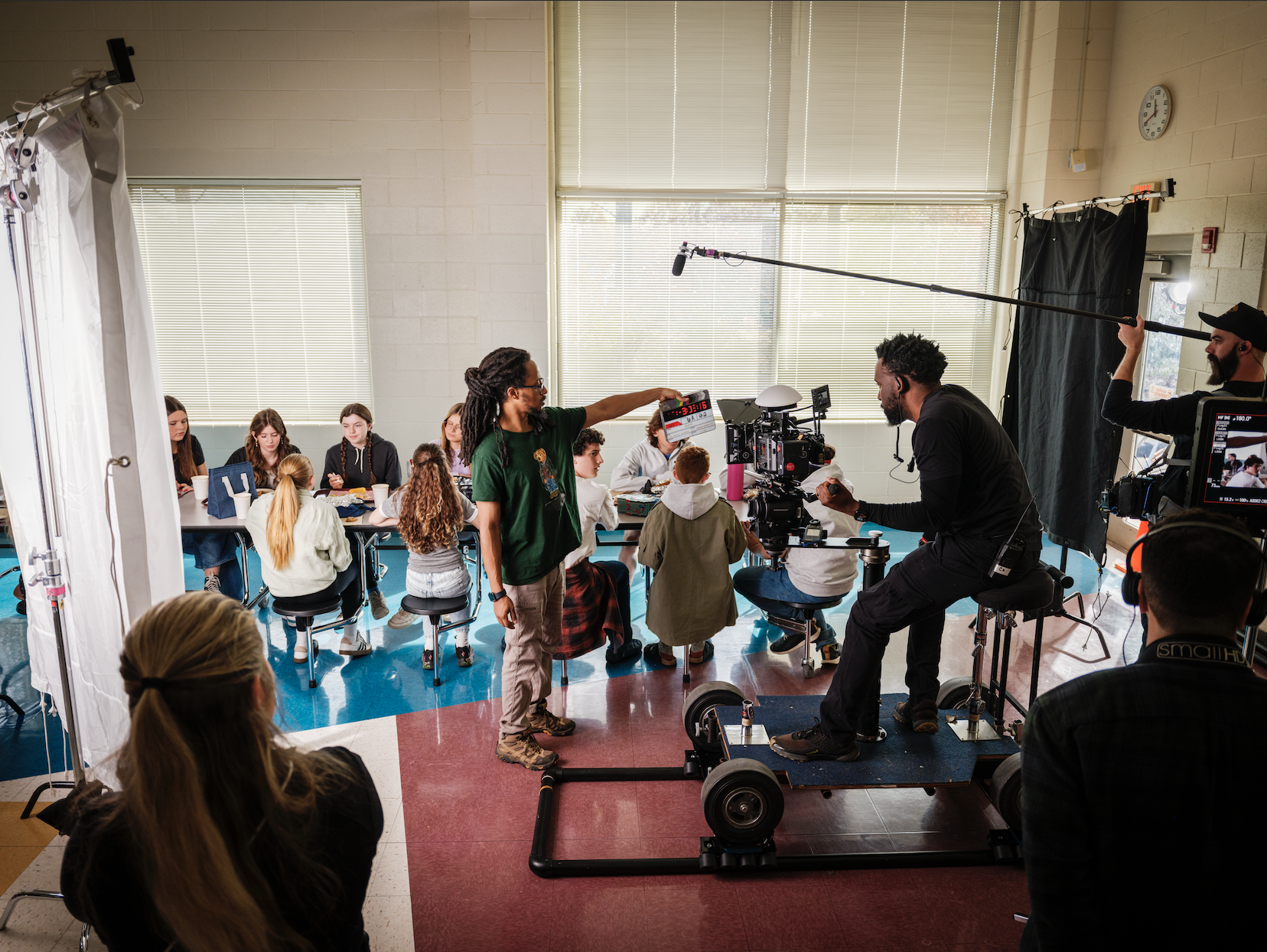
More than anything, it was trust. Trust between us as co-directors. Trust in Charles Kennedy Jr.'s eye as our cinematographer. Trust in our young cast and dedicated crew. And trust in our preparation, so that when unexpected moments happened, we could embrace them instead of forcing the plan.
Fujifilm's support also allowed us to fully realize our vision. Their GFX ETERNA 55 gave us the freedom to stay close to the action and create images that felt warm, tactile, and emotionally immediate.
What is the greatest strength of independent filmmaking, and what lesson would you share with others?
Independent filmmaking gives you the freedom to make something deeply personal without having to compromise why you're making it in the first place.
We leaned into that by building the film around experiences we genuinely lived and surrounding ourselves with collaborators who connected to those experiences. Charles immediately saw himself in the story. Our cast brought their own memories to the performances. It felt like everyone was invested emotionally to bring this project to life.
Our biggest lesson was simple: specificity creates universality. The more honest you are about your own story, the more likely it is to resonate with someone else's.
What does it mean to have your film selected for HollyShorts, and where do you see it going next?
HollyShorts has built an incredible reputation for championing emerging filmmakers, so it's an honor to be included. Lunch Box is our directorial debut, so to have a festival with HollyShorts' history recognize the film, and to share it with audiences who genuinely love short-form storytelling, is incredibly meaningful. We hope it opens the door to conversations about friendship, community, and the power of personal storytelling.
Beyond festivals, we'd love for the film to have a life in schools, community organizations, and youth programs where these conversations already exist. Ultimately, we hope it's a film people revisit for years to come as a way to remind themselves of the people who helped them through trying times.
Main Cast & Crew
- "Adam" — Cam Healy
- "Chris" — Julian Puckett
- "Danny" — Kai Szopa
- "David" — Benjamin Carro
- "Declan/Dexter" — Tyler Nunnery
- "Jimmy" — Grady Bartholf
- "Ms. Matheson" — SeaAnna Savage
- "Patrick" — Kai Morgan
- "Rasheed" — Grayson Hood
- "Robbie" — Darby David
- "Sam" — Elliana Dauplaise
- Written & Directed by Sean Billings-Almendarez & Romeo Okwara
- Director of Photography — Charles Kennedy Jr.
- Editor — Ty Feague
- Unit Production Manager — Felix Pilkington
- First Assistant Director — Natália Bracht-Löff
- First Camera Assistant — Delaney Clifford
- Second Camera Assistant/DIT — Ben Assefa
- Gaffer — Patrick Lebby
- Grip — Greg Smith
- Sound Mixer — Alex Thompson
- Wardrobe Stylist — Martin Weiland
- Assistant Wardrobe Stylist — Sophie Russell-Jeffrey
- Hair & Makeup — Nicole Cerro
- Set Medics — Patrick Gibbons, Maira Mieles
- Production Assistants — Carissa Almendarez, Celine Aquino, Ryan Epp, Melanie Löff-Bird, Haley Mellon
- Color — Mikey Pehanich
- Sound Design & Mixing — Patrick Burgess
- Original Music by Chris Peters, Gretchen Gonzales-Davidson, Matt Aljian
- Original Music Recorded by Randy Molina
- Music Mix & Additional Recording by Warren Defever
- Songs Written & Performed by Golomb
- Graphic Design — Elijah Funk
- Executive Producer, Fujifilm — Jackie Merry
- Creative Producer, Fujifilm — Varina Shaughnessy
- Production Supervisor, Fujifilm — Tani Paige Shukla
- Post Production Supervisor, Fujifilm — Jason Koczanowicz
- Additional Production Support by Fujifilm North America Corporation — John Blackwood, Michael Bulbenko
Filmmaker Opportunities
💛 Fund your next project with fiscal sponsorship
Have a project in the works? As a 501(c)(3) nonprofit, the Cinematography for Actors Institute can accept tax-deductible donations on your film's behalf — a door-opener for grants, foundations, and supporters who want to back your work. We've serviced over 100 projects to date and helped route over $800,000 in funding to filmmakers. Explore fiscal sponsorship →
📬 Grant deadlines and festival opportunities, straight to your inbox
The CFA newsletter rounds up grants, festival calls, and community news for independent filmmakers — the kind of opportunities that are easy to miss and painful to miss. Join the newsletter →
🎬 Focus on the creative — we'll help with the logistics
Production Management, CFA's newest member program, launches this November: production insurance and workers' comp, payroll, film permits, gear rental coordination, SAG-AFTRA compliance, contract drafting, production consulting, and crew recommendations — handled by a team of working filmmakers, à la carte or all in, in partnership with Creative Access Group. It's waitlist-only until launch. Join the waitlist →
League of Filmmakers is published by our parent organization, the Cinematography for Actors Institute — a 501(c)(3) dedicated to education, community, and capital for underrepresented filmmakers and actors. Learn more about CFA →