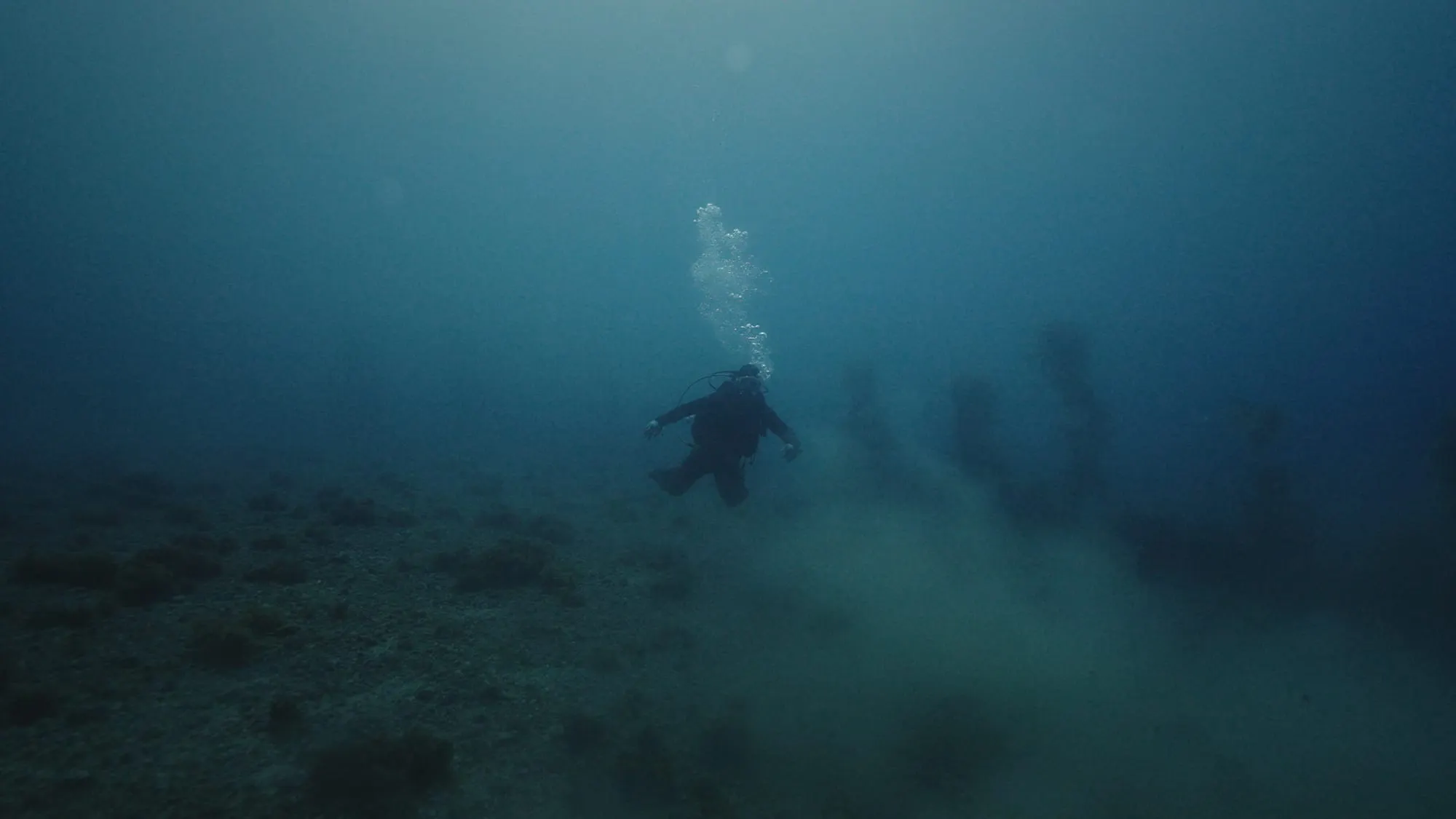
The premise is almost cruelly simple: an inexperienced scuba diver enters a dive site with one rule — if you hear your name, don't turn around. From there, Lure lets the water do what the water does, pressing in on a character who has very little margin for error and even less for curiosity.
What distinguishes the film is that nobody involved was faking it. James Austin Kerr, an actor and writer whose credits include Law & Order, NCIS, Criminal Minds, The Hunting Party, and Ballard, is also a rescue-certified scuba diver. So is his team. Lure was shot underwater, in cold Pacific water, by three people who knew exactly what they were getting into — and did it anyway.
Key Takeaways
- Lure was shot in the open Pacific by a three-person crew, all of them passionate divers, drawing on decades of combined knowledge of scuba, dive sites, and the ocean.
- Directing underwater meant inventing a new vocabulary: custom hand signals for "action," "going again," and "moving on," a laminated numbered shot list, and a dive slate for everything else.
- The short is a proof of concept for a feature — a scuba-diving horror film that goes deeper into lore, character, and the extremes of diving.
Kerr spoke with us about the logistics of shouting "action" without a voice, the camera problems nobody warns you about, and why independent filmmakers are the best problem solvers in the arts.
Interview
What drew you to make this film, and why this story, why now?
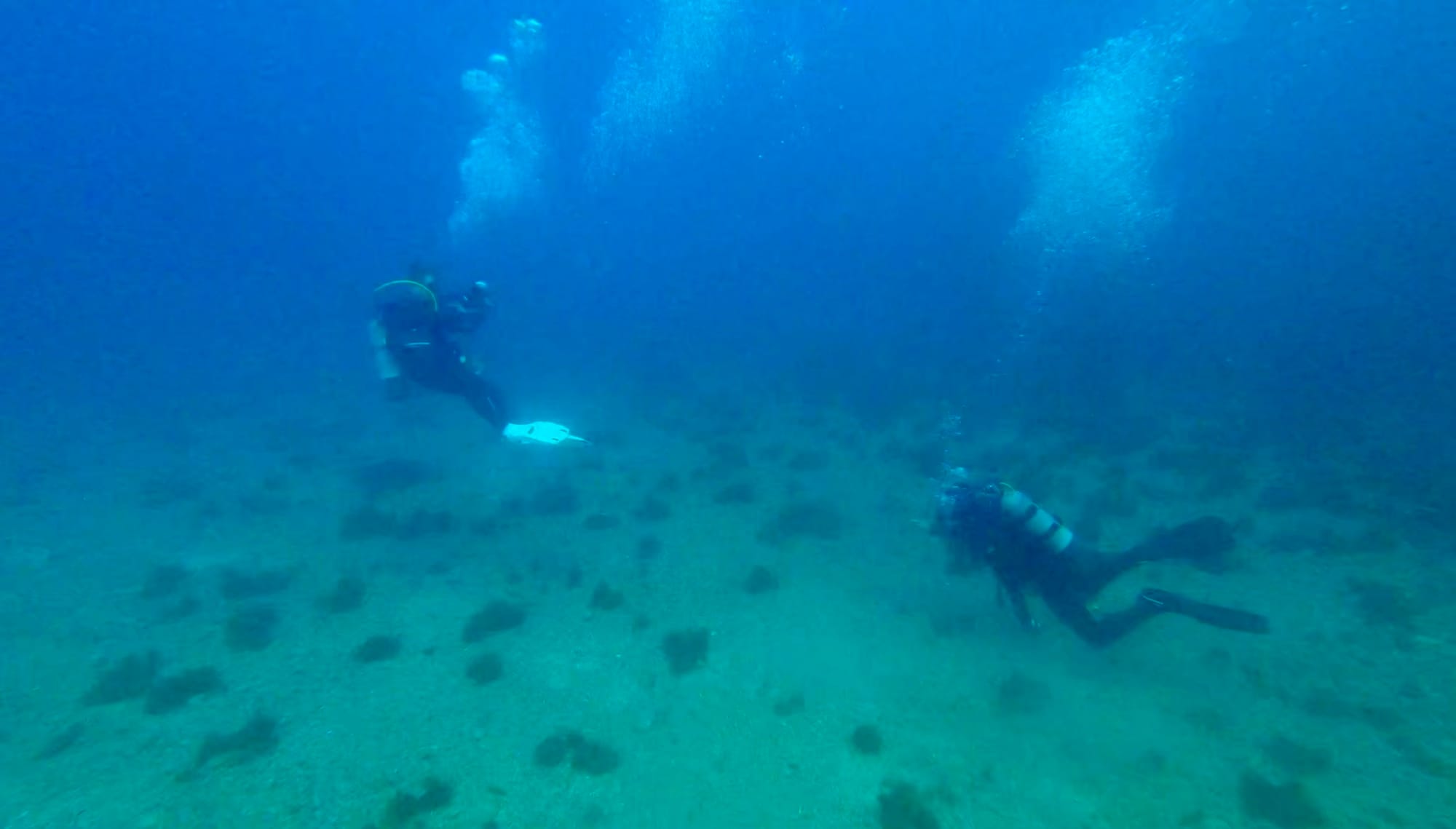
Scuba diving is a HUGE passion of ours yet there haven't been many films authentically surrounding it. The ocean is full of beauty and mystery but also pure dread, making it the perfect environment to engulf our characters in. The knowledge we have of both scuba diving and horror will be combined to create a truly unique experience, all while utilizing the depths of the open ocean to sink viewers into the true terrors of the deep.
What surprised you most about the filmmaking process, creatively or logistically?
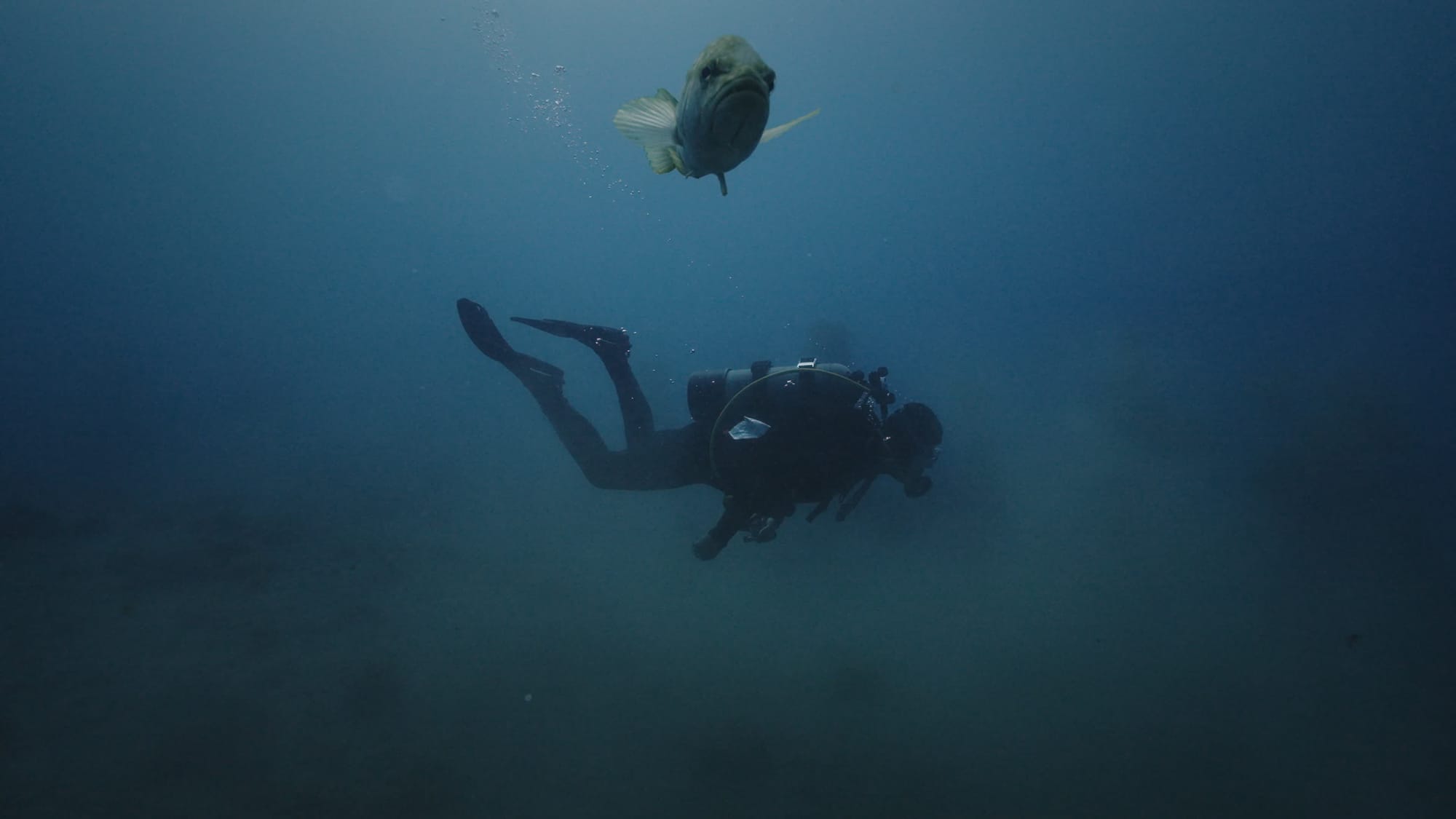
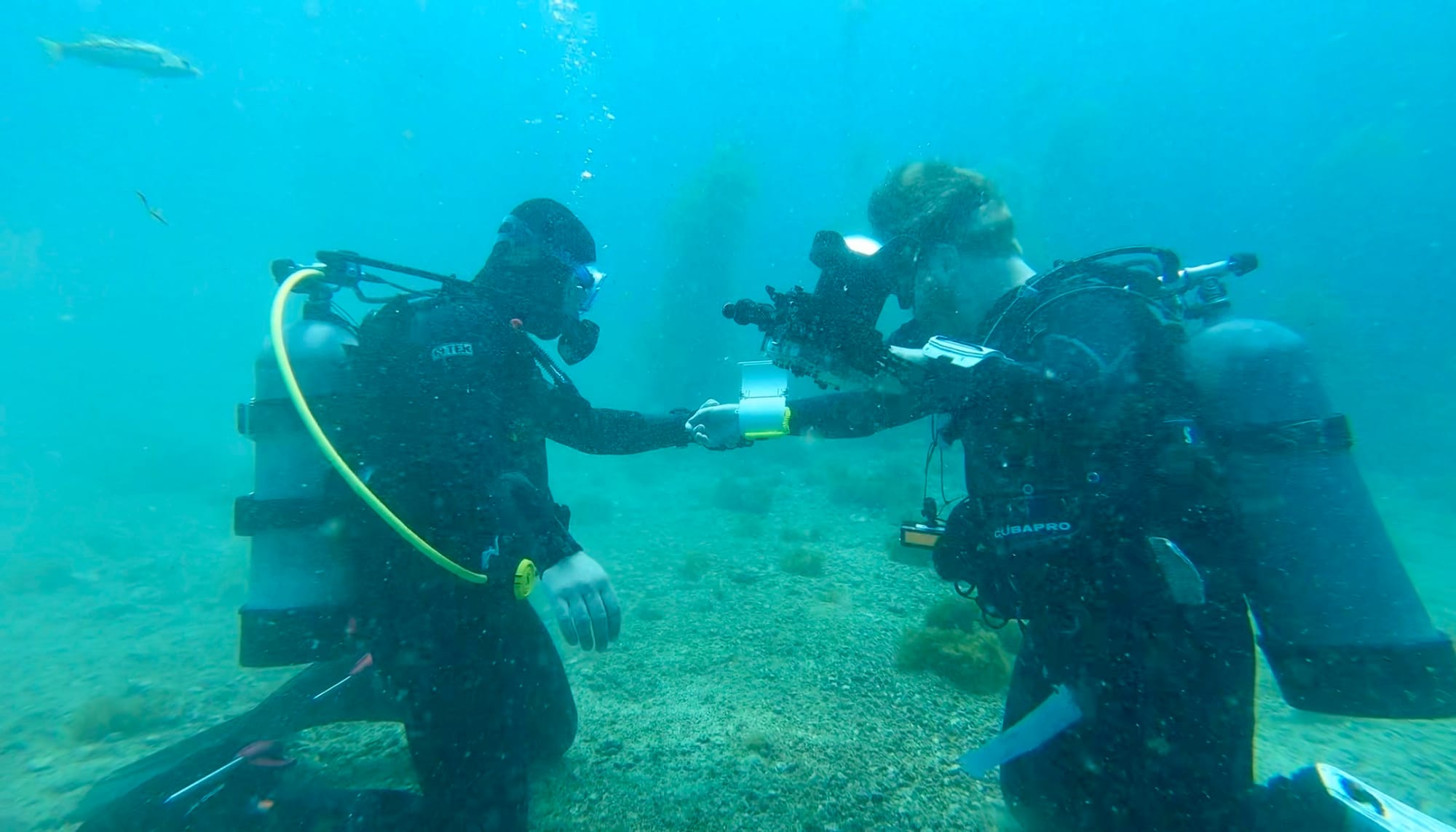
Communicating and directing underwater. We had to invent certain hand signals for "action," "going again," "moving on," and so on. We laminated a numbered shot list so we could reference it underwater, and used a dive slate to write out the numbers and anything else we were trying to communicate. By utilizing the natural environment as much as we could, as well as certain depths, our goal was to give the viewer an authentic diving experience and amp up the suspense.
What moment in the film feels most like you, or like something only you could have made?
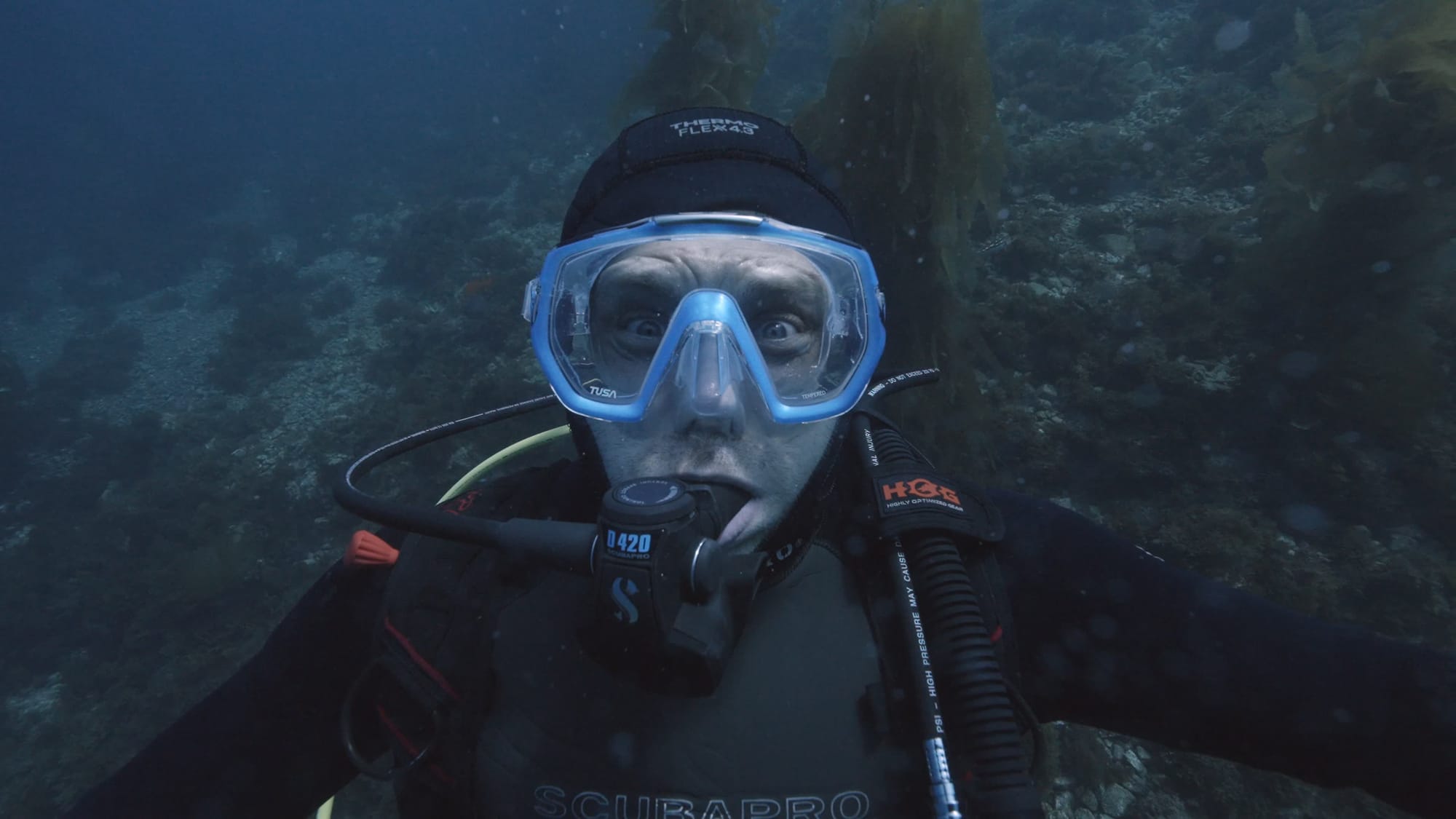
Everyone involved on the day of shooting — which was only three of us — is very passionate about diving, so it was honestly a dream come true to make Lure. Shooting a narrative film underwater is extremely difficult but the challenge was half the fun of it. The fact that the footage looks as great as it does truly showcases how skilled our team is.
What was the hardest creative decision you made while making the film?
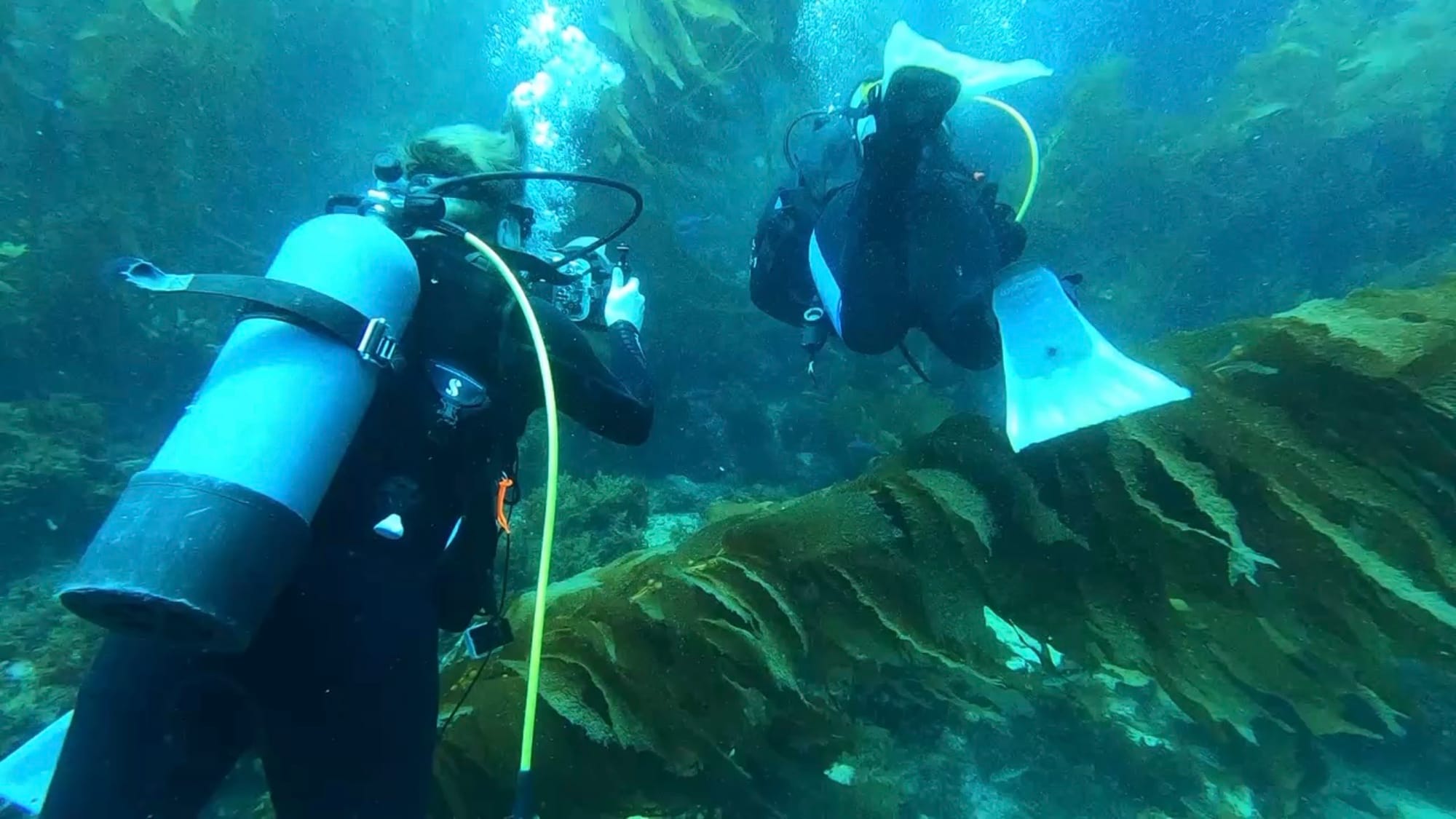
We definitely had some camera issues. Temperature was the biggest factor. Having the camera in the cold waters of the Pacific and then surfacing to a warm California day caused fogging and lens issues, but thankfully we were able to manage.
What tool, technique, resource, collaborator, or mindset shift helped most during production?
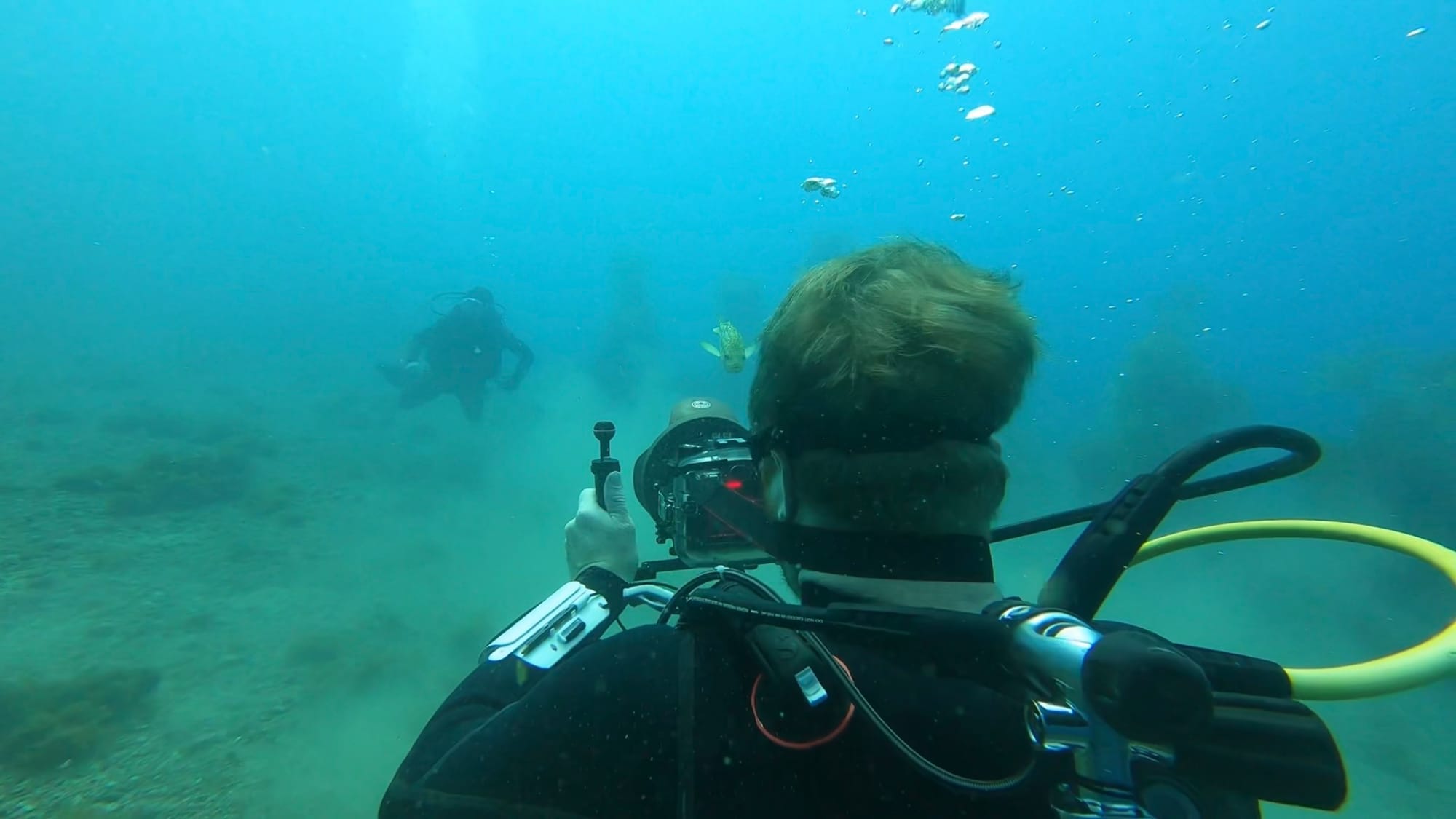
Decades of knowledge surrounding scuba, the dive sites, and the ocean in general was a huge advantage, but making sure we had everything rehearsed and planned before even jumping in the water was crucial. Safety was also a huge priority. We made sure that everyone was in sync with what was going on and knew what to do if there was an emergency.
What is the greatest strength of independent filmmaking, and what lesson would you share with others?
Community, for sure. It's so important. Every independent filmmaker is a natural problem solver and that's what makes us so unique from any other type of artist. What can be accomplished with next to nothing is an ode to how talented indie filmmakers are. There's also a mixture of bravery and stubbornness that has always captivated me — the struggle of it all. It's what makes the gratification of getting "that" shot so euphoric.
What do you hope audiences take away from this film?
I think we're all fascinated by the ocean in one way or another, so bringing a spooky underwater story to a theater sounds like so much fun. What I also want them to take away is "where there's a will, there's a way." Making a film is always difficult — making one underwater is insane! But with the right team and careful planning, anything is possible.
What does it mean to have your film selected for FilmQuest, and where does the film go next?
Everything I've heard about FilmQuest is that it's such an awesome experience. The vibe I'm getting is that it's truly a film family, and a festival that really cares. Every time I mention to someone that we've been selected, the response is overwhelmingly positive and reassures us that we have something unique to showcase amongst such amazing talent. We can't wait for the festivities to begin and we're so honored to be included. From here, we're using the short and the concept to gain hype and momentum for the feature. Our goal is to make a feature film with the same sort of priorities — a horror film revolving around scuba diving. We plan on going even "deeper" with everything, from the lore to the characters to the extremes of diving. At the core of all my work is a desire to innovate: to keep pushing the boundaries and have fun creating unique projects with fellow filmmakers.
Main Cast & Crew
- Jon Salmon — an award-winning director and cinematographer. His first feature, Dude Bro Party Massacre III, which Indiewire called "a bonafide triumph," won the Nightfall award at the LA Film Festival and completed a national, sold-out Alamo Drafthouse tour in 2024. He recently completed his second feature, The Mother, The Menacer and Me, which took Best Horror Comedy at Nightmares Film Festival before distributing on Amazon.
- James Austin Kerr — an award-winning actor and writer. He can be seen in Law & Order, NCIS, Criminal Minds, The Hunting Party, Ballard, and many more. An avid thrill seeker, James is a rescue-certified scuba diver, gymnast, snowboarder, and pilot. He has appeared in nationwide ad campaigns and acted in numerous feature films directed by Oscar-winning and award-winning filmmakers.
- John Comunale — a union propmaker and special effects artist with pyrotechnics, art directing, and set construction experience. Starting out working for Blumhouse, he paid his dues in the horror world. He is currently the foreman for Motion Picture Glass and works freelance for special effects and production companies. He enjoys the creative problem solving that comes with special effects and art department work, and the thrill of turning the impossible into reality.
Filmmaker Opportunities
💛 Fund your next project with fiscal sponsorship
Have a project in the works? As a 501(c)(3) nonprofit, the Cinematography for Actors Institute can accept tax-deductible donations on your film's behalf — a door-opener for grants, foundations, and supporters who want to back your work. We've serviced over 100 projects to date and helped route over $800,000 in funding to filmmakers. Explore fiscal sponsorship →
📬 Grant deadlines and festival opportunities, straight to your inbox
The CFA newsletter rounds up grants, festival calls, and community news for independent filmmakers — the kind of opportunities that are easy to miss and painful to miss. Join the newsletter →
🎬 Focus on the creative — we'll help with the logistics
Production Management, CFA's newest member program, launches this November: production insurance and workers' comp, payroll, film permits, gear rental coordination, SAG-AFTRA compliance, contract drafting, production consulting, and crew recommendations — handled by a team of working filmmakers, à la carte or all in, in partnership with Creative Access Group. It's waitlist-only until launch. Join the waitlist →
League of Filmmakers is published by our parent organization, the Cinematography for Actors Institute — a 501(c)(3) dedicated to education, community, and capital for underrepresented filmmakers and actors. Learn more about CFA →