In Tampico, locals say an underwater alien base protects the city from hurricanes. In Madre Mía, an emotionally dependent son named Miguel takes that collective mythology and makes it personal: desperate for money, he exploits his dying mother's body to stage a viral alien sighting, and the hysteria that follows outruns him almost immediately.
The film is the first short from Tocaya, the Mexico City-based duo of director Mónica G. Carter and writer Ambika Subra, fully funded by FOCINE in 2025. Their name comes from the Spanish word for someone who shares your name — a fitting origin for filmmakers drawn to recognition across seemingly different worlds. Madre Mía, as they describe it, is a film about aliens without any actual aliens: the anticipation of science fiction dropped inside a family drama about money, illness, and a complicated act of love.
Key Takeaways
- The premise began with Jaime Maussan's presentation of alleged "alien bodies" to the Mexican Congress, and the unsettling fact that imagined extraterrestrials look so much like us.
- A news broadcast delivered by an AI-generated presenter lets the film question the truth of its own images from inside the story.
- More than fifty volunteer extras from Tampico turned out at the harbor for the final scene, the result of months of local casting and relationship-building.
Carter and Subra spoke about projection, belief, and how far to follow the darkness that emerged on set.
Interview
What drew you to make this film, and why this story, why now?
The idea began with Jaime Maussan's presentation of alleged "alien bodies" to the Mexican Congress. We were fascinated by how closely these supposed extraterrestrials resembled us. Even when imagining something entirely unknown, we give it a familiar body. That became a way into questions about projection, belief, and the stories we create to make reality bearable.
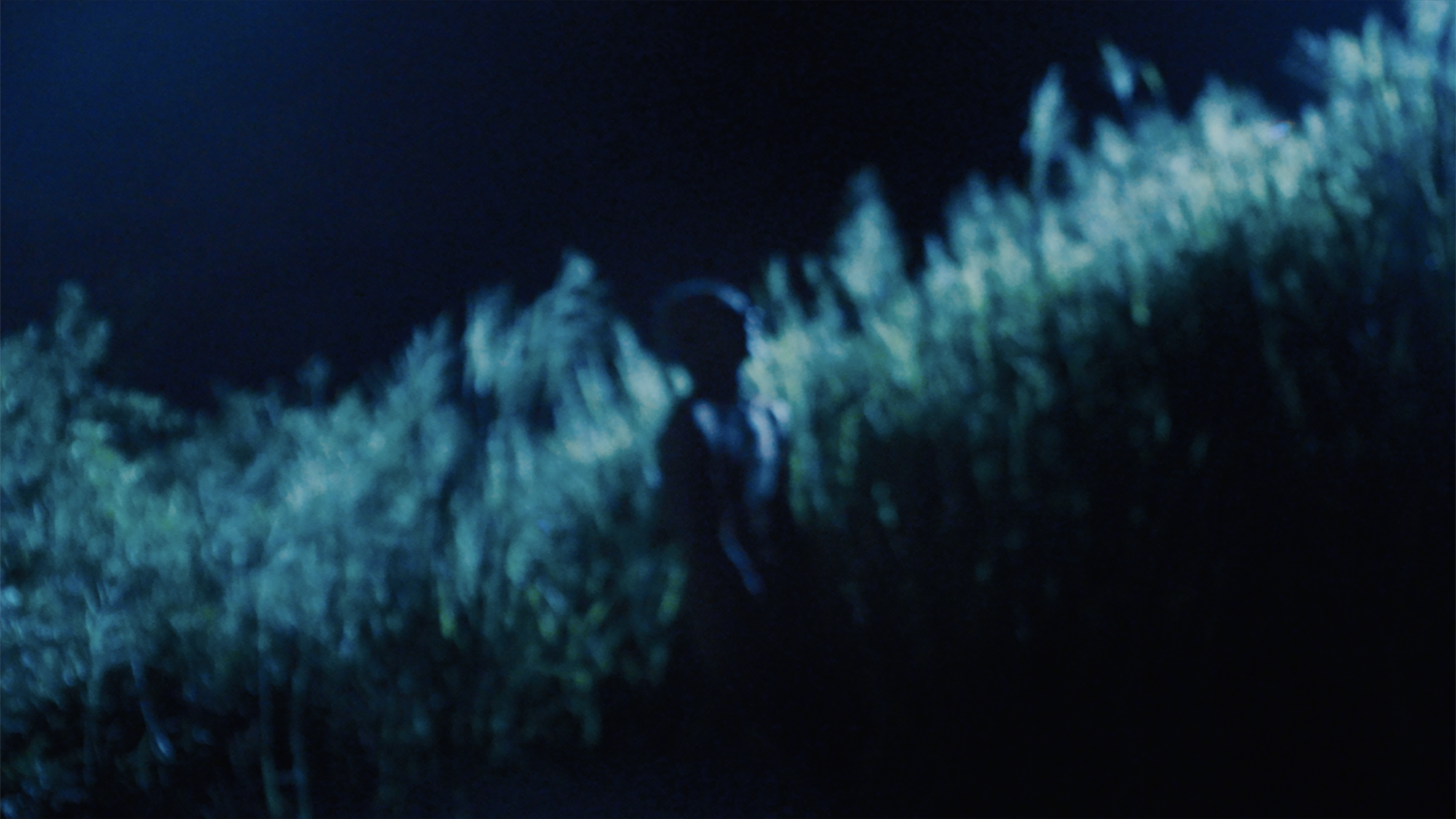
Tampico, where people believe an underwater alien base protects the city from hurricanes, gave those questions a very particular home. We wanted to bring that collective mythology into contact with one man's intimate desperation. At a time when images can be manufactured so easily and circulated as evidence, the distance between wanting to believe something and accepting it as truth feels especially fragile.
How does your film fit within, or push the boundaries of, its genre or form?
We describe Madre Mía as a film about aliens without any actual aliens. It borrows the anticipation of science fiction and places it inside a family drama driven by money, illness, and desperation. The comedy comes from the collision between those scales: the possibility of extraterrestrial life and the immediate problem of paying for medication.
Its form carries that tension too. The news broadcast uses an AI-generated presenter to question the truth of an image, bringing the film's concerns about manufactured belief into the way the story itself is told. It is part televisa / Mexican cinema, part drama, part comedy. It is a rollercoaster that is truly undefinable.
What surprised you most about the filmmaking process, creatively or logistically?
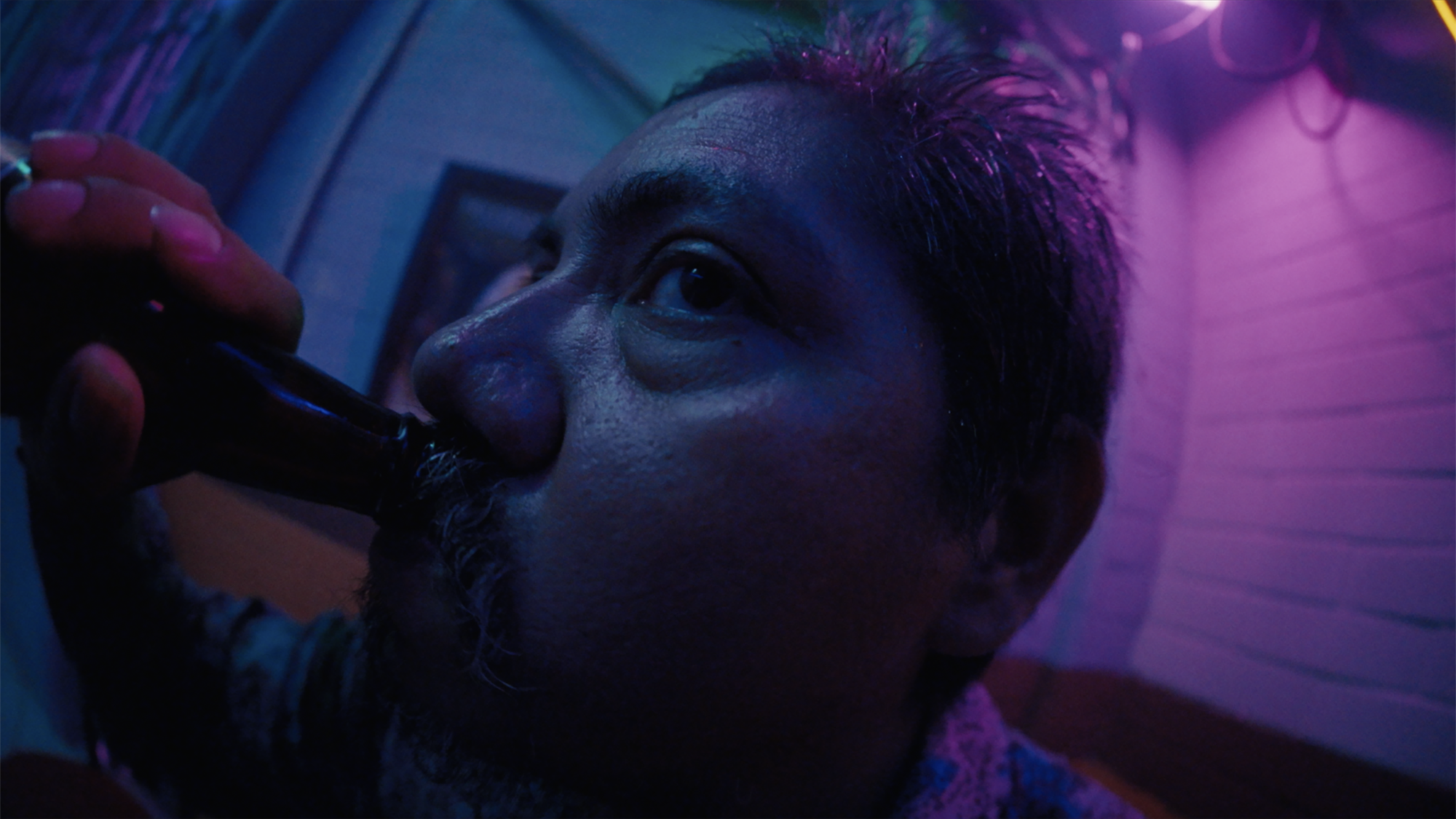
We were surprised by how much the emotional center shifted as other people entered the process. The script leaned more toward comedy, but the actors and cinematography brought out a darkness and tenderness that became impossible to ignore. The music complicated those feelings further.
In post, we had to listen carefully to what we had actually made. Something could still be funny while carrying much more sadness than we had anticipated. Finding the relationship between those feelings became one of the most revealing parts of the process.
What moment in the film feels most like you, or like something only you could have made?
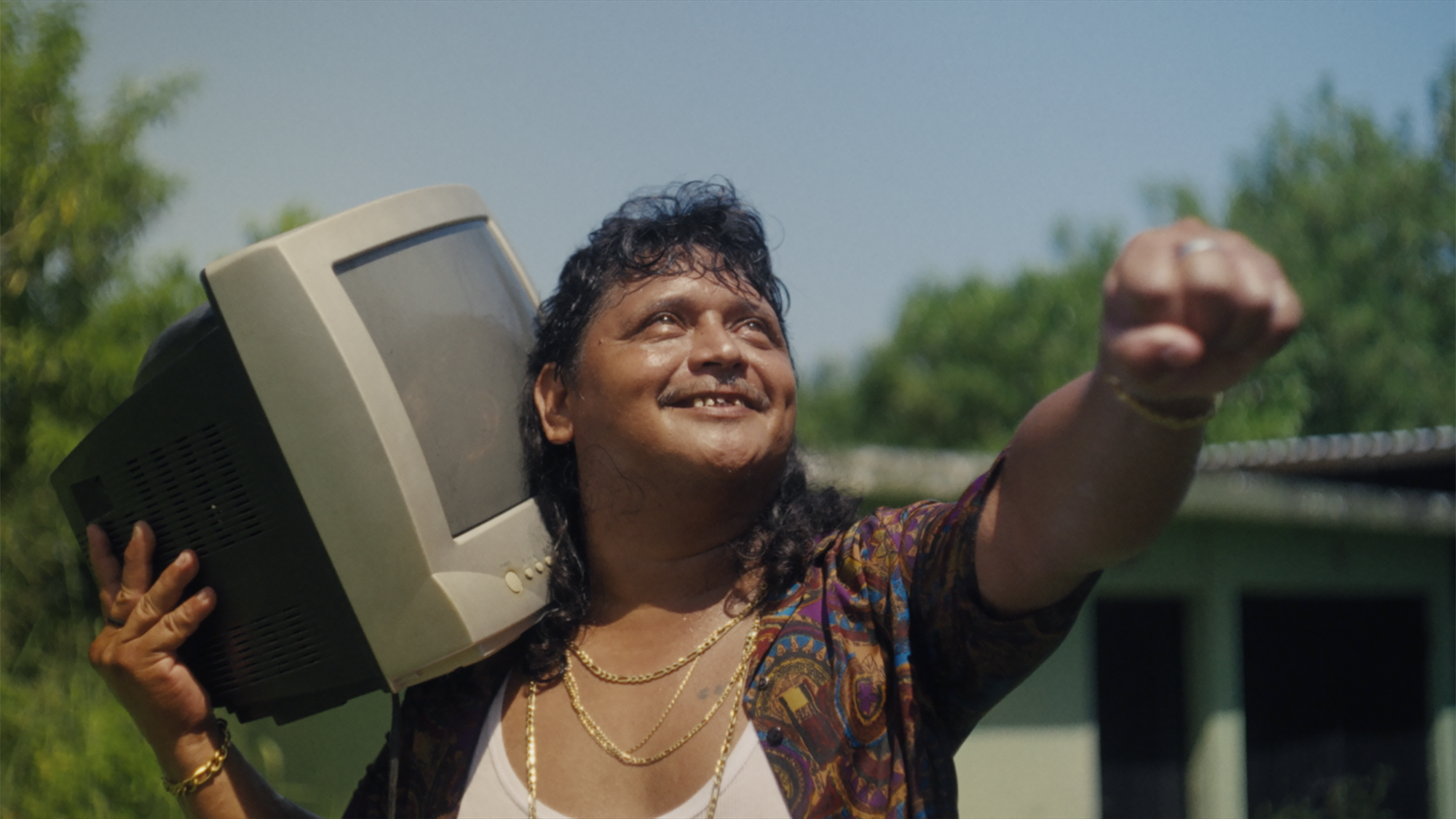
The news broadcast feels particularly close to our sensibility. An AI-generated presenter reports on an alien sighting whose authenticity is in question. There's something funny and unsettling about an artificial person becoming an authority on what is real, let alone presenting real images that we as filmmakers took of La Madre looking very much like a potential alien.
It brings together our interests in absurdity, design, mythology, and the ways media shapes belief. We like a scene that works within the story while quietly making the audience question the image they're watching.
What was the hardest creative decision you made while making the film?
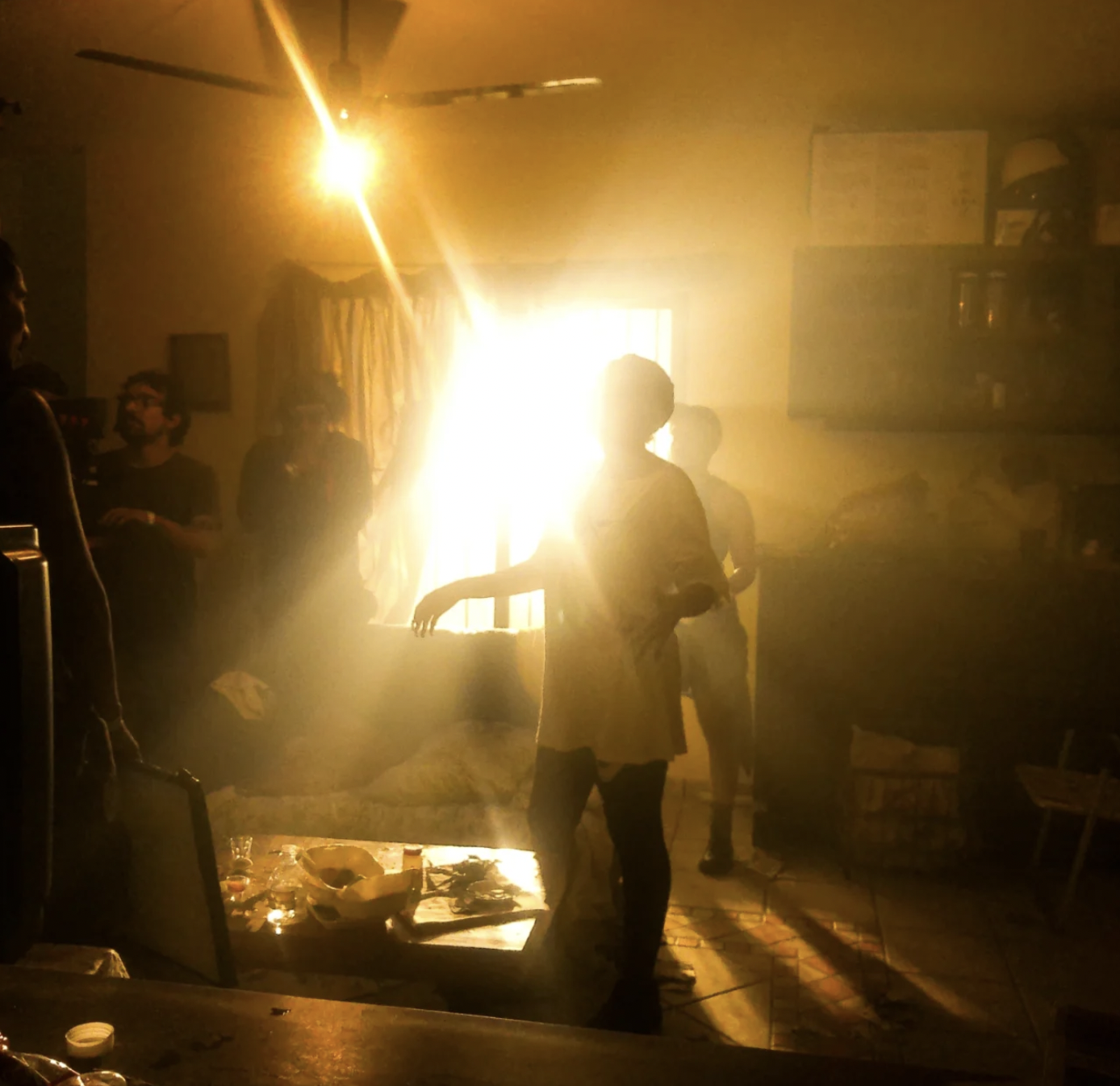
One of the hardest decisions was how far to follow the darkness that emerged during filming. The premise has an obvious absurdity, but it also involves a mother's body, financial desperation, and a complicated act of love. We had to be precise about where the humor landed.
In the edit, that meant allowing some moments to remain uncomfortable and trusting that the comedy could survive alongside them. We wanted to preserve the characters' humanity even when their actions became grotesque. Mostly, we wanted the film to feel Mexican without falling into the typical tropes and clichés of what "Mexican cinema" should look like. This film, above all, feels like Tampico.
We hope audiences leave with a complicated feeling about Miguel, but also themselves: amused, disturbed, and perhaps closer to him than they expected to be. His actions are extreme, but the fear and desperation behind them are recognizable within ourselves. We want audiences to ask — what is real and what is fake? What really is "alien" to us?
What resource, collaborator, or mindset shift helped most during production?
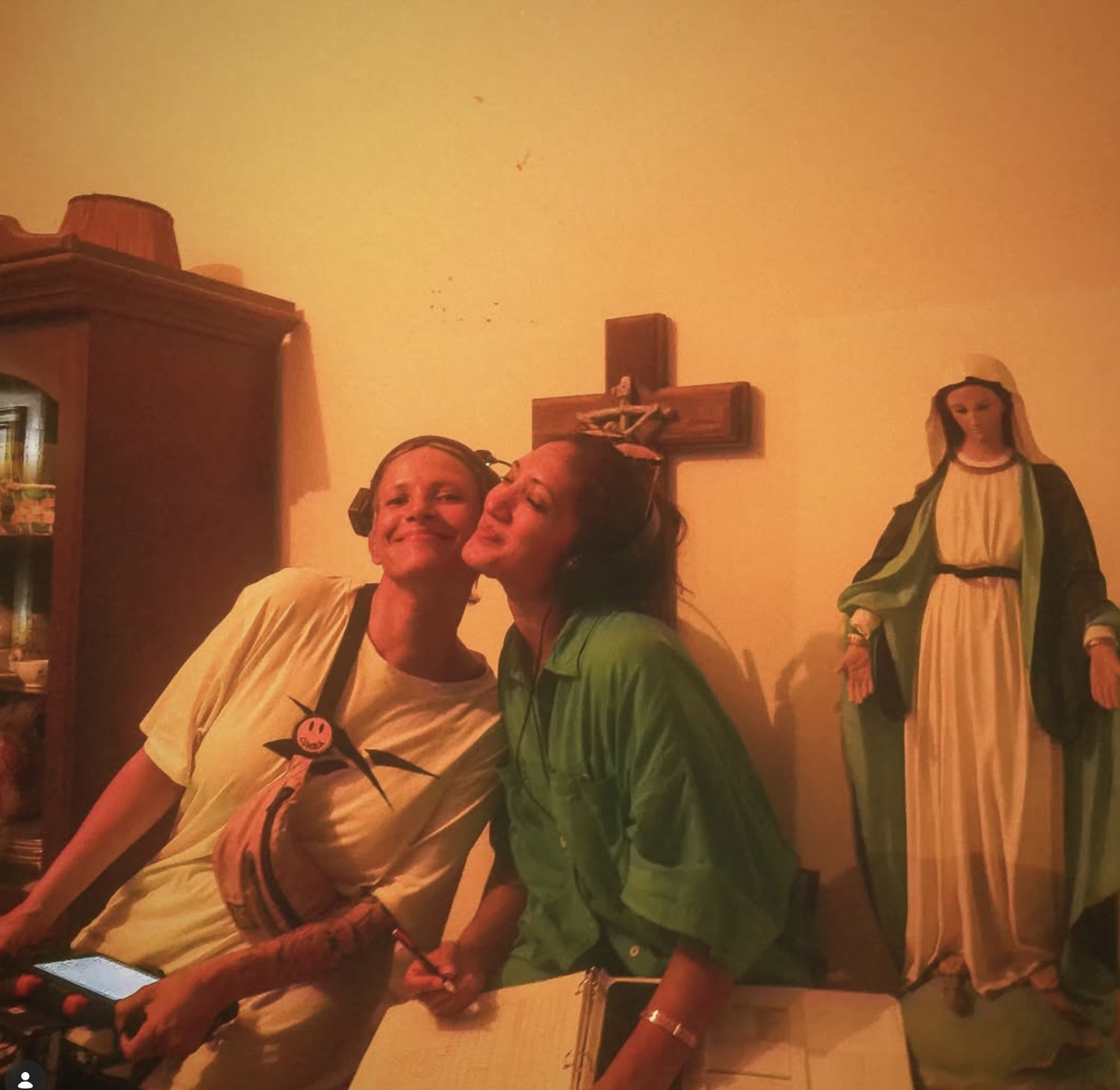
The most valuable resource was the relationship built with the Tampico community. Months of casting and preparation gave the actors time to find their way into the film's unusual tone and gave people around the production a sense of involvement. That became especially tangible when more than fifty volunteer extras came out to the harbor for the final scene. Their enthusiasm brought an energy we could never have manufactured on our own. It reminded us how much a production gains when people feel personally connected to the story being told.
That closeness is the greatest strength of independent filmmaking — the closeness between the people making a film and the choices that shape it. There's room for a particular place, an unexpected performance, or a conversation with a collaborator to change the work in a meaningful way. This is something we know as collaborators — as a writer/director creative duo, but also as part of a greater team of our cast and crew. Our biggest lesson was to build relationships strong enough to support that openness. When people trust each other, an idea can change without losing the feeling that brought everyone together.
What does it mean to have your film selected for FilmQuest, and where do you see the film going next?
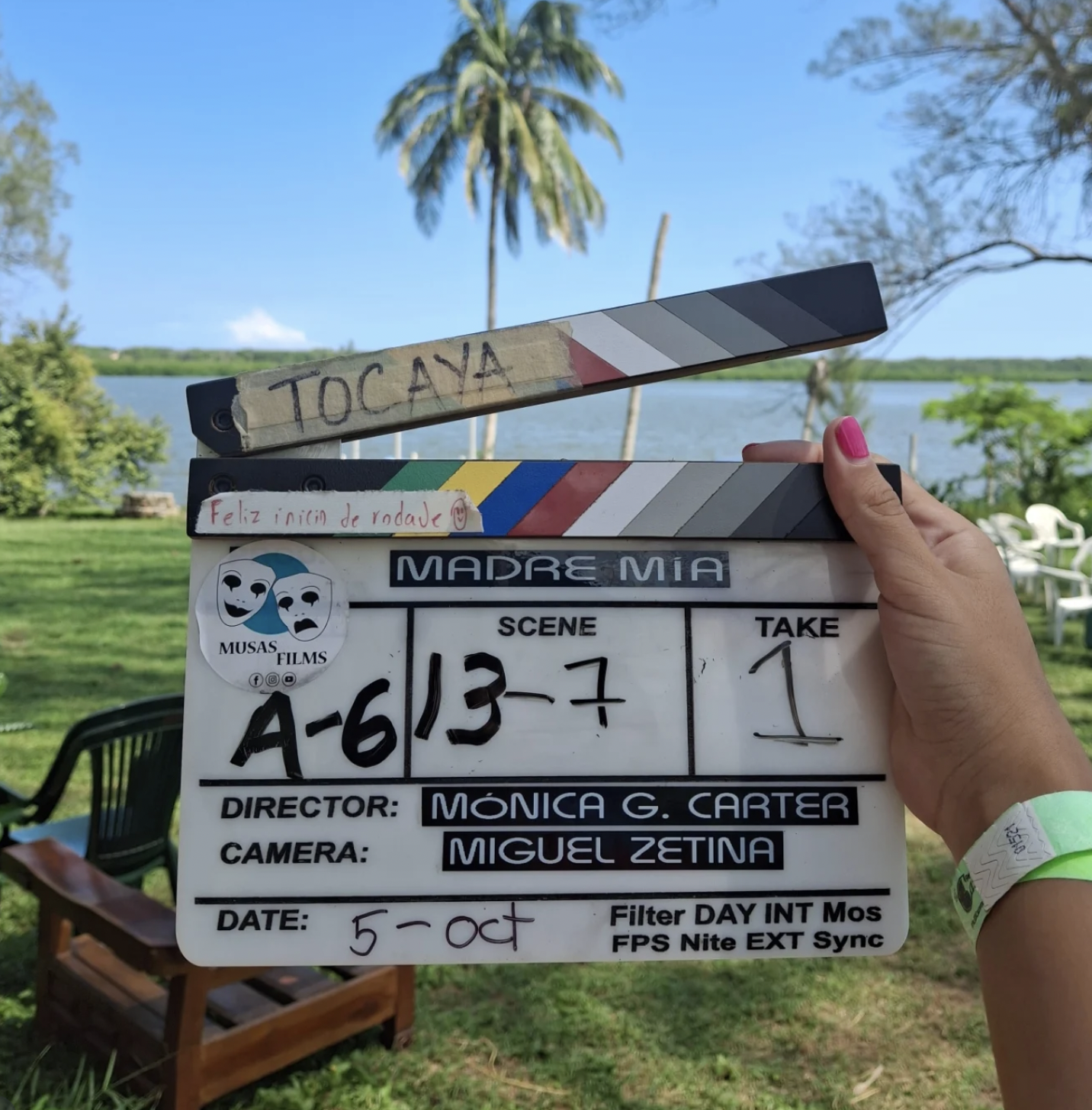
It's exciting to bring Madre Mía to an audience that actively seeks out unusual stories. The film asks viewers to move through several feelings at once, and we're eager to experience it with people who enjoy that unpredictability. It also means a great deal to bring a story so rooted in Tampico into a wider conversation. We're curious to see what feels familiar to audiences encountering this city and its mythology for the first time.
We hope the film continues meeting audiences internationally while maintaining a life in Tampico. We're interested in what happens when it returns to the community whose mythology helped create it, and how people choose to carry that story forward. That also connects to the work we're developing beyond the screen, including alien playeras and collaborations through which others can interpret the film's world. As Tocaya, we're developing two features and a new short, and we see Madre Mía as the beginning of a longer conversation with audiences and future collaborators.
It has made us more confident about following the strange emotional territory between comedy, tenderness, and horror — something we are very much trying to push the boundaries of what's "typical." At the core of all our work is a desire to find something deeply familiar in people, places, and beliefs that might initially seem foreign.
Main Cast & Crew
- Mónica G. Carter — Director. Multiracial Mexican director, one half of Tocaya.
- Ambika Subra — Writer. Indian-American writer and designer, one half of Tocaya.
- Fully funded by FOCINE, 2025.
Filmmaker Opportunities
💛 Fund your next project with fiscal sponsorship
Have a project in the works? As a 501(c)(3) nonprofit, the Cinematography for Actors Institute can accept tax-deductible donations on your film's behalf — a door-opener for grants, foundations, and supporters who want to back your work. We've serviced over 100 projects to date and helped route over $800,000 in funding to filmmakers. Explore fiscal sponsorship →
📬 Grant deadlines and festival opportunities, straight to your inbox
The CFA newsletter rounds up grants, festival calls, and community news for independent filmmakers — the kind of opportunities that are easy to miss and painful to miss. Join the newsletter →
🎬 Focus on the creative — we'll help with the logistics
Production Management, CFA's newest member program, launches this November: production insurance and workers' comp, payroll, film permits, gear rental coordination, SAG-AFTRA compliance, contract drafting, production consulting, and crew recommendations — handled by a team of working filmmakers, à la carte or all in, in partnership with Creative Access Group. It's waitlist-only until launch. Join the waitlist →
League of Filmmakers is published by our parent organization, the Cinematography for Actors Institute — a 501(c)(3) dedicated to education, community, and capital for underrepresented filmmakers and actors. Learn more about CFA →