Table of Contents
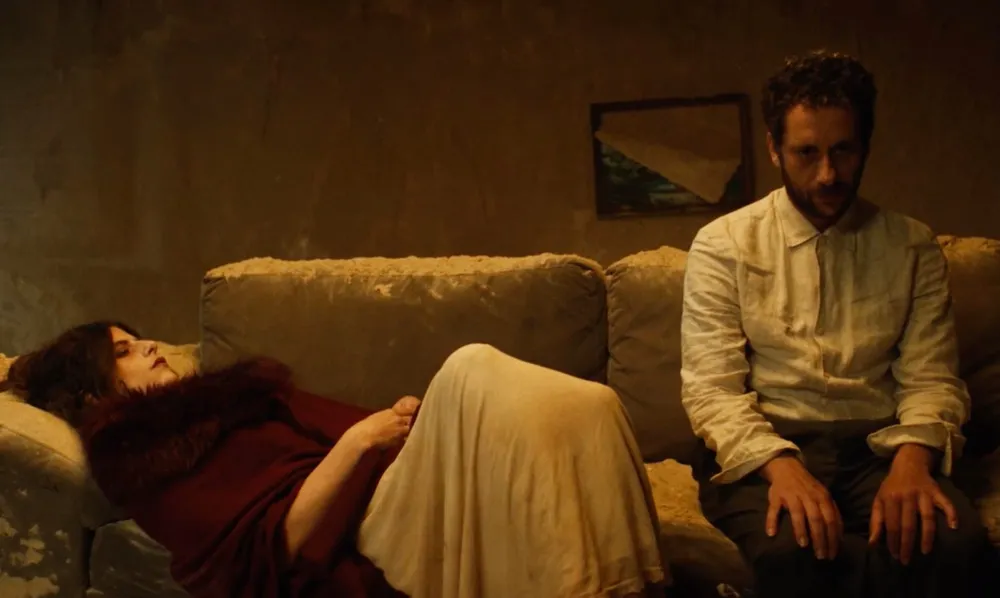
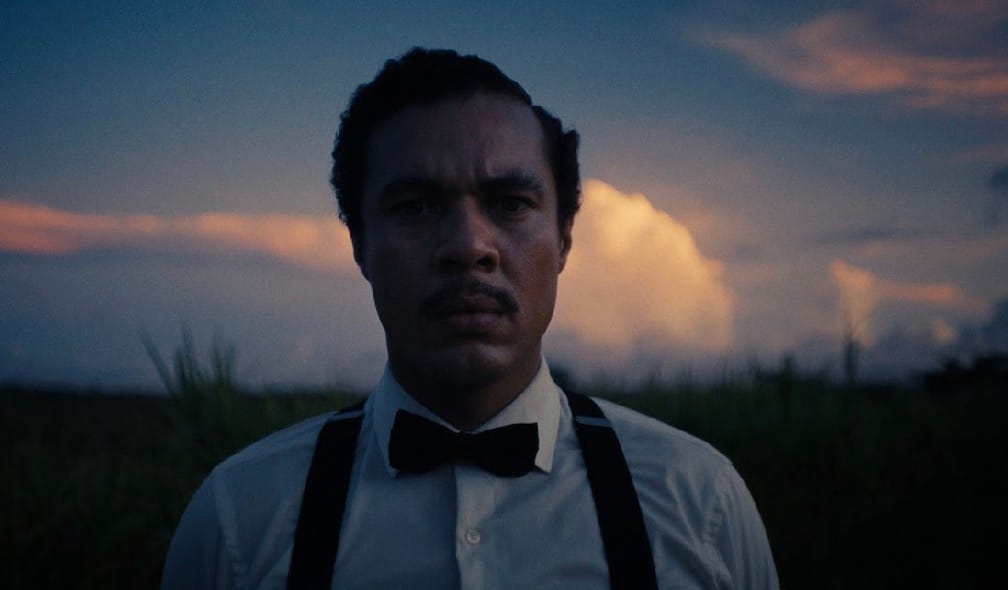
Set during Puerto Rico's sugar strikes, Mataron a Pedro follows the escalating conflict between Pedro Albizu Campos and U.S. intelligence chief E. Francis Riggs — a standoff that ends in violence and a mysterious death. Rather than a sweeping biopic, Kristian Mercado narrows his lens to a single moment of escalation, letting the weight of generations of colonial violence live in one man's face, his silence, his exhaustion.
The result sits between historical drama, political thriller, and psychological portrait. Mercado is drawn to a figure he considers one of the most important in Puerto Rican history, yet one whose story has been erased or reduced to a footnote. At a time when protest is increasingly criminalized and history is being rewritten in real time, he found the story more urgent than ever.
Key Takeaways
- A pivotal, largely erased chapter of Puerto Rican history, framed as an emotional experience rather than a lecture.
- Mercado resists the biopic form, focusing on a single escalation to examine power, surveillance, and the psychological violence of colonial rule.
- The film is the seed of a larger project — Mercado is currently writing a feature-length exploration of Albizu Campos.
What follows is a conversation with the director about history, intimacy, and the freedom that made this film possible.
Interview
What drew you to make this film, and why this story, why now?
I was drawn to Pedro Albizu Campos because he is one of the most important figures in Puerto Rican history, yet much of his story has been erased or reduced to a footnote. I wanted to explore the human cost of colonialism through the confrontation between Albizu Campos and U.S. intelligence chief E. Francis Riggs during the sugar strikes. At a time when protest is increasingly criminalized and history is being rewritten in real time, the story felt urgent. I find the story somehow feels more relevant now, more so than ever.
What surprised you most about the filmmaking process, including any moment that changed how you saw the story?
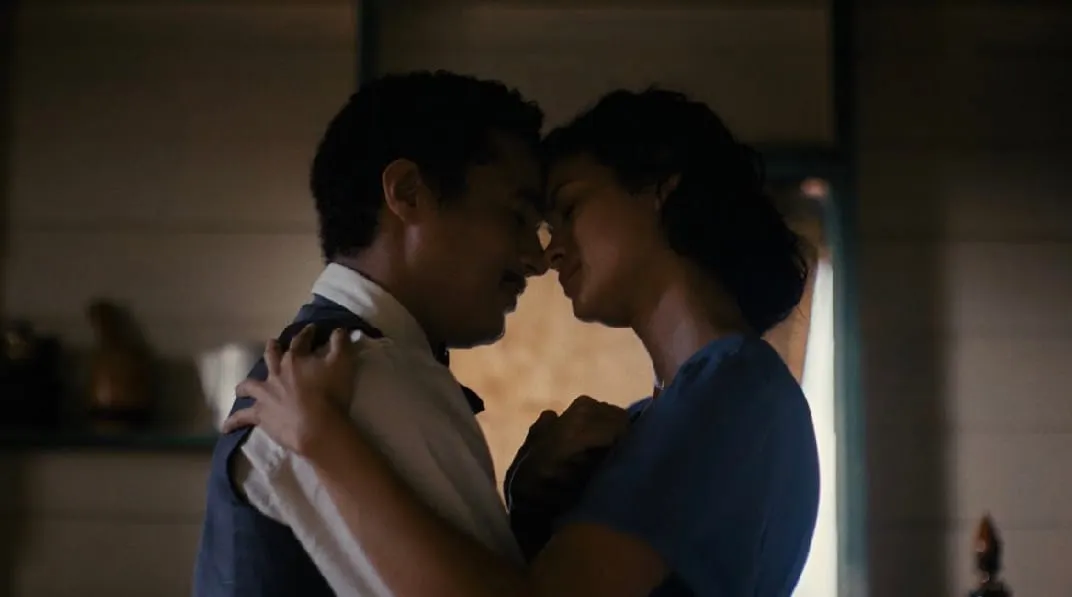
What surprised me most was how intimate the film became. I began with the scale of history, political repression, and colonial power, but the performances kept pulling me toward the smaller human moments. In the edit, I realized the film was strongest when we stayed close to Pedro and allowed the weight of the larger history to live in his face, his silence, and his exhaustion, and in his dynamic with his family and wife. The struggle at a human level told the story best.
What moment in the film feels most like you, or like something only you could have made?
The moments where political anger and sadness collide together feel the most like me. As a Puerto Rican filmmaker, I understand the contradiction of loving a place while also carrying the pain of what has been done to it. The film lives inside that contradiction. The feeling of being a stranger in your own home, or the feeling of being disconnected and misunderstood by the larger society.
What was the hardest creative decision you made while making the film?
The hardest decision was deciding how much history to explain. The story contains generations of colonial violence, surveillance, labor exploitation, and political resistance. I had to trust the audience and avoid turning the film into a history lesson. The goal was to create an emotional experience that would make people want to learn more.
What tool, technique, or mindset shift helped most during production?
Trusting my collaborators helped the most. Ismael Cruz Córdova brought an emotional depth to Pedro that went beyond anything on the page, and our cinematographer Diana Matos helped create a visual language that felt both historical and psychologically immediate. The biggest mindset shift was understanding that I did not need to explain every detail. I needed to create the conditions for the audience to feel the truth of the story.
What is the greatest strength of independent filmmaking, and how did you lean into it here?
The greatest strength of independent filmmaking is freedom. You can tell stories that larger institutions may consider too political, too specific, or too uncomfortable. On this film, we leaned into that freedom by refusing to soften the colonial context or make the history easier to digest. My biggest lesson is that specificity creates universality. The more honestly you tell the story you are uniquely positioned to tell, the more deeply it can connect with others.
What does it mean to have your film selected for HollyShorts, and where do you see it going next?
It is a tremendous honor. HollyShorts gives short films a meaningful platform and brings them to an audience that truly values filmmaking and discovery. For a film about a history that has so often been erased, being selected means the story can reach people who may never have encountered it otherwise. It legitimizes the narrative in this larger way for audiences. I hope the film continues through the festival circuit and reaches audiences in Puerto Rico, throughout the diaspora, and beyond. I also see it as the beginning of a larger exploration of Pedro Albizu Campos and the hidden history of Puerto Rico, potentially through a feature-length film which I'm currently writing.
Asked to complete the sentence "At the core of all my work is a desire to ___," Mercado answers without hesitation: "to make people who have been pushed to the margins feel seen, powerful, and impossible to erase." Mataron a Pedro is proof of that intent — a reminder, as he puts it, that colonialism is not an abstract idea from the past, but a system with real consequences for real people.
Main Cast & Crew
- Director: Kristian Mercado
- Director of Photography: Diana Matos
- Leads: Ismael Cruz Córdova, David Koechner, Juana Burga
- Producer: Debbie Perez
- Executive Producers: Angel Manuel Soto, John Leguizamo, Debbie Perez, Ivelyse Andino, Rosa Clemente, Maria Hernandez, Alan Luna, Jose Lopez
Filmmaker Opportunities
💛 Fund your next project with fiscal sponsorship
Have a project in the works? As a 501(c)(3) nonprofit, the Cinematography for Actors Institute can accept tax-deductible donations on your film's behalf — a door-opener for grants, foundations, and supporters who want to back your work. We've serviced over 100 projects to date and helped route over $800,000 in funding to filmmakers. Explore fiscal sponsorship →
📬 Grant deadlines and festival opportunities, straight to your inbox
The CFA newsletter rounds up grants, festival calls, and community news for independent filmmakers — the kind of opportunities that are easy to miss and painful to miss. Join the newsletter →
🎬 Focus on the creative — we'll help with the logistics
Production Management, CFA's newest member program, launches this November: production insurance and workers' comp, payroll, film permits, gear rental coordination, SAG-AFTRA compliance, contract drafting, production consulting, and crew recommendations — handled by a team of working filmmakers, à la carte or all in, in partnership with Creative Access Group. It's waitlist-only until launch. Join the waitlist →
League of Filmmakers is published by our parent organization, the Cinematography for Actors Institute — a 501(c)(3) dedicated to education, community, and capital for underrepresented filmmakers and actors. Learn more about CFA →