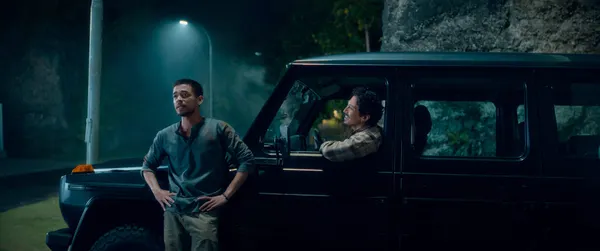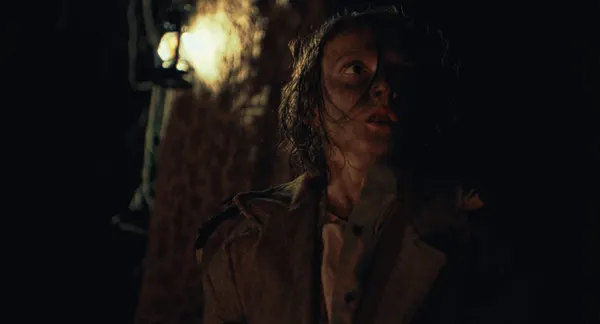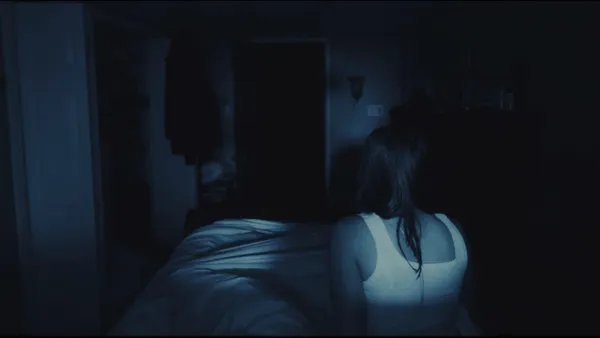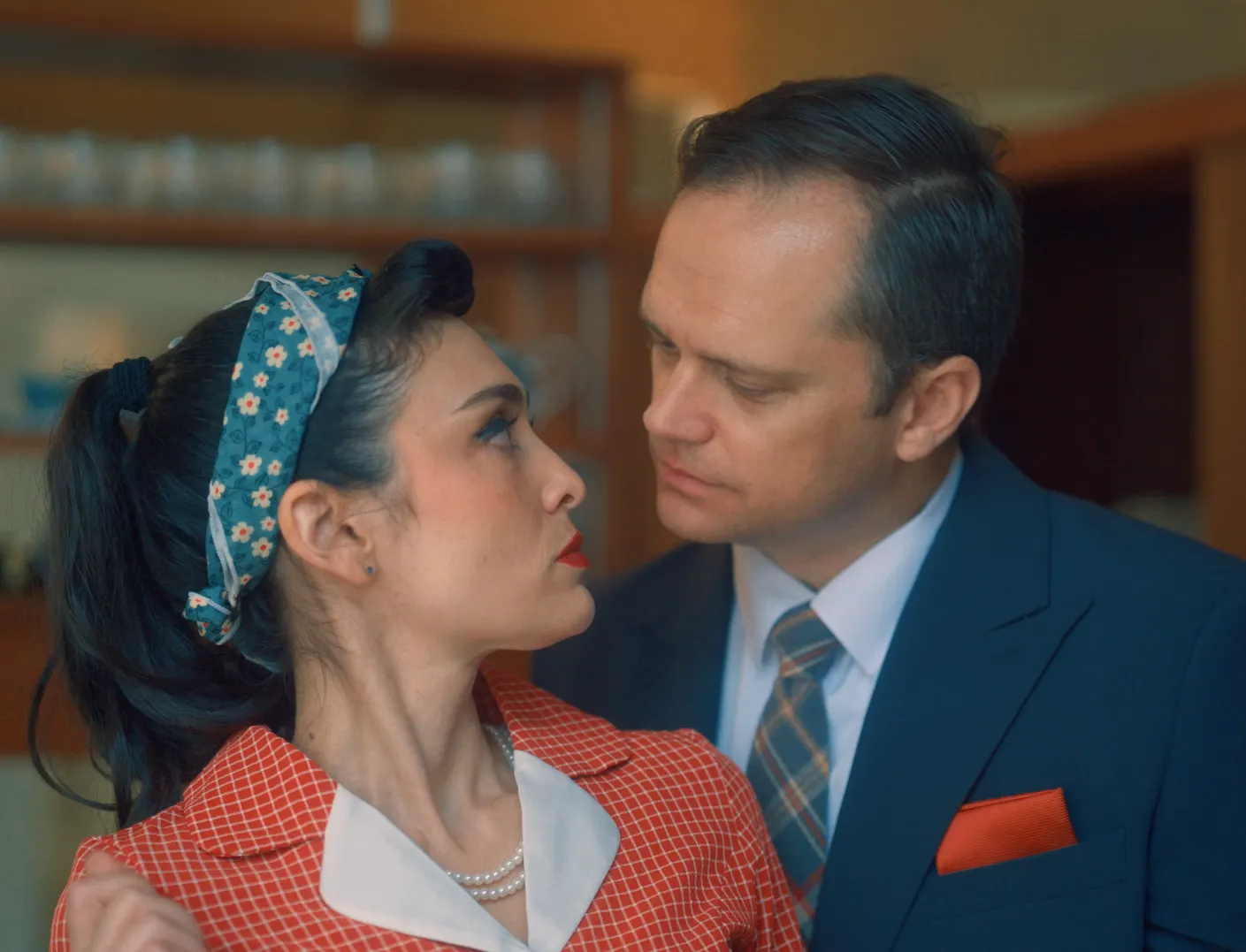
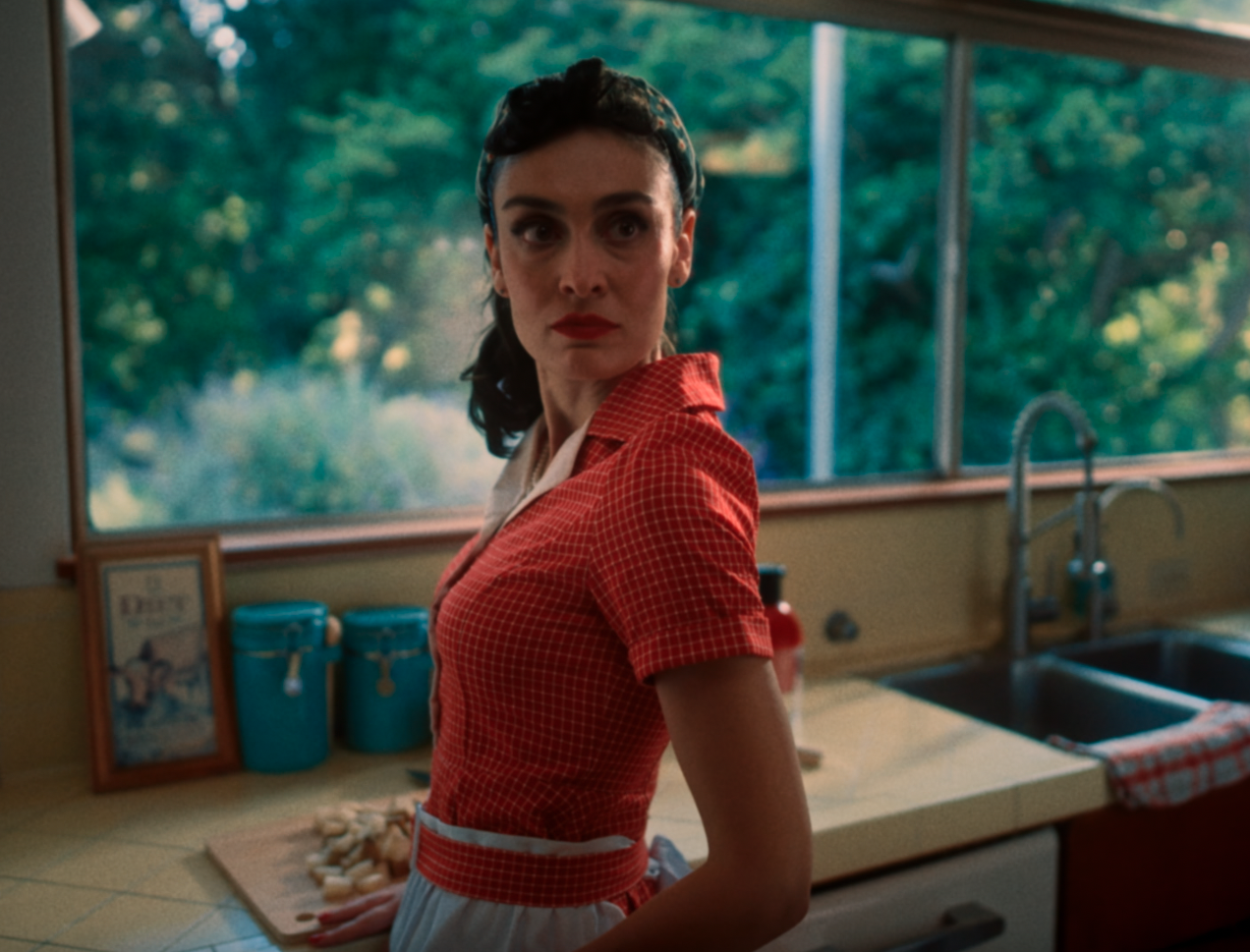
A doting wife, a controlling husband, and an appetite for revenge: that's the whole pitch for Meat, and it's the right one. Michael Skanes, who co-wrote the film with Stephanie Piotrowski and directed it, came to the project from an editing background and a long love of horror, drawn to the specific pleasure of cutting a conversation between two characters — here, Jules and the 1950s-inspired split personality she carries with her.
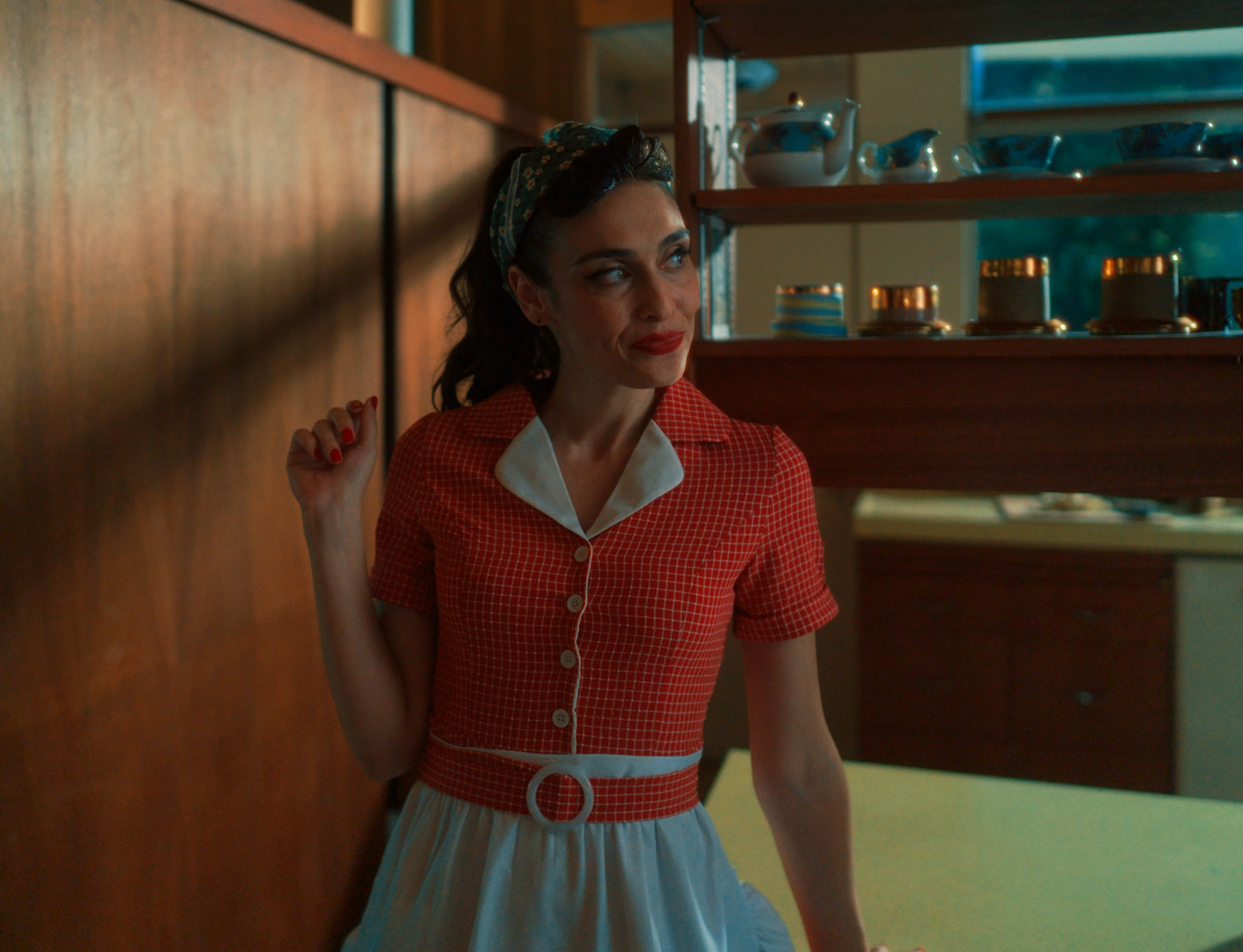
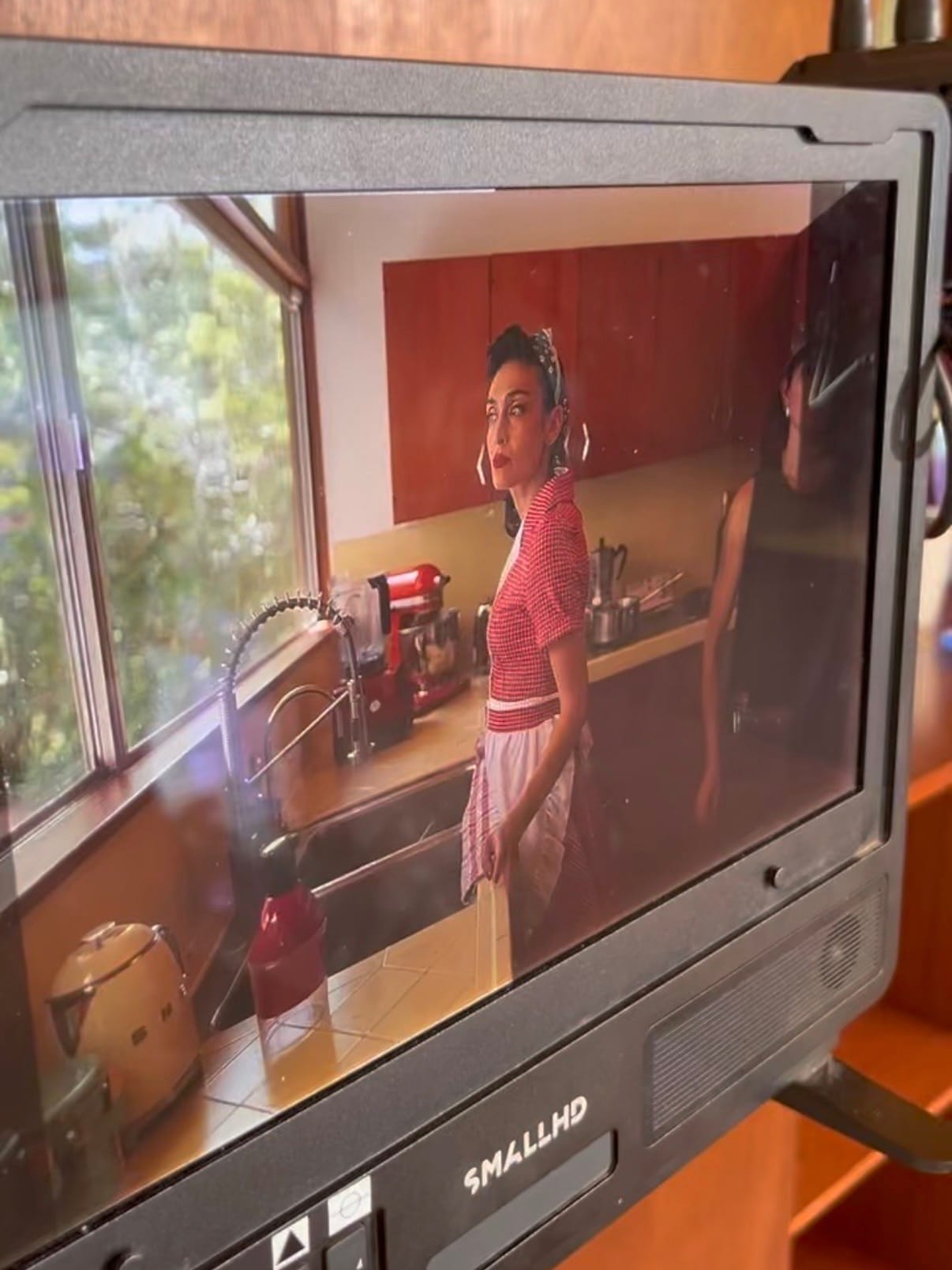
The film arrives at FilmQuest with its tonal gearshifts intact. It opens closer to thriller, develops a dark sense of humor, and then makes a sharp, sudden turn into body horror. The period half of the film carries its own look — vibrant reds and teals, a warmth that sits oddly and beautifully against what's coming. It's Skanes's second year at the festival, and the last stop on the film's run.
Key Takeaways
- Meat began as a story about twin sisters; the short format pushed Skanes and co-writer Stephanie Piotrowski toward a single character, Jules, and the internal strength she has to find to survive.
- Setting Jules's split personality in the 1950s made location scouting difficult, but gave the film the aesthetic that sets it apart.
- Skanes built his look book in ShotDeck to convey his vision to the team, and revises it as the vision evolves.
Below, Skanes talks about collaboration, courage, and why he'd like you to leave the theater hungry.
Interview
What drew you to make this film, and why this story, why now?
I come from an editing background with a love for the horror genre, so for this film I wanted to do something fun, albeit a bit dark fun, by cutting together a conversation between two characters — in this case, Jules and her 50s inspired split personality. I thought a dysfunctional marriage would be a relatable place to start, but the trick was how could I give it my spin so it feels fresh. Also, diving into this film and the subject matter, I didn't want to be the singular voice writing this story, so I collaborated with a fellow horror fan and colleague, Stephanie Piotrowski, who took the lead on creating Jules and adding her perspective to this female driven narrative.
What surprised you most about the filmmaking process, creatively or logistically, including any moment that changed how you saw the story?
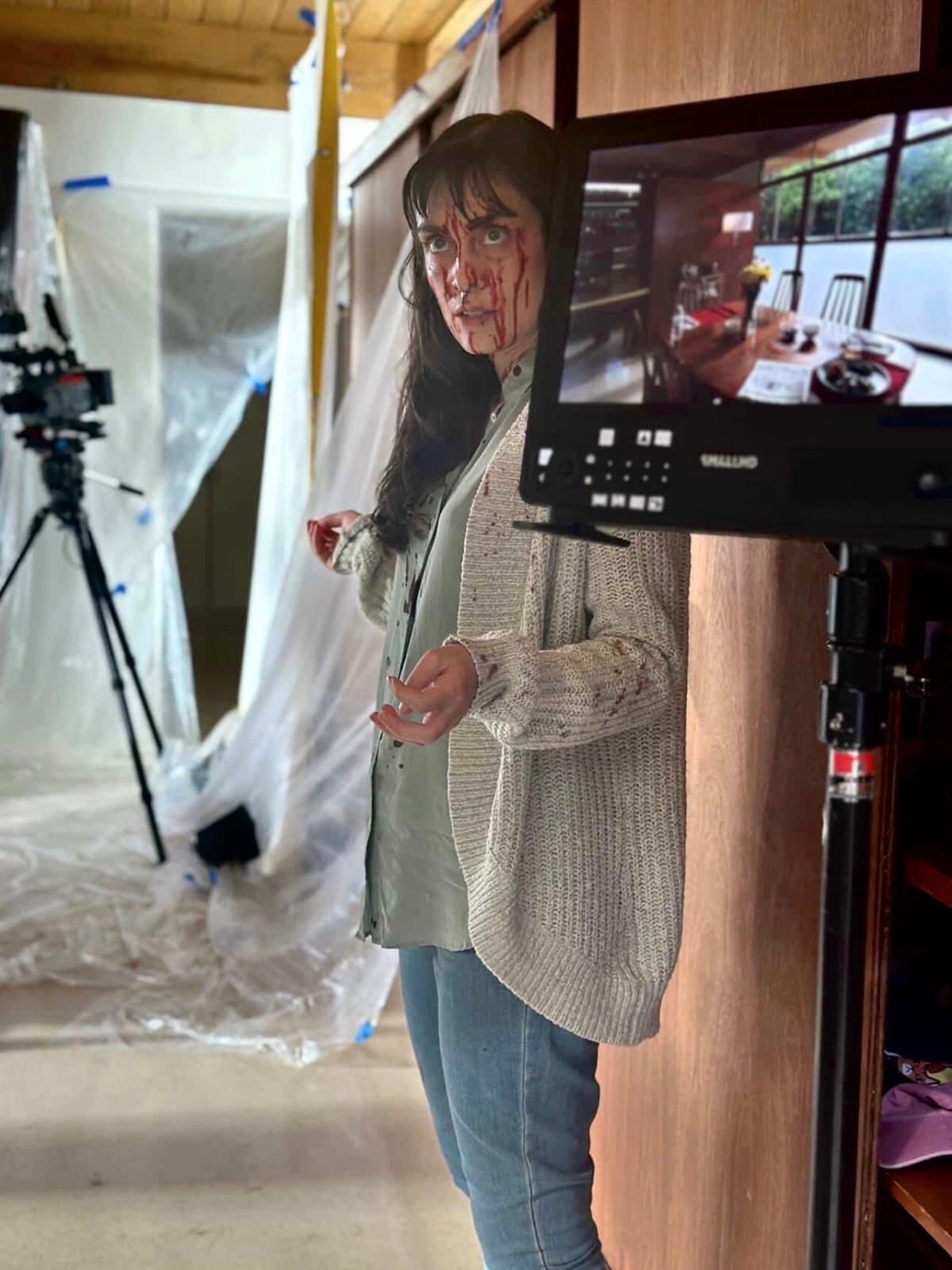
Early on, Stephanie and I set out to write a story about two twin sisters and their bond that was stronger than this man, but in the short format we found that to be difficult to write concisely with the proper motivation in place. So we opted to focus on a singular character, Jules, and how she is forced to find her own internal strength to survive, which in the end felt like a more courageous approach to the story.
What moment in the film feels most like you, or like something only you could have made?
Without spoiling it, the meal Jules enjoys at the end, and also the quick editing for the conversation she has with her 50s personality.
What was the hardest creative decision you made while making the film?
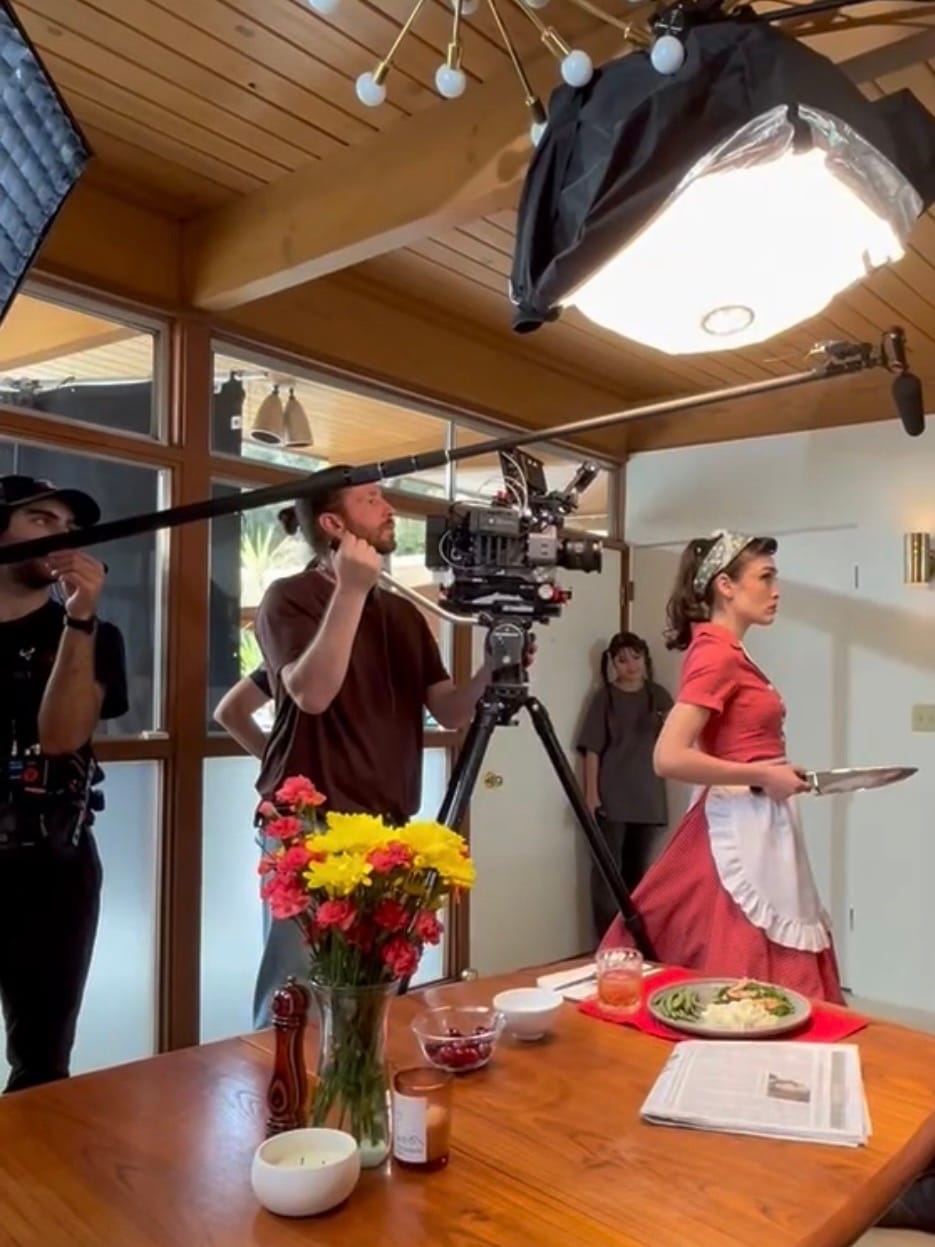
I think it's two things. First, deciding to switch from twin sisters to Jules having a split personality. And then second, setting that split personality in the 50s. The period aspect made it difficult to find the right location, but I think it's that aesthetic which helps the film stand apart, given its vibrant reds and teals as well as overall warmth in those scenes.
What tool, technique, resource, collaborator, or mindset shift helped most during production?
I love ShotDeck! I used that to build my look book, which was key in conveying my vision to the team. But just making look books in general as a director is really useful. I even revise it over time as my vision evolves.
What is the greatest strength of independent filmmaking, how did you lean into it on this project, and what lesson would you share with others?
Being unexpected. I'm not sure the audience could have guessed where Meat would end, or at least how the conclusion would come together. I'd say for new filmmakers: don't worry whether the topic or subject is original or not. What's important is their perspective and how they approach the film.
What do you hope audiences take away from this film, and how has it shaped the stories you want to tell next?
I hope they have a good time and walk away hungry, haha. I think it shows a progression in my films as I've slowly leaned into more shock or surprise with the short format. I'm certainly cooking up more horror with my next film. At the core of all my work is a desire to tell stories that have meaningful characters who are pushed into relatable and, more often than not, terrifying situations that they either grow from or succumb to their dark desires.
What does it mean to have your film selected for FilmQuest, and where do you see the film going next?
It's a huge honor to be at FilmQuest! This is my second year and my first time was a blast. FilmQuest marks the end of our festival run, unless future festival opportunities arise. But we've had a great run, and now we're looking for an online platform for our public premiere.
Main Cast & Crew
- Marissa Pistone
- Lane Compton
- Michael Skanes (Co-Writer, Director)
- Stephanie Piotrowski (Co-Writer)
- Christine Celozzi (Producer)
- Jay Dallen (Producer, D.P.)
- Andrea Monzon (Production Designer)
- Mia Leone (Hair & Make-Up)
Filmmaker Opportunities
💛 Fund your next project with fiscal sponsorship
Have a project in the works? As a 501(c)(3) nonprofit, the Cinematography for Actors Institute can accept tax-deductible donations on your film's behalf — a door-opener for grants, foundations, and supporters who want to back your work. We've serviced over 100 projects to date and helped route over $800,000 in funding to filmmakers. Explore fiscal sponsorship →
📬 Grant deadlines and festival opportunities, straight to your inbox
The CFA newsletter rounds up grants, festival calls, and community news for independent filmmakers — the kind of opportunities that are easy to miss and painful to miss. Join the newsletter →
🎬 Focus on the creative — we'll help with the logistics
Production Management, CFA's newest member program, launches this November: production insurance and workers' comp, payroll, film permits, gear rental coordination, SAG-AFTRA compliance, contract drafting, production consulting, and crew recommendations — handled by a team of working filmmakers, à la carte or all in, in partnership with Creative Access Group. It's waitlist-only until launch. Join the waitlist →
League of Filmmakers is published by our parent organization, the Cinematography for Actors Institute — a 501(c)(3) dedicated to education, community, and capital for underrepresented filmmakers and actors. Learn more about CFA →