Table of Contents
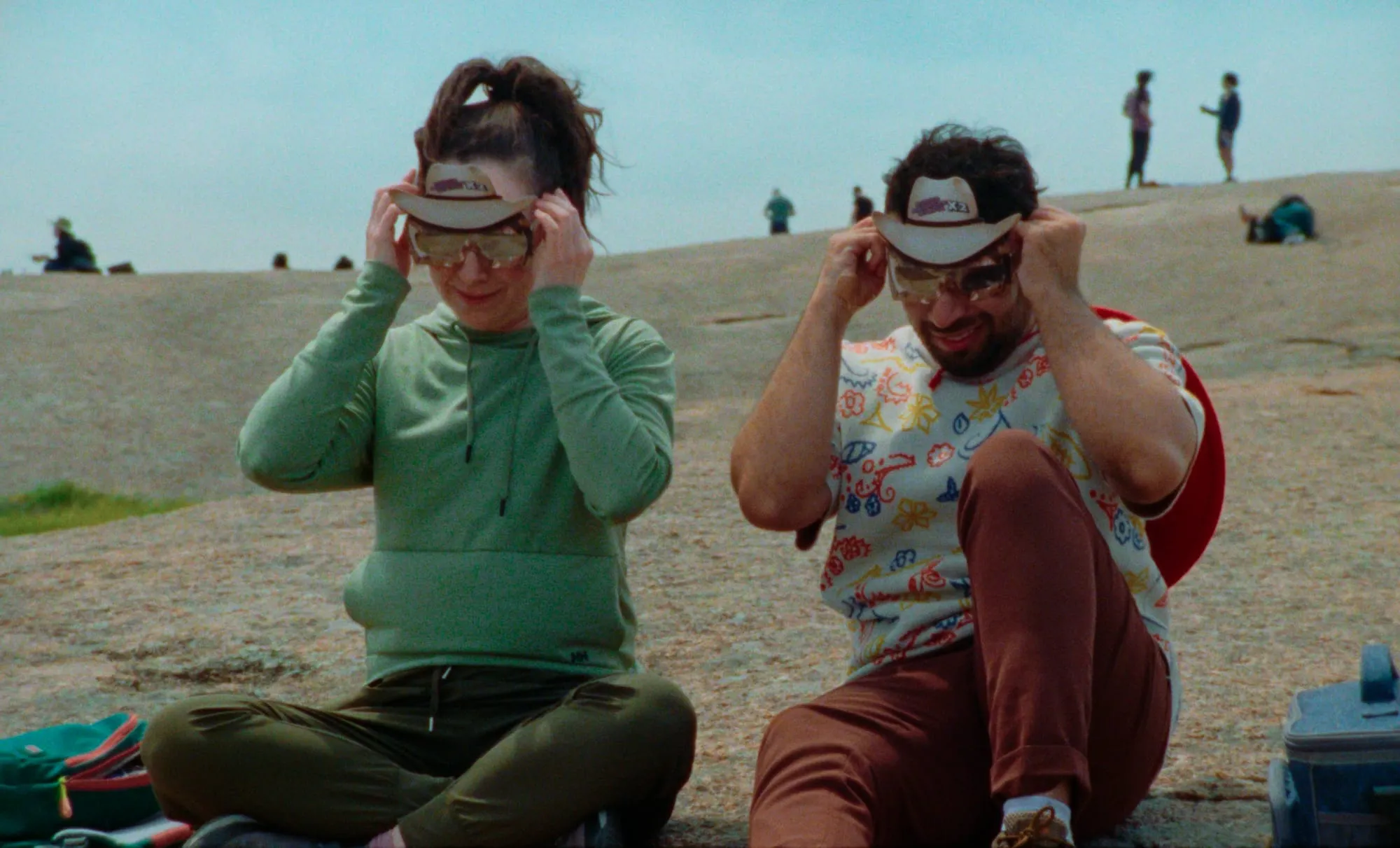
Shot during a real solar eclipse with a tiny crew and a finite amount of film, Mesopotamia, TX is a 19-minute dialogue film that trusts its actors, its setting, and the strangers who happened to be standing on the same rock. Lucy Gamades — a Texas-born filmmaker with a taste for the "cheerfully macabre" and a vintage 70s sensibility — makes her West Coast premiere here after a festival run that has, so far, largely belonged to Europe.
The premise is simple by design: two strangers looking for connection, set against a huge event that briefly binds a group of people who will never meet again. That simplicity is the point. Mesopotamia, TX is a small story told inside a very big universe.
Key Takeaways
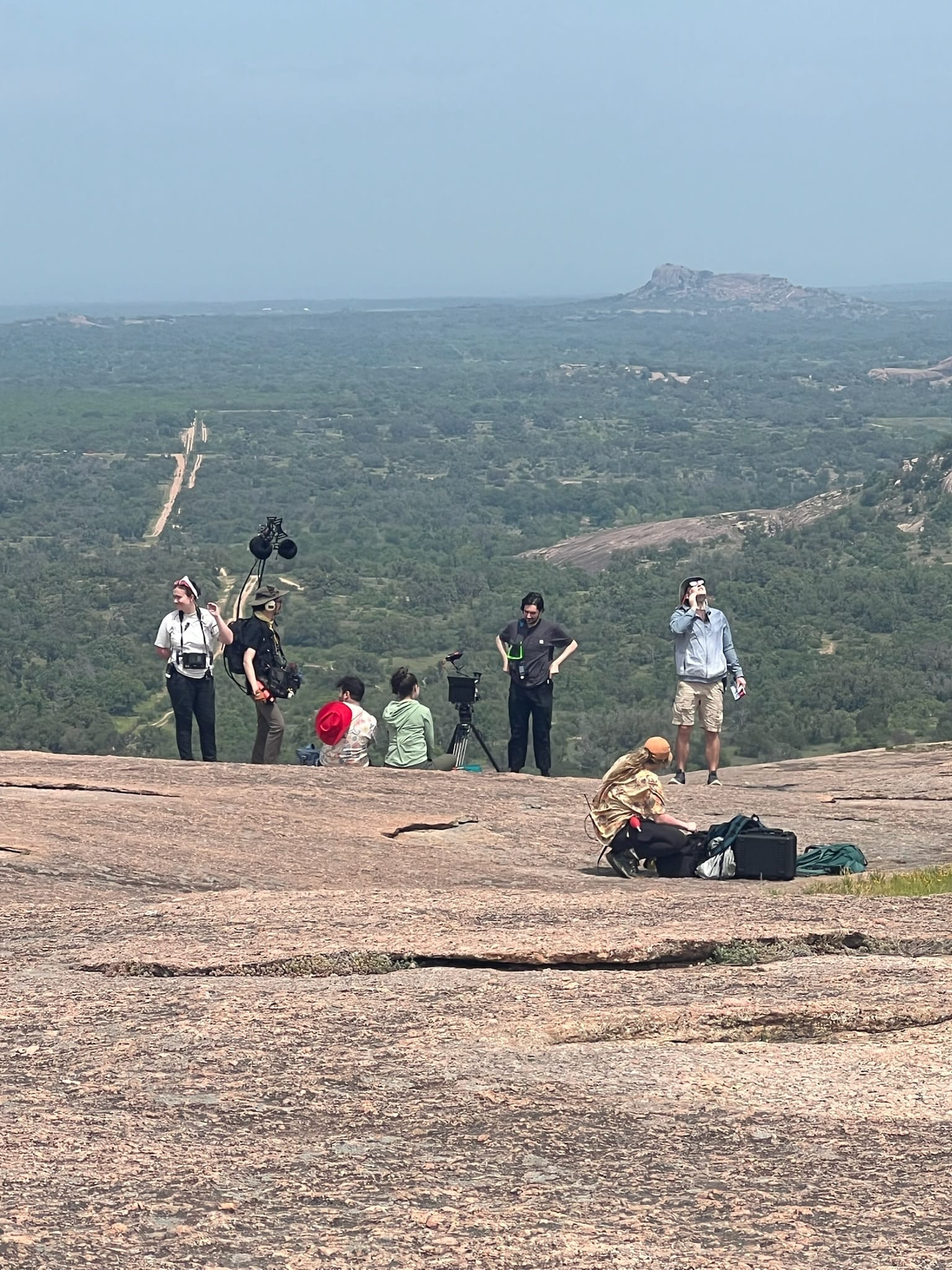
- The film was shot during a real solar eclipse, with the crowd at the top of the rock becoming unscripted characters in a documentary-inflected drama.
- Gamades wrote reactions into the climactic scene, then let her actors improvise — and they reversed what was on the page, for the better.
- Two days of rehearsal, structured like "backyard plays for our parents," kept a single-day, no-lights shoot on track.
A conversation with the director about letting go, loving to suffer, and finding truth in absurd circumstances.
Interview
What drew you to make this film, and why this story, why now?
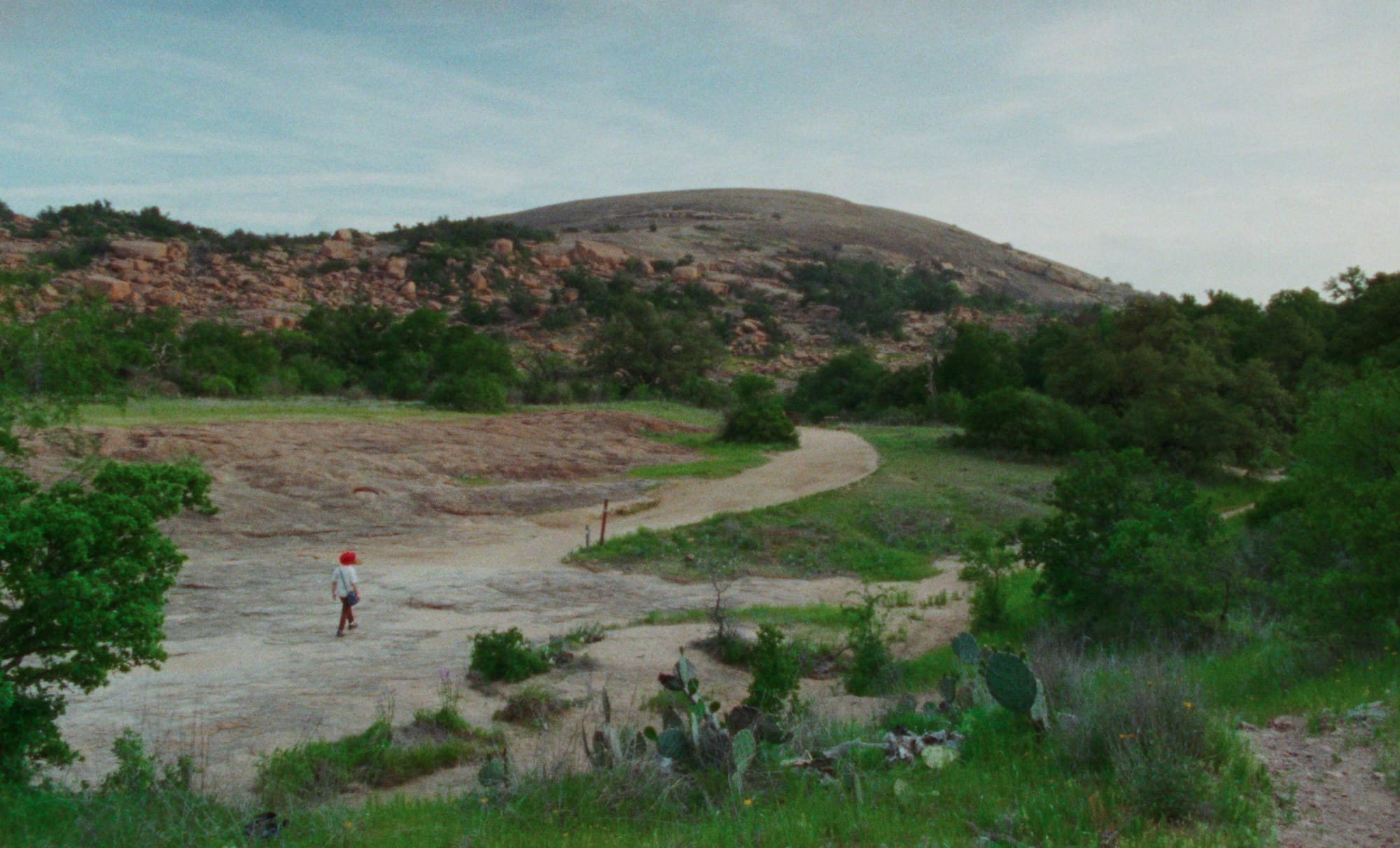
My partner and producer, Michael, originally had the idea to shoot a film during a solar eclipse. I admittedly thought it was an insane idea, but warmed up to the challenge. We went through six or so different versions of the script, but they were all too expensive or too complicated. At one point, we were going to scrap the thing entirely and just watch the eclipse with our friends. I woke up one morning about a month before it happened and had the idea that became the final film: a really simple story about two strangers looking for connection. I wanted to say something about loneliness and the deep need for person-to-person interactions that seem so lacking in our current world. The eclipse, with its community of strangers coming together for a huge cosmic event, seemed like the perfect setting.
What surprised you most about the filmmaking process, and did any moment change how you saw the story?
None of us really knew what to expect. I had never seen an eclipse before and I didn't know how it would feel. Because our story was really personal and documentary-like in nature, one of the most surprising things was how the climax of the film shaped up. I had written reactions in the script, but I told the actors that I wanted it to feel natural. They're such good improvisers and performers that I knew whatever they felt in that moment would be right. They essentially reversed what was in the script, and it's all the better for it. Normally, I like to be pretty tight in the scripting and setting, but this really felt like an exercise in letting go.
What moment in the film feels most like you, or like something only you could have made?
There's a scene where they talk about Nicky's red cowboy hat, and Megan makes fun of him because she had a lot of colorful cowboy hats as a kid. I pulled that right from my experience of being raised in Texas. I remember having a green one, a pink one — basically every year we went to the rodeo and I picked one out. I'm sure other people who grew up in Texas also could have written that, but it was personal to me.
What tool, technique, or mindset shift helped most during production?
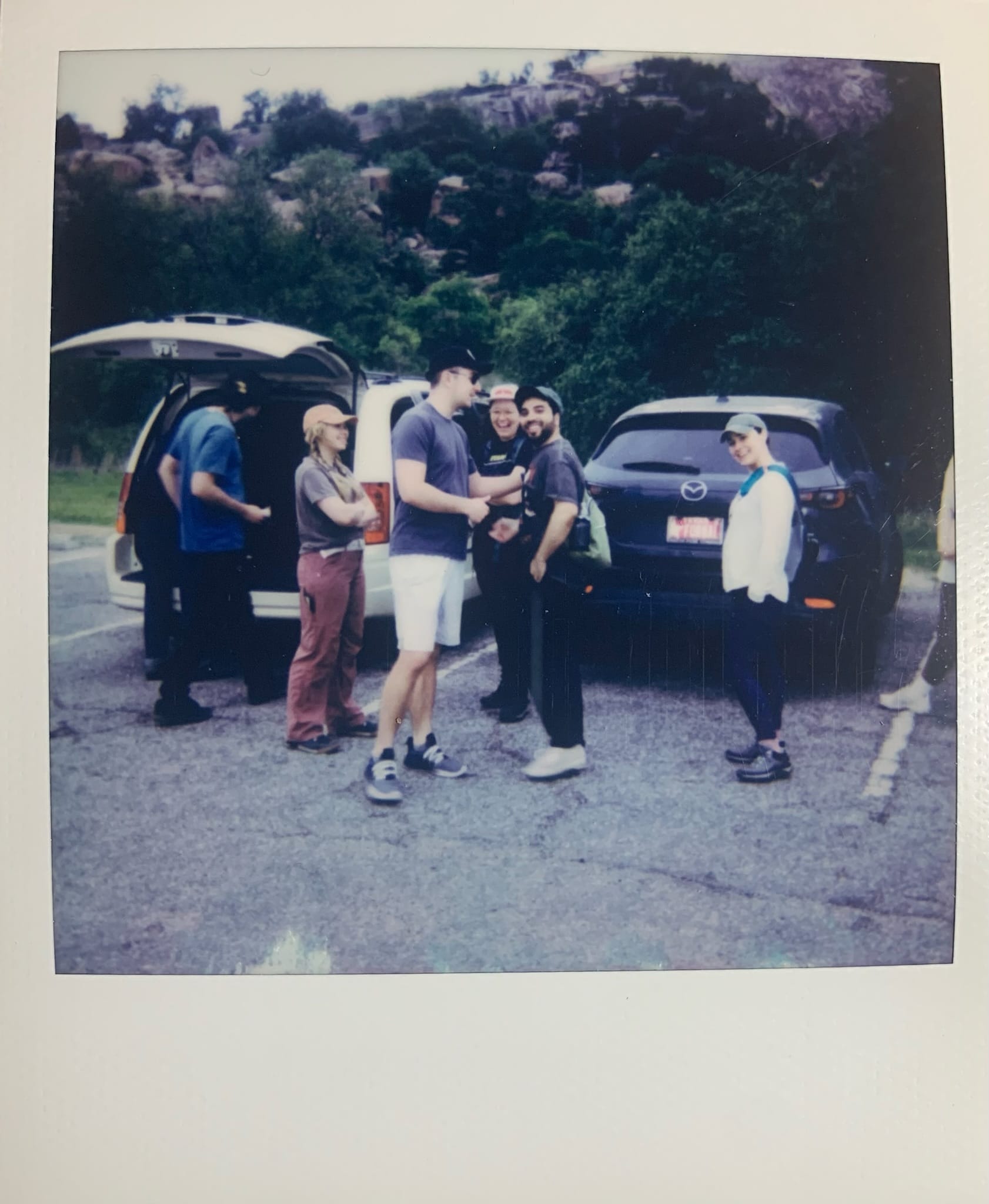
The ECMWF weather model. Ha, kidding — but we were checking the weather about every 2 minutes in the days leading up to the eclipse, because it was looking like it was going to be cloudy or rain the day of, and we were prepared to make a decision call and drive north at 2am to a backup location. Really though, I think rehearsal was the most important part of the process. We didn't even have a full day to shoot, so the two days I spent beforehand with the actors, letting them run wild with improvisation and then picking the best bits to keep, really helped us stay on track during the shoot day. We were basically putting on backyard plays for our parents (the crew) at the Airbnb we stayed at. It was a lot of fun, and so nice because you rarely get that opportunity on an independent film.
What is the greatest strength of independent filmmaking, and how did you lean into it here?
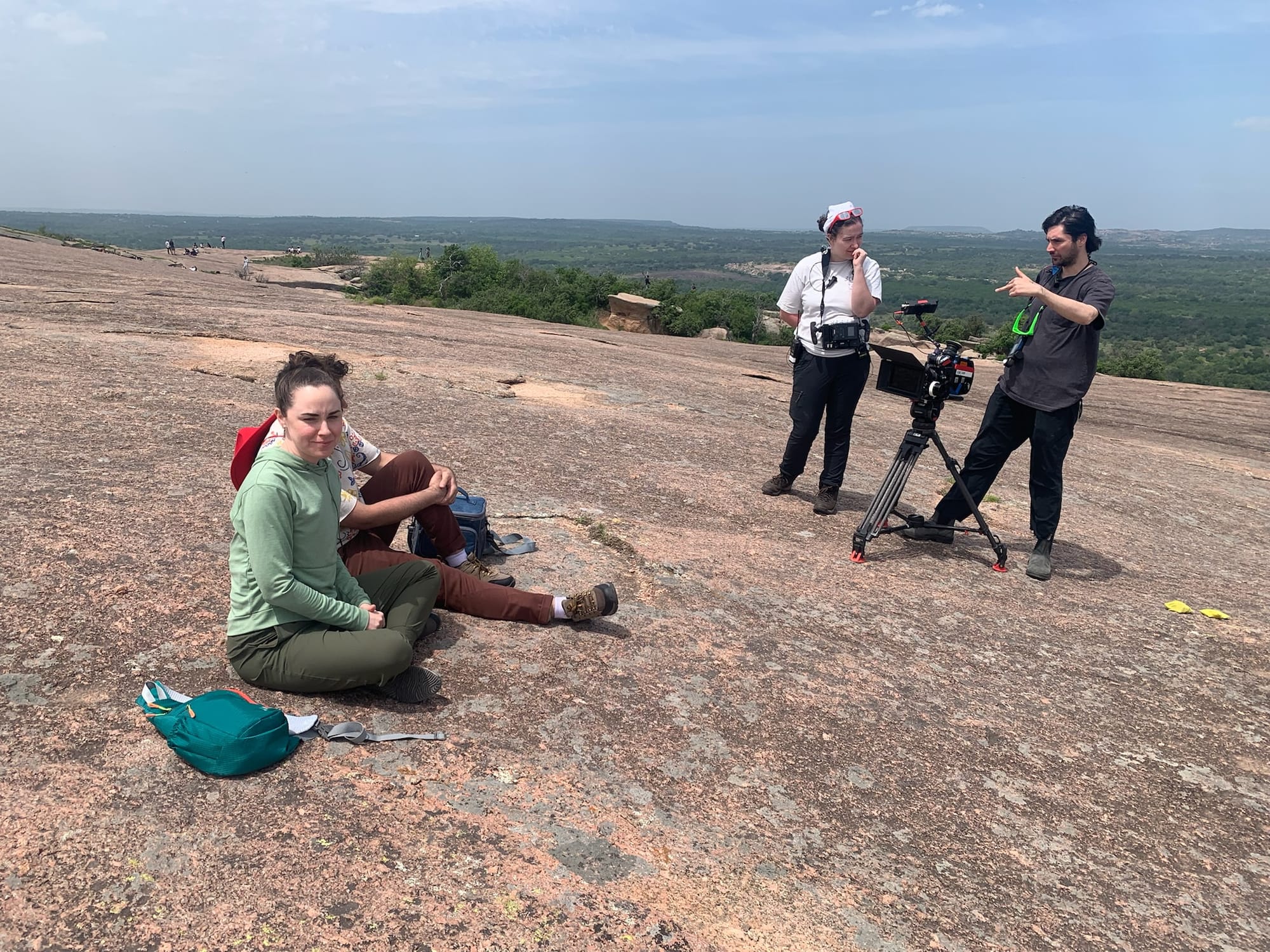
Michael and I always joke that in order to succeed in independent filmmaking, you have to love to suffer. It's a bit, but it's also kinda true. There's never enough money or time or resources, and yet you find a way to make it work. You have to know how to do a lot of things, and you can't be precious about only doing your job. On a bigger set, there are clearly delineated jobs for a reason, but on an indie set, especially as a producer or director, I'm like, let me help you carry those c-stands to the van. I'll take lunch last and help the PA (if there is one!) pass out waters. It goes a long way for morale; if you genuinely care about your crew and take care of them, even with limited resources, I think it shows in the work.
What does it mean to have your film selected for HollyShorts?
Obviously, it's an honor, and we're thrilled to be making our West Coast premiere there. It does feel like a great step in the journey of the film because, funnily enough, most of our screenings have been in Europe so far. It's nice when Americans like the film too! There's always a lot of discourse online about how long your short film should be to get into a festival and how to make it shorter, but I'm such an advocate of "it should be as long as it needs to be." We made a 19-minute dialogue film about an eclipse, and it's having a good run. I'm just happy to be here.
Complete the sentence: "At the core of all my work is a desire to ______."
Wow. What a question. I don't know. I would say I like to find truth in absurd circumstances. A lot of my characters interact with something bigger than them, like death or a solar eclipse. You can laugh through anything. Sometimes big or sad things are very funny and can make you cry at the same time.
Main Cast & Crew
- Lucy Gamades — Director, Writer, Producer
- Michael Spencer — Producer, Sound Mixer
- Megan Greener — Actor
- Nicky Maindiratta — Actor
Filmmaker Opportunities
💛 Fund your next project with fiscal sponsorship
Have a project in the works? As a 501(c)(3) nonprofit, the Cinematography for Actors Institute can accept tax-deductible donations on your film's behalf — a door-opener for grants, foundations, and supporters who want to back your work. We've serviced over 100 projects to date and helped route over $800,000 in funding to filmmakers. Explore fiscal sponsorship →
📬 Grant deadlines and festival opportunities, straight to your inbox
The CFA newsletter rounds up grants, festival calls, and community news for independent filmmakers — the kind of opportunities that are easy to miss and painful to miss. Join the newsletter →
🎬 Focus on the creative — we'll help with the logistics
Production Management, CFA's newest member program, launches this November: production insurance and workers' comp, payroll, film permits, gear rental coordination, SAG-AFTRA compliance, contract drafting, production consulting, and crew recommendations — handled by a team of working filmmakers, à la carte or all in, in partnership with Creative Access Group. It's waitlist-only until launch. Join the waitlist →
League of Filmmakers is published by our parent organization, the Cinematography for Actors Institute — a 501(c)(3) dedicated to education, community, and capital for underrepresented filmmakers and actors. Learn more about CFA →