Table of Contents
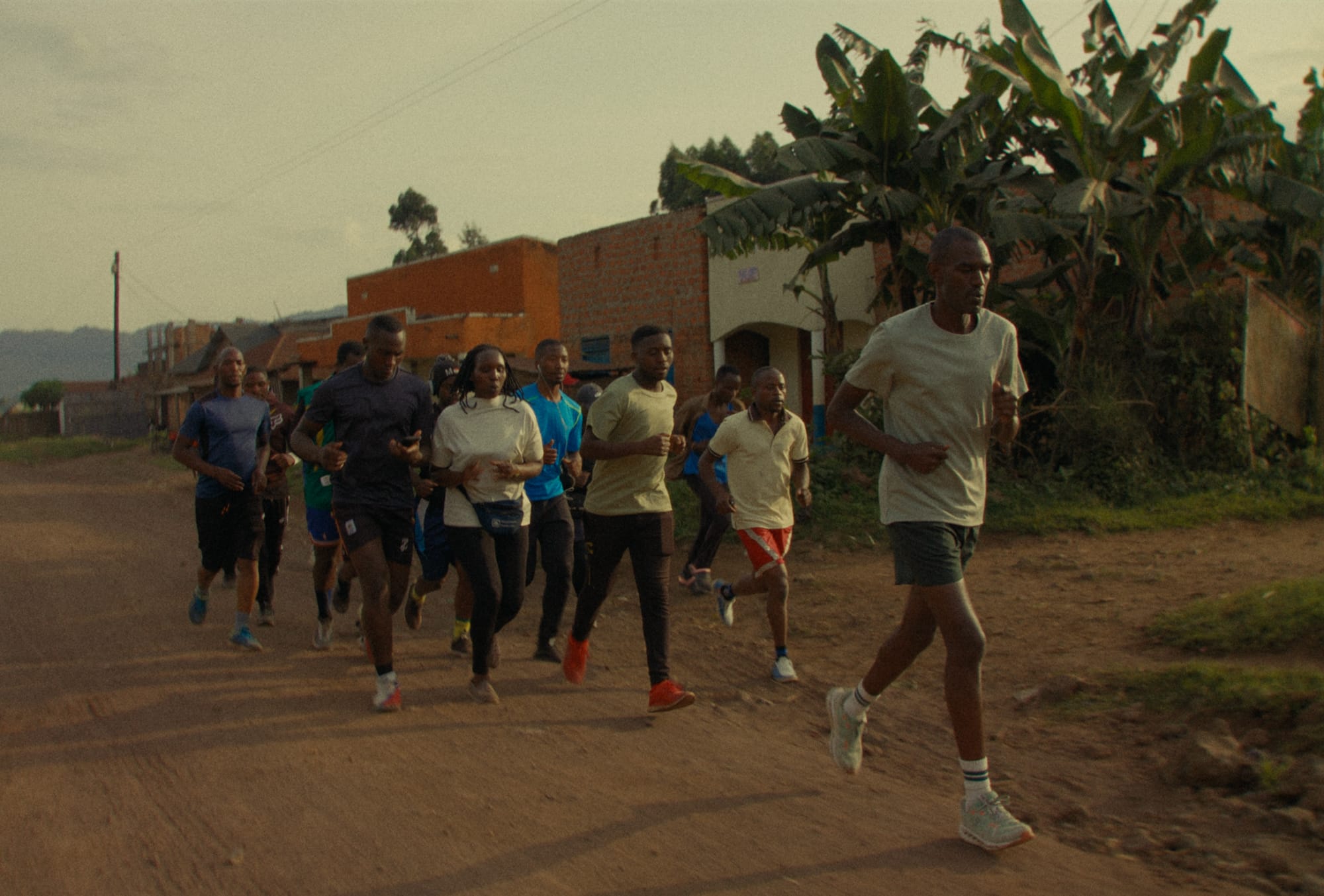
In Kisoro, a rural town in southwest Uganda, former athletic prospect Sam Mugisha once dreamed of running for the national team. An injury ended that pursuit, and he returned to a community wrestling with addiction and despair. Miles of Life is the story of what he did next: channeling the discipline of sport into running clubs, football coaching, and everyday acts of care, all to honour the legacy of his late coach and mentor.
Producer Tom Neish and his team had known Sam for years before they ever pointed a camera at him. That long relationship is the film's foundation — a portrait of a grassroots hero told by people he already trusted, and made, in large part, by the community that loves him.
Key Takeaways
- Miles of Life profiles Sam Mugisha, a Ugandan community ambassador who uses running and football to steer people away from gambling, alcohol, and drugs.
- Shot over two weeks by a four-person crew, the film treats the people of Kisoro as collaborators rather than subjects.
- Beyond festivals and streaming interest, the team's proudest goal is screening the film with Ugandan NGOs as part of community education programmes.
Neish spoke about trust, small crews, and the day a borrowed generator taught him who the film was really for.
Interview
What drew you to make this film, and why this story, why now?
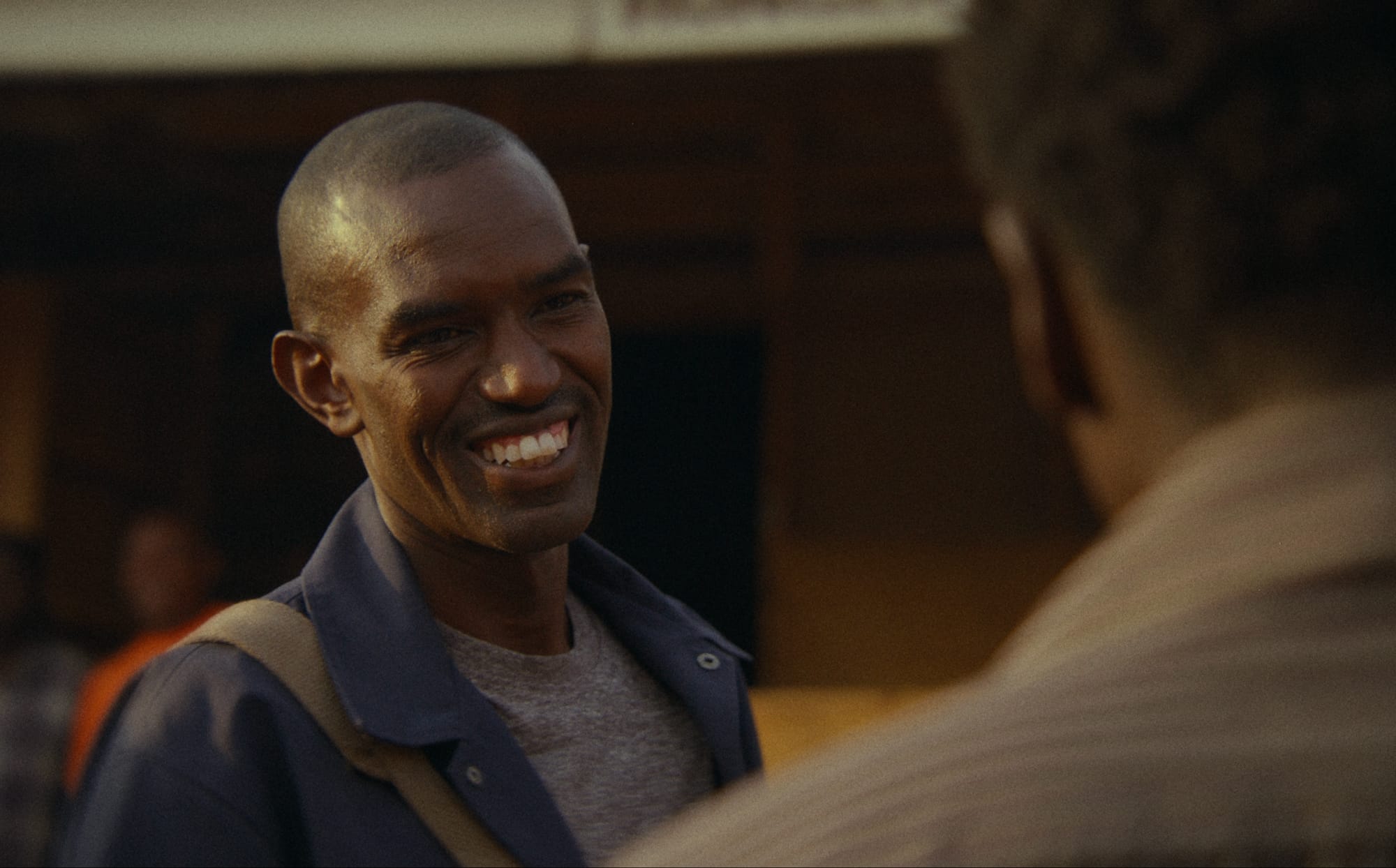
We've known Sam for a number of years and watched his journey as a community ambassador in Kisoro, Uganda — from the running clubs he leads for the local community to his work as a football coach. Sam suffered an injury while trying to qualify for the national team as a runner, and over the years we spent working in Uganda, his story stayed with us. He's a true hero. He dedicates his life to supporting the community through sport, actively drawing people away from vices like gambling, alcohol, and drugs. It's just in his blood to be there for his peers.
In a world that's full of so many of these issues, it felt important to tell a story from the grassroots level — to show what one person can do, and hopefully give people something they can carry forward into their own lives.
What surprised you most about the filmmaking process, and was there a moment that changed how you saw the story?
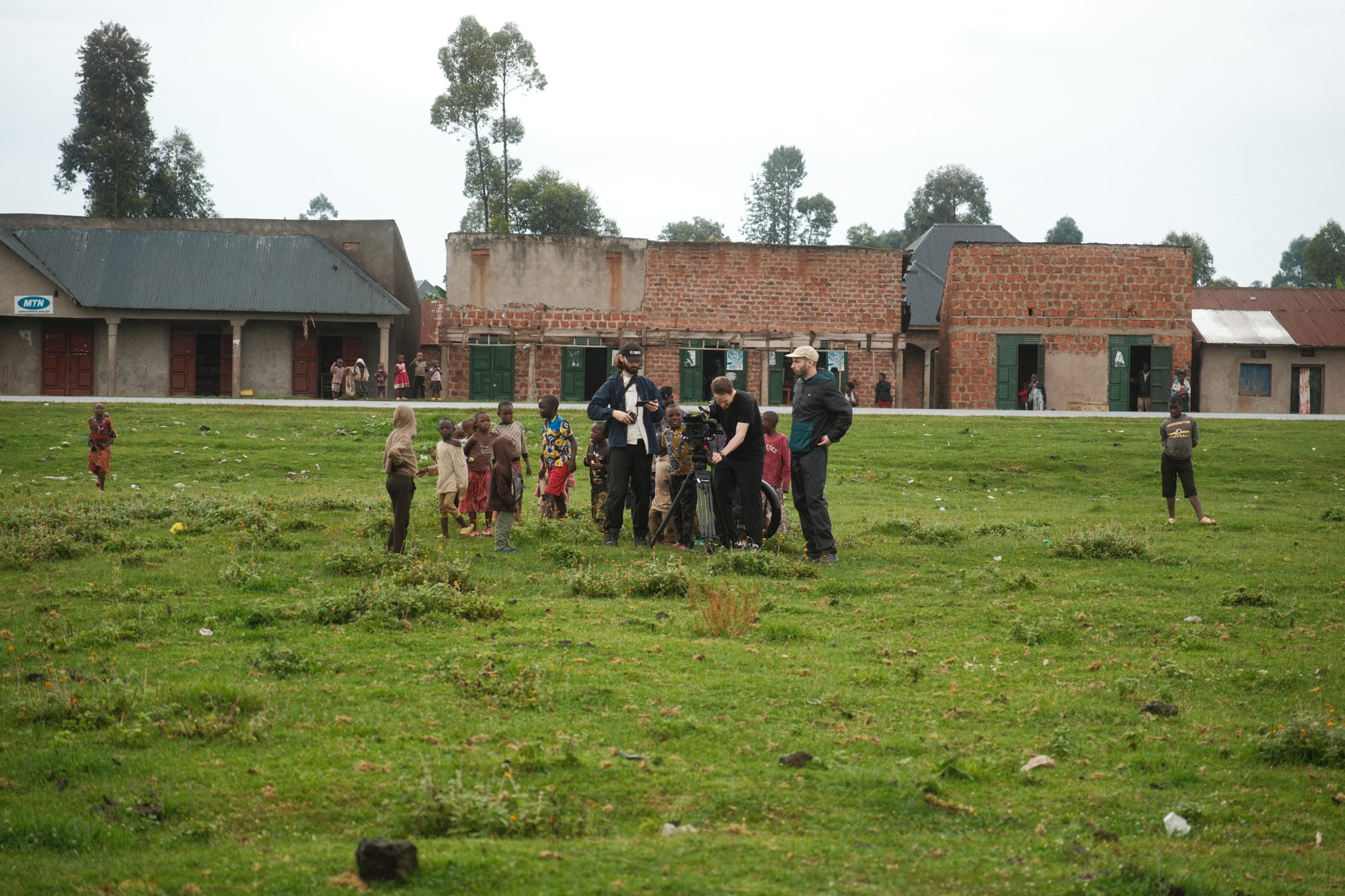
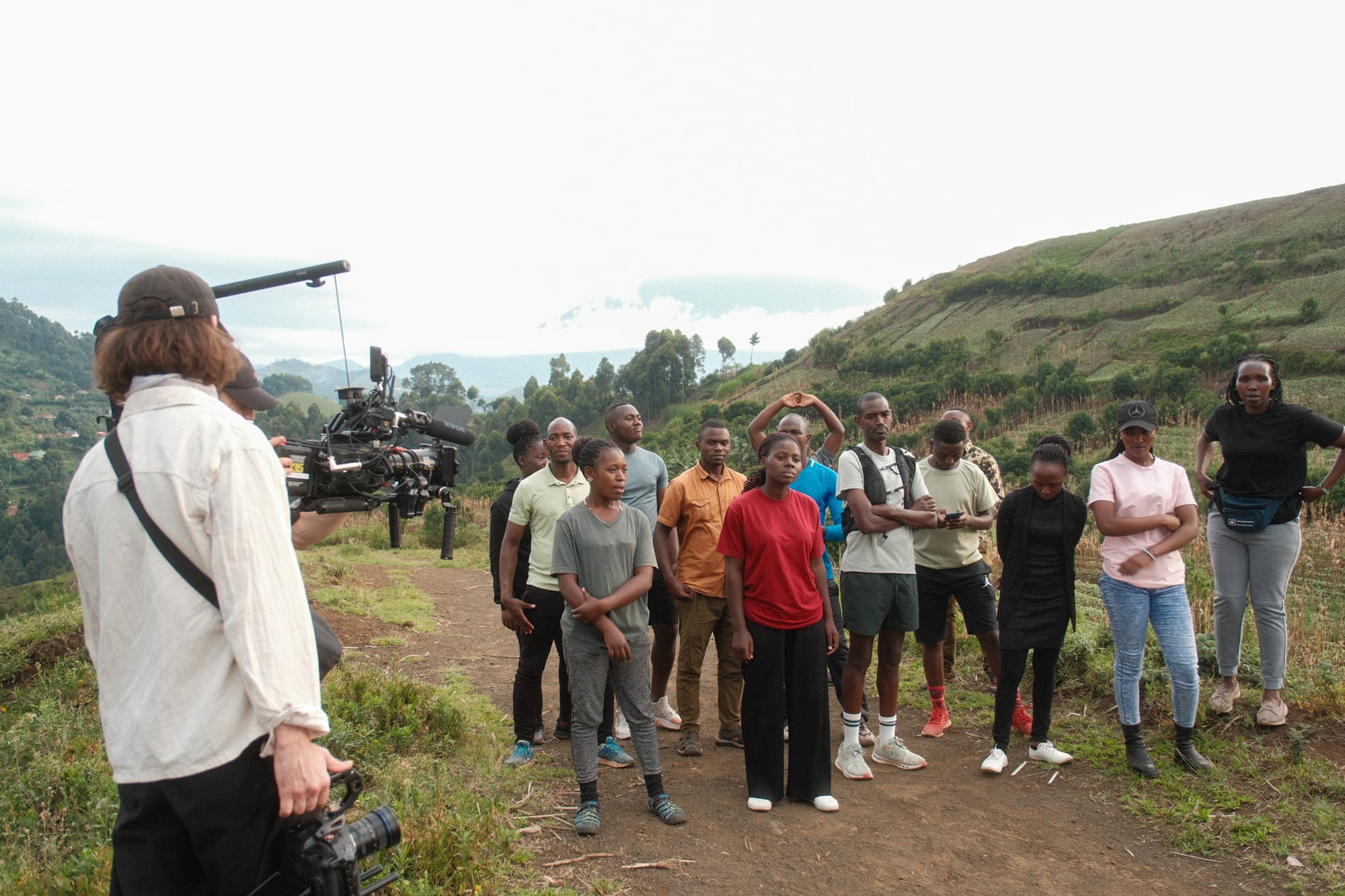
We spent two weeks on the ground in Uganda making this film. We had a rough plan when we arrived, but what quickly became apparent was that the more people in Kisoro found out we were filming, the more they came forward to vouch for Sam. He was recognised by absolutely everyone in that town. It wasn't a moment that changed the story creatively — it was more that it reaffirmed we were making this for the right reasons, with the right person.
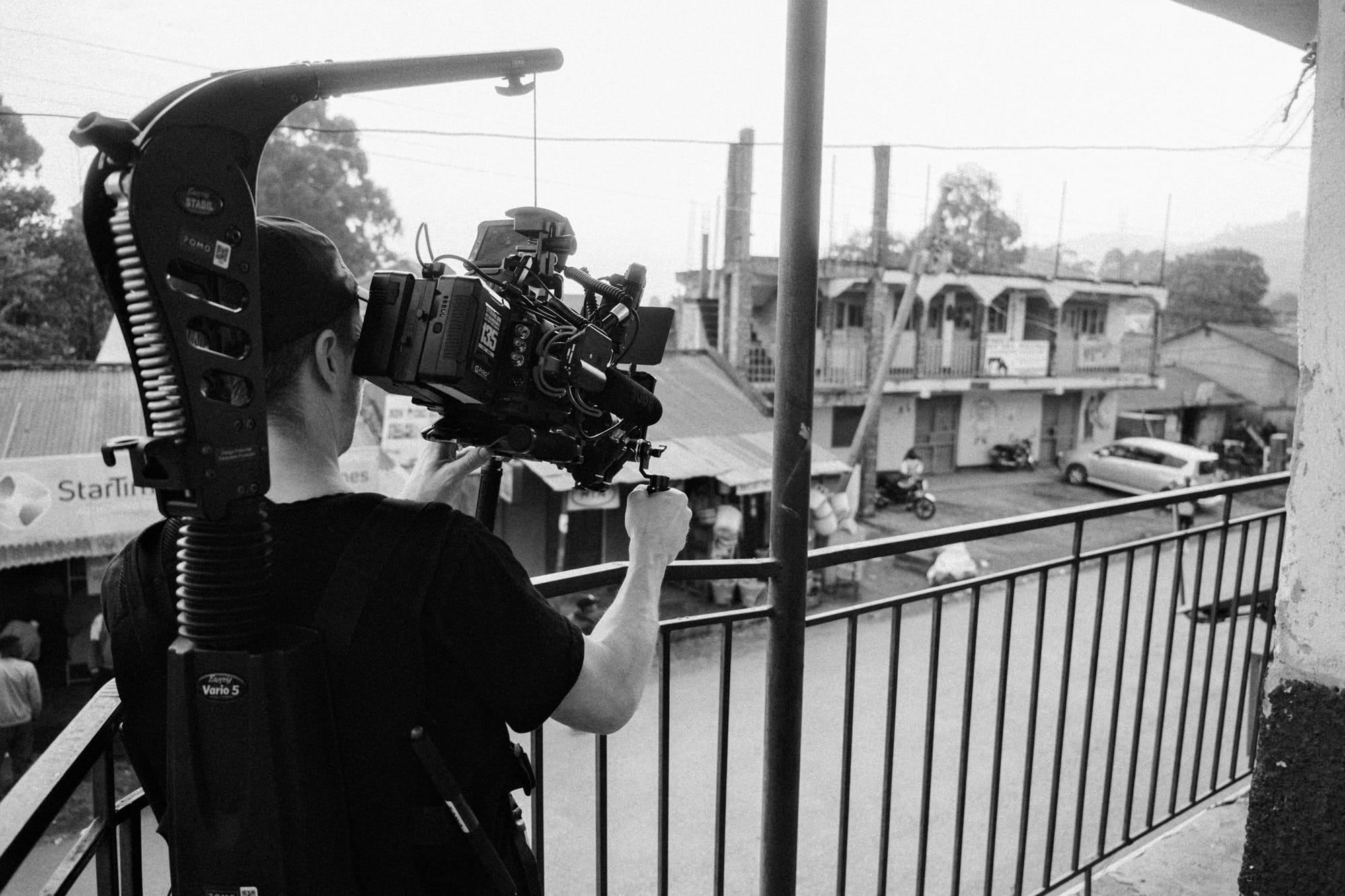
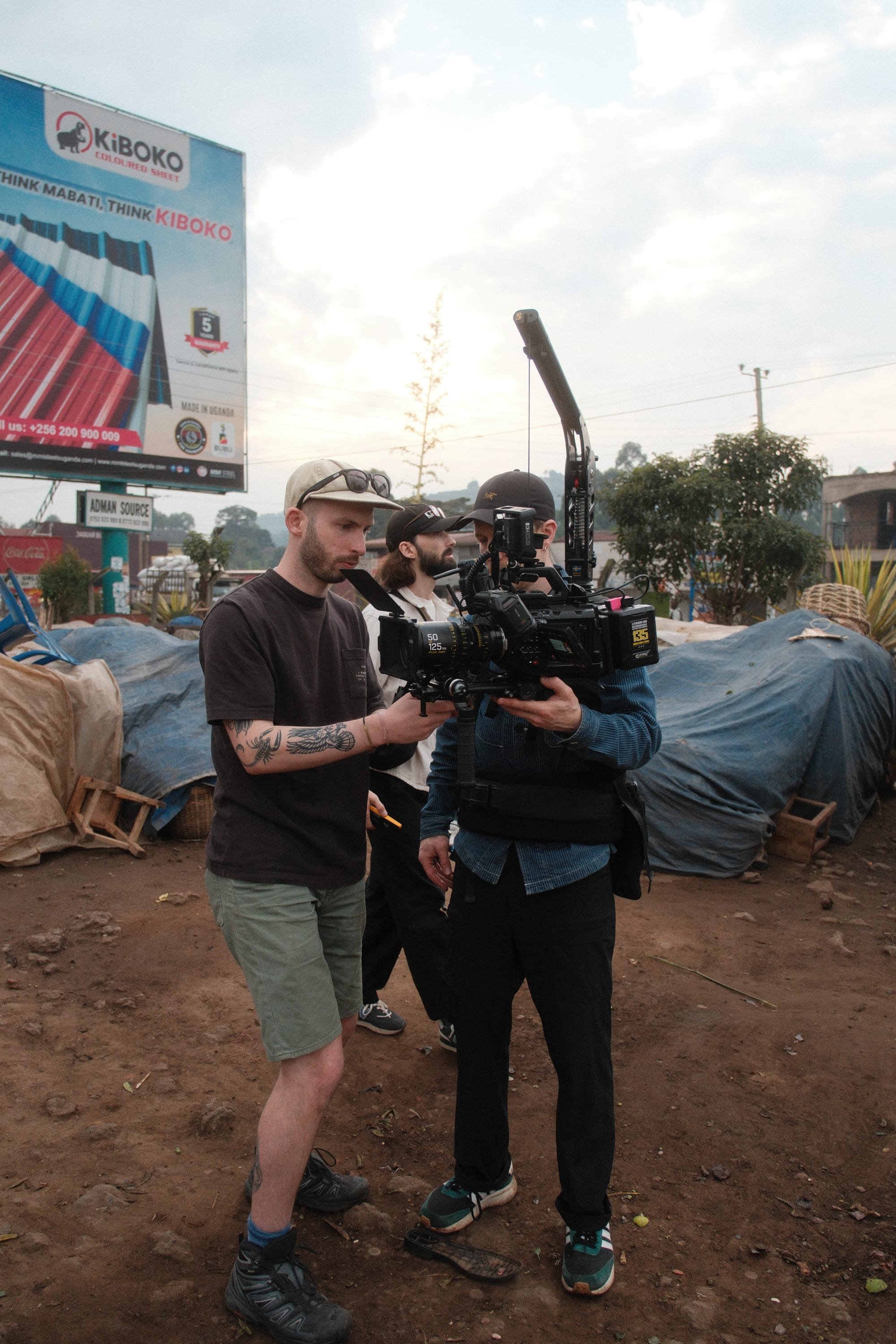
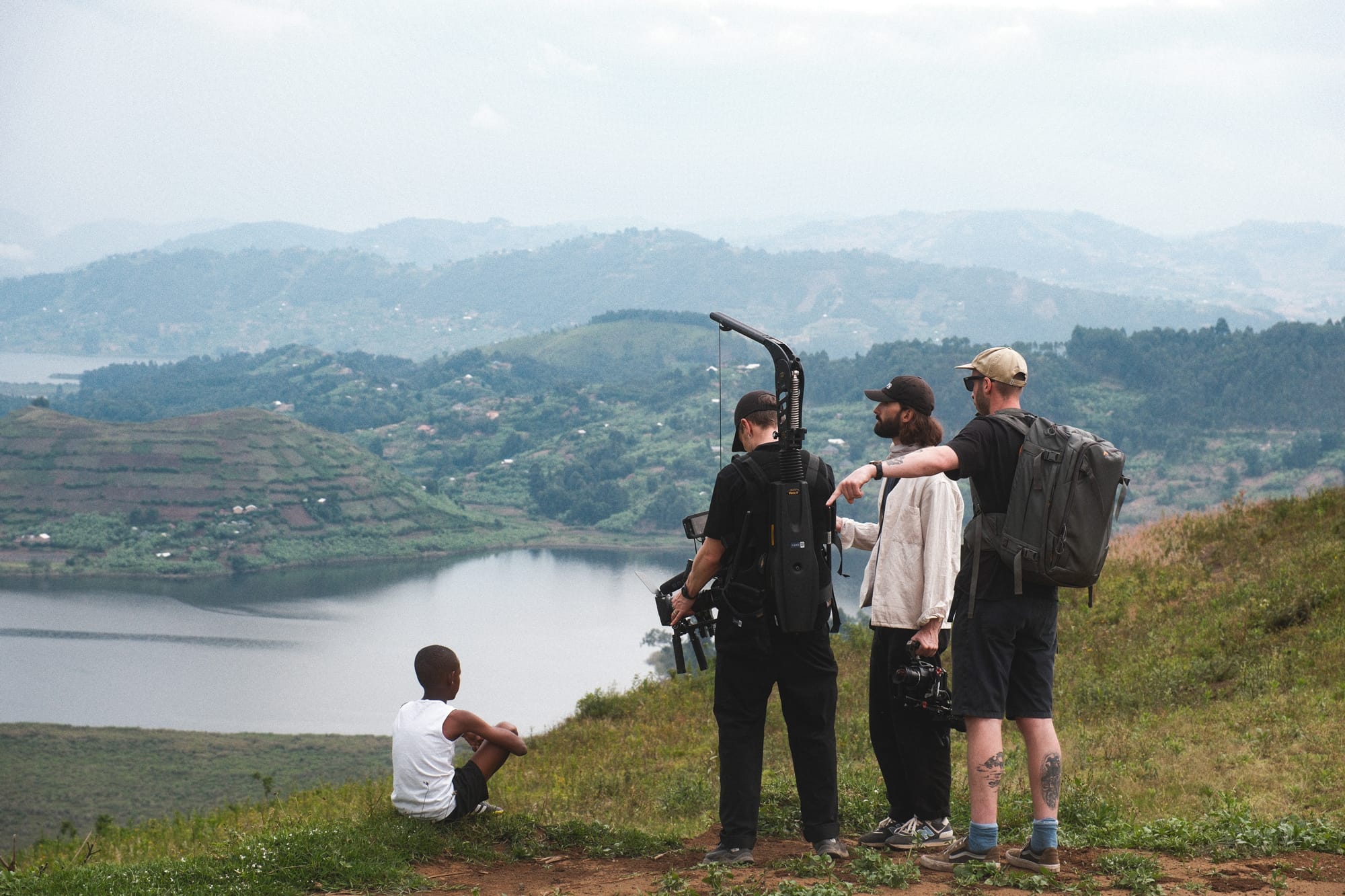
The community rallied together in the most extraordinary way. We were filming in a tiny local barbershop, in the markets, and up in the mountains at the tail end of monsoon season. There were huge logistical challenges — carting our kit through a town not used to seeing that kind of equipment, navigating the terrain. But we made so many friends along the way. People were genuinely curious and invested in what we were doing out there.
One moment that really stayed with me was a morning when we needed a generator for an exterior shoot — a key opening scene. We'd hired one, but when we went to collect it that morning, it was gone. Someone from the community had borrowed it to power their shop and charge their batteries. We had to wait. And we did, because we understood we weren't the priority — the community was.
The funny thing was, he thought he was waiting for us, and we thought we were waiting for him. When we eventually left with the generator, he came with us and stayed the entire evening, troubleshooting and supporting the shoot. That scene became so much more powerful because of it. The community didn't just appear in front of the camera — they helped us make the film.
What moment in the film feels most like you, or like something only you could have made?
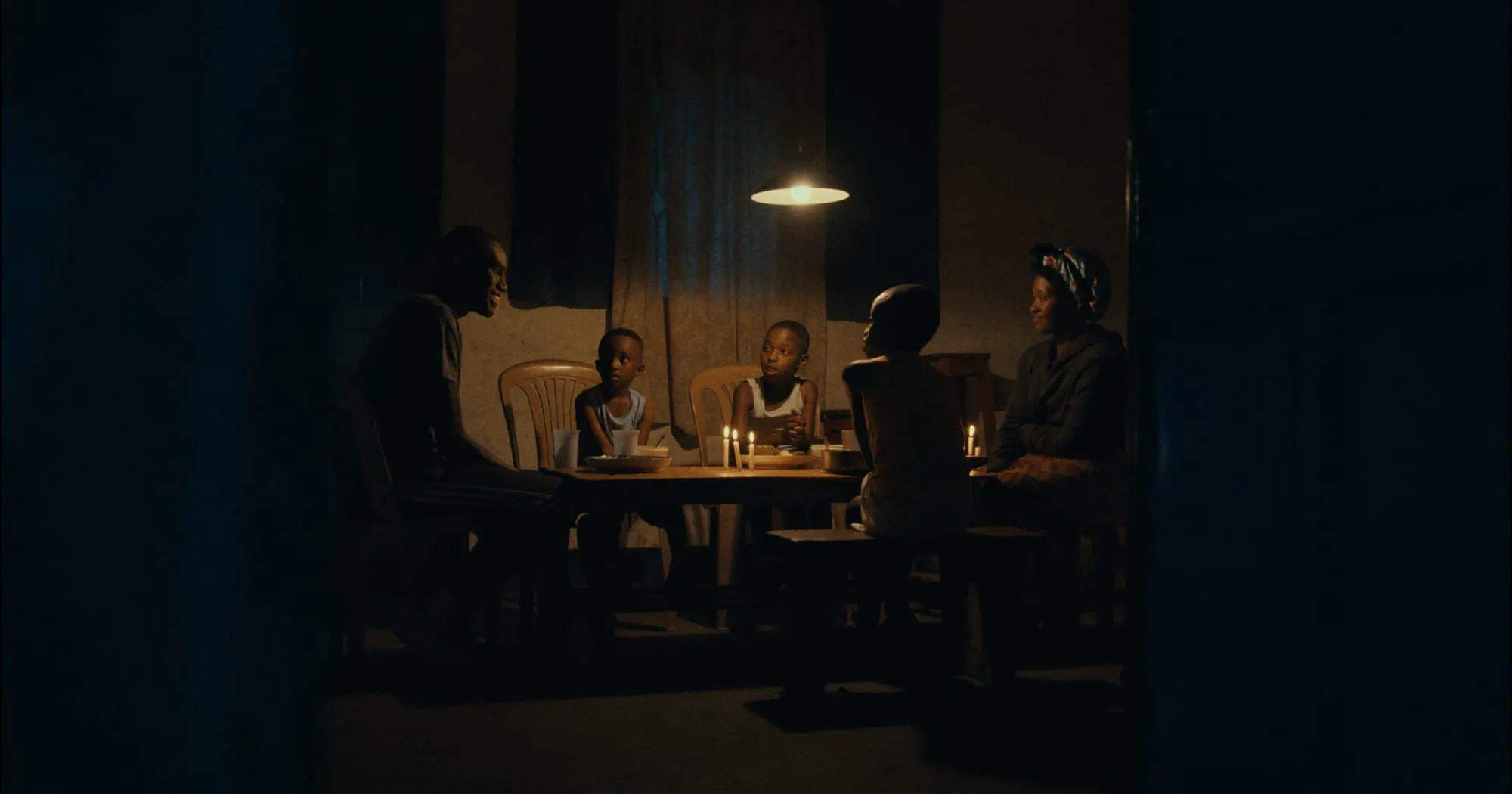
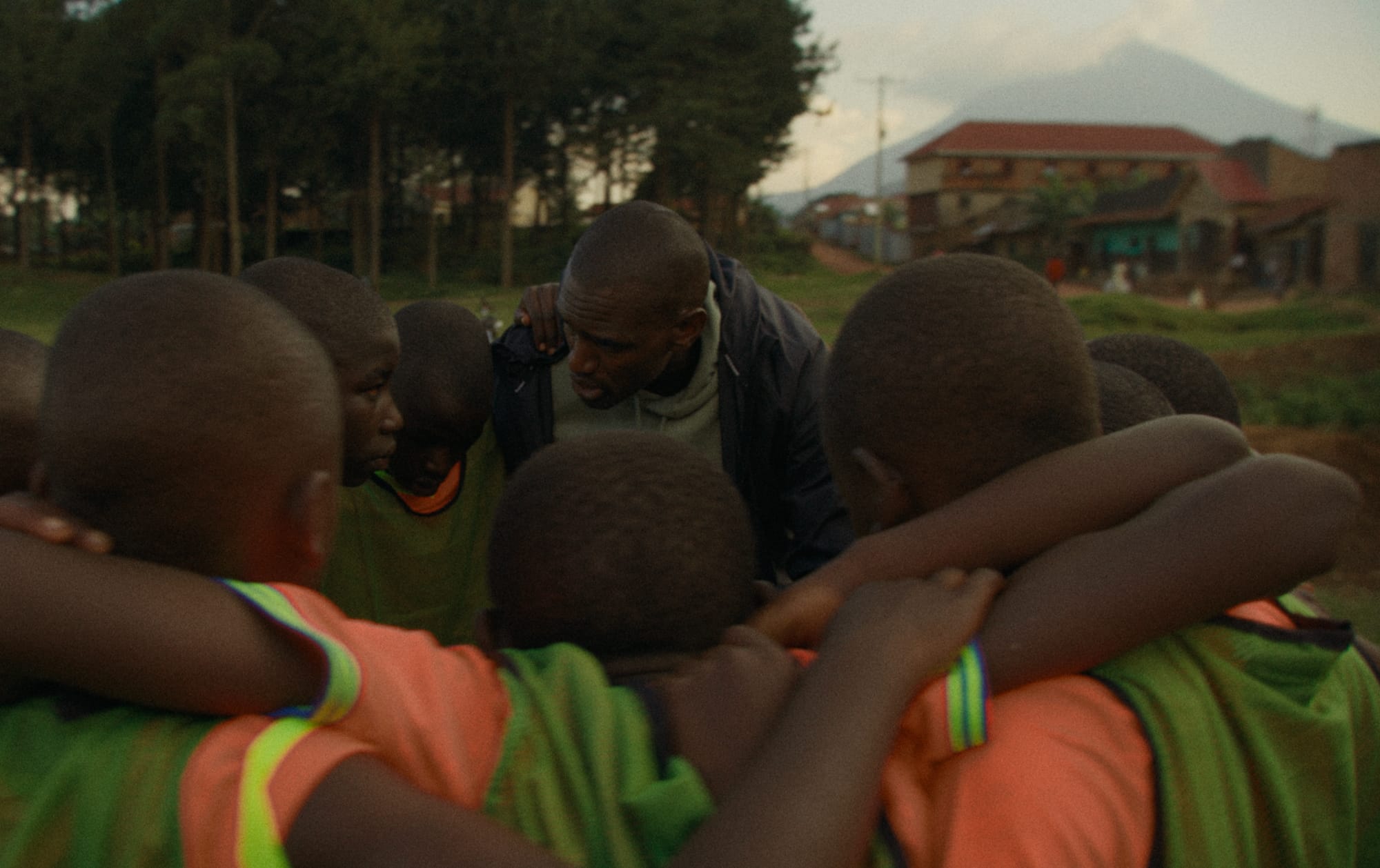
The access we had with Sam. We'd worked with him for years before this, and I genuinely believe only we could have made this film because of the trust we'd built together. That trust meant being welcomed into his home to eat dinner with his family, sitting with him at his local business, watching him coach the children. That depth of access only comes over time.
Every member of our crew would say the same — we were friends with Sam before we started, but through making this film we created a bond that will last the rest of our lives. That relationship is uniquely ours, and so is the story he allowed us to tell.
What was the hardest creative decision you made while making the film?
I think it was really a question of time on the ground — which is more of a creative constraint than a decision. Documentaries are made on the ground, and with more time I think we could have unearthed even more angles, more layers to the story. But we knew from the start what we were setting out to do: to show Sam as the community hero he is, and to show how sport and dedication to others can transform a place — and our director Charli Doherty did a fantastic job of portraying this. We stayed true to that, and I think it works. Sometimes knowing what you're making — and being disciplined about it — is the hardest creative act.
What is the greatest strength of independent filmmaking, and how did you lean into it here?
The greatest strength is that you own every decision. Every story turn, every contributor you chase, every small lead you follow — it's all yours to pursue or pass on. We leaned hard into that on this project. Any lead, any story moment that came up, we jumped on it, even if it didn't seem like it would go anywhere.
A perfect example: we knew we wanted to see Sam in a natural environment. Turned out he was getting a haircut the next day. So we went to his barber's and filmed it. What followed was one of the most beautiful, spontaneous conversations of the whole shoot — Sam and a friend talking openly about their community, the challenges, the pride. Completely unscripted.
My advice would be: send the message. Make the call. You don't know how powerful that one small conversation might be. In documentary especially, reach out to as many people as you can — you never know where that thread leads.
What do you hope audiences take away from this film?
I really hope people can let go of any preconceptions about Uganda and come in open. I want them to see how powerful one person can be in a small community — that you don't need money, power, or platform to change the lives of people around you. If someone comes away wanting to give their time to a grassroots cause, that's a huge win for us.
I also hope they recognise that Sam's story isn't so different from stories that play out every day in communities in the UK or America. It just happens to be told through Sam's eyes, in Kisoro, Uganda. That universality is the thing I most want people to feel.
Where do you see this film going next?
Beyond the festival circuit, we've had interest from streaming platforms, which is exciting. But what means most to me is the screenings in Uganda itself. We have close relationships with several NGOs there who want to use the film as part of their community education programmes. Seeing it have a direct impact on the communities around Uganda — and on the people who gave us their time to make it — is what I'm most excited about.
Main Cast & Crew
- Mugisha Samuel — Main Cast
- Charli Doherty — Director
- Tom Neish — Producer
- Elliott Hickey — Producer
- Leo Gripari — Executive Producer
- William Hadley — Director of Photography
Filmmaker Opportunities
💛 Fund your next project with fiscal sponsorship
Have a project in the works? As a 501(c)(3) nonprofit, the Cinematography for Actors Institute can accept tax-deductible donations on your film's behalf — a door-opener for grants, foundations, and supporters who want to back your work. We've serviced over 100 projects to date and helped route over $800,000 in funding to filmmakers. Explore fiscal sponsorship →
📬 Grant deadlines and festival opportunities, straight to your inbox
The CFA newsletter rounds up grants, festival calls, and community news for independent filmmakers — the kind of opportunities that are easy to miss and painful to miss. Join the newsletter →
🎬 Focus on the creative — we'll help with the logistics
Production Management, CFA's newest member program, launches this November: production insurance and workers' comp, payroll, film permits, gear rental coordination, SAG-AFTRA compliance, contract drafting, production consulting, and crew recommendations — handled by a team of working filmmakers, à la carte or all in, in partnership with Creative Access Group. It's waitlist-only until launch. Join the waitlist →
League of Filmmakers is published by our parent organization, the Cinematography for Actors Institute — a 501(c)(3) dedicated to education, community, and capital for underrepresented filmmakers and actors. Learn more about CFA →