Table of Contents
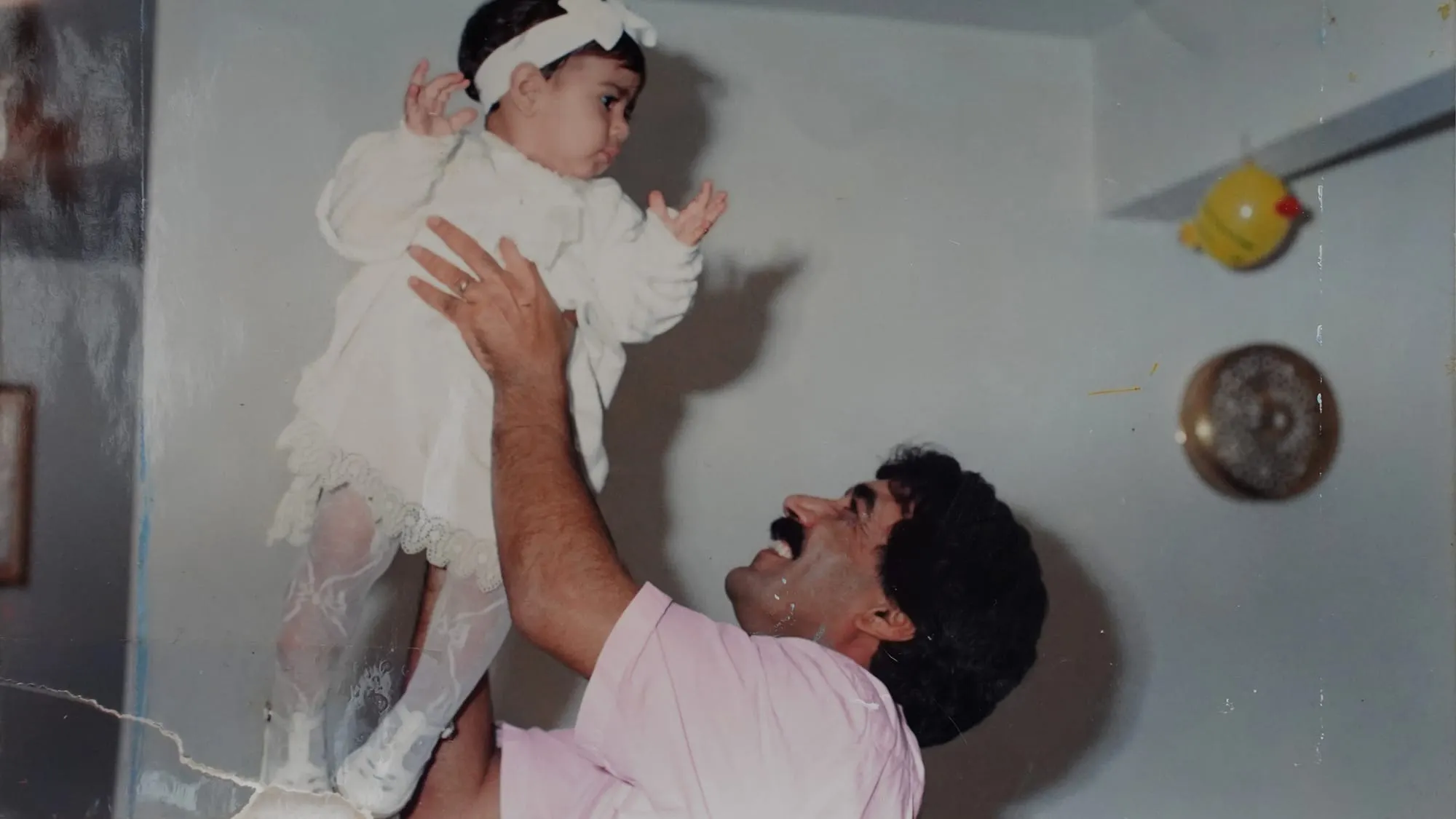
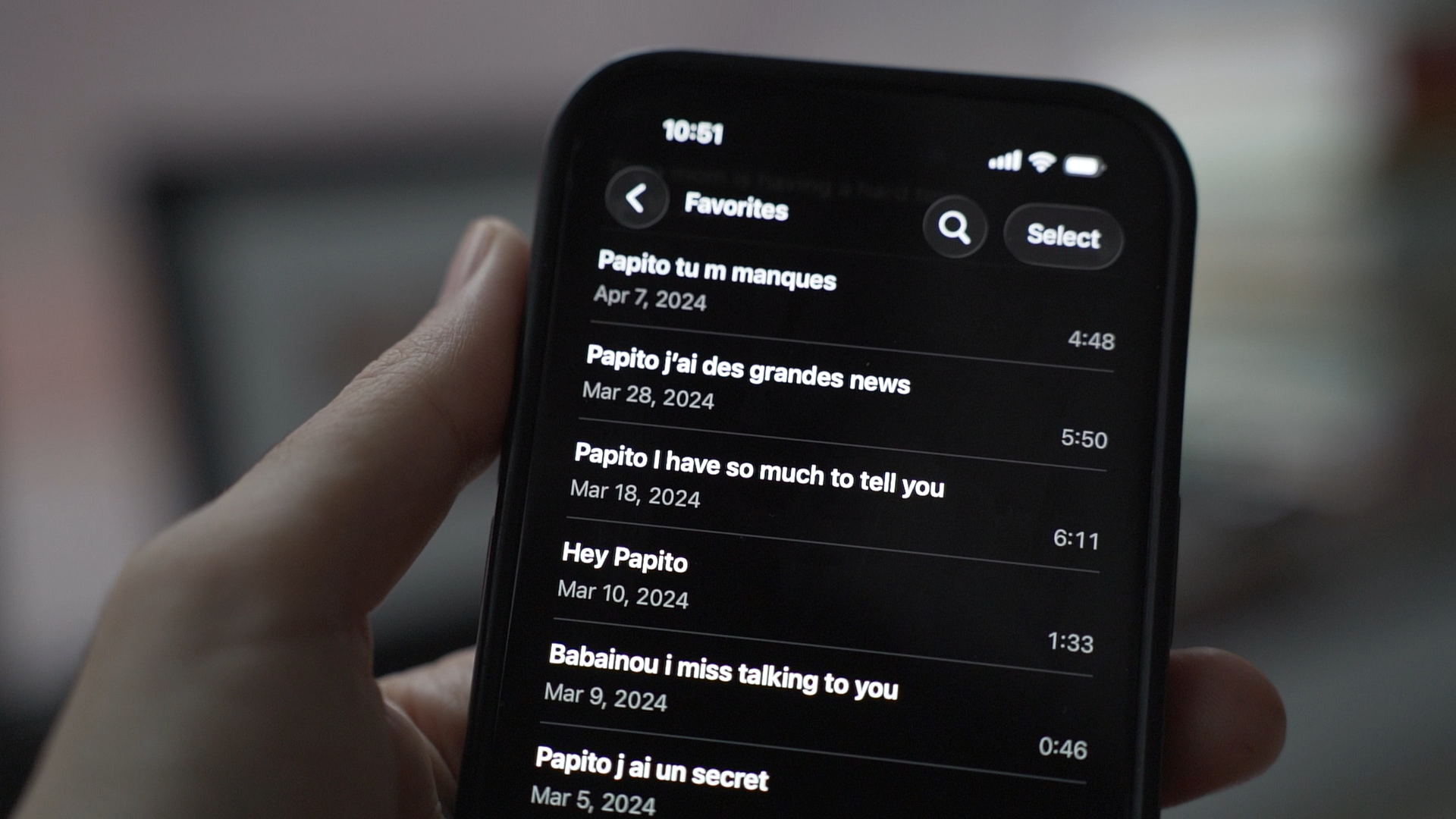
Moroccan writer-director and architect Meriem Sakrouhi built Mon Taxi out of the most ordinary thing between a daughter and her father: the phone call. For years, calling her dad was her daily ritual, the first thing she did when she stepped outside in New York. When he passed, the urge to speak didn't leave with him. Unable to call, she hit record instead, and a relationship found a way to continue.
Told through eleven voice notes gathered over eighteen months, Mon Taxi moves through mourning not as a fixed state but as something shaped by repetition, memory, and unexpected humor. After its World Premiere at Tribeca as the first Moroccan short in over two decades, the film now reaches audiences at HollyShorts, offering a portrait of Moroccan and Riffian tenderness rarely seen on screen.
Key Takeaways
- A hybrid documentary built from eleven voice notes recorded to a father after his death, over eighteen months.
- Grief here is not silence but love refusing to let the conversation end.
- Made first for herself, as an act of healing, before it was ever made for an audience.
A conversation with Sakrouhi about vulnerability, collaboration, and what remains.
Interview
What drew you to make this film, and why this story, why now?
We often speak of grief as the silence left behind. But when my dad died, what overwhelmed me most was the urge to speak.
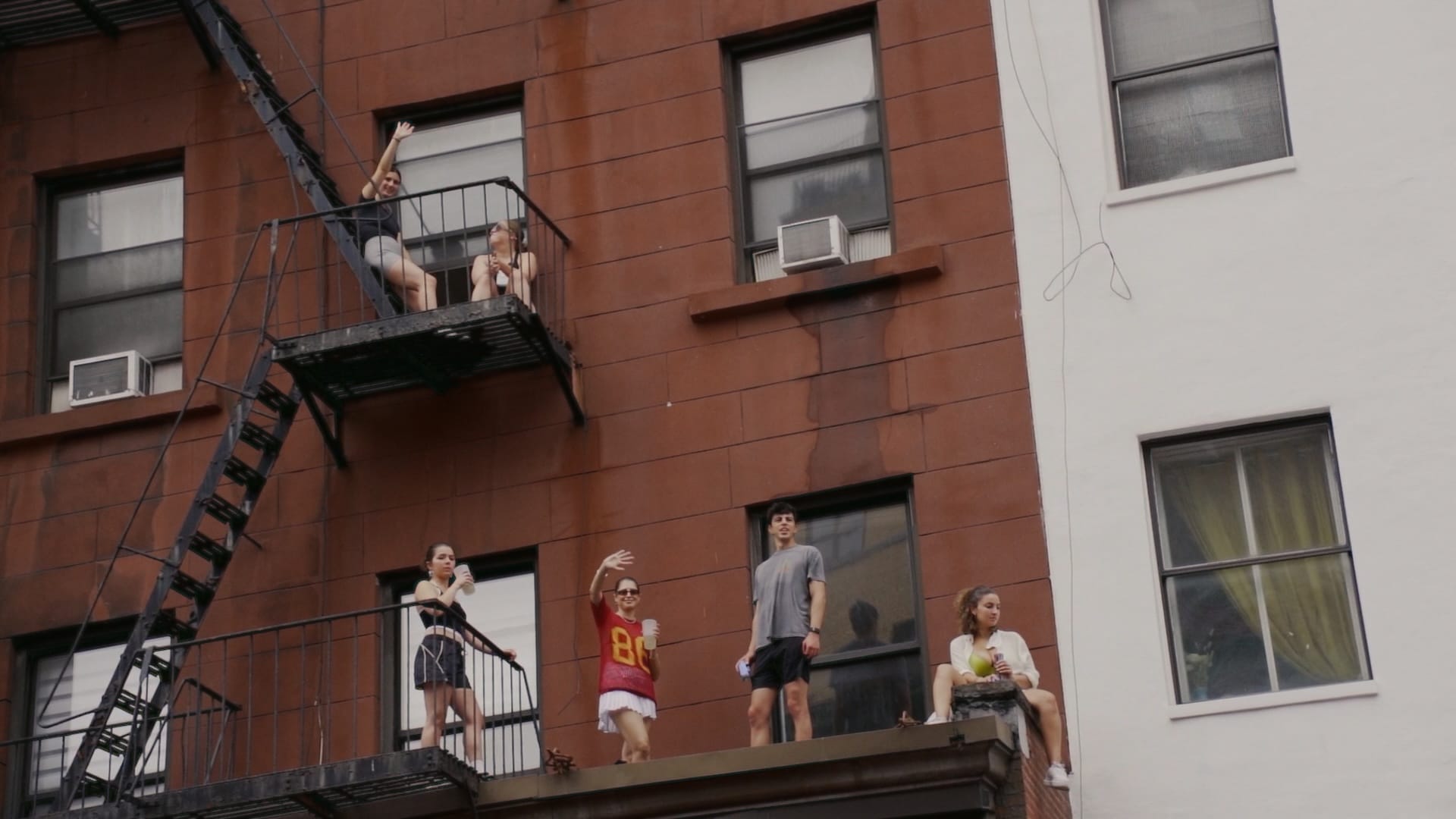
After I moved to the US, calling my dad became a daily ritual. The moment I stepped outside, I called him. For years, he was the invisible driver on my routine commutes, the sounding board for my wildest dreams, and the patient recipient of my silly complaints.
When he passed, I didn't just lose his voice, I lost the destination for my own. I still had the crazy ideas and the urge to pick up the phone, but there was no one there to answer. One day, the need to share a thought was so visceral that I instinctively reached for my phone. Unable to call, I hit record instead. In that moment, I understood that life could end, but a relationship could continue. By recording voice notes, I found a way to continue ours.
At its heart, Mon Taxi is a film about the rituals that remain, the bond that survives loss, and the human need to keep speaking across impossible distance. Because sometimes grief isn't silence at all, but love refusing to let the conversation end.

What was the hardest creative decision you made while making the film?
Being completely emotionally naked and keeping some of my most vulnerable moments in the final cut.
What tool, technique, resource, collaborator, or mindset shift helped most during production?
My collaborators, without a doubt. More specifically, handing the emotional core to people you trust and letting them interpret it.
Mon Taxi is built from voice notes I recorded to my dad after he passed — my voice reaching for someone who could no longer answer. When we began discussing the title, I imagined something clean and typographic. Instead, my title designer and art director, Iris Deng, asked me to send her scans of old letters my dad had written to me. She turned his handwriting into the title. Suddenly, he was no longer only someone I was speaking to. He had left his mark on the film, literally.
What is the greatest strength of independent filmmaking, and how did you lean into it here?
The greatest strength is that you can make something with almost nothing. We overthink the technical side, but we all have the tools right now.
When I was making Mon Taxi, I wasn't thinking about an audience. When I started recording voice notes to my dad, I wasn't even thinking about making a film. I was making it for myself, because it was helping me heal. When you're truly making something for yourself, it will find its audience. That's the breakthrough.
What do you hope audiences take away from this film?
I hope people walk away realizing nobody's life is perfect, contrary to what the curated social media feeds tell us. And that if they're going through grief, chances are someone close to them is too. When we're a little more open about our own vulnerabilities, we give people permission to share theirs back.
What does it mean to have your film selected for HollyShorts?
To me, being selected for HollyShorts means another audience gets to meet my dad, Mon Taxi.
I want the film to offer a glimpse of Moroccan and Riffian identity that's intimate, gentle, and rarely seen on screen. The tenderness between a father and daughter from a part of the world that is not often represented with such softness. It means so much to bring that story to more people, and to let something deeply personal become a point of connection.
How has this film shaped the kinds of stories you want to tell next, and where do you see it going?
This film confirmed something I already felt: at the end of the day, any film I make is going to have a lot of me in it. At the core of all my work is a desire to turn something deeply personal into a point of connection. I hope Mon Taxi keeps traveling, and that more people get to meet my dad along the way.
Main Cast & Crew
- Directed, produced and edited by Meriem Sakrouhi
- Cinematography by Ilyas Sakrouhi & Meriem Sakrouhi
- Sound design and music by Mel Guérison
- Sound mix by Troy Micheau
- Color by Marika Litz
- Title design and Art Direction by Iris Deng
Filmmaker Opportunities
💛 Fund your next project with fiscal sponsorship
Have a project in the works? As a 501(c)(3) nonprofit, the Cinematography for Actors Institute can accept tax-deductible donations on your film's behalf — a door-opener for grants, foundations, and supporters who want to back your work. We've serviced over 100 projects to date and helped route over $800,000 in funding to filmmakers. Explore fiscal sponsorship →
📬 Grant deadlines and festival opportunities, straight to your inbox
The CFA newsletter rounds up grants, festival calls, and community news for independent filmmakers — the kind of opportunities that are easy to miss and painful to miss. Join the newsletter →
🎬 Focus on the creative — we'll help with the logistics
Production Management, CFA's newest member program, launches this November: production insurance and workers' comp, payroll, film permits, gear rental coordination, SAG-AFTRA compliance, contract drafting, production consulting, and crew recommendations — handled by a team of working filmmakers, à la carte or all in, in partnership with Creative Access Group. It's waitlist-only until launch. Join the waitlist →
League of Filmmakers is published by our parent organization, the Cinematography for Actors Institute — a 501(c)(3) dedicated to education, community, and capital for underrepresented filmmakers and actors. Learn more about CFA →