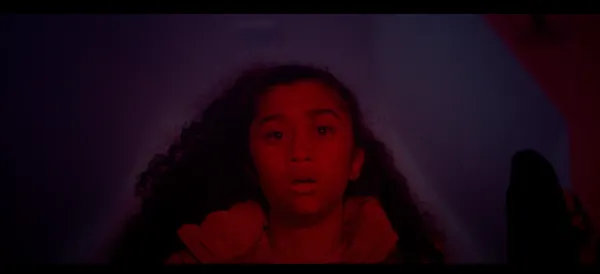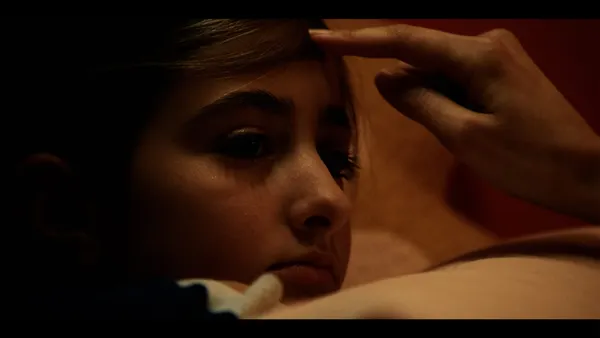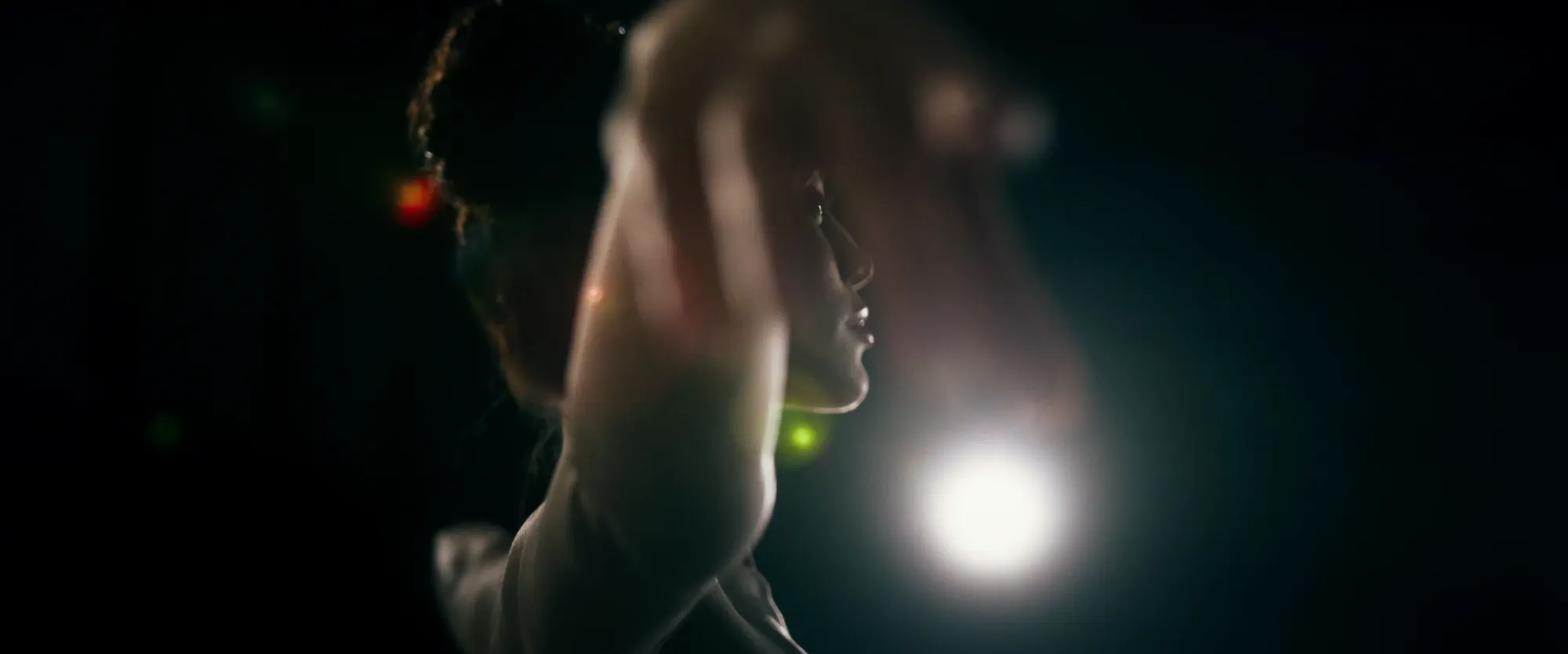
Carson McKinnon has been working in the film industry since he was fourteen, building a career as a Utah-based cinematographer. Mother and Me is his feature directorial debut, and he made it the way a lot of first features get made — by doing nearly everything himself. He wrote it, directed it, photographed it, and shot it in nine days. The result is a horror film with almost no monsters in it: when a young woman living under the control of her domineering mother develops a relationship with the boy next door, she begins to challenge the oppressive life her mother has constructed around her, threatening to unravel their deeply dysfunctional relationship.
Caylee Cowan plays Casey, Brady Noon plays Steven, and Tara Janae Smith plays Janelle, a mother whose obsession with preserving her late husband's literary legacy becomes the engine of the film's psychological conflict. What McKinnon is after isn't the horror of headlines. It's the kind that never makes them, or makes them once and disappears.
Key Takeaways
- McKinnon wrote, directed, and shot the film himself to preserve a single consistent perspective — and credits that intimacy with the material for making a nine-day feature shoot possible at all.
- He discovered the film's real effect only after it was finished, watching strangers be moved in ways he hadn't anticipated.
- FilmQuest is a homecoming: McKinnon attended as a teenager with a short film, and Mother and Me was shot in the Utah community where he still lives.
He spoke with us about absurdity inside tragedy, the difference between compromising how and compromising why, and what it means to finally sit in a theater beside the people who built the film with him.
Interview
What drew you to make this film, and why this story, why now?
What drew me to this story is the desire to explore the real horror of the world, which not everyone experiences in the same way. One of the many cases of real or true horror is the scary experiences you find yourself in throughout life. I see horror in news headlines every day, but what about the horror that never makes the headlines? Or maybe it does, but it's just a forgotten blip after the headline comes and goes. Some of the most terrifying stories out there happen in a seemingly normal suburbia behind closed doors, and that's what I wanted to bring forward.
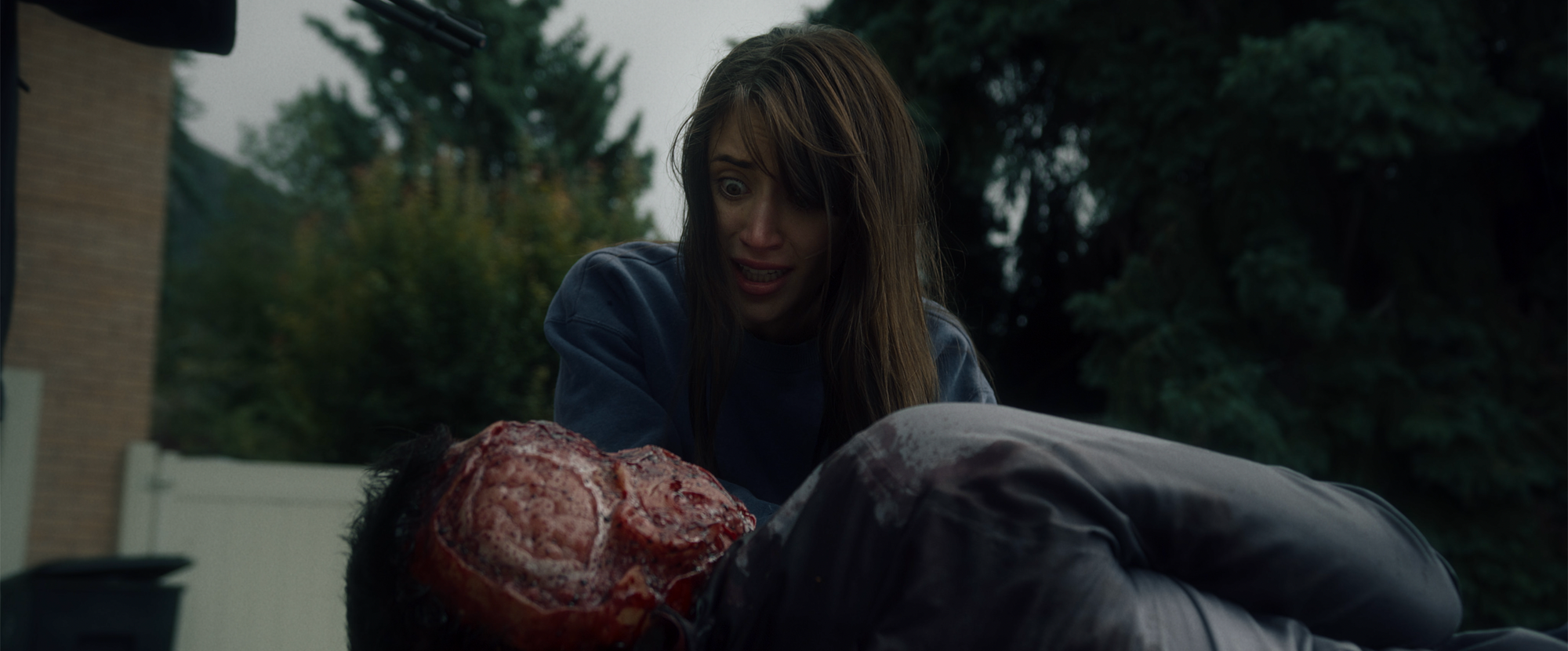
What surprised you most about the filmmaking process, including any moment on set or in post that changed how you saw the story?
I think I understood the film intuitively from the beginning, and I needed to in order to see it through to completion. There's an enormous amount of logistics involved in making a film, and on such a small budget, I found myself handling everything from scheduling flights, hotels, airport transportation, paperwork, and payroll to location scouting, conversations with management, and assembling our cast and crew. Being a cinematographer by trade, I also knew that to make the film within our budget and schedule, I would need to serve as both director and cinematographer. We shot the film in nine days, and I don't think that would have been possible had I not understood the material so intimately.
What surprised me most, though, came after the film was finished. For so long, I had been so deeply inside the film that I couldn't really see it from an outside perspective. It's a little like being in the eye of a hurricane — you're surrounded by all this chaos, but you can't necessarily see the storm for what it is. It wasn't until recently, with everything finished, that I could finally sit back and watch the film as a complete work. And I started to cry.
I've been genuinely surprised by just how disturbed people have been by the story. Recently, I screened the film privately in my living room for a friend and another person I hadn't met before. This other guy was a rapper, not someone who struck me as particularly sentimental or easily shaken. About halfway through, he started crying. Eventually he excused himself to the bathroom, and I could hear him continuing to cry through the door.
That was the moment something really shifted for me. The film was terrifying people, but not in the way we conventionally think about horror. It wasn't frightening them through the usual mechanisms of the genre. It was hitting them emotionally, almost like a blunt sledgehammer. When you're making a film this personal, every compromise is another opportunity for something essential to get lost between the script and the screen. You just have to trust your instincts. What surprised me most was discovering that not only had those instincts translated, but that the film was affecting people in ways I hadn't fully anticipated.
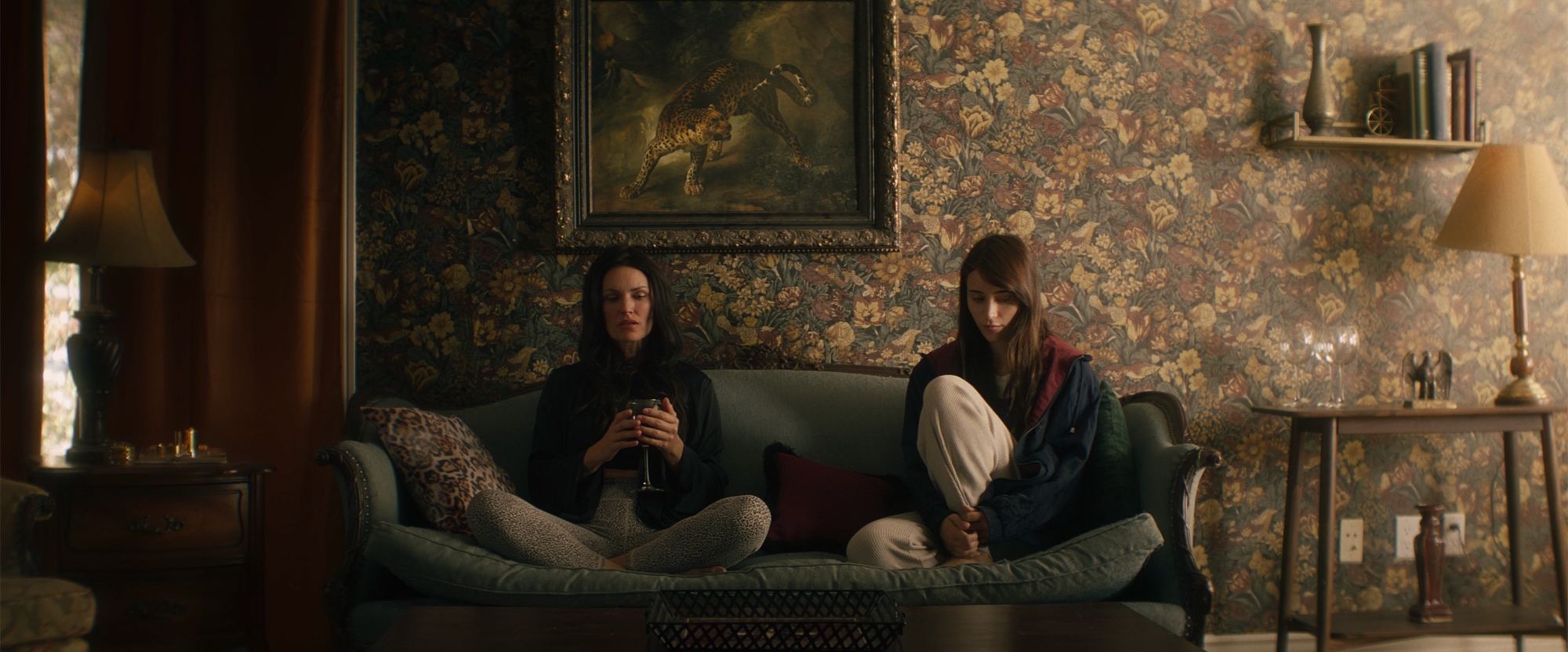
What moment in the film feels most like you, or like something only you could have made?
I don't necessarily believe there's anything that only one person could have made. There are far more experienced directors who could have approached this material in fascinating ways. But I do think there's a particular sensibility I bring to darker subjects that feels very personal.
A lot of my crew and friends, particularly those who know my sense of humor, have told me Mother and Me feels like a uniquely "Carson" kind of film. I think that comes from the way I tend to find humor and irony in situations that are otherwise deeply uncomfortable, tragic, or even horrifying. There's something inherently absurd about the way people behave when things start going drastically wrong, and I've always been drawn to that contradiction. There's a lot of subtle humor in the film that isn't necessarily there to make the audience laugh, but to reflect the strange, sometimes ridiculous ways people behave in genuinely terrible circumstances.
Writing, directing, and photographing the film myself also allowed me to preserve a particular consistency of perspective. Rather than the film becoming a middle ground between several different interpretations of the material, I could follow my instincts across all three disciplines. If there's something in the film that feels most like me, it's probably that strange coexistence of sincerity, cruelty, humor, and irony.
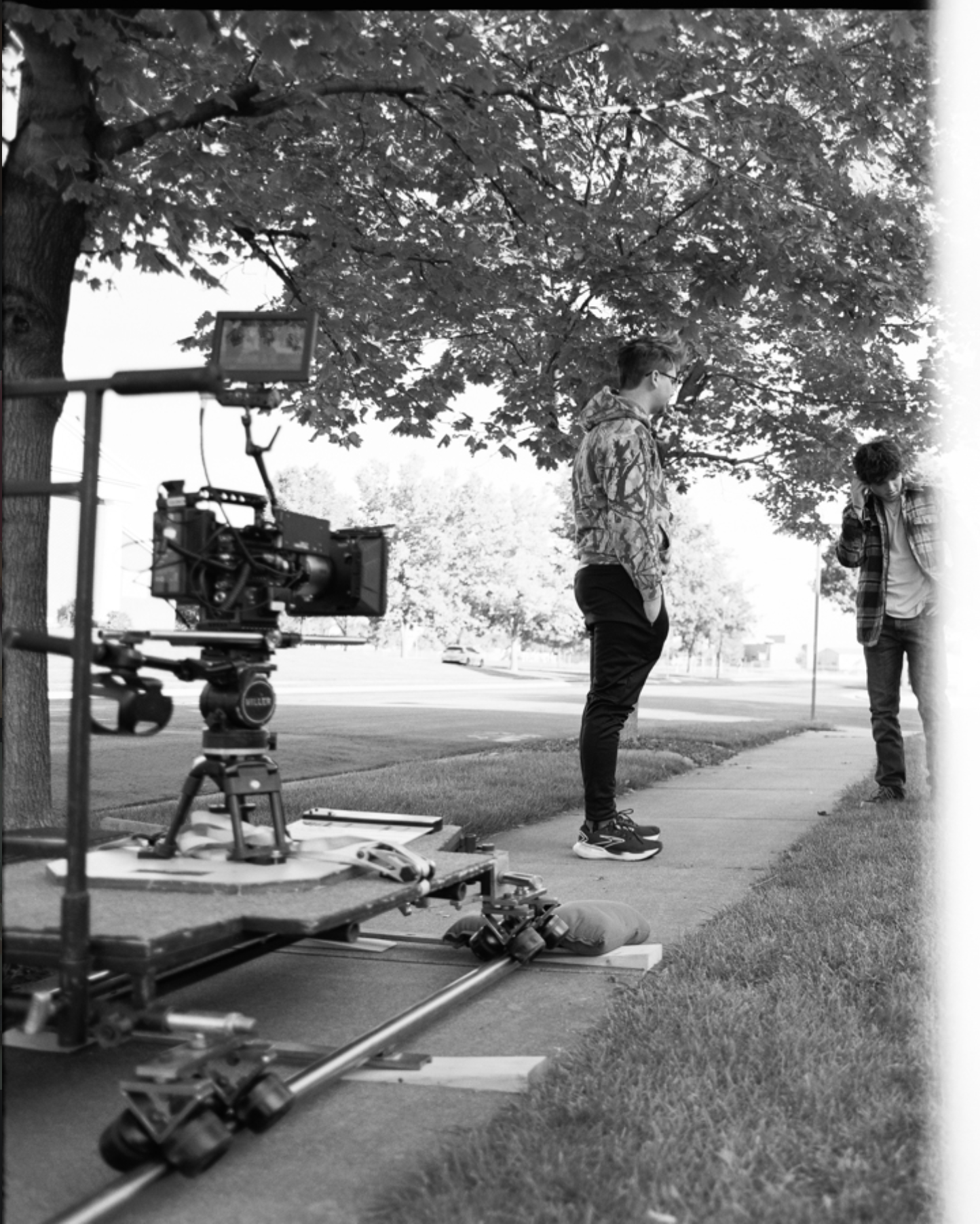
What was the hardest creative decision you made while making the film?
Every day was a series of difficult creative decisions. When you're shooting an entire feature in nine days, you're constantly making concessions because of time, resources, or circumstances outside your control. The challenge becomes figuring out what you can afford to compromise and what absolutely needs to remain intact for the story to work.
Where I was incredibly fortunate was with our three central performers, Caylee Cowan, Brady Noon, and Tara Janae Smith. They brought these characters to life so brilliantly and so intuitively that I rarely needed to redirect their performances beyond the occasional nudge. They understood who these people were and the emotional reality of the situations they were in.
Ultimately, the hardest creative decision was learning when to let go of something I had originally envisioned in order to protect something more important. You can sacrifice a shot, a camera movement, or a particular way of staging a scene, but you can't sacrifice the humanity of the characters. Because Caylee, Brady, and Tara were so committed to making these people feel real, I could trust that the heart of the story would survive those compromises.
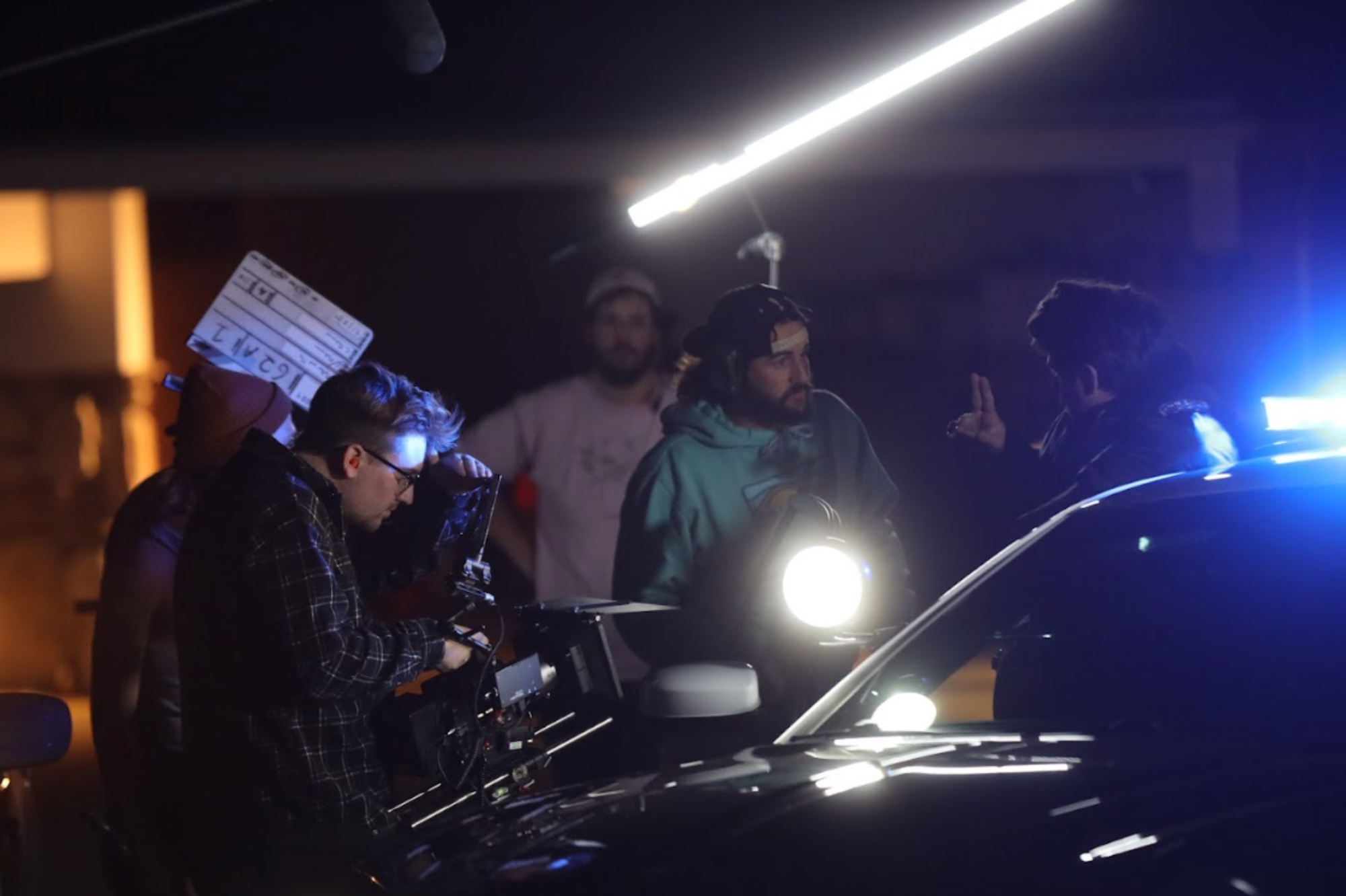
What tool, technique, resource, collaborator, or mindset shift helped most during production?
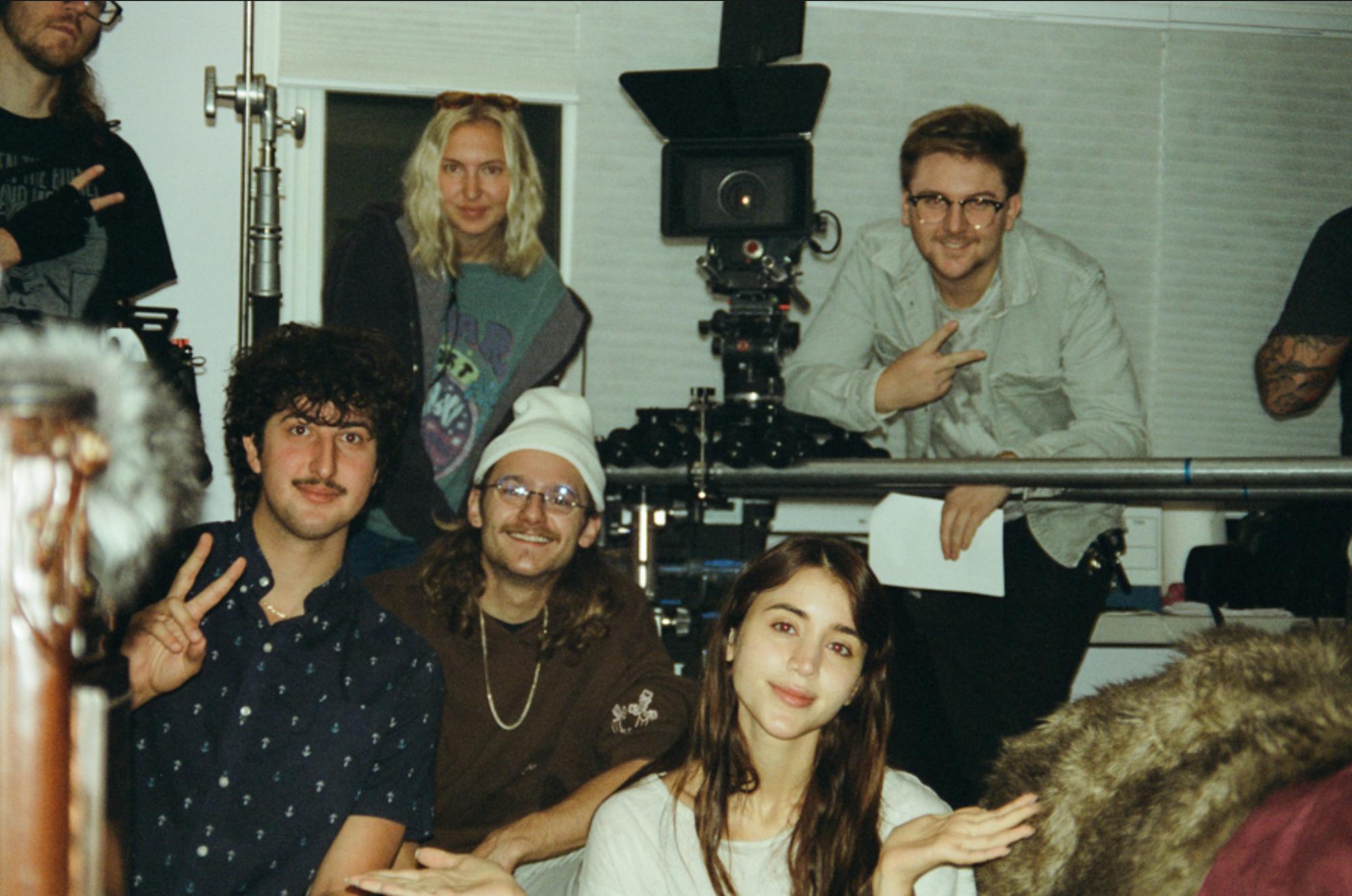
Without question, the people. I genuinely believe you couldn't have removed a single person from the production without it having a significant effect on the quality of the finished film. When you're making a feature in nine days on such a limited budget, you don't have the luxury of people doing only what's written in their job description.
Rob, our producer, reminded me on numerous occasions to protect the integrity of the story and, above all else, to follow my gut. Seth, my focus puller and associate producer, was instrumental in keeping things moving. Larry was our gaffer, and Brian started out in lighting but somehow found a million other ways to keep the production running. James, our sound operator, was there capturing everything on set, and Brandie kept hair and makeup on schedule, no small feat given how little time we had each day. Geoffrey and our post-sound team brought the film's sonic world to life. Jonathan brought an incredible emotional dimension through his score, Anthony did immaculate work as our colorist, and Bryan, our production designer, gave the world its physical identity. Sam was our other associate producer and second AC; Kenadee, our first AD and co-producer, kept an ambitious schedule on track; and Lisa, our second AD, stayed on top of a mountain of paperwork. And that's still only a fraction of the people who made this possible.
The biggest mindset shift was recognizing that although I was responsible for the creative vision, I didn't have to carry the entire film on my own. Whatever strengths Mother and Me has, they rest on the shoulders of an extraordinary group of people who gave it everything they had.
How does your film fit within, or push the boundaries of, its genre or form?
A lot of conventional horror is built around the anticipation of something frightening happening — a supernatural presence, a violent act, some external threat. But there's another kind of horror that comes from recognizing something deeply unsettling about ordinary human relationships, and that's what interested me most.
I wanted to explore the kind of terror that doesn't announce itself as terror. Sometimes the most frightening things in life are the circumstances we become accustomed to, the people we're supposed to trust, or the situations we convince ourselves are normal simply because we've lived with them so long. There's something particularly disturbing about realizing that what one person considers horrifying might be another person's everyday reality.
If the film pushes the boundaries of horror in any way, I think it's through that relationship between terror and empathy. I enjoy movies that frighten an audience simply for the sake of frightening them, but that's not what this film is. I'm interested in what happens when something terrifying also makes someone feel understood. If somebody walks away feeling that an experience they've carried privately has been recognized, and that they're perhaps a little less alone in it, then the film has accomplished something far more meaningful than simply scaring them.
What does it mean to have your film selected for FilmQuest?
It's a huge deal, and it feels particularly special because I have a history with the festival. When I was a teenager, I attended FilmQuest with a short film I had co-written and produced, and I remember having an incredible experience. It's one of those festivals that really celebrates filmmakers and the work they put into their films, so getting to return all these years later with my feature directorial debut feels like things have come full circle.
What makes it even more meaningful is that FilmQuest takes place right here in Utah, where I grew up, where I still live, and where we shot Mother and Me. But more than anything, I'm excited that it gives our cast and crew an opportunity to come together again and celebrate what we accomplished. Making a film is such an intense, collaborative experience, and once production wraps, everyone goes their separate ways. You don't necessarily get the chance to sit in a theater alongside one another and experience the finished film the way an audience does. That's probably what means the most to me. FilmQuest is one of the coolest genre festivals out there, and I'm incredibly grateful we get to have that experience here at home.
Main Cast & Crew
- Carson McKinnon — Writer, Director & Cinematographer. An award-winning Utah-based cinematographer who began working in the film industry at age 14. Mother and Me marks his feature directorial debut, drawing on personal experiences and exploring themes of family, control, trauma, and the collision between idealism and reality.
- Caylee Cowan — Casey. An actress and producer whose credits include Sunrise in Heaven, Frank and Penelope, and Spinning Gold. She recently starred in Casey Affleck's Company, which premiered at the 2026 Venice International Film Festival. Here she portrays a young woman struggling to find independence under the control of her domineering mother.
- Brady Noon — Steven. Known for starring in the comedy Good Boys, Disney+'s The Mighty Ducks: Game Changers, and voicing Raphael in Teenage Mutant Ninja Turtles: Mutant Mayhem, Tales of the Teenage Mutant Ninja Turtles, and the upcoming theatrical sequel. He plays a young man whose budding relationship with Casey threatens to disrupt her mother's control.
- Tara Janae Smith — Mother / Janelle. She stars as Casey's controlling mother, whose obsession with preserving her late husband's literary legacy drives the film's psychological conflict, anchoring the film's exploration of manipulation, generational trauma, and the darker complexities of motherhood.
Filmmaker Opportunities
💛 Fund your next project with fiscal sponsorship
Have a project in the works? As a 501(c)(3) nonprofit, the Cinematography for Actors Institute can accept tax-deductible donations on your film's behalf — a door-opener for grants, foundations, and supporters who want to back your work. We've serviced over 100 projects to date and helped route over $800,000 in funding to filmmakers. Explore fiscal sponsorship →
📬 Grant deadlines and festival opportunities, straight to your inbox
The CFA newsletter rounds up grants, festival calls, and community news for independent filmmakers — the kind of opportunities that are easy to miss and painful to miss. Join the newsletter →
🎬 Focus on the creative — we'll help with the logistics
Production Management, CFA's newest member program, launches this November: production insurance and workers' comp, payroll, film permits, gear rental coordination, SAG-AFTRA compliance, contract drafting, production consulting, and crew recommendations — handled by a team of working filmmakers, à la carte or all in, in partnership with Creative Access Group. It's waitlist-only until launch. Join the waitlist →
League of Filmmakers is published by our parent organization, the Cinematography for Actors Institute — a 501(c)(3) dedicated to education, community, and capital for underrepresented filmmakers and actors. Learn more about CFA →