Table of Contents
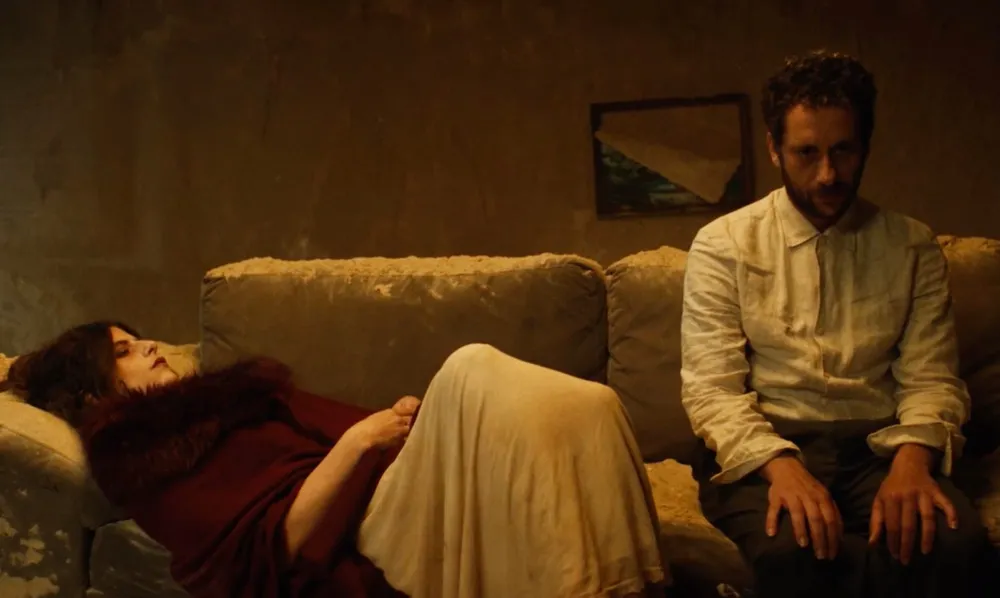
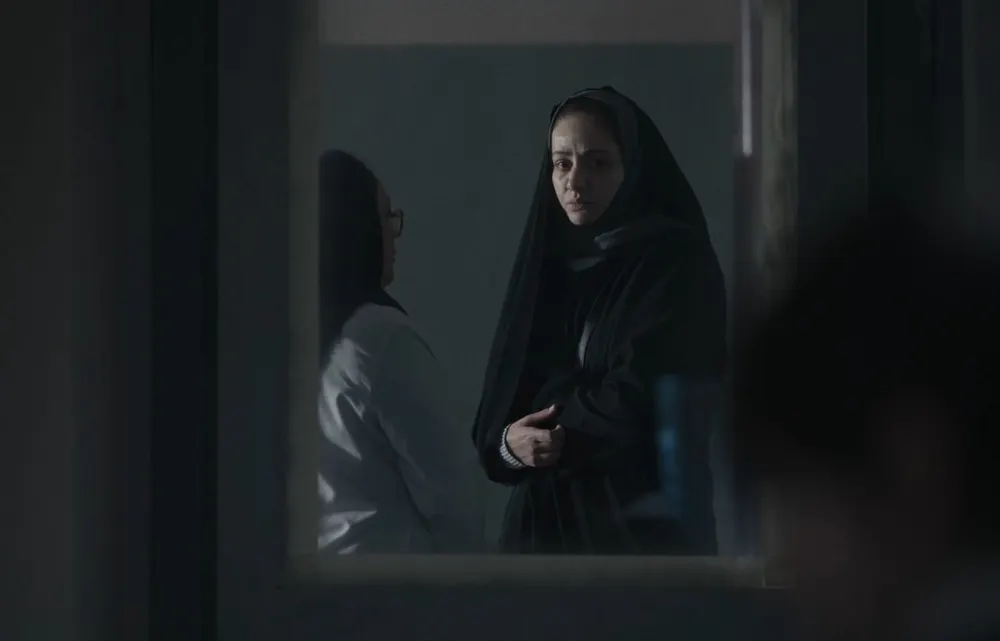
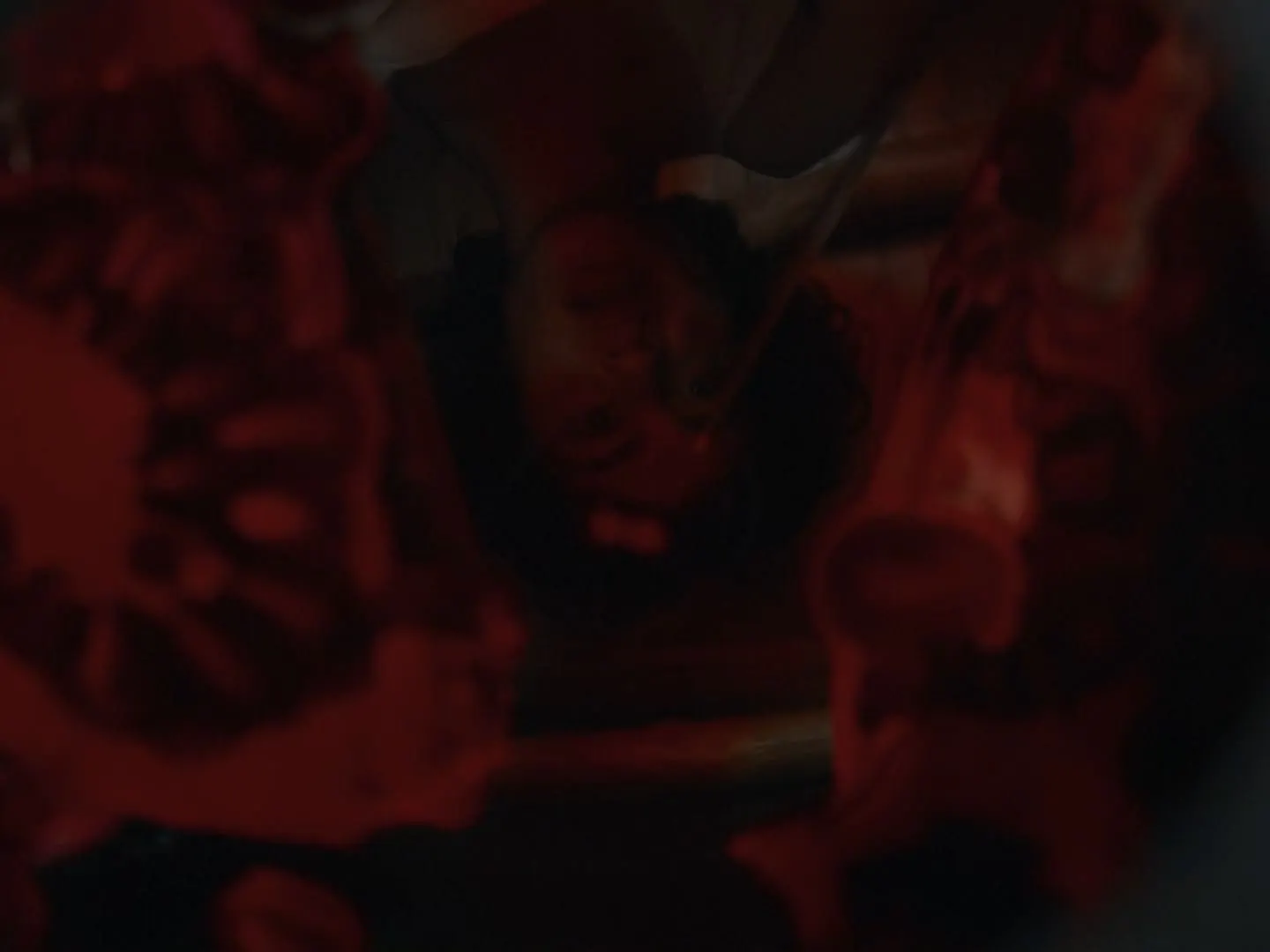
Rana Roy wrote Night Feeds in a single day, though she spent the next hundred drafts refining it. A London-born, Dubai-raised artist of Egyptian, Nubian-Sudanese, and Indian descent, Roy came to directing through a 25-year career in dance, music, theatre, and performance, and she brings all of it to bear here. Her thesis film for the American Film Institute follows a new mother drowning in postpartum as a night nurse unnerves her and war floods her screens, until nightmare and reality no longer hold their separate shapes.
The film, starring May Calamawy, is less an argument than a nervous system. Roy wanted an experience felt before it is understood, one that refuses to let us witness suffering from a safe distance. Making its West Coast Premiere at HollyShorts, Night Feeds arrives as a homecoming to the community that shaped it.
Key Takeaways
- Written in a day out of Roy's own postpartum and her response to the images coming out of Gaza, the film dissolves the boundary between "their child" and "my child."
- Roy re-edited the finished film nine months later, after living beyond the experience that made it, stripping away anything explanatory to trust the audience with uncertainty.
- Built with an AFI-forged crew and Al Jazeera news footage, the film treats sound, breath, and rhythm as choreography — a psychological horror that aims to feel like a body.
What follows is a conversation about instinct, surrender, and the place where empathy begins.
Interview
What drew you to make this film, and why this story, why now?
When The American Film Institute asked us to submit our thesis projects at the end of 2023, I had a young baby and had thrown myself into one of the most demanding periods of my life without really acknowledging what postpartum had done to me. I was living with severe intrusive thoughts while witnessing the images coming out of Gaza. What shocked me wasn't only the violence itself, but how quickly I watched people begin to ignore it, or worse, justify it. As a new mother, the boundary between "their child" and "my child" dissolved. I felt what was happening inside my own body was being reflected back at me in the world, and suddenly my internal and external realities no longer felt separate. My living nightmare was another mother's reality.
I had actually planned to write a comedy about something else entirely. Instead, this story came pouring out in a single day. It was the most instinctive thing I've ever written. The film became a way of giving form to an experience I couldn't otherwise articulate: what happens when the mind, the body, and the world begin to mirror one another so completely that certainty itself starts to disappear. I couldn't stop what was happening in the world, but I could make a film that refused to let us experience it from a safe distance. That felt like the only honest thing I knew how to do.
What surprised you most about the filmmaking process, including a moment that changed how you saw the story?
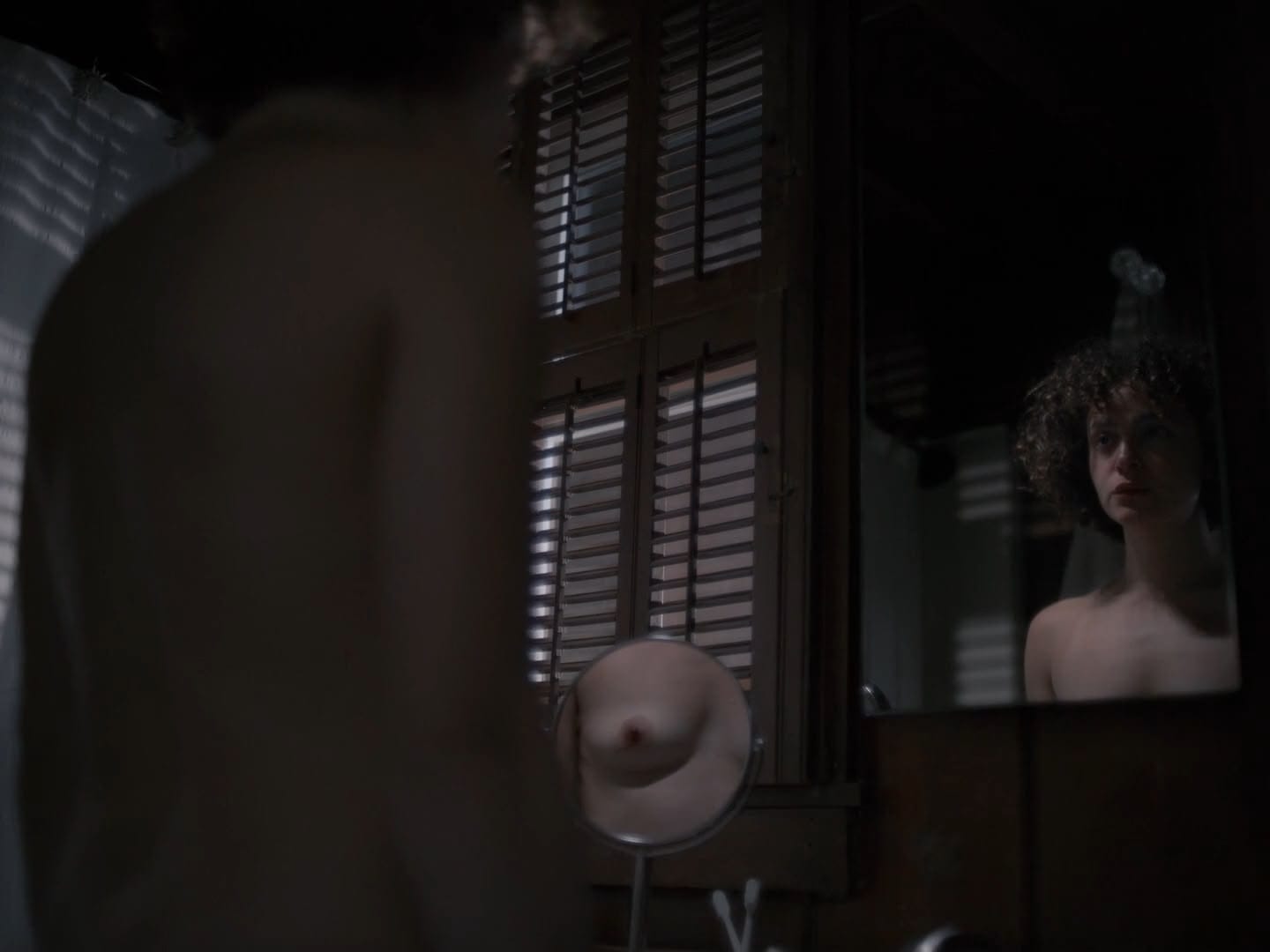
Realizing that finishing a film and understanding it aren't always the same thing. I thought I had finished Night Feeds. I picture locked it, mixed it, colored it, and believed it was complete. But as I watched our DCP screening, I realized I wasn't okay. What was up on that screen was still within me. I was still living through my postpartum. After that, I finally sought the help I needed.
About nine months later, I found myself returning to the film because I suddenly understood it differently. I was no longer living inside the experience that had created it, and I could finally see the film with the clarity it had been asking of me all along. I ended up completely re-editing it. Thankfully, our incredible editor, Joan Mao, trusted me enough to go through the process all over again. I stripped away anything that felt explanatory and trusted the audience to inhabit the intentional uncertainty. It fundamentally changed how I think about authorship. I couldn't fully understand the film until I'd lived beyond the experience that created it.
What was the hardest creative decision you made while making the film?
This story was incredibly personal, and because I was still living through so much of what the film explores, I felt an enormous responsibility to protect it. I was one of the few mothers on set, and I was trying to protect the complexity of the story from being reduced to familiar ideas about motherhood. That instinct made me hold things tightly.
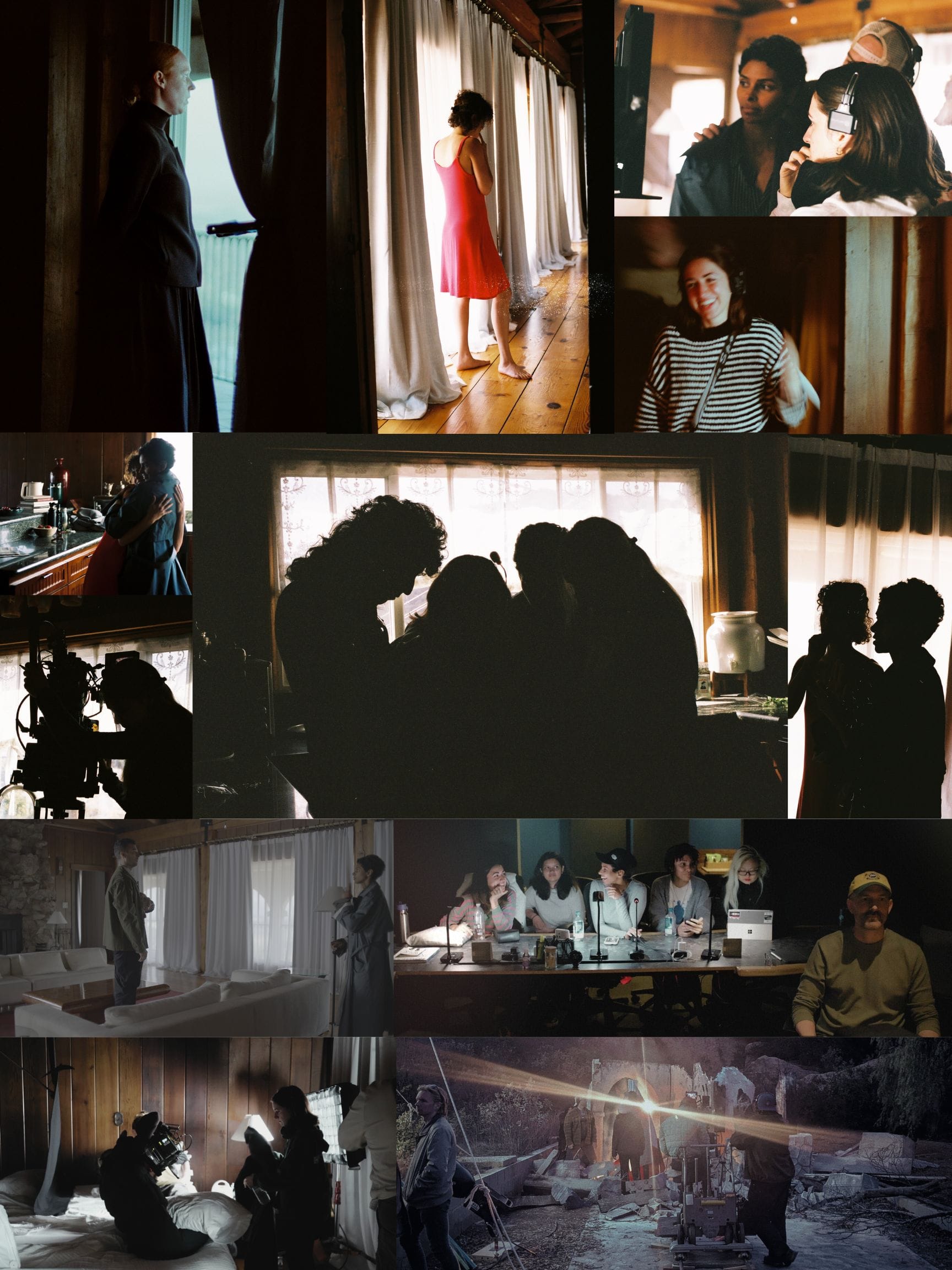
One day on set, after a night of no sleep with my real-life crying baby, I reached a point where I simply couldn't carry it anymore. I remember saying to the crew, "I can't do this alone. I keep f**king up." Instead of losing confidence in me, they literally gathered around me and said, "We've got you. We're here to help."
The second I surrendered, something shifted. I ran an idea by our cinematographer, Julia Maixer, who immediately built on it. Then our gaffer contributed a great blocking idea. Our 1st AD suggested an adjustment to a line because of the new staging. One by one, more crew members started building on it until the scene became our favorite in the film. It saved our day. It saved our film. They turned my hardest day into one of my greatest lessons in surrender and trust.
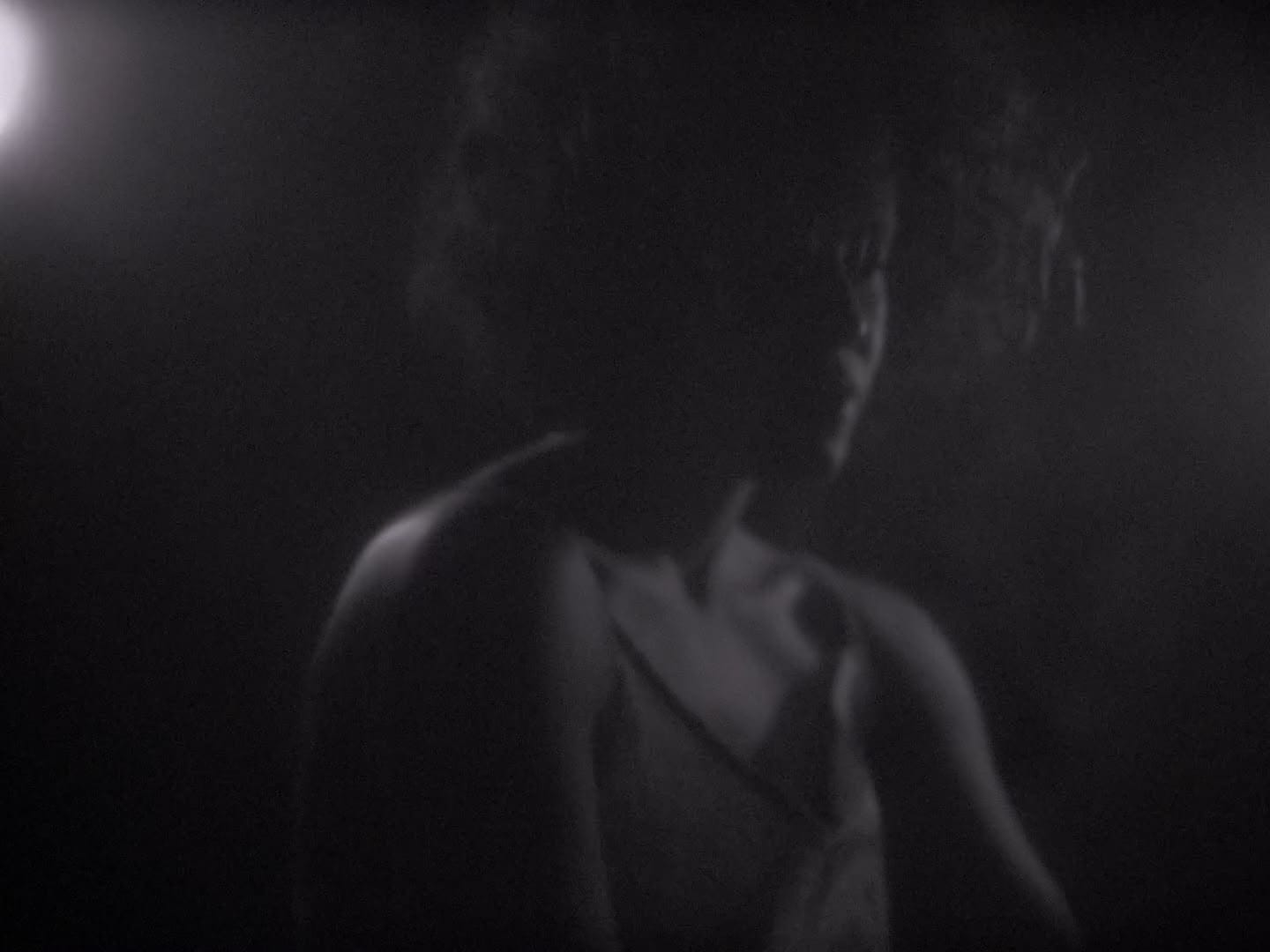
What moment in the film feels most like you, or like something only you could have made?
I love letting people sit in really uncomfortable moments. We all run away from them too quickly, but I'm interested in all the nuance that happens within those moments. It's where I find people at their most human. I'm not interested in making audiences uncomfortable just to provoke them; I'm interested in what discomfort reveals once we stop trying to escape it.
There's a moment right in the middle that consistently gets laughs. I love that response because it isn't laughter at a joke. It's not conventionally funny; it's the body searching for somewhere to put all the tension it's been carrying. That specific collision of discomfort, humanity, and unexpected humor feels uniquely me. I'm very drawn to unpredictable emotional contradictions.
What do you hope audiences take away from this film?
We often think empathy starts when we understand someone's identity, politics, or circumstances. I don't necessarily think that's true. I think it begins much earlier, in the body. Before we know who someone is, we recognize exhaustion, fear, tenderness, grief, love. We know those things because we've felt them ourselves.
I intentionally chose not to foreground the mother's Arab identity initially. The hope is that audiences encounter her first as a human being before they encounter the labels we instinctively reach for. Once we feel something in our own bodies, identity doesn't disappear, it deepens. We stop asking, "Can I relate to her?" and instead begin asking, "What does it mean that I already do?" If the film opens a small space for people to sit with uncertainty and remember their own body as a place where empathy begins, then I feel it's done its job.
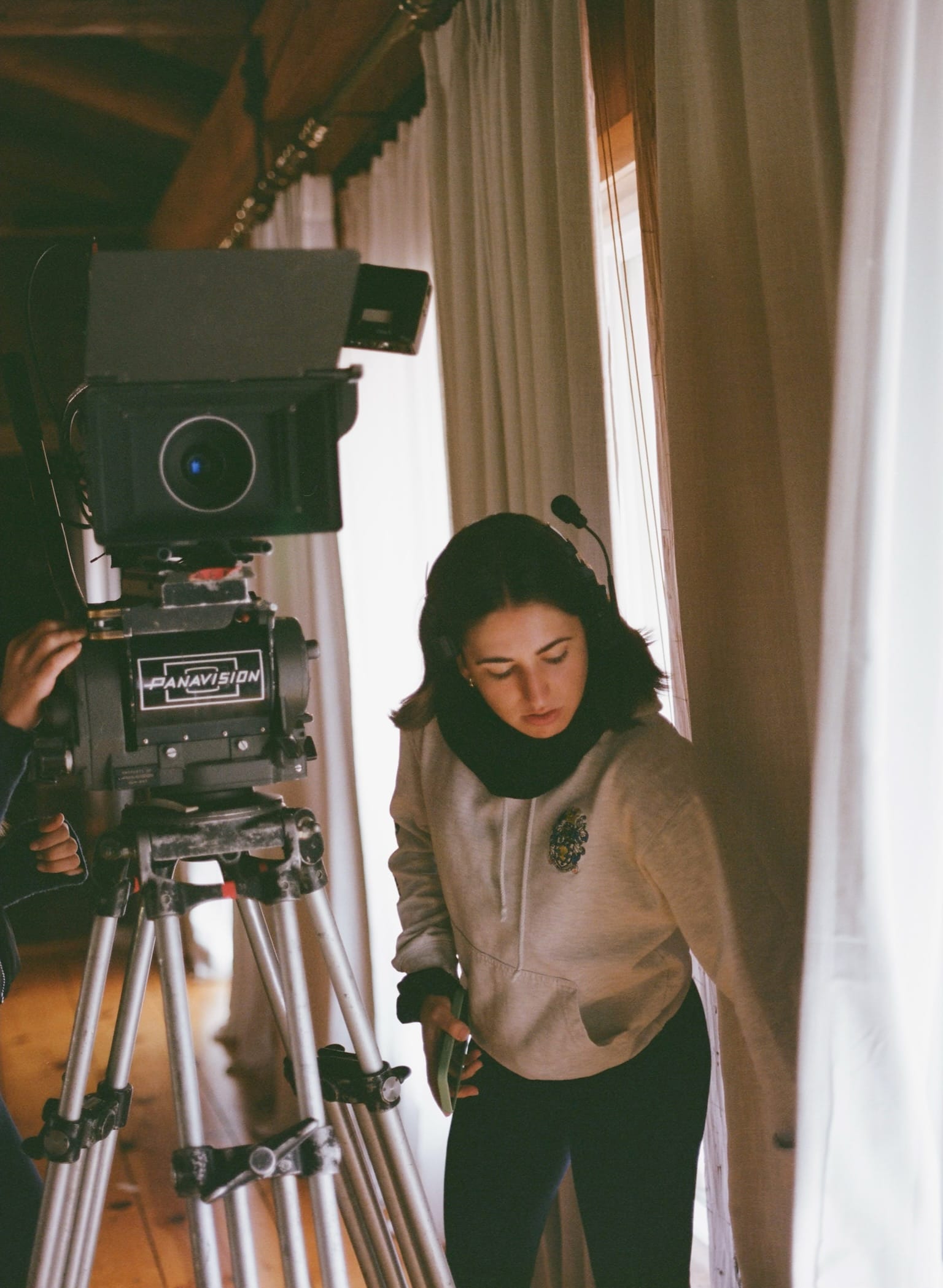
How does your film fit within, or push the boundaries of, its genre or form?
In many ways, Night Feeds was an experiment in seeing whether a film could subtly feel like a body. I've always been drawn to psychological horror, and in this case it gave me a way to explore the fragmentation of the mother's mind and body. I worked closely with our amazing sound designer, John Warrin, experimenting with rhythm, breath, and sounds from her world almost as if they were choreography. The film needed to have a fluidity that felt both poetic and eerie, using form to evoke her internal experience while reflecting the external world. I wanted it to visually and sonically feel like a desperate prayer from a prison she couldn't escape.
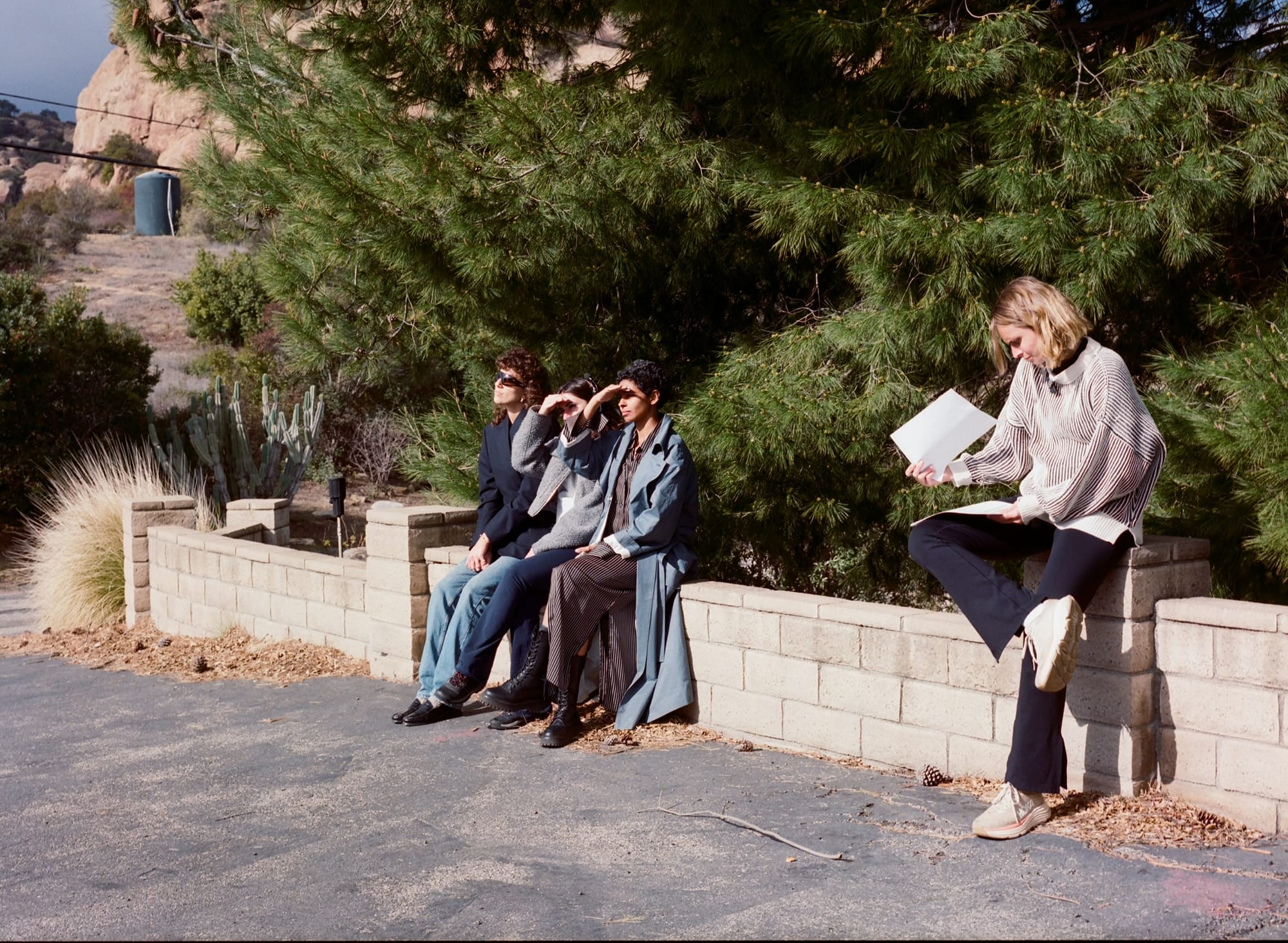
What does it mean to have your film selected for HollyShorts, and where do you see it going next?
It's incredibly special. I made Night Feeds while studying at the American Film Institute, so having our West Coast Premiere at HollyShorts feels like a real homecoming. Beyond the prestige of the festival itself, I'm excited to share the film with the community that helped shape it. It feels like a full-circle moment.
Our literal next stop is a festival in the UK, and the film will continue traveling around the world. I can only hope this film helps mothers suffering in silence feel seen and receive the support they need. Beyond festivals, my greatest hope is far simpler: that we stop accepting the suffering and killing of children and civilians as a normal part of our world.
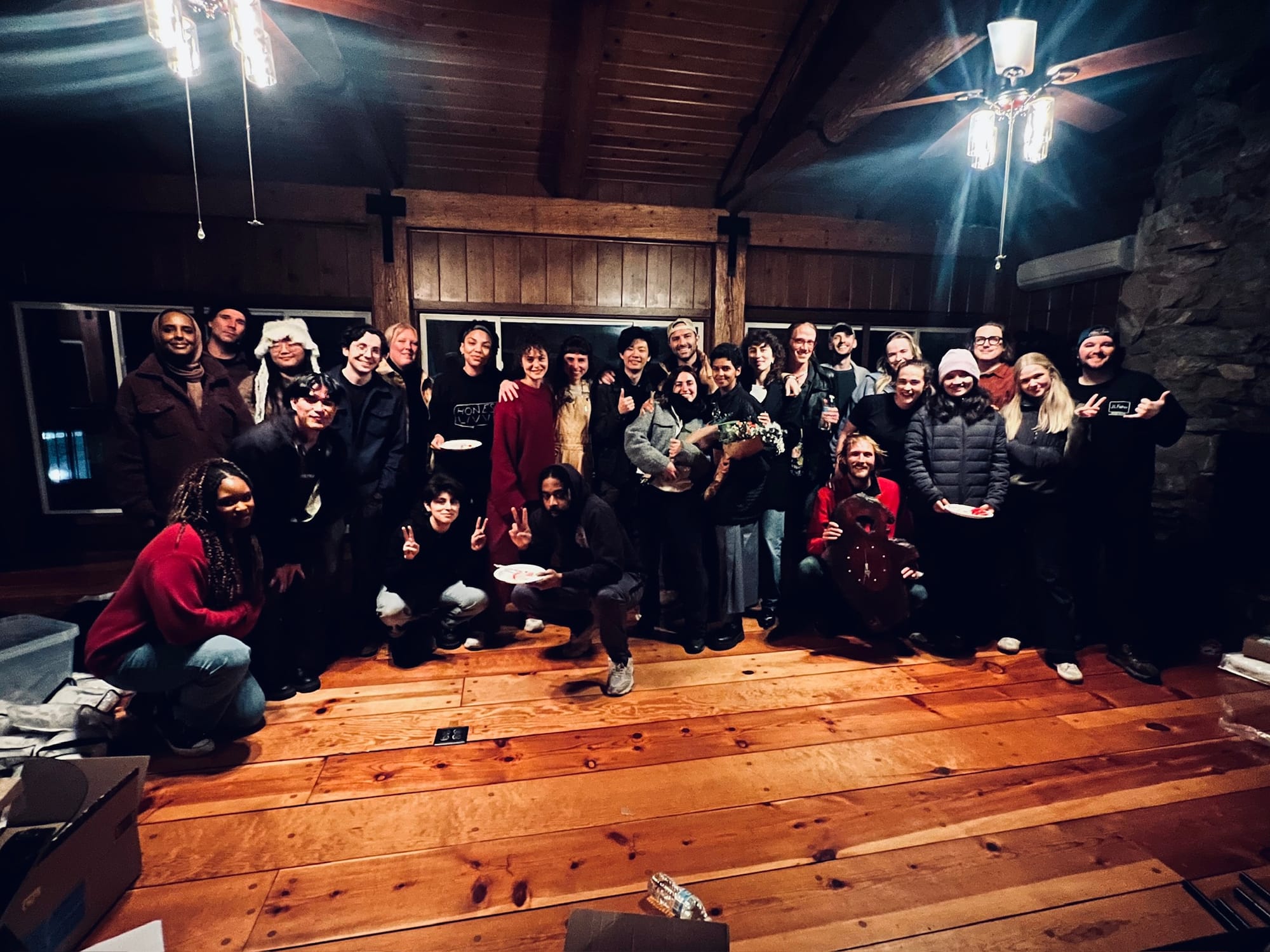
Main Cast & Crew
- Writer/Director: Rana Roy
- Cinematographer: Julia Maixer
- Editor: Joan Mao
- Production Designer: Janhvi Gupta
- Producer: Adia Ivey
- Executive Producer: Jumanah Shaheen
- Executive Producer: Almaha Talal
- The Mother: May Calamawy
- The Night Nurse: Katy Wright-Mead
- The Husband: Kario Marcel
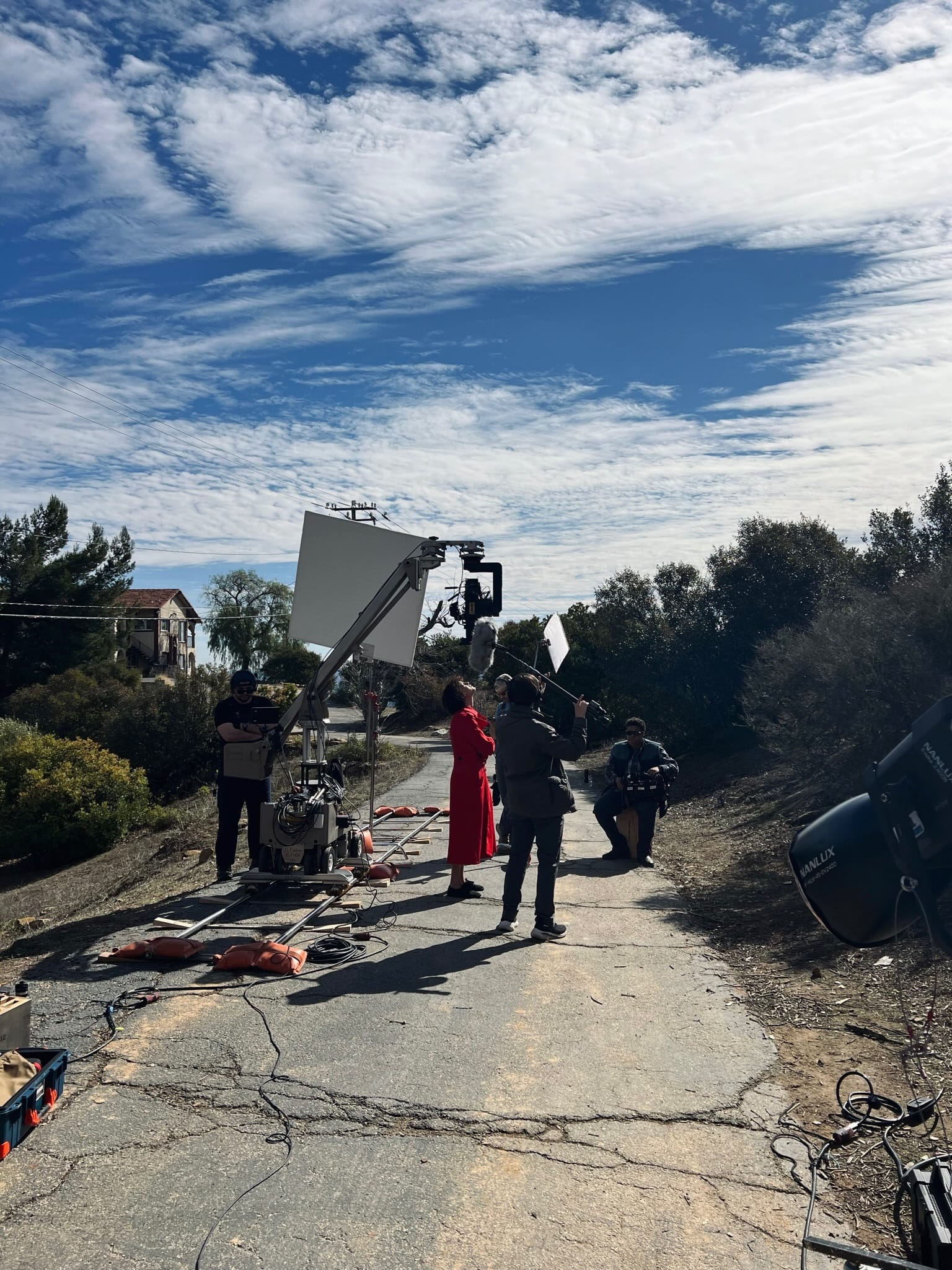
Filmmaker Opportunities
💛 Fund your next project with fiscal sponsorship
Have a project in the works? As a 501(c)(3) nonprofit, the Cinematography for Actors Institute can accept tax-deductible donations on your film's behalf — a door-opener for grants, foundations, and supporters who want to back your work. We've serviced over 100 projects to date and helped route over $800,000 in funding to filmmakers. Explore fiscal sponsorship →
📬 Grant deadlines and festival opportunities, straight to your inbox
The CFA newsletter rounds up grants, festival calls, and community news for independent filmmakers — the kind of opportunities that are easy to miss and painful to miss. Join the newsletter →
🎬 Focus on the creative — we'll help with the logistics
Production Management, CFA's newest member program, launches this November: production insurance and workers' comp, payroll, film permits, gear rental coordination, SAG-AFTRA compliance, contract drafting, production consulting, and crew recommendations — handled by a team of working filmmakers, à la carte or all in, in partnership with Creative Access Group. It's waitlist-only until launch. Join the waitlist →
League of Filmmakers is published by our parent organization, the Cinematography for Actors Institute — a 501(c)(3) dedicated to education, community, and capital for underrepresented filmmakers and actors. Learn more about CFA →