Table of Contents
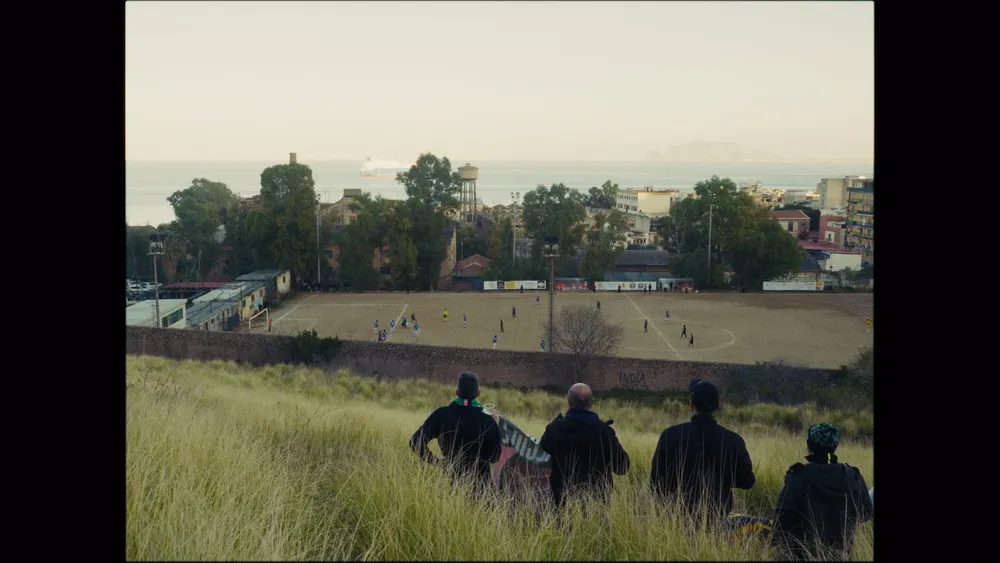
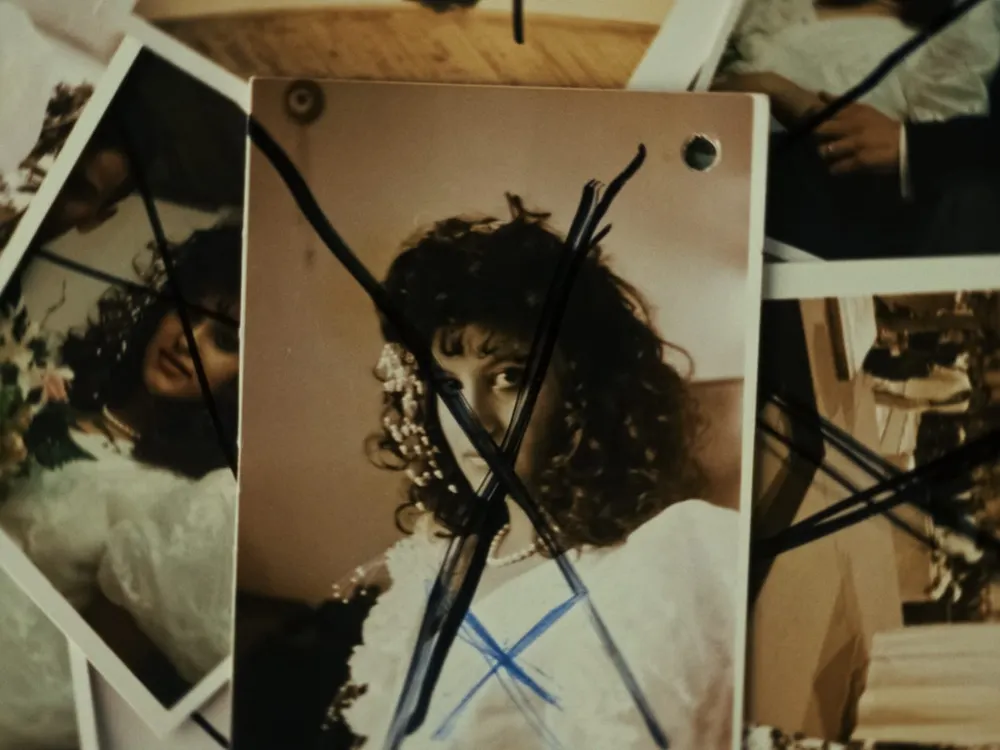
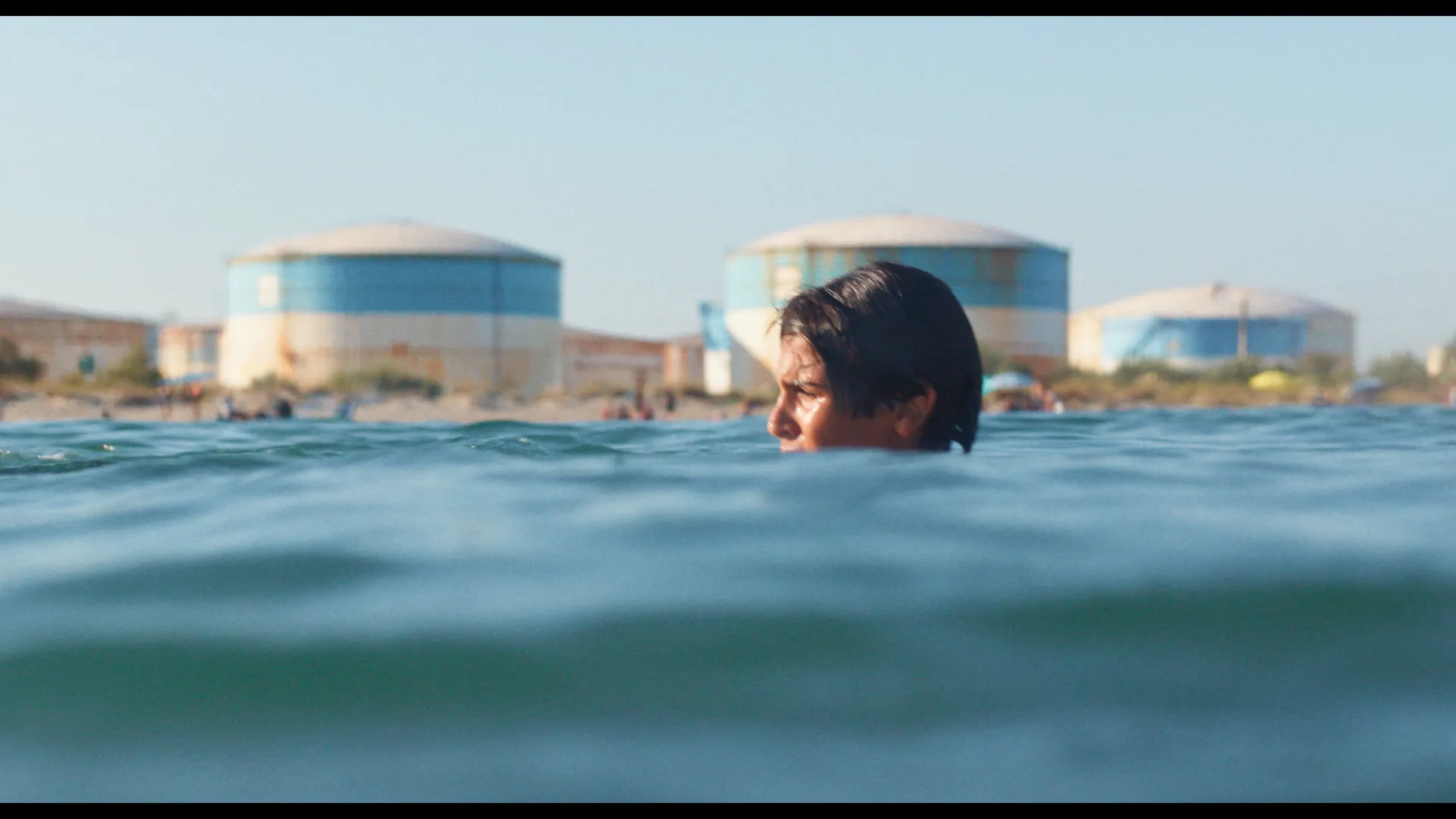
On a sun-scorched beach in Fos-sur-Mer, one of Europe's largest petrochemical zones, 12-year-old Abel wants only what most teenagers want: to belong. But his father's cancer-stricken body stands, in Abel's mind, between him and the group he longs to join. Pale Sun follows that fragile turning point, when the gaze of others becomes decisive and, sometimes, paralysing.
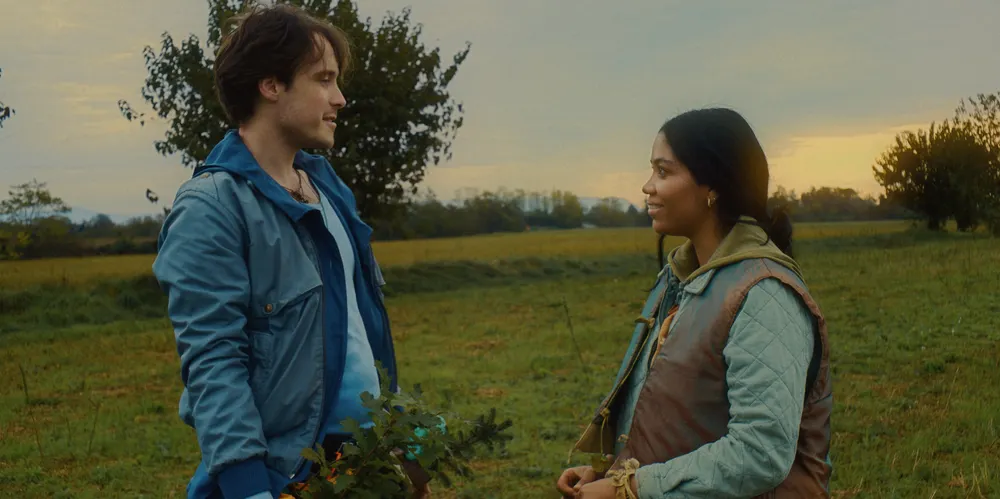
Co-directed by Adrian Moyse Dullin — whose The Right Words competed at Cannes and earned a 2023 César nomination — and Jawahine Zentar, a former assistant director whose On My Father's Grave traveled to nearly one hundred festivals, the film transforms an everyday social situation into a quiet study of shame. It is a coming-of-age drama that trusts silence, and lets bodies and glances carry what dialogue never could.
Key Takeaways
- Pale Sun locates shame not in opposition to love but inside it, following a boy torn between loyalty to his father and the need to be accepted.
- Shot at Abel's eye level and pared down in the edit, the film resists explaining his feelings, allowing distance, posture and a held glance to reveal the story.
- Co-directed by Adrian Moyse Dullin and Jawahine Zentar, the film reaches HollyShorts after its world premiere at Clermont-Ferrand.
A conversation with the filmmakers follows.
Interview
What drew you to make this film, and why this story, why now?
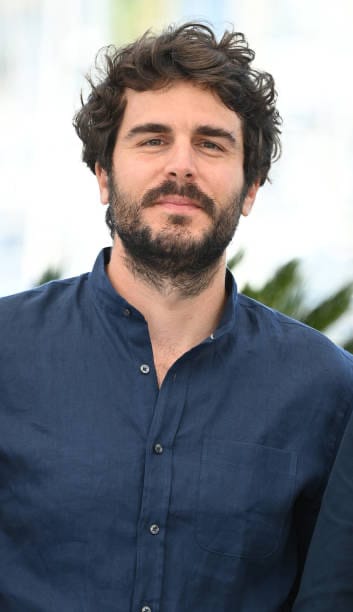
After co-writing The Right Words in 2021, Emma Benestan and I began developing Pale Sun. This time, the humiliation is neither romantic nor openly social: it is quieter and more intimate, rooted in the illness of a parent.
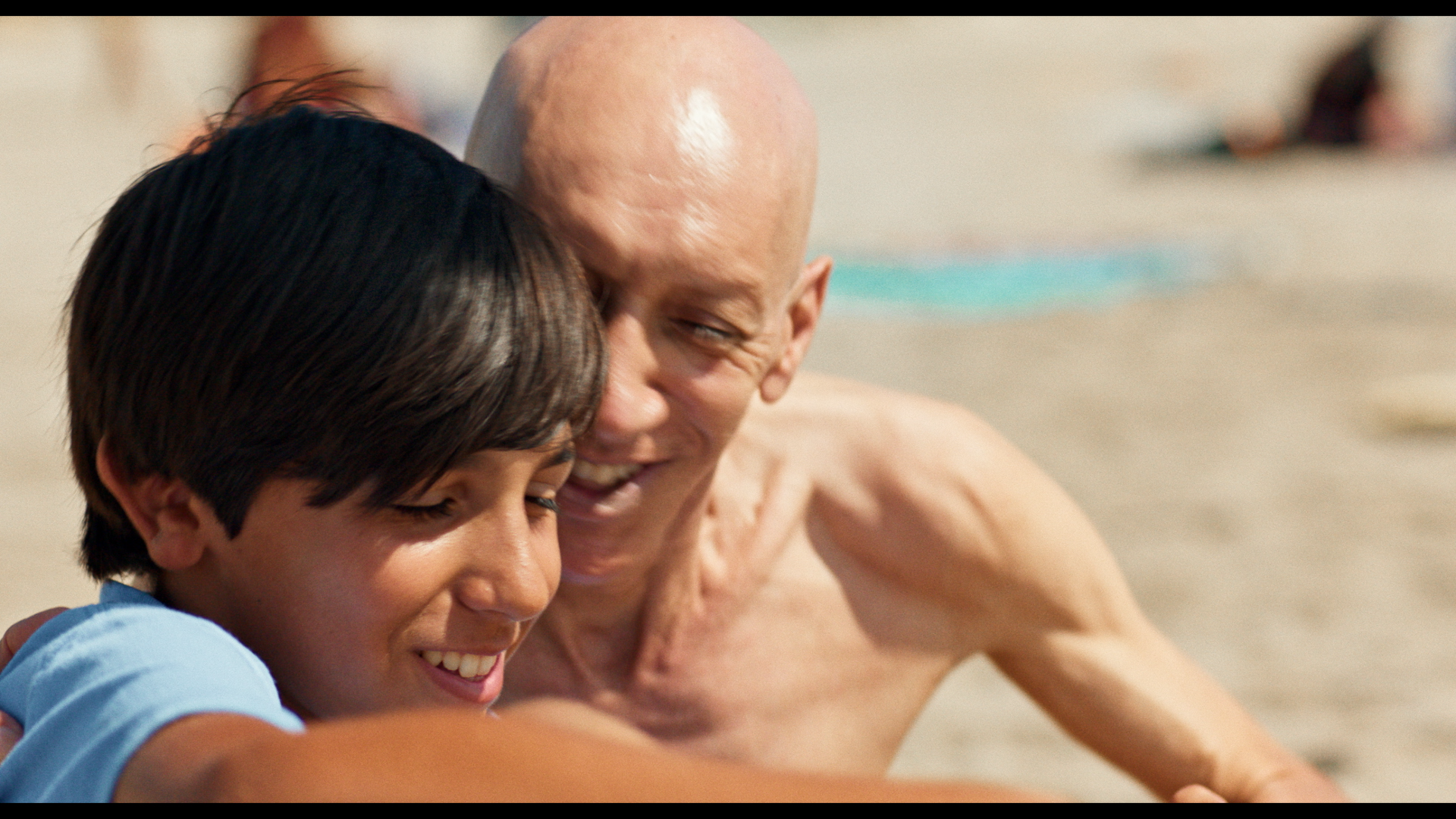
We wanted to explore the precise moment when shame appears and begins to distort love. Abel wants what most teenagers want: to belong. He convinces himself that his father's illness threatens that possibility. At a time when young people are constantly exposed to idealised images of bodies, families and lives, this conflict between loyalty and social acceptance feels particularly urgent. The film asks what happens when the person we love also becomes the person we are afraid to be seen with.
What surprised you most about the filmmaking process?
What surprised us most was how little the film needed to say out loud. On the page, shame can appear to be a psychological emotion that requires explanation. On set, however, it existed through distance, posture, hesitation and the direction of a glance.
Working closely with the actors, and keeping the camera at Abel's level, showed us that the story became more powerful whenever we resisted explaining his feelings. During the editing process, we continued removing anything that expressed the conflict too directly. The silences did not empty the story: they revealed it.
What moment in the film feels most like you, or like something only you could have made?
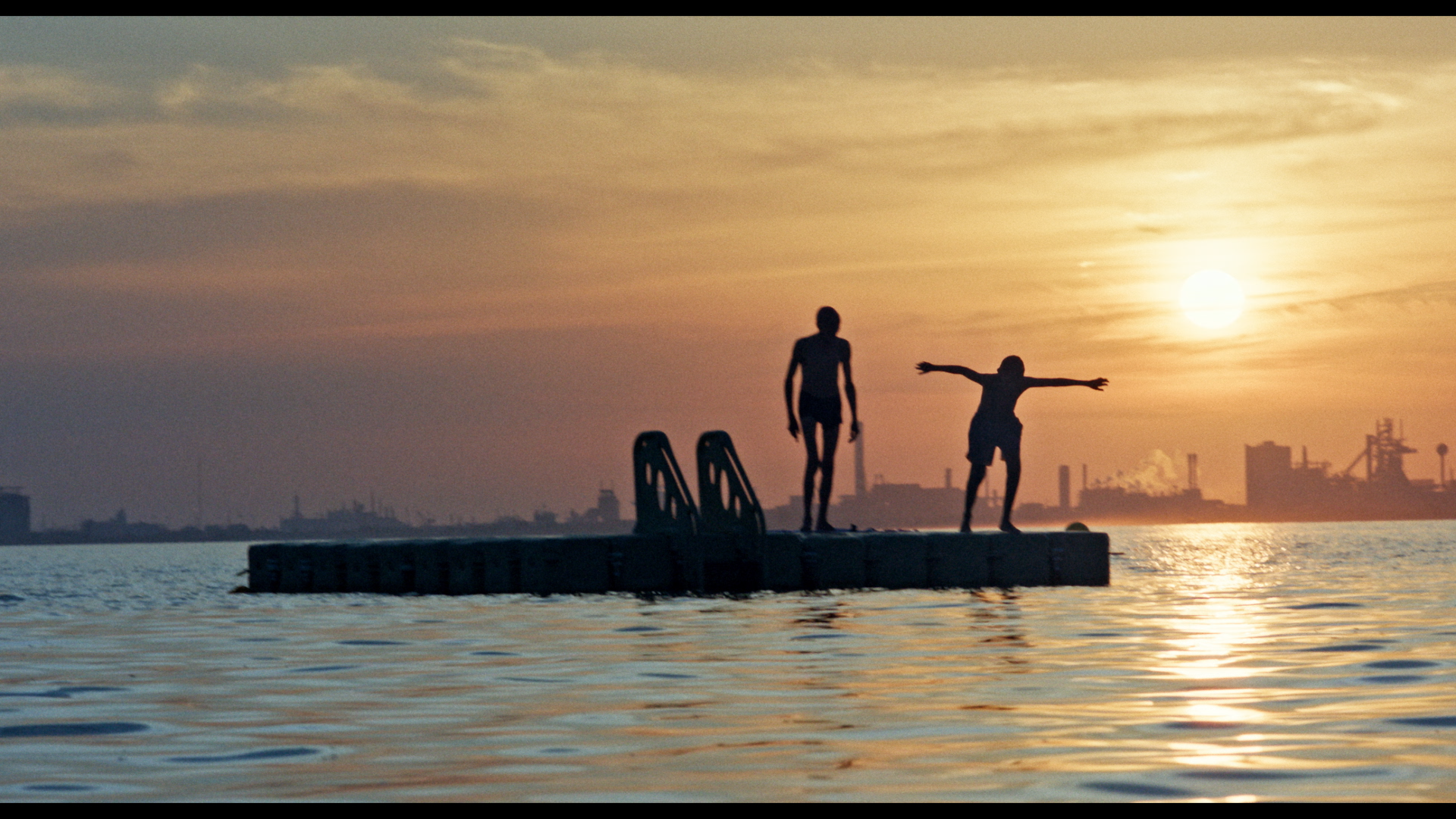
The moment that feels most personal is the instant when Abel's desire to join the other teenagers collides with his awareness of his father's exposed and vulnerable body. Nothing spectacular happens, yet his entire inner world shifts.
That tension between tenderness and embarrassment, loyalty and the need to belong, lies at the heart of the stories we are drawn to. We are interested in the almost invisible moment when a young person discovers that the gaze of others can change the way they see someone they love.
What was the hardest creative decision you made while making the film?
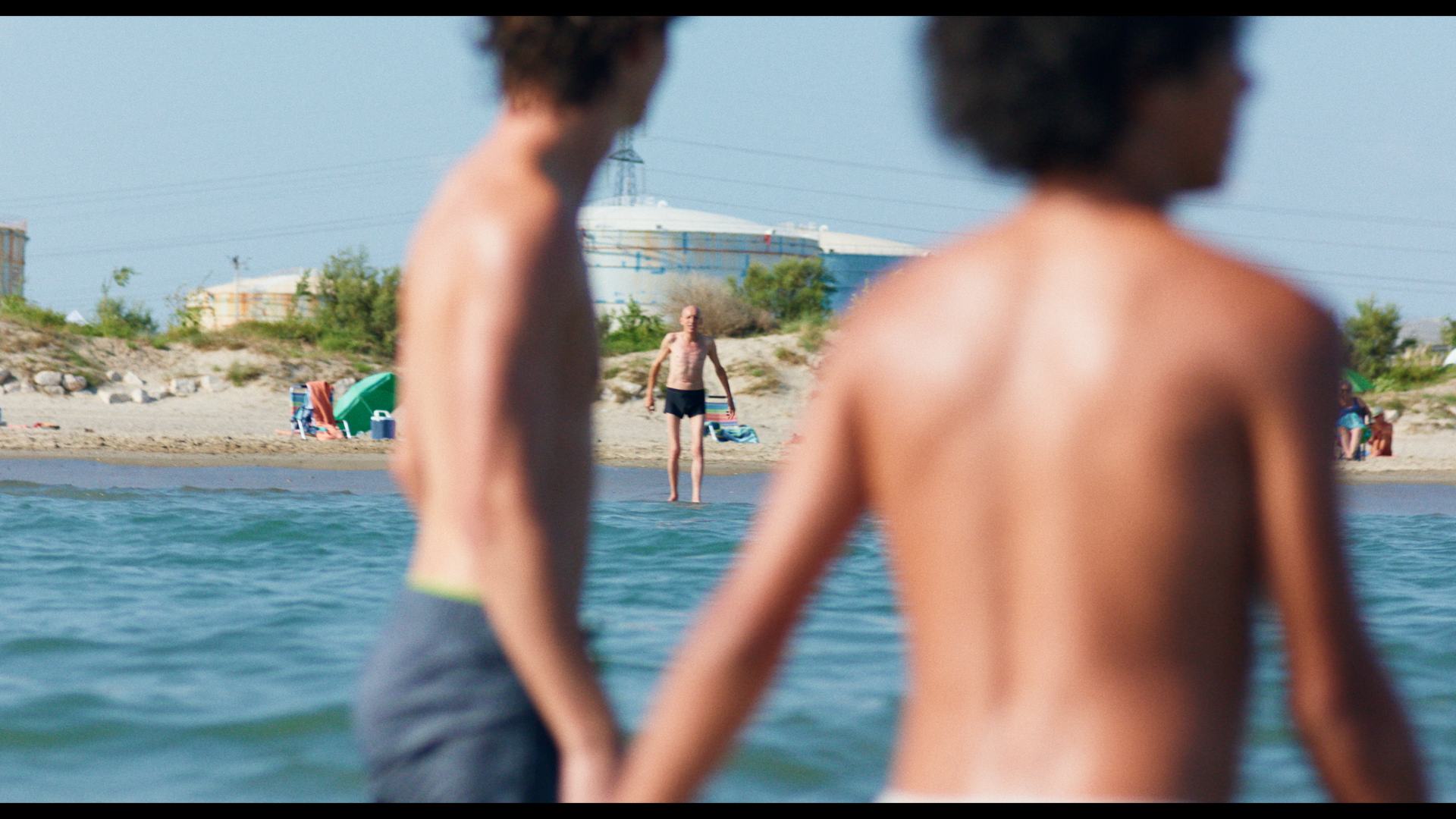
The hardest creative decision was to remain close to Abel without excusing him. We wanted the audience to feel the violence of his shame and the pain it causes, while also recognising the adolescent fear beneath it.
Making him more sympathetic would have weakened the film, but judging him would have simplified it. The challenge was to preserve that uncomfortable ambiguity through a restrained point of view, allowing bodies, glances and silences to express what dialogue could not.
What tool, technique, resource, collaborator, or mindset shift helped most during production?
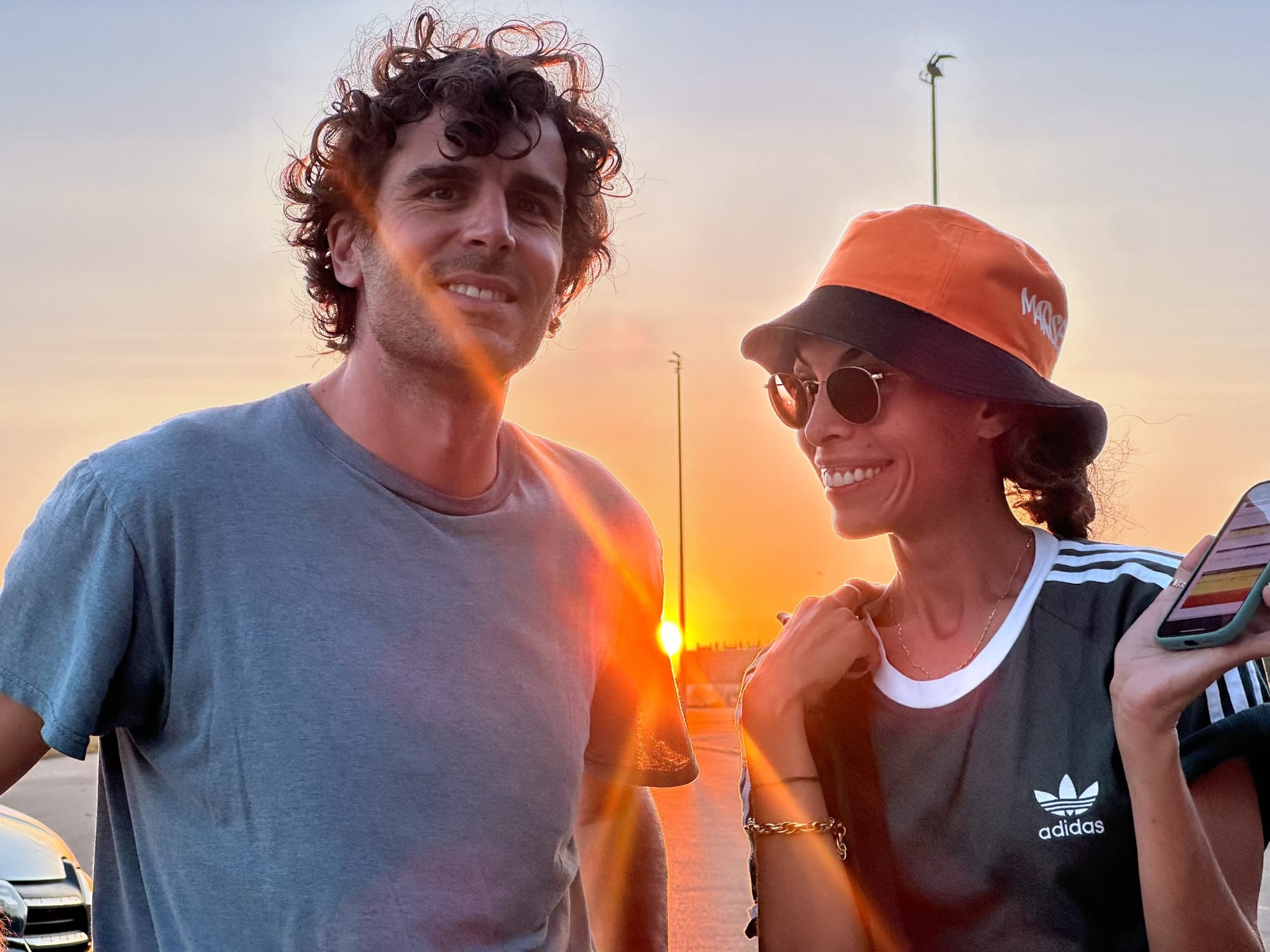
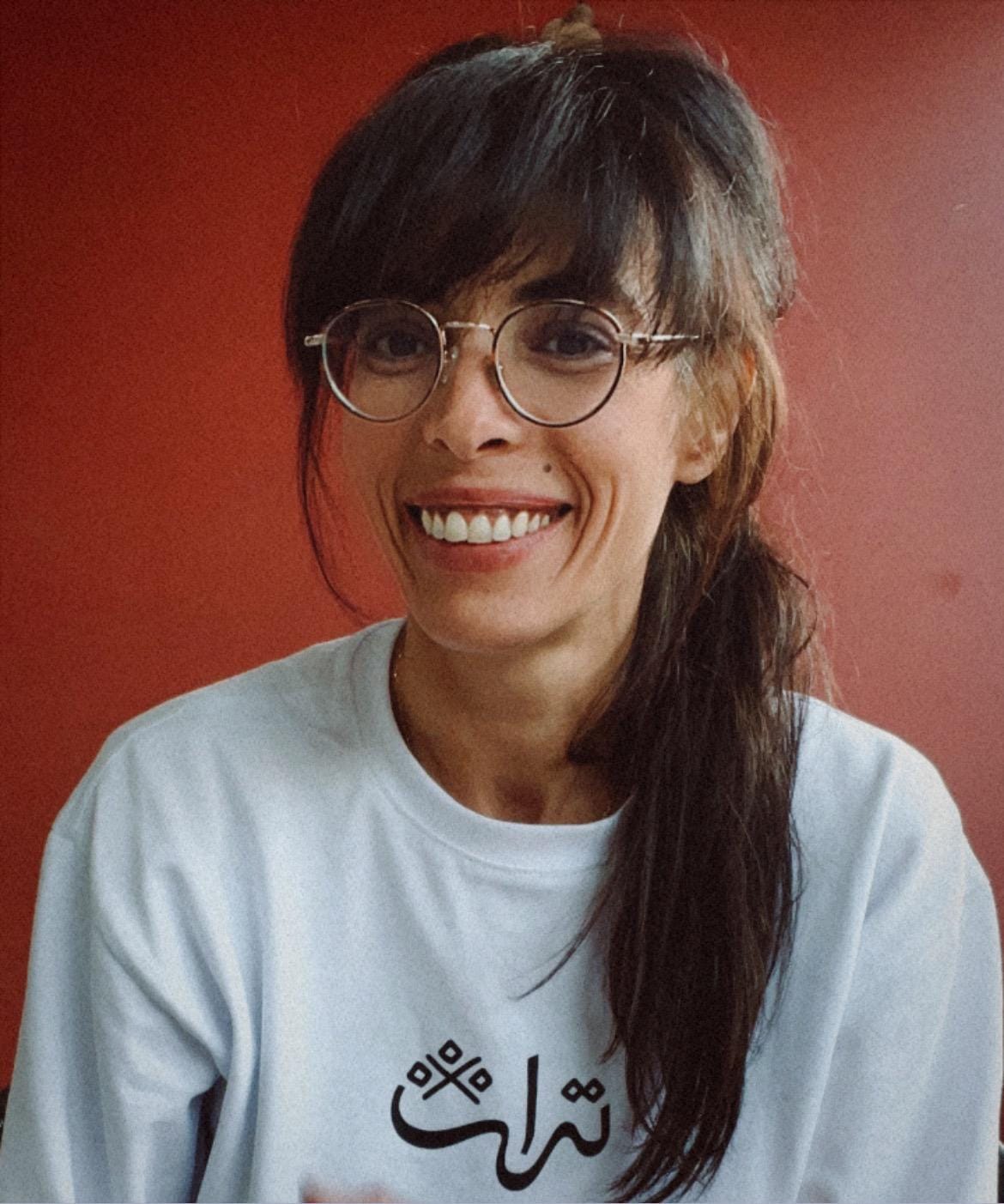
The most important resource was collaboration itself. Jawahine joined the project at the directing stage, bringing ten years of experience as an assistant director, as well as her personal sensitivity to stories about childhood and family.
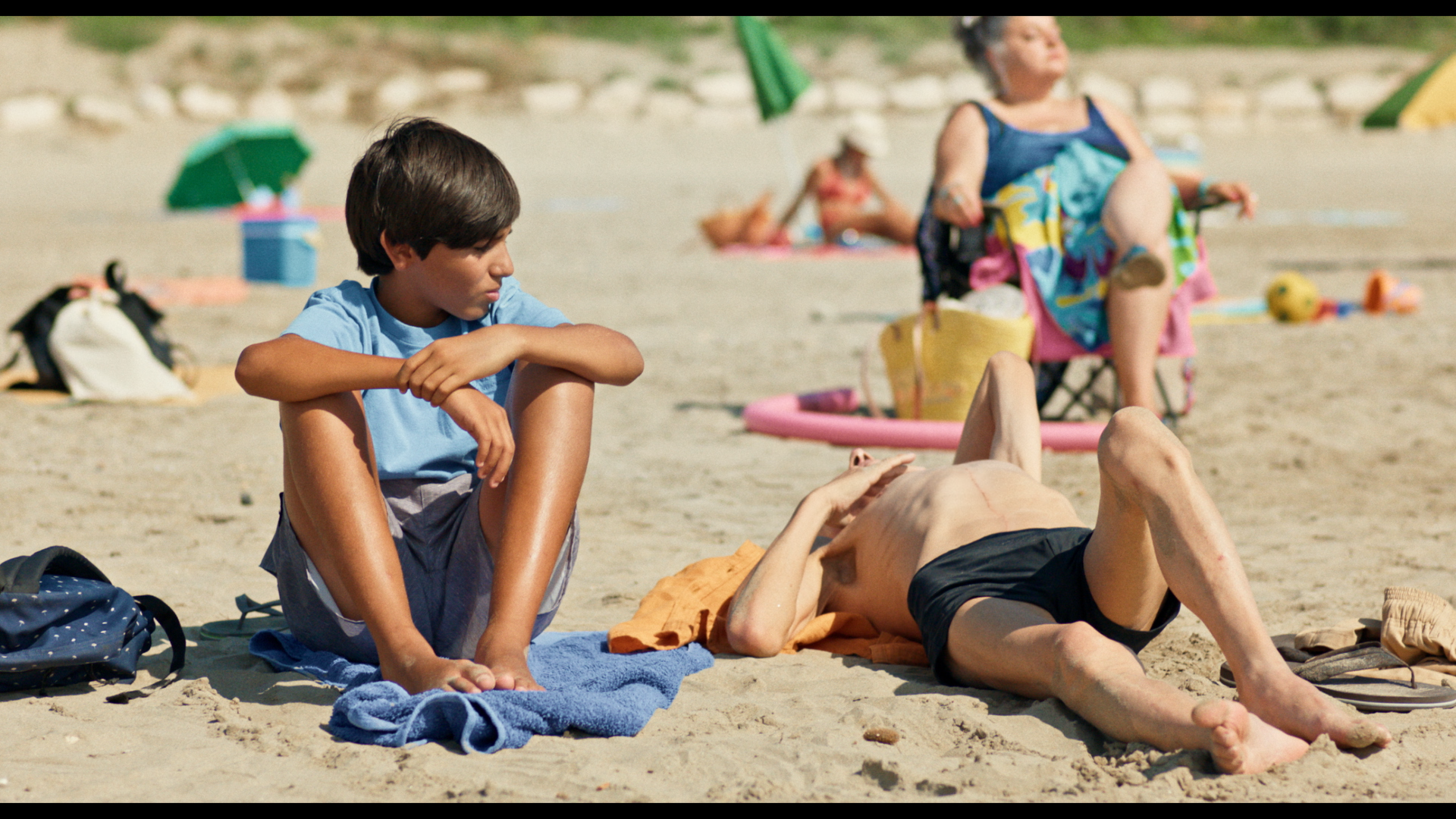
Co-directing required us to articulate choices that might otherwise have remained instinctive, while preventing the film from becoming fixed in a single interpretation. Our shared principle was simple: stay close to the actors, trust the location and never force an emotion that could be conveyed through a gesture, a body or a glance.
What is the greatest strength of independent filmmaking, and how did you lean into it?
The greatest strength of independent filmmaking is the freedom to protect a film's fragility. Pale Sun depends on subtle shifts: a glance held for too long, a body left outside the group or a silence that gradually becomes unbearable. These elements can easily disappear when a production tries to make every emotion explicit.
We relied on the trust of our producers, cast and crew to preserve the film's ambiguity and restraint. The lesson we would share is to identify the most delicate truth at the heart of a film as early as possible, and then organise every creative and practical decision around protecting it.
What does it mean to have your film selected for HollyShorts?
Being selected for HollyShorts gives Pale Sun the opportunity to meet an international audience in Los Angeles and to join a community that recognises short filmmaking as a complete and ambitious art form.
Following the film's world premiere at Clermont-Ferrand, this selection marks an important new stage in its journey. We are particularly moved that a story rooted in the industrial, sun-drenched landscape of Fos-sur-Mer can travel across languages and cultures through an emotion as universal as shame. Beyond festivals, we hope the film will create conversations about shame, illness, belonging and the quiet forms that family loyalty can take.
Main Cast & Crew
- Written by Adrian Moyse Dullin and Emma Benestan
- Directed by Adrian Moyse Dullin and Jawahine Zentar
- Produced by Lucas Tothe and Jessica Arfuso for Punchline Cinéma, in co-production with Johanna Nahon, Jérôme Bénadiner and William S. Touitou for After Hours Production
- Cast: Anass El Hmami, Baki Bousmaha and Sylvie Fasano
Filmmaker Opportunities
💛 Fund your next project with fiscal sponsorship
Have a project in the works? As a 501(c)(3) nonprofit, the Cinematography for Actors Institute can accept tax-deductible donations on your film's behalf — a door-opener for grants, foundations, and supporters who want to back your work. We've serviced over 100 projects to date and helped route over $800,000 in funding to filmmakers. Explore fiscal sponsorship → You can also catch our 3rd annual financing panel at HollyShorts.
📬 Grant deadlines and festival opportunities, straight to your inbox
The CFA newsletter rounds up grants, festival calls, and community news for independent filmmakers — the kind of opportunities that are easy to miss and painful to miss. Join the newsletter →
🎬 Focus on the creative — we'll help with the logistics
Production Management, CFA's newest member program, launches this November: production insurance and workers' comp, payroll, film permits, gear rental coordination, SAG-AFTRA compliance, contract drafting, production consulting, and crew recommendations — handled by a team of working filmmakers, à la carte or all in, in partnership with Creative Access Group. It's waitlist-only until launch. Join the waitlist →
League of Filmmakers is published by our parent organization, the Cinematography for Actors Institute — a 501(c)(3) dedicated to education, community, and capital for underrepresented filmmakers and actors. Learn more about CFA →