Table of Contents
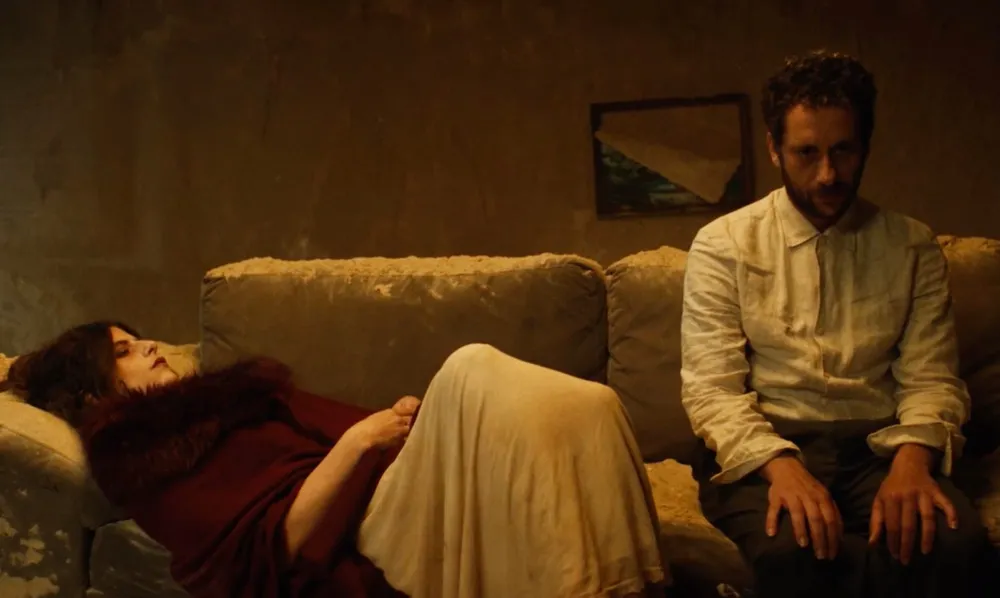
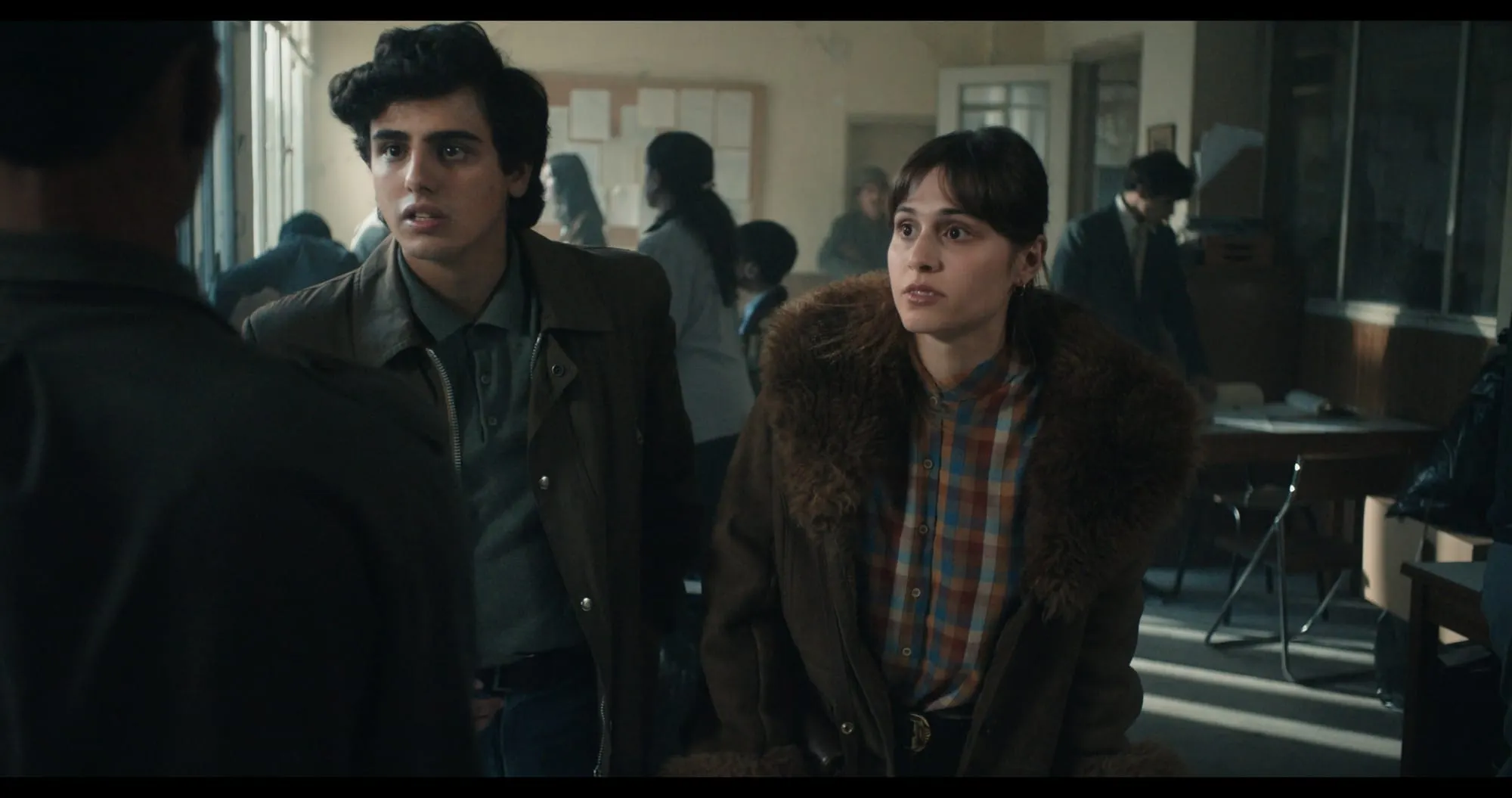
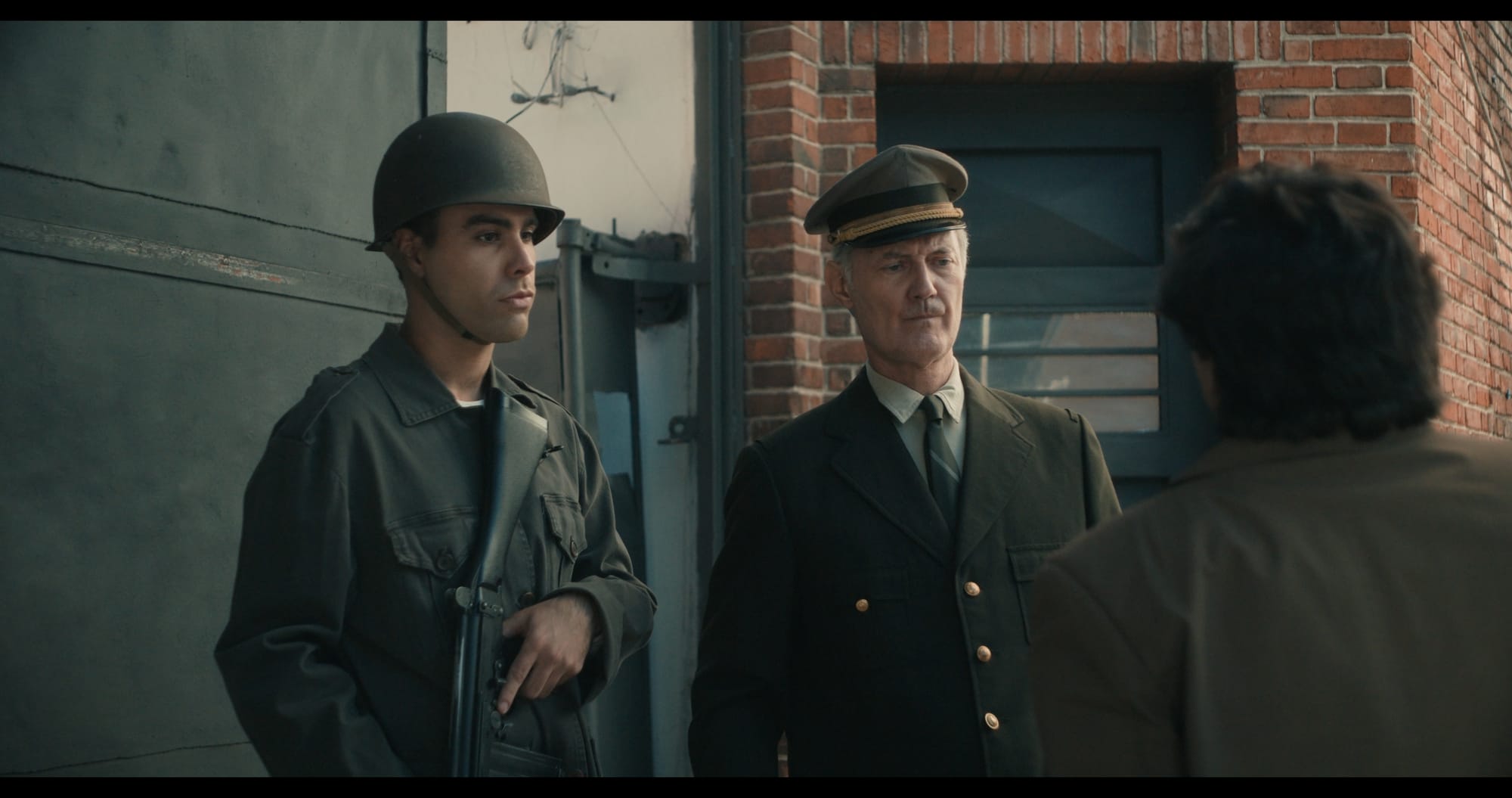
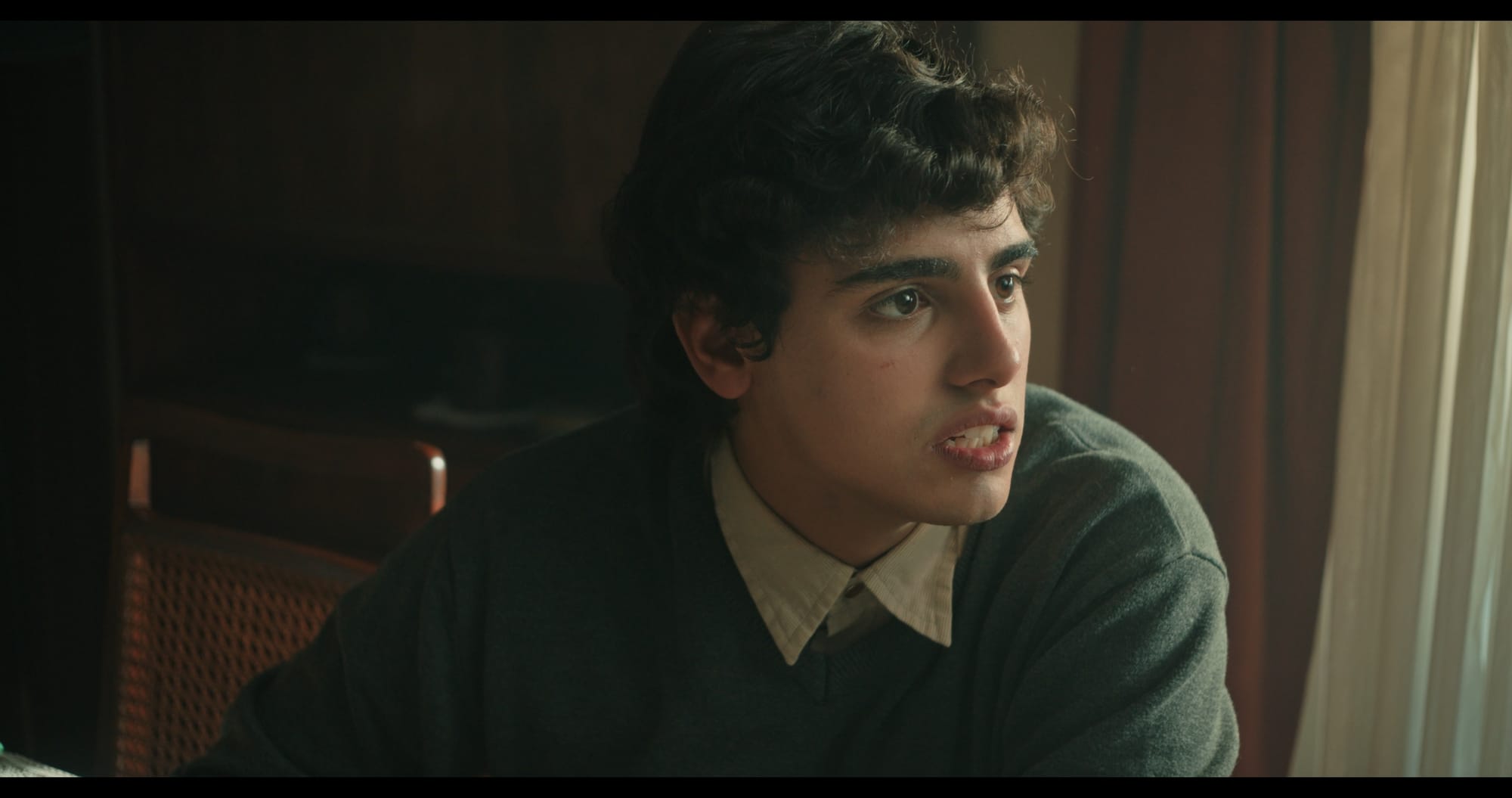
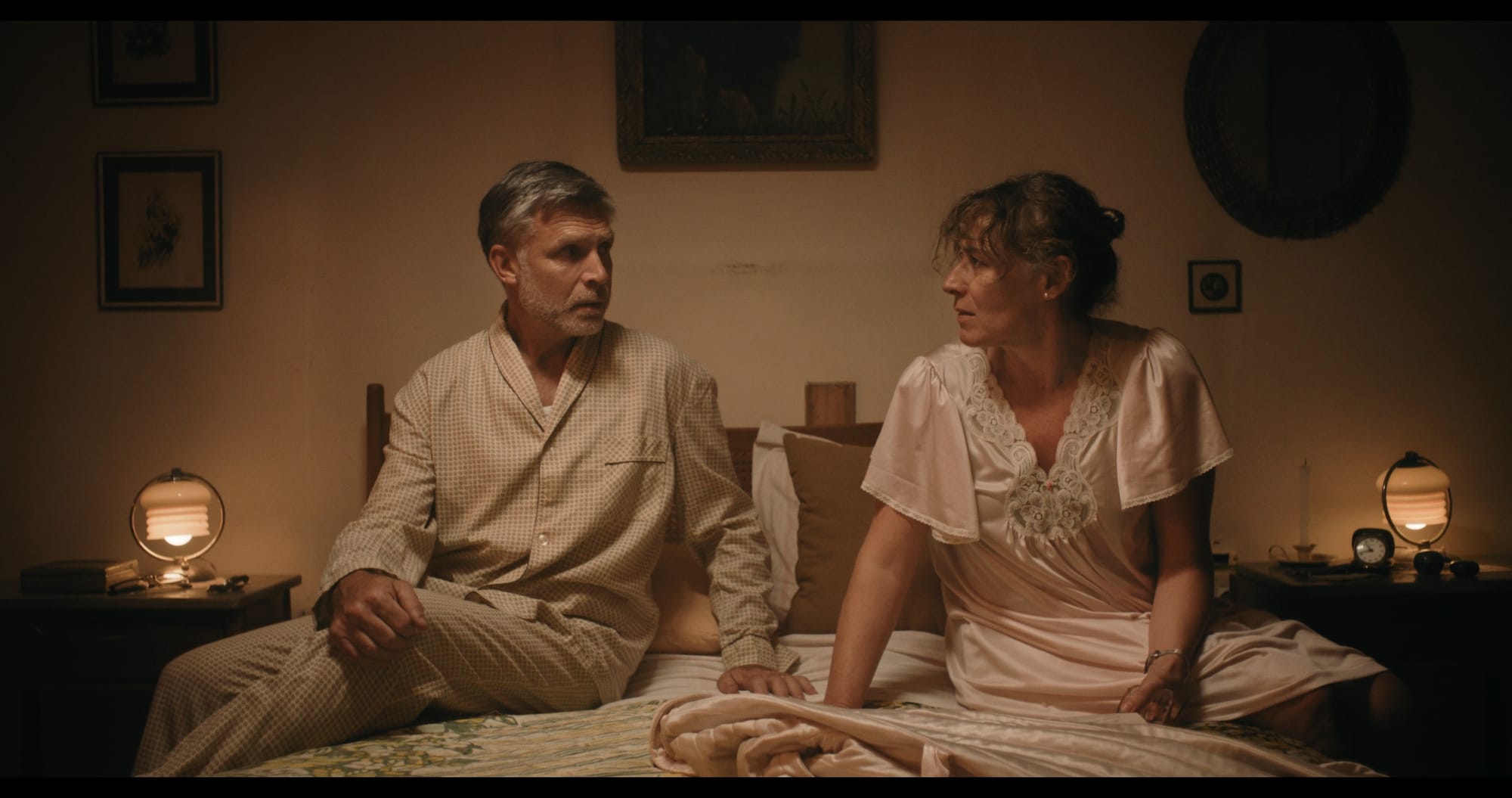
In 1972 Uruguay, under a rising military dictatorship, a teenage boy takes on a task that belongs to an adult: driving his imprisoned brother's wife and children to visit inside a military barrack. Navigating checkpoints, silence, and the constant threat of repression, he shields his young nephews from the darkness around them with routine, presence, and play. Paper Pilots (Pilotos de Papel) is, in Vescovi's words, "a tender, restrained portrait of courage, memory, and quiet resistance," inspired by true events from her own family.
Produced through the Latino Film Institute and Netflix Inclusion Fellowship, the film arrives at HollyShorts as a World Premiere, carrying a story Vescovi describes as both intensely personal and universal — a tribute to those who held love together from outside the prison walls.
Key Takeaways
- A dictatorship film told as an intimate family drama, following one hero's emotional and psychological journey rather than the historical record.
- Rooted in true events revealed to Vescovi during a family conversation, then shaped through long FaceTime calls with her father.
- A Latino Film Institute and Netflix Inclusion Fellowship short having its World Premiere at HollyShorts.
Vescovi spoke about the dreams that started it all, the sacredness of working with children, and why story always comes before genre.
Interview
What drew you to make this film, and why this story, why now?
It was truly a combination of things. I was going through a very hard year in my life back in 2024 and my grandpa Enrique started coming into my dreams. He had never done that, so it was quite striking to me. Specifically I recall one dream when I was out in the desert in Palm Springs, and in the dream he came from a basement or something and simply was in front of me and said "I miss you." The dream was so vivid and real that I called my dad the next day and told him. To my surprise my dad was very receptive, and I think it's because he could feel in my voice that I meant it. Plus I had never said something like that to him before. I genuinely believe this is all his doing.
Then I also went home in early 2025 and I was at the beach having lunch with my two wonderful parents when a family conversation sparked and some information was revealed that rocked me off my chair. I can't go into details because I don't want to spoil the movie, but as I asked more questions I felt like I was in a video game watching everything they were saying back and forth. That moment in time slowed down, I'll never forget. And as they were both talking, I was writing the movie in my head. I saw everything. I know when I latch onto something. And I did, right there and then. Then I came back to LA and my dad and I started doing long FaceTimes and had some powerful and beautiful conversations that created the story. It has been one of the most rewarding experiences of my life.
What moment in the film feels most like you, or like something only you could have made?
The approach of the film is very me. This is a "dictatorship" film, but the approach is more like a family story where we follow the hero and his emotional journey. It's tackled from an emotional and psychological perspective rather than a factual one. My stories will always come from an emotional point of view and how the hero changes and grows through lived experience.
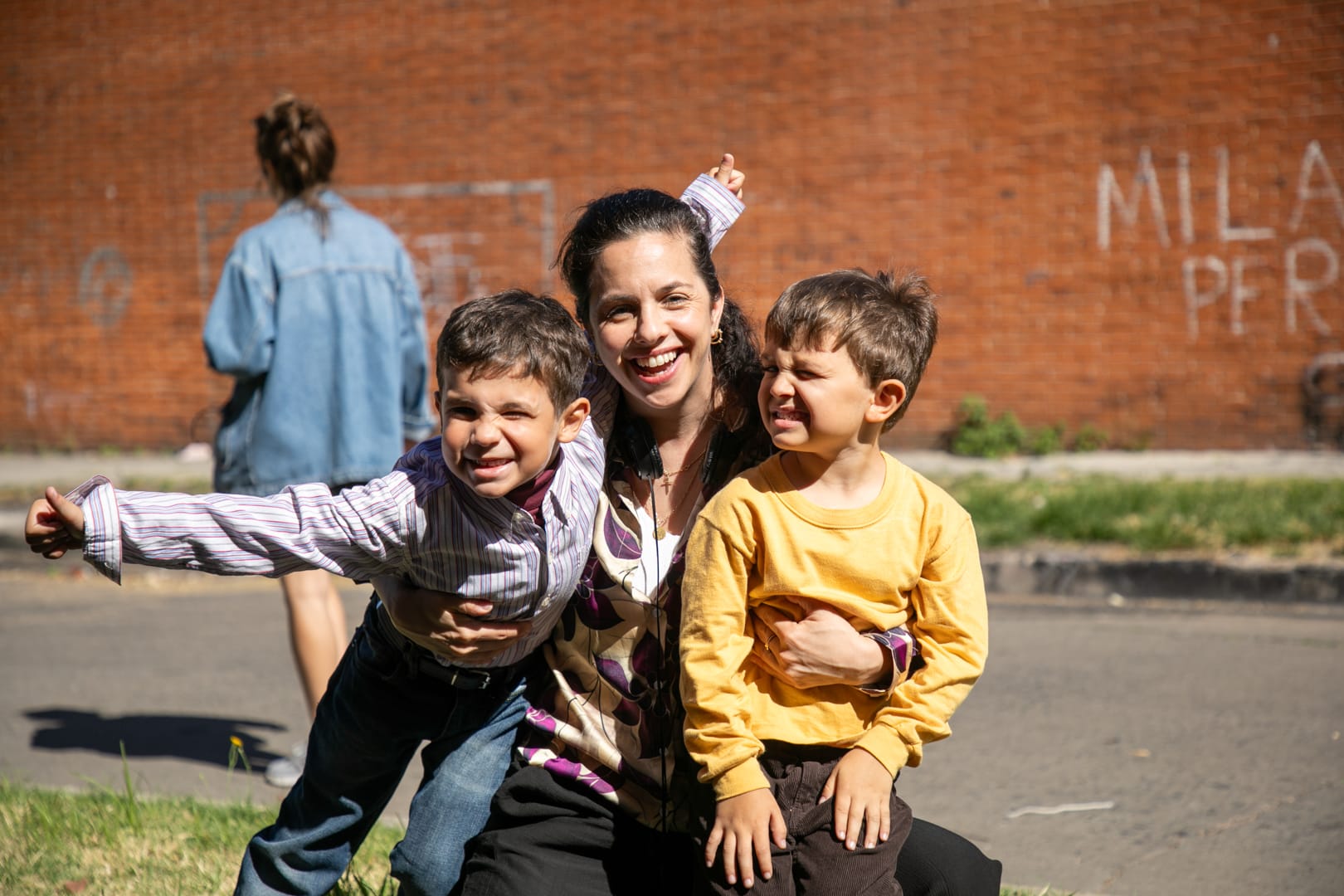
Also the playfulness between Eduardo and his nephews is very me. I'm drawn to kids and animals, and I think my best self comes through with them. There's a sense of safety there that's so special and raw, and I feel protective of that. There's a sense of presence that's unmatched. It's sacred, honest, vulnerable.
What was the hardest creative decision you made while making the film?
Oh boy, it still hurts! Because of time constraints we couldn't film a certain scene that I really wanted. I can't say now because I don't want to spoil the film, but come back to me next year.
What do you hope audiences take away from this film?
That's hard to say and impossible to control. But if I had to say something, it would be that even though this is my dad's and family's story, it is also a story for anyone who has tried to protect what's human in the face of what's inhumane.
It's also a tribute to those who carried the emotional weight of the dictatorship not from inside a prison cell, but from the outside, trying to hold it all together when their loved ones were disappearing and being tortured. A huge inspiration for me were the films I'm Still Here and Life is Beautiful. While wildly different moments in time and experiences, the love from a parent or uncle to their children or nephews while they're themselves in agony is such a heroic act. Being able to give and protect while you're in pain yourself is perhaps the greatest testament of love.
How has this film shaped or shifted the kinds of stories you want to tell next?
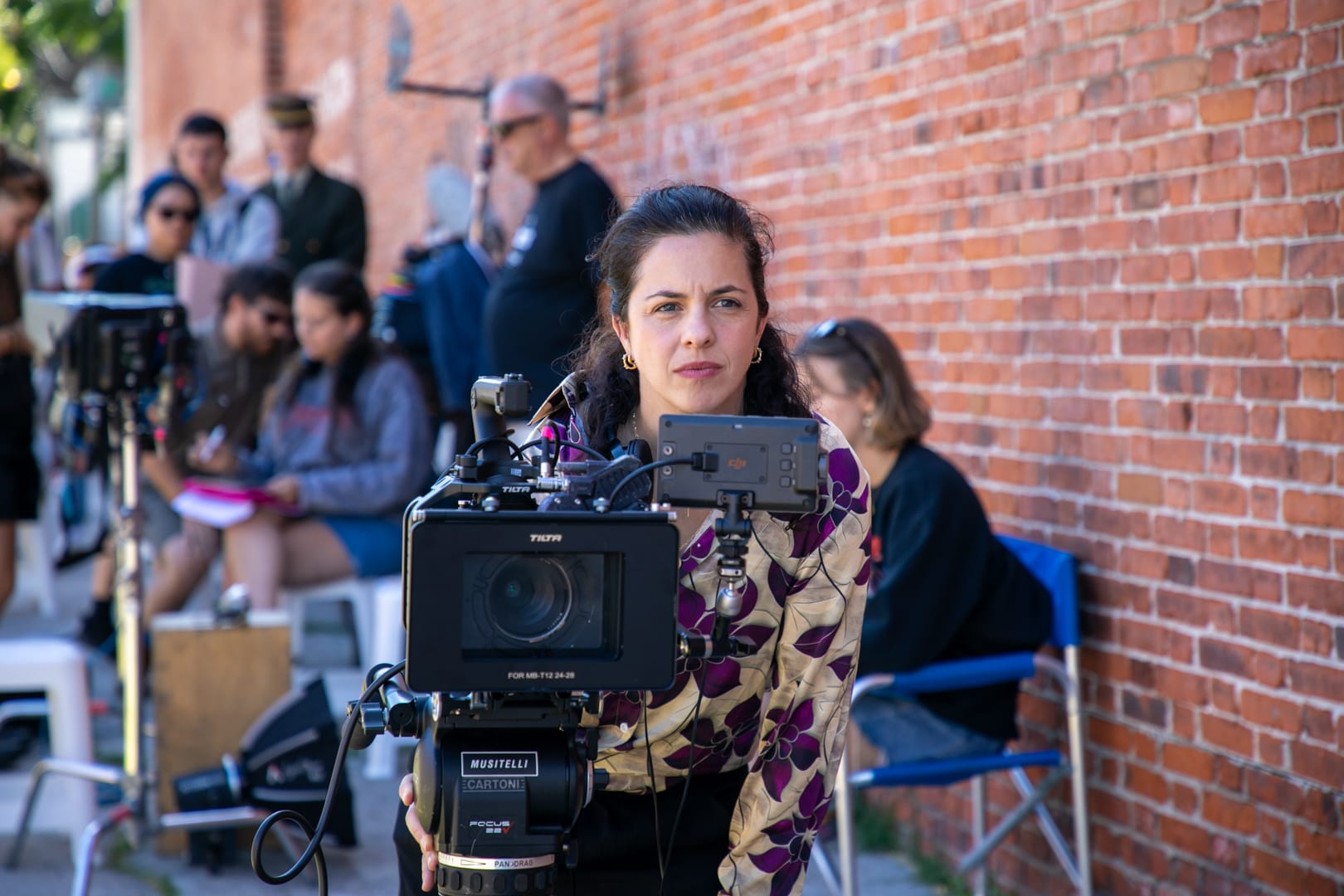
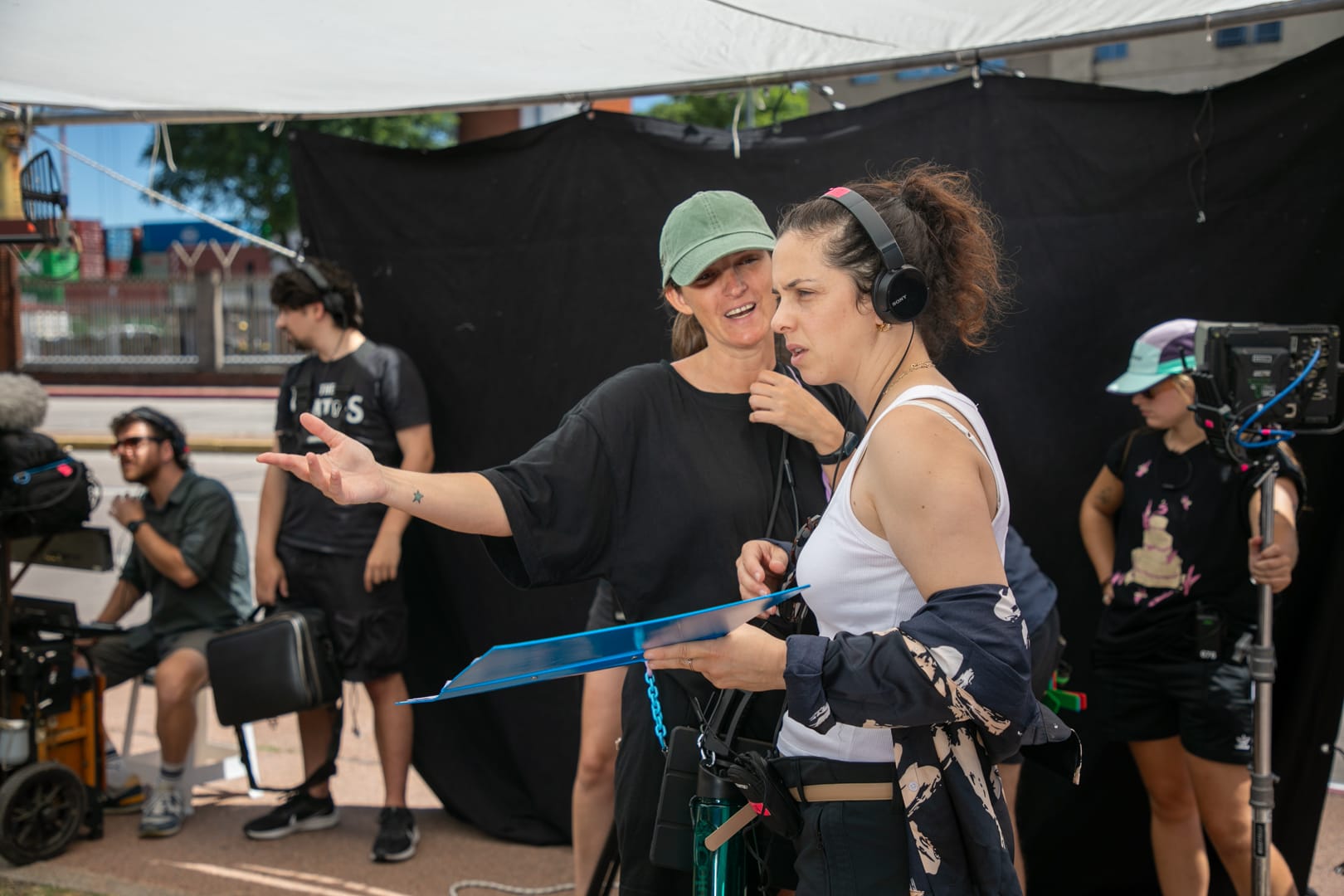
It has given me permission to continue to stay authentic to who I am, my voice and my intuition. So many people feared for me when I told them I was doing a period piece, and I didn't understand why. To me, the scariest part is the script — getting that right is what matters most. Then executing is a lot of work, especially for an international production, but once the foundation of the script is laid out, your job as a director is to surround yourself with the greatest team possible. And I was fortunate enough to do that. Those Uruguayans are so freaking talented, they made my job easy. Go look at the work of Paula Terra, my production designer, a complete master of her craft. It was an honor to work with her.
What I'm trying to say is that story comes first and genre second for me. If I'm excited and passionate about the story, my obsession will follow, and that's all I need. This doesn't mean I won't fail at times, but to limit yourself because you're scared of the genre is really ridiculous to me. Failure is inevitable — so what this movie gave me was permission to fail, and I think that's really cool.
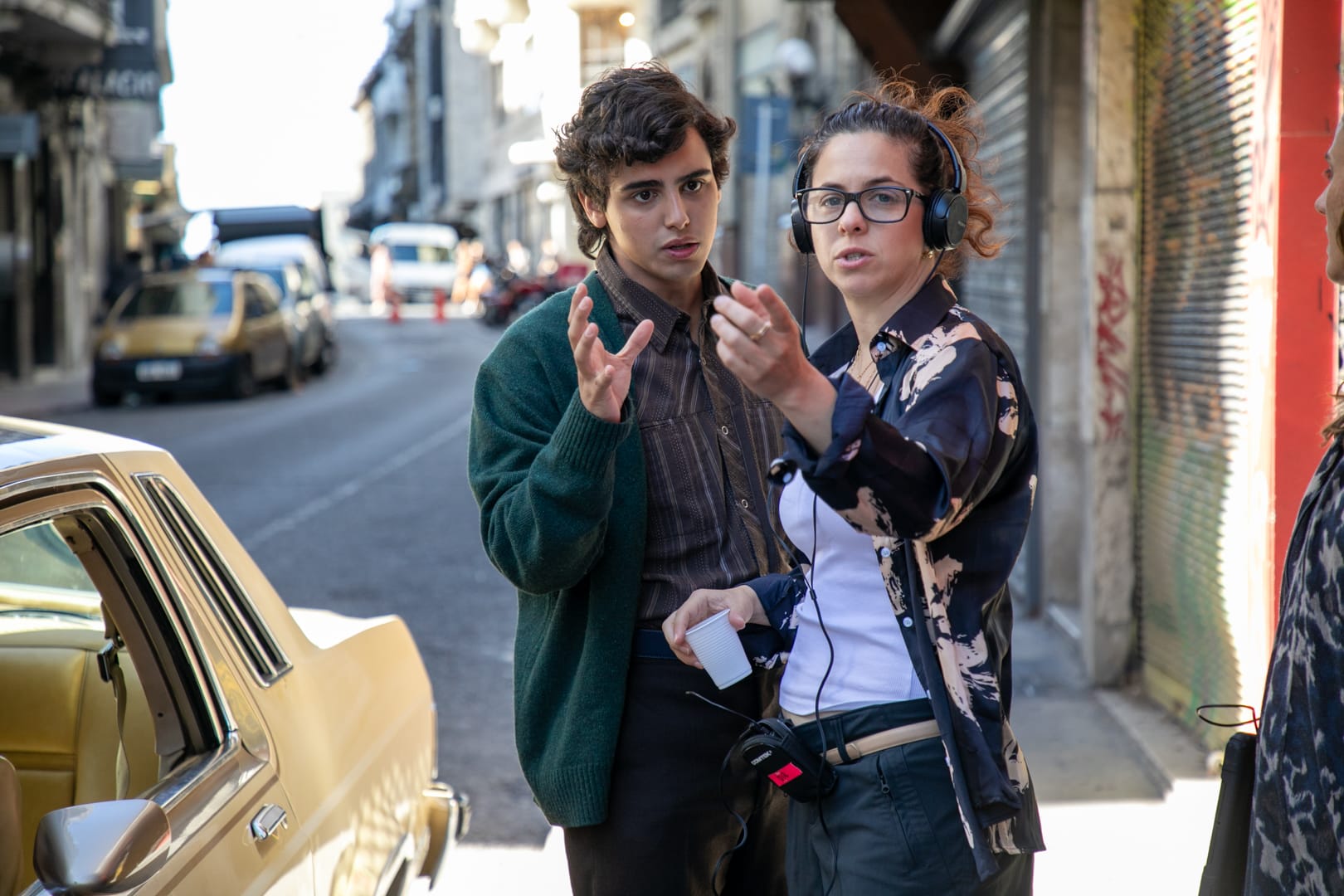
What does it mean to have your film selected for HollyShorts, one of the world's premier short film festivals?
Such a dream come true — this is our World Premiere! I love HollyShorts because they were the first Oscar qualifier that accepted my other film Mal de Amores (Lovesick). The festival has amazing energy, and last time I met great filmmakers from all over the world. I think it's because their focus is truly to champion short films.
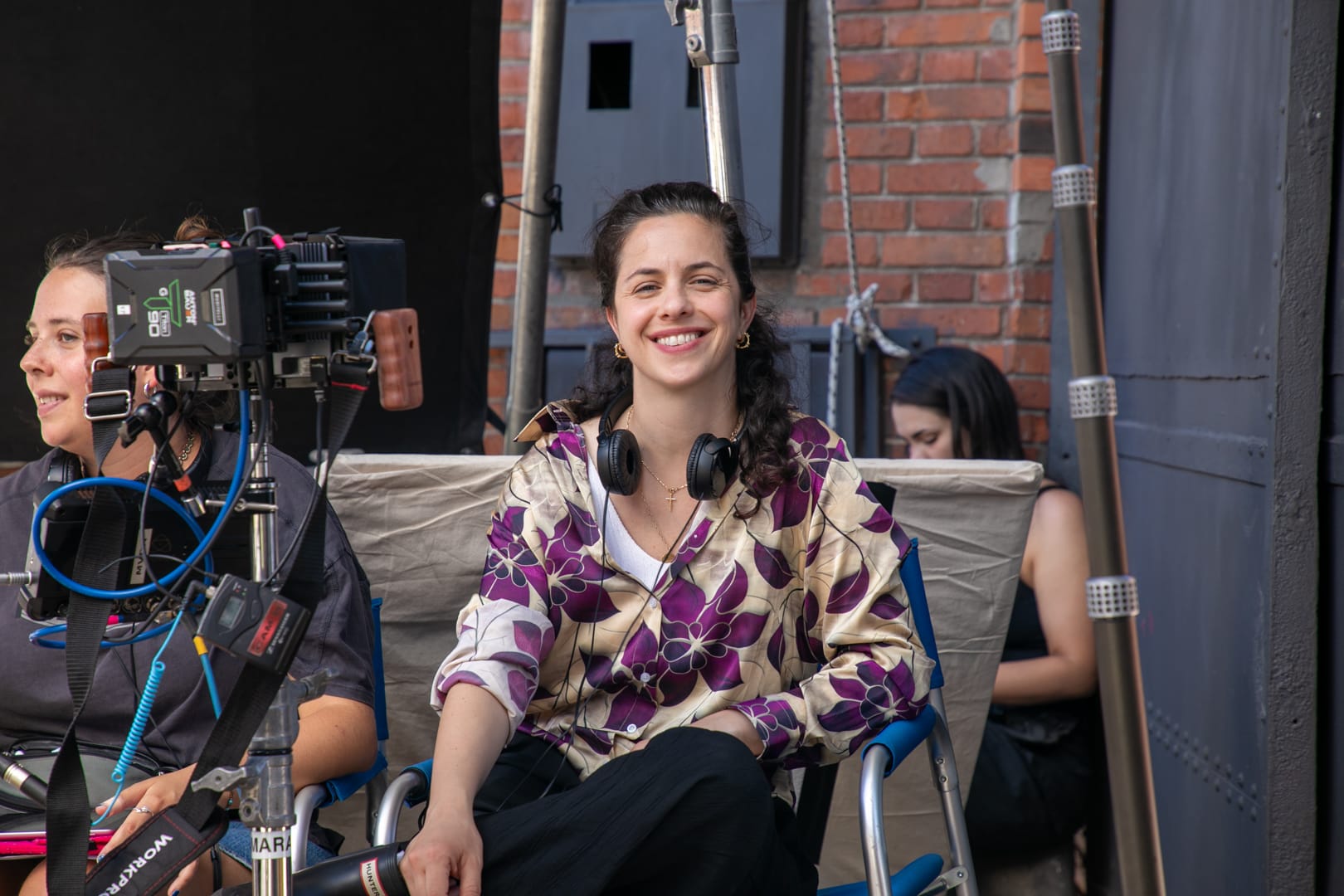
Where do you see this film going next?
I hope my film reaches whoever needs it emotionally — whoever feels seen, understood or validated in their pain. The truth is that the Latin American dictatorships happened in almost every country and destroyed thousands of families, not only through the '70s and '80s but through future generations. What happened in Latin America was a complete and utter violation of human rights, and it's quite sickening if you do your research. We are all still very much healing from everything that happened. If you want to watch two movies that highlight this period masterfully, watch Argentina, 1985 and I'm Still Here. These are the kind of movies that should be studied in school, so kids learn what to never do. And hopefully the Oscars — I mean, isn't that every filmmaker's dream?
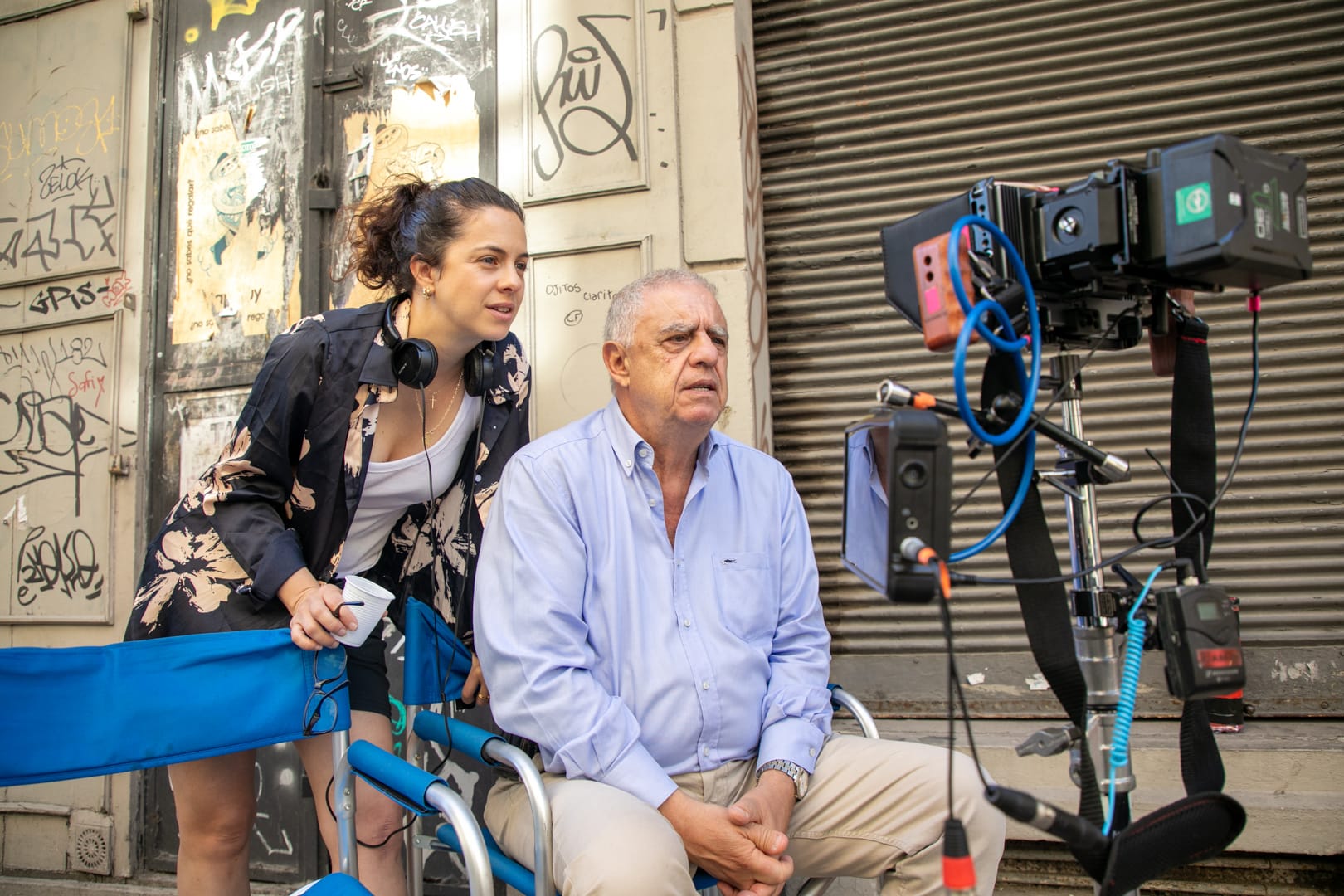
Main Cast & Crew
- Director: Fiorella Vescovi
- Writers: Fiorella Vescovi & Maria Valdez
- Producers: Samantha K. Tan, Federico Veiroj, Alina Kaplan
- Production Designer: Paula Terra
- Executive Producers: The Latino Film Institute & Tara Hotchkis
- Sponsored by: Netflix
- @fiorellavescovi / @pilotosdepapelfilm
Filmmaker Opportunities
💛 Fund your next project with fiscal sponsorship
Have a project in the works? As a 501(c)(3) nonprofit, the Cinematography for Actors Institute can accept tax-deductible donations on your film's behalf — a door-opener for grants, foundations, and supporters who want to back your work. We've serviced over 100 projects to date and helped route over $800,000 in funding to filmmakers. Explore fiscal sponsorship →
📬 Grant deadlines and festival opportunities, straight to your inbox
The CFA newsletter rounds up grants, festival calls, and community news for independent filmmakers — the kind of opportunities that are easy to miss and painful to miss. Join the newsletter →
🎬 Focus on the creative — we'll help with the logistics
Production Management, CFA's newest member program, launches this November: production insurance and workers' comp, payroll, film permits, gear rental coordination, SAG-AFTRA compliance, contract drafting, production consulting, and crew recommendations — handled by a team of working filmmakers, à la carte or all in, in partnership with Creative Access Group. It's waitlist-only until launch. Join the waitlist →
League of Filmmakers is published by our parent organization, the Cinematography for Actors Institute — a 501(c)(3) dedicated to education, community, and capital for underrepresented filmmakers and actors. Learn more about CFA →