Table of Contents
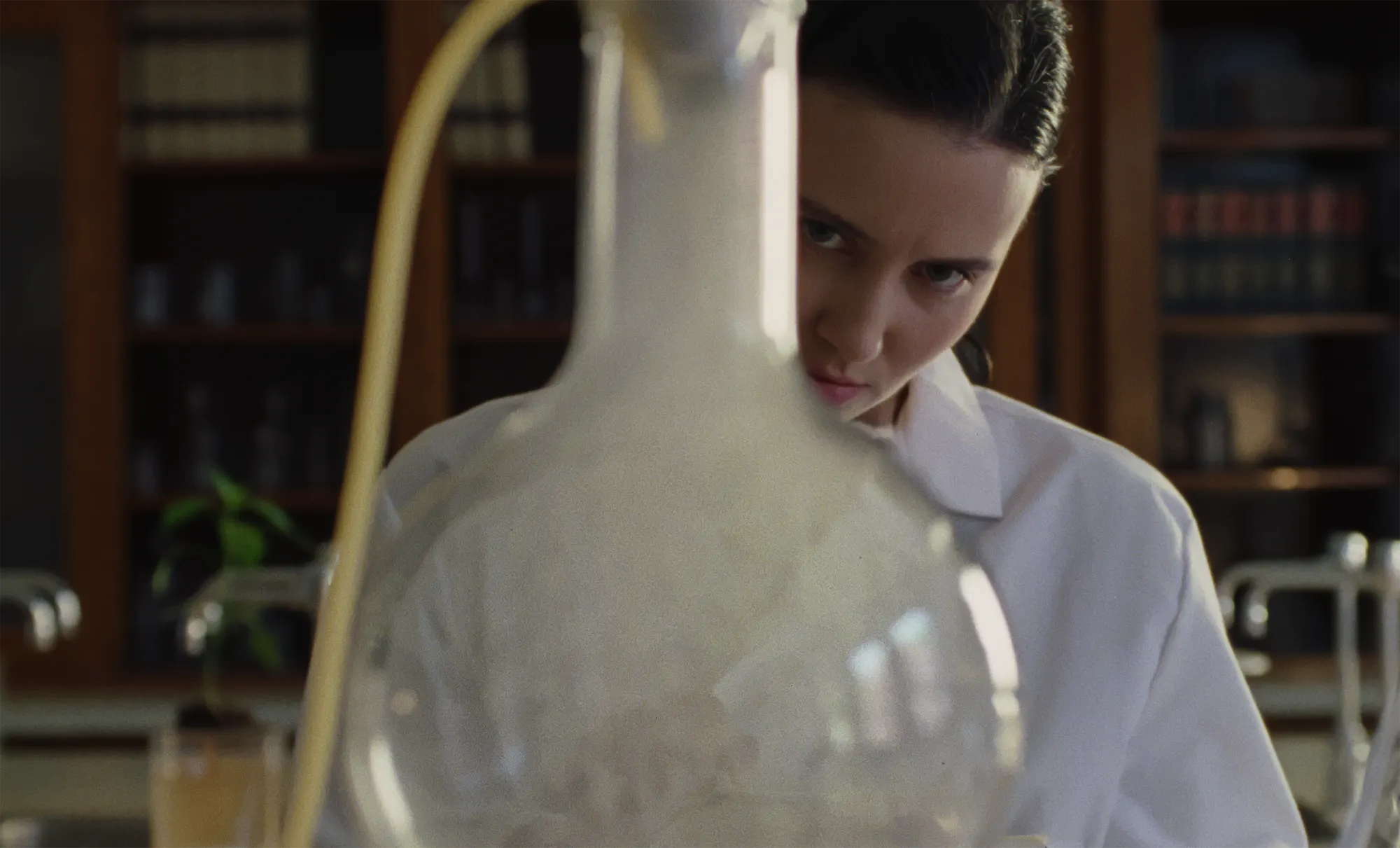
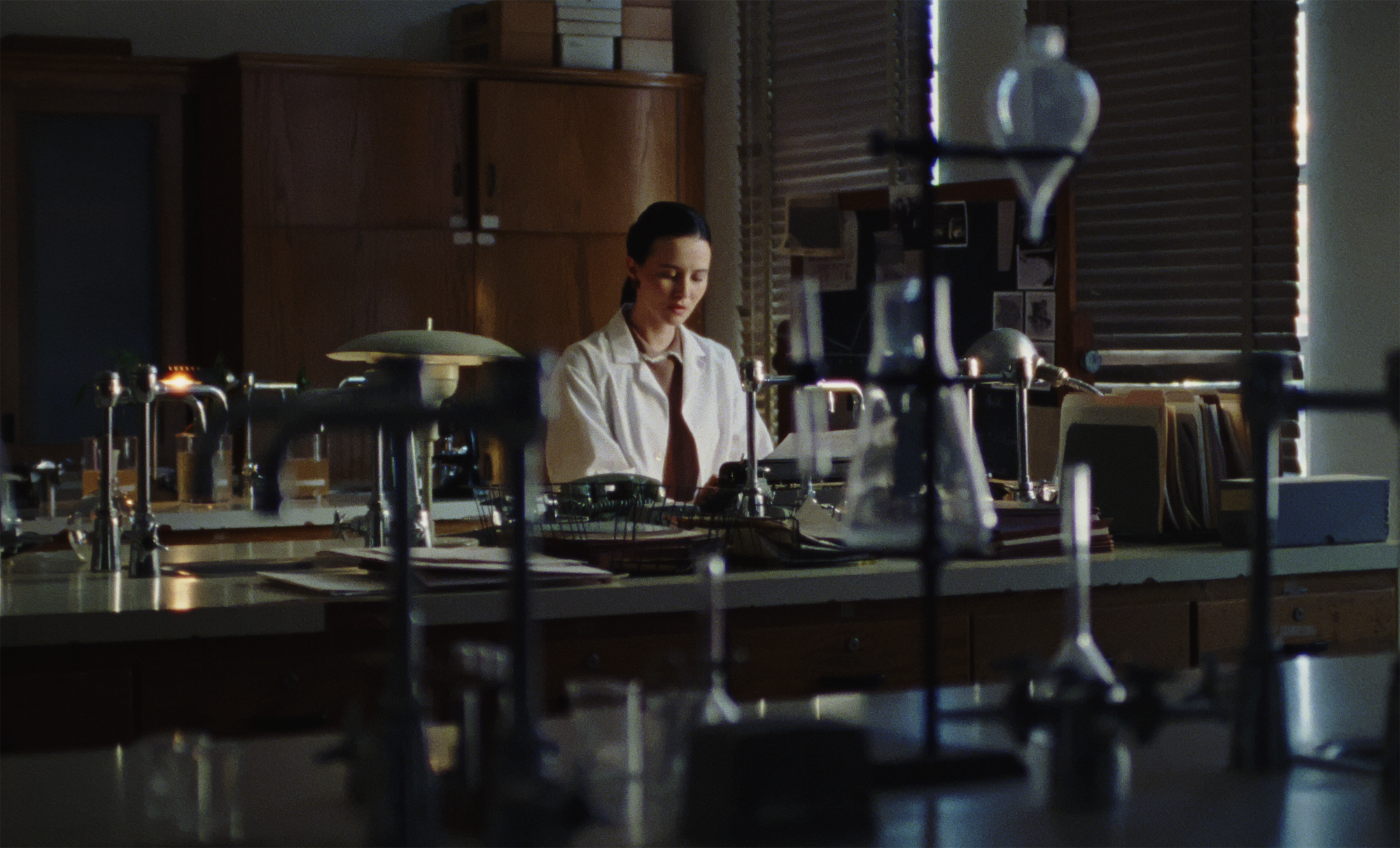
Some history hides in plain sight. Caroline Friend found her film in the 1948 Donora Smog, one of the worst air-pollution disasters in American history, and in the young scientist who investigated its effects. Poisoned Skies — written, directed, and produced by Friend and made through the MPI Short Film Lab — imagines that scientist on the brink of presenting groundbreaking research, cornered by a mining company with everything to lose.
Shot on 16mm and staged as a psychological period thriller, the film distills an enormous history into a single, charged decision. It is, as Friend puts it, one image made whole: a woman deciding whether to protect her career or tell the truth.
Key Takeaways
- A true-story period thriller about the 1948 Donora Smog and the scientist who investigated it, based on the work of Dr. Mary Amdur.
- Friend's first time shooting on film — 16mm gives the whole piece a grainy, lived-in, timeless texture.
- A tiny working vintage elevator became the film's central visual metaphor for a woman physically and morally trapped.
The conversation below traces how a little-known disaster became a ten-minute story about conscience.
Interview
What drew you to make this film, and why this story, why now?
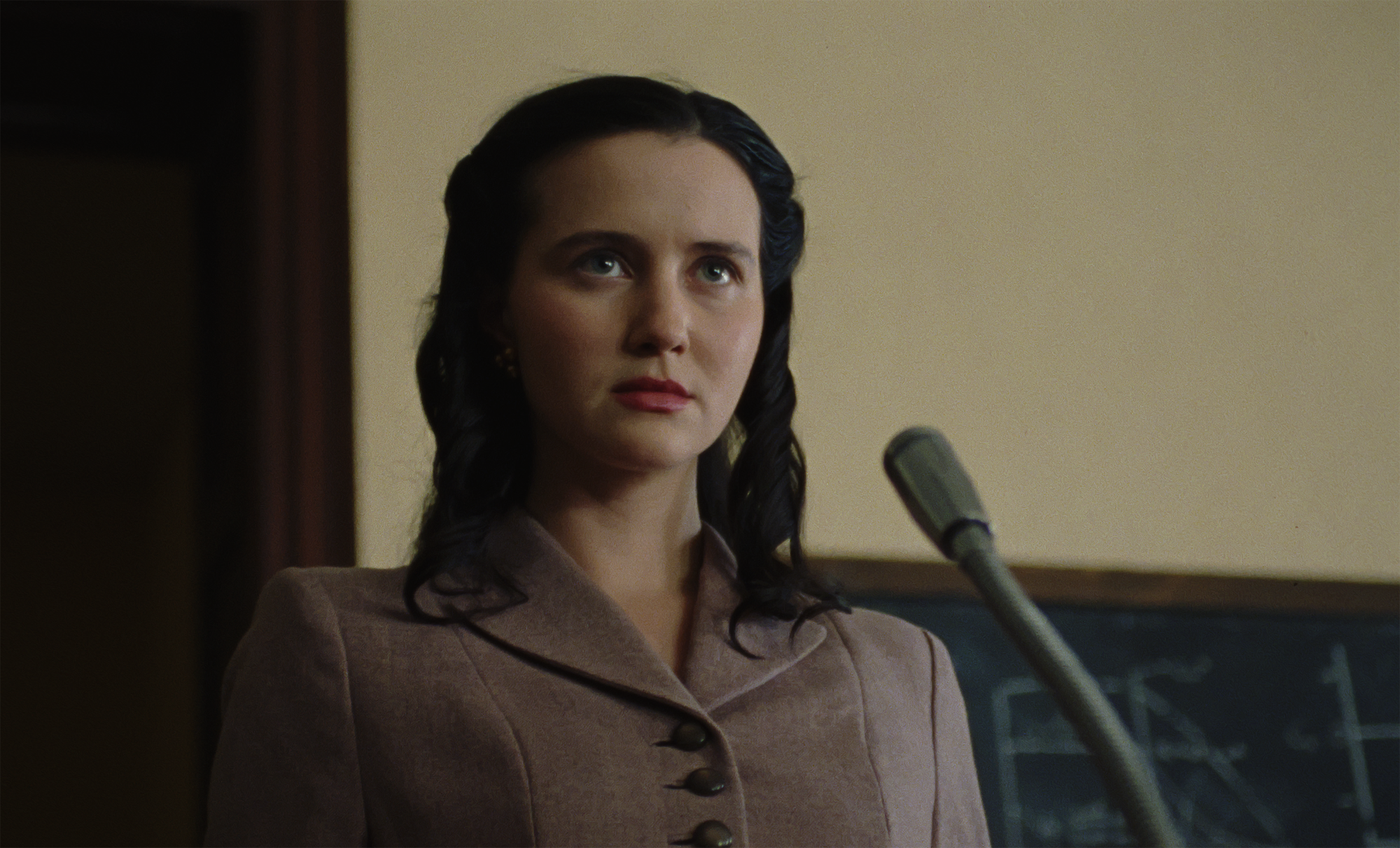
I'm really fascinated by true stories and moments in history that aren't well known. I came across the 1948 Donora Smog, one of the worst air-pollution disasters in America, and learned about a young scientist who investigated its effects and was cornered in an elevator before presenting her findings. That's the whole movie in one image to me — a woman deciding whether to protect her career or tell the truth. It felt both inspiring and timely. Scientific facts today are still being suppressed, dismissed, and politicized, and I knew I wanted to bring this story to life.
What surprised you most about the filmmaking process, including any moment on set that changed how you saw the story?
One of our biggest challenges was figuring out how to shoot a 1950s elevator in modern-day Los Angeles. We found an incredible working vintage elevator, but it was tiny — about two feet by two feet, barely big enough for a camera and an actor. Our team built a separate elevator door for the reverse coverage and then shot directly into the real elevator for the tighter angles. That black metal door appears throughout the entire sequence, creating this incredible visual layer of our main character being physically trapped. It really made the scene feel more claustrophobic and emotionally powerful than I had originally planned.
What was the hardest creative decision you made while making the film?
Figuring out what to cut. The history of the Donora Smog and its decades-long fallout is enormous, and I had to let go of most of it to make a ten-minute film. I wanted to bring the audience inside one key emotional decision within that much larger history, so the hardest choices really began at the script stage: deciding what was essential and trusting myself to leave the rest out.
What do you hope audiences take away from this film?
I want audiences to watch someone make a brave decision and leave feeling inspired to be a little braver in their own lives. Most of us will never face a moral choice as enormous as risking a career to expose the truth, but we all come across smaller moments when speaking up is harder than staying silent. Making stories like this visible is really important to me because courage can feel abstract until we see an actual person go for it. I also hope audiences leave curious enough to look up the real history that inspired the film, both the Donora Smog disaster and the work of Dr. Mary Amdur.
What tool, technique, or collaborator helped most during production?
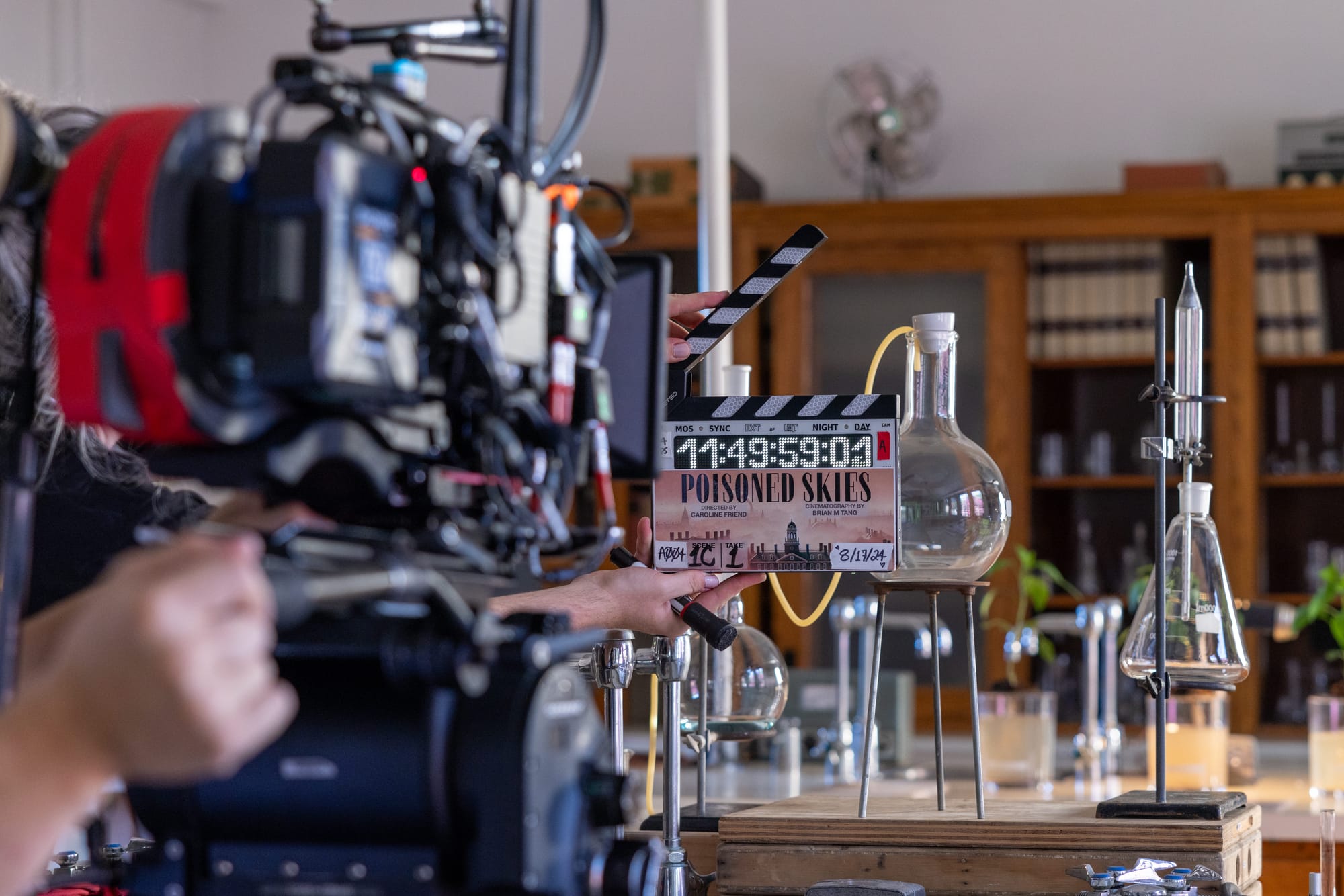
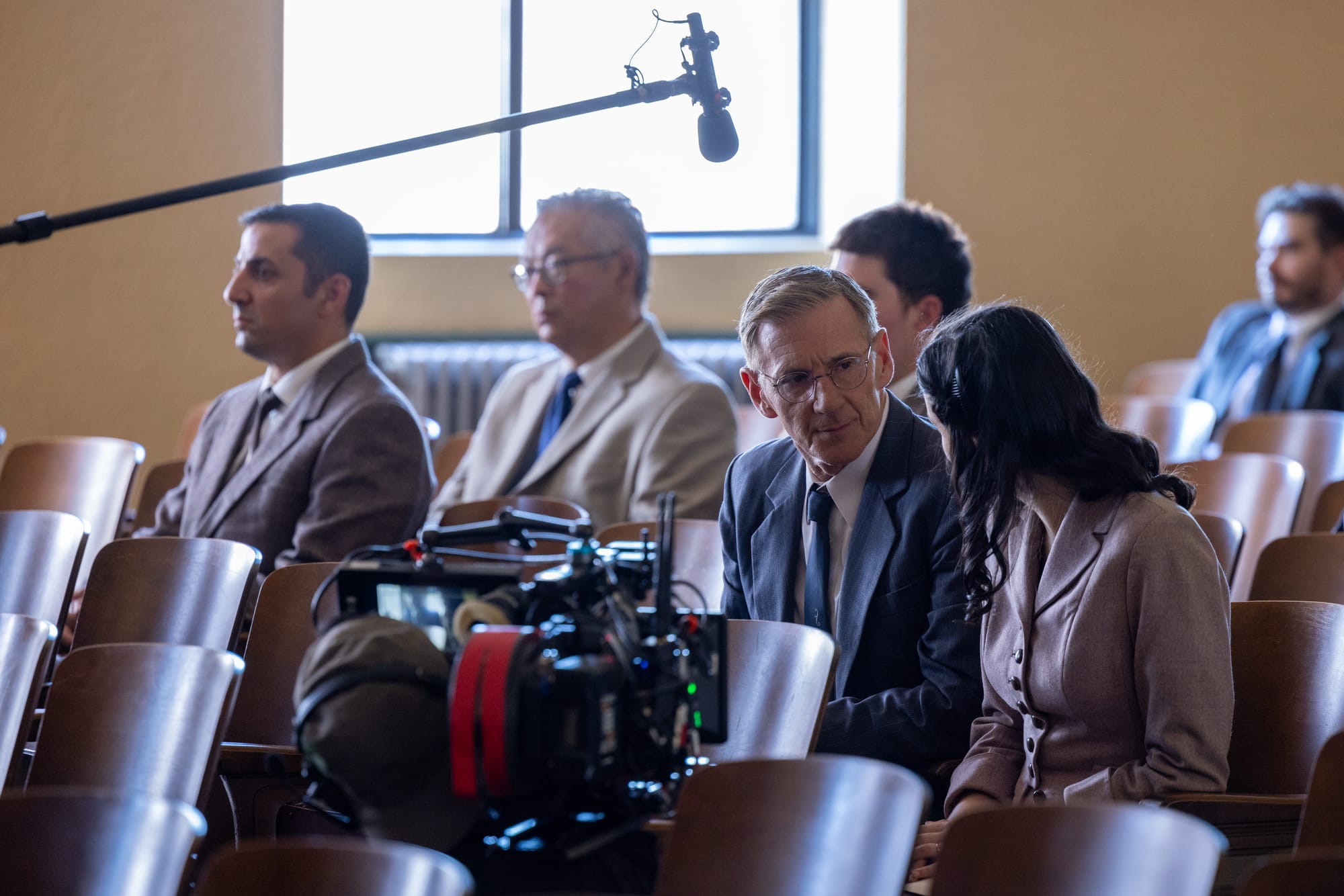
This was my first time shooting on film. Our DP, Brian, and I went to film school together, and he's shot several of my shorts. We'd always wanted to actually shoot on film, and doing it on this project was a risk, and it ended up defining the whole look of the film in an amazing way. We ran camera and film tests beforehand, and working through that together gave the movie this timeless, grainy and lived-in setting that I absolutely love.
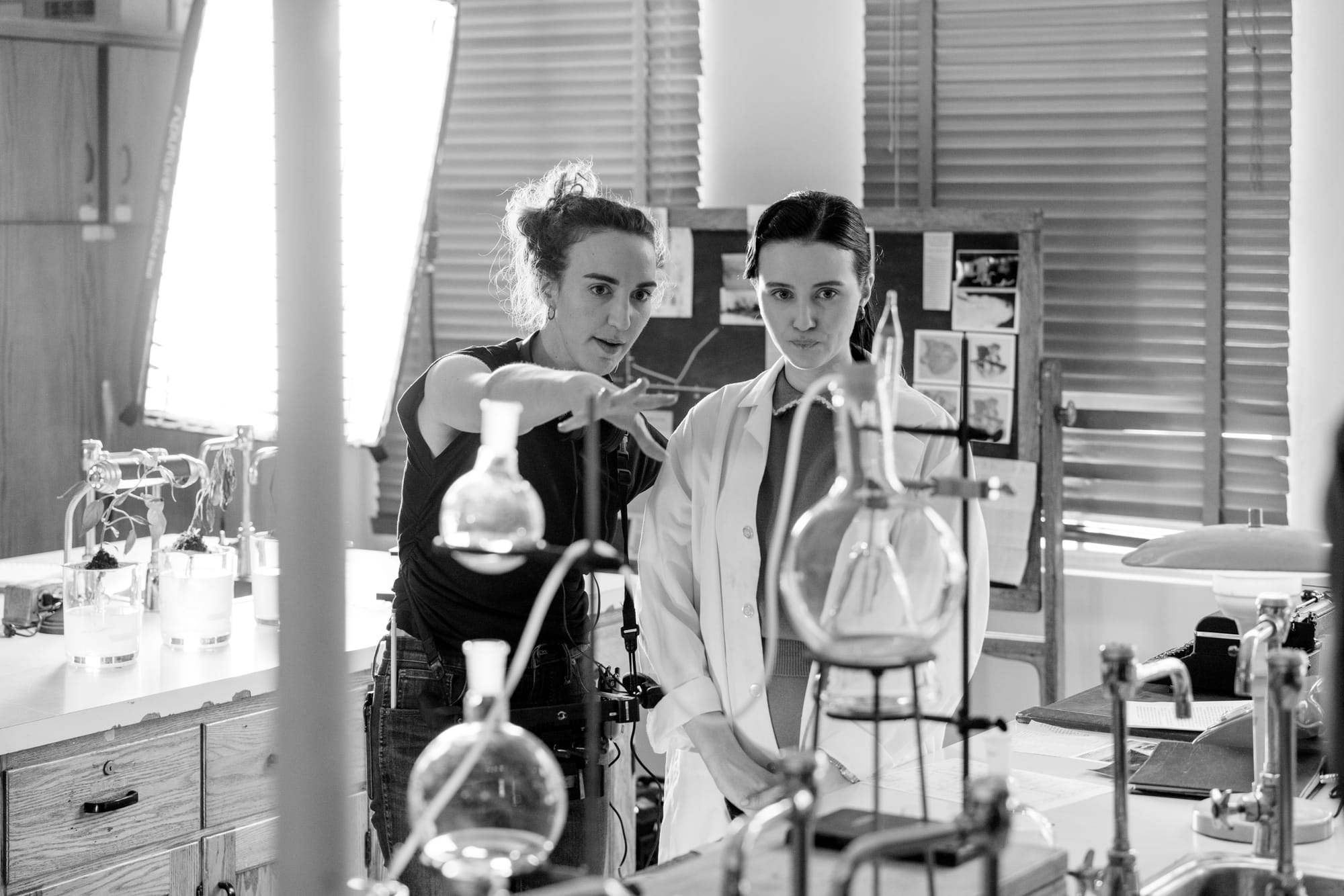
How does your film fit within, or push the boundaries of, its genre or form?
There still aren't nearly enough films about women in history and the impact they've had on the world, but I also didn't want Poisoned Skies to feel like a conventional historical biography. We approached it as a psychological period thriller, placing the audience inside our main character's growing sense of isolation. By filtering a much larger historical event through one woman's increasingly claustrophobic experience, I wanted to make the past feel real and current.
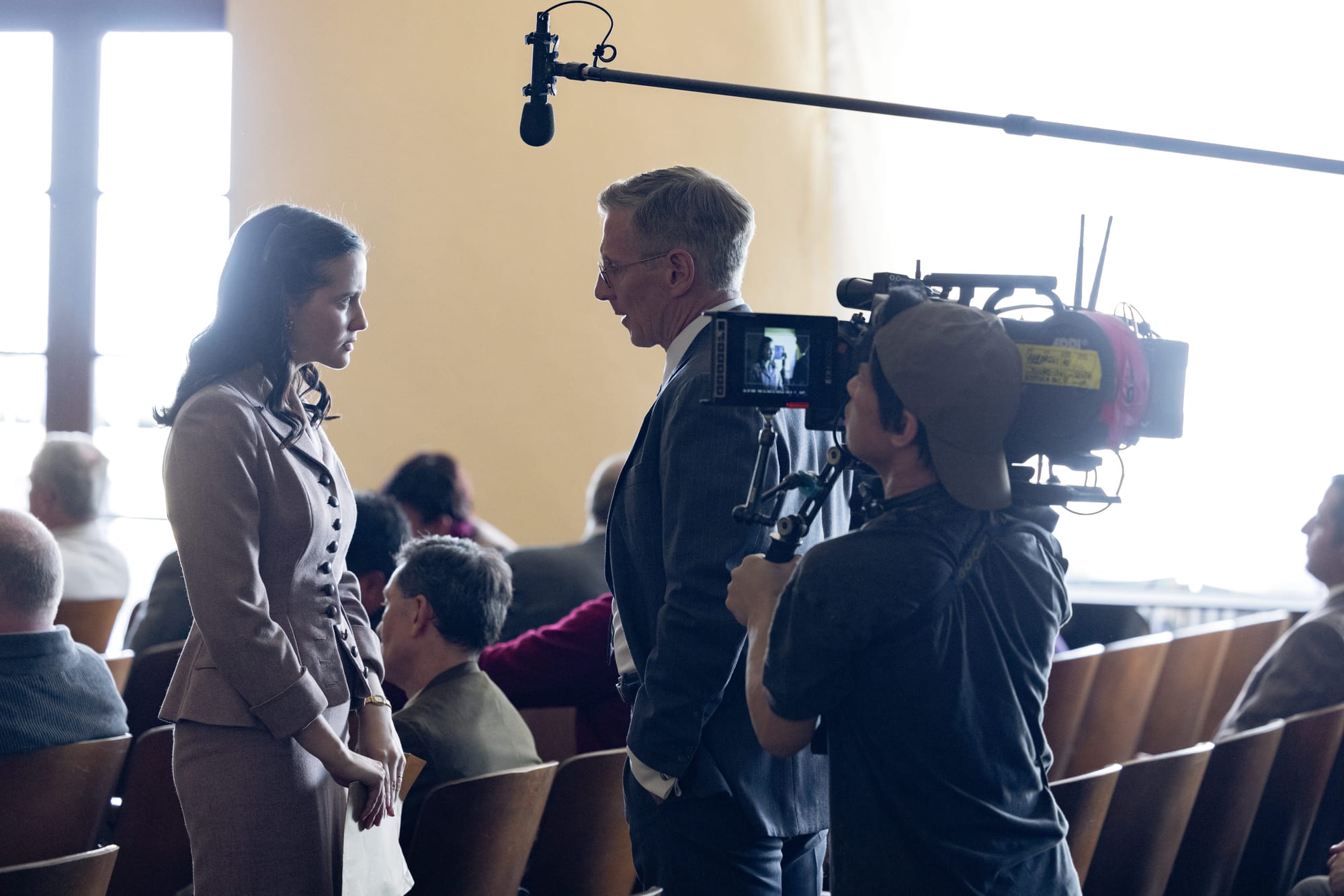
What does it mean to have your film selected for HollyShorts, one of the world's premier short film festivals?
We're so honored to be a part of HollyShorts. I screened a film here virtually in 2020, and getting to come back in person has been the goal ever since. As a local LA cast and crew, we are so excited to share it. We're also excited to continue our festival run this fall and bring the film to audiences around the world.
Making Poisoned Skies left Friend hungrier for difficult ideas. "It made me want to take bigger swings, and trust that audiences will come with me," she says. "A period film shot on 16mm, about air-pollution research isn't the most obvious pitch for a short, but I loved making that world feel cinematic and tense. It gave me permission to be more ambitious and less afraid of ideas that seem difficult to pull off." Her advice to other independent filmmakers is of a piece with the film itself: lean into the limitations, figure out what's essential, say it clearly, and trust the people around you to help you find a way there.
Main Cast & Crew
- Written/Directed/Produced by Caroline Friend
- Produced by Nadia Fedchin
- Associate Produced by Sommerly Simser
- Cinematography by Brian Tang
- Production Designer: Abigail Childs
- Costume Designer: Lindsey Halfhill
- Editor: Erik Vogt-Nilsen
- Music by Duy Tran
- Cast: Julia Goldani Telles
- Cast: Christopher Stanley
- Produced through MPI Short Film Lab
Filmmaker Opportunities
💛 Fund your next project with fiscal sponsorship
Have a project in the works? As a 501(c)(3) nonprofit, the Cinematography for Actors Institute can accept tax-deductible donations on your film's behalf — a door-opener for grants, foundations, and supporters who want to back your work. We've serviced over 100 projects to date and helped route over $800,000 in funding to filmmakers. Explore fiscal sponsorship →
📬 Grant deadlines and festival opportunities, straight to your inbox
The CFA newsletter rounds up grants, festival calls, and community news for independent filmmakers — the kind of opportunities that are easy to miss and painful to miss. Join the newsletter →
🎬 Focus on the creative — we'll help with the logistics
Production Management, CFA's newest member program, launches this November: production insurance and workers' comp, payroll, film permits, gear rental coordination, SAG-AFTRA compliance, contract drafting, production consulting, and crew recommendations — handled by a team of working filmmakers, à la carte or all in, in partnership with Creative Access Group. It's waitlist-only until launch. Join the waitlist →
League of Filmmakers is published by our parent organization, the Cinematography for Actors Institute — a 501(c)(3) dedicated to education, community, and capital for underrepresented filmmakers and actors. Learn more about CFA →