Table of Contents
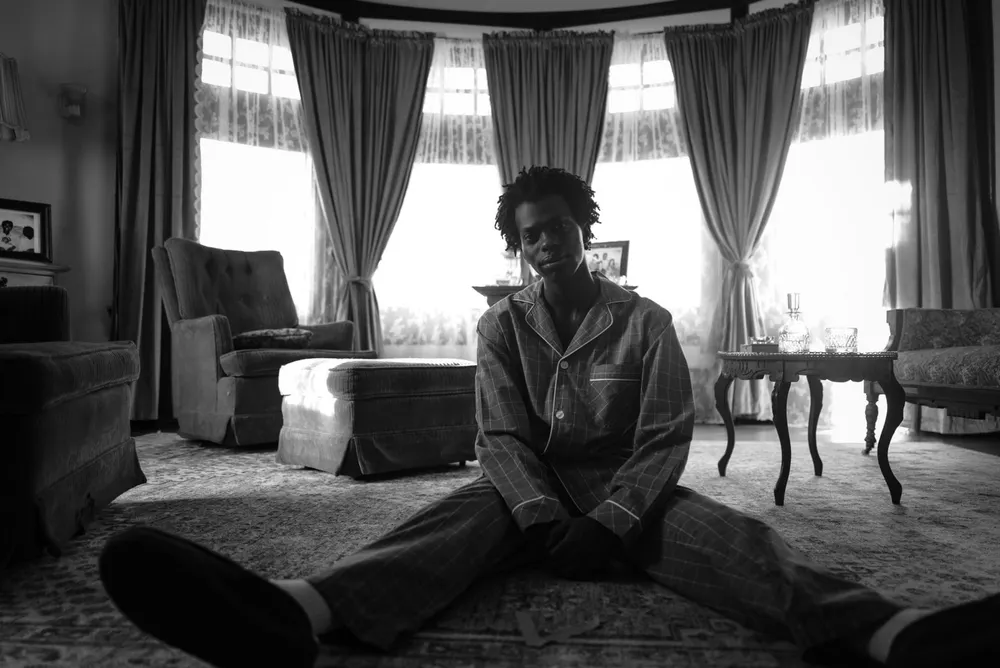
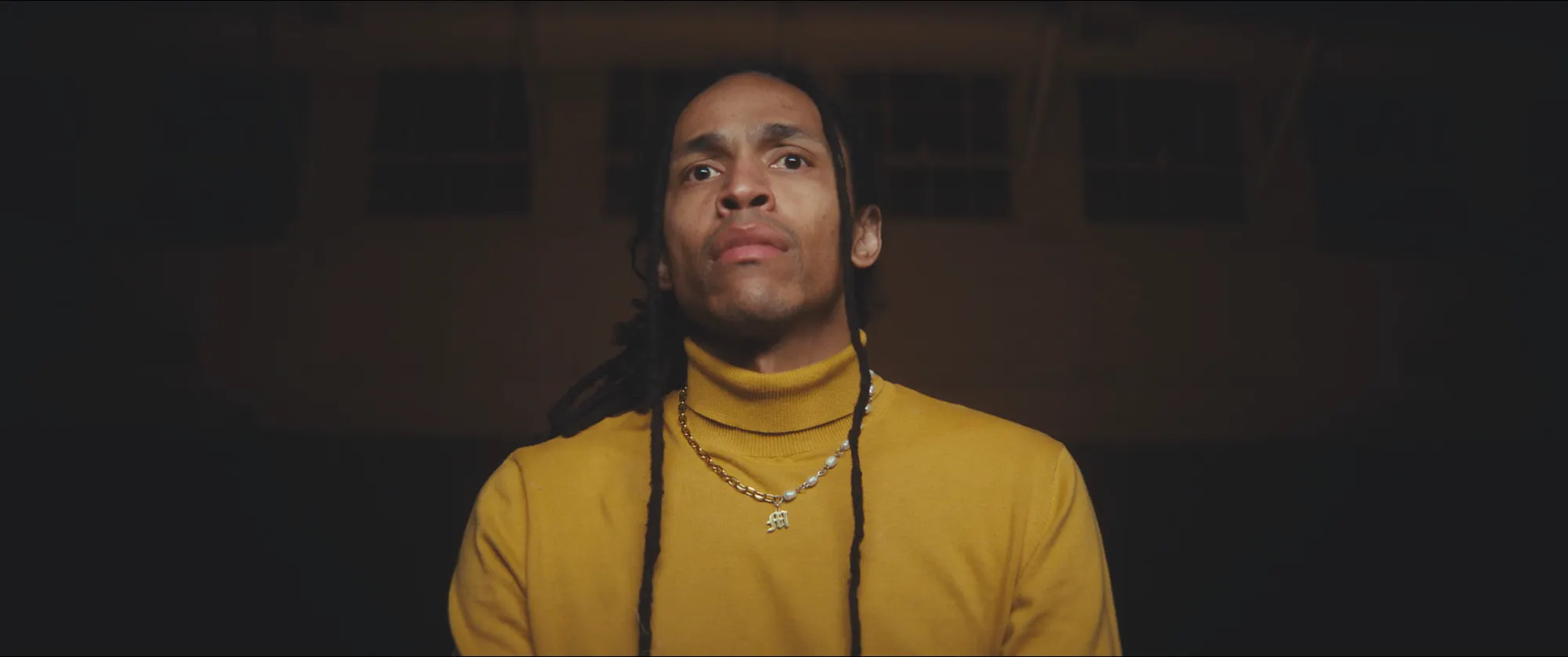
Jon Boogz is an Emmy-winning director, choreographer, and movement artist who made history as the first African American street dance choreographer to win an Emmy, for his work on Lionsgate/Starz's Blindspotting. With Remedy in the Rhythm, he turns that craft toward something intensely personal: a story about a young man who, haunted and guilt-ridden after his childhood best friend's suicide, spirals into isolation until his friends push him into therapy, where grief and buried wounds rise through rhythm and release.
The film comes out of real loss. It also comes out of a lifelong conviction — that the dance vernacular Boogz grew up on deserves the same cinematic weight as the masterpieces that shaped him, and that movement can be a lifeline as much as a spectacle.
Key Takeaways
- Boogz treats dance as a primary storytelling mechanism, using operatic movement sequences to explore trauma and grief.
- The film confronts mental health and suicide, especially the stigma around therapy in communities of color.
- Selection at HollyShorts, an Oscar-qualifying festival, marks a milestone in Boogz's mission to change what audiences think a dance film can be.
Boogz spoke about the loss that started it all, the weight of wearing every hat on set, and why he believes the shift he's chasing is here to stay.
Interview
What drew you to make this film, and why this story, and why now?
Historically, dance cinema has prioritized commercial spectacle over narrative depth, frequently reducing a rich, complex subculture to superficial dance battles and formulaic plots. I grew up wondering why the masterpieces of my youth — films like Schindler's List or The Color Purple — possessed such profound soul and substance, while our dance vernacular was never granted that same cinematic weight.
My life's goal is to change that perception and treat substance dance with true reverence. But the urgent "why now" of this film is deeply personal. Grief and mental health struggles have become an unspoken epidemic, particularly within communities of color where therapy is often stigmatized. When one of my good friends passed away by suicide, I was hurt and shocked by the loss. I felt this spiritual pull after his death to write this story. I needed to show that dance is not just entertainment; it is a profound storytelling mechanism, a spiritual lifeline, and a tool to break down social and economic boundaries. We needed a film that addresses this pain with raw honesty, using movement to heal where words fail.
What surprised you most about the filmmaking process, including any moment that changed how you saw the story?
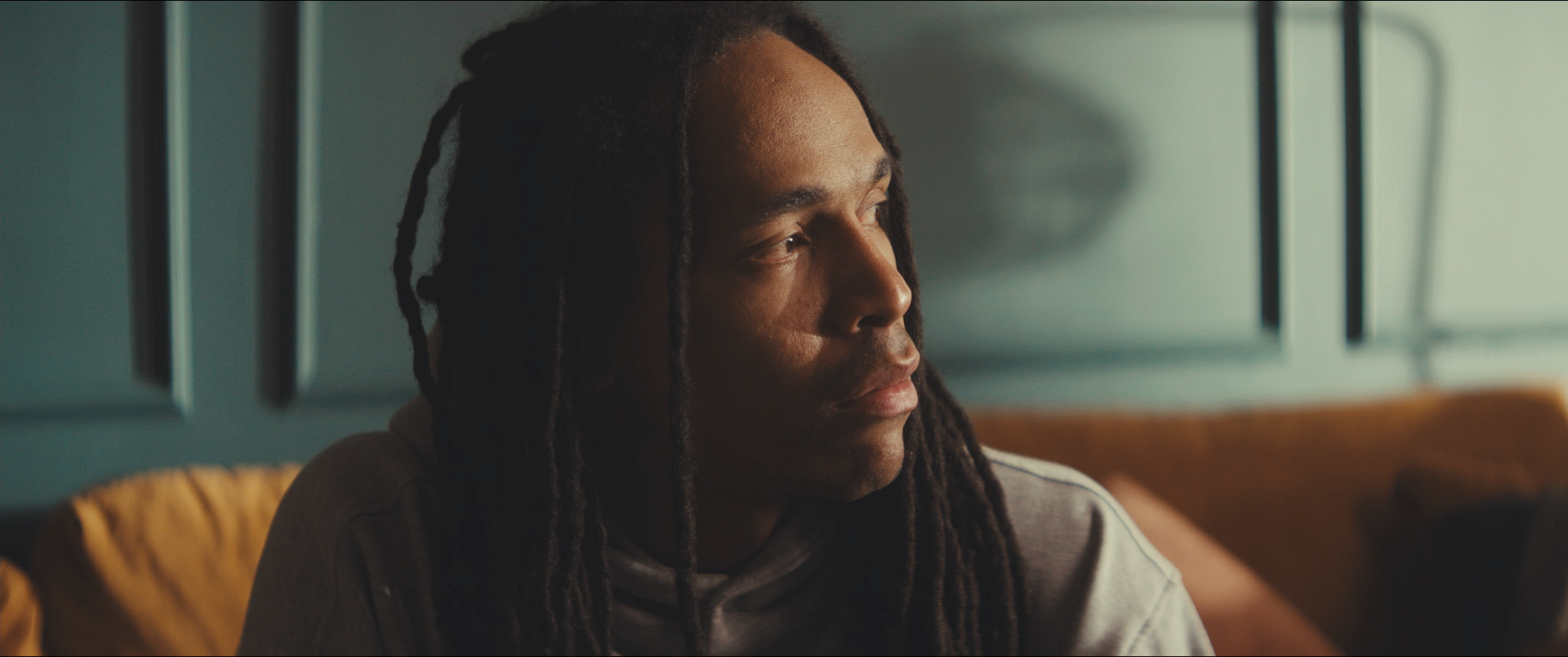
The immense weight of balancing writer, director, producer, and actor roles while navigating personal loss and health issues was a profound challenge that ultimately transformed the project from a set of tasks into a raw, lived narrative of survival, blurring the line between life and art.
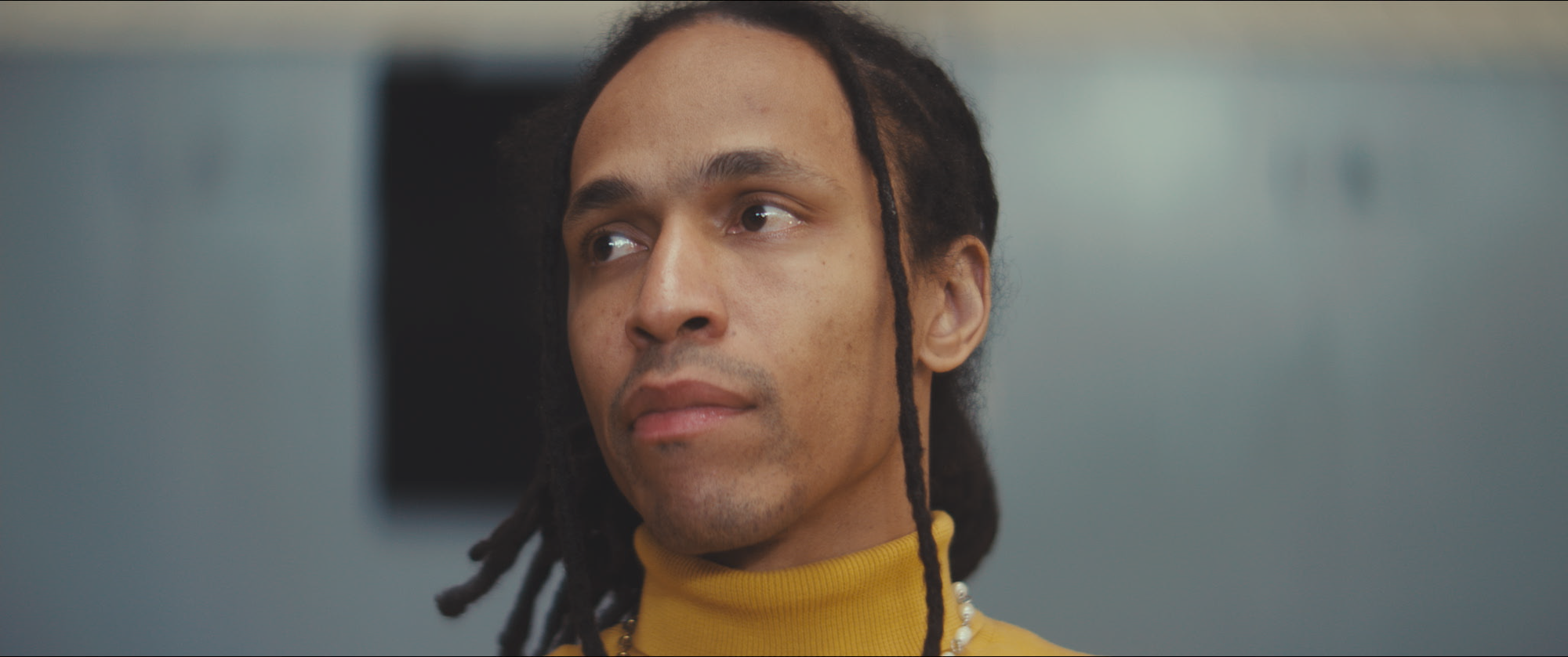
What was the hardest creative decision you made while making the film?
Deciding whether to act in the film or not. I wasn't sure if wearing too many hats was going to hinder my performance. But honestly there was something spiritual carrying this project. It worked out beautifully.
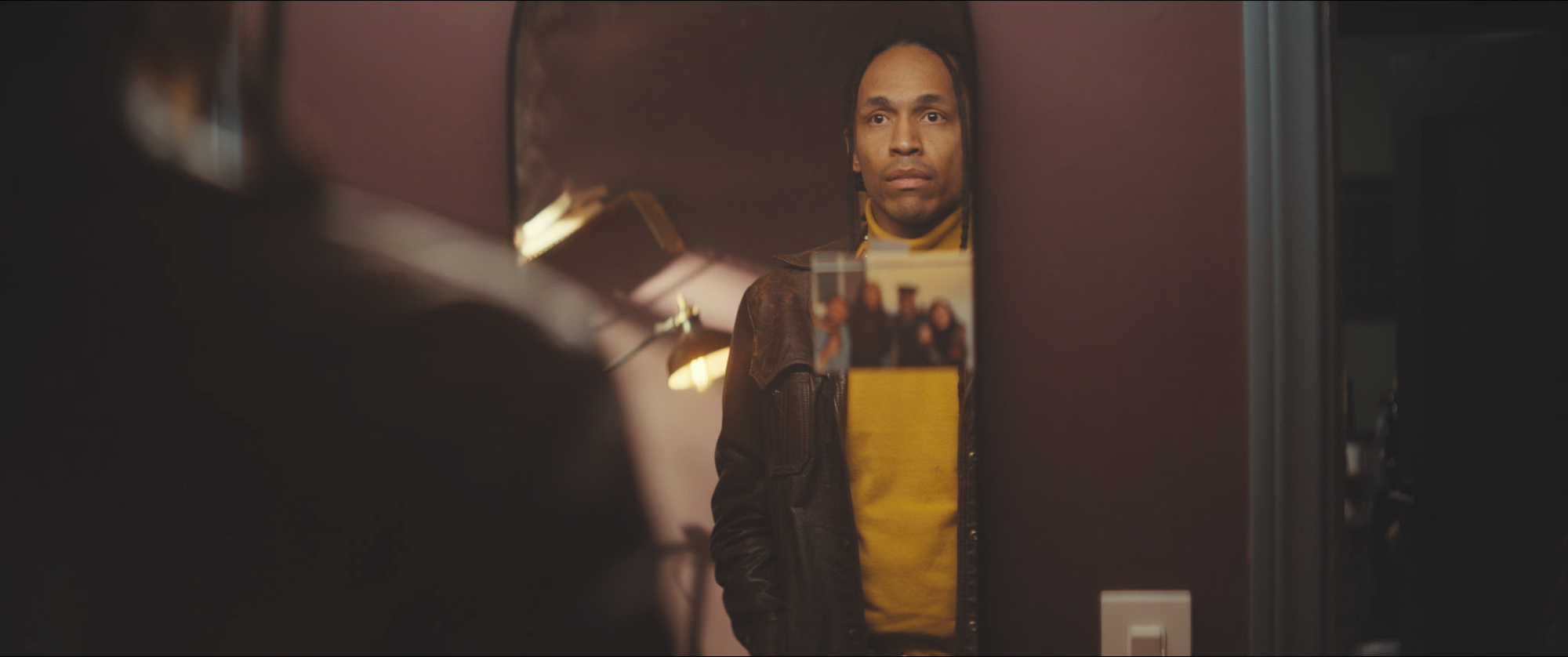
What moment in the film feels most like you, or like something only you could have made?
The movement sequences are my signature, utilizing dance as the primary vehicle to explore character trauma in an operatic way. This, and my background as an Emmy-winning street dancer exploring complex social issues, defines my creative voice as a director.
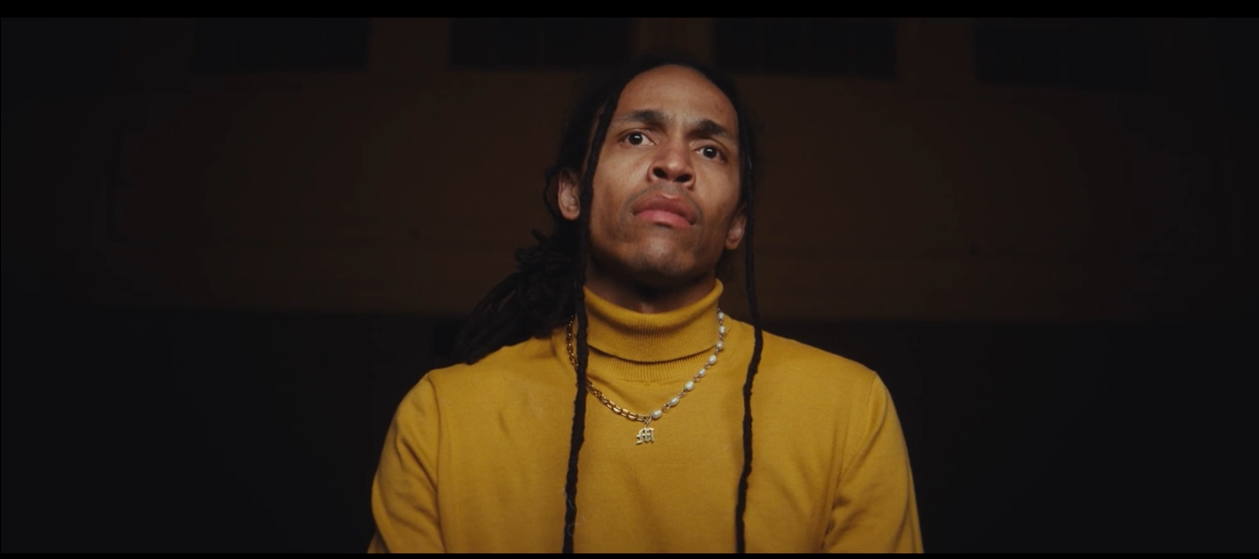
What tool, technique, or collaborator helped most during production?
My DP Gary Long was amazing. The minute I showed him the script we clicked. We knew right away that we wanted gritty meets musical — a Moonlight meets La La Land type of vibe. Having the grit of a real story but still having the beauty of the dance and musical performances we've grown to know and love throughout years of cinema.
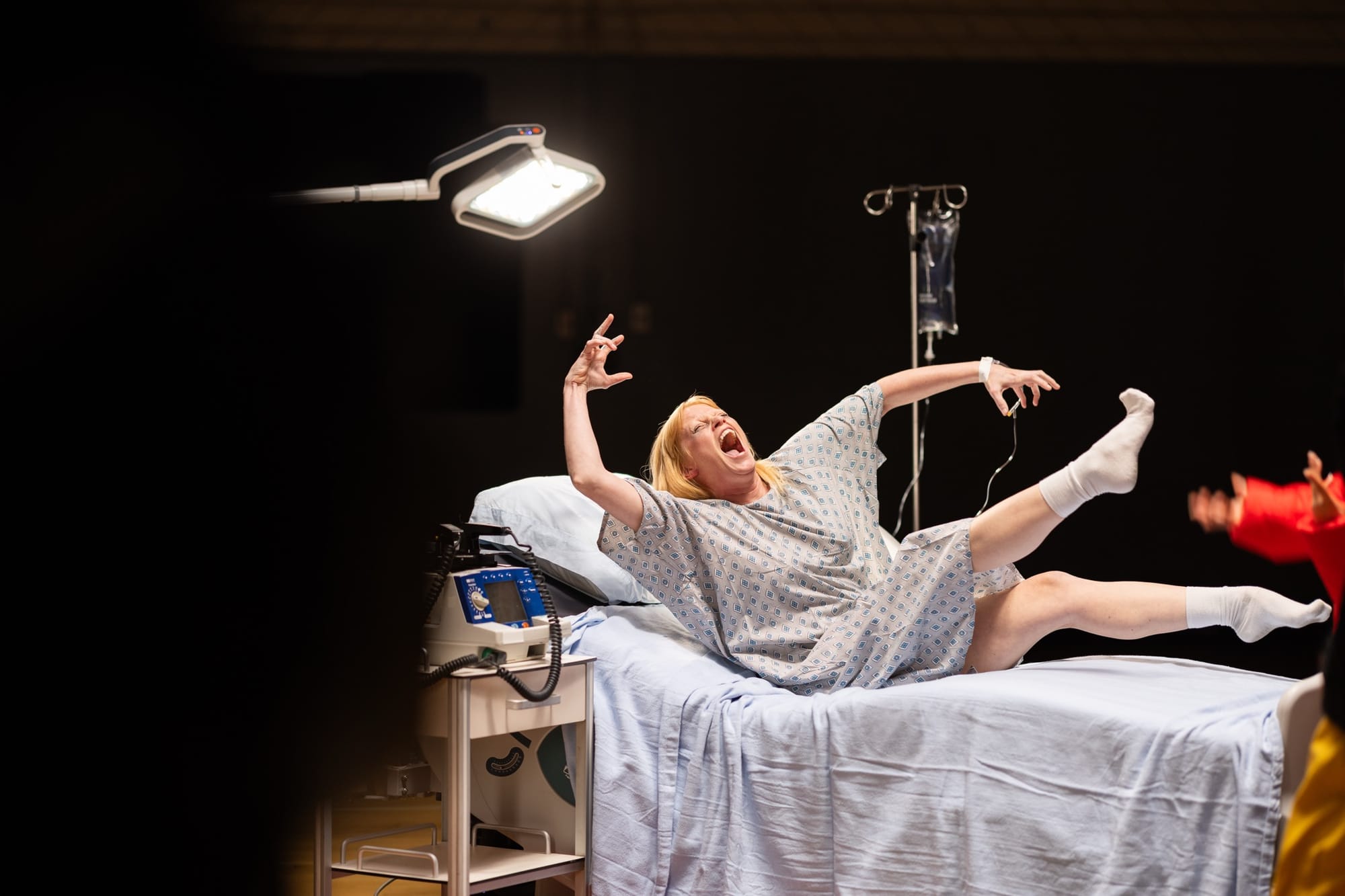
What is the greatest strength of independent filmmaking, and how did you lean into it here?
The greatest strength of independent filmmaking is being able to tell your story exactly how you want to. Taking control of your narrative and putting your heart and passions on screen.
It's going to be hard and it definitely takes a village, but when you complete the vision, it's the most rewarding feeling in the world.
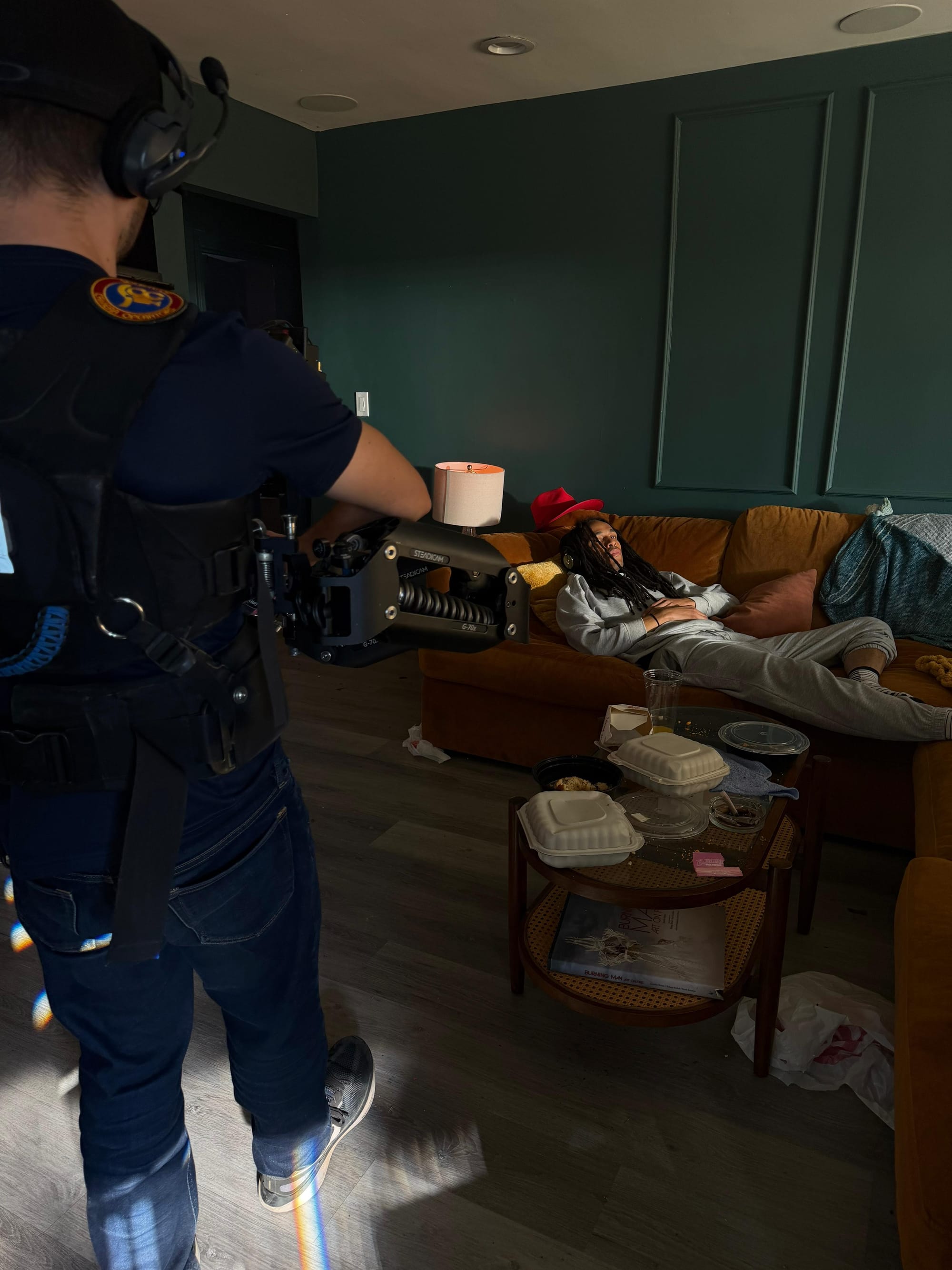
What does it mean to have your film selected for HollyShorts?
It's truly an honor to be in HollyShorts. One of our goals as a team was to get the film in an Oscar qualifier. This is one of the biggest for short films. We not only want this film to save lives and speak to mental health, we want the film to show people that the standard of dance and film is changing. Hopefully this film shows that the shift is here and here to stay. I truly believe the film can change what audiences think a dance film could look like.
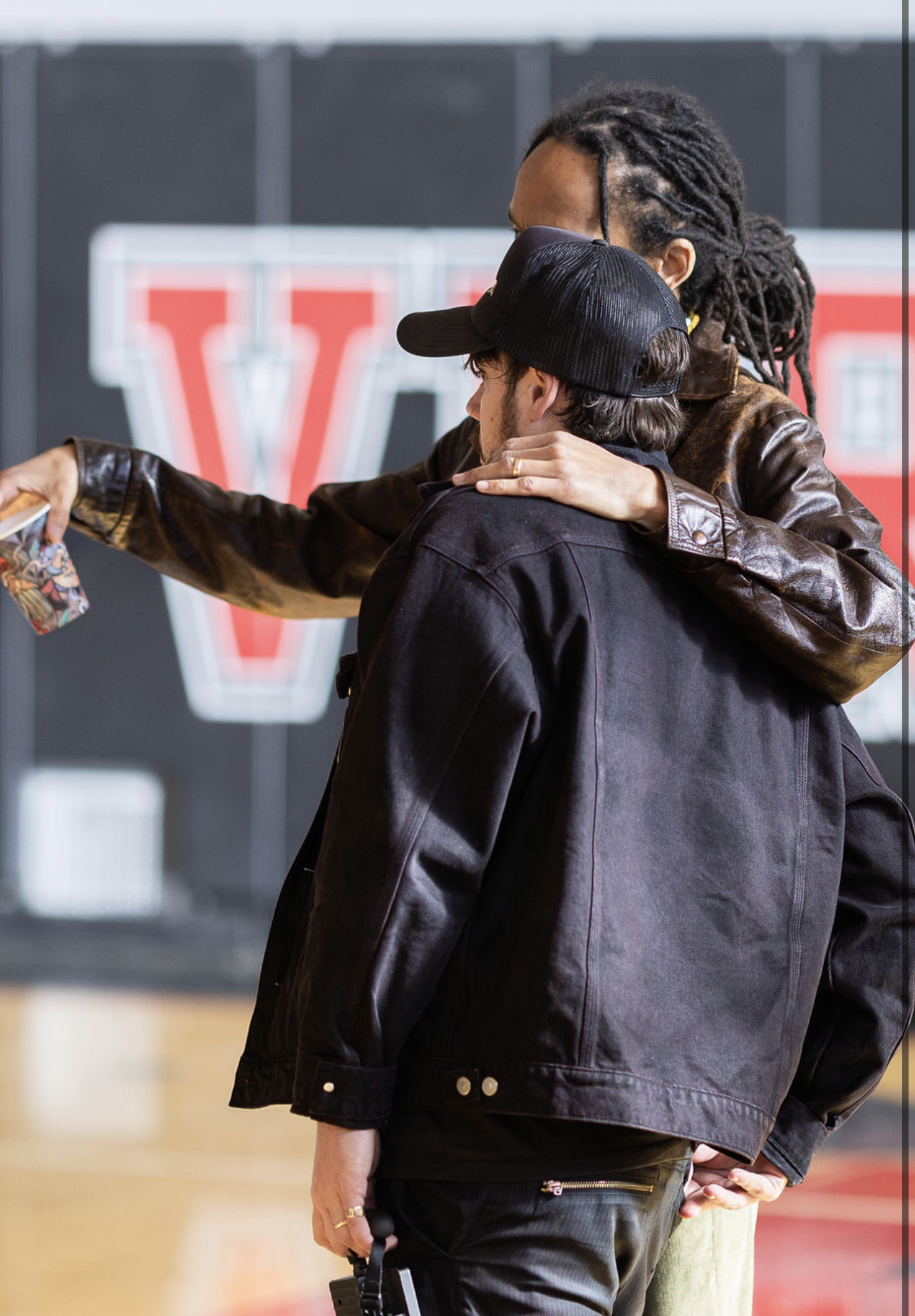
What do you hope audiences take away from this film?
I hope the audience takes away that dance and film has shifted into a space of more depth and complexity. We can tell powerful stories using this art form while also melding it with amazing acting, cinematography, and all the things that make cinema great.
I also want the audience to know that mental health is something that's running rampant in our communities, especially communities of color. It's something we need to keep addressing and finding more resources for.
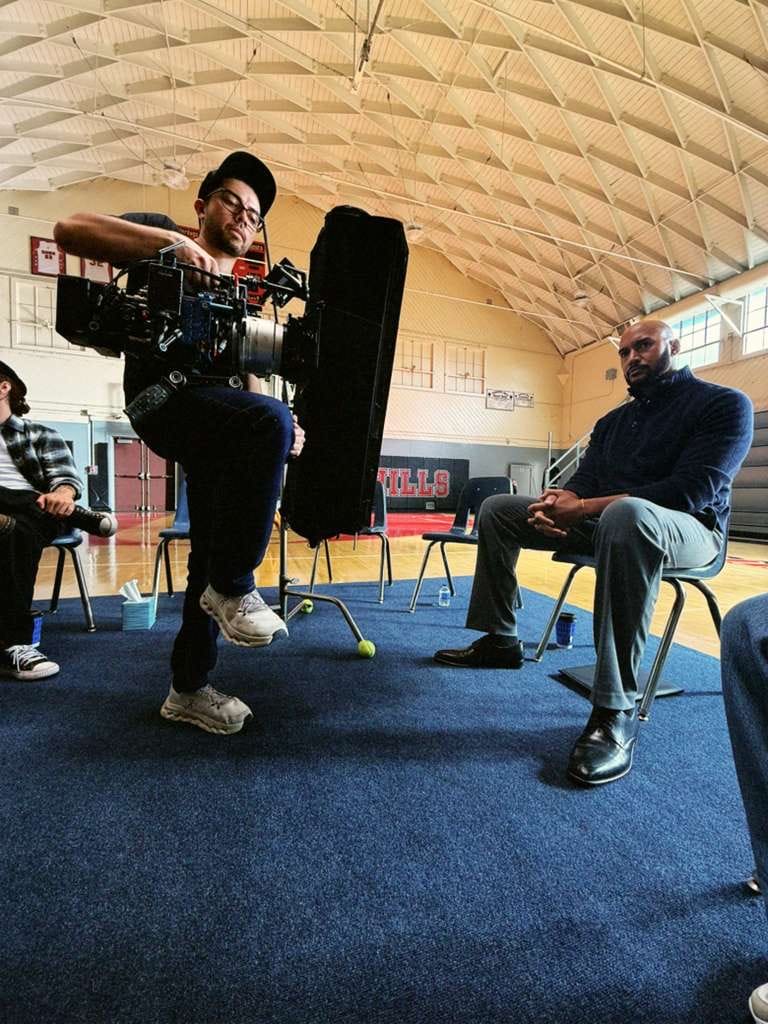
Main Cast & Crew
- Jon Boogz — Director, Choreographer, Movement Artist. Emmy Award-winning director and choreographer, the first African American street dance choreographer to win an Emmy (Lionsgate/Starz's Blindspotting). Currently writing and directing his debut narrative feature, executive produced by Spike Jonze, and featured as a movement artist in the Michael Jackson biopic directed by Antoine Fuqua. Credits span Mikhail Baryshnikov, Naomi Campbell, Gloria Estefan, Pharrell Williams, Apple, Louis Vuitton, Adidas, the NFL, Netflix, Lin-Manuel Miranda, Hulu, TEDx, Flying Lotus, and Terrence Malick.
- Malaena Eagle — Actress, choreographer, and performer from Auckland, New Zealand. Original cast member of Cirque du Soleil and Michael Jackson's estate's Michael Jackson ONE in Las Vegas; has shared the stage with Jennifer Lopez, Rihanna, and Usher; featured choreographer and performer on Blindspotting Seasons 1 and 2, and a featured dancer in the MJ biopic directed by Antoine Fuqua.
- Rudi Goblen — Playwright, educator, and performer. Recipient of the Vineyard Theatre's Colman Domingo Multidisciplinary Artist Award, three-time Kennedy Center playwriting award winner, Lorraine Hansberry Playwriting Award winner, and O'Neill Finalist. MFA in playwriting from the Yale School of Drama, mentored by Tarell Alvin McCraney and Sarah Ruhl; currently teaching in the Theatre Arts Department at the University of Miami.
- Gary Long — Director of Photography
Filmmaker Opportunities
💛 Fund your next project with fiscal sponsorship
Have a project in the works? As a 501(c)(3) nonprofit, the Cinematography for Actors Institute can accept tax-deductible donations on your film's behalf — a door-opener for grants, foundations, and supporters who want to back your work. We've serviced over 100 projects to date and helped route over $800,000 in funding to filmmakers. Explore fiscal sponsorship →
📬 Grant deadlines and festival opportunities, straight to your inbox
The CFA newsletter rounds up grants, festival calls, and community news for independent filmmakers — the kind of opportunities that are easy to miss and painful to miss. Join the newsletter →
🎬 Focus on the creative — we'll help with the logistics
Production Management, CFA's newest member program, launches this November: production insurance and workers' comp, payroll, film permits, gear rental coordination, SAG-AFTRA compliance, contract drafting, production consulting, and crew recommendations — handled by a team of working filmmakers, à la carte or all in, in partnership with Creative Access Group. It's waitlist-only until launch. Join the waitlist →
League of Filmmakers is published by our parent organization, the Cinematography for Actors Institute — a 501(c)(3) dedicated to education, community, and capital for underrepresented filmmakers and actors. Learn more about CFA →