Table of Contents
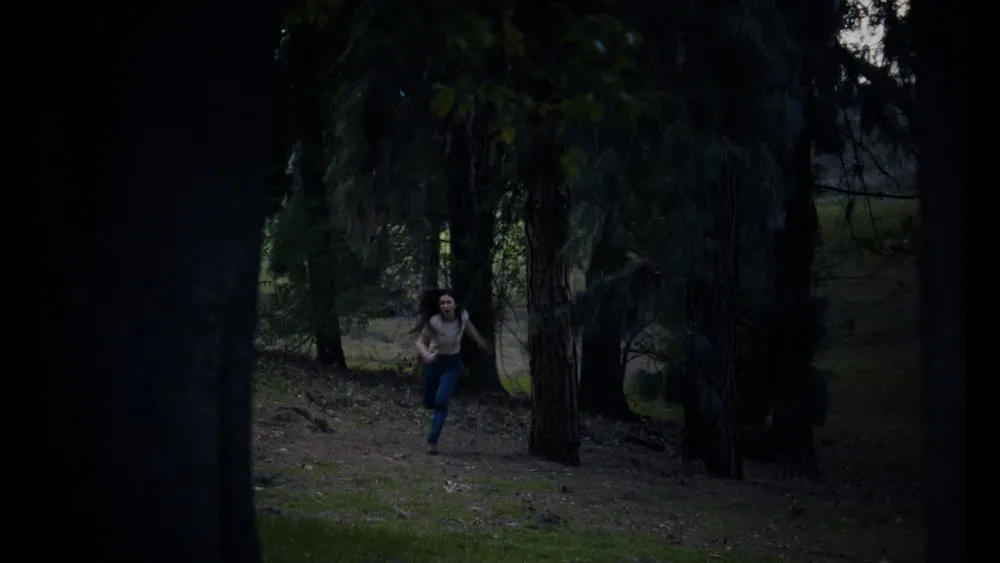
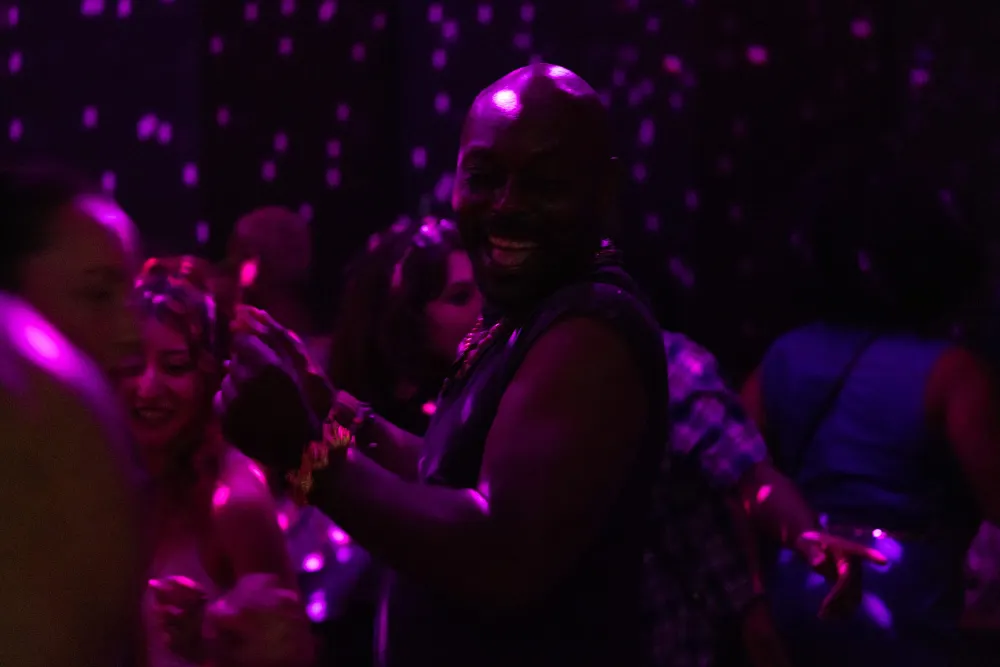
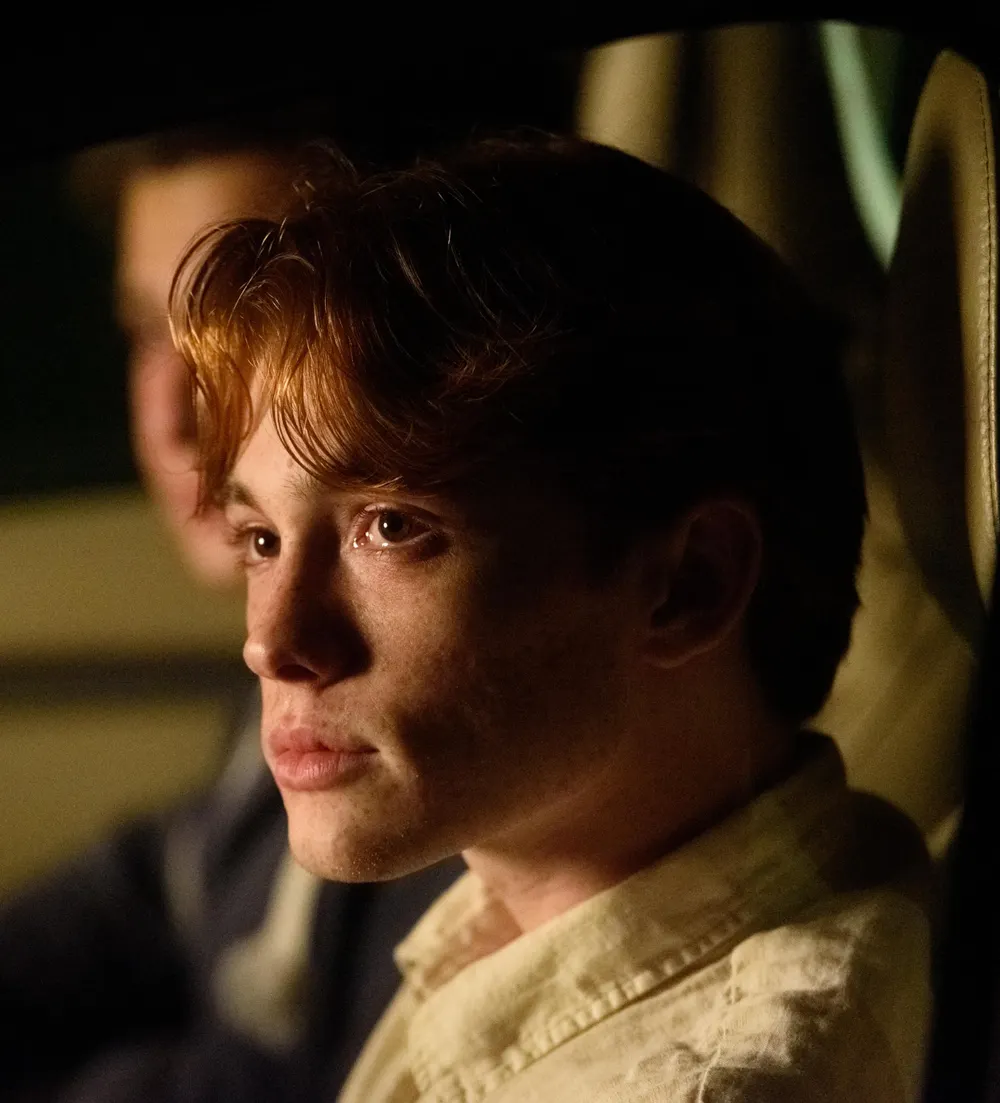
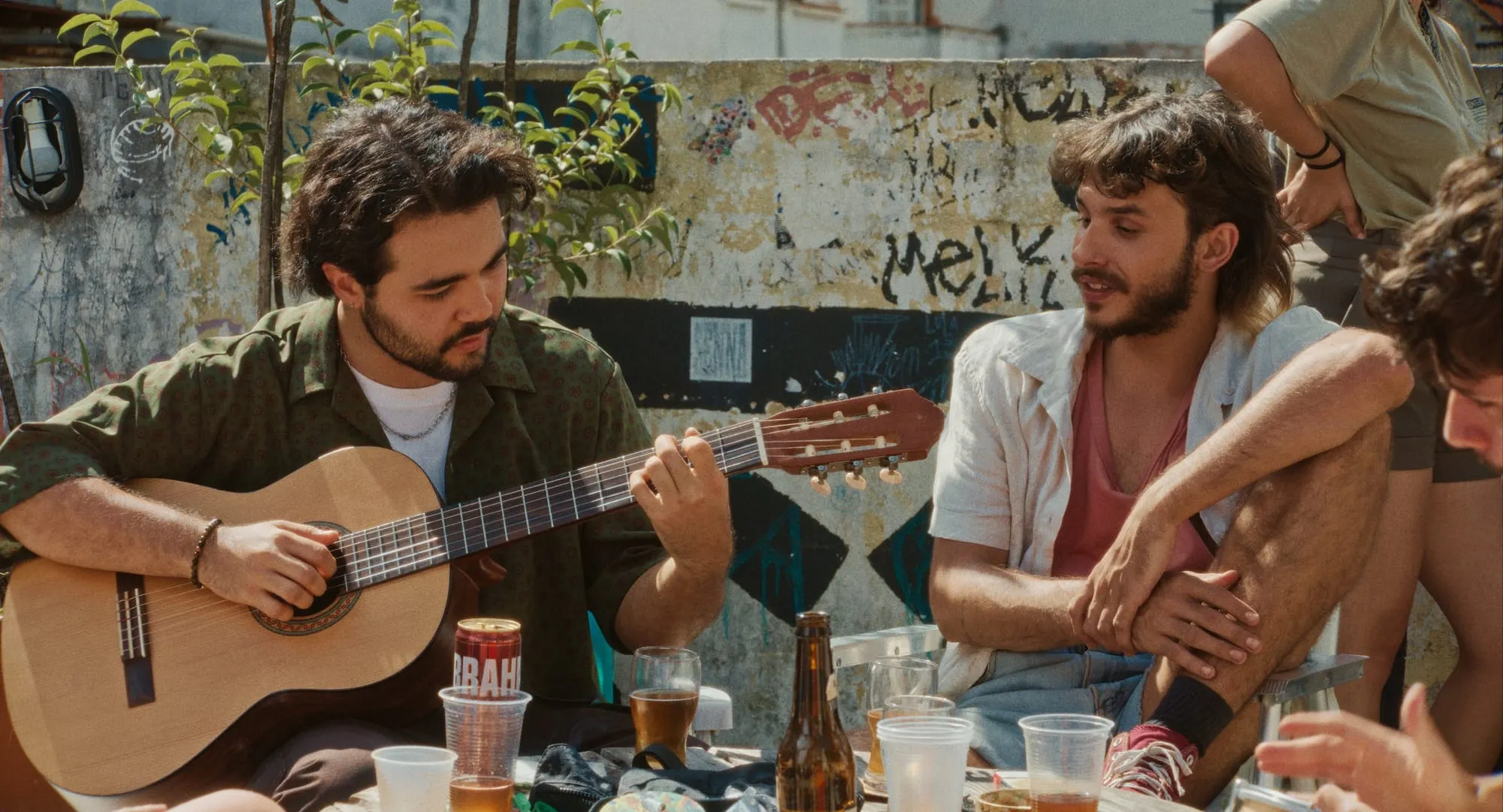
Eduardo Machado made São Paulo, New York while living the very question at its center. A Brazilian writer, director, producer, editor, composer, and actor, he wrote the film as graduation approached and his visa neared expiration — the same crossroads faced by Felipe, an aspiring hip-hop producer deciding whether to stay in New York or return to São Paulo. Told across two parallel timelines, the film treats belonging, cultural identity, and the meaning of success not as abstractions but as things you feel in your body when you're caught between two places.
What keeps the film from becoming a tidy immigration drama is its patience. Machado resists the dramatic revelation in favor of the quiet one, letting music, friendship, and memory do the work a speech usually would. It's a story about loving two places at once and slowly realizing that the version of success you've been chasing might not have been yours to begin with.
Key Takeaways
- Shot with two separate crews in Brazil and New York, the film turns its production's contrasts into the story's meaning rather than hiding them.
- Machado directed while playing the lead, blurring performance and lived experience until the film became a way of processing his own crossroads in real time.
- Drawing on Brazilian Cinema de Fluxo alongside Jean Renoir and Robert Altman, the film prioritizes emotional rhythm over plot, letting music carry what dialogue usually would.
Machado spoke about living inside the story as he made it, trusting quieter choices, and the samba performance that feels most like him.
Interview
What drew you to make this film, and why this story, why now?
Moving from São Paulo to New York forced me to question many of the assumptions I had grown up with. Like Felipe, I believed that if I wanted to become an artist, I had to leave Brazil. But while studying film in New York, I began reconnecting with Brazilian cinema and realized how deeply American media had shaped my idea of success, often without me even noticing.
I made São Paulo, New York because I found myself living the same uncertainty as the character. As graduation approached and my visa neared its expiration, I was asking many of the same questions: What does it mean to belong somewhere? Why was I so determined to stay? Had I overlooked the possibilities that existed back home?
This felt like the right moment to tell the story because I was still living it. Making the film became a way of processing those questions while they were unfolding, rather than looking back on them years later. Although it's rooted in my own experience, I think the film speaks to anyone who has felt caught between two places, two identities, or two different ideas of what success is supposed to look like.
What surprised you most about the filmmaking process, including any moment that changed how you saw the story?
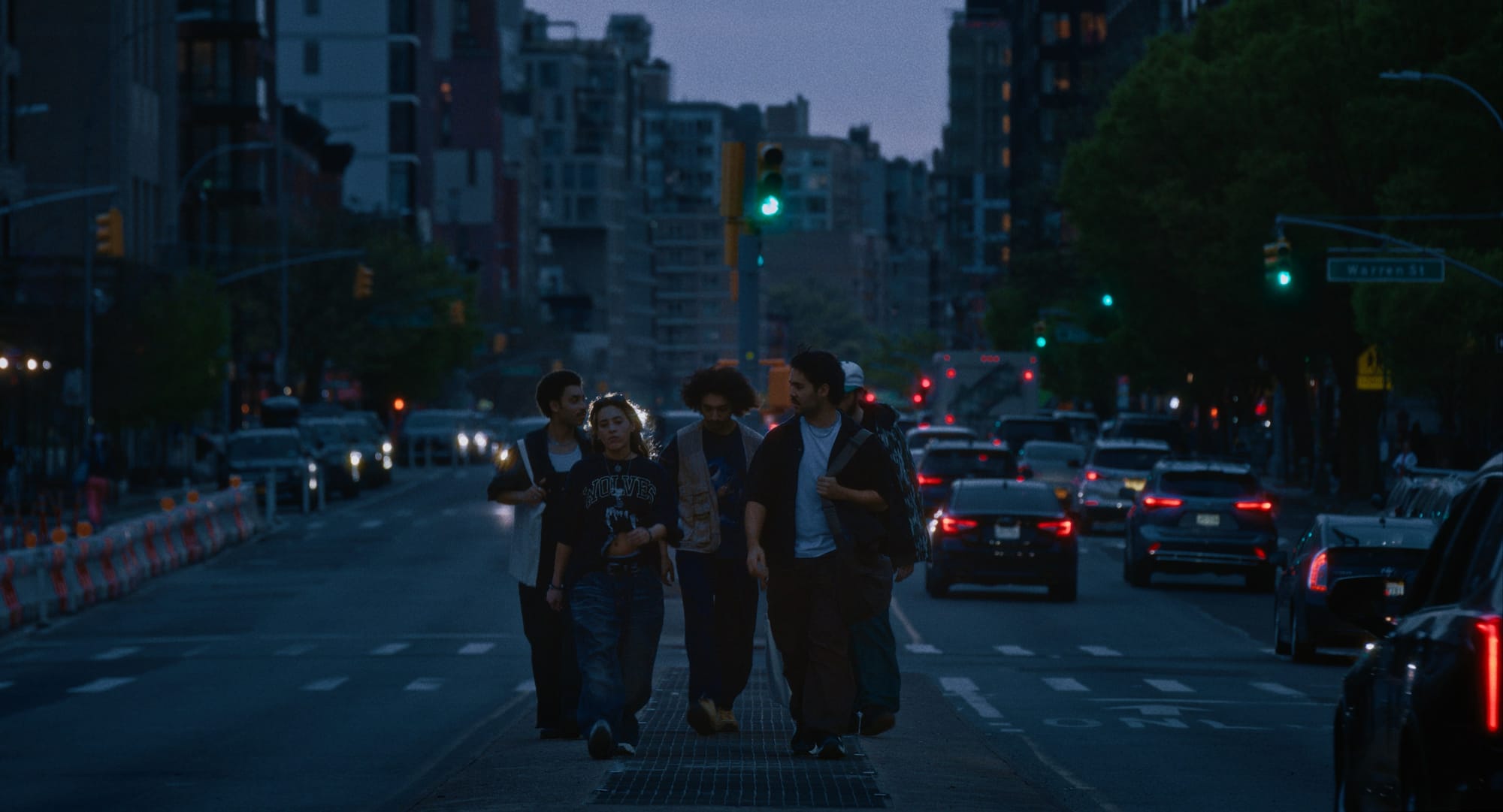
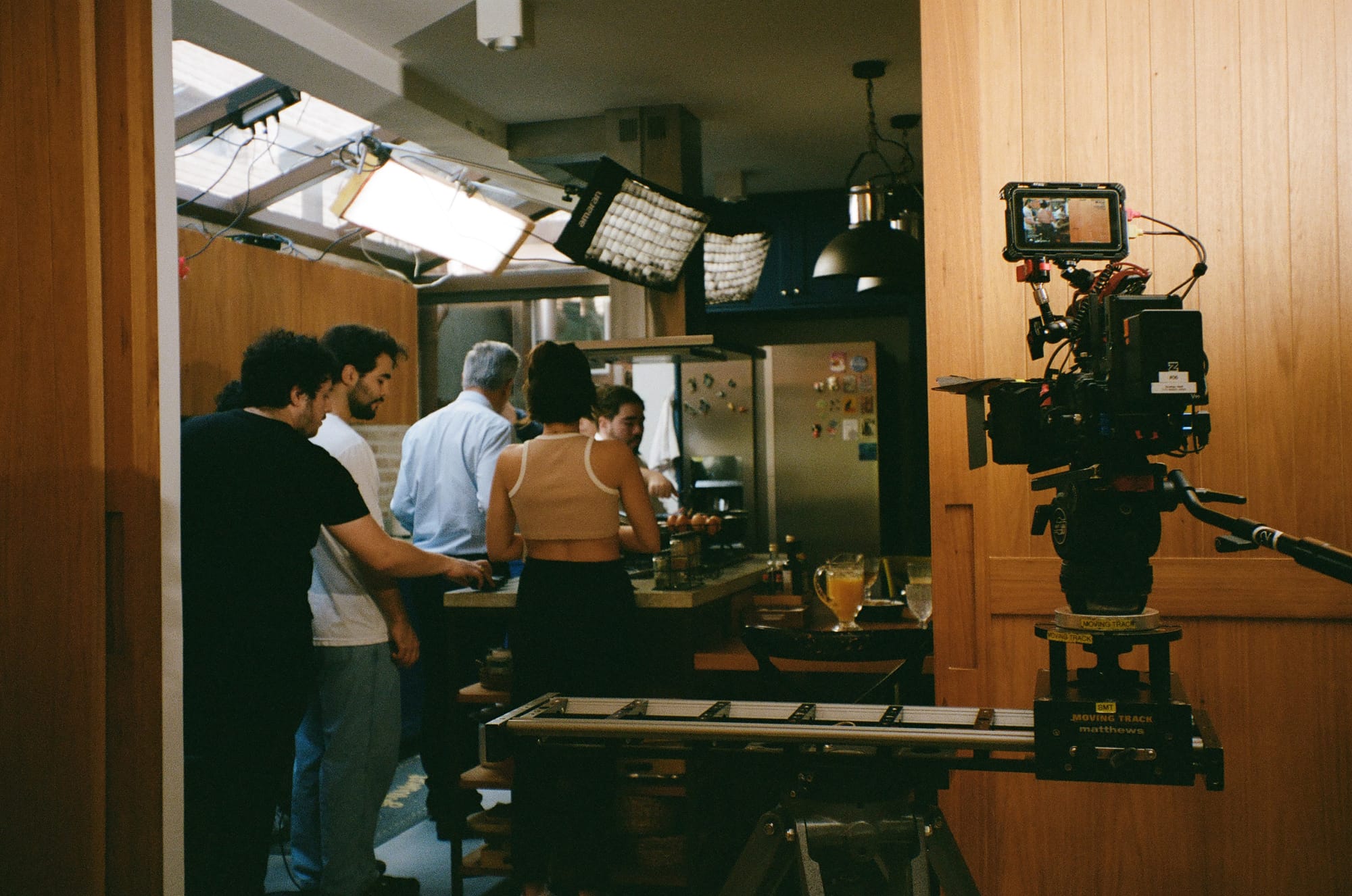
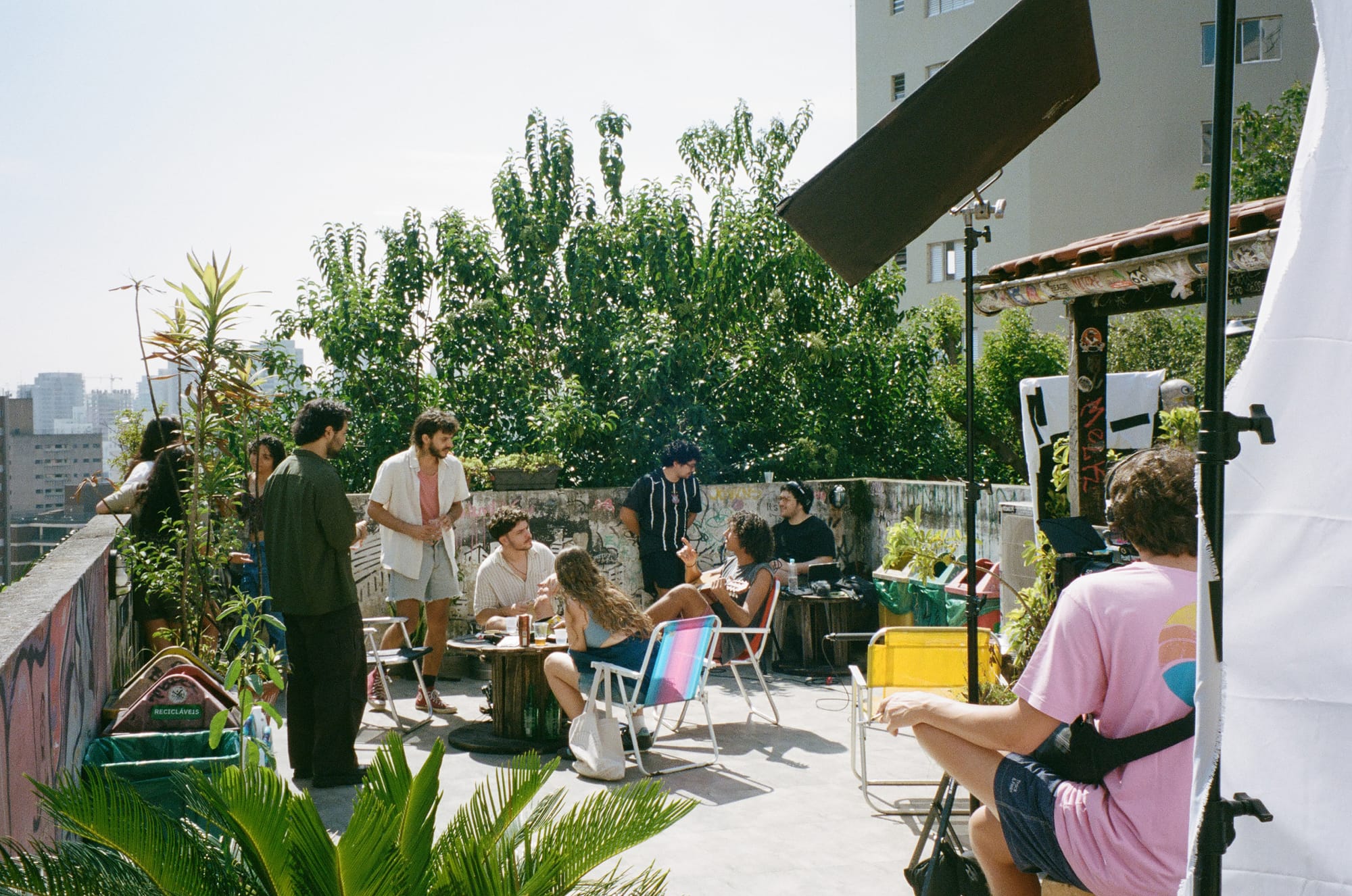
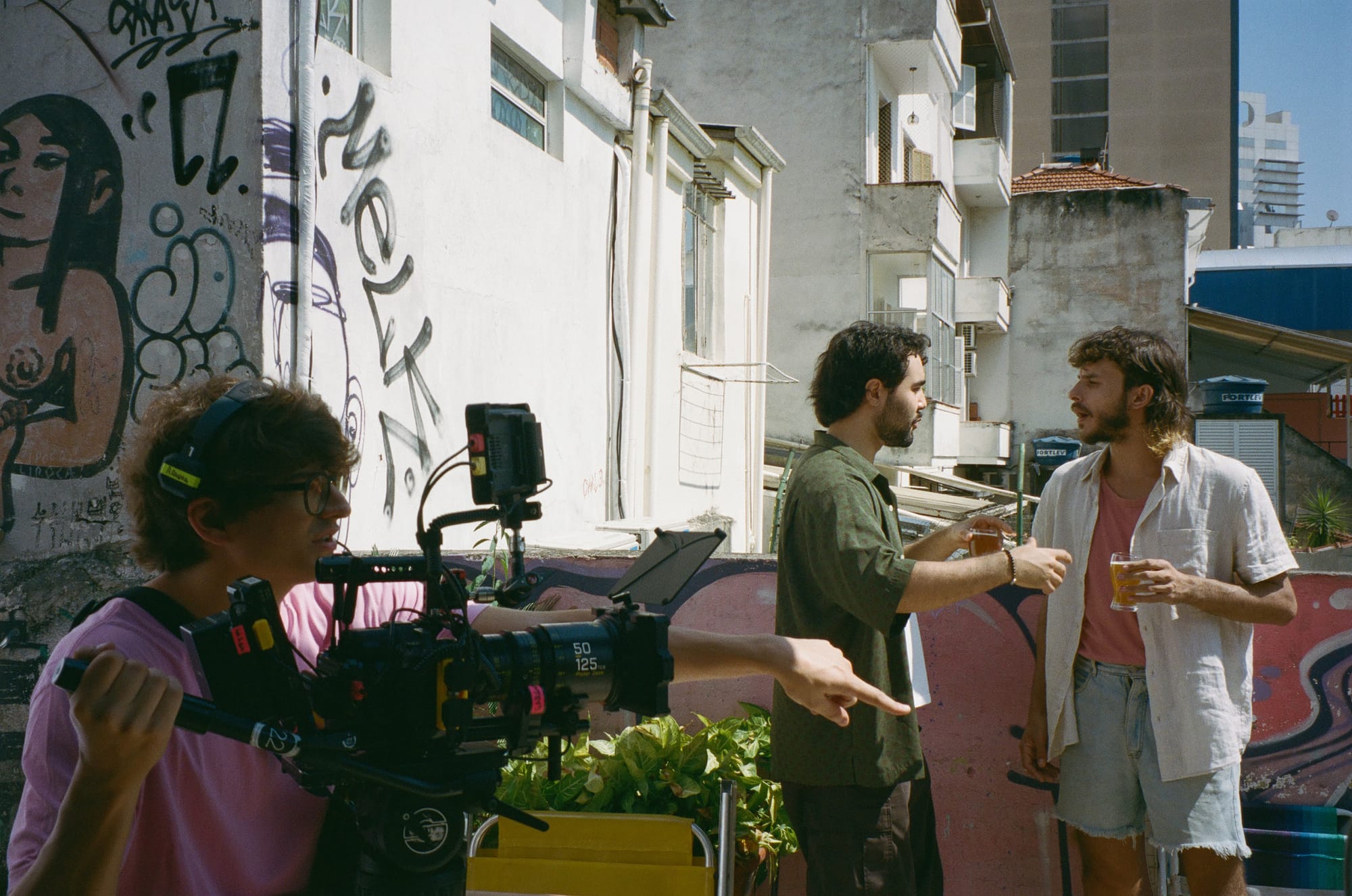
What surprised me most was how much the filmmaking process ended up reflecting the story we were telling. We shot the film with two completely separate crews, one in Brazil and one in New York, and I initially thought my job would be to make those productions feel as seamless as possible. But in the edit, I realized the differences between the two crews, the two cities, and even the two cinematic traditions were actually strengthening the film. Instead of hiding those contrasts, we embraced them because they mirrored Felipe's experience of living between two worlds.
On a personal level, directing while playing the lead was something I underestimated. There were days when I would finish a scene and realize I was dealing with many of the same emotions as the character. I wasn't looking back on that period of my life; I was still living it. That blurred the line between performance and reality in a way I hadn't anticipated, and it made the film feel less like a recreation of my experience and more like a way of processing it in real time.
What moment in the film feels most like you, or like something only you could have made?
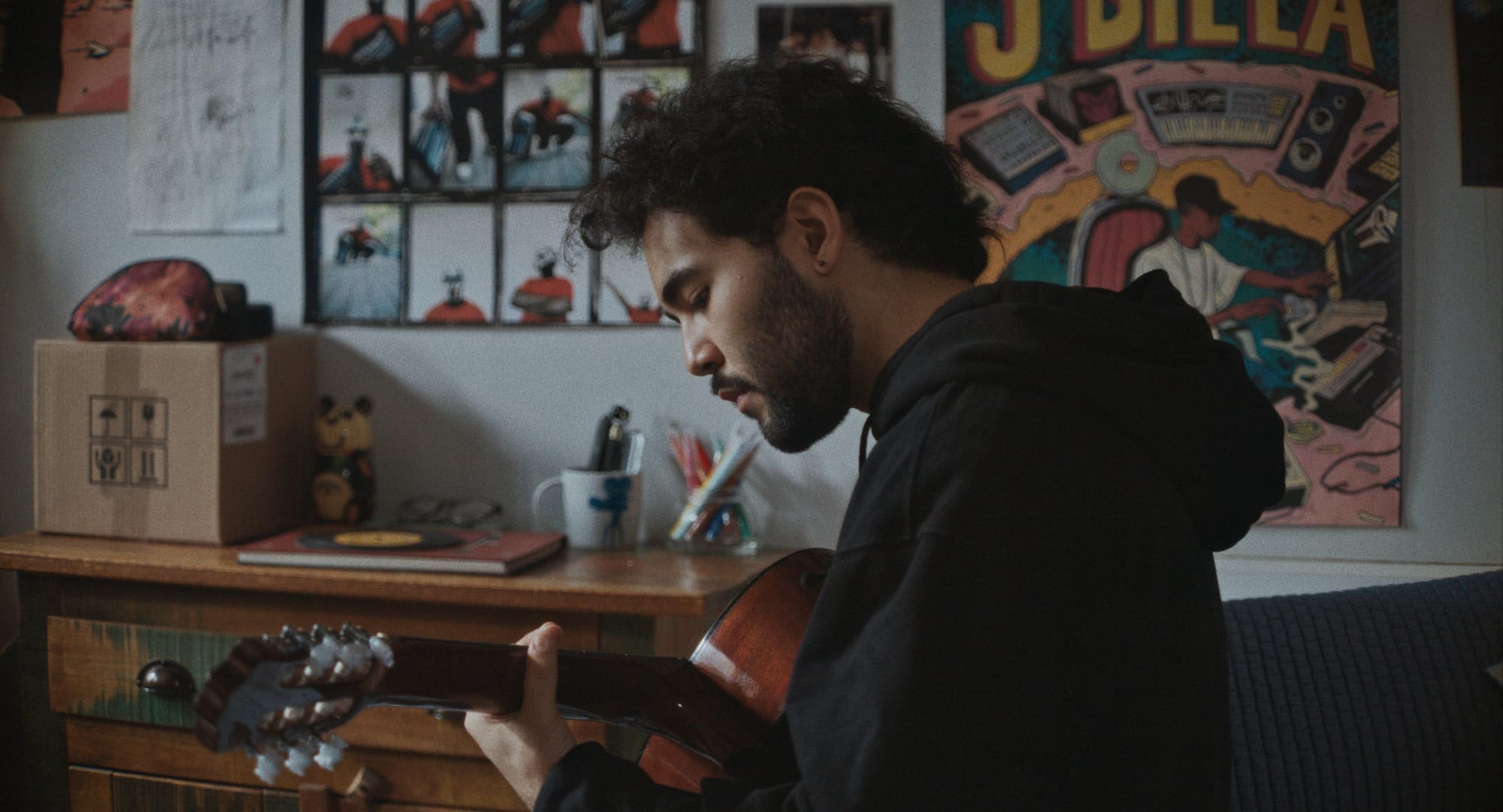
The moment that feels most like me is the final samba performance. Throughout the film, Felipe believes that success exists somewhere else, so he's always looking outward. But when André performs the song they once wrote together, music becomes a bridge back to a part of himself he had slowly abandoned. That realization didn't come from a dramatic revelation or a speech. It comes from simply listening. That's very close to my own experience. Reconnecting with Brazilian music and cinema while living in New York fundamentally changed the way I saw my identity and my relationship with home.
More broadly, what feels most personal about the film is its refusal to treat Brazil and the United States as opposites. I wasn't interested in saying one place is better than the other. I wanted to capture what it feels like to genuinely love both places while realizing that the version of success you've been chasing might not actually be your own. That tension is something I lived, and I don't think I could have made this film without having gone through it myself.
What was the hardest creative decision you made while making the film?
The hardest creative decision was realizing that the film wasn't really about immigration. The visa is what sets the story in motion, but I didn't want the audience to leave thinking they'd watched a film about bureaucracy. I wanted them to question why Felipe believed that success existed somewhere other than where he came from.
That meant resisting easy dramatic moments and instead trusting quieter ones. The film doesn't end with a clear answer or a dramatic victory. It ends with Felipe beginning to see São Paulo differently through music, friendship, and memory. Choosing that emotional resolution over a more conventional plot resolution was probably the biggest creative risk we took, but it's also the decision that feels most honest to my own experience.
What tool, technique, or mindset shift helped most during production?
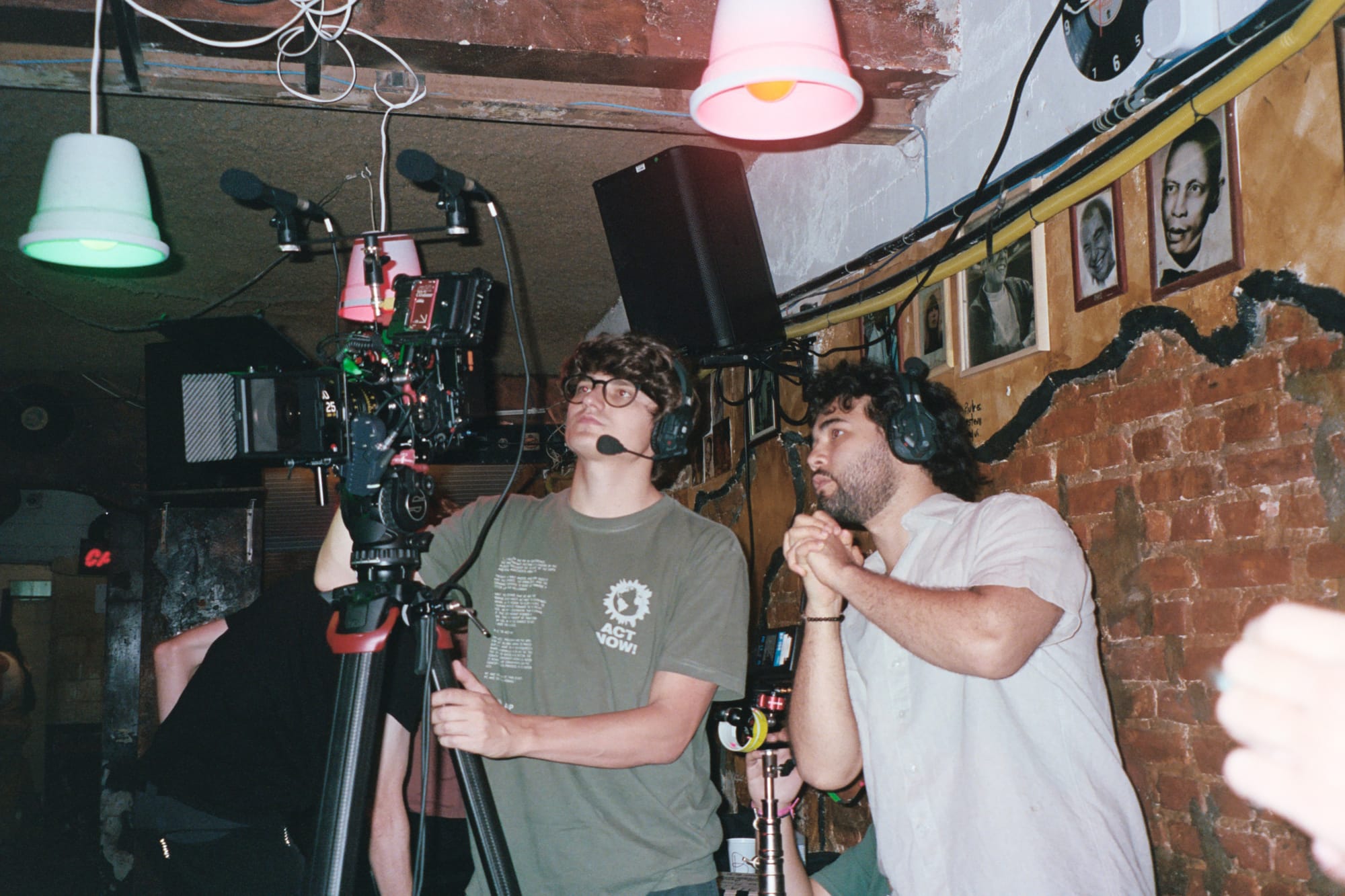
The biggest shift was learning to trust the film's emotional rhythm instead of forcing every scene to move the plot forward. I was deeply inspired by Brazilian Cinema de Fluxo, as well as filmmakers like Jean Renoir and Robert Altman, who create meaning through the relationships between people and the feeling of being inside a lived-in world. That encouraged me to embrace moments where characters simply exist together, allowing music, conversation, and the environment to become as expressive as dialogue.
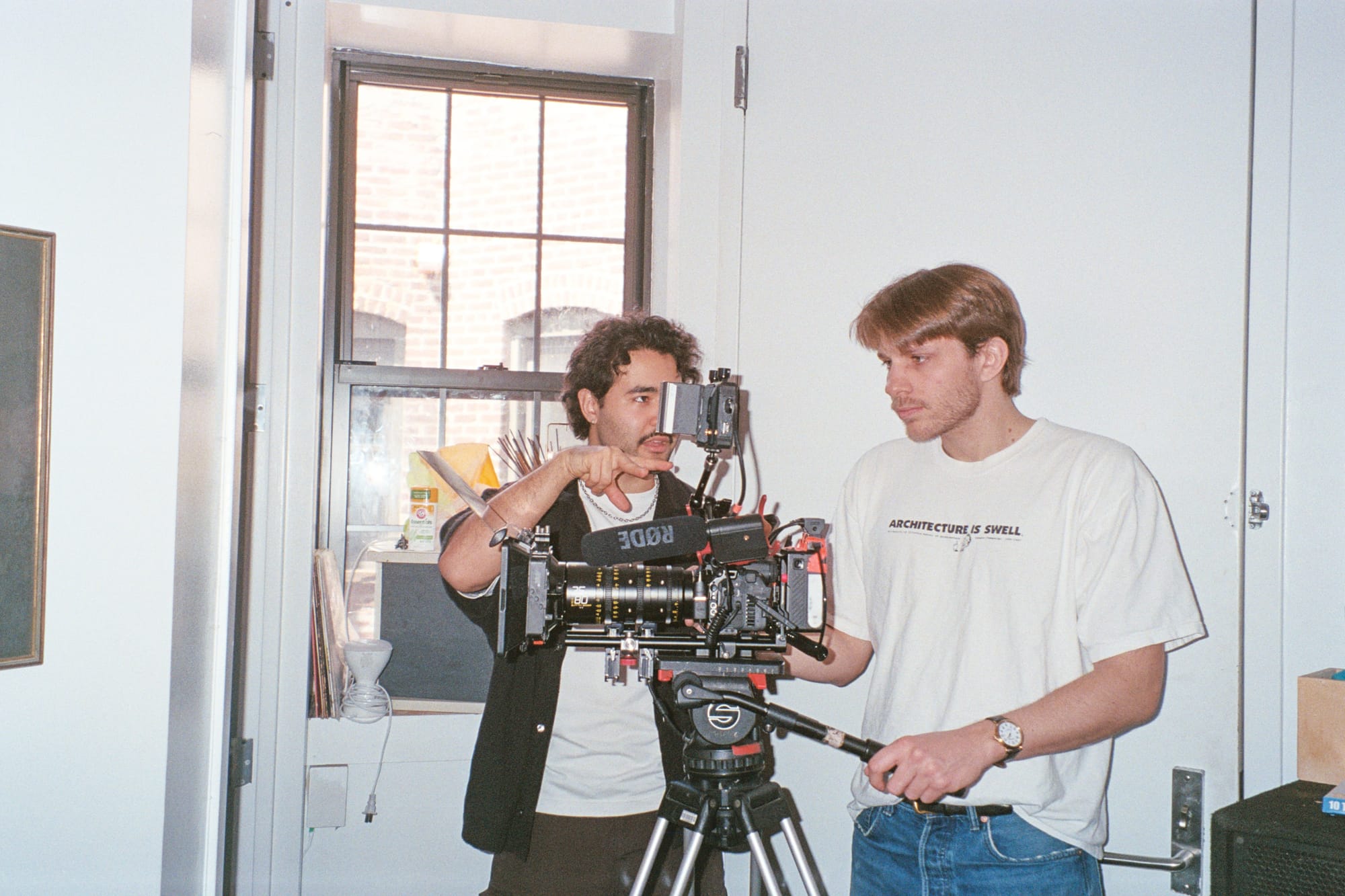
Just as important was learning to trust my collaborators. Because I was directing while playing the lead, I had to rely on my cinematographers, producers, and actors in a way I never had before. The film became stronger because it wasn't just my perspective anymore. It became a conversation between artists from Brazil and the United States, which ultimately reflected the story we were trying to tell.
What does it mean to have your film selected for HollyShorts?
Having São Paulo, New York selected for HollyShorts is incredibly meaningful because it feels like the film is finding the audience I hoped it would. I made this project as a deeply personal exploration of identity, belonging, and the questions I was asking myself while living between Brazil and the United States. To have it premiere at a festival that has championed so many emerging filmmakers is both an honor and an exciting opportunity to share those questions with people from around the world who may see parts of their own lives reflected in it.
More than anything, I'm looking forward to the conversations the film might start. The questions that inspired São Paulo, New York don't have simple answers, and I hope sharing the film here creates the opportunity to hear how people from different cultures and backgrounds respond to them.
Where do you see this film going next?
I hope São Paulo, New York continues its festival journey and has the opportunity to connect with audiences in Brazil, where I think many of its questions about identity and belonging will resonate in a different way. I'm also excited for its upcoming screening at the Nashville International Film Festival, where the city's rich musical culture feels like a fitting home for the film.
Beyond this project, São Paulo, New York has given me a clearer sense of the stories I want to tell. I'm currently writing my first feature, which also unfolds across Brazil and the United States and uses music as a central narrative force, this time through the lens of a love triangle. In many ways, it continues the questions this film began asking, but on a larger canvas.
Main Cast & Crew
- Eduardo Machado — Writer, Producer, Director, Lead Actor
- Talia Lugacy — Executive Producer (Independent Spirit Award-nominated filmmaker and Guggenheim Fellow, who mentored Machado at The New School)
- Max Velloso — Lead Actor, Original Music (actor and arts educator, born and raised in São Paulo and the coast)
- Nory Aronfeld — Supporting Actor (Rapper), Original Music (Saudi-American rapper, producer, and composer)
Filmmaker Opportunities
💛 Fund your next project with fiscal sponsorship
Have a project in the works? As a 501(c)(3) nonprofit, the Cinematography for Actors Institute can accept tax-deductible donations on your film's behalf — a door-opener for grants, foundations, and supporters who want to back your work. We've serviced over 100 projects to date and helped route over $800,000 in funding to filmmakers. Explore fiscal sponsorship → You can also catch our 3rd annual financing panel at HollyShorts.
📬 Grant deadlines and festival opportunities, straight to your inbox
The CFA newsletter rounds up grants, festival calls, and community news for independent filmmakers — the kind of opportunities that are easy to miss and painful to miss. Join the newsletter →
🎬 Focus on the creative — we'll help with the logistics
Production Management, CFA's newest member program, launches this November: production insurance and workers' comp, payroll, film permits, gear rental coordination, SAG-AFTRA compliance, contract drafting, production consulting, and crew recommendations — handled by a team of working filmmakers, à la carte or all in, in partnership with Creative Access Group. It's waitlist-only until launch. Join the waitlist →
League of Filmmakers is published by our parent organization, the Cinematography for Actors Institute — a 501(c)(3) dedicated to education, community, and capital for underrepresented filmmakers and actors. Learn more about CFA →