Table of Contents
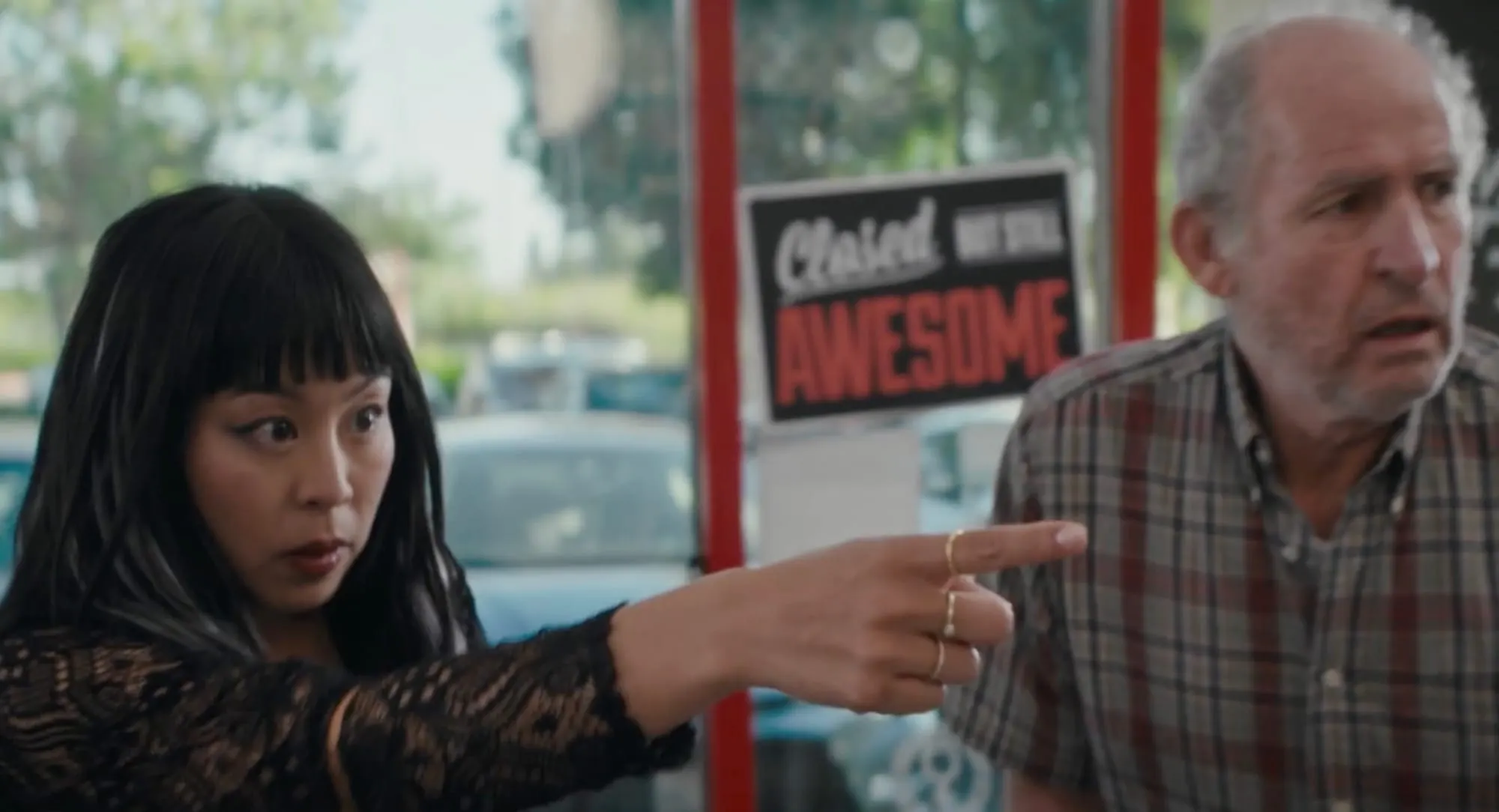
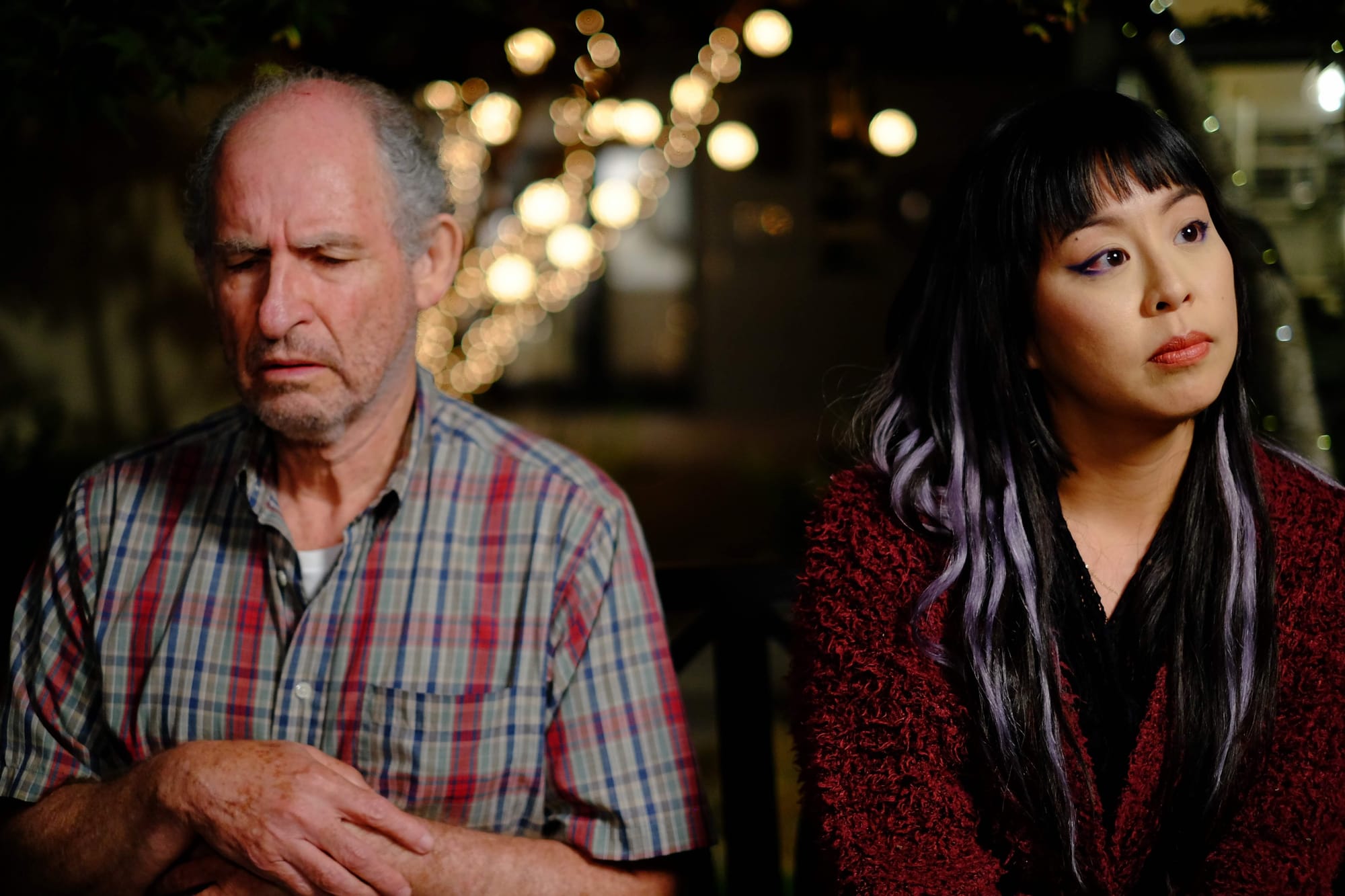
Saverio begins with a jolt: a young Korean American influencer, Mae, discovers Saverio, an elderly Mexican man with the beginnings of dementia, abandoned in her car. Already late to a career-making networking party, Mae has to choose between her ambition and this stranger who has been "granny dumped." What follows is a quirky, tender dramedy that Ancui calls a "coming of aging" story — a physical and emotional road trip toward compassion.
Ancui built the film around a real horror she witnessed while grocery shopping, when she saw an old man abandoned outside a store. Her research revealed a global pattern rooted in fractured family structures and broken health care systems. Saverio holds that hard subject with humor and deep feeling, insisting that caregiving, in its simplest form, is just showing up.
Key Takeaways
- Saverio dramatizes "granny dumping," a real and global form of elder abuse, through a comedic yet heartfelt lens.
- The film spans several generations and multiple locations, refusing the confines of a single-room short to make its story a genuine journey.
- Ancui is expanding the world of Saverio into a feature, alongside a Substack and podcast that keep the conversation about aging going.
A conversation with Ellen Ancui about the film's origins, its risks, and where the story goes next.
Interview
What drew you to make this film, and why this story, why now?
I made this short film to shine a light on a form of elder abuse called "granny dumping." I experienced this firsthand while grocery shopping, when an old man was abandoned in front of the store. The store manager reassured us that it was taken care of, but I was horrified. When I researched this, I quickly learned that this is in fact a global issue, resulting from modern disparate family structures and broken health care systems.
At the same time, I had observed that while my three teen daughters genuinely loved their aging grandparents, they were not comfortable being around them, specifically because of their decline in health. In fact, most people have a hard time caring for and being around old people who have cognitive or physical challenges. Caregivers are unique individuals with the capacity to show up and provide compassionate attention, but not everyone can afford that assistance. Even those with resources face many challenges navigating the systems. My intent with Saverio was two-fold: to bring awareness around the idea of caregiving in the simplest form — just showing up — and to take the audience on a comedic yet heartfelt journey of empathy.
What surprised you most about the filmmaking process, creatively or logistically?
Two things surprised me the most. First was how natural directing felt for me. It brought together all of my talents as a creative and as someone with strong organizational skills and executive functions. But the best surprise was how moved the cast and crew were around the material. Everyone could relate in some way, which gave each person involved a connection, and we could all feel that while making the film.
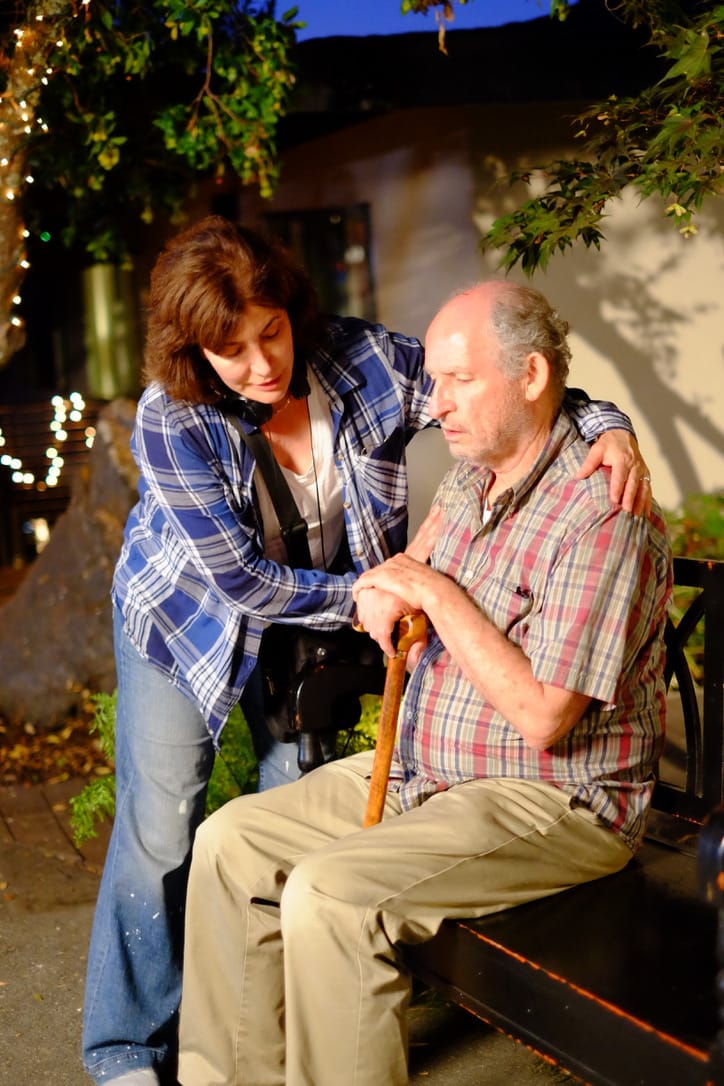
What was the hardest creative decision you made while making the film?
Sticking to our schedule, as both the DP and myself had lost our dads just a week before filming.
What moment in the film feels most like you, or like something only you could have made?
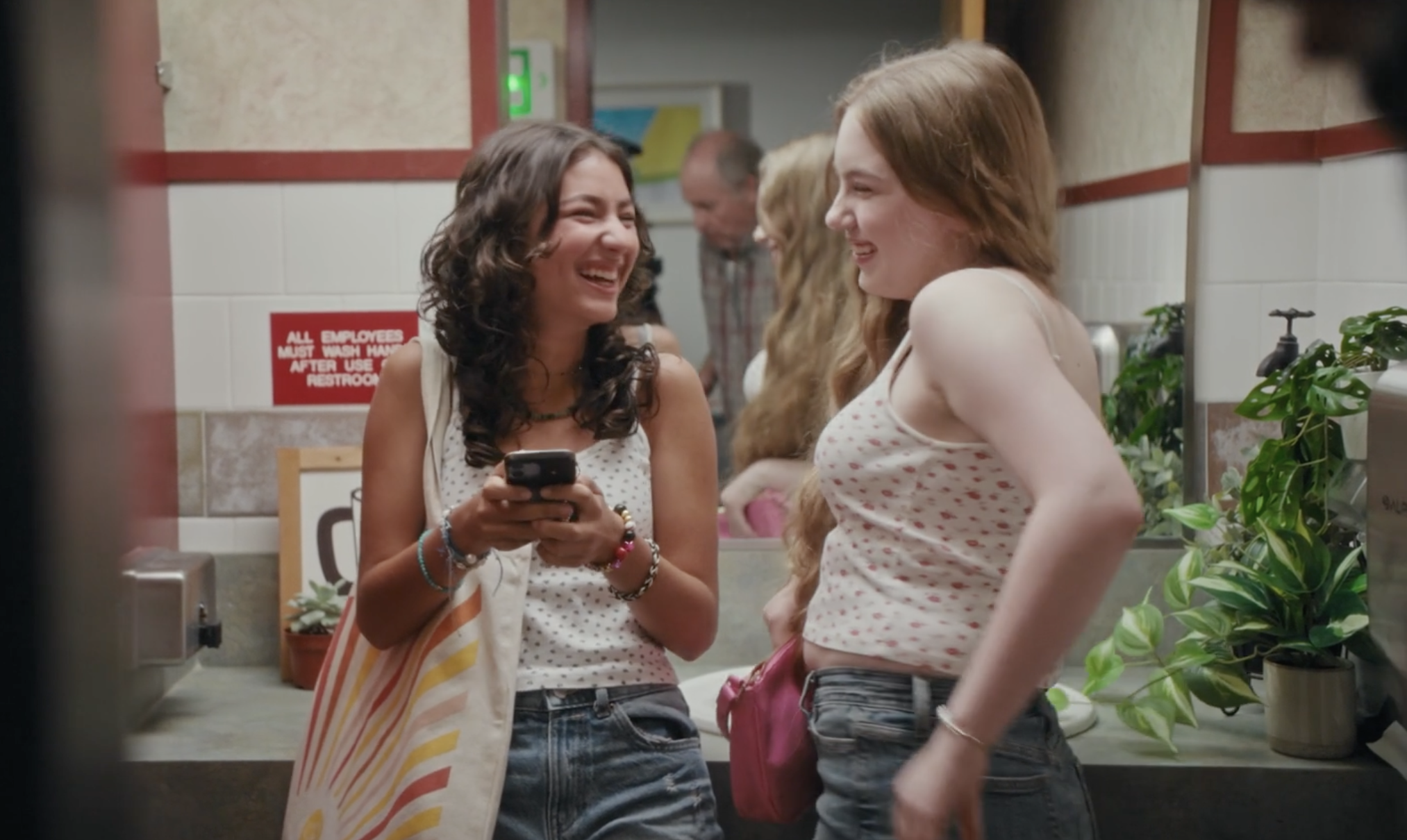
There's a moment when Mae explodes at two teen girls in the bathroom. It's a surprising moment, and the girls respond with a nervous laugh — as does the audience. These uncomfortable moments, which feel truthful to me, are sometimes a risk, but I often opt to take the risk in the hopes that it stirs audiences, or shakes them up a bit, which in turn brings them to a deeper place on the journey.
What tool, technique, resource, or mindset shift helped most during production?
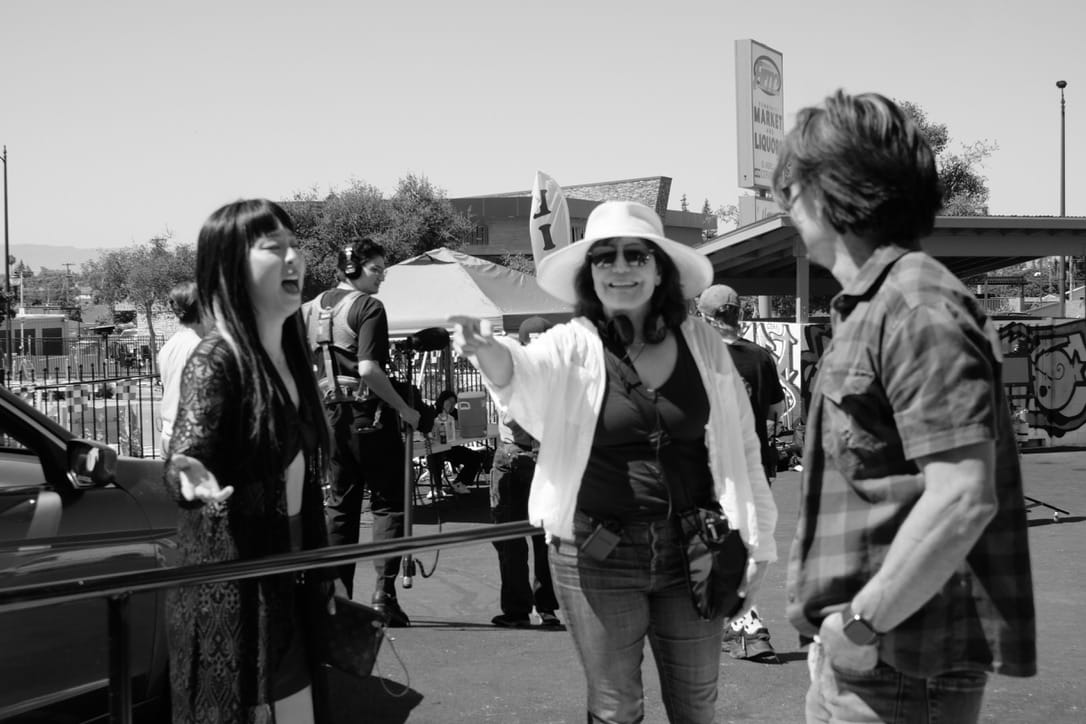
The biggest tool I had in the kit was cheerleading the cast and crew about their talent, and inviting them to contribute. Also, reminding them to be open to all the unexpected surprises of the shoot and to roll with them.
What is the greatest strength of independent filmmaking, and how did you lean into it on this project?
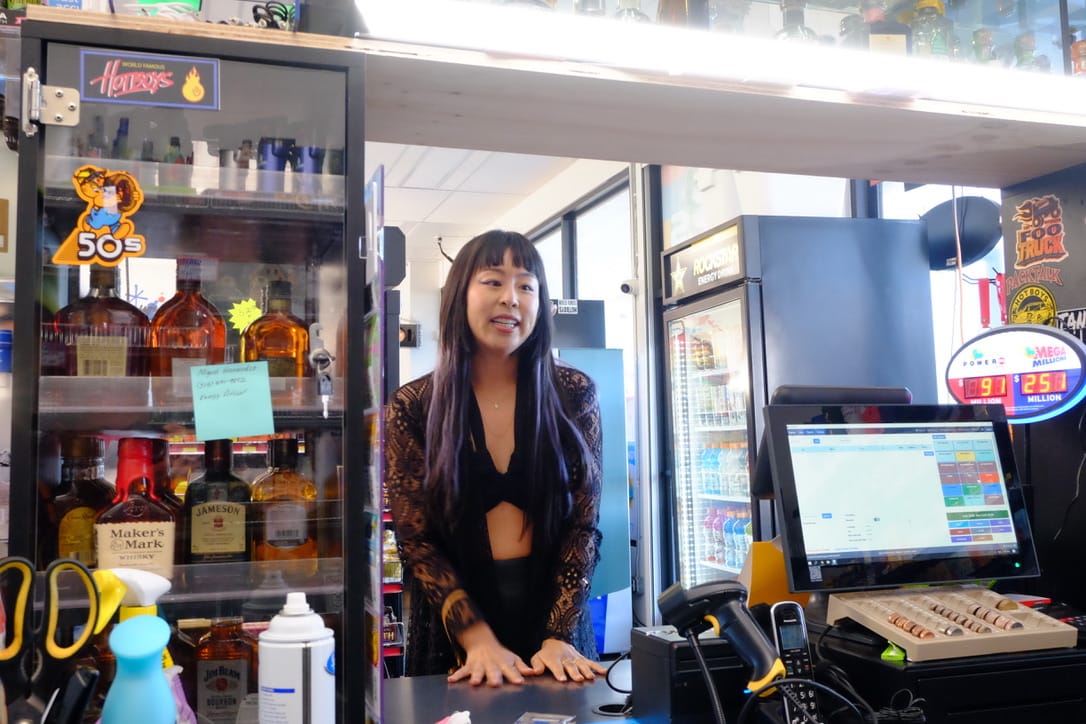
One of the greatest strengths of independent filmmaking is the enormous opportunity to try out big ideas and take risks. I was not going to be confined to a one-room shoot or try to diminish my cast or crew. I needed this story to be a journey, both physical and emotional, so I chose to shoot on several locations, cast a lot of smaller roles, and follow through on the vision. I have no regrets!
What does it mean to have your film selected for The Reel Champions Shorts Fest, and where does the story go next?
I am always thrilled to be part of any organization that uplifts women and non-binary voices. We need more opportunities to be seen and hired in this industry, as our stories are vital! Reel Champions does a great job highlighting gender parity and doing something to change that.
Experiencing how this story has impacted audiences, I realized we need to keep this conversation going. The feature version of Saverio continues the specifics around "granny dumping," and I'm also developing another short film around caregiving. I see the feature as a co-production with a Korean film company, as well as senior and caregiving organizations in the US. Beyond that, I started a Substack called Aging Fearlessly, and a podcast about sex and wellness for women of a certain age called Filthy MILFs — and it has reached more than just women. Men like it too! At the core of all my work is a desire to stir audiences with humor and heartbreak. I want all audiences to have candid conversations around caregiving, and I want younger audiences to feel more empathy around older people and those who are caregivers.
Main Cast & Crew
- Learn more at saveriothefilm.com
Filmmaker Opportunities
💛 Fund your next project with fiscal sponsorship
Have a project in the works? As a 501(c)(3) nonprofit, the Cinematography for Actors Institute can accept tax-deductible donations on your film's behalf — a door-opener for grants, foundations, and supporters who want to back your work. We've serviced over 100 projects to date and helped route over $800,000 in funding to filmmakers. Explore fiscal sponsorship →
📬 Grant deadlines and festival opportunities, straight to your inbox
The CFA newsletter rounds up grants, festival calls, and community news for independent filmmakers — the kind of opportunities that are easy to miss and painful to miss. Join the newsletter →
🎬 Focus on the creative — we'll help with the logistics
Production Management, CFA's newest member program, launches this November: production insurance and workers' comp, payroll, film permits, gear rental coordination, SAG-AFTRA compliance, contract drafting, production consulting, and crew recommendations — handled by a team of working filmmakers, à la carte or all in, in partnership with Creative Access Group. It's waitlist-only until launch. Join the waitlist →
League of Filmmakers is published by our parent organization, the Cinematography for Actors Institute — a 501(c)(3) dedicated to education, community, and capital for underrepresented filmmakers and actors. Learn more about CFA →