Table of Contents
Hannah Aslesen wrote Scissors because she'd never seen queer women represented fully in horror — not as the one queer friend, not as a side character, but as an entire ensemble, head to toe, navigating chaos and danger together. The result is a horror-comedy where the final girls show up in the first act and never stop swinging.
Directed by Hannah Alline and making its Los Angeles premiere at HollyShorts after Audience Awards at Overlook and Chattanooga and Best Ensemble at RiverRun, Scissors is brutal, funny, and cathartic — a bachelorette weekend that turns a bitter loner's revenge fantasy into a very bad call.
Key Takeaways
- Scissors leads with the slasher's classic trope, plays it straight for four minutes, then subverts it by handing its queer ensemble real depth and real hilarity.
- The film was born at a lunch table, when a snarky waiter arrived unnoticed by a group too busy bickering to look up — the seed of "we're stronger together than we are apart."
- Aslesen and director Hannah Alline built the film's tonal twist in the edit, letting the opening breathe with no comedic release until the women arrive.
Here's Hannah on friendship, grit, and the joy of the big swing.
Interview
What drew you to make this film, and why this story, why now?
What drew me to make this film was simple: I hadn't seen queer women represented fully in horror. Not as the one queer friend, not as a side character, but as an entire ensemble — five queer women, head to toe, navigating chaos, mess, and resilience in the face of real danger.
The idea for Scissors was born about a year ago at lunch with some queer friends. A waiter who'd been more than a little snarky toward our table walked up to take our order, and we were so busy bickering with each other that none of us even noticed him arrive. I remember thinking, "Someone could have a gun to our heads right now and we still wouldn't be able to get out of our own way." That was it. That was the movie.
So I wrote a fun, punchy horror-comedy about queer friendship in all its glory: the bickering, the chaos, the camp, and underneath it, the grit. The theme is simple — we're stronger together than we are apart. As for why now, I think we need this reminder more than ever. When something is trying to silence us or diminish who we are, we come together. At its core, this is a story about coming together against something that wants to silence us. In Scissors, that something is the patriarchy, personified by a redneck killer named Terry. And honestly? We'd rather slice it wide open than accept it.
What surprised you most about the filmmaking process?
What surprised me most was how much the story came together in post. When I wrote Scissors, I had a clear picture of where it was going. But in the edit room, it took on a new life entirely. That's the beauty of my creative partnership with our director, Hannah Alline. Two strong, distinct voices meant we could collaborate — and yes, bicker — our way toward the best version of this story.
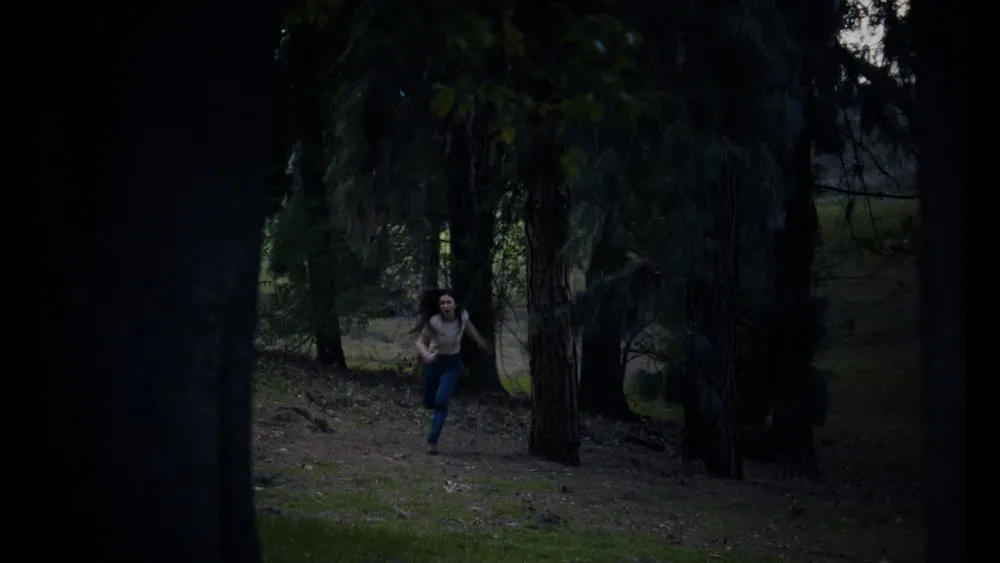
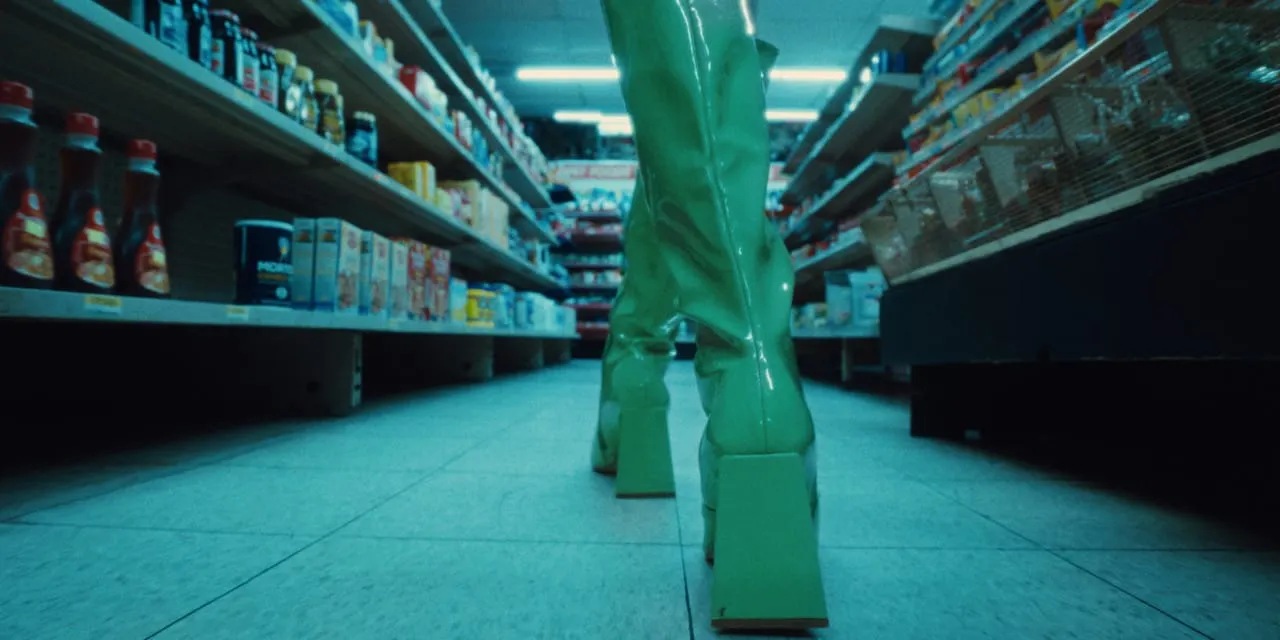
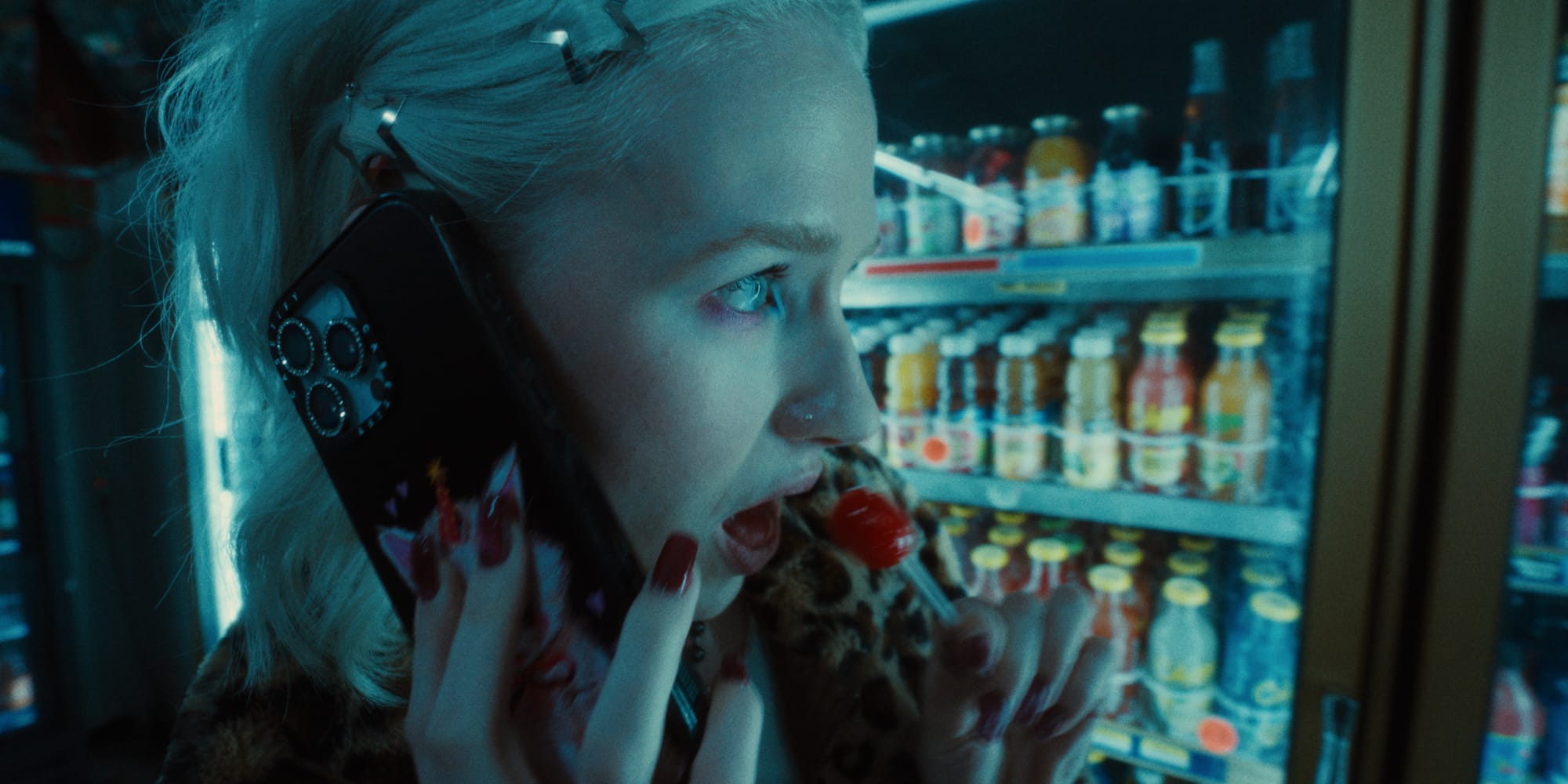
One specific moment changed everything for me: the first three minutes. I'd originally written it more comedically, with jokes sprinkled in early to break the tension. Hannah pushed back and insisted we play it as a true slasher instead — let the opening breathe, let the tension build with no comedic release, so that when we finally arrive at the women in the cabin, it lands like an exhale. A tonal twist the audience doesn't see coming, because they've been fully invested in the chase and the dread leading up to it. She was right.
So what surprised me most, as a writer, was realizing how much storytelling still happens after you wrap. It never really stops — not from the first day of writing to the last day on set to even now. We still watch our little film and think, "we could tighten this." Because we love this thing so much, we can't quite let her go.
What moment in the film feels most like you, or like something only you could have made?
The dialogue. As a longtime comedian across stand-up, improv, and sketch, dialogue has always felt like my baby. I love building distinct voices and giving them room to reveal who these characters are just by how they talk.
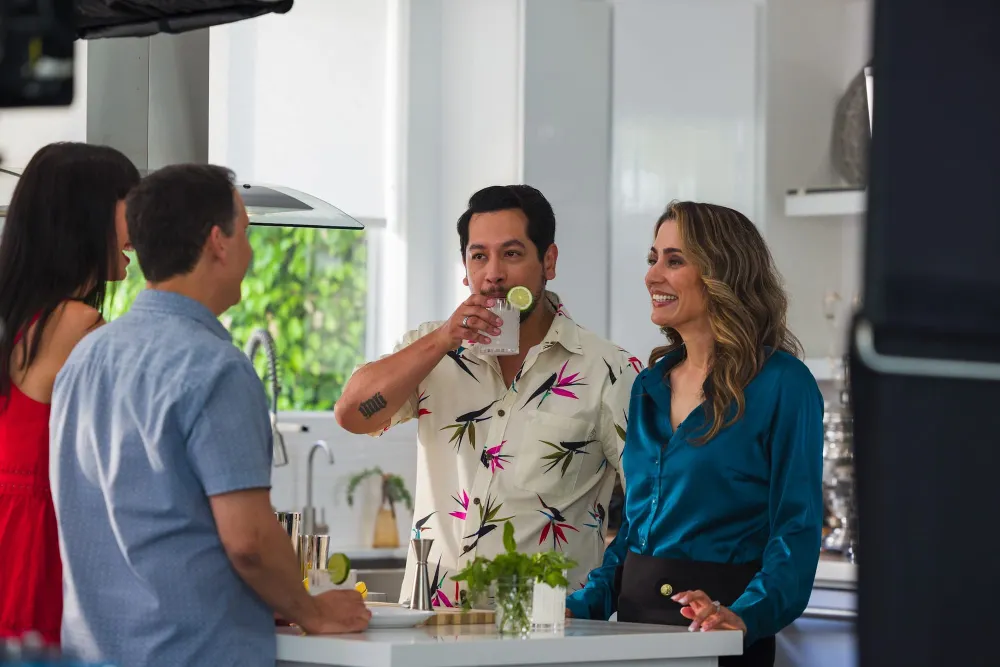
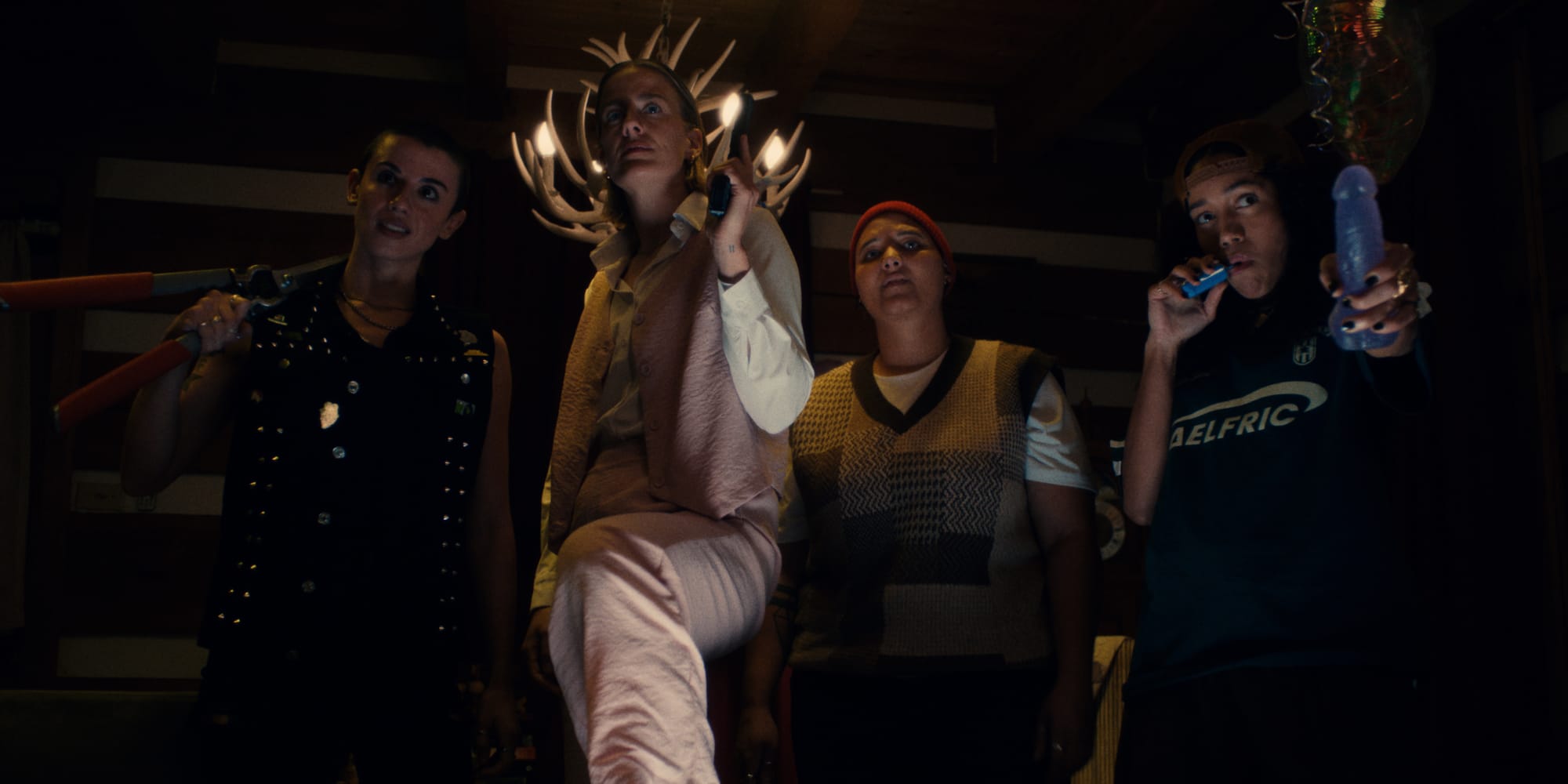
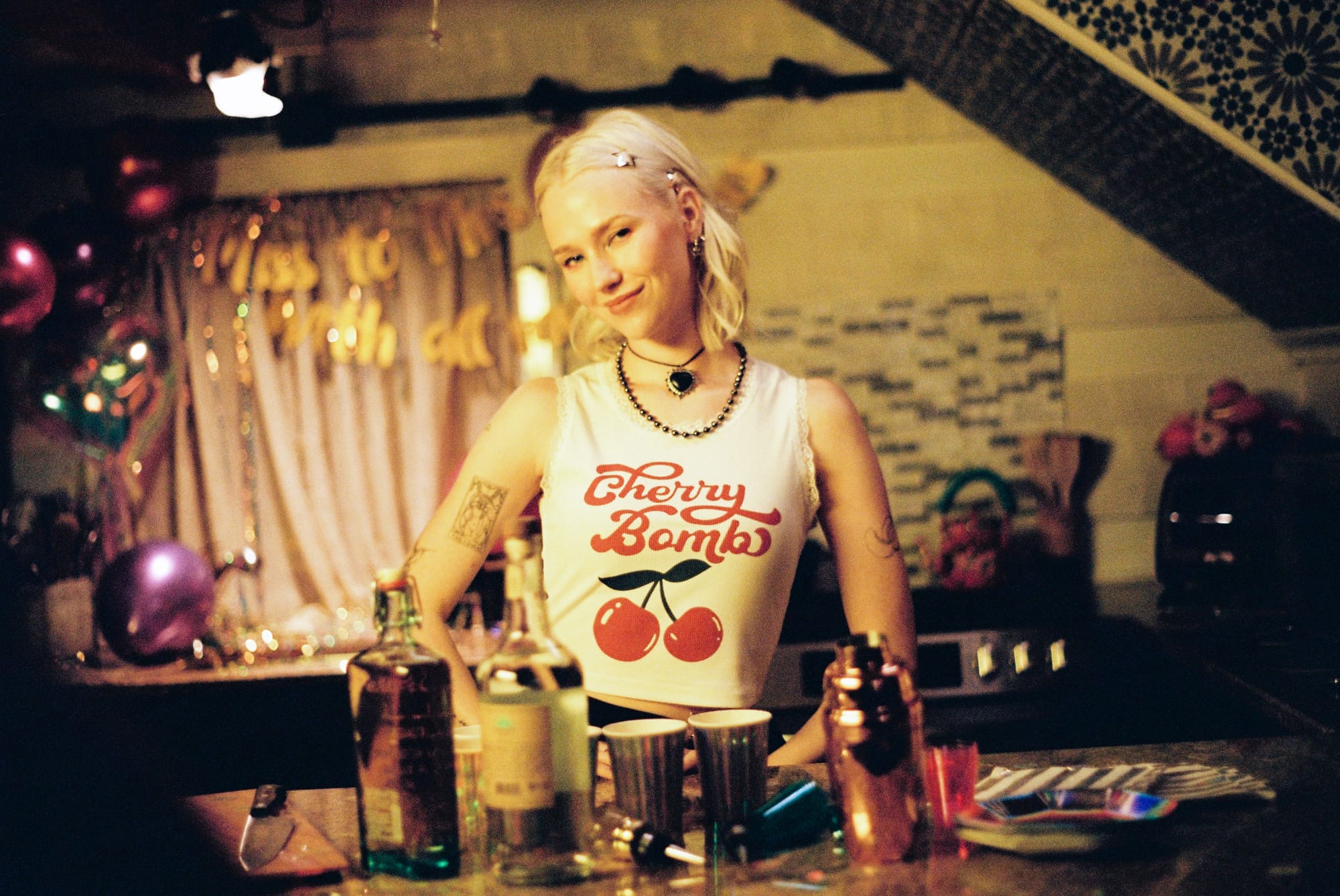
So when the reveal happens and we finally meet our gang, that's the moment I love watching most. The pacing, the overlapping, the bickering, the way they talk over and through each other — that's the sandbox I feel most at home in. People will tell us, "the audience was laughing so hard I think we missed a joke or two," and honestly, that's exactly what I want. In real life, we don't pause and wait for our friends to finish laughing — we're overlapping, we're already onto the next thing. I wanted the film to feel like that. Like you, the audience, are part of the group, just trying to keep up.
My personal favorite line: "And you... I dono what the fuck your deal is. You look like a little grown boy." We pan over to see Ryann, our masc golden retriever, dressed head to toe like a boy at a country club.
What was the hardest creative decision you made while making the film?
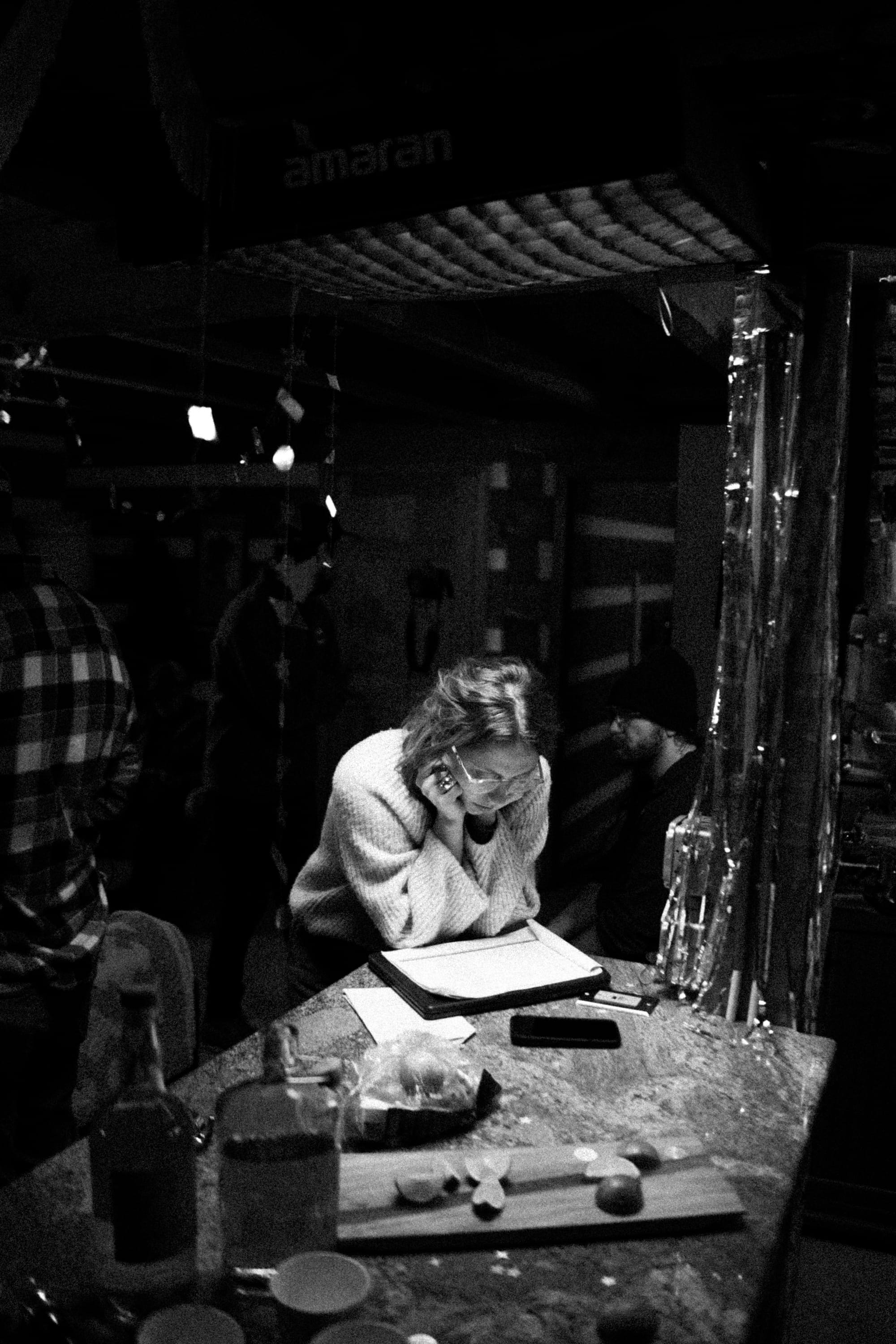
Adding an extra half day of filming. Mid-shoot, we hit a weather delay that tore through our outdoor schedule — a huge problem for me and the other producers to solve. Do we use what we already had and hope we could still tell the story right? Or do we scrape together the money, as broke independent artists, to add an extra half day and make sure the full vision landed?
It hurt our pockets, but none of us could live with leaving part of this story untold. So we made it work — picked up some extra freelance work to cover the gap and found a way through. That's the beauty and brutality of indie filmmaking: there's no one coming to save you. You have to save yourself, and your creative darling, with your own two hands. It gave us the footage the film needed to breathe — the room it needed to become the film it is now.
What tool, technique, resource, collaborator, or mindset shift helped most during production?
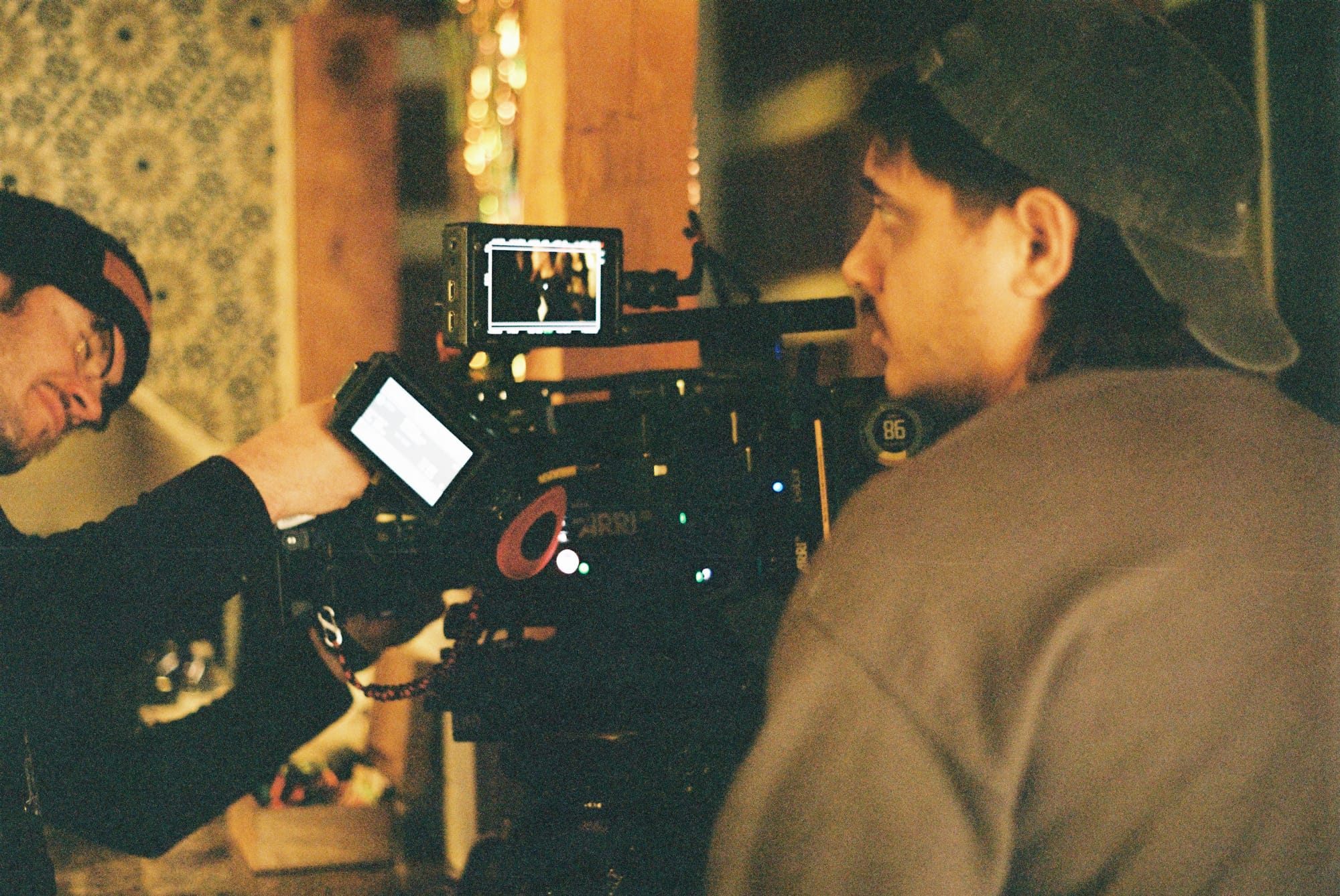
Quite frankly, she's a tool and a collaborator and a resource: our director, Hannah Alline. She became my rock throughout this entire process — my sounding board for new ideas, my pushback when I was being stubborn about a joke or a timing choice, my educator when I didn't know something, and my confidant when things got overwhelming.
Filmmaking is hard, and short filmmaking might be the biggest labor of love there is. There are hundreds of tools you can buy to help make a film great. But you cannot buy a good creative partner. Sometimes you just get lucky and find someone who understands how your brain works and complements your style perfectly, and together you make something like Scissors. That's me — I got that lucky.
What does it mean to have your film selected for HollyShorts?
It's an absolute dream. Getting to have our Los Angeles premiere with HollyShorts is something we've been dreaming of for a long time. We've had the privilege of screening other shorts here in the past, so we know firsthand the significance and value HollyShorts holds. And this is LA — the city of film and TV, the birthplace of creative ingenuity and greatness. That's not lost on us for a second.
Getting to share this short with our friends and family, and with the creative colleagues and filmmakers we admire most, is one of the greatest gifts we could ask for. And honestly, just thinking about watching our little film up on the screen at the iconic TCL Chinese Theatre gives me literal goosebumps.
Where do you see this film going next?
A feature, baby! Scissors has shown me just how hungry the world is for horror comedy — especially queer-driven horror comedy. Horror has always been brilliant at blending trauma, history, fear, and reality all at once. Audiences want to feel something: grief, fear, love, longing, satisfaction. Horror can deliver all of that and still make you laugh your ass off, and that combination is exactly where I want to live as a filmmaker.
I want to make films that touch on the real, hard things happening in society today — especially within female and queer spaces — and amplify them with laughs, blood, and guts in equal measure. At the end of the day, I want to tell stories that matter but also flip audience expectations on their head. At the core of all my work is a desire to make people laugh, and then make them ponder.
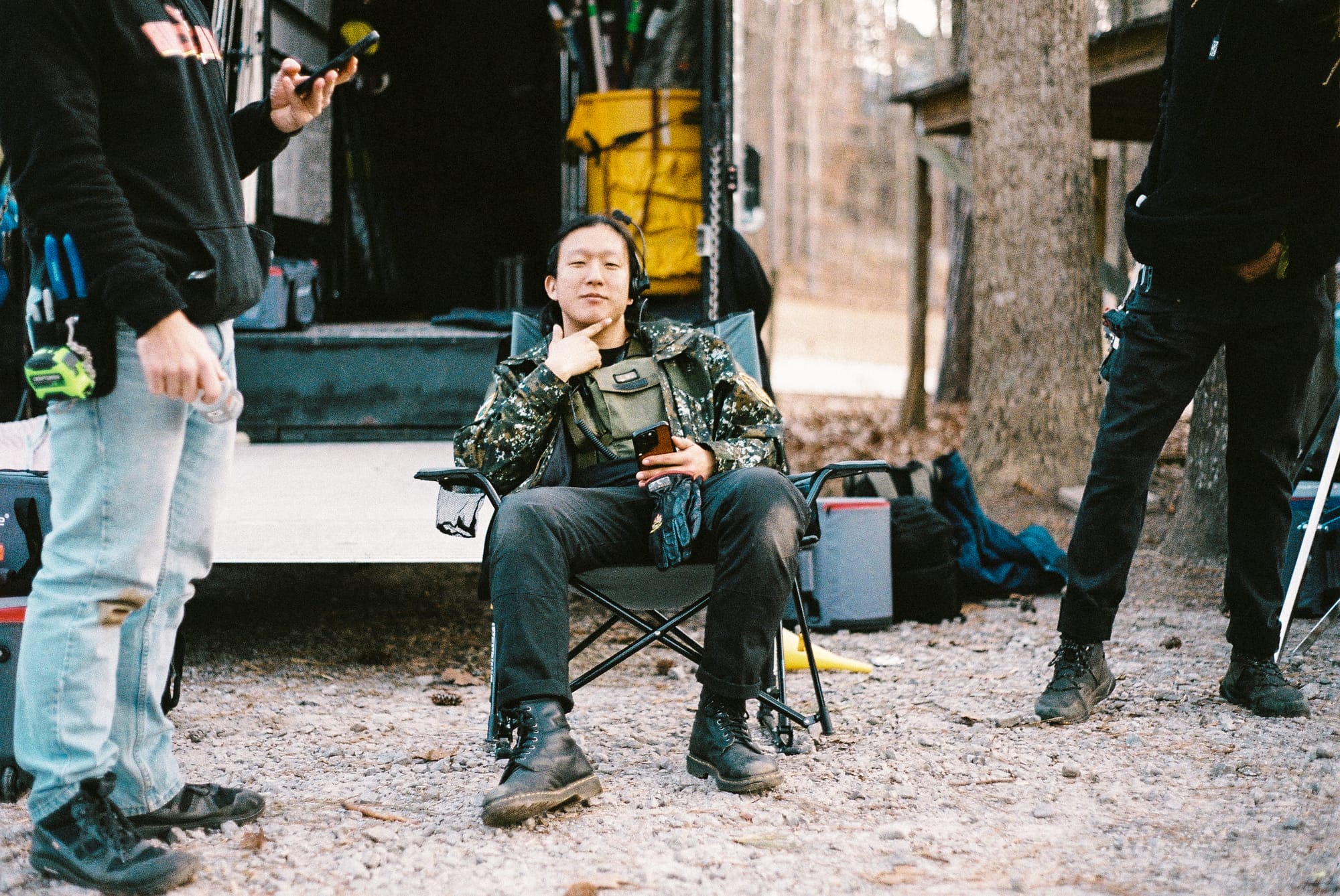
Main Cast & Crew
- Ethan Embry — Cast
- Jenna Kenall — Cast
- Georgia Bridgers — Cast
- Najah Bradley — Cast
- Anissa Matlock — Cast
- Hannah Rae Aslesen — Cast & Screenwriter
- Hannah Alline — Director
- Andrew Hunter — Producer
- Tim Reis — Producer
- Kristian Zuniga — Director of Photography
- Andrew Wiley — Editor
Filmmaker Opportunities
💛 Fund your next project with fiscal sponsorship
Have a project in the works? As a 501(c)(3) nonprofit, the Cinematography for Actors Institute can accept tax-deductible donations on your film's behalf — a door-opener for grants, foundations, and supporters who want to back your work. We've serviced over 100 projects to date and helped route over $800,000 in funding to filmmakers. Explore fiscal sponsorship → You can also catch our 3rd annual financing panel at HollyShorts.
📬 Grant deadlines and festival opportunities, straight to your inbox
The CFA newsletter rounds up grants, festival calls, and community news for independent filmmakers — the kind of opportunities that are easy to miss and painful to miss. Join the newsletter →
🎬 Focus on the creative — we'll help with the logistics
Production Management, CFA's newest member program, launches this November: production insurance and workers' comp, payroll, film permits, gear rental coordination, SAG-AFTRA compliance, contract drafting, production consulting, and crew recommendations — handled by a team of working filmmakers, à la carte or all in, in partnership with Creative Access Group. It's waitlist-only until launch. Join the waitlist →
League of Filmmakers is published by our parent organization, the Cinematography for Actors Institute — a 501(c)(3) dedicated to education, community, and capital for underrepresented filmmakers and actors. Learn more about CFA →