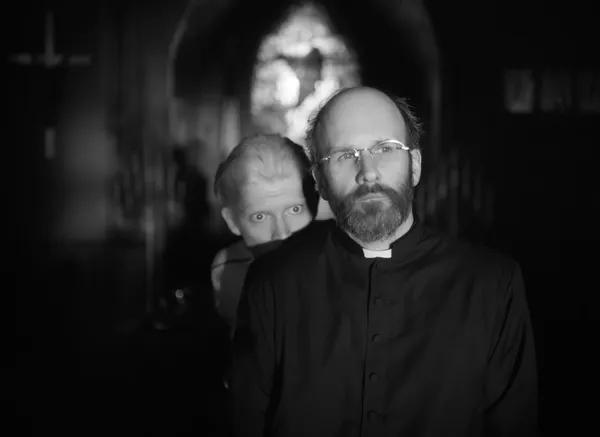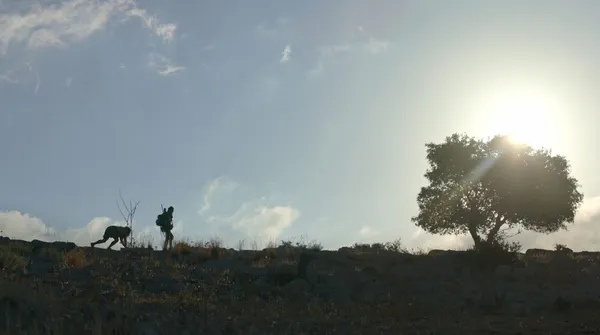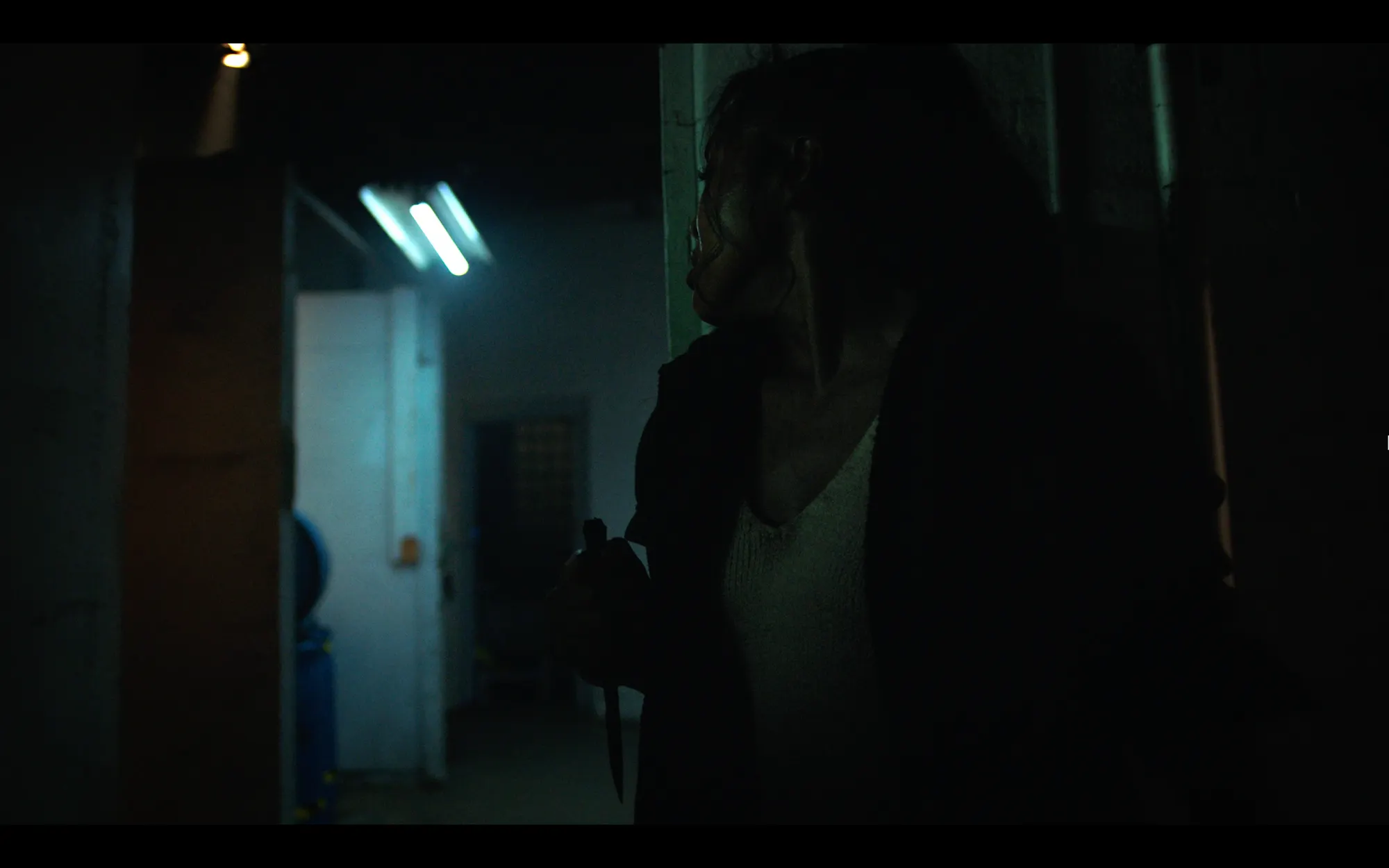
Shoot Day began with a setback. Director Lydelle Jackson was in pre-production on a drama short when his lead actress broke her foot. Rather than cancel, with a team already assembled and rentals booked, he called a friend and asked whether they could pull off a long-take action film in two weeks. The result screens at FilmQuest: a tense, confined mission in which an outgunned crew fights against all odds as mounting pressure and dwindling resources threaten their survival. Just as the tension peaks, the story turns and reveals deeper layers beneath the surface.
Shot in one night between 8pm and midnight, with no cuts to hide behind, Shoot Day is as much about the people making it as the story it tells. Jackson calls it an exercise, one of a series of shorts meant to "sharpen my blade" before his feature. It is also a love letter to production itself, and to the stunt actors who throw themselves into it. When asked to complete the sentence "At the core of all my work is a desire to ______," he answered simply: "be brave for once."
Key Takeaways
- Shoot Day was conceived, prepped, and shot in about two weeks after a scheduled drama fell through, and filmed as a single continuous take over a four-hour night window.
- With no room to cut, the only real flexibility in post came from sound design. The radio gag at the end didn't exist until ADR.
- Jackson put the film's budget in the end credits, a detail he has never seen anyone else include.
Jackson spoke with us about the pivot, the pressure of the one-shot, and the meta-film he still hopes to make.
Interview
What drew you to make this film, and why this story, why now?
I was in pre-production on a drama short when our lead actress broke her foot at her day job. It wasn't simply a matter of recasting, because the story was based on an experience in her personal life. Since we didn't know how long it would take for her to heal, and we'd already built a team, made rentals, and so on, we decided to pivot and just try to shoot something. Anything beat the hell out of canceling the shoot.
At the same time, I'd had an eye on one of my friend's social media posts. In it, he was lamenting about people talking about shooting yet always flaking out. I saw that post and decided to give him a ring: could we, within two weeks, execute a long-take action film? For me, it was an opportunity to gain more experience and celebrate the collaborative effort of film production, especially the stunt actors.
What surprised you most about the filmmaking process, creatively or logistically?
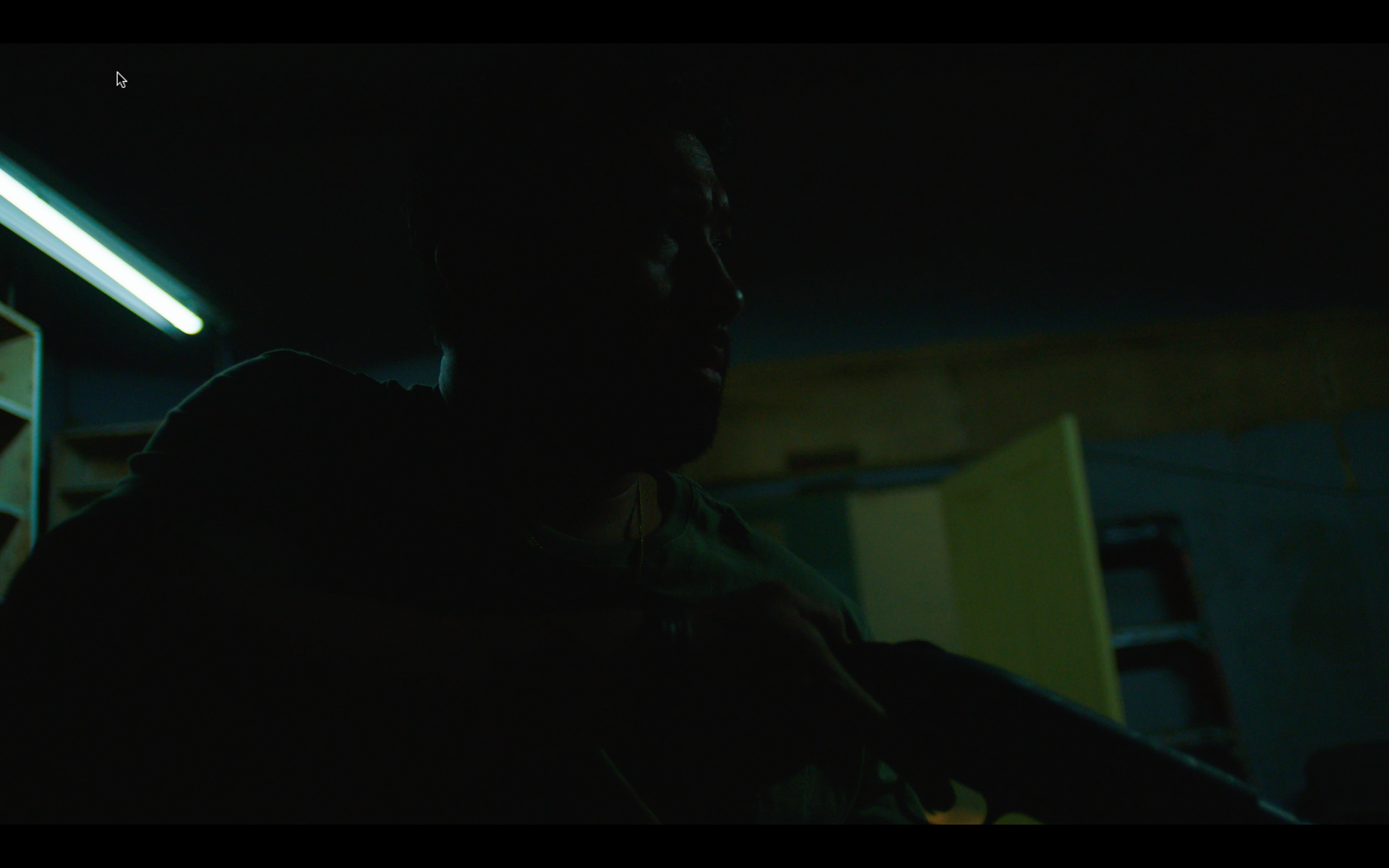
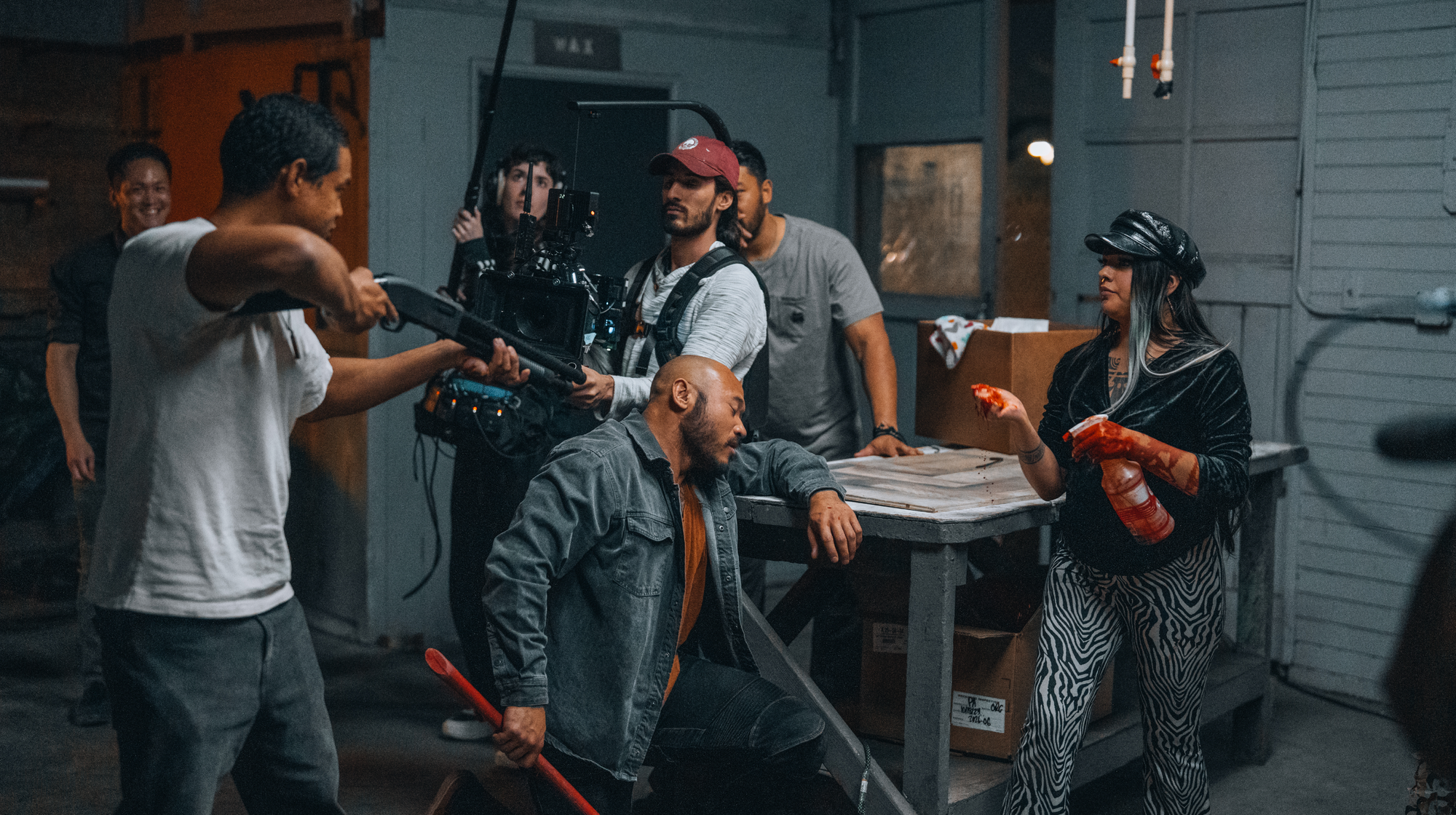
I learned a lot about what goes into filming a long take, especially when it involves action sequences. The amount of coordination needed between departments is insane. You really need a strong production department to pull these things off at a high level.
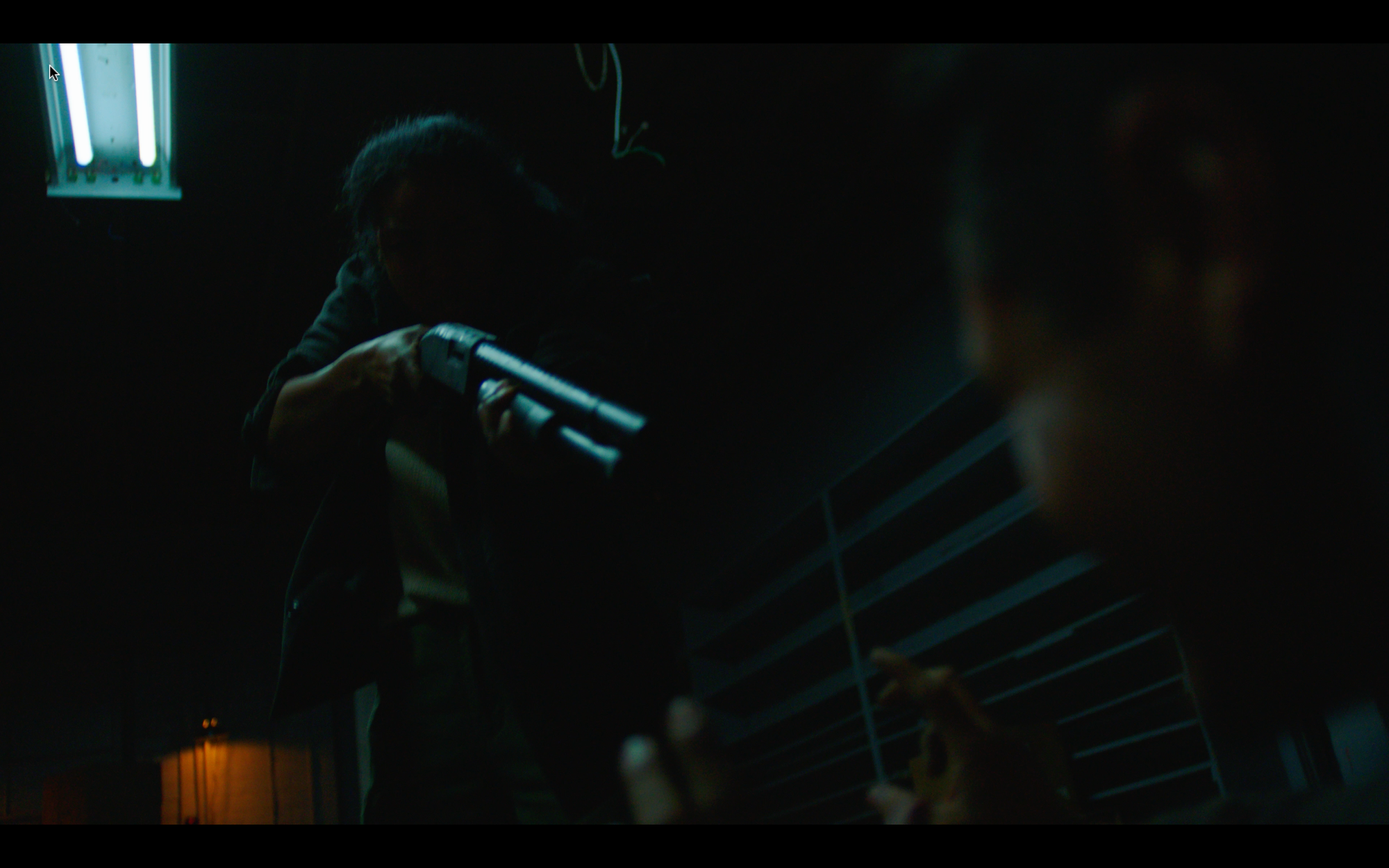
With a one-shot, you pretty much have to commit to the story you're telling and how you're going to tell it, because you can't cut around things. There's not a lot of cheating you can do in post short of a load of VFX or AI. You either got it on camera or you didn't. The actors and camera op either hit their marks or they didn't. There are no pickup shots, no reshoots, no inserts or B-roll. The only area where I had much flexibility to adjust the story was the sound design, because you can introduce elements that aren't necessarily on screen. The little gag at the end with the conversation on the radio didn't really come to fruition until we were doing ADR.
What was the hardest creative decision you made while making the film?
The ending had to be cut short because a crew member had to leave set early. Without them, our hands were tied, so we had to quickly find a way to get an ending without the robustness I'd originally planned. One thing is for sure, though: the short never lingers as a result. It gets to the point without doing too much sightseeing, which is what I'd originally wanted to do: settle into the world, hear a few conversations, and then glide to the end. In the version we have now, the ending comes more immediately, which I think definitely helps it feel like a short.
What moment in the film feels most like you, or like something only you could have made?
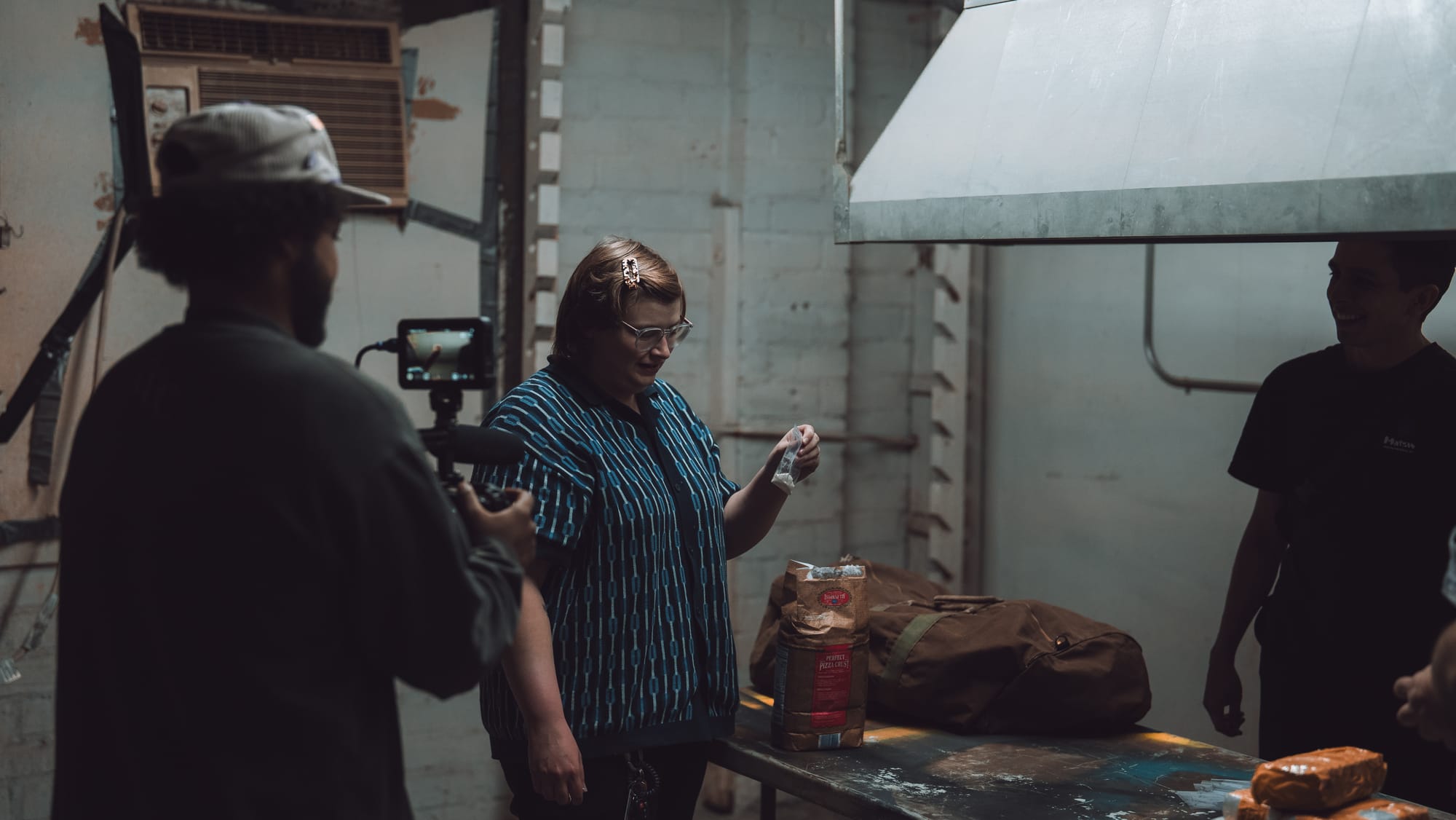
I don't think the film is especially specific to my voice. It was an exercise for me to practice something I'd never done before. If anything, perhaps the meta elements speak to my voice: the idea of worlds within worlds, of flipping perspective. And perhaps the most blatantly weird thing of all is that I put the budget for the film in the credits. I don't think I've ever seen anyone do that before.
No one would ever know this, but the original concept was a documentary about the BTS videographer. It was supposed to be a three-layered project: I direct a short film, Shoot Day; hire a BTS guy; and then bring in a documentarian to document the BTS guy. It was originally going to be a meta, surreal film about him, but that idea fell apart. I didn't have the resources to hold it together, so I wound up with just one layer: Shoot Day, the short film itself.
What tool, technique, resource, collaborator, or mindset shift helped most during production?
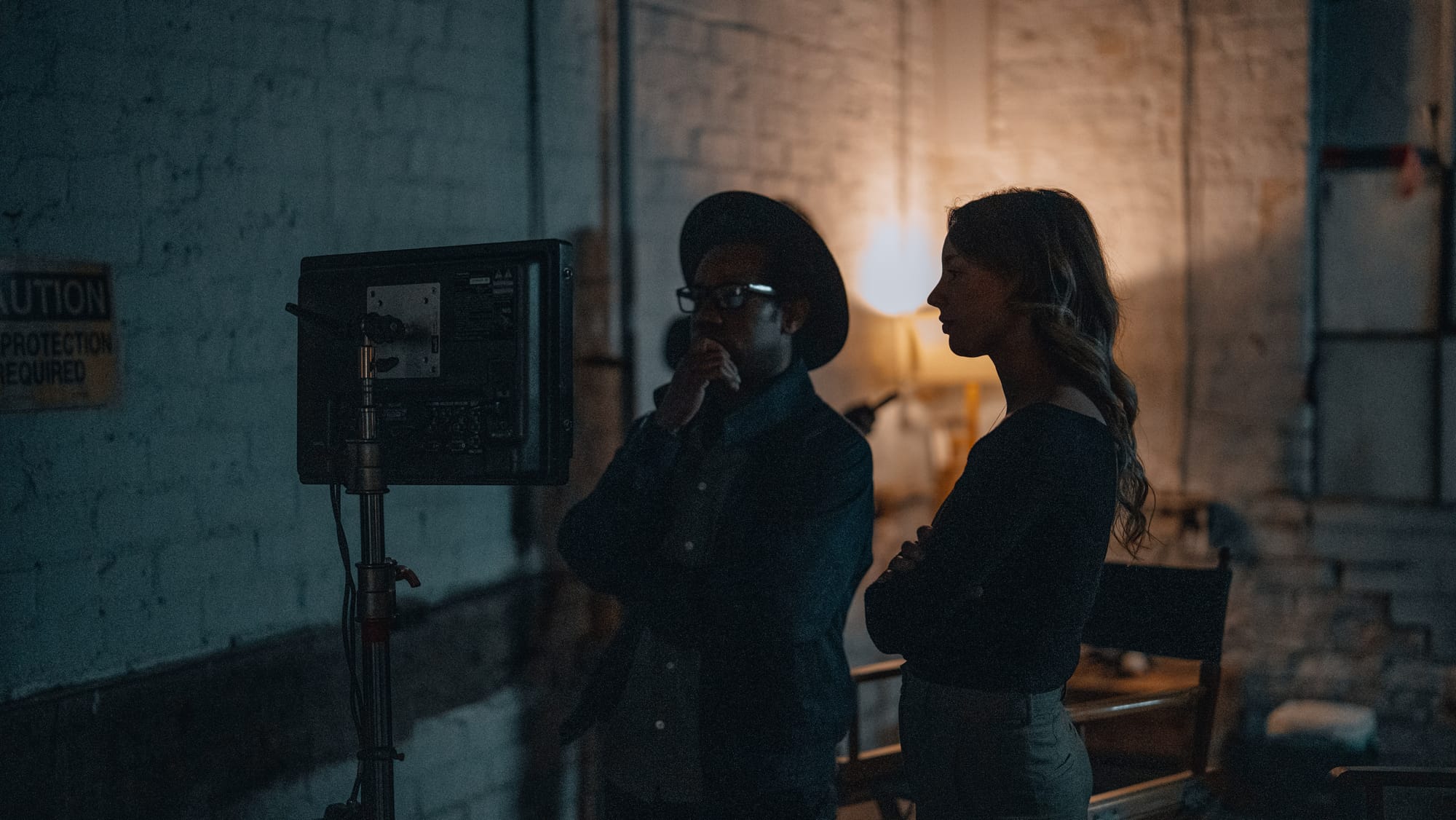
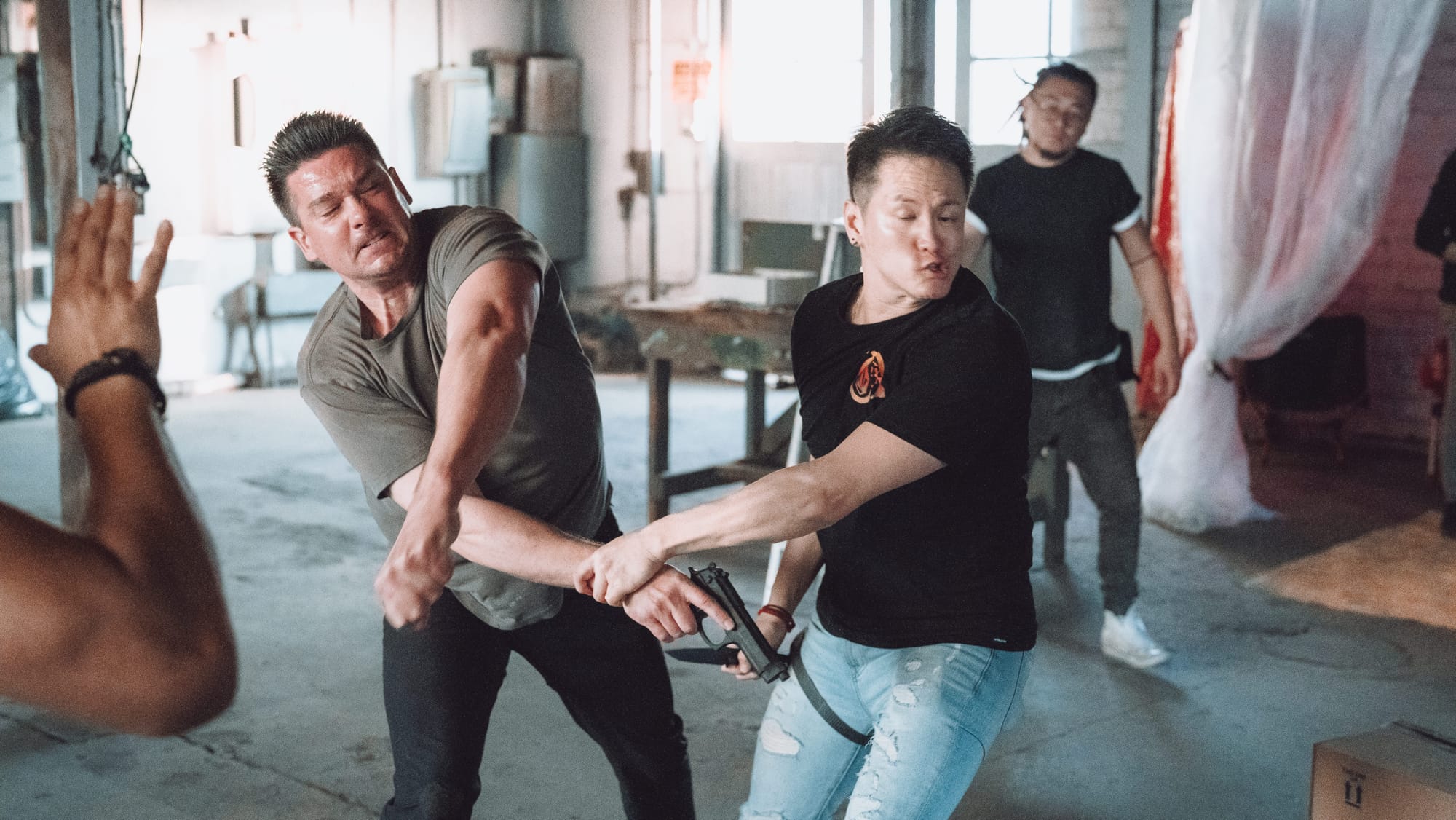
It was a one-day shoot, and since our story took place at night, we could only roll camera from 8pm to midnight. Because the film was a one-shot, we couldn't cheat anything. That made things tough. Luckily, we invested in rehearsals on location the day before, getting the camera movement down with the blocking and choreography. And to their credit, the stunt team was practicing a few days ahead of time at JAM in Van Nuys. That extra time really helped us compress time on set.
What is the greatest strength of independent filmmaking, and what lesson would you share with others?
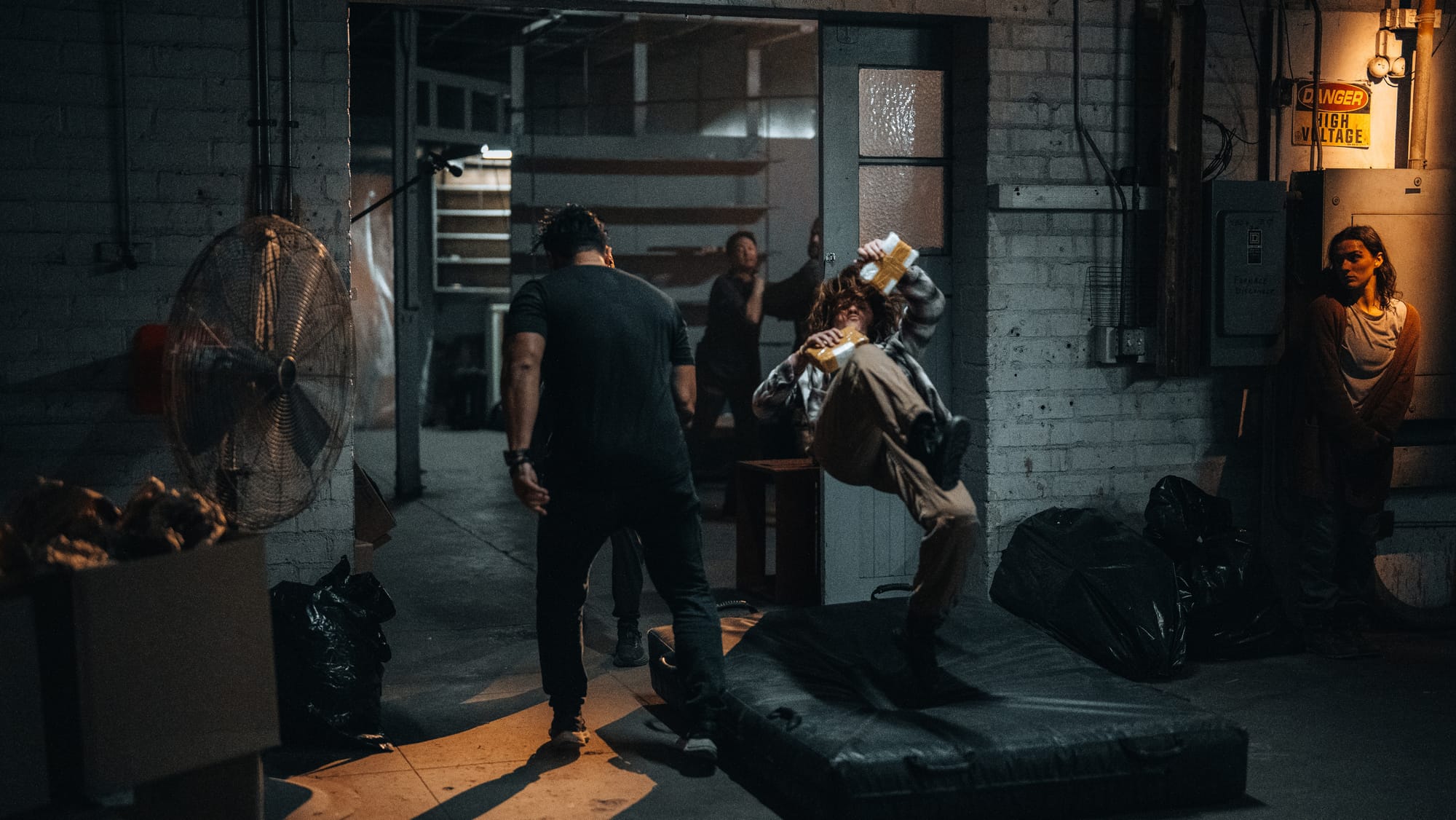
The greatest strength of independent filmmaking is the power of focused, collective passion and camaraderie. With that, challenges can be met, circumstances bested, and together you can reach beyond what you might otherwise have thought impossible. But it takes a sort of selfless submission to the greater good of the project. It takes romanticism. It involves risk-taking and the ability to absorb the blows and transmute them into wisdom.
How has this film shaped the kinds of stories you want to tell next, and what does FilmQuest mean to you?
It's given me a deeper interest in the technique of the long take. I'd like to experiment more with how it can be used dramatically and comedically. It also reinforced that with the right team, you can do a lot with a little, while at the same time not trying to do too much. We succeeded at making a cool action short, but I feel I failed at my original concept of making the documentary about the BTS guy making a film about the production of Shoot Day. So I've got a little unfinished business in terms of the meta level I was hoping to reach. Maybe I'll move past it. Maybe I'll give it another shot.
As for FilmQuest, it means the world to me to be selected. I'm so happy that our film is in the good graces of one of the coolest festivals on the entire planet. Cosmically cool! For all the effort our entire cast and crew put in, I'm so glad their art gets to be shared in such an incredible setting, filled with equally talented artists and a genuinely enthusiastic audience. Next, I'd like to release it online. I'd love for it to make a splash via Short of the Week or an outlet like that.
Main Cast & Crew
- Director: Lydelle Jackson
- Lead Actress: Suzen Baraka
- Lead Actor: Jay Kwon
- Lead Actor and Stunt Coordinator: Kouryou Ngin
- Cinematographer: Mauricio Campodonico
Filmmaker Opportunities
💛 Fund your next project with fiscal sponsorship
Have a project in the works? As a 501(c)(3) nonprofit, the Cinematography for Actors Institute can accept tax-deductible donations on your film's behalf — a door-opener for grants, foundations, and supporters who want to back your work. We've serviced over 100 projects to date and helped route over $800,000 in funding to filmmakers. Explore fiscal sponsorship →
📬 Grant deadlines and festival opportunities, straight to your inbox
The CFA newsletter rounds up grants, festival calls, and community news for independent filmmakers — the kind of opportunities that are easy to miss and painful to miss. Join the newsletter →
🎬 Focus on the creative — we'll help with the logistics
Production Management, CFA's newest member program, launches this November: production insurance and workers' comp, payroll, film permits, gear rental coordination, SAG-AFTRA compliance, contract drafting, production consulting, and crew recommendations — handled by a team of working filmmakers, à la carte or all in, in partnership with Creative Access Group. It's waitlist-only until launch. Join the waitlist →
League of Filmmakers is published by our parent organization, the Cinematography for Actors Institute — a 501(c)(3) dedicated to education, community, and capital for underrepresented filmmakers and actors. Learn more about CFA →