Table of Contents
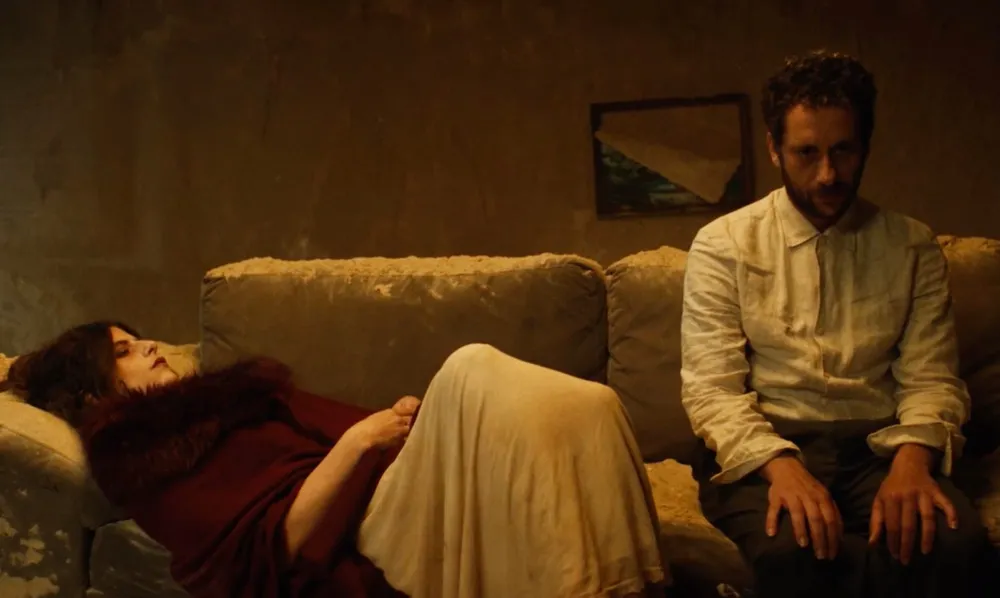
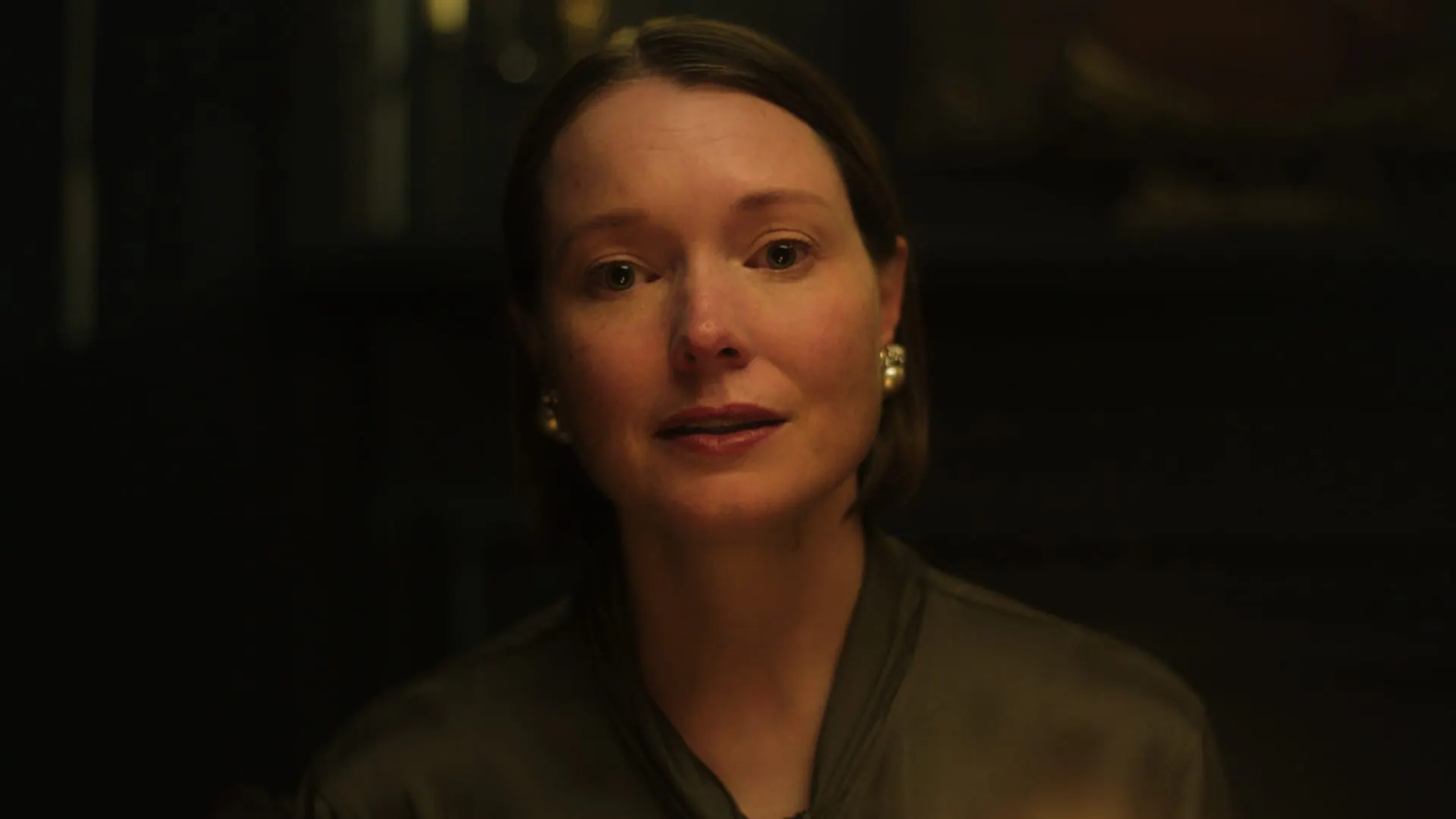
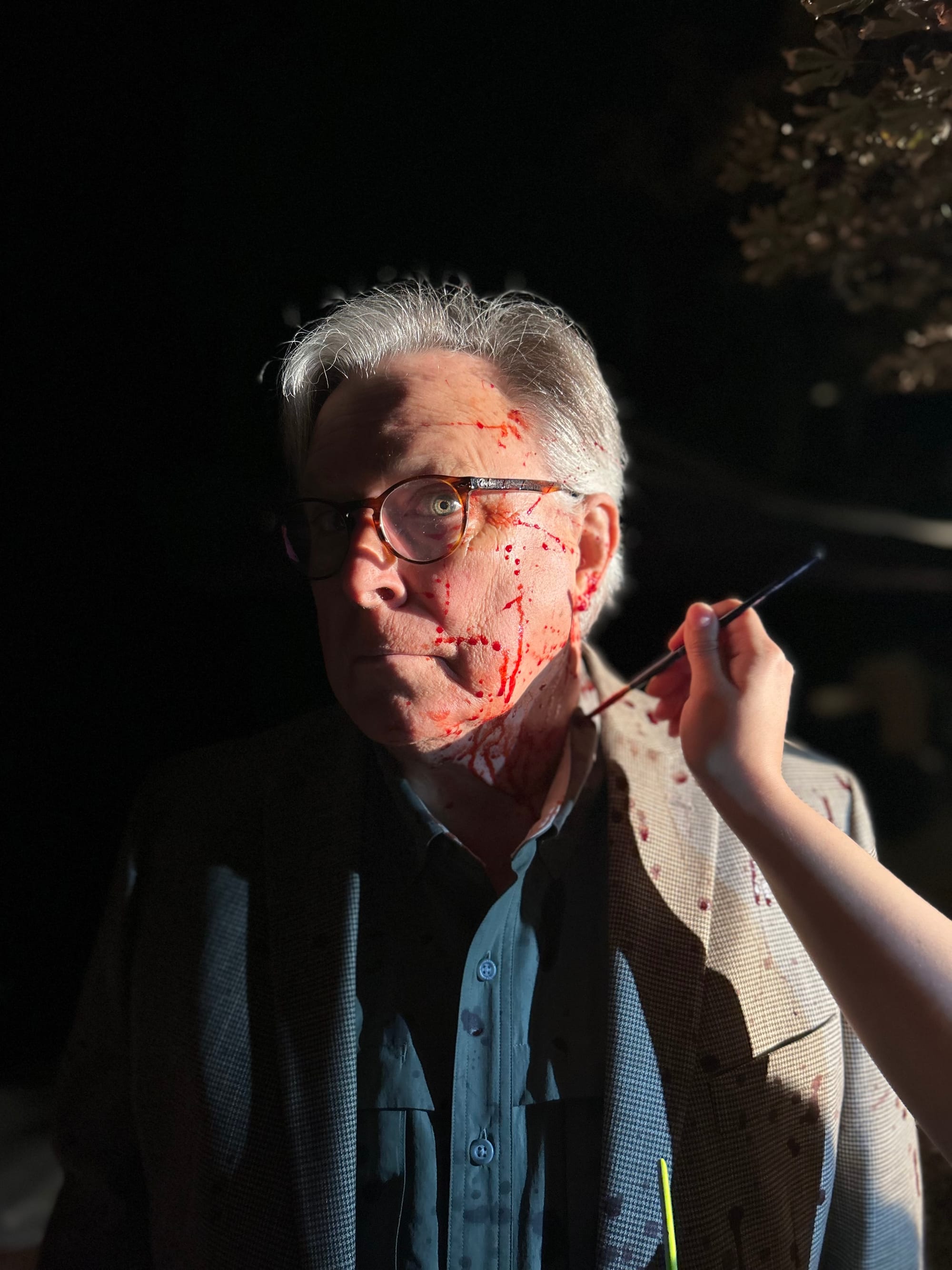
Silver Anniversary began, as Harring puts it, "as my family died." A short story written to process a rupture between his brothers sat unfinished in a folder for years, until a festival circuit full of interchangeable werewolf films convinced him he had something to add to the conversation. The result is a darkly comic, genre-blended short about a woman who sees herself as an innocent victim but is, in fact, a complicit killer — feeding dinner guests to her lycanthrope husband.
Harring, an award-winning writer-director based in Los Angeles, arrives at HollyShorts after a world premiere at the Brussels International Fantastic Film Festival and an Audience Award for Horror at Indy Shorts 2026. For a filmmaker who has lived in LA for nearly twenty years, this stop carries a particular weight: it's his hometown premiere.
Key Takeaways
- Silver Anniversary uses werewolf folklore to question the "eat the rich" moment, leaving its politics as subtext rather than sermon.
- A grueling, disaster-prone shoot — stranded actors, malfunctioning props, funding that ran dry — was finished nine months later, one piece at a time.
- Harring credits DP Owen Hamilton, who translated a mood board of Dutch Masters and Gentileschi's "Judith Beheading Holofernes" into the film's visual language.
Here, Harring on grief as an origin story, the furnace of on-set chaos, and why he refuses to spoon-feed his audience.
Interview
What drew you to make this film, and why this story, why now?
Silver Anniversary was born as my family died, its seeds sown nearly a decade ago, when a grievance between my two brothers metastasized into an irreparable rift. Family members were forced to pick sides. Lawyers intervened. We never recovered. In those heartbreaking days, as often happens in times of intense stress, the characters of certain family members were revealed. What I thought I knew about my parents was completely upended.
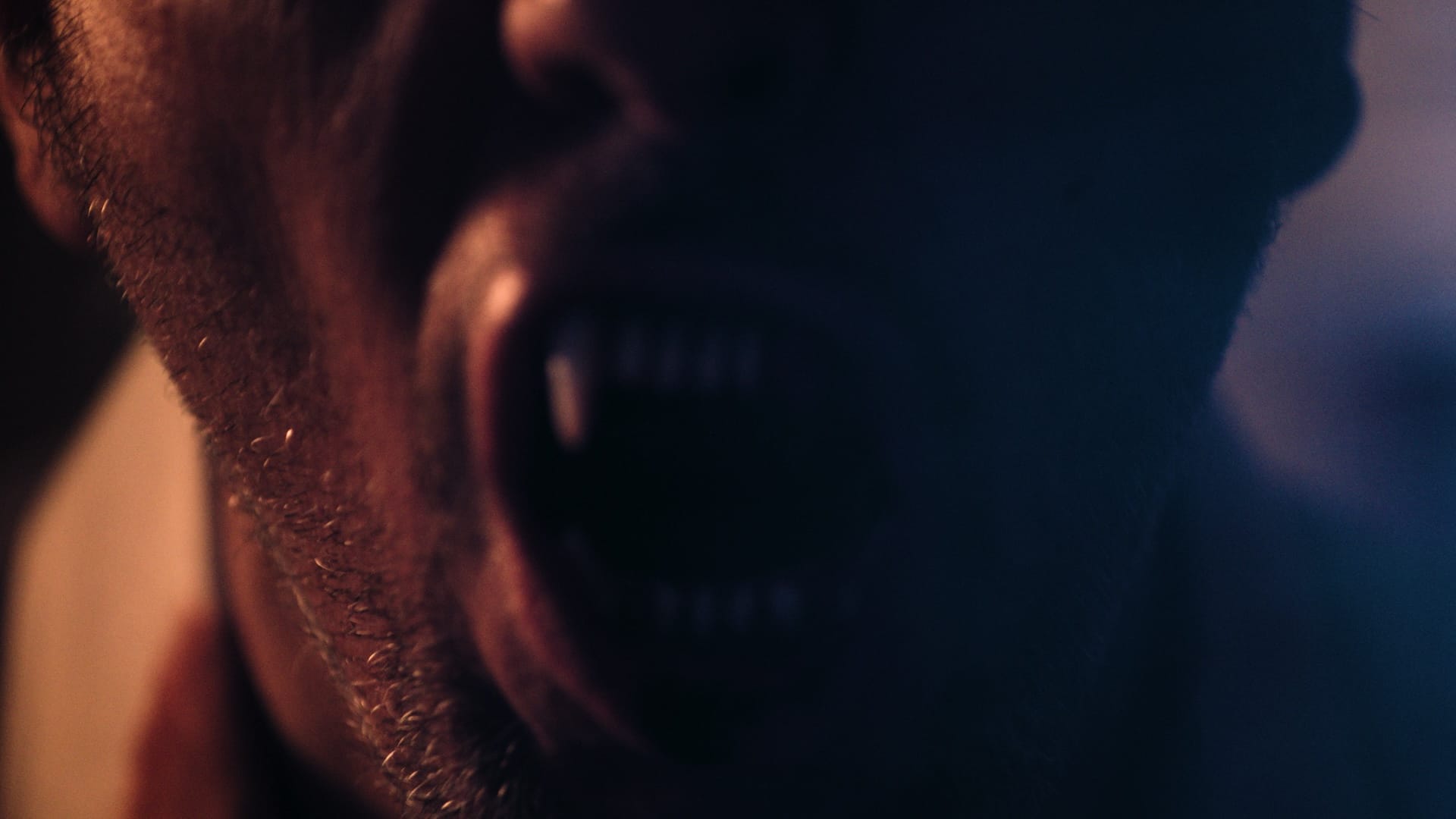
To process my despair, as I often do, I began writing. What emerged was a short story about a housewife with a deadly secret — a woman who saw herself as an innocent victim, but was, in fact, a complicit killer, feeding her dinner guests to satiate her lycanthrope husband. The story became too painful to finish, so I left it in a folder on my computer. Until, years later, I found myself on the festival circuit, sitting through blocks of werewolf films that all seemed perfectly content retreading An American Werewolf in London. They felt like the horror equivalent of pornos, building to a transformation "money shot" with a few kills sprinkled in. Here was this brilliant metaphor, the werewolf, with folkloric connections to cultures across the globe, yet these werewolves were played solely for scares, with little to say.
I had something to say. About complicity. About victimhood. About class. About the stories we tell ourselves so that we can sleep at night. So I dusted off my old story and turned it into a short screenplay.
What surprised you most about the filmmaking process, including any moment on set that changed how you saw the story?
I've worked in the industry for nearly twenty years, and the most important lesson I've learned is that something will go wrong. Something big, something unpredictable that you have no control over. How you respond to those disasters — that's what makes you a filmmaker, and specifically a director.
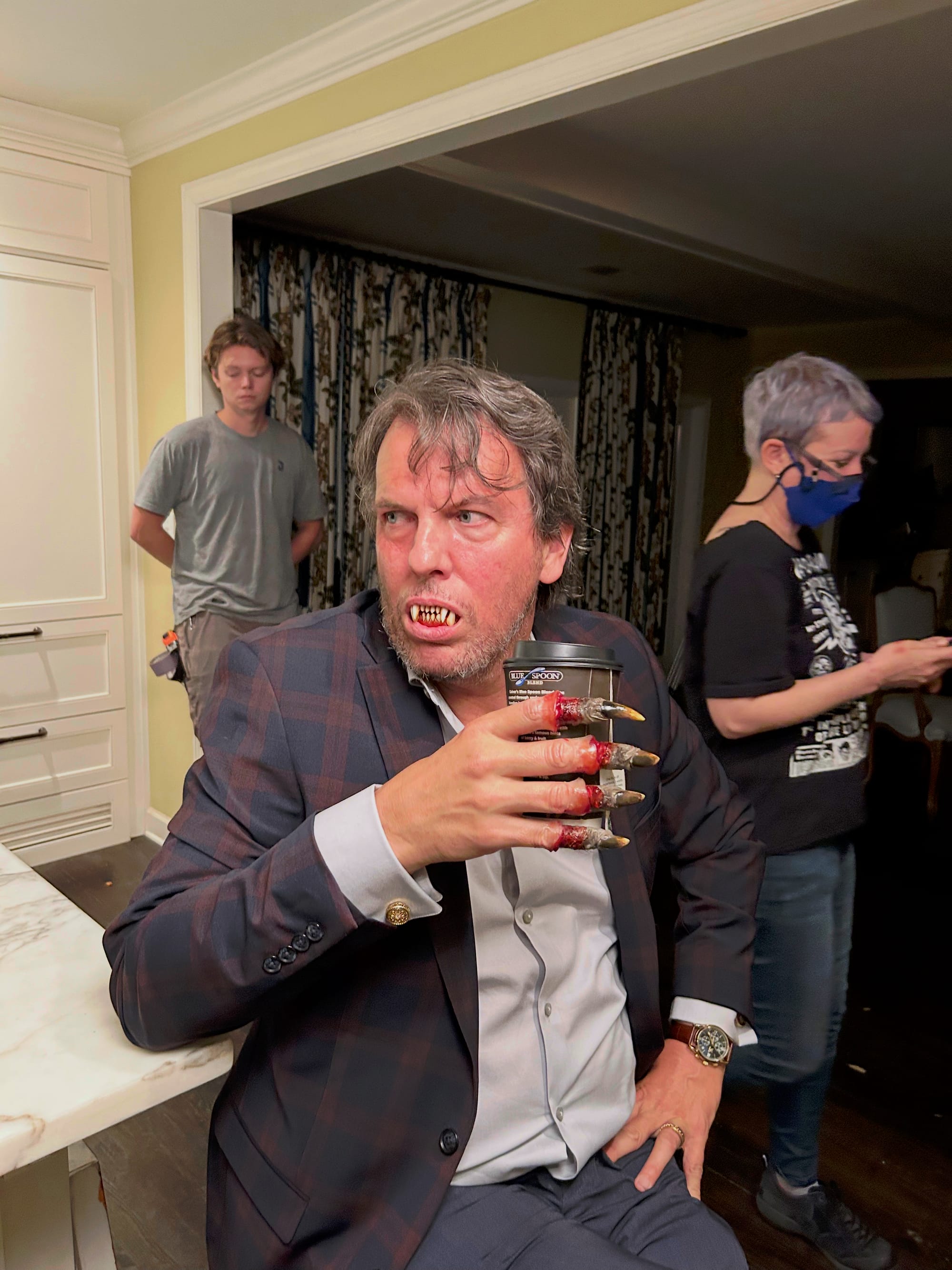
In this case, our actors got stranded in the Dallas airport for over twelve hours. I lost my prep day and my first day of filming trying to get them to Charleston. I ended up rewriting the script on the fly and blocking as we went without any rehearsal. On our last day, we simply couldn't finish — certain props didn't work and we didn't have the money to push into overtime, so we left our set not knowing if the film would ever be completed. Thankfully, I was able to pull together additional funding and we finished nine months later. It was chaotic, nothing I'd recommend, but it forced us to get flexible and creative, which is always the furnace for good ideas. The surprise was that even though seemingly everything went wrong, we were still able to make a film with the pieces — a film that people seem to like. So never give up, even when the universe seems to be against you.
What moment in the film feels most like you, or like something only you could have made?
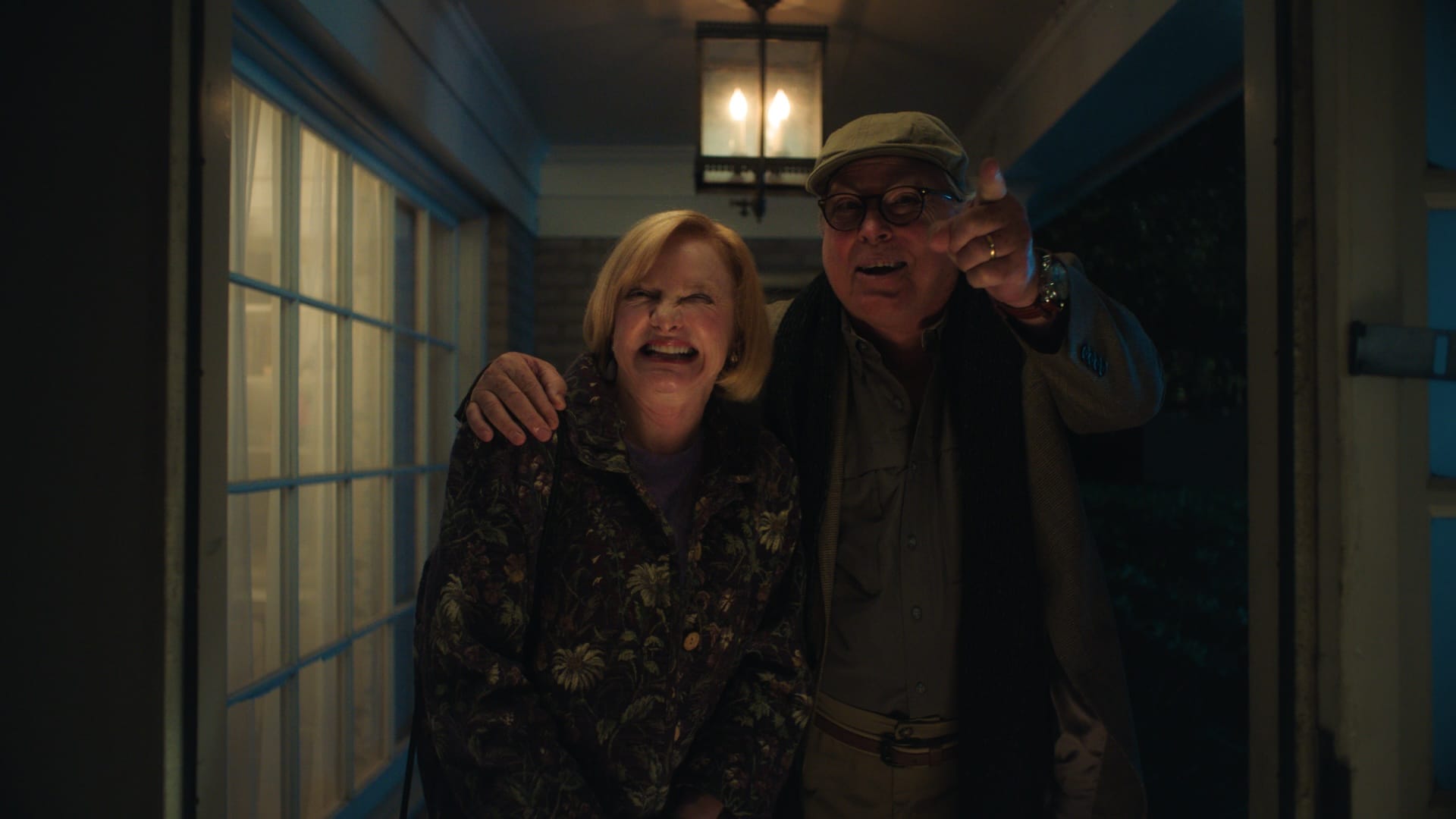
The final dinner scene, with Marnie and her parents, was always the biggest question mark for me from the script stage through production. I loved writing it, but I worried how the audience would react. Would they be on board for the tonal shift? Would the subtext of what's really going on land? It was a tonal mish-mash, but a perfect distillation of the kind of high-intensity, darkly comic, genre-blended scenes I like to write. I tend to merge magical realism with horror and dark comedy. It's what I like to read, what I like to write, and inevitably what I like to put on screen.
It can be a tough tightrope to walk. Hollywood has often told me my scripts were "too tonally all over the place." It's easy to take that criticism and believe yourself a failure, but taking this film and my previous film, Floater, to audiences across the world and hearing their positive responses has shown me that maybe, just maybe, those suits don't know what the f*** they're talking about.
What tool, technique, resource, or collaborator helped most during production?
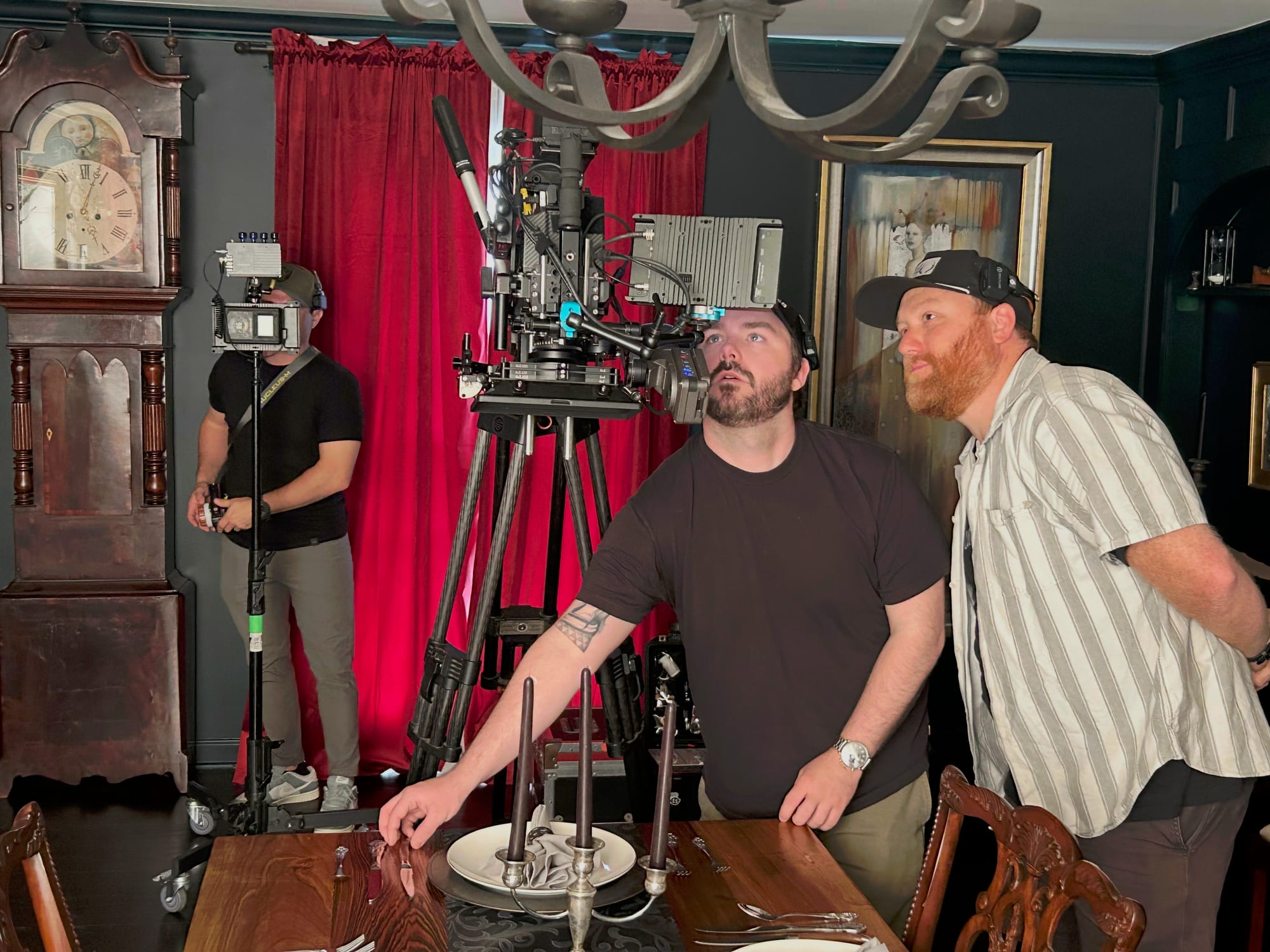
My DP, Owen Hamilton, saved my ass — pardon the language. He is the unsung hero of the film. This is only the second short I've directed, and I come from the writing side, so my knowledge of camera and lighting is limited. But I had a very specific visual style I wanted, which I conveyed by sending Owen a bunch of images of Dutch Masters paintings and Gentileschi's "Judith Beheading Holofernes" and saying, "Can you make my film look like this?" Remarkably, he accomplished that feat and so much more. Here was this idea I had, that I didn't even know made sense, and Owen translated it to the screen perfectly. Filmmaking is all about choosing the right collaborators. I literally would not have this film without him.
What do you hope audiences take away from this film?
From its origins as a short story, Silver Anniversary was always about class. As a born-and-raised Washingtonian who used to work in Democratic politics, I've been troubled by the recent resurgence of "eat the rich" messaging — not because I disagree with the criticism, but because the idea that someone with money is somehow inhuman, undeserving of empathy, disturbs me. It's a twisted inversion that only further divides an already hyper-partisan world.
So I wanted to question that notion, not in the didactic way of certain dramatic films, but the subtle way you can approach it in horror, by leaving it as subtext. It's there if you want to see it, but if you just want to be scared or entertained, that's fine too. I don't like films that spoon-feed answers. I've always aspired to make films that begin conversations, and when a film elicits different interpretations from an audience, that's when those conversations happen.
What does it mean to have your film selected for HollyShorts?
Making this film was an exhausting, all-consuming labor, one that took away precious time I could have spent with my young children. It was a gauntlet that never seemed to end, and I often questioned whether the struggle was worth it. I genuinely don't make films for recognition — I make movies because I love making movies, and because I have something to say that my conscience won't stop bothering me about. But after everything it took to make this film, recognition from a festival as prestigious as HollyShorts makes it all feel worth it. To know that I didn't just waste two years making something no one will see — that's something.
It's also no small thing that this will be our LA premiere. I've lived here nearly twenty years and have rarely had the chance to show anything to friends and family in the area. That I get to invite them to HollyShorts, instead of the crappy, predatory LA festival where I premiered my first short, that's something to crow about.
Where do you see this film going next?
I hope it has a long festival run. I'm currently working on a feature version of the film, so the more eyeballs I get on it, the more interest I might have in that feature. To be depressingly blunt, the energy, time, and money I poured into this made me wish many times over that I'd just shot a feature instead. I love short films, and I believe they're vitally important as their own medium, but features are where the attention is. If I'm going to put in the time any creative project requires, I'd rather it reach a wider audience.
Main Cast & Crew
- Samantha Sloyan — Marnie
- Jay Huguley — Don
- Rhoda Griffis — Alma
- Ira David Wood III — Ted
- D.M. Harring — Writer-Director
- Owen Hamilton — Director of Photography
- Emmie Holmes — Costume Designer
Filmmaker Opportunities
💛 Fund your next project with fiscal sponsorship
Have a project in the works? As a 501(c)(3) nonprofit, the Cinematography for Actors Institute can accept tax-deductible donations on your film's behalf — a door-opener for grants, foundations, and supporters who want to back your work. We've serviced over 100 projects to date and helped route over $800,000 in funding to filmmakers. Explore fiscal sponsorship →
📬 Grant deadlines and festival opportunities, straight to your inbox
The CFA newsletter rounds up grants, festival calls, and community news for independent filmmakers — the kind of opportunities that are easy to miss and painful to miss. Join the newsletter →
🎬 Focus on the creative — we'll help with the logistics
Production Management, CFA's newest member program, launches this November: production insurance and workers' comp, payroll, film permits, gear rental coordination, SAG-AFTRA compliance, contract drafting, production consulting, and crew recommendations — handled by a team of working filmmakers, à la carte or all in, in partnership with Creative Access Group. It's waitlist-only until launch. Join the waitlist →
League of Filmmakers is published by our parent organization, the Cinematography for Actors Institute — a 501(c)(3) dedicated to education, community, and capital for underrepresented filmmakers and actors. Learn more about CFA →