Table of Contents
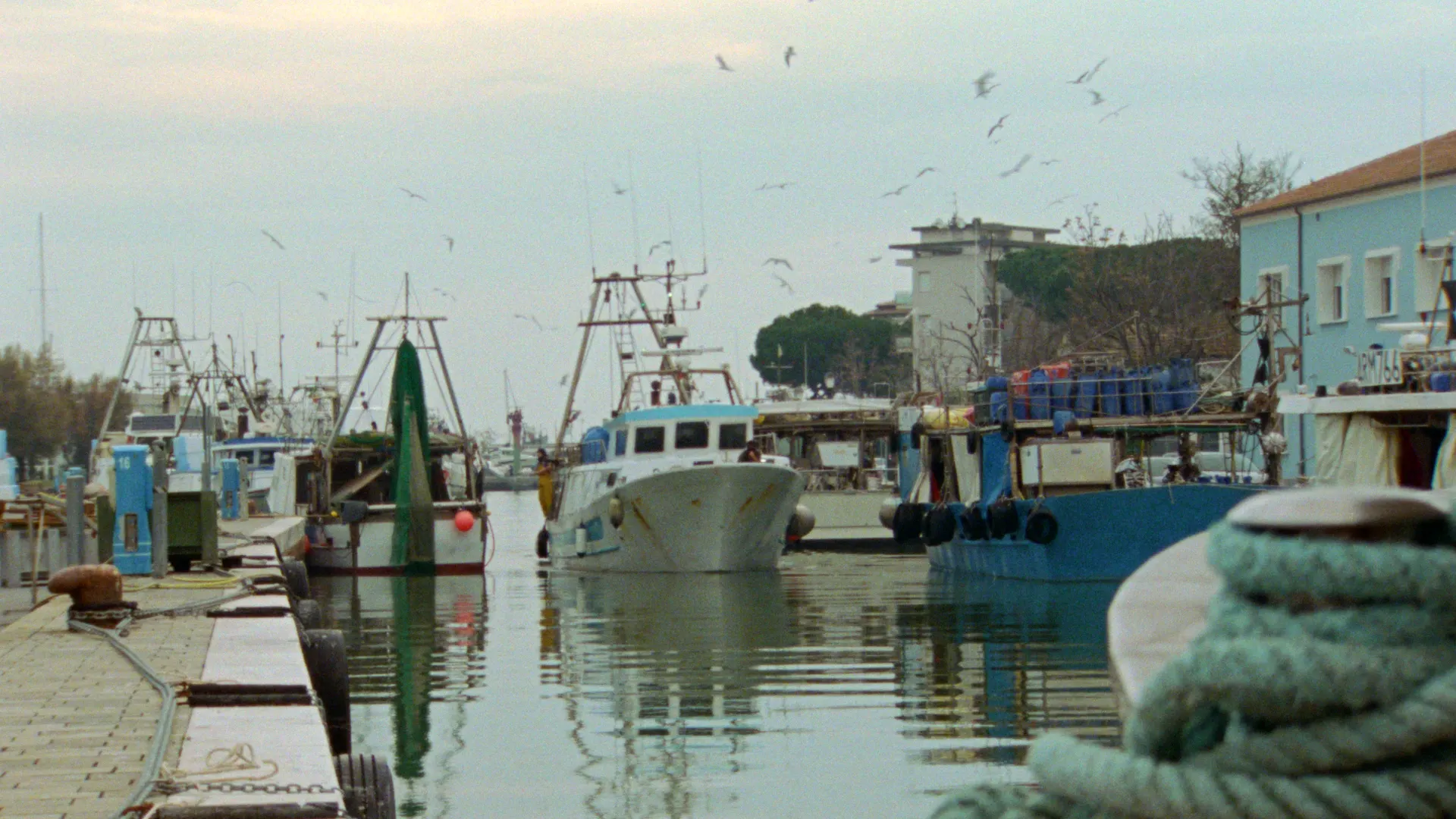
Every summer, Isabella Bazoni returns from London to Riccione, and every summer the same conversation follows her home: the Bolkestein Directive, and what it might do to the beaches her family has always known. Songs of Salt grew out of that unease — a documentary that steps away from the political and legal framing dominating Italian coverage and instead builds a collage of voices from the people who would actually live with the consequences.
Selected in Not Film Fest's Emilia-Romagna category, the film treats a controversial subject with unusual tenderness. It is less an investigation than an act of listening: to fishermen, to multigenerational family businesses, to a coastal culture built over decades and now facing profound uncertainty. Bazoni, an award-winning writer, director, and curator, brings a documentary sensibility rooted in care rather than argument.
Key Takeaways
- Songs of Salt centers the lived experiences behind a contentious EU directive, giving the Riviera Romagnola's coastal communities space to simply speak.
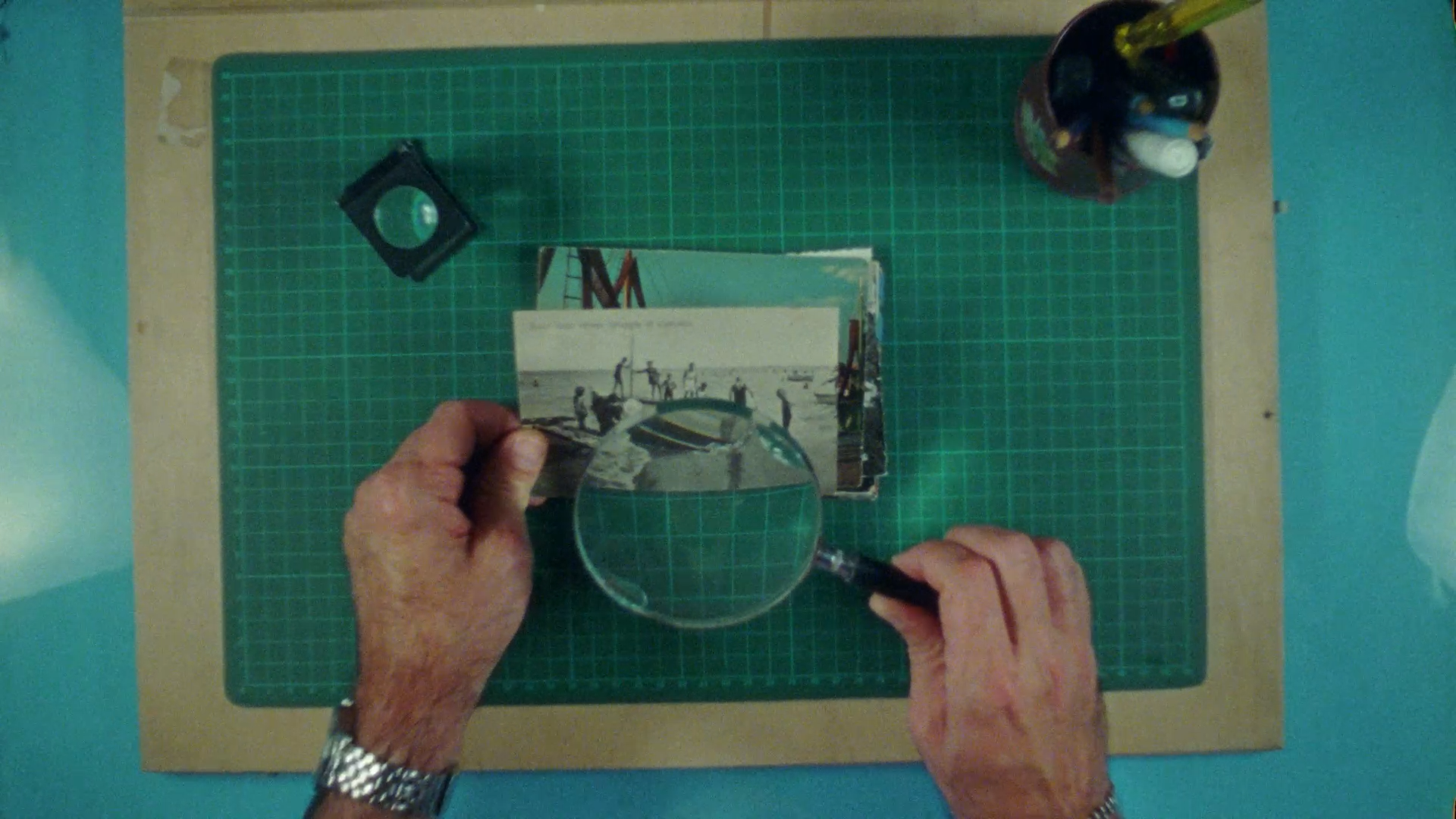
- The film reanimates a vast local photo archive through animated tableaux vivants inspired by traditional Riviera postcards, alongside Bazoni's own family home videos.
- Made by a lean crew split between London and the region, it balances insider intimacy with an outsider's eye.
Bazoni spoke about the pull of home, the surprise of being welcomed, and why the quieter stories are the ones she wants to keep telling.
Interview
What drew you to make this film, and why this story, why now?
I've lived in London for the past six years, but every summer I go back home to Riccione to visit my family. For years, every time I went back, I would somehow find myself hearing conversations about the Bolkestein Directive. At first, I wasn't even entirely sure what it meant for the people living there, but I could tell it was a very pressing issue. People had a lot to say about it, and there was a real sense of uncertainty and worry around what was going to happen. I quickly realised there was a story there waiting to be told.
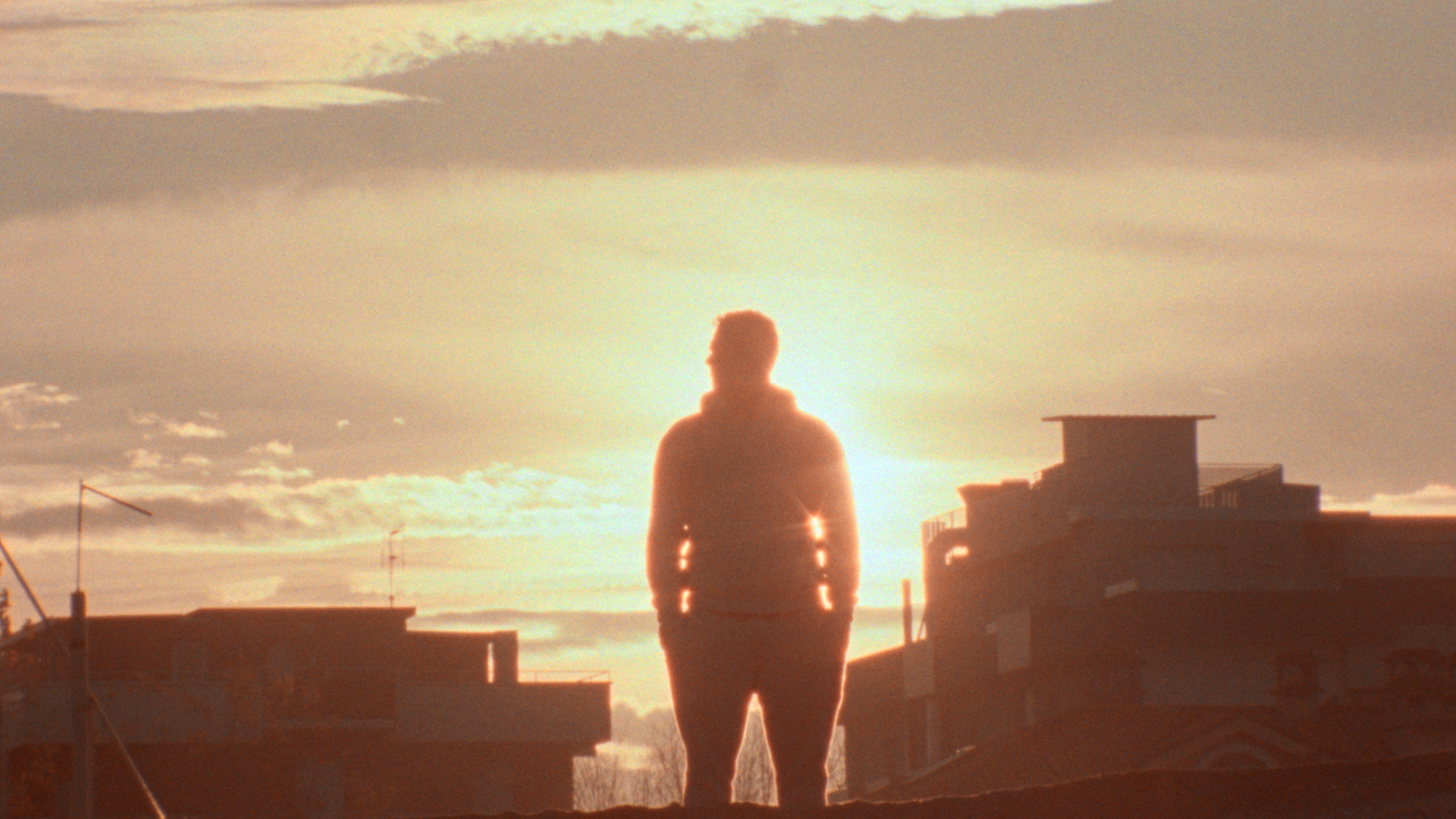
When I started researching the subject, I found that much of the Italian media coverage approached the issue from a political, governmental or legal perspective. What seemed to be missing were the lived experiences of the people who would actually be affected. Those were the stories I was interested in telling. I'm not a journalist, nor do I claim to be, and the film was never intended as an investigation. I'm a filmmaker, and what interests me are people's stories. With Songs of Salt, I wanted to create a collage of voices from those who would be directly affected and simply give them the space to speak: to hear what they had to say, and what their hopes, fears and worries were for the future of the land they have built their lives around.
What surprised you most about the filmmaking process, creatively or logistically?
I think I was initially expecting a lot more resistance. This is a very complex and controversial topic back home, so I thought the beach workers might be wary of speaking so openly, especially to someone they didn't really know. Instead, I was surprised by just how much they wanted, and perhaps needed, to talk. Some of the interviews went on for hours. That really reinforced my instinct that there was a story that needed to be told, but also that there was a real desire on their part to feel heard.
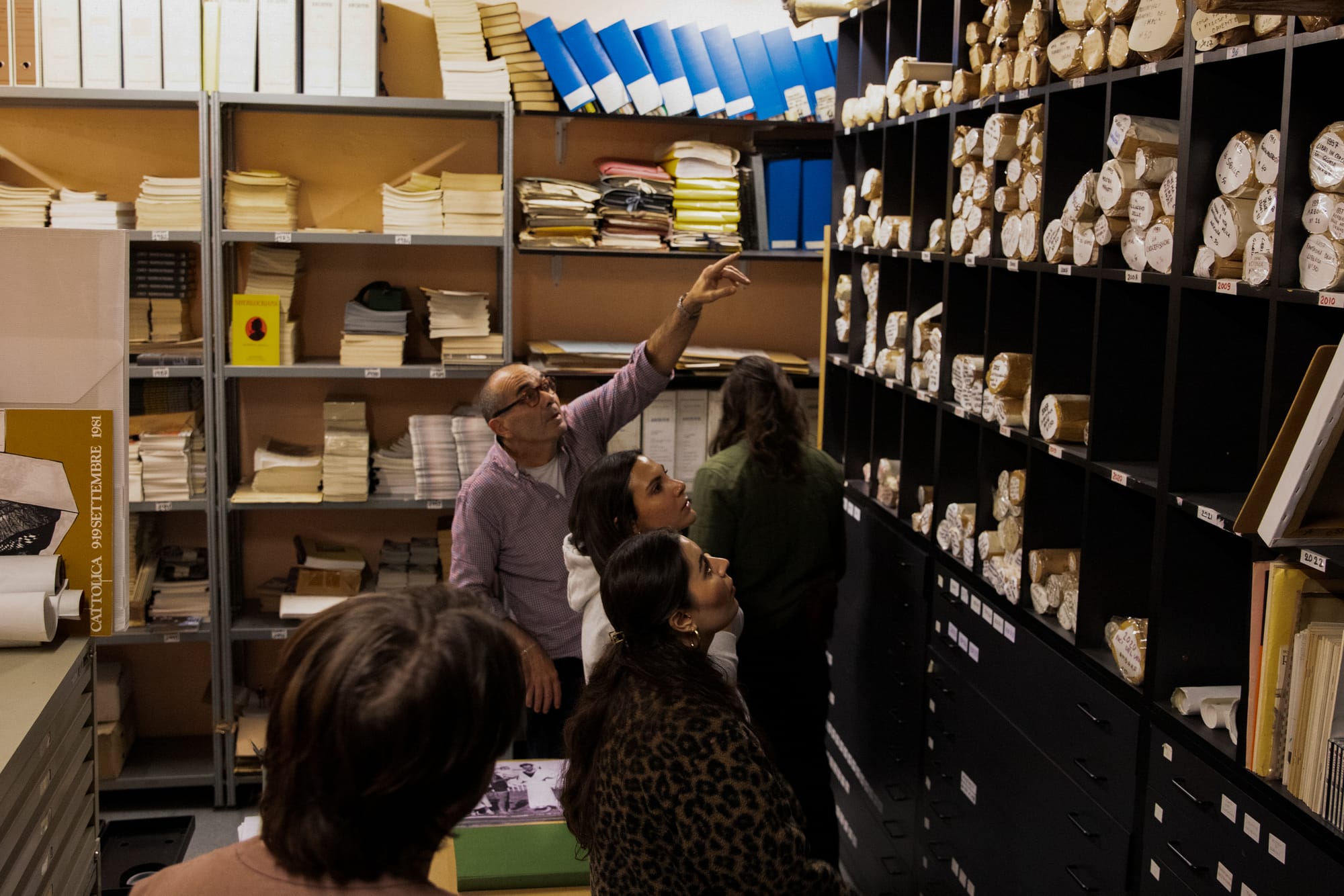
Another important moment came in post-production, through conversations with my editor, Clara. We had been given access to this incredible archive of hundreds of photographs and videos that we really wanted to incorporate, but we didn't want to use them in an obvious way. At some point we started discussing animation, and Clara came up with the idea of creating these almost tableaux vivants, inspired by traditional postcards from the Riviera Romagnola. It completely transformed the archive. Rather than simply illustrating the past, these images suddenly felt alive again, almost like fragments of a collective memory. It ended up becoming one of my favourite parts of Songs of Salt.
What moment in the film feels most like you, or like something only you could have made?
If I had to choose one specific moment, it would probably be the opening sequence. All of the archival footage in that montage comes from my own family's home videos—the same videos I grew up watching. I'm someone who lives very closely with the past, and nostalgia, memory and archive always seem to find their way into my films. Growing up, I heard so many stories from my parents about how fun, glamorous and alive the Riviera Romagnola used to be. That world was such a huge part of their lives, and having been born and raised there, it inevitably became part of mine too. So I felt I needed to include that history, and perhaps I was also uniquely placed to offer a glimpse of that world to people who had never experienced it. In a way, that's exactly what my parents did for me through their stories and our holiday videos, and the opening sequence feels like me doing the same for the audience.
What was the hardest creative decision you made while making the film?
I think the hardest decision was deciding what to leave out. We had so much footage and so many hours of interviews, and there were countless stories we wished we could have included. We had hours of material about the Rustida, a traditional celebration of beach workers, as well as fascinating accounts of how the figure of the 'bagnino' has evolved over the years. But each of those subjects could have become a documentary of its own. It was difficult to stay focused. We constantly had to remind each other of the story we had originally set out to tell. With documentary it's really important to remain open to what you discover, to let yourself be inspired and even allow it to reshape your structure. But at the same time, you have to know when something, however fascinating, belongs to a different story. Otherwise it's very easy to lose the path of the film you're actually trying to make.
What is the greatest strength of independent filmmaking, and how did you lean into it?
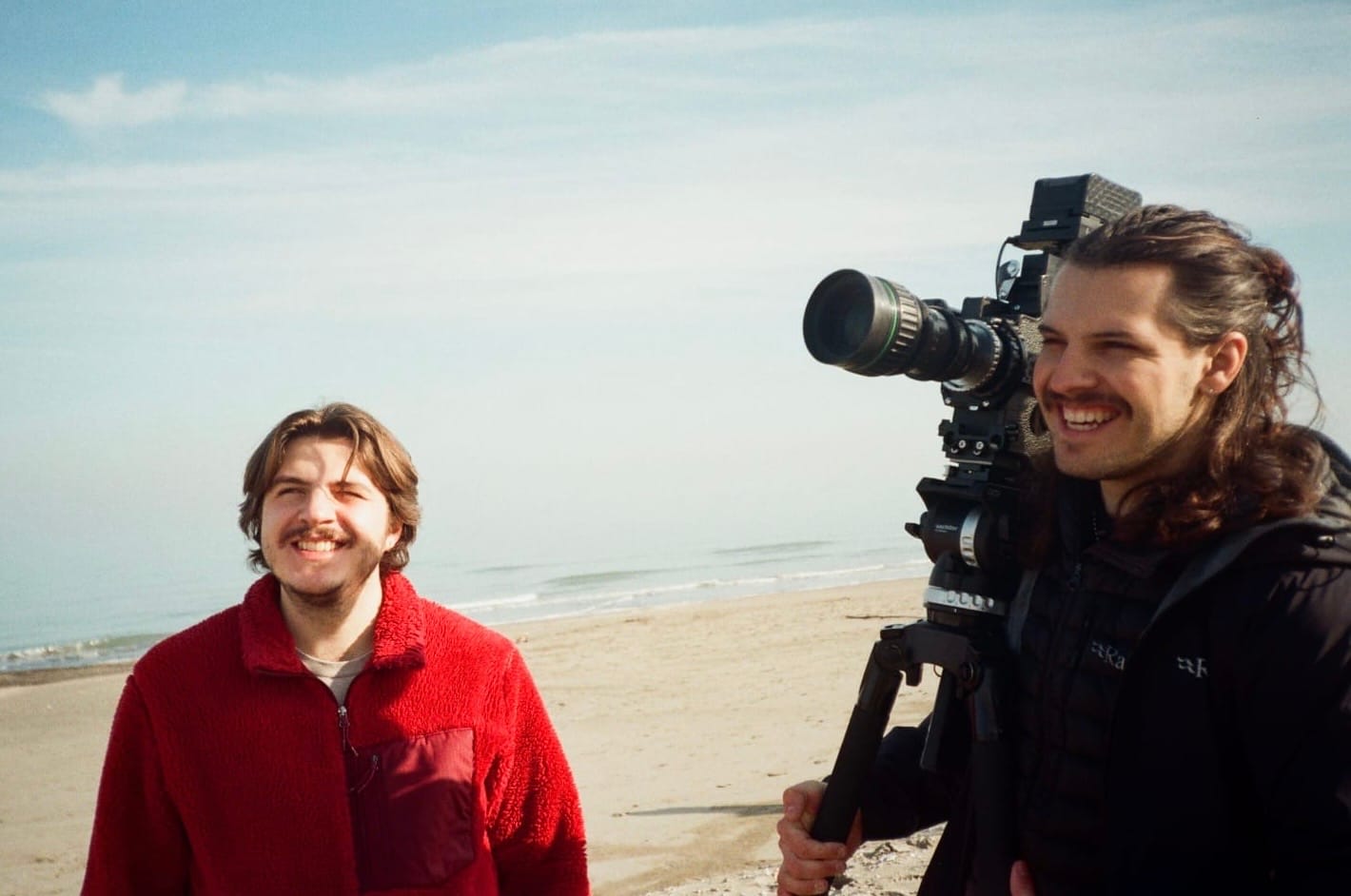
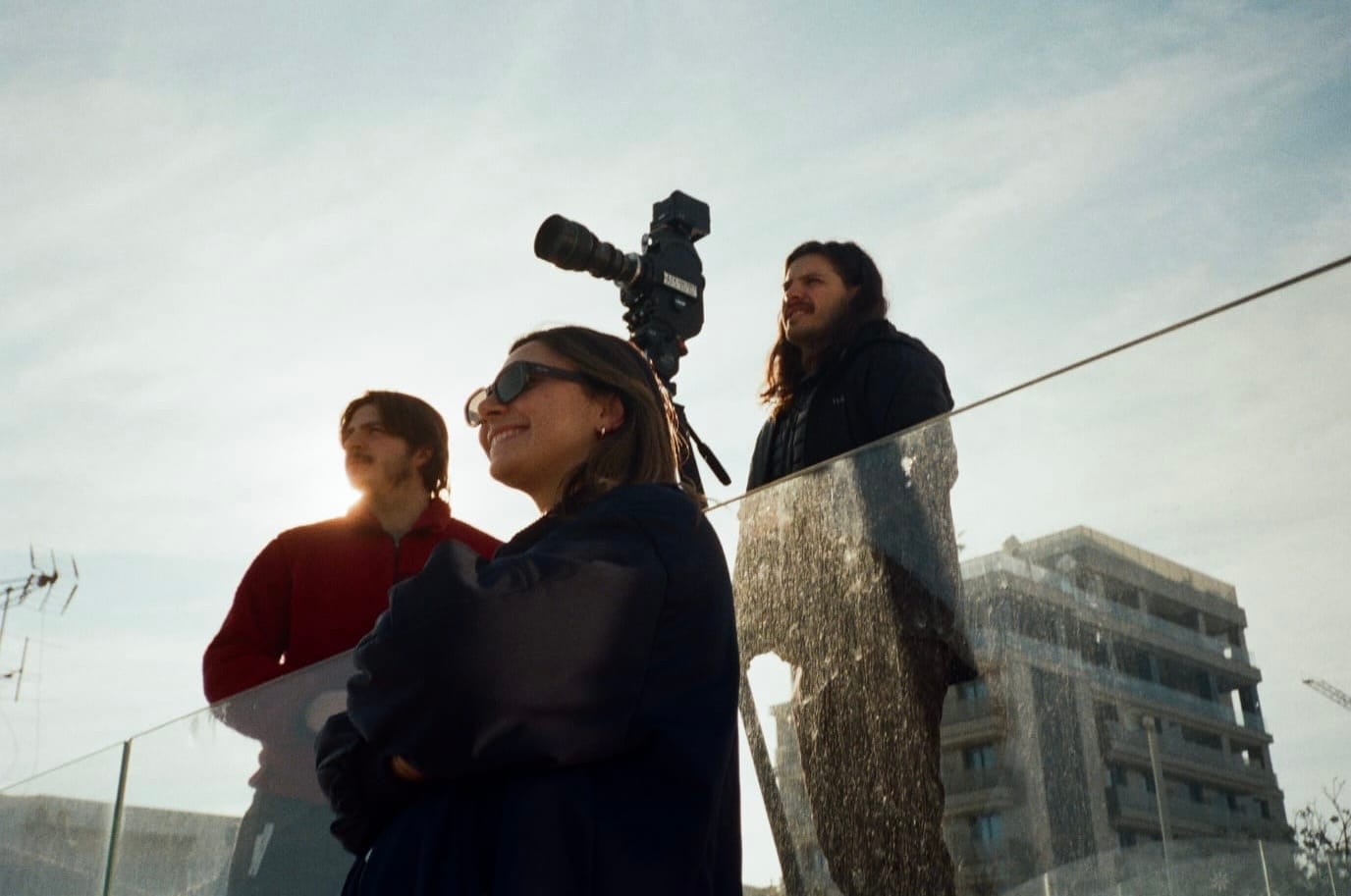
I think the greatest strength is that you get to choose what you want to make, how you want to make it, and who you want to make it with. Of course, the biggest limitation is often money—or the lack of it! So one of the biggest lessons I've learned is to give yourself enough time and be resourceful. Research as much as you can, work with a lean and agile crew, ask for favours, and above all, be trustworthy and respectful. Those relationships can give you access to people, places and resources that ultimately make the film much richer.
I'd also say: don't be afraid to ask people to be part of your film, even if you think you're aiming too high. My DP and colourist are absolute superstars and far more experienced than I am, but they genuinely connected with the story and generously gave their time and skills. That's still a pinch-me part of making this film. Really nurture your story and make sure you're approaching it from a genuine place. People can feel when you truly care about what you're making, and doors you didn't expect can start to open.
What does it mean to have your film selected for Not Film Fest?
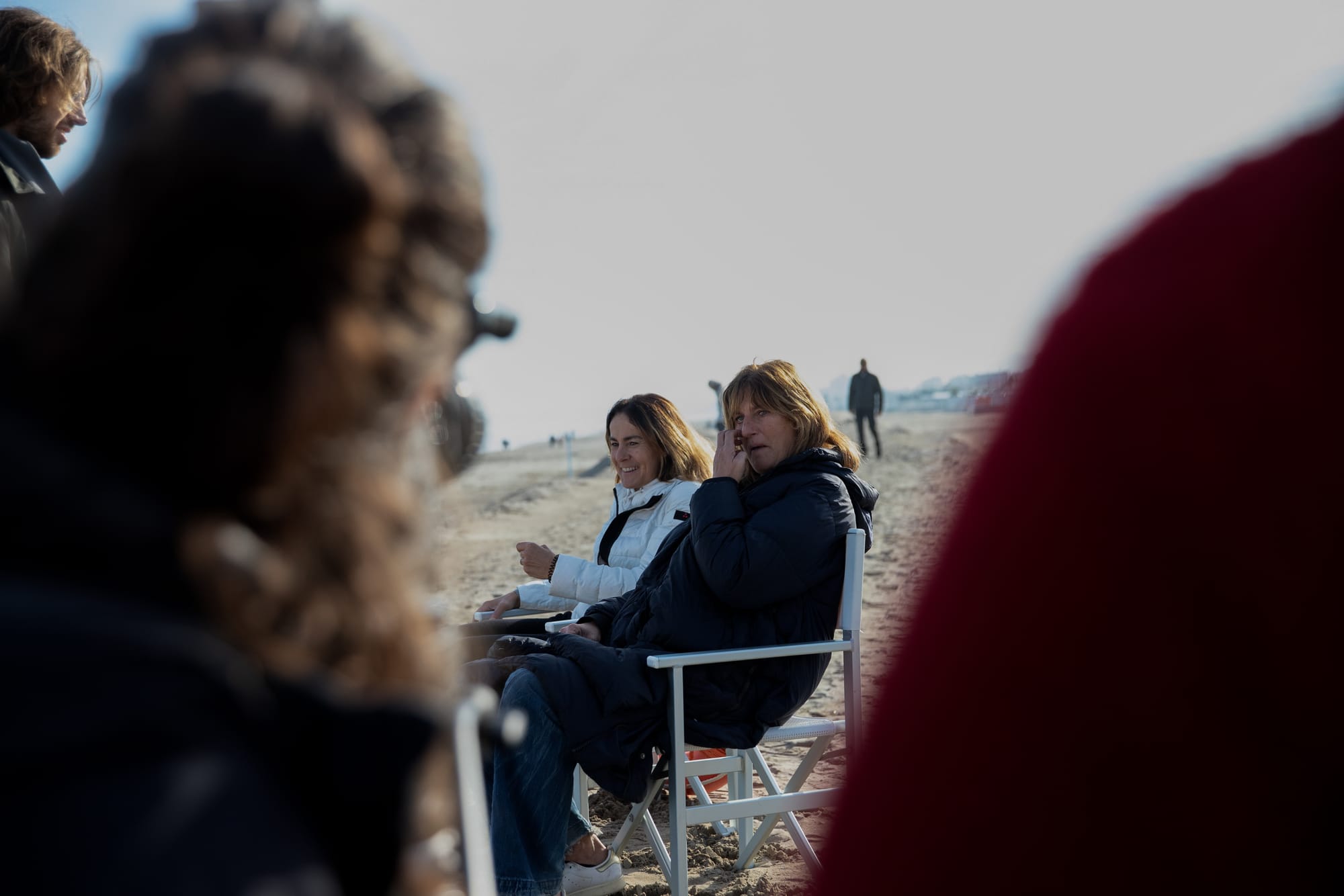
I've admired Not Film Fest for a long time, so to have Songs of Salt selected, particularly in the Emilia-Romagna category, feels like such an honour and a dream. I first attended the festival in 2021 or 2022, and I remember feeling so far away from the level of work I was seeing on screen. I was in awe of those filmmakers then, just as I am of the filmmakers selected this year, so it's quite surreal to now have my own film be part of the programme. It's also a festival I feel very aligned with creatively. I really admire their programming and feel we share many of the same values around independent filmmaking and the kinds of stories worth giving space to.
Where do you see this film going next?
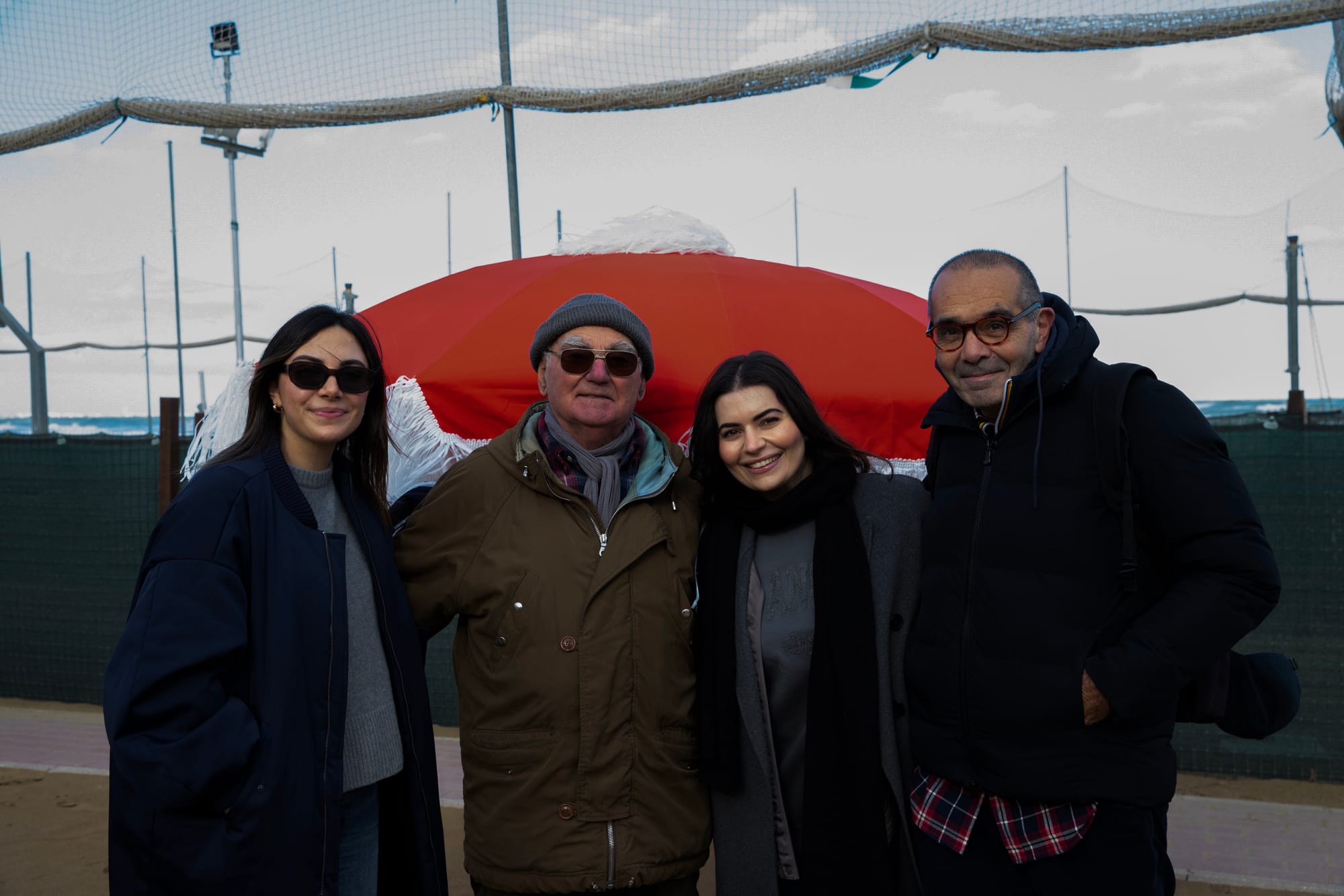
We're about halfway through our festival run now, and I've loved seeing this film travel as much as it already has. I really hope it keeps travelling and reaching new audiences. Every new festival and every new place the film goes means more people come into contact with this story, this place and these people, which is incredibly meaningful to me. But every selection also feels like another opportunity to celebrate and thank the incredible crew who gave their time, skills and care. Every time Songs of Salt is recognised, their craft is being recognised too, and I hope we get to keep sharing that for as long as possible.
Main Cast & Crew
- Written, directed, and produced by Isabella Bazoni
- Director of Photography: Marti Guiver
- 1st AC: Jack Ferrari Plumridge
- Production Manager and 1st AD: Tommaso Paci
- Production Assistant: Mariam Nersisyan
- Editing, VFX, and Animation: Clara Cesari
- Colour Grading: Alex O'Brien
- Original Score: Giammarco Corsi
- Sound Editing, Sound Design, and SFX: Gabriele Paulone
- Interviewees: Denis Dadi, Diego Casadei, Dorigo Vanzolini, Federico Cerri, Sonia Luzi, Umberto Fuzzi
- With the support of: Municipality of Cattolica, Cattolica Public Library, and Cattolica City Photo Archive
- Film developed and digitised by Kodak Film Lab London and Digital Orchard Group
Filmmaker Opportunities
💛 Fund your next project with fiscal sponsorship
Have a project in the works? As a 501(c)(3) nonprofit, the Cinematography for Actors Institute can accept tax-deductible donations on your film's behalf — a door-opener for grants, foundations, and supporters who want to back your work. We've serviced over 100 projects to date and helped route over $800,000 in funding to filmmakers. Explore fiscal sponsorship → You can also catch our 3rd annual financing panel at HollyShorts.
📬 Grant deadlines and festival opportunities, straight to your inbox
The CFA newsletter rounds up grants, festival calls, and community news for independent filmmakers — the kind of opportunities that are easy to miss and painful to miss. Join the newsletter →
🎬 Focus on the creative — we'll help with the logistics
Production Management, CFA's newest member program, launches this November: production insurance and workers' comp, payroll, film permits, gear rental coordination, SAG-AFTRA compliance, contract drafting, production consulting, and crew recommendations — handled by a team of working filmmakers, à la carte or all in, in partnership with Creative Access Group. It's waitlist-only until launch. Join the waitlist →
League of Filmmakers is published by our parent organization, the Cinematography for Actors Institute — a 501(c)(3) dedicated to education, community, and capital for underrepresented filmmakers and actors. Learn more about CFA →