Table of Contents
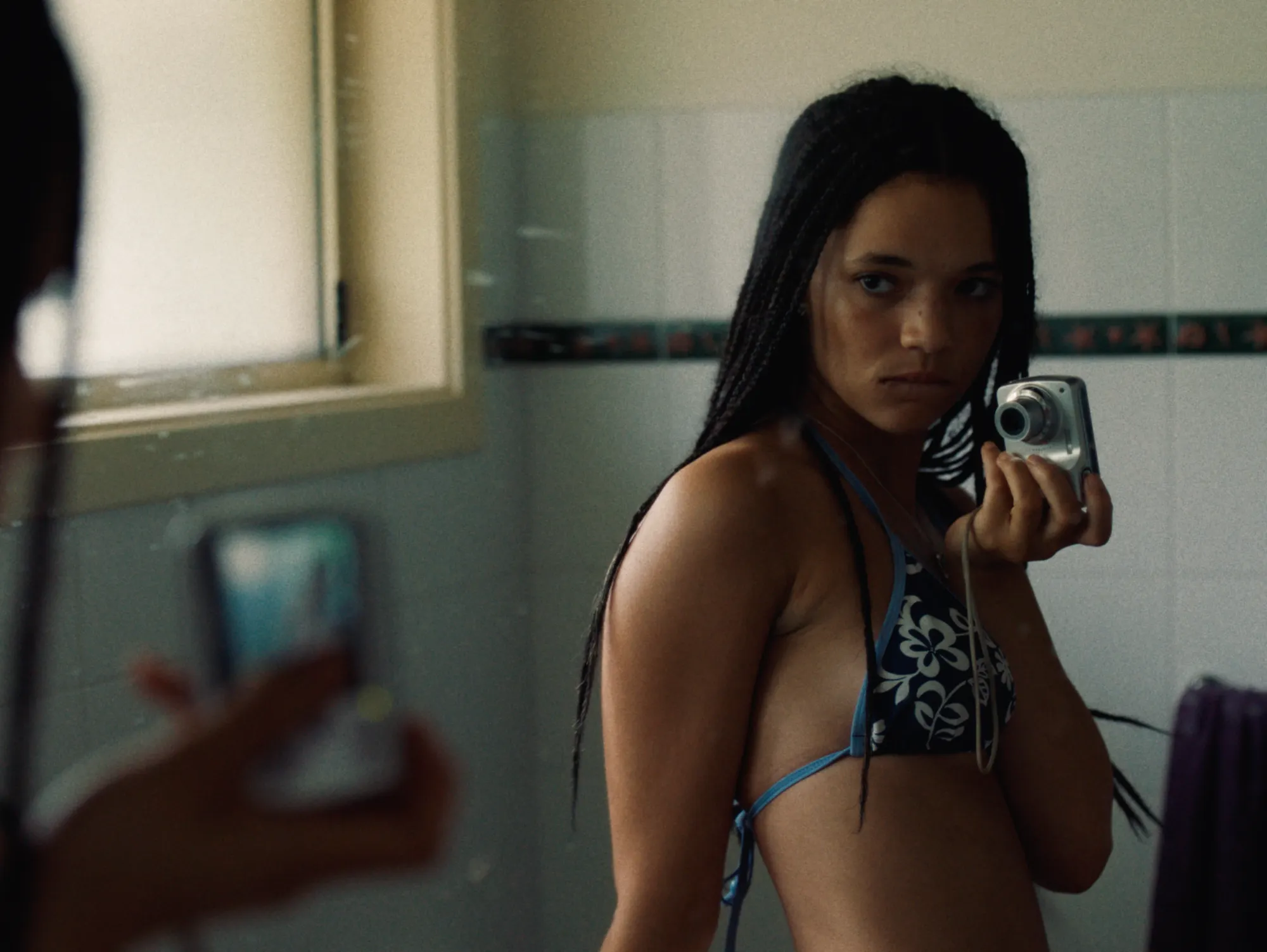
Summer, 2008. On a tropical resort up the coast, Keira and her girlfriend Zoe steal every moment they can, both of them deep in the closet, both hungry for what the other offers. When a flash interrupts the heat of sex, the balance of the relationship tilts, and Souvenir becomes a pressure-cooker study of intimacy, control, and the frightening ease with which boundaries collapse at a tender age.
Renée Marie Petropoulos, an award-winning queer filmmaker from Gadigal/Sydney and Columbia MFA graduate, wrote Souvenir just after coming out to her family and beginning to date women. That rawness is the film's engine. Fresh from winning the Narrative Short Film Grand Jury Prize at SXSW 2026, Souvenir now makes its Los Angeles premiere.
Key Takeaways
- A period piece set in the early Facebook era, Souvenir presents the digital camera as an instrument of control — a threat that has only intensified for teenagers today.
- Petropoulos grounds the film entirely in Keira's subjectivity through a claustrophobic aspect ratio, warm palette, handheld camera, and a heightened Australian-holiday soundscape.
- Working with an intimacy coordinator for the first time reshaped how she directs, even on a small budget.
Petropoulos spoke about the personal roots of the film, her collaborators, and why difficult queer stories matter now.
Interview
What drew you to make this film, and why this story, why now?
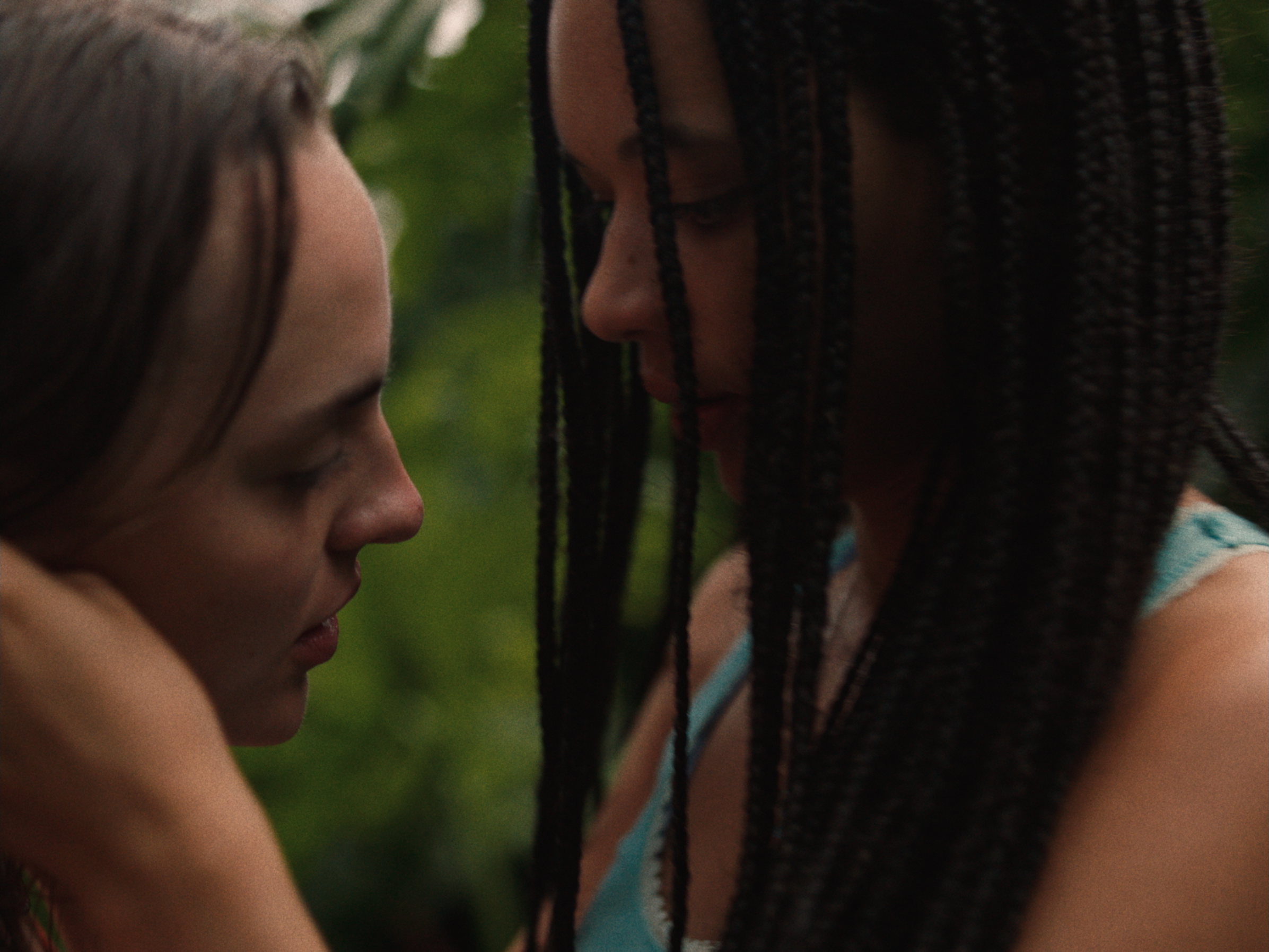
When writing Souvenir, I wanted to explore a toxic sapphic relationship in all its intricacies and how easily intimate boundaries can be crossed at such a tender age. As a filmmaker, I wanted to explore this nuanced power dynamic through Keira's perspective by creating a suffocating intimacy between her and Zoe that felt truthful, tactile and unsettling.
Souvenir was also a rather personal story to craft. Although it is a proof of concept short for a larger feature film, the short really took on a life of its own. At the time of writing, I had just fully come out to my family and had just started dating women, so I was dealing with a lot of new relationship dynamics for the first time. During the writing process, my producer, Yingna Lu, and I also sprinkled memories from our own relationship experiences to further deepen the story. These were raw moments of yearning, of violation, of confusion, shame, gaslighting and still seeking approval.
Despite being a period piece set in 2008, the film couldn't be more relevant to today. We were in the early days of Facebook and just beginning to feverishly curate our lives online. I remember uploading entire albums of photos from my digital camera on Facebook without any hesitation, and sharing nude photographs with lovers was the new trendy thing to do. We never really thought about the consequences at the time, and Souvenir truly presents the camera as a weapon of control, something that has only intensified for teenagers today.
What do you hope audiences take away from this film?
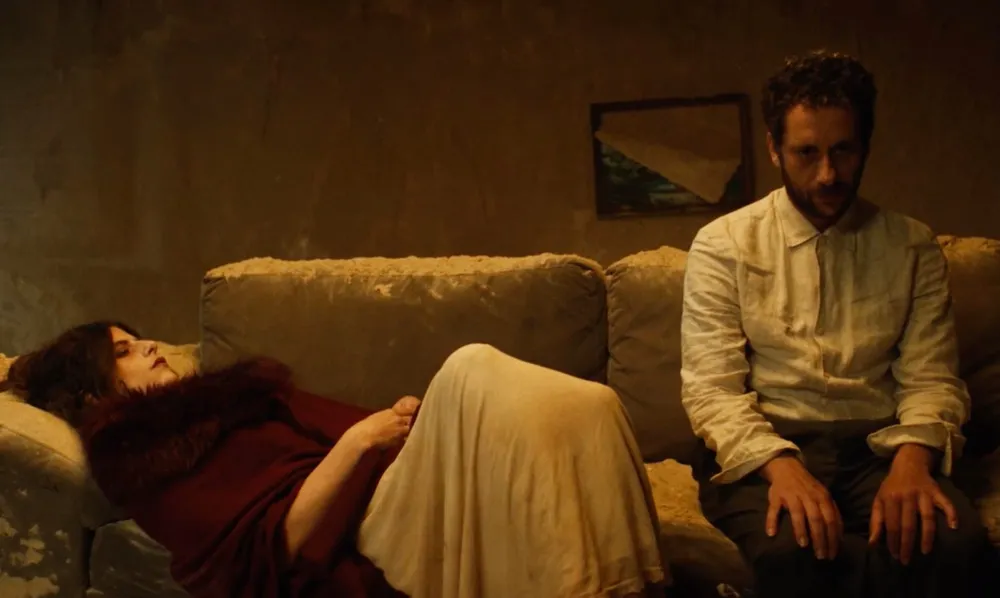
With Souvenir, I hope to lead the audience through a realistic take on the cycle of abuse through an accumulation of small, painful moments. As a director, I really worked to ground the film in Keira's distinct point of view, using a claustrophobic aspect ratio, a warm colour palette and a handheld camera that mimics the girls' dizzying intimacy and the later unnerving stillness. While we watch triumphantly as Keira awakens and acts out against Zoe's transgression, our gut turns as we witness Keira succumb and placate her partner, doomed in her naive youth to do this dance again once more.

How has this film shaped or shifted the kinds of stories you want to tell next?
Souvenir was the first film that I've made exploring complicated queer protagonists. I was a bit hesitant during development in writing this story, as I came out properly quite late in life, in my early thirties. But it was a true learning experience to channel my own experience and anxiety back into the work and into Keira's character. I'm really excited to continue exploring these narratives in my work at large. Queer stories are more important than ever to tell. We need a diversity of stories, not just the uplifting ones. Film creates a safe space to explore uncomfortable feelings and challenging ideas that many of us have experienced, and these are the kinds of stories I'm interested in telling.
What tool, technique, resource, or collaborator helped most during production?
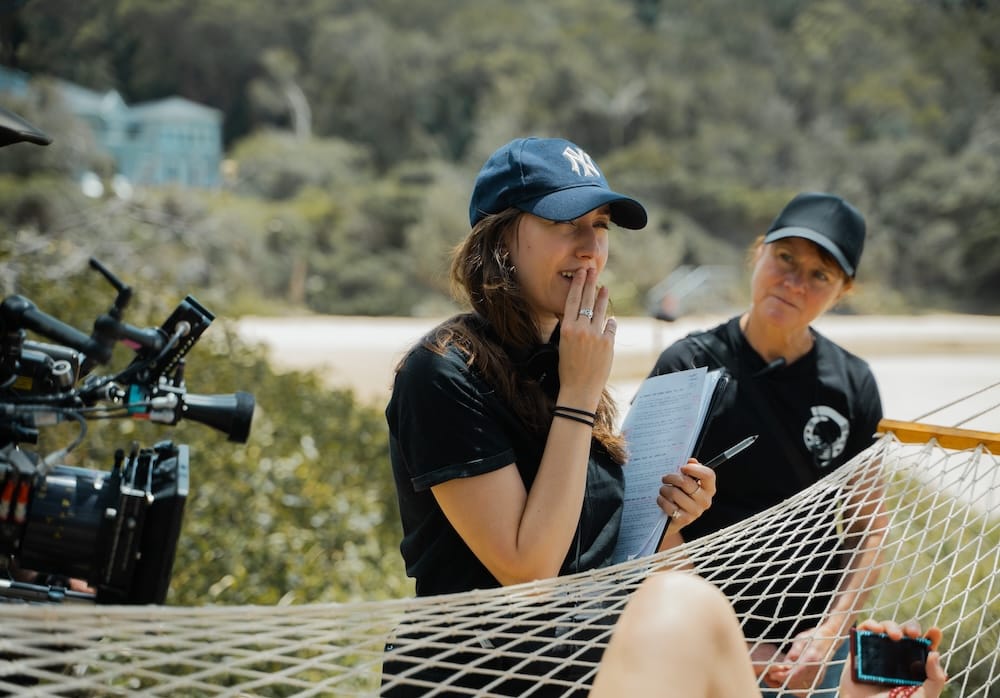
Working with an intimacy coordinator for the first time was a game changer. Caroline Kaspar was our intimacy coordinator, and she is an absolute joy of a human and so immensely talented at what she does. Working with Caroline really allowed me to create a safe space for Tanzyn and Emily to explore and to establish clear boundaries during rehearsals. When changes came up on set, it was easy to work with Caroline and the actors to find a solution everyone was comfortable with. Even on a small budget film, I would recommend allocating the funds to working with an intimacy coordinator if you can.
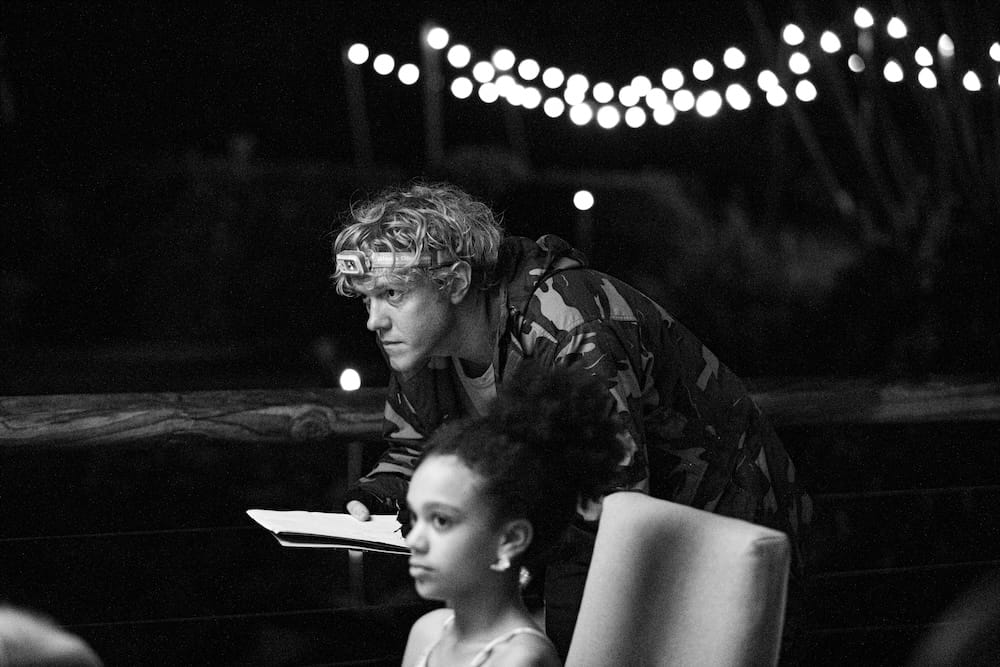
What is the greatest strength of independent filmmaking, and how did you lean into it on this project?
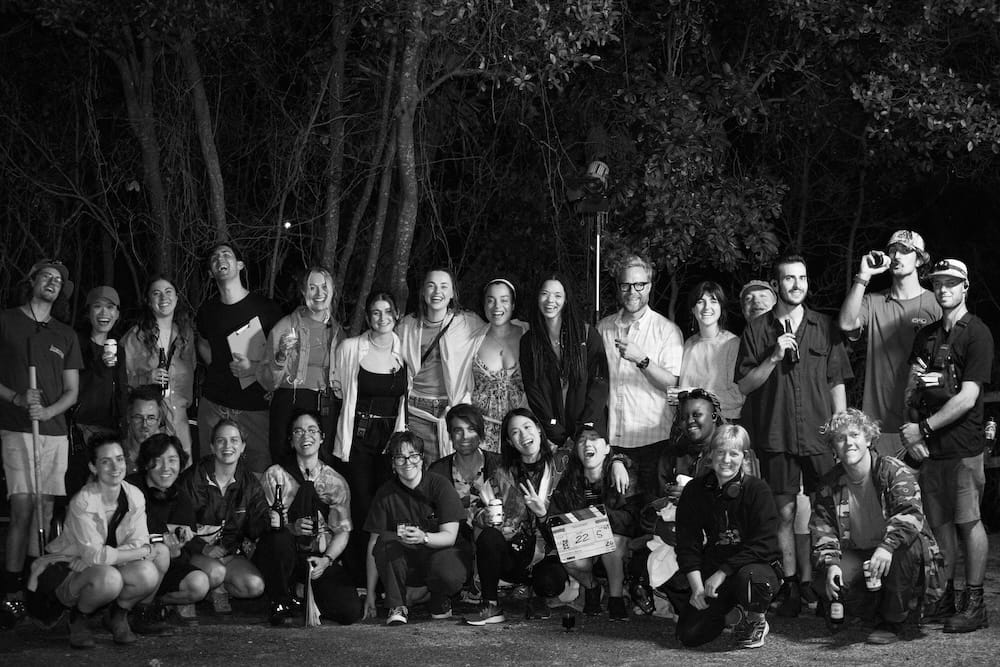
As a director, picking the right collaborators is absolutely essential. Having the trust to really lean on your team is everything — no matter what the budget is. Taking the time to find your people is so important: look at their previous work, their instincts, and check all the references. While there were a few familiar faces in my crew from my previous shorts, there were so many exciting new faces on Souvenir. Building a common language of visuals, tone and character is really crucial in pre-production, and I think every director I know always wants more time to do so. Being able to create space for creativity and ideas to be shared is also essential. One of the most beautiful and haunting shots in the film was an idea spurred from our cinematographer, Adric Watson. Ultimately his work truly elevated the story. Always trust your team!
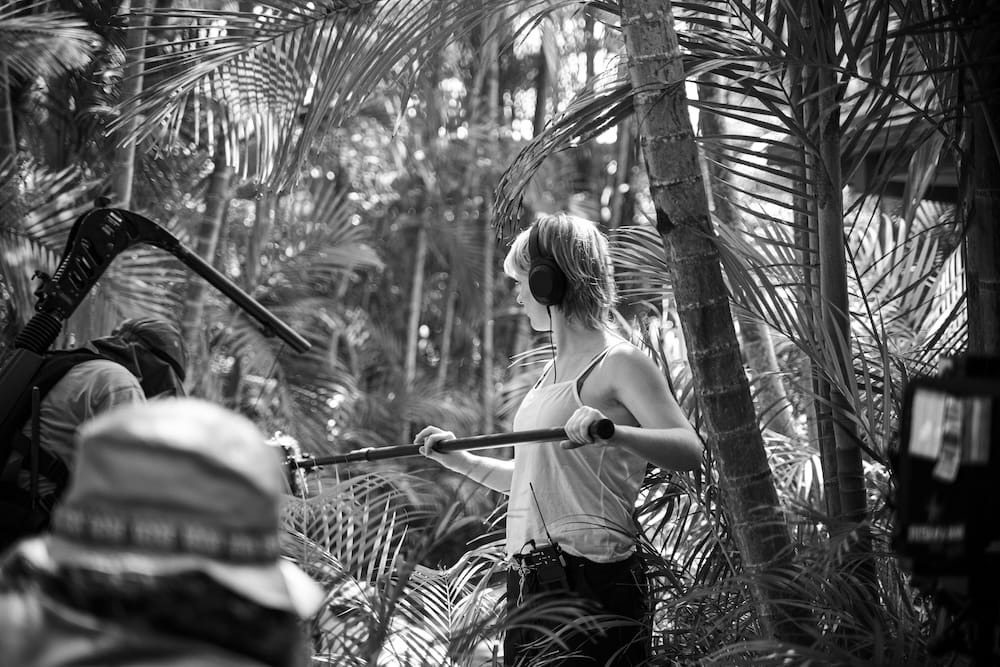
How does your film push the boundaries of its genre or form?
Souvenir is definitely a raw, pressure-cooker of a film that sits within the naturalistic drama genre. But as a director, I wanted to play with sound as another way to ground the audience in Keira's subjectivity and to provoke a much more unsettling sense of dread throughout. Thunder, roaring ocean waves, cicadas, kids screaming in the distance of the resort — the soundtrack to a typical Australian holiday becomes heightened and suffocating for Keira.
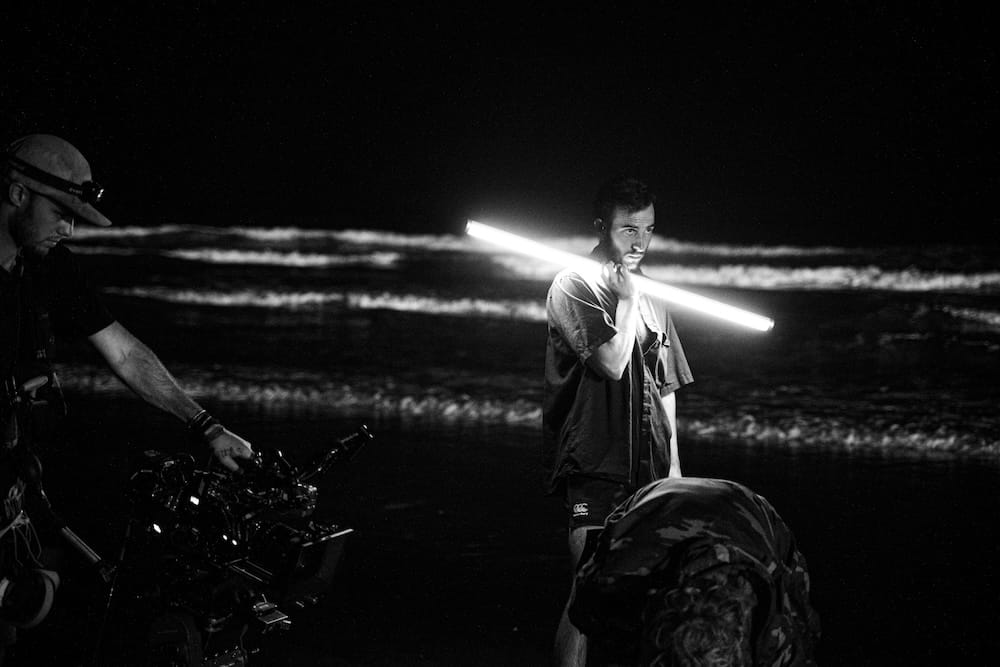
What does it mean to have your film selected for HollyShorts, and where does it go next?
My team and I are so excited to have Souvenir take part in HollyShorts! It's such an incredible film festival that showcases so many powerful, emerging voices and takes place right in the heart of Hollywood. We are so stoked that this will be our Los Angeles premiere and we can finally share the short film with our LA-based friends. We're right in the midst of our festival run that began with the esteemed LGBTQIA+ Iris Prize 2025, followed by our American Premiere at SXSW 2026 where we were awarded the Narrative Short Film Grand Jury Prize. It has been such a sublime joy to share this film and to meet so many people who have been touched by the story, so we are eager to keep this momentum going!
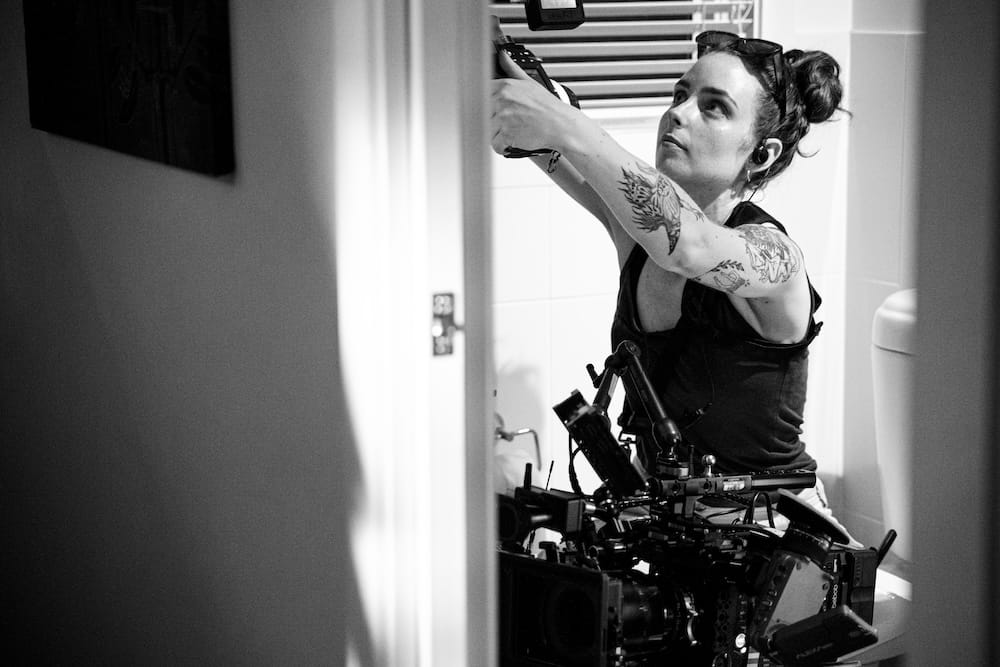
Main Cast & Crew
- Cast: Tanzyn Crawford, Emily Grant, Julian Garner, Athésia, Erika Ndibe
- Writer/Director: Renée Marie Petropoulos
- Producer: Yingna Lu
- Casting: Danny Long
- Cinematographer: Adric Watson
- Production Designer: Diva Abrahamian
- Costume Designer: Georgia Woods
- Hair and Makeup: Jesse Whiting
- Editors: Brendan Cain, Renée Marie Petropoulos
- Sound Designer: Weronika Raźna
- Sound Recordist: Nathan Codner
- Colourist: Yanni Kronenberg
- Production Company: Spaceboy
Filmmaker Opportunities
💛 Fund your next project with fiscal sponsorship
Have a project in the works? As a 501(c)(3) nonprofit, the Cinematography for Actors Institute can accept tax-deductible donations on your film's behalf — a door-opener for grants, foundations, and supporters who want to back your work. We've serviced over 100 projects to date and helped route over $800,000 in funding to filmmakers. Explore fiscal sponsorship →
📬 Grant deadlines and festival opportunities, straight to your inbox
The CFA newsletter rounds up grants, festival calls, and community news for independent filmmakers — the kind of opportunities that are easy to miss and painful to miss. Join the newsletter →
🎬 Focus on the creative — we'll help with the logistics
Production Management, CFA's newest member program, launches this November: production insurance and workers' comp, payroll, film permits, gear rental coordination, SAG-AFTRA compliance, contract drafting, production consulting, and crew recommendations — handled by a team of working filmmakers, à la carte or all in, in partnership with Creative Access Group. It's waitlist-only until launch. Join the waitlist →
League of Filmmakers is published by our parent organization, the Cinematography for Actors Institute — a 501(c)(3) dedicated to education, community, and capital for underrepresented filmmakers and actors. Learn more about CFA →