Table of Contents
Catherine Joy White is an author, actor, and filmmaker whose work spans mediums but keeps circling the same current: the lives and inner worlds of Black women. Her first documentary, Swim Sistas, arrives at HollyShorts for its LA premiere at a pivotal moment on the film's road to the Oscars, narrated by Academy Award nominee Naomie Harris and executive produced by Afua Hirsch.
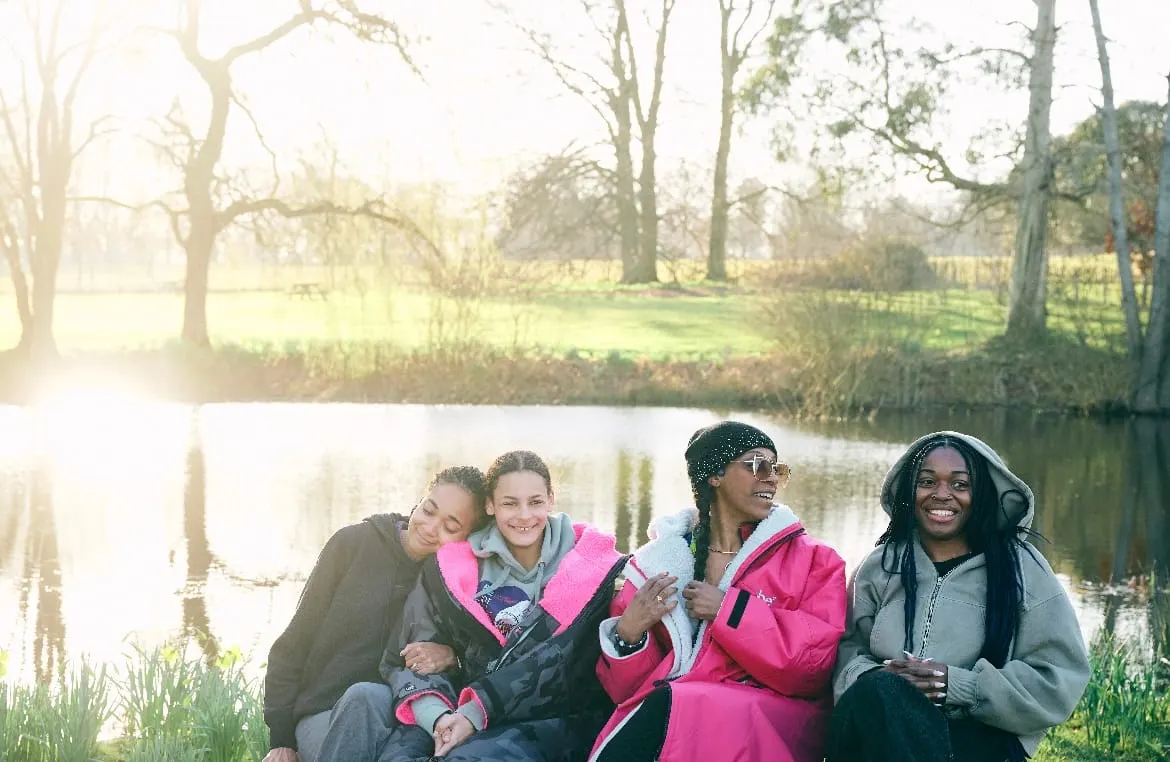
The film follows four women reclaiming their relationship with water: Olympian Alice Dearing, rising athlete Lexie Sandiford, rugby player and The Traitors star Jasmine Boatswain, and 56-year-old first-time swimmer Roni Bruno. Born from grief and a plunge into an icy lake, Swim Sistas is less about barriers than about joy — a love letter to water, sisterhood, and the enduring strength of Black women across generations.
Key Takeaways
- Shot in a single day, the film proves an intimate documentary needs a generous village, not a large budget.
- White fuses documentary with visual poetry and the ancestral voice of "Mami Wata," disrupting the form.
- Beyond festivals, the film has moved audiences to sign up for swimming lessons and see themselves in stories about water.
Below, White talks about the loss that started it all, finding the film in the edit, and the moment that still makes her cry.
Interview
What drew you to make this film, and why this story, why now?
In 2021, choked by grief, I jumped into a freezing lake and started swimming. I had lost my beloved friend to suicide during the pandemic and was as low as I had ever been. I just wanted to feel something again. At dawn each morning, in the sanctuary of an icy lake, I found a way back to myself. I started to feel hope again.
Along the way, I encountered some of the most wonderful and resilient Black women swimmers who have found healing and joy through the water. I found a community. Swim Sistas was born out of my desire to shine a spotlight on these women. I want to inspire more Black women — and everyone, really — to see that the water is for them, it is theirs, and to encourage them to dive in.
What surprised you most about the filmmaking process, creatively or logistically?
Making a doc is so different to making a narrative film! Of course I had an idea, but I had to go back to basics after we shot. What was I saying with this film? How would I tie it together? Really I was "writing" the script of the film in the edit with my fantastic editor. We spent long days going through the footage, and it was only when I found the poetic narratorial voice of "Mami Wata" that it really started to come together.
What was the hardest creative decision you made while making the film?
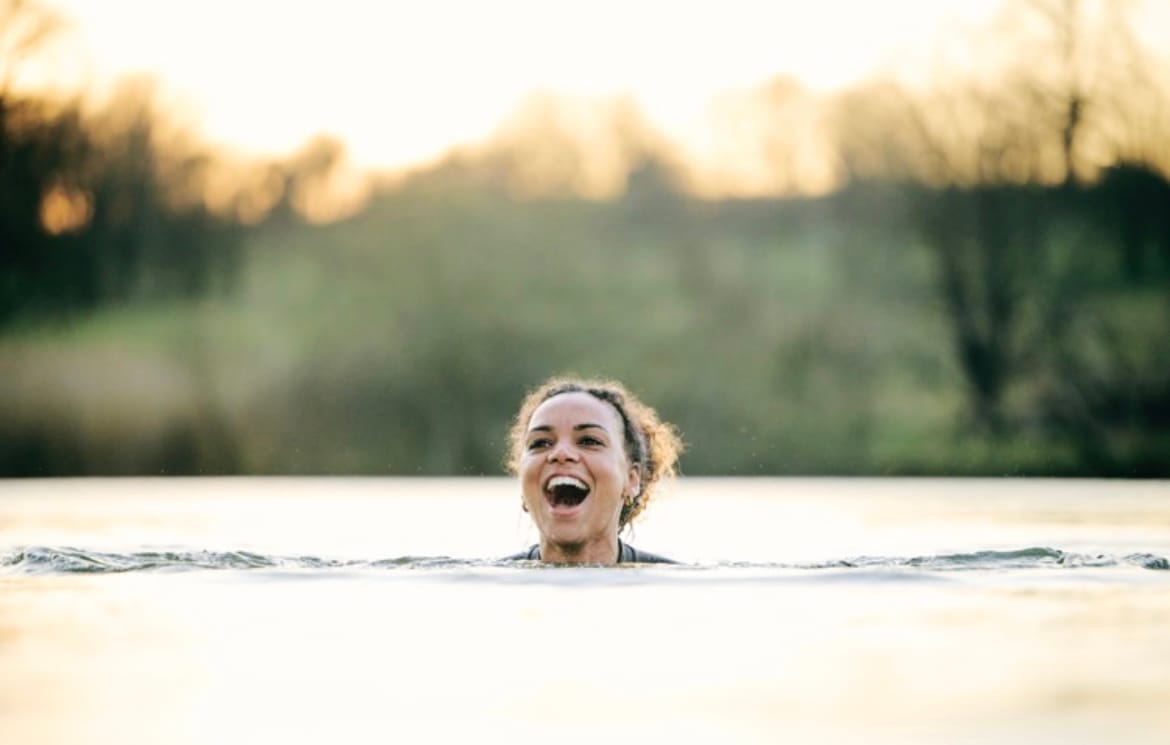
It was centred around how to weave the stories of four women together while maintaining my creative vision of this being a film where we didn't focus on the barriers but on the joy. It really liberated me in some ways, though, to lean into a more experimental format — poetry, moments of animation, and on the shoot itself just creating a safe and joyful environment where I could let my contributors BE. A lot of it was about listening.
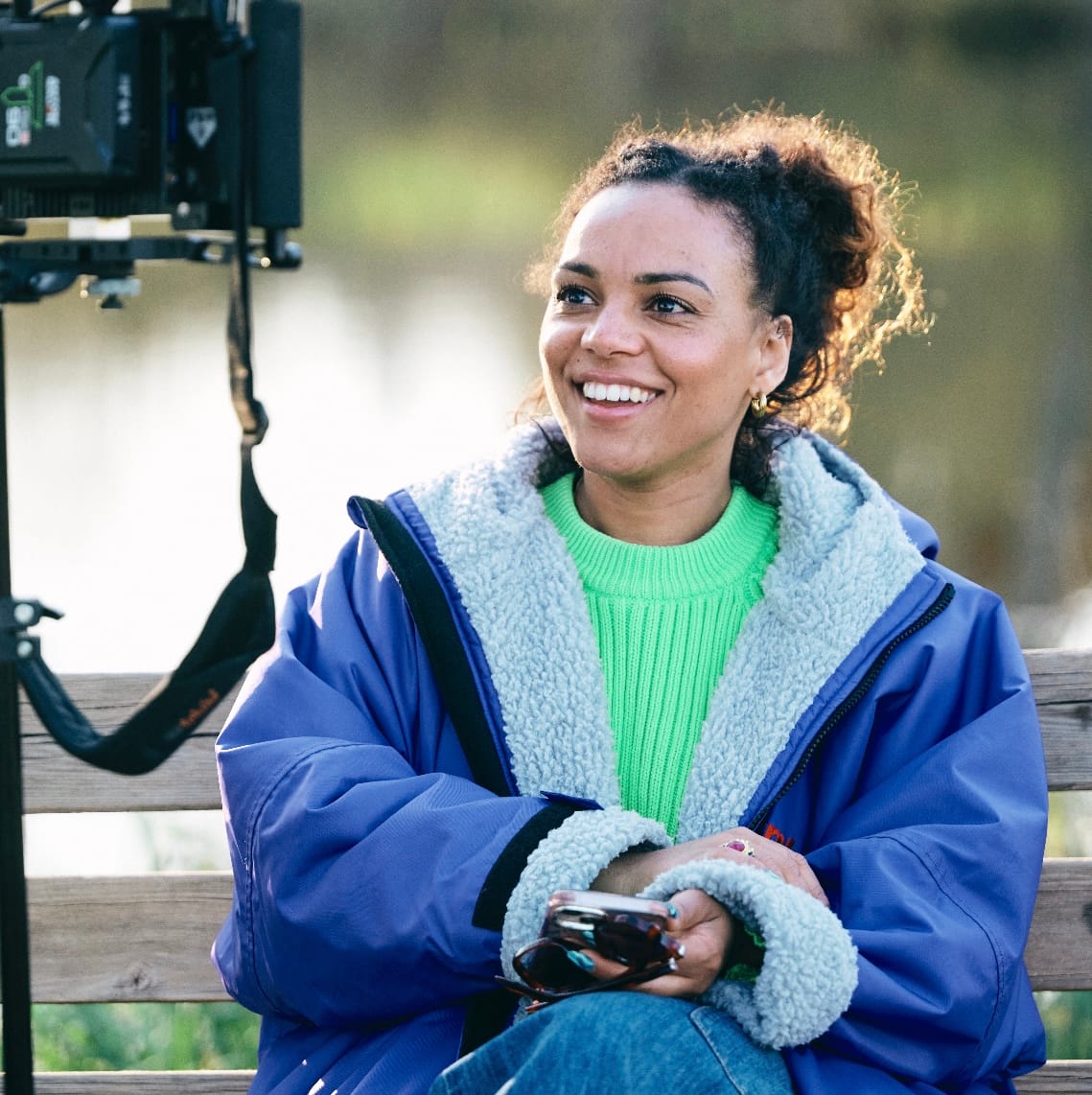
What moment in the film feels most like you, or like something only you could have made?
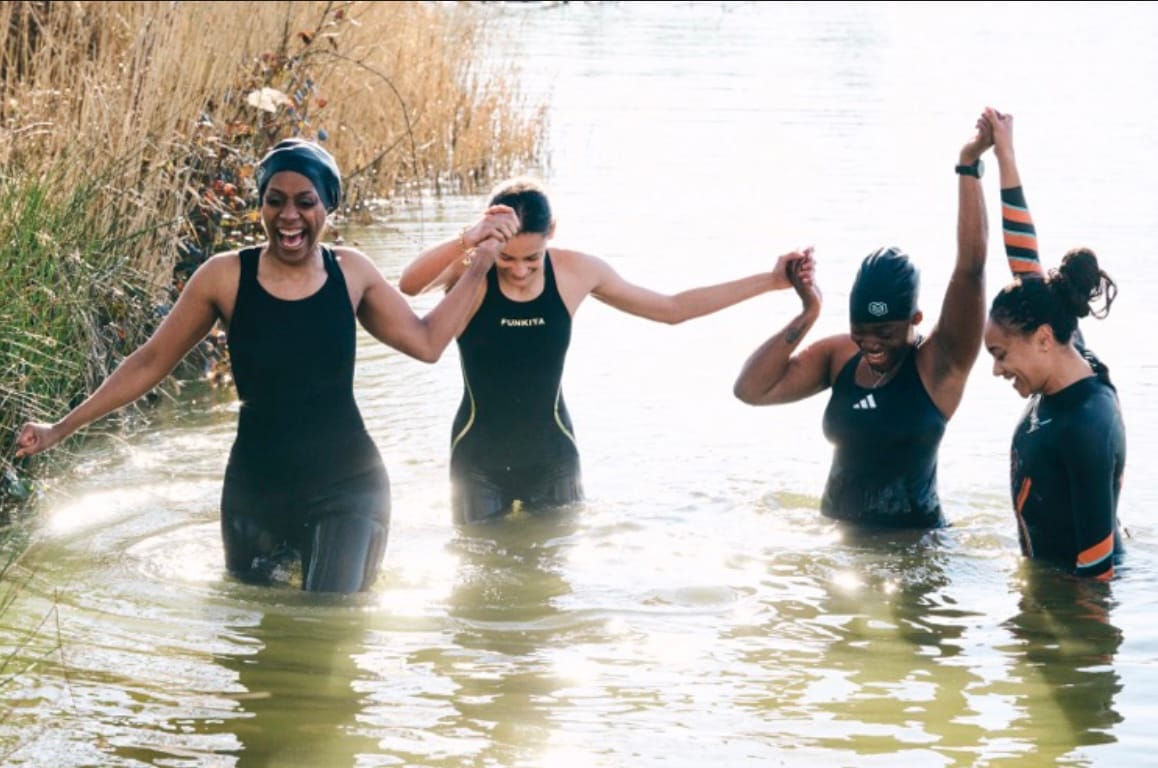
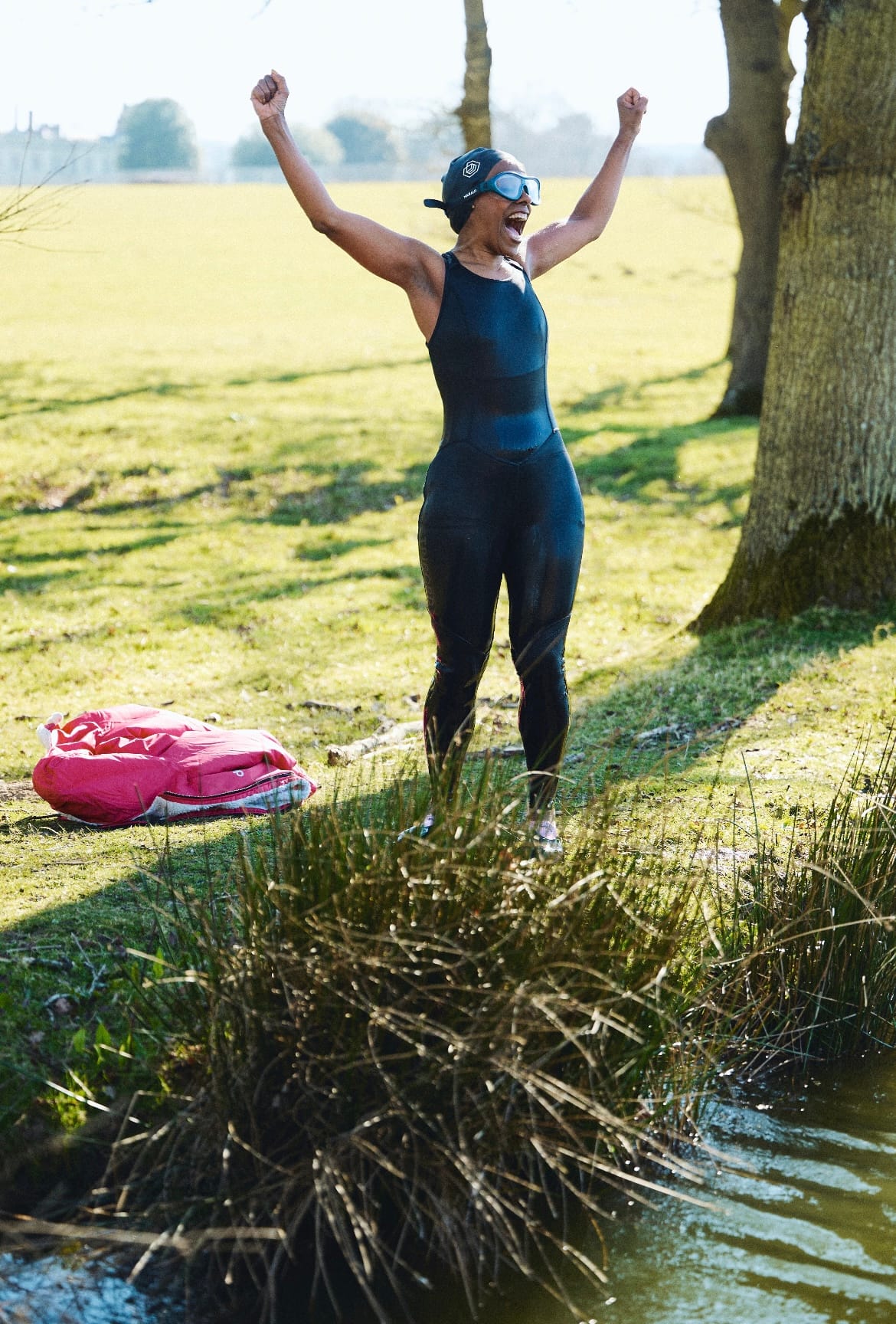
There is a moment towards the end of the film where all of the women get in the water together for the first time. I knew I wanted it to feel joyful and beautiful, but I didn't realise it would also be so moving. It still makes me cry every time. There is no dialogue; we just watch these four women come together and exist — as themselves. Hollie Buhagiar's beautiful score soars. It is sublime, and joyful, and brave.
What tool, technique, resource, collaborator, or mindset shift helped most during production?
It has to be Sakky Barnor, my incredible editor. We spent weeks together in her studio figuring out how we would piece this together. Not only was it creatively fulfilling, but it also became a beautiful space of conversation and support.
Once I started writing the voice of Mami Wata into the film, it felt like it really began to soar. I still remember the moment we watched back that cut and both just knew it was going to work. Proper joy.
How does your film fit within, or push the boundaries of, its genre or form?
I have always felt when I swim that the water is like poetry; it washes over me, I suspend myself in its embrace and I see the world anew. As someone who works across mediums — through my acting work in the likes of Bridgerton to my critically acclaimed debut book This Thread of Gold — I am interested in how disrupting our expectations in terms of form can transform how we receive something.
By fusing the mediums of documentary film with visual poetry and the layered ancestral voice of Mami Wata, inspired by Mati Diop's Dahomey, I have definitely challenged the boundaries of the documentary form. There are three voices I used to create the voice of Mami Wata: one is my own, one is Naomie Harris, and one is our editor's seven-year-old daughter!
What does it mean to have your film selected for HollyShorts, and where do you see it going next?
It is an enormous honour. We are at a pivotal point now on our road to the Oscars, having premiered at DOC NYC and gone on to screen at some of the most incredible Oscar-qualifying festivals around the world. To have our LA premiere at such a prestigious festival at this moment is really meaningful for us.
The response has been one of the greatest privileges of my career. The film has found communities wherever it goes, screening not only in cinemas but in museums, outdoor public spaces, classrooms and community gatherings. We've heard from women who have signed up for swimming lessons after watching the film, families who have finally seen themselves reflected in stories about water, and audiences who have discovered connection through the conversations it has sparked. Next stop: the Oscars?!
Main Cast & Crew
- Director - Catherine Joy White
- Producers - Oriane Pick, Anais Ferrato
- Executive Producers - Afua Hirsch, Amandla Crichlow, Catherine Joy White
- Narrator - Naomie Harris
- Director of Photography - Martyna Knitter
- Underwater and B-roll Camera Operator - Richard Maskey
- 2nd Unit Camera Operator - Savannah Acquah
- Sound Recordist - Jermaine Monero
- Edited by - Sakky Barnor
- Music by - Hollie Buhagiar
- Sound Design & Mix by - Pete Gummerson
- Colourist - Jake Davies
Production Company: Candid Broads Productions, Kusini Productions, Born in Me Productions
Filmmaker Opportunities
💛 Fund your next project with fiscal sponsorship
Have a project in the works? As a 501(c)(3) nonprofit, the Cinematography for Actors Institute can accept tax-deductible donations on your film's behalf — a door-opener for grants, foundations, and supporters who want to back your work. We've serviced over 100 projects to date and helped route over $800,000 in funding to filmmakers. Explore fiscal sponsorship →
📬 Grant deadlines and festival opportunities, straight to your inbox
The CFA newsletter rounds up grants, festival calls, and community news for independent filmmakers — the kind of opportunities that are easy to miss and painful to miss. Join the newsletter →
🎬 Focus on the creative — we'll help with the logistics
Production Management, CFA's newest member program, launches this November: production insurance and workers' comp, payroll, film permits, gear rental coordination, SAG-AFTRA compliance, contract drafting, production consulting, and crew recommendations — handled by a team of working filmmakers, à la carte or all in, in partnership with Creative Access Group. It's waitlist-only until launch. Join the waitlist →
League of Filmmakers is published by our parent organization, the Cinematography for Actors Institute — a 501(c)(3) dedicated to education, community, and capital for underrepresented filmmakers and actors. Learn more about CFA →