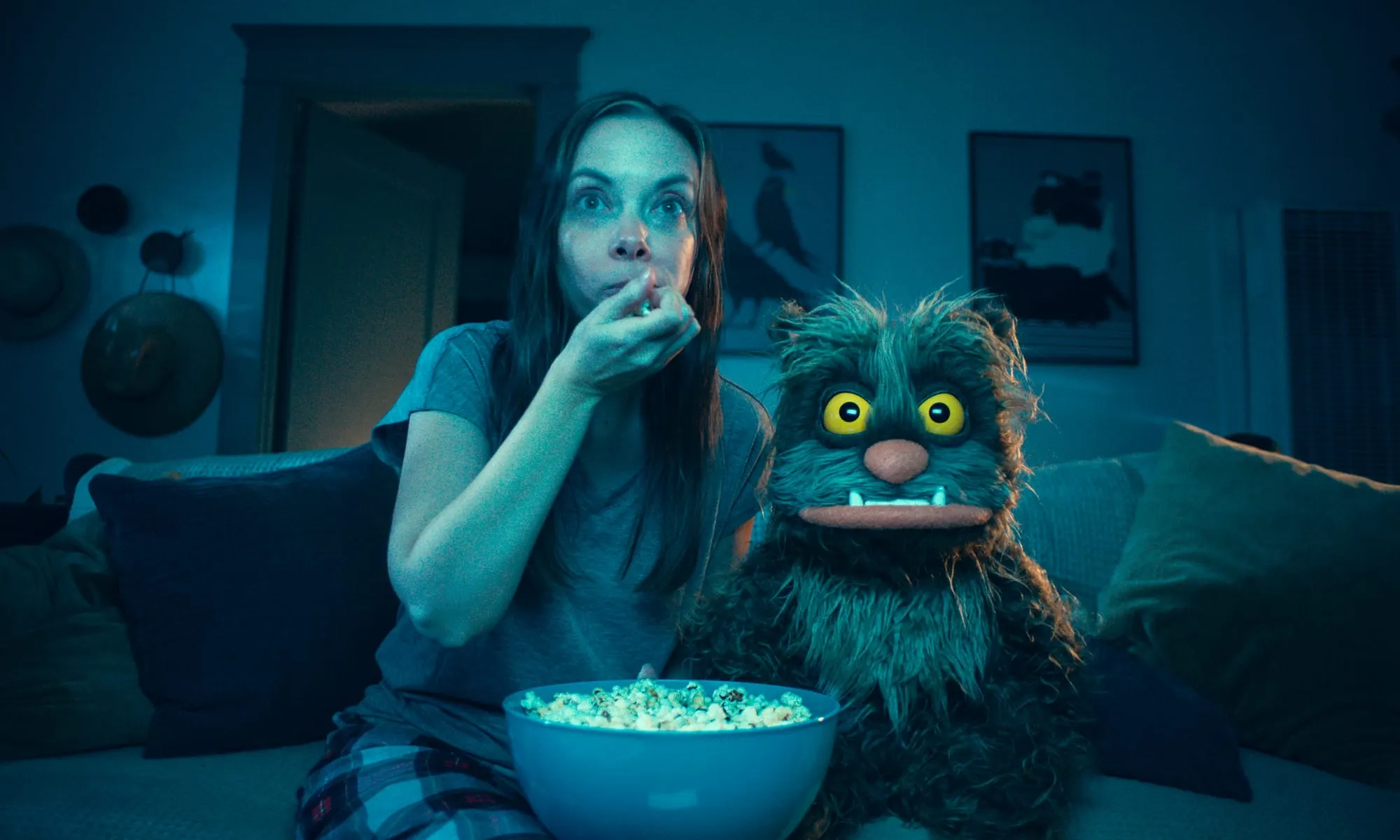
The logline is one line long and it tells you everything and nothing: a cat becomes envious of his owner's romantic interests. What David Hefner builds out of that premise is a short that keeps two tones in the same frame — the playfulness of a puppet performance and the creeping dread of something in the apartment that resents you. Hefner wrote That Damn Cat twenty years ago, then shelved it once he understood what the puppet would demand. It took meeting Russ Walko of Puppet Garage for the film to become possible.
The cast reflects that patience paying off: Rebekah Kennedy as Liz, Tom Franco as Jon, Ariel Romeo Davis as Clay, Ry Cook as Ash, and Patton Oswalt narrating. The cat — Church — is brought to life by three puppeteers, and Hefner is unambiguous about what that collaboration meant to him. "At the core of all my work is a desire to make people feel guilty for laughing," he says, which is as clean a mission statement as the genre allows.
Key Takeaways
- Hefner storyboarded every shot, then cut a previz with temp music — and for the first time, the finished film matched what he had in his head.
- Church, the film's cat, was created by Puppet Garage and performed by Russ Walko, Grant Baciocco, and Geneviève Flati.
- His advice to independent filmmakers: plan relentlessly in advance — shot list, storyboards, look-book, temp music, even a poster — and then stay flexible with the vision.
A conversation with Hefner about long-delayed scripts, shooting two things at once, and why he intends to keep working with puppets.
Interview
What drew you to make this film, and why this story, why now?
I first wrote That Damn Cat 20 years ago but put it away when I realized how challenging the puppet would be. It was only recently when I met Russ Walko of Puppet Garage that I thought I might be able to pull it off.
My goal for the short was to balance humor with tension, creating a horror-comedy film that feels both playful and sharply observant. Through intimate camerawork and a deliberately brisk pace, I aimed to create a story where laughter and unease coexist, leaving the audience uncertain whether to scream or laugh.

What surprised you most about the filmmaking process, creatively or logistically?
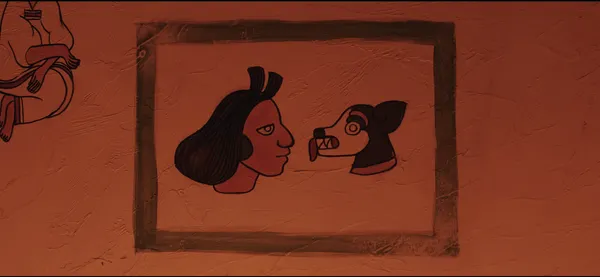
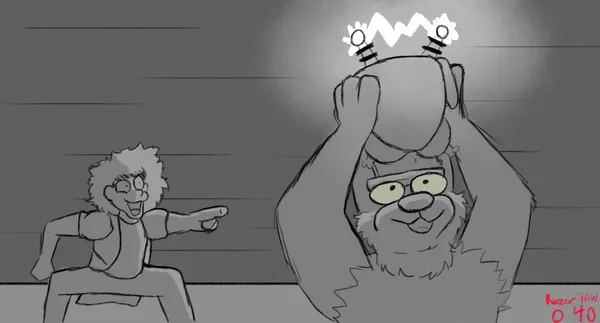
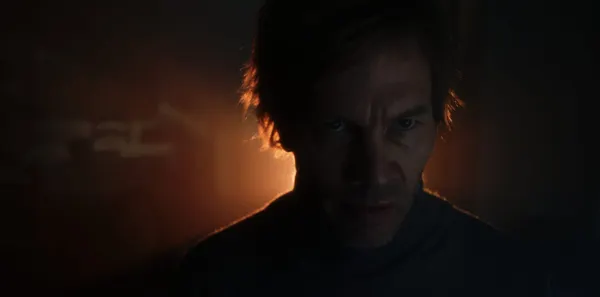
This is the first film I made that turned out pretty much exactly how I envisioned it. I think that was because we storyboarded every single shot. I then took those frames and edited a previz with temp music and so forth. I was pleasantly surprised at how well this worked.
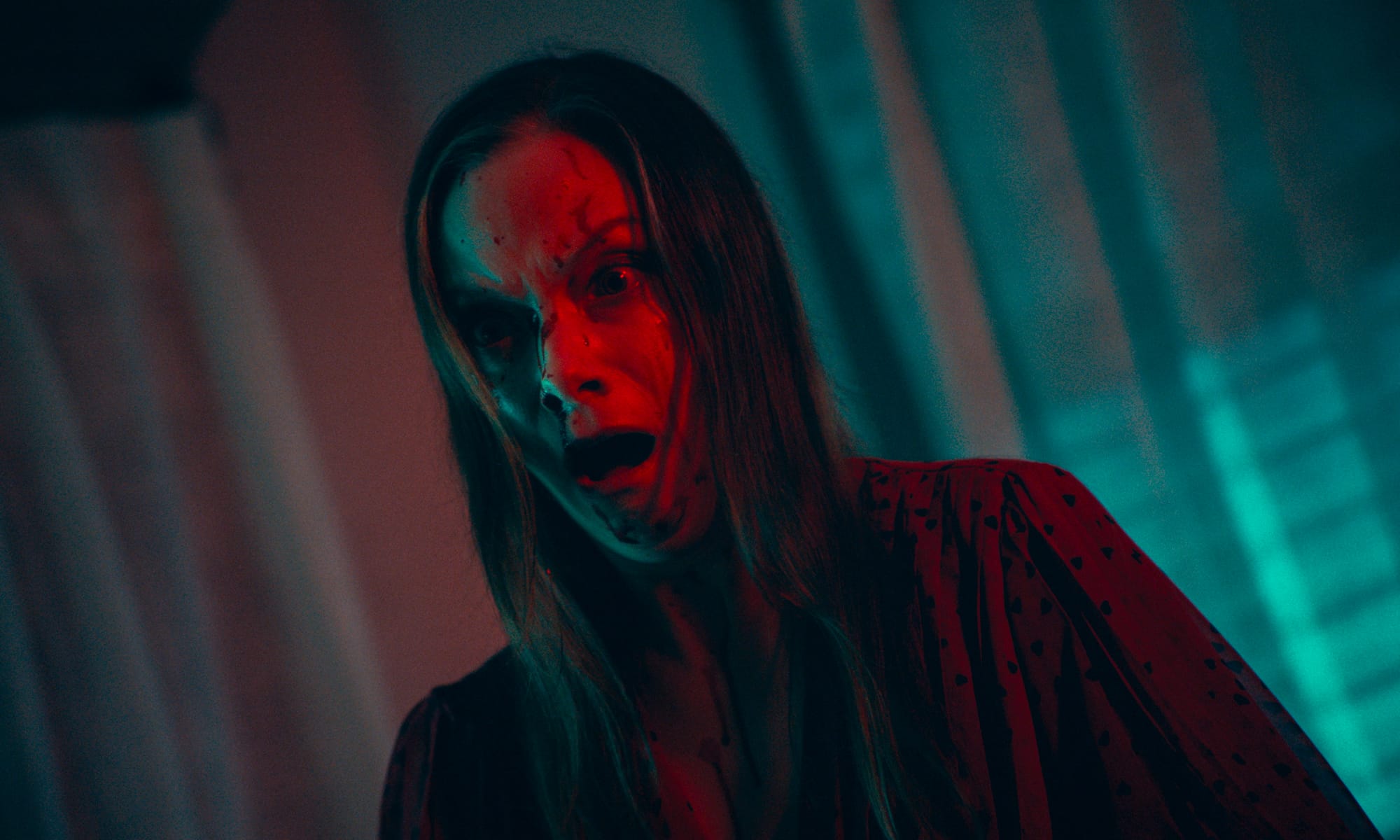
What moment in the film feels most like you, or like something only you could have made?
The shot with the 3rd boyfriend when we see Liz and the commotion over her shoulder. I love showing two things at once for pivotal moments like that.
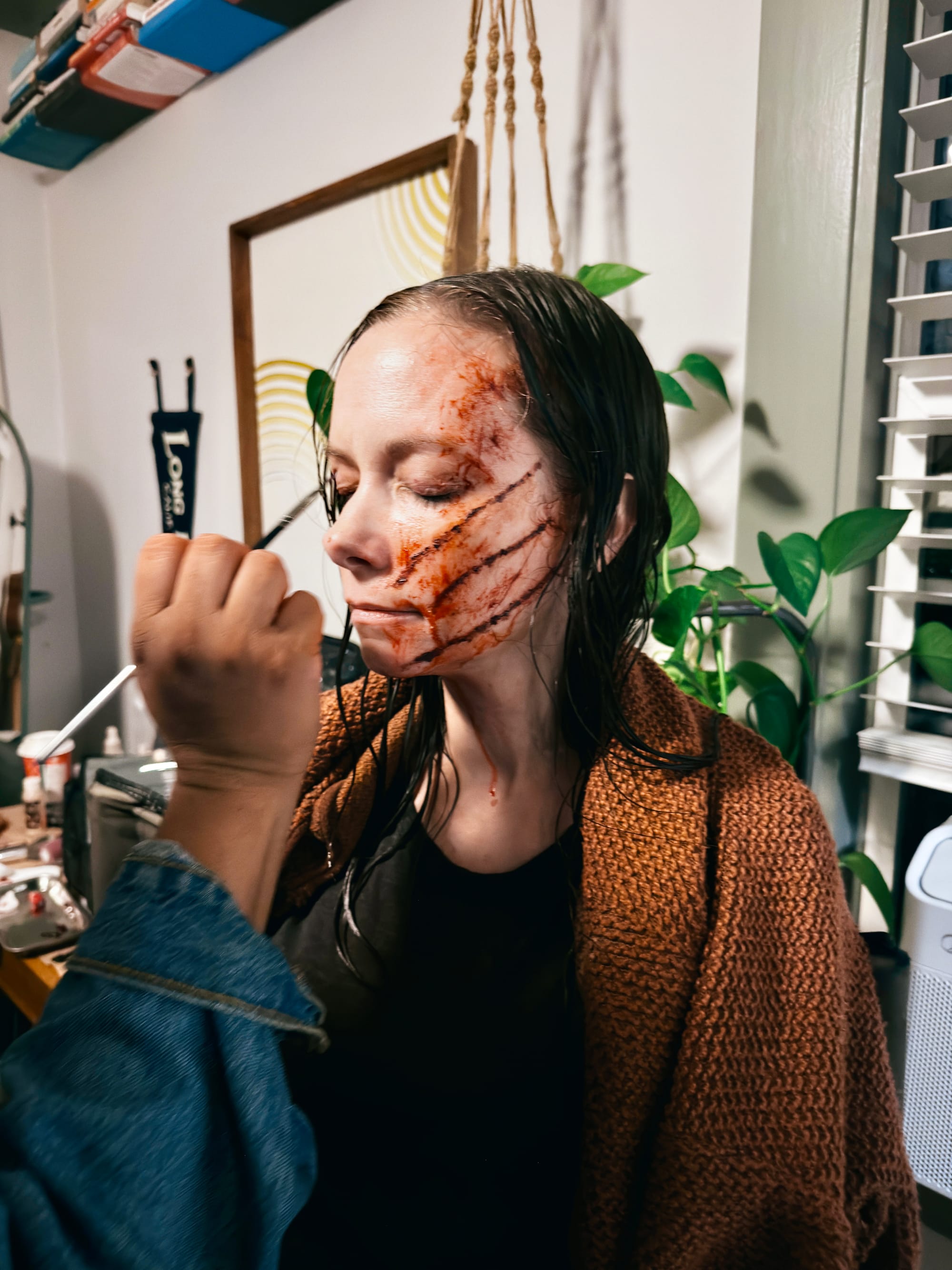
What was the hardest creative decision you made while making the film?
We ran out of time to shoot two scenes. Cutting them on set was tough.
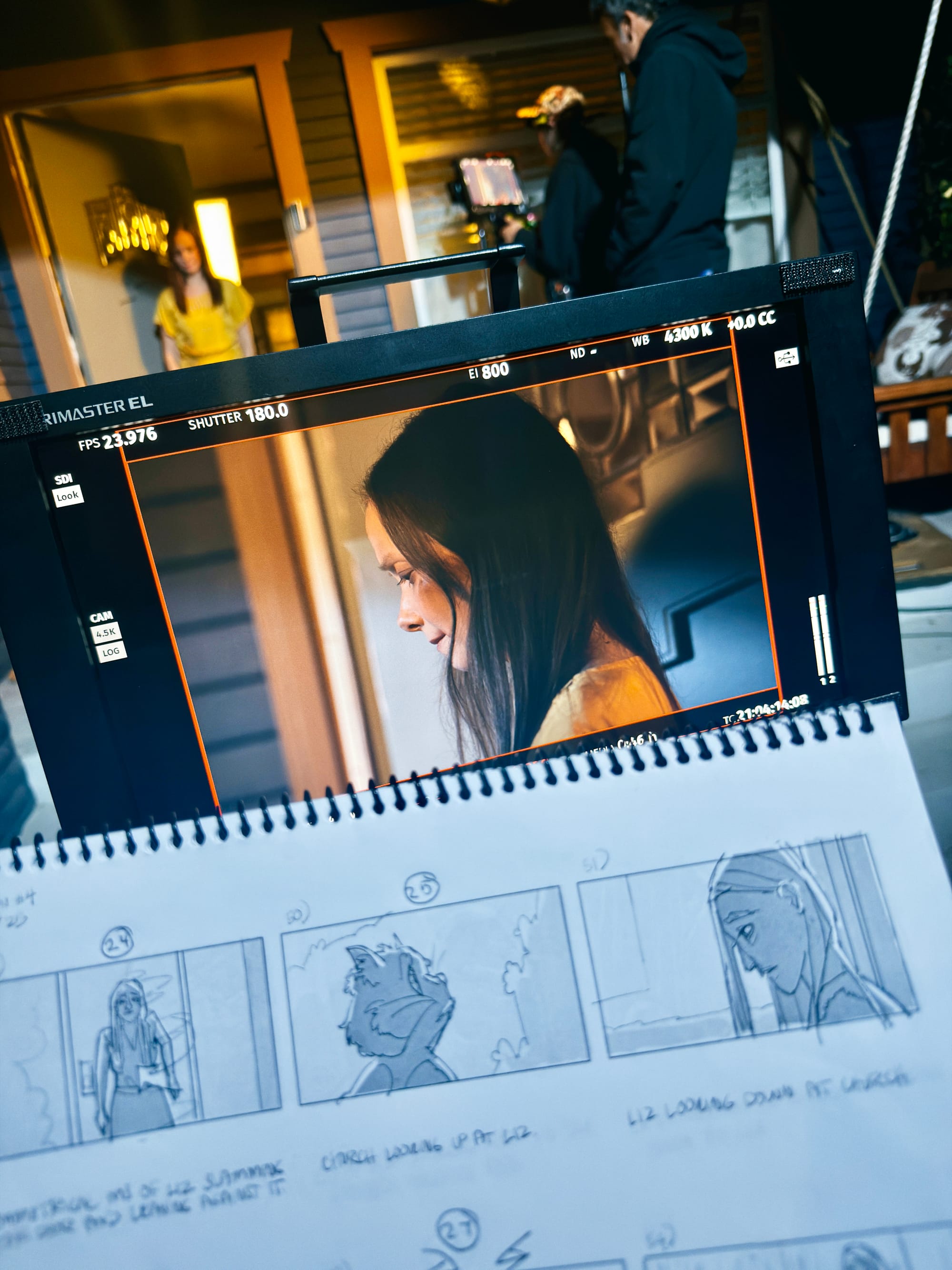
What tool, technique, resource, collaborator, or mindset shift helped most during production?
Allie Schultz, the director of photography, worked so fast while also delivering the coolest looking film that I've made to date. I don't know how I could have done it without her.
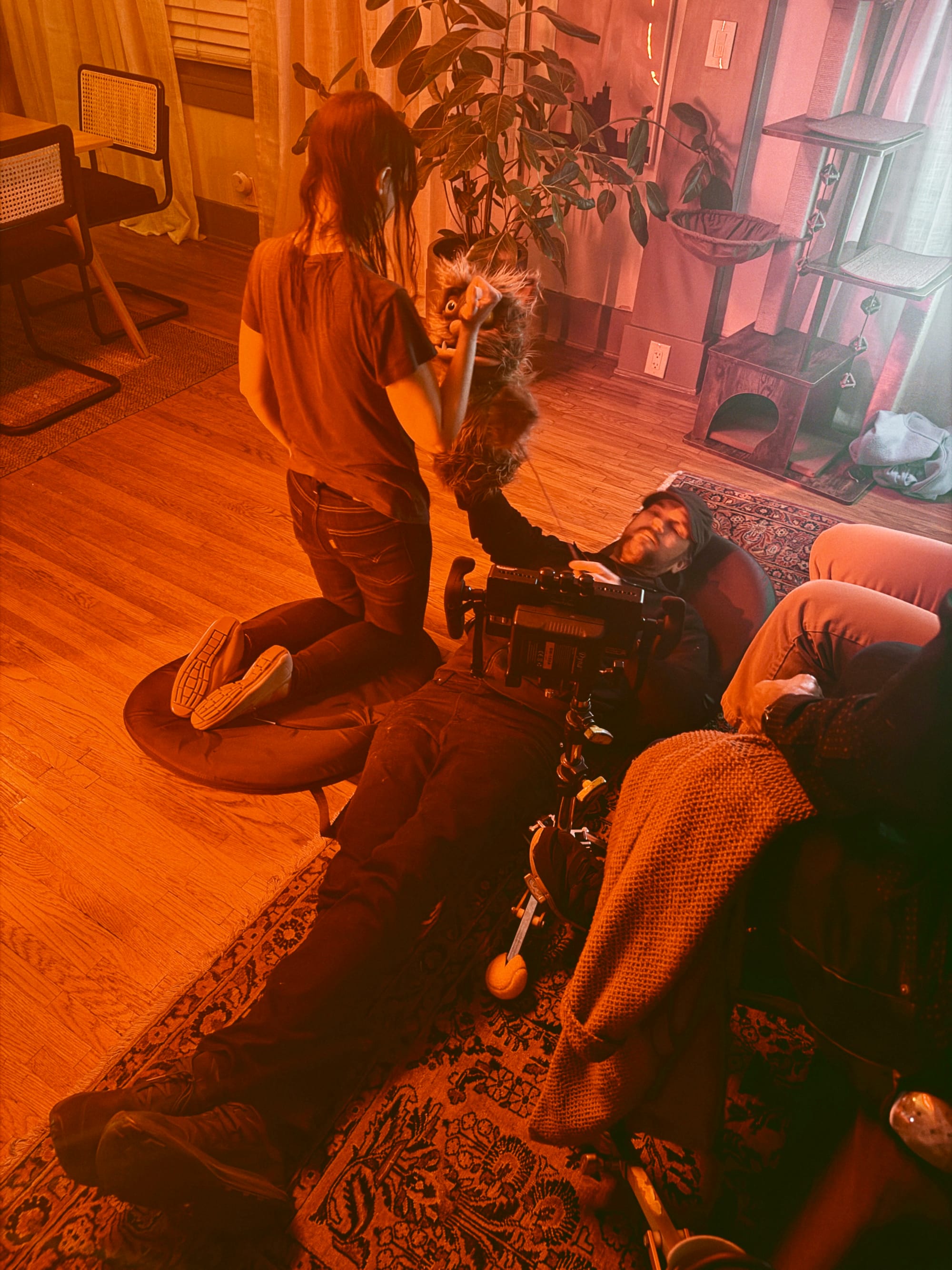
What is the greatest strength of independent filmmaking, and what lesson or breakthrough would you share with others?
Plan out the movie in advance as much as possible. Make a shot list, storyboards and a poster even. Pick out temp music, make a look-book. Have a strong vision but also be flexible with it.
What do you hope audiences take away from this film, and how has it shaped what you want to make next?
That puppets kick ass and more people should work with them. I plan to. Puppeteers are performers. Watching them bring our cat "Church" to life was nothing short of amazing. I want to stick with the horror-comedy genre for now and continue to work with puppets.
What does it mean to have your film selected for FilmQuest, and where do you see the film going next?
I've followed FilmQuest for several years now because I gravitate towards genre films. It's a great honor to be included. I thank Jonathan Martin and the whole FilmQuest team for including me. Plus their Cthulhu mascot is awesome. I would like to play as many genre festivals that will have me and see what my fellow filmmakers are up to.
How does your film fit within, or push the boundaries of, its genre?
By embracing dark, twisted themes of jealousy and loneliness, layered with humor to disarm the audience.
Main Cast & Crew
- Written and directed by David Hefner
- Rebekah Kennedy as Liz
- Tom Franco as Jon
- Ariel Romeo Davis as Clay
- Ry Cook as Ash
- Patton Oswalt as the Narrator
- Puppeteers: Russ Walko, Grant Baciocco, Geneviève Flati
- Line producer: Alexander Moon
- Director of photography: Allie Schultz
- Production designer: Marie Claire Marchant
- Music by Jordan Lewis
- Costume designer: Erica D. Schwartz
- Hair and makeup artist: Erica Medina
- Casting by Amy de Souza and Jennifer Goldstein
- Storyboard artist: Steph Skiles
- Church created by Puppet Garage
- Website
Filmmaker Opportunities
💛 Fund your next project with fiscal sponsorship
Have a project in the works? As a 501(c)(3) nonprofit, the Cinematography for Actors Institute can accept tax-deductible donations on your film's behalf — a door-opener for grants, foundations, and supporters who want to back your work. We've serviced over 100 projects to date and helped route over $800,000 in funding to filmmakers. Explore fiscal sponsorship →
📬 Grant deadlines and festival opportunities, straight to your inbox
The CFA newsletter rounds up grants, festival calls, and community news for independent filmmakers — the kind of opportunities that are easy to miss and painful to miss. Join the newsletter →
🎬 Focus on the creative — we'll help with the logistics
Production Management, CFA's newest member program, launches this November: production insurance and workers' comp, payroll, film permits, gear rental coordination, SAG-AFTRA compliance, contract drafting, production consulting, and crew recommendations — handled by a team of working filmmakers, à la carte or all in, in partnership with Creative Access Group. It's waitlist-only until launch. Join the waitlist →
League of Filmmakers is published by our parent organization, the Cinematography for Actors Institute — a 501(c)(3) dedicated to education, community, and capital for underrepresented filmmakers and actors. Learn more about CFA →