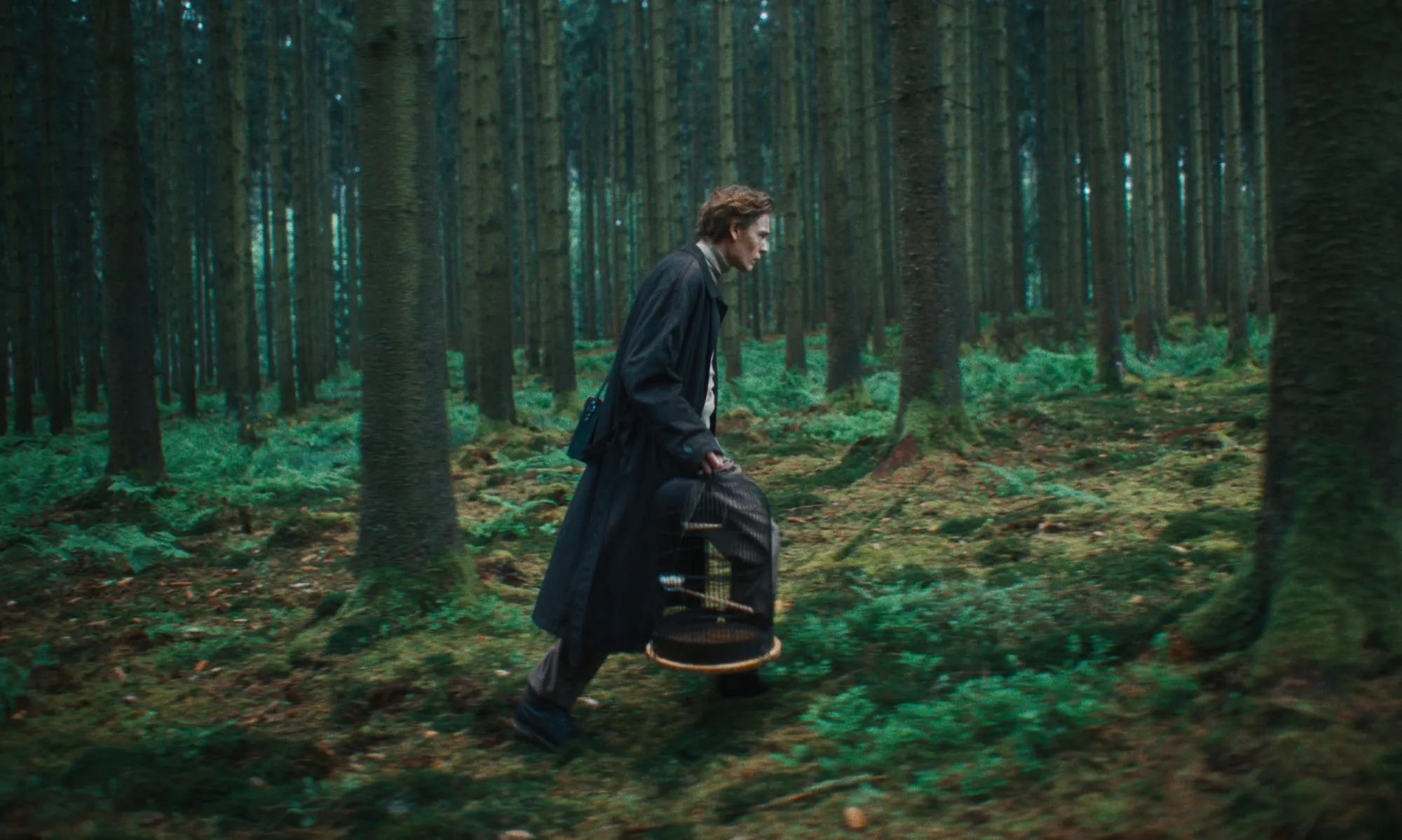
Luka Galle spent six years shooting music videos and commercials before he decided it was time for his first narrative short. What began as a small idea — he and his DP, Gilles Mosar, simply wanted to film something on Super 8 — grew into The Catcher, a 30-minute blend of subtle sci-fi and character-driven drama about Robin, a government catcher of invisible birds who makes one dangerous choice.
Screening in the Shooting Star Shorts Competition as its Italian premiere, The Catcher wears its ambition lightly. It is a fantasy that never lets the fantasy take over, a film about loneliness and depression that ultimately reaches out a hand. As Galle puts it, he wants it to feel like a warm blanket that says: I see you.
Key Takeaways
- The Catcher uses invisibility as a metaphor for feeling unseen, overlooked, and almost as if you don't exist.
- Galle and Mosar shot the entire film themselves during location scouts, locking the storyboard and edit before the real shoot — a first cut was done in a week.
- A feature version is already in its third draft, expanding Robin's story and the world of the catchers.
Galle spoke with us about personal filmmaking, restless rivers, and why the story always comes first.
Interview
What drew you to make this film, and why this story, why now?
After working for six years on music videos and commercials, I felt like it was time to produce my first narrative short film. Around the same time, my DP, Gilles Mosar, and I wanted to film something on Super 8. Something small, low-budget and short, but it turned into this big short film production. I came up with the idea of a guy going to different places and having to film something mysterious. Quickly, that evolved into filming invisible things, the unseen beauty in the world.
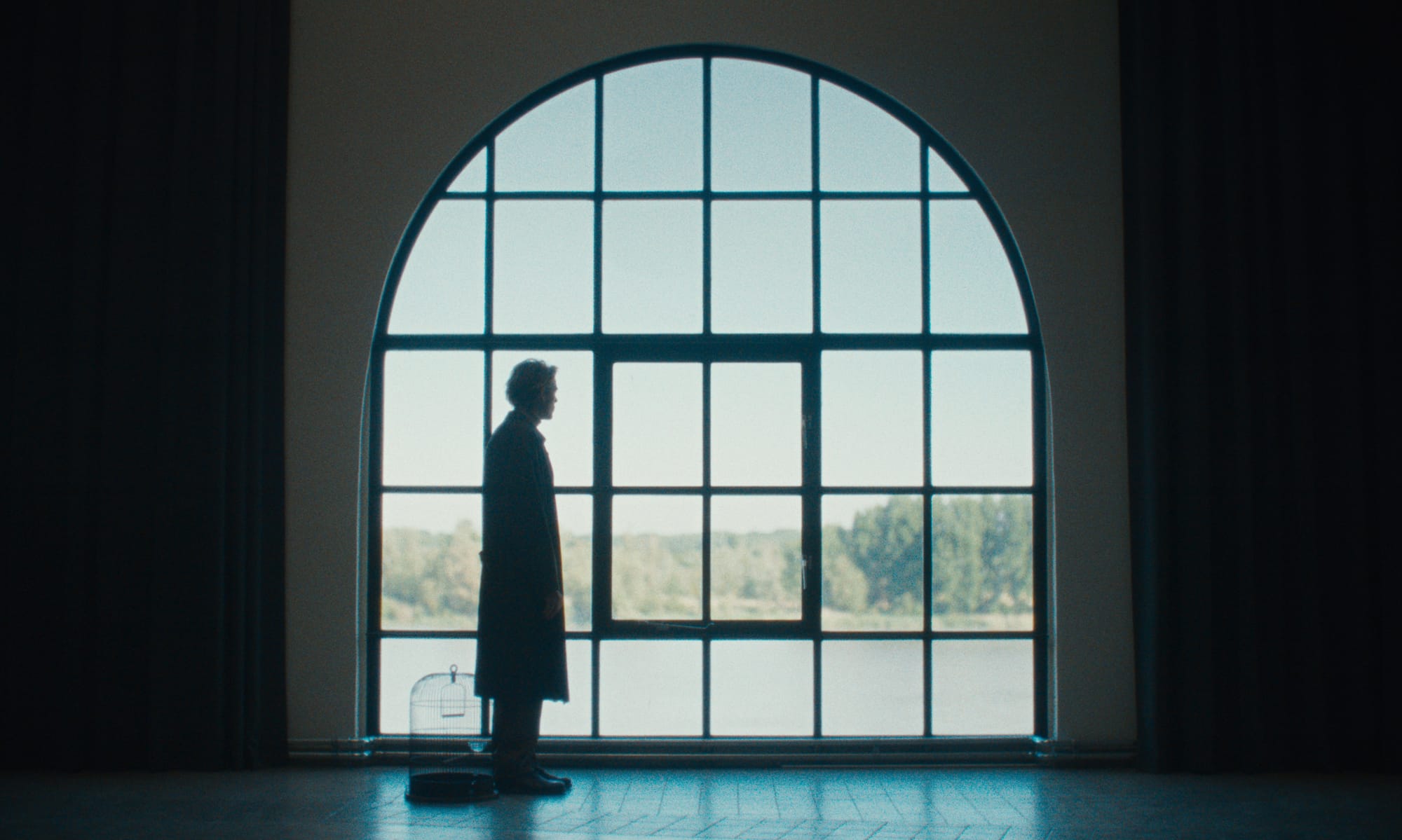
Loneliness and depression are themes that feel close to me, so I began exploring invisibility as a metaphor for feeling unseen, overlooked, and almost as if you don't exist. Feeling invisible myself from time to time, it struck me how personal this film turned out to be. A reviewer on Letterboxd grasped the core message of the film really well: "The most important films are the ones that connect to someone who was waiting for someone to speak to them. That say to them: I see you. The Catcher has that power." The story of The Catcher is timeless, and it is important to keep telling these kinds of stories to awaken an audience to some extent and protect the future from repetitions of the past. Especially today, with the shaky world order, a repetition seems inevitable once again.
What surprised you most about the filmmaking process, and did any moment change how you saw the story?
We had an extensive pre-production period. Gilles and I actually shot the film beforehand during our location visits, so there is a version of the film out there with me and Gilles playing all the roles. The storyboard and edit were already locked before we actually shot the film. We have no deleted scenes, and a first cut was done in a week. It helps a lot to be prepared; I don't think we would have made it if we hadn't.
I also remember our first location scout, when we went searching for the lake and stumbled upon these beautiful but restless rivers crawling their way through the forests in the South of Belgium. To me it was visually such a striking image, and the whole world of The Catcher became very much alive before my eyes. Then and there I decided to incorporate water a lot more than originally intended. It represents Robin's trauma, comfort and death. Some of the shots during the river sequence were shot on that first location visit.
What moment in the film feels most like you, or like something only you could have made?
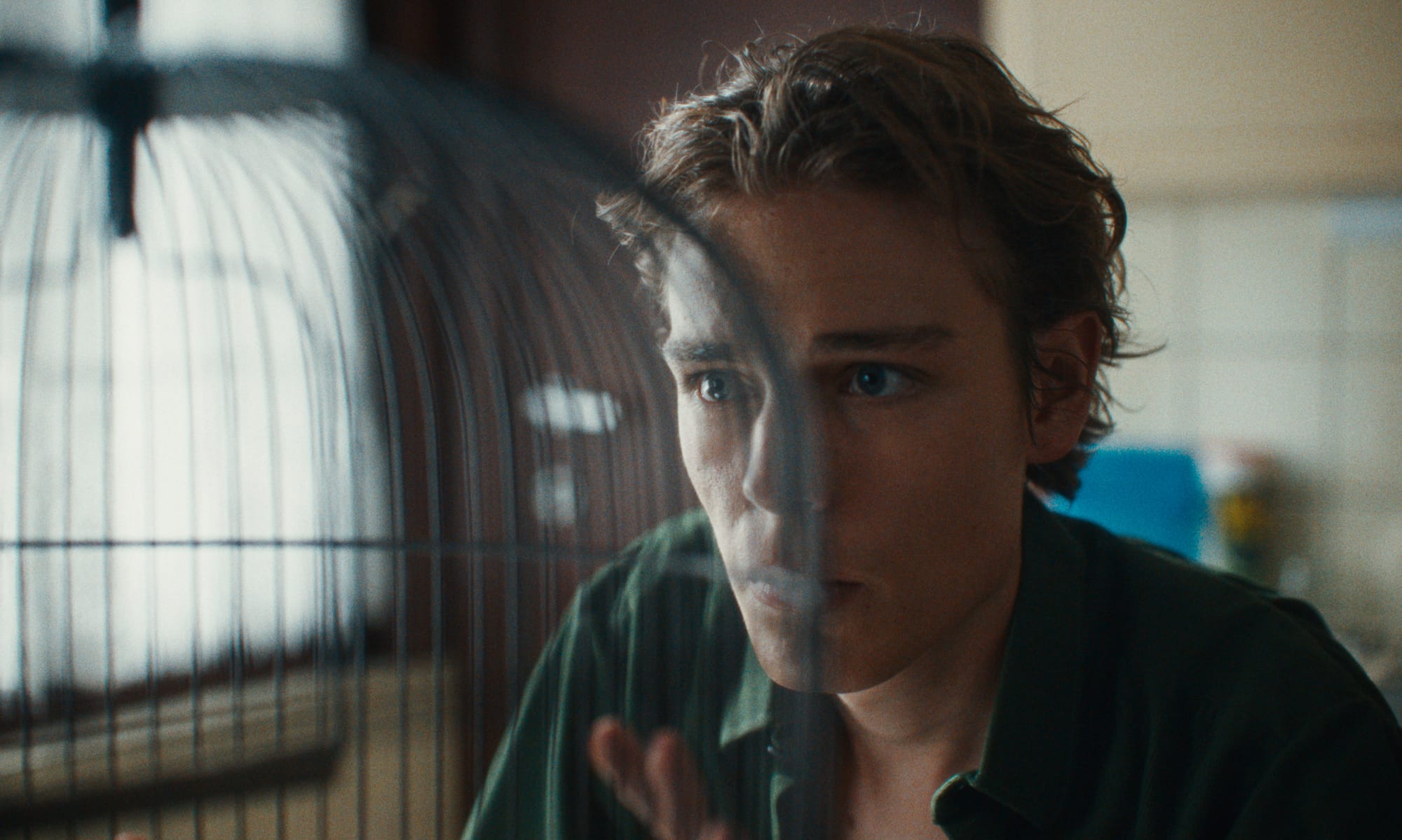
I think the ending — the way we bring the whole story to an emotional crescendo with Emil's heartbreaking performance, which he did in one long take, the beautiful music by Ruben De Gheselle, and cross-cutting between all the elements like water, birds and some abstract golden fluids. It's very "me" to close a film like that. I'm really proud of how it turned out.
What do you hope audiences take away from this film?
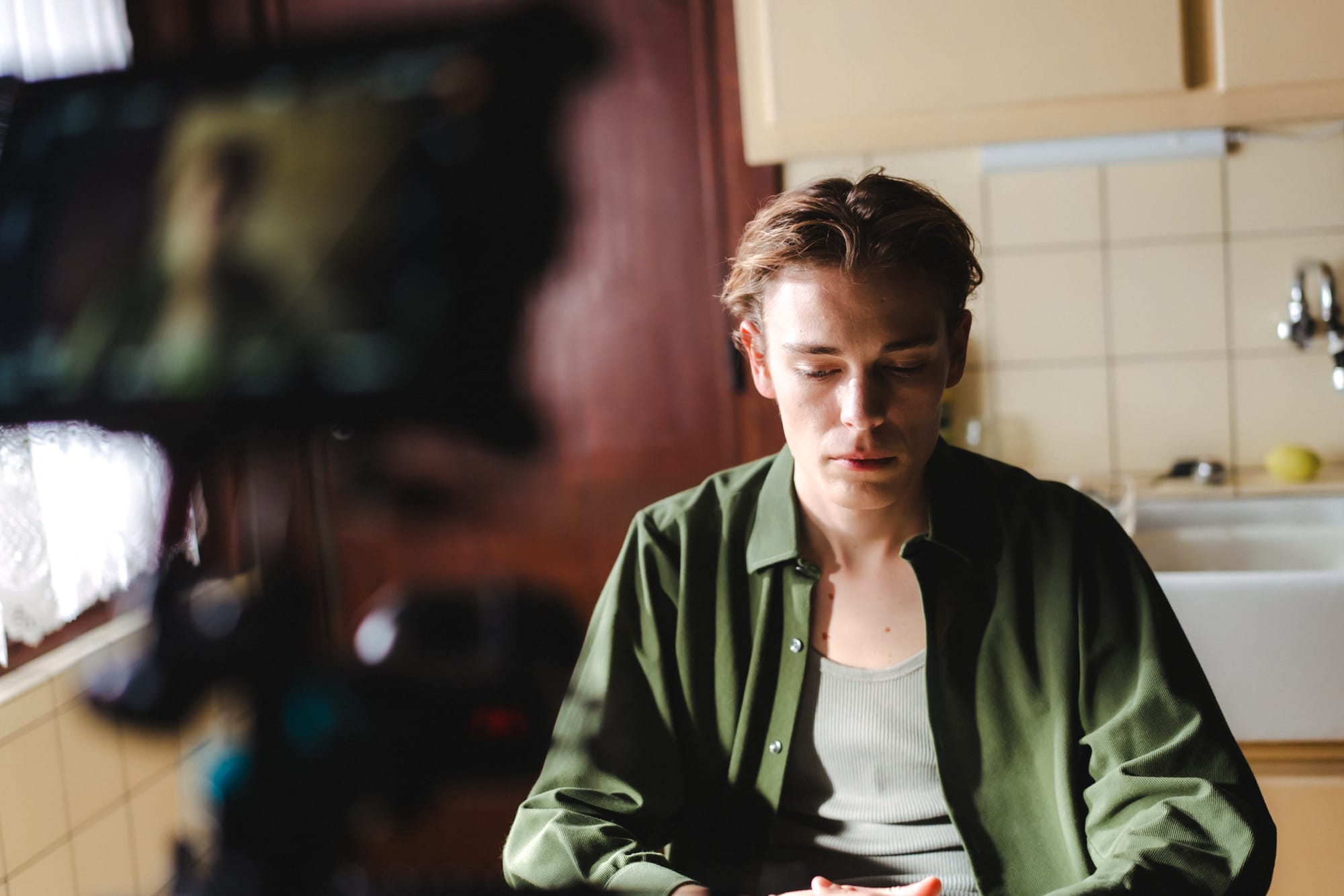
Foremost, I hope they'll be entertained by the fictional world we have created and enjoy discovering the story of Robin and the invisible birds. I'm a huge film lover and I like being entertained, taken away to another world and feasting my eyes and ears on visuals and sound. But most importantly, I hope my film can bring some kind of comfort to those who also do not feel seen. I want the film to feel like a warm blanket and say: I see you, especially to those who might not feel like they matter anymore in our current society. I like how Robin makes the unseen, seen again with his camera. Film brings back the beauty.
What is the greatest strength of independent filmmaking, and what lesson would you share?
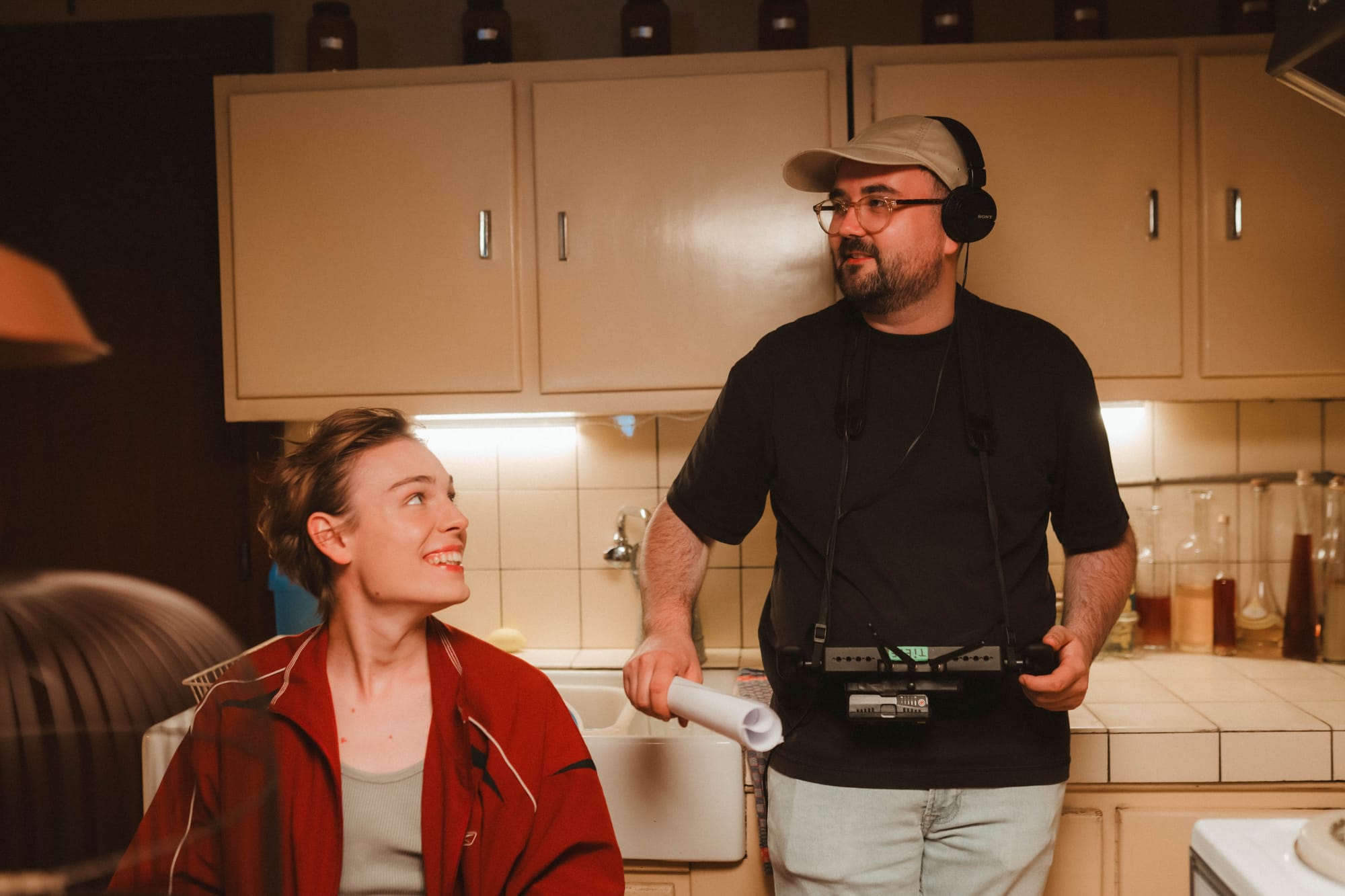
Having worked mostly for other clients, it felt liberating to have final say over my own project. We paid for the film ourselves with some help from crowdfunding and sponsors, so we were our own boss. The film was made fairly cheaply, given its 90s time period, fantasy elements and 30-minute runtime. We were able to create a lot with very little — locations looked like how we found them, and the boat sequence gives the film some extra scale. In the end, your story always comes first. Always ask yourself: do we need this fancy shot to tell the story? Most of the time the answer is no, and it can save you a lot of money if you kill your darlings during production.
How does this film fit within, or push the boundaries of, its genre or form?
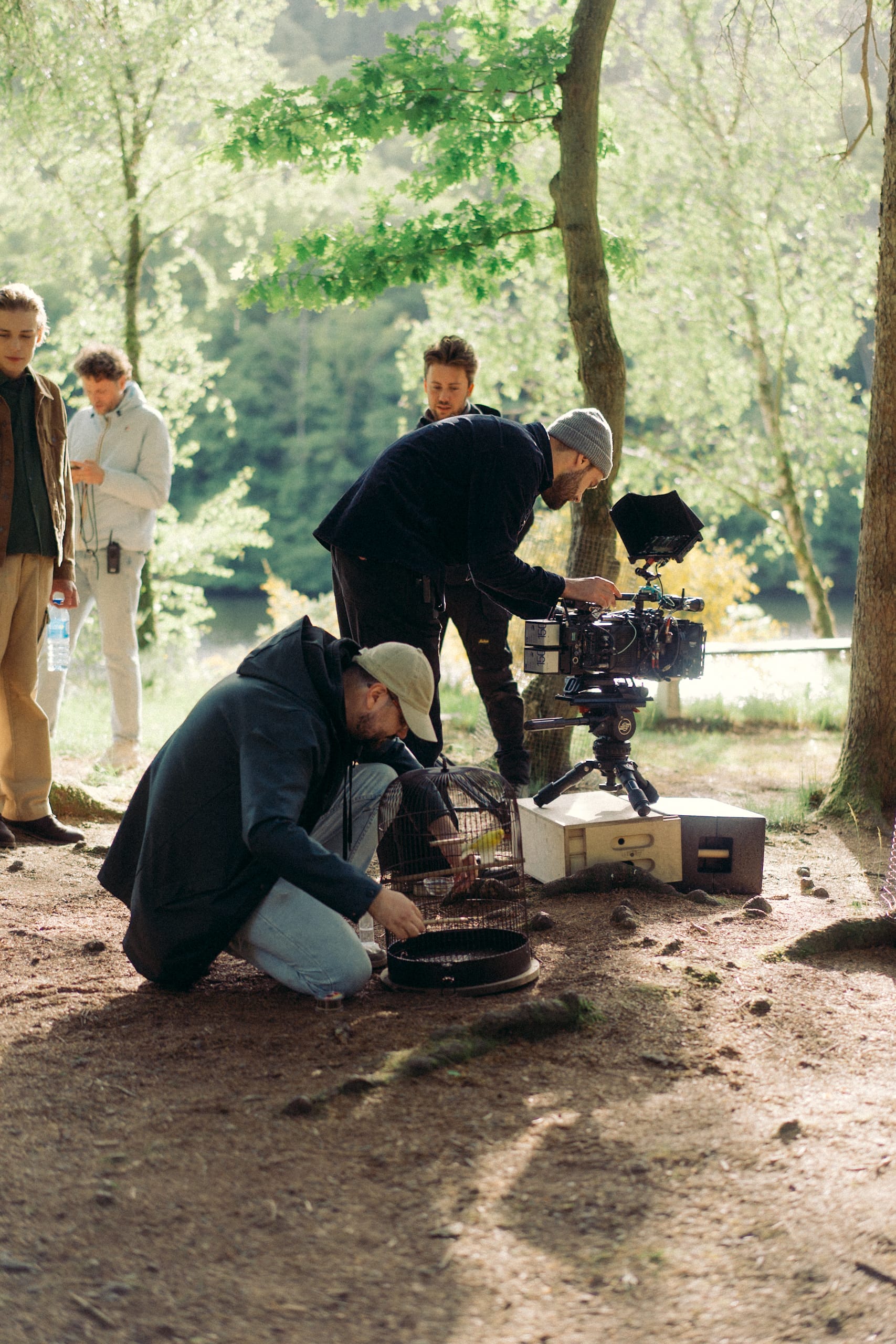
It was important to me that the film never became a full-blown fantasy or sci-fi film. In Belgium, audiences don't really buy into these types of films that easily, especially when they speak Flemish. It's too close to home to get along in those kinds of stories. The Catcher therefore feels very realistic, as if it could have happened yesterday. It's part of the film's DNA and how it feels while watching. We do have the fantasy element of the invisible birds, but it never overshadows or dives too deep into the genre. That's not what I was aiming for with this film.
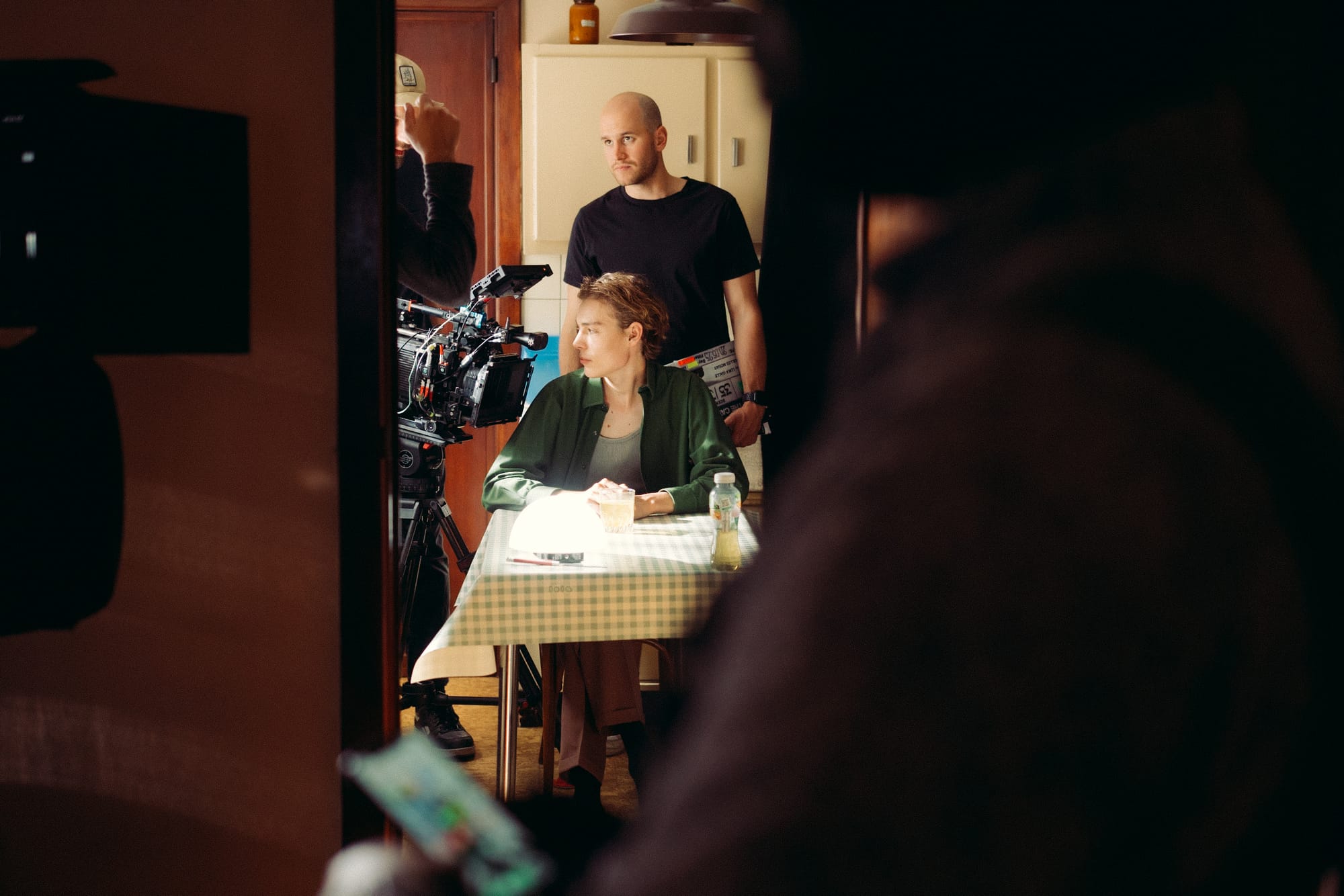
What does it mean to have your film selected for Not Film Fest, and where does it go next?
We are really excited to have our Italian premiere at Not Film Fest. The quality of the program is quite stunning, and we are so proud that our film is featured among them in the Shooting Star Shorts Competition. It's important that The Catcher travels around the world, because we are also working on a feature film version, and the more exposure the better. Gilles and I would love to tell the whole story of Robin and his mother, explore the world of the catchers even further, and introduce new characters who are also trying to find their place in an unkind environment — searching for connection and being invisible in their own way. I've already written a third draft. We would love to tell the whole story.
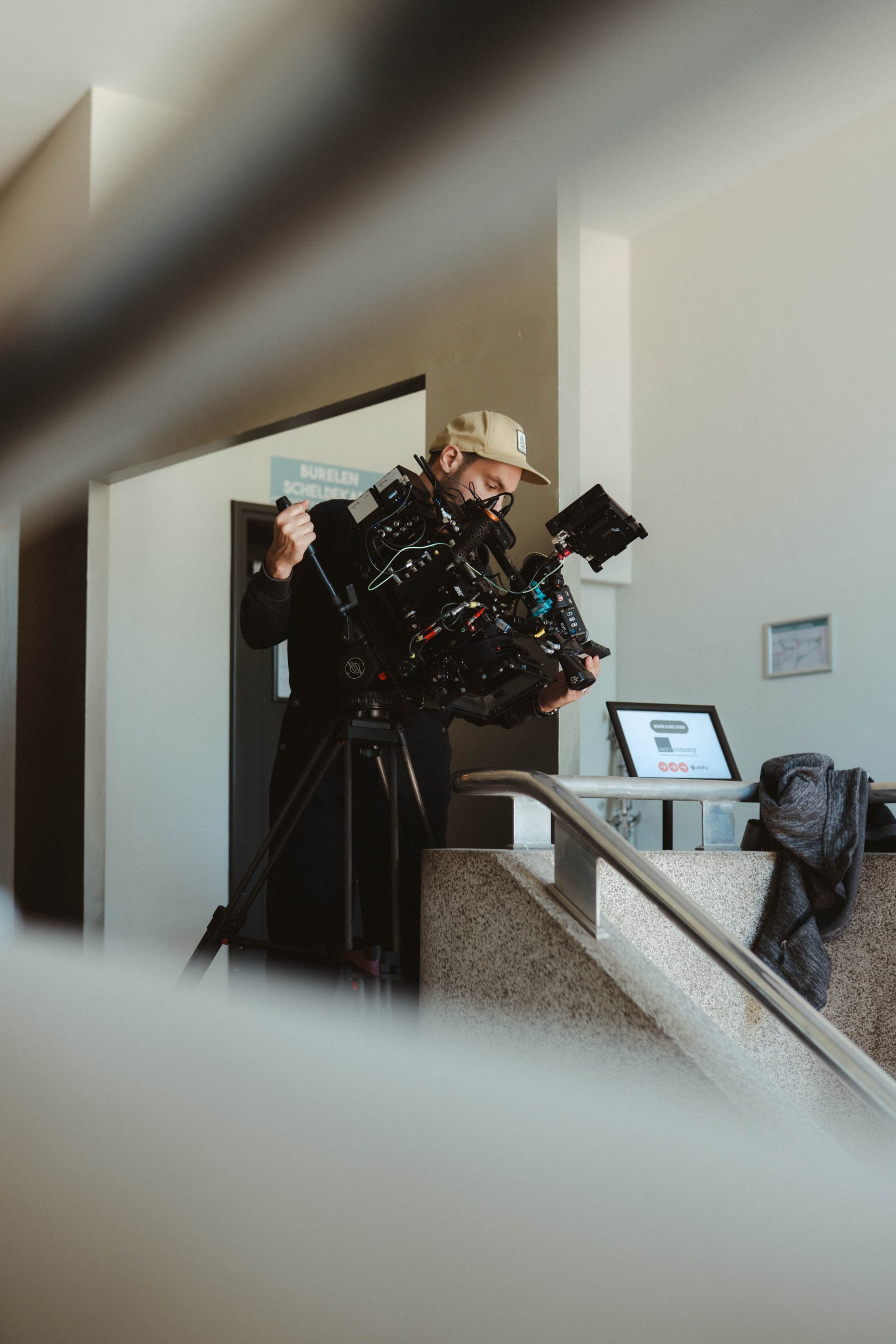
Main Cast & Crew
- Luka Galle — Director, Writer, Producer
- Gilles Mosar — DOP, Co-producer
- Emil Leysen — Robin
- Mieke De Groote — Helena
Filmmaker Opportunities
💛 Fund your next project with fiscal sponsorship
Have a project in the works? As a 501(c)(3) nonprofit, the Cinematography for Actors Institute can accept tax-deductible donations on your film's behalf — a door-opener for grants, foundations, and supporters who want to back your work. We've serviced over 100 projects to date and helped route over $800,000 in funding to filmmakers. Explore fiscal sponsorship →
📬 Grant deadlines and festival opportunities, straight to your inbox
The CFA newsletter rounds up grants, festival calls, and community news for independent filmmakers — the kind of opportunities that are easy to miss and painful to miss. Join the newsletter →
🎬 Focus on the creative — we'll help with the logistics
Production Management, CFA's newest member program, launches this November: production insurance and workers' comp, payroll, film permits, gear rental coordination, SAG-AFTRA compliance, contract drafting, production consulting, and crew recommendations — handled by a team of working filmmakers, à la carte or all in, in partnership with Creative Access Group. It's waitlist-only until launch. Join the waitlist →
League of Filmmakers is published by our parent organization, the Cinematography for Actors Institute — a 501(c)(3) dedicated to education, community, and capital for underrepresented filmmakers and actors. Learn more about CFA →