Table of Contents
Henrique Gonçalves built The Going Rate the way you might solve a puzzle in reverse: two actor friends whose resemblance suggested a story, a location as plain as a parking lot, and a question dreamed up while waiting for his car at the mechanic. The result is a compact absurd tragedy — a transaction mistaken for intimacy — that keeps changing shape without ever overstaying its welcome.
At its center is a deal that never quite becomes the conversation one of the men is hoping for. It is a film about being used versus being seen, and about whether we extend to others the recognition we crave ourselves. That the whole thing runs a lean four minutes and twenty-two seconds is part of its precision.
Key Takeaways
- A contained, 4:22 short structured like a joke — strange setup, misdirect, punchline — with a tragic emotional payload buried inside.
- Reverse-engineered from real constraints: two actor friends, one simple location, and a story about the cost of transactional relationships.
- Proof that tonal instability, grounded in character, can be a strength rather than a risk.
Gonçalves spoke about working backwards from logistics, cutting his favorite lines, and the tone he now knows he wants to keep chasing.
Interview
What drew you to make this film, and why this story, why now?
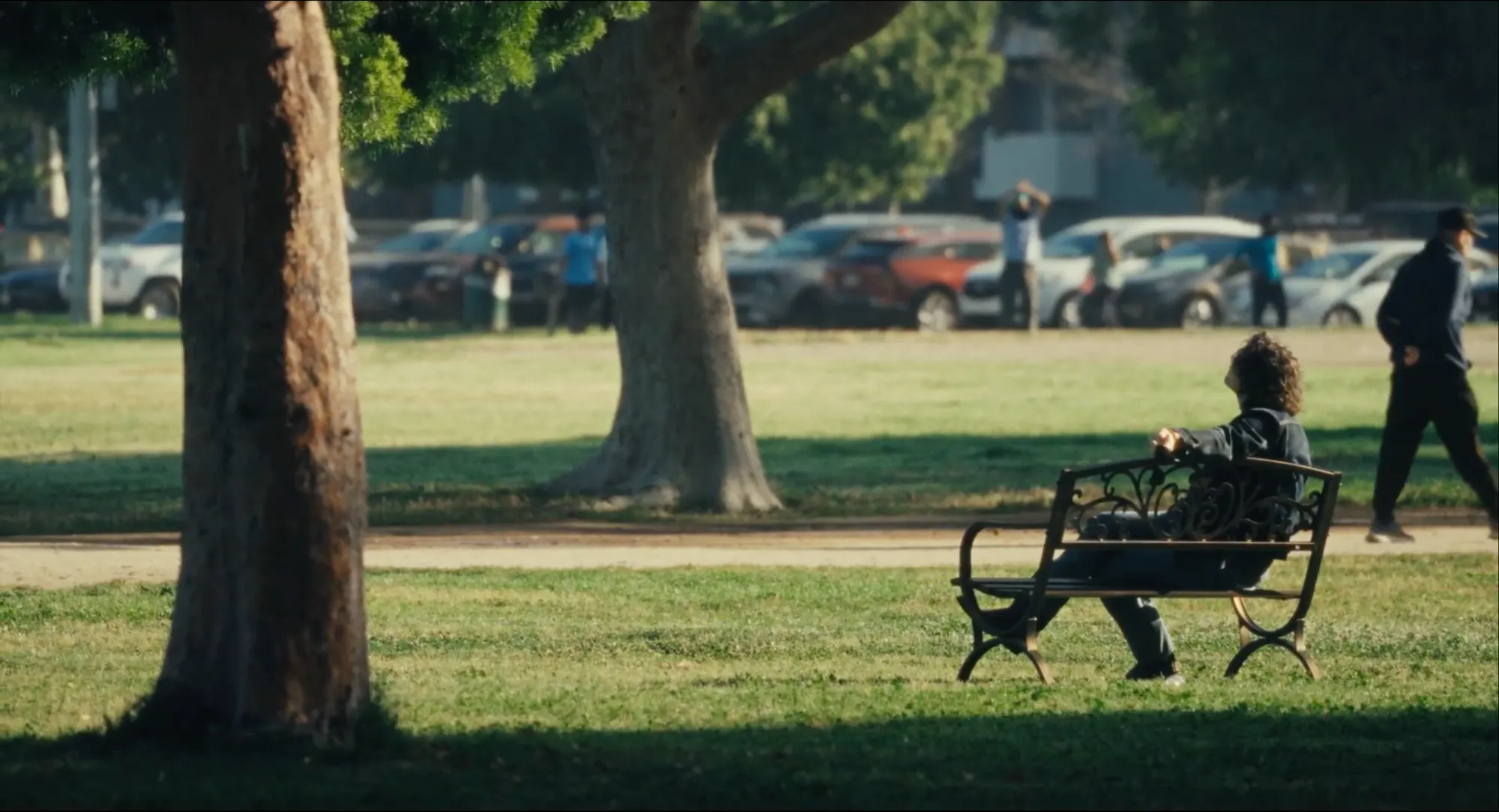
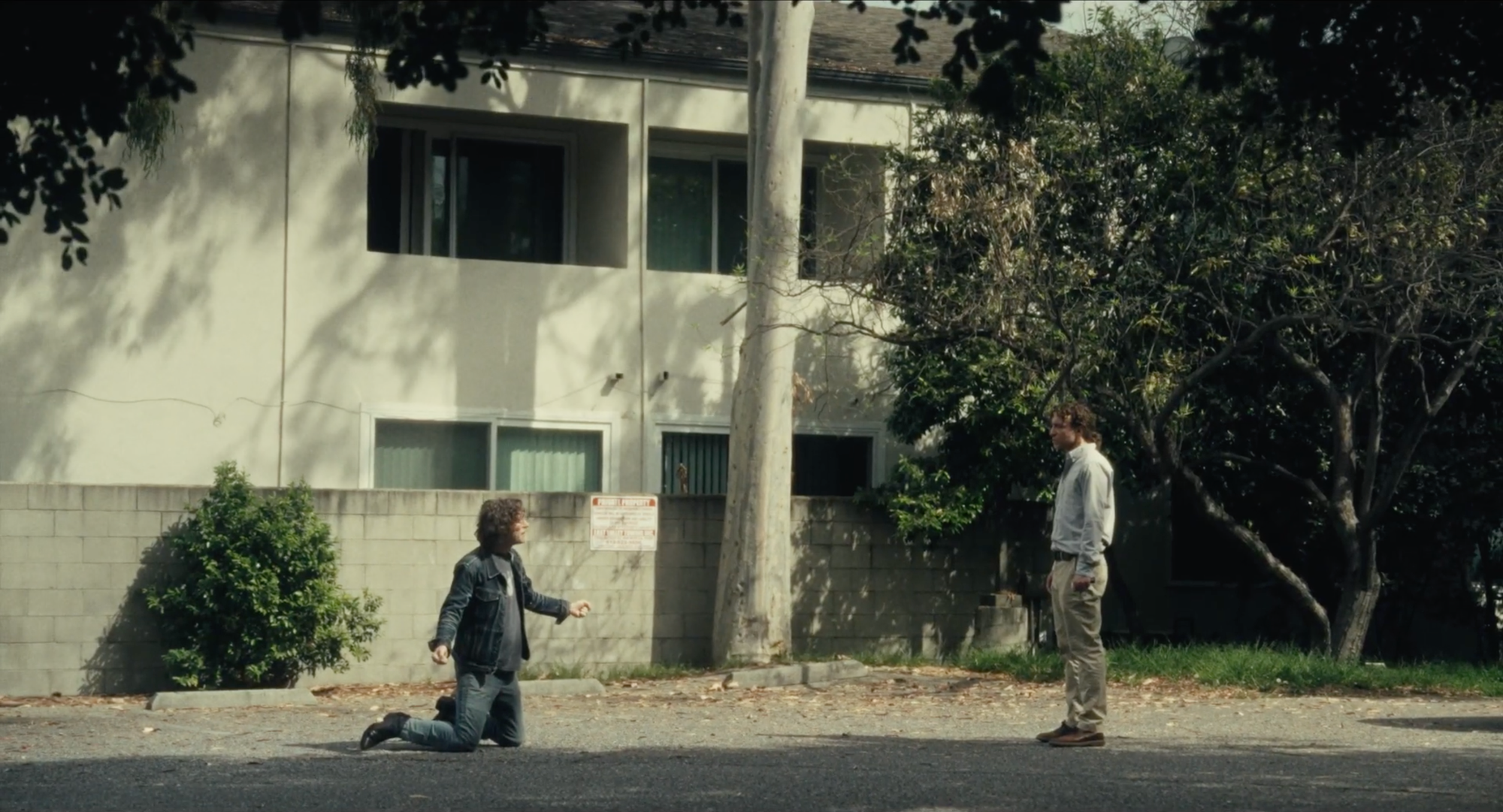
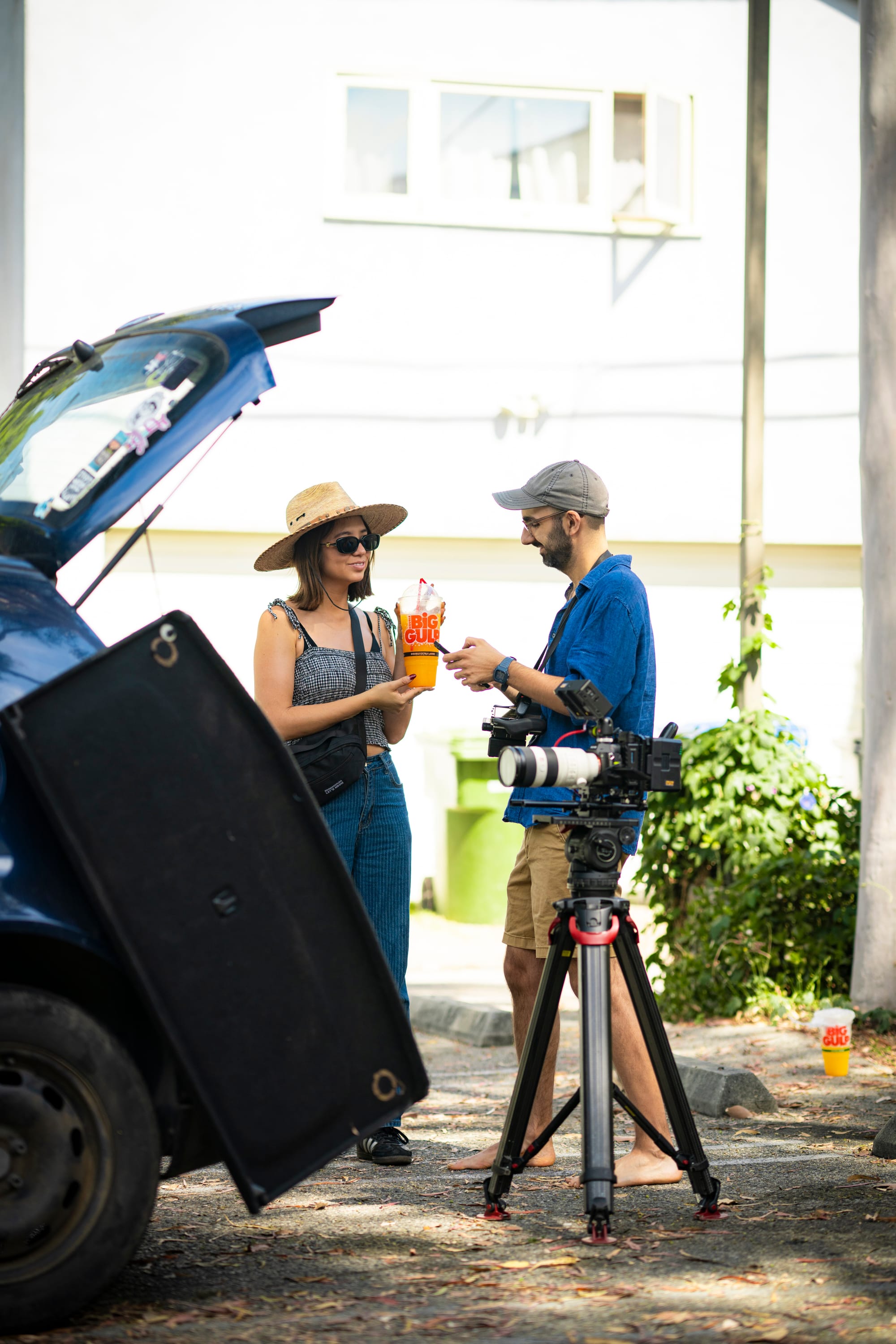
I knew I wanted to write something for these two actors, whose resemblance to each other suggested natural story possibilities. I worked backwards from logistical restraints, thinking of simple locations like a parking lot and asking: why would these two characters be meeting like this? Answers ranged from a John Lennon lookalike meet-up to some kind of illicit Craigslist exchange, until I finally landed on the current version.
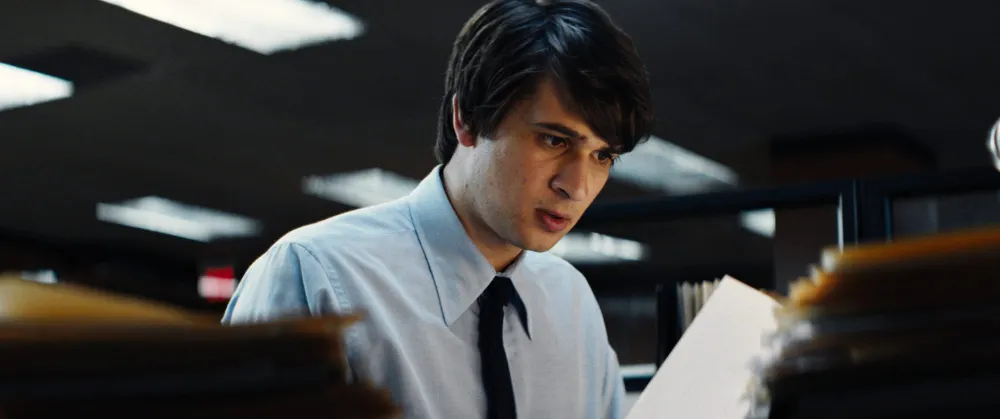
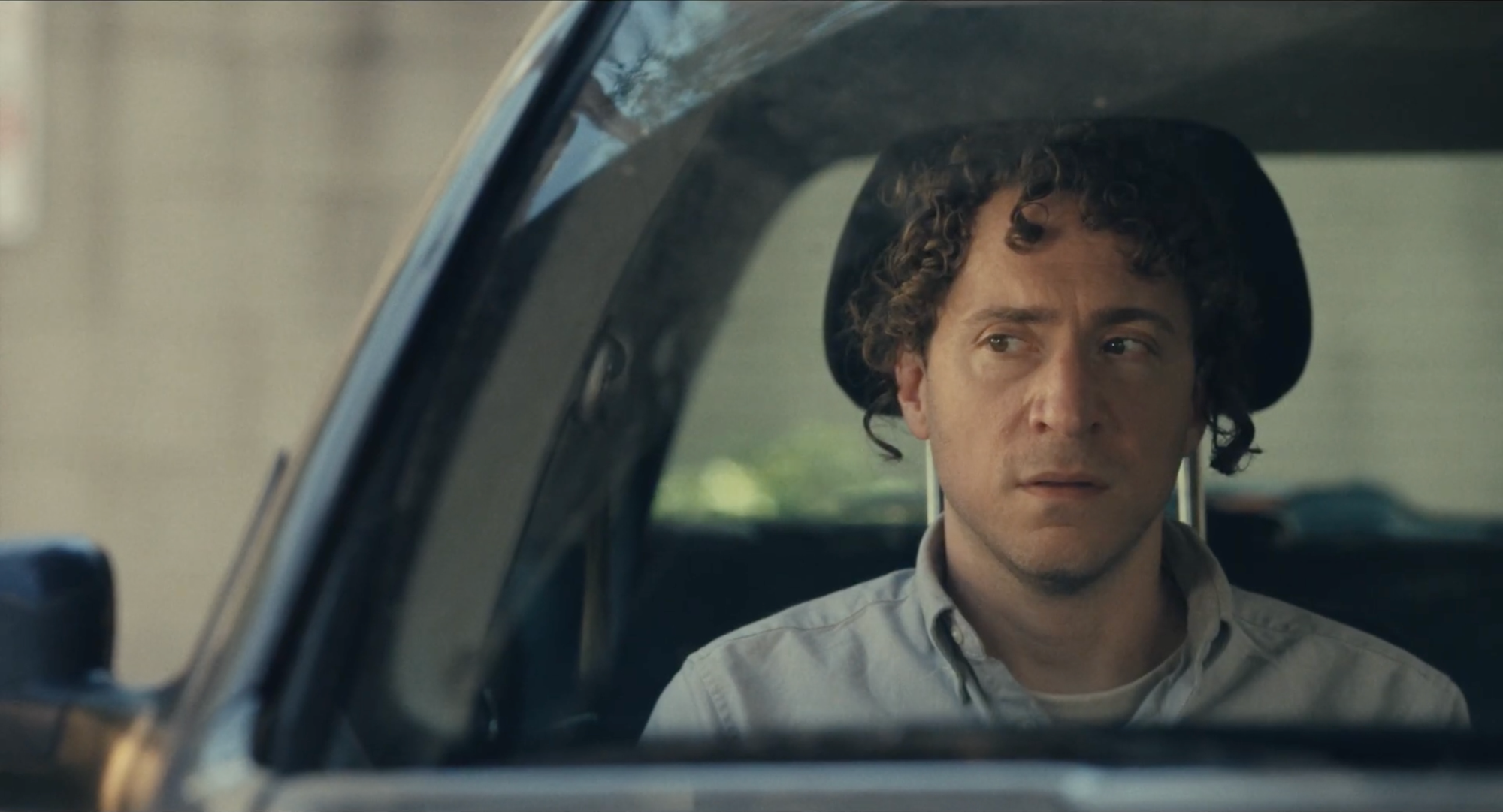
(Spoilers ahead.) The two men are estranged father and son, but we don't know that at first. Brian has been called up by Wiley to do something for him. Wiley is so focused on the request — the money he's offering Brian — that he fails to hear his son's quiet plea for connection. By the end, Wiley has gotten what he wanted, but he's alone. Why this story now? Because transactional relationships are all the rage! Just kidding. I suppose both these characters are versions of me when I'm out in the world. Am I being used, or being seen for who I am? More importantly, do I extend that courtesy to others?
What surprised you most about the filmmaking process, creatively or logistically?
I was surprised by how much tone was informed by pacing in the edit — and by how much of my dialogue could be cut in post. There was one little exchange during the climax that I was really proud of on the page. It played well in rehearsal and then on set, only to land like a thud in the assembled film. So I cut it out, and haven't missed it.
What moment in the film feels most like you, or like something only you could have made?
I love a good misdirect — the moment when an audience realizes it has been watching one kind of encounter and suddenly has to reinterpret everything that came before it. That combination of discomfort, absurdity, and an emotional reveal feels especially personal. Where the joke and the wound turn out to be the same thing.
What was the hardest creative decision you made while making the film?
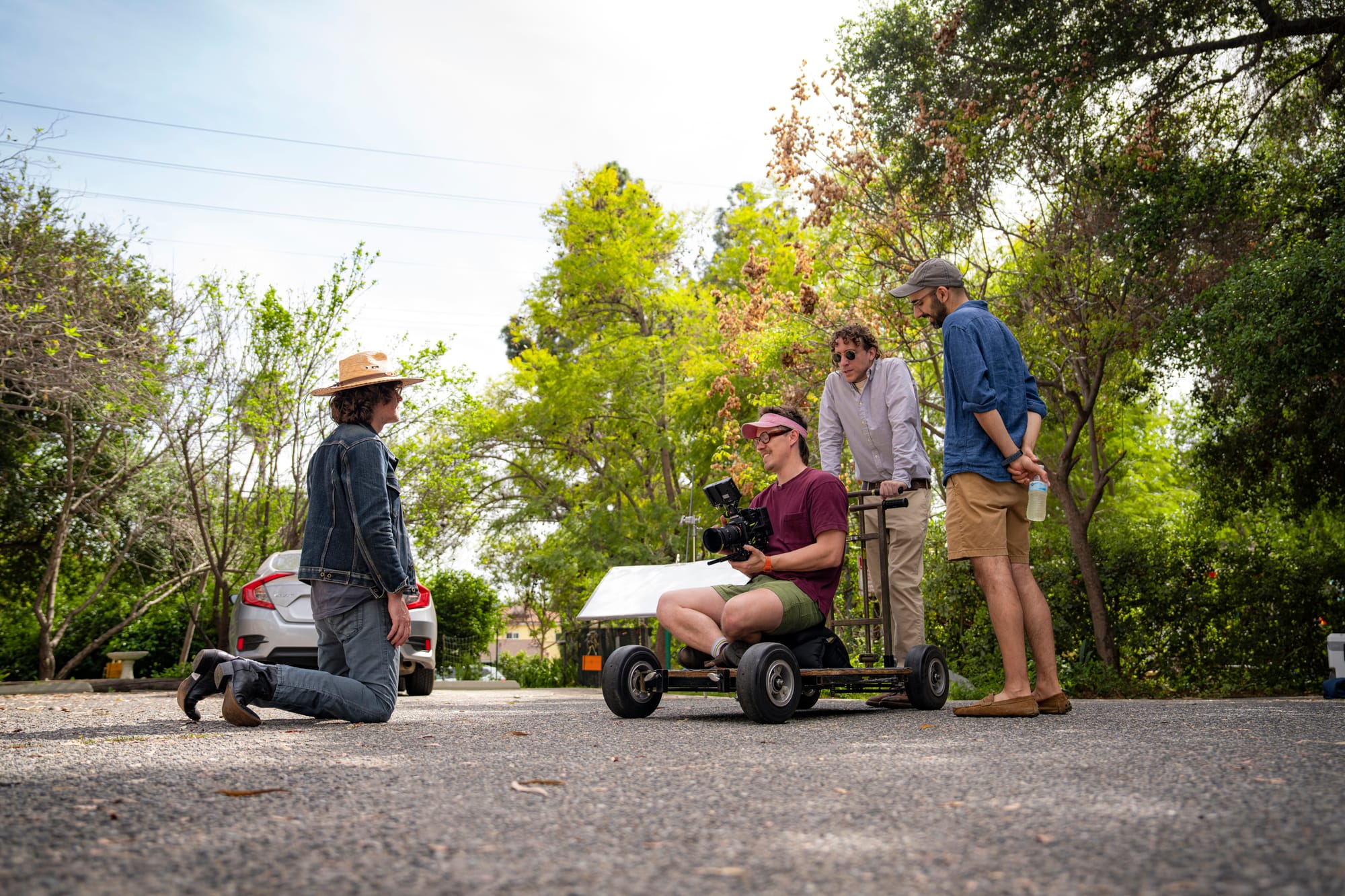
The curse of good performances — I wanted more of what Brian and Wiley gave me in the film! Small looks, pauses, and unexpected moments. The hardest decision was accepting that a great performance beat could slow down the story, which had to take priority above all else.
What tool, technique, resource, collaborator, or mindset shift helped most during production?
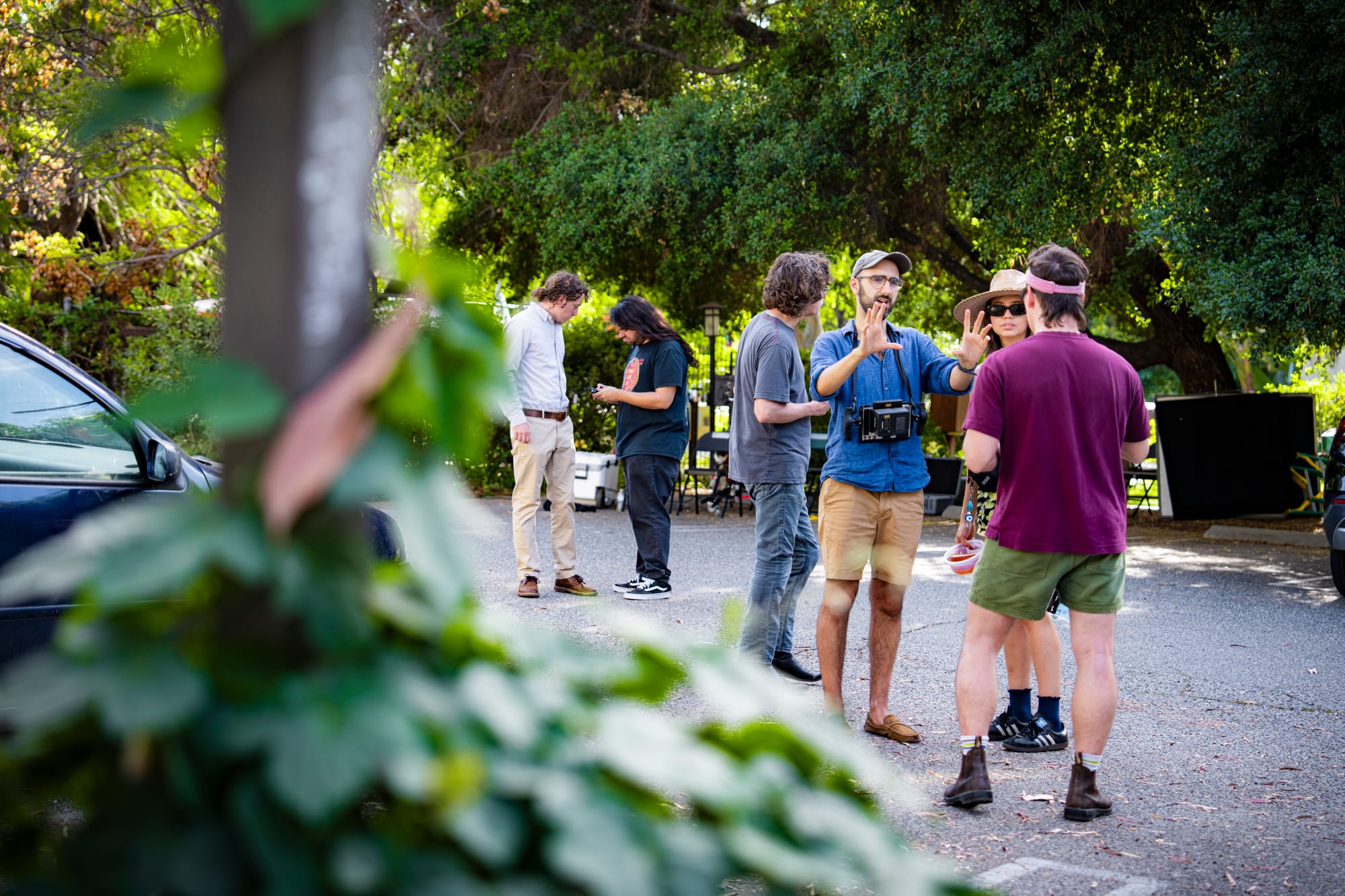
Our producer Cyrum Ramirez was our PD, HMU, 1st AD, 2nd AC, and Crafty. Calling her invaluable is putting it lightly. She's incredibly talented, creative, collaborative, and committed to whatever she puts her mind to. A production designer by training — and the best in the biz at it — so hire her!
What is the greatest strength of independent filmmaking, and how did you lean into it here?
This project came about from a story reverse-engineered from resources: two actors who were friends of mine, a simple location, and a story that I dreamed up while waiting for my car at the mechanic. Once a draft was done that I was excited about, we put a date on the calendar for a month later and stuck to it. No one told us to make this project, which is both scary and empowering; if the world doesn't care, where's all the urgency coming from? You have to bring it yourself!
Of course, then the location wasn't available the date we wanted — so we pushed a week. Reality eventually gets a rewrite, too.
What does it mean to have your film selected for HollyShorts?
Encouraging and validating. The opportunity to show the film in front of an audience — and hear their reaction — is exciting. It also means a great deal to have this small film, made with friends and limited resources, recognized on a stage like this. Where does it go next? More audiences. Stay tuned.
Gonçalves says the shoot clarified a tone he wants to keep working in: an absurd or uncomfortable situation that ends up revealing someone's true character. His hope for the audience is modest and exact — that their four minutes and twenty-two seconds weren't wasted, and that they leave thinking about the ways we substitute favors and negotiations for the harder admission that we need each other. Asked to finish the sentence "At the core of all my work is a desire to ____," he answered in two words: be seen.
Main Cast & Crew
- Wiley Sutton — Cast
- Brian Spadafora — Cast
- Cyrum Aytana Ramirez — Producer
- Henrique Gonçalves — Writer/Director
- Danger Charles — Cinematographer
- Luiz Antonio Godoy — Production Sound / Mixing / SFX
- Nick Muzzillo — Boom Op / BTS
- Gabriel Kuzava — Score
Filmmaker Opportunities
💛 Fund your next project with fiscal sponsorship
Have a project in the works? As a 501(c)(3) nonprofit, the Cinematography for Actors Institute can accept tax-deductible donations on your film's behalf — a door-opener for grants, foundations, and supporters who want to back your work. We've serviced over 100 projects to date and helped route over $800,000 in funding to filmmakers. Explore fiscal sponsorship →
📬 Grant deadlines and festival opportunities, straight to your inbox
The CFA newsletter rounds up grants, festival calls, and community news for independent filmmakers — the kind of opportunities that are easy to miss and painful to miss. Join the newsletter →
🎬 Focus on the creative — we'll help with the logistics
Production Management, CFA's newest member program, launches this November: production insurance and workers' comp, payroll, film permits, gear rental coordination, SAG-AFTRA compliance, contract drafting, production consulting, and crew recommendations — handled by a team of working filmmakers, à la carte or all in, in partnership with Creative Access Group. It's waitlist-only until launch. Join the waitlist →
League of Filmmakers is published by our parent organization, the Cinematography for Actors Institute — a 501(c)(3) dedicated to education, community, and capital for underrepresented filmmakers and actors. Learn more about CFA →