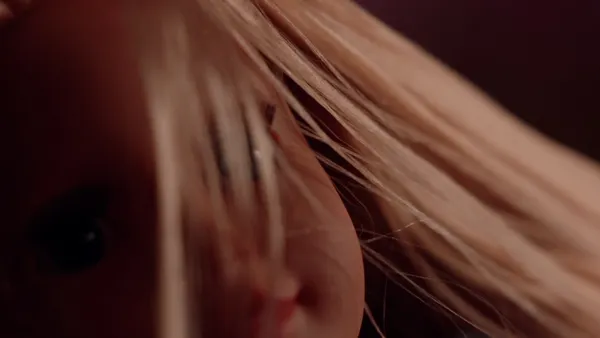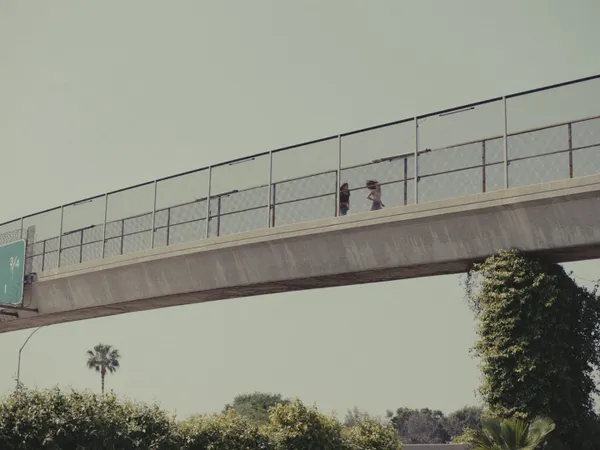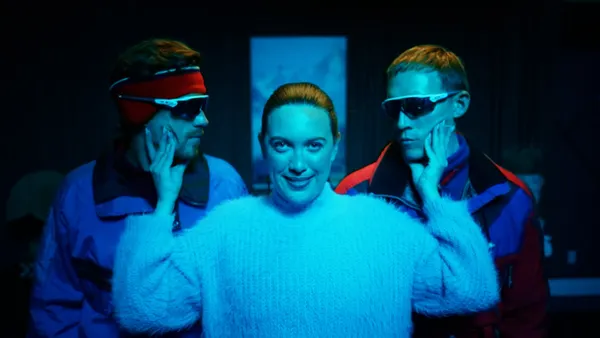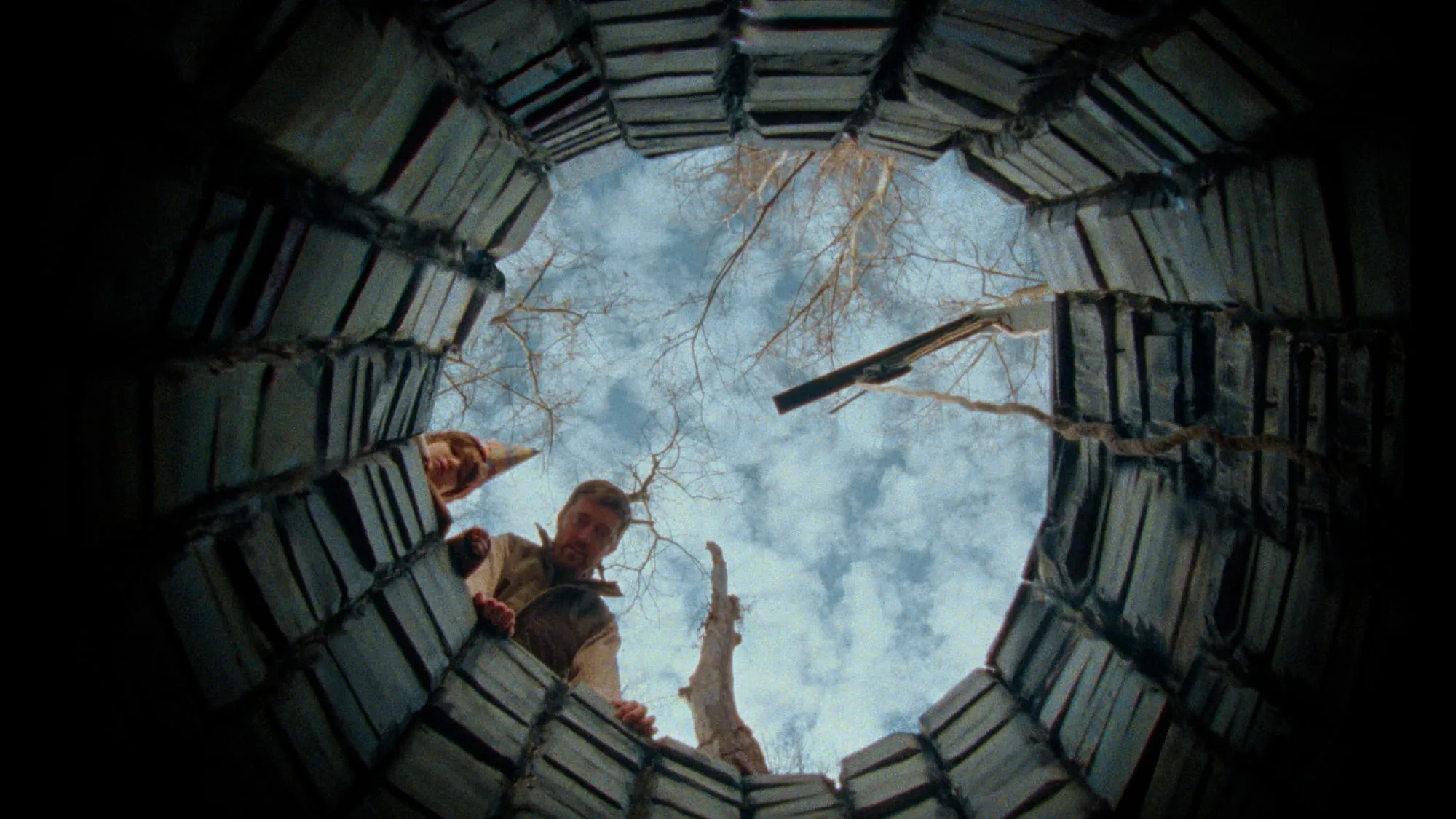
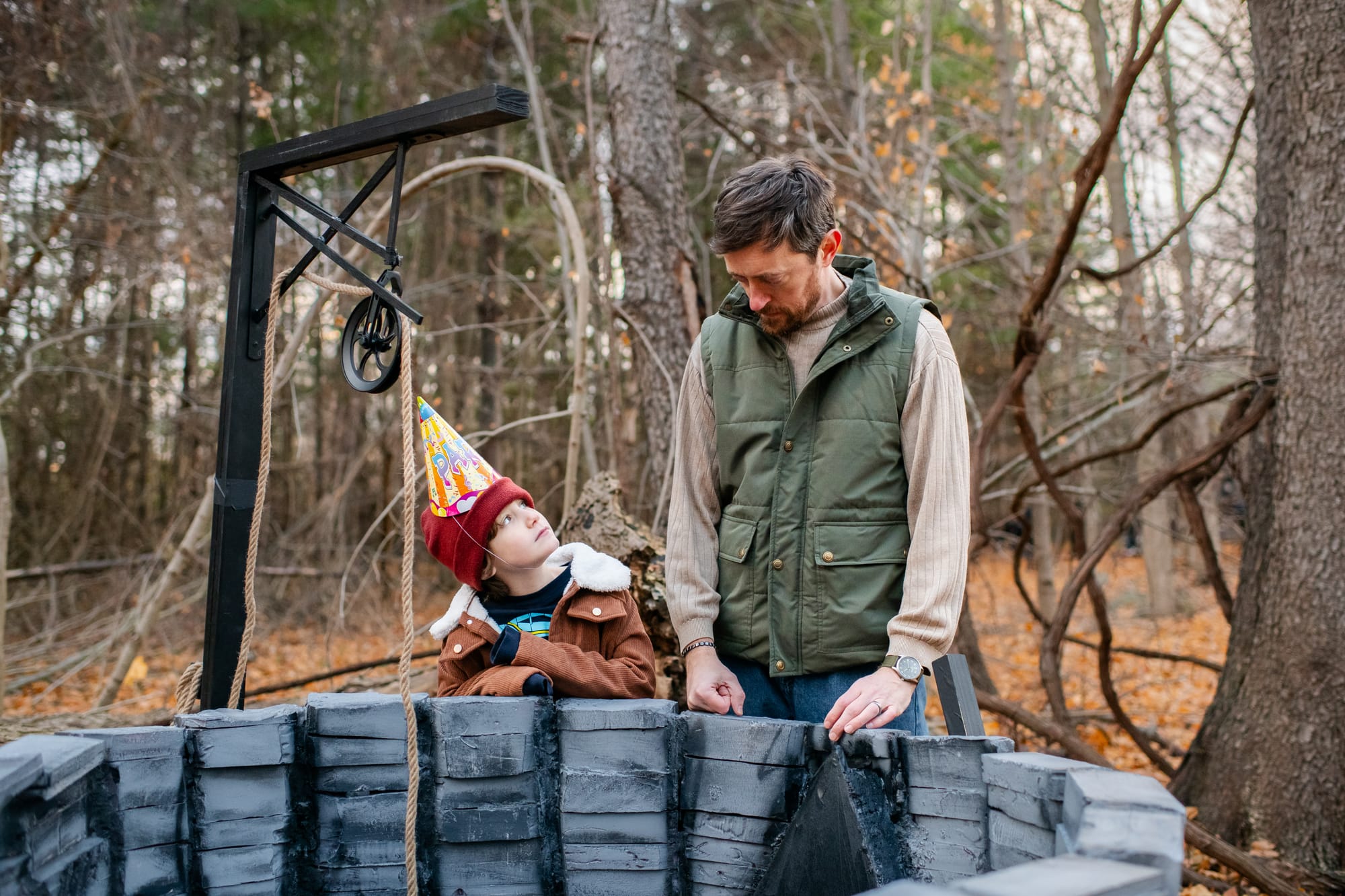
An architect sits with his son on the boy's eighth birthday, four years after an encounter he can't shake. That's the surface of The Immortal, Matthew Paul Everitt's adaptation of the Jorge Luis Borges story of the same name — a film about a man haunted not by death but by the conviction that it will never come for him. When Joe is summoned by Todd, an old acquaintance and slumlord, the delusion he's been nursing meets something far worse: an immortal being that is horrifyingly real.
Everitt, a writer and director based in Grand Rapids, Michigan, came to the material through grief. His previous short, You Can Go Home Whenever You Want, was developed with the Sundance Institute and won Best Dramatic Short Film at the 2024 Cindependent Film Festival. Here he's working in a darker register, but the impulse is the same — to make the audience feel the strangeness and the stakes of being alive.
Key Takeaways
- Everitt adapted Borges' The Immortal by routing it through his own memories of losing his father young, turning a metaphysical puzzle into a family story.
- The film was shot on 16mm specifically because the fragility of celluloid mirrors the film's themes — a choice that proved expensive, loud, and logistically punishing.
- A schedule collapse on the final shooting day forced hard calls on set; Everitt believes the compressed version is better than what they'd planned.
Everitt spoke about Borges, blown schedules, and the editor who found the ending.
Interview
What drew you to make this film, and why this story, why now?
I've always been fascinated by the idea of adapting a short story as a short filmmaker. There's a lot of similarities in the writing process, and to be totally honest, great short stories have done the hardest part by condensing all the necessary parts of a good story down into a few pages. I recently discovered the Argentinian short story master Jorge Luis Borges and immediately fell in love with his work.
Though his work hasn't been adapted on its own too often, it's wild how influential his tone and approach to the limits of our understanding has become in our cultural moment — like Backrooms and Widows Bay. I've known I wanted to adapt something of his, and it was working through my own grief and memories of losing my father at a young age that really opened up adapting this story in a cinematic way.
What surprised you most about the filmmaking process, creatively or logistically?
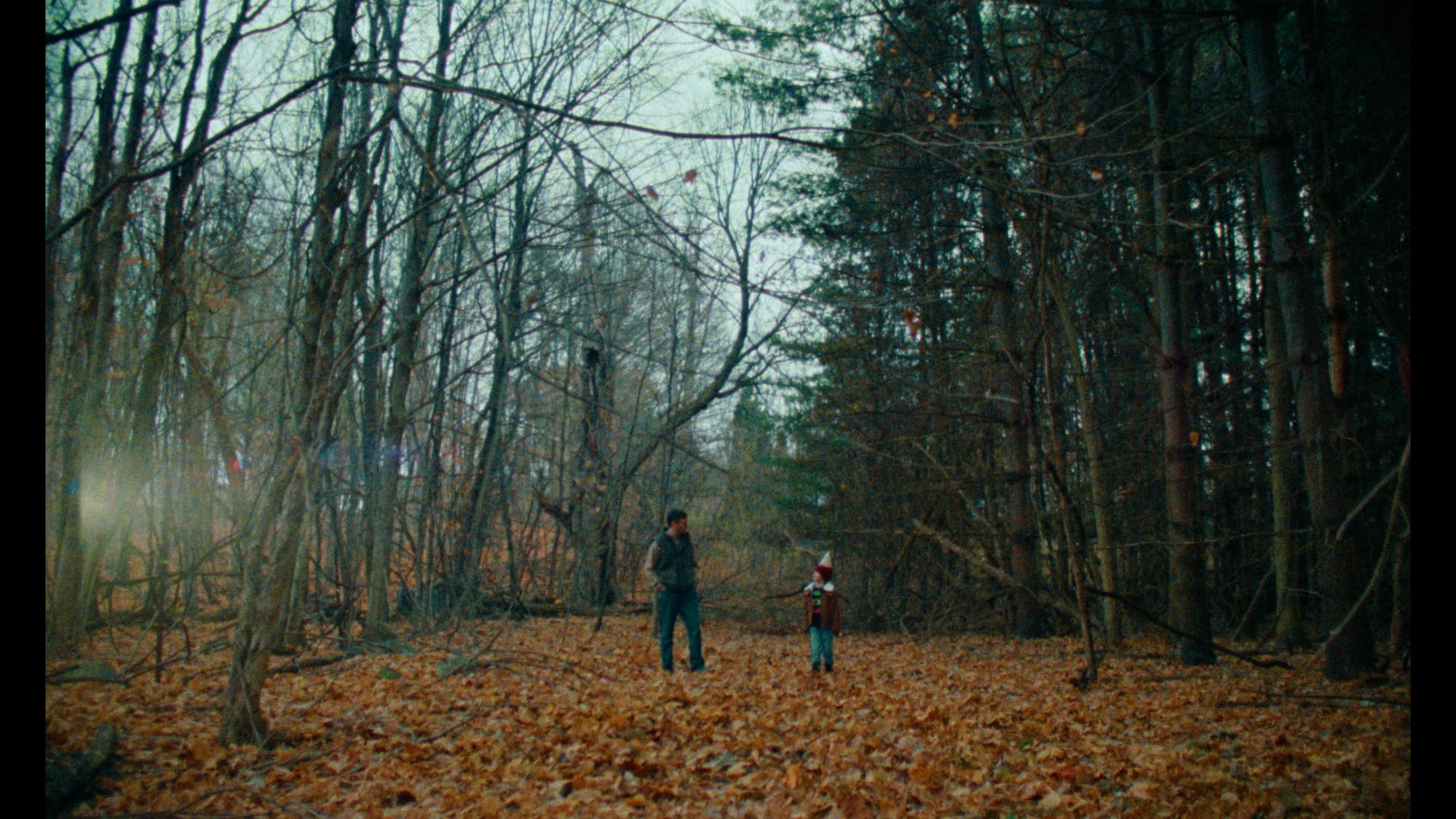
We decided to shoot this film on 16mm film early on, not just because it looked cool, but because the fragility of the medium underscored a lot of the themes of the film. That whole process was a lot harder than I expected. From the limited amount of time we could shoot per roll of film, to how loud some of the cameras were, to just the sheer expense of shooting on celluloid.
I was really uncertain about how the movie would turn out and if it would be any good, until I saw the first edit during post-production. Our editor basically rewrote the ending, simplifying everything we were hoping to say in a really elegant way, and seeing the changes she made really showed me what the film had been the whole time.
To me, that's the most exciting part of filmmaking: knowing that whatever your plan is, you never know what you're making until all the collaborators have a chance to put their spin on it.

What moment in the film feels most like you, or like something only you could have made?
I love how our film only reveals its true intentions within the last few moments. My favorite films usually involve a drastic shift or emphasis within the last couple of minutes, making you recontextualize everything you've seen before it — like The Shining, Beau Travail, and Andrei Rublev.
Taking the audience from what seems like an emotional victory and having it recontextualized so quickly has an impish playfulness to it that I think anyone who knows my sense of humor could pinpoint in less than half a second.
What was the hardest creative decision you made while making the film?
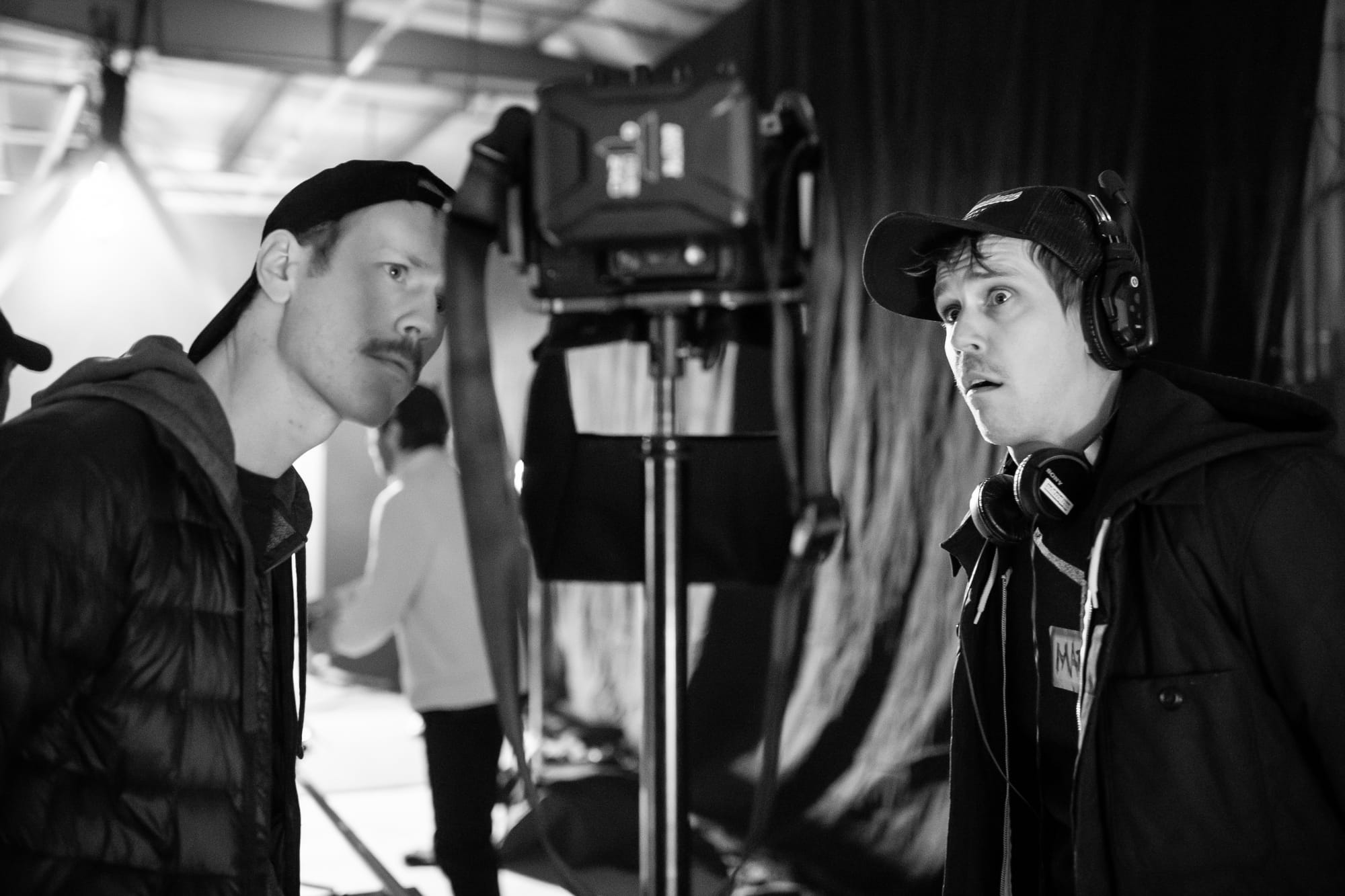
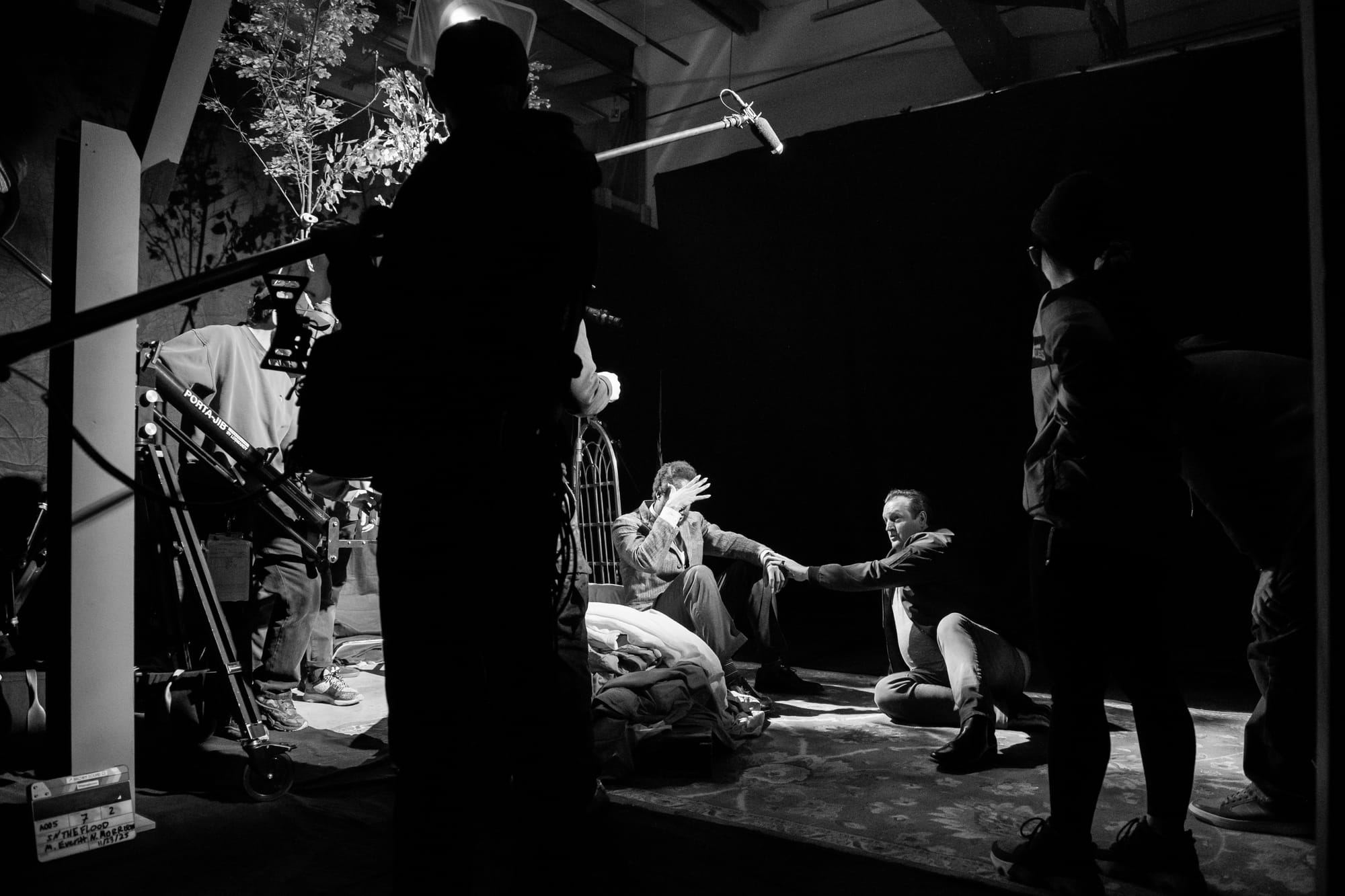
Our schedule fell apart in a matter of minutes on the last day of shooting, and it was really uncertain if we would actually be able to finish the film at all. Thankfully, we had a great Assistant Director and Director of Photography, and we all sat down and made some pretty hard calls on how to shoot the rest of the scenes. It was nerve-wracking, but it ended up working out in our favor, and I think what we shot is better than what we would've done had we had all the time we expected.
How does your film fit within, or push the boundaries of, its genre?
I think the older you get, the more things there are to be afraid of. It's only been recently that we've seen horror films that explore the emotional gamut of things that terrify you as an adult. It was our intent to start with some traditional horror tropes, but take them in a direction that hopefully gives the audience a unique flavor of dread.
What I hope people walk away with is the appreciation that our mortality is a gift, and that the alternative is horrifying.
What is the greatest strength of independent filmmaking, and what lesson would you share with others?
I think the greatest strength of indie filmmaking today is that it's so much easier to make the film that only you could make. It's taken me a long time and my fair share of short films to find my own voice — not the voice I think I need to have in order to succeed in this industry. And it turns out the more of my taste that I put on the screen, the more people respond to our work. Becoming a better filmmaker is just the work of becoming truer to yourself.
At the core of all my work is a desire to make the audience feel connected to each other, the world around them, and the unique experience of being alive.
What does it mean to have your film selected for FilmQuest, and where do you see it going next?
I'm not gonna play it cool on this one. Having a film at FilmQuest is one of the coolest things that can happen to a filmmaker. Screening next to the most exciting and original filmmakers working today is so incredibly rewarding and invigorating.
After this, I'd love to screen in Argentina, Borges' homeland.
Main Cast & Crew
- Michael B. Woods (Dark Matter Season 2, Duster) as Joe
- Eric Slater (Fargo Season 4) as Todd
- Beau Jackson as Matt
- Sean James William Parris as The Immortal
- Written and Directed by Matthew Paul Everitt
Filmmaker Opportunities
💛 Fund your next project with fiscal sponsorship
Have a project in the works? As a 501(c)(3) nonprofit, the Cinematography for Actors Institute can accept tax-deductible donations on your film's behalf — a door-opener for grants, foundations, and supporters who want to back your work. We've serviced over 100 projects to date and helped route over $800,000 in funding to filmmakers. Explore fiscal sponsorship →
📬 Grant deadlines and festival opportunities, straight to your inbox
The CFA newsletter rounds up grants, festival calls, and community news for independent filmmakers — the kind of opportunities that are easy to miss and painful to miss. Join the newsletter →
🎬 Focus on the creative — we'll help with the logistics
Production Management, CFA's newest member program, launches this November: production insurance and workers' comp, payroll, film permits, gear rental coordination, SAG-AFTRA compliance, contract drafting, production consulting, and crew recommendations — handled by a team of working filmmakers, à la carte or all in, in partnership with Creative Access Group. It's waitlist-only until launch. Join the waitlist →
League of Filmmakers is published by our parent organization, the Cinematography for Actors Institute — a 501(c)(3) dedicated to education, community, and capital for underrepresented filmmakers and actors. Learn more about CFA →