Table of Contents
Set in the borderlands of northern China where farming meets herding, The Kalgan Horse watches a 10-year-old boy confront violence he does not yet understand in order to protect an animal he loves. It is a landscape Zichen Zhao knows intimately — he was born and raised in Kalgan — and he uses it to hold two things at once: tenderness and cruelty, freedom and domestication.
Zhao, who studied Screenwriting at Beijing Film Academy and earned an MFA in Film at Columbia University, has built a body of work that lives at the margins of contemporary life. Here he brings that attention to a bond between boy and horse, and asks whether growing up as a boy might itself involve a process of control, loss, and forced submission.
Key Takeaways
- A traditional coming-of-age structure meets a stylized, dreamlike visual language, with the night grassland transformed by neon and firelight.
- The horse became a true character in the edit, shifting the film's emotional center toward the animal's point of view.
- Grounded in Zhao's hometown and made with local collaborators, the film leans into independent filmmaking's freedom over industrial scale.
What follows is a conversation with Zhao about instinct, reshoots, and learning to follow a story wherever it leads.
Interview
What drew you to make this film, and why this story, why now?
I wanted to make a film in my hometown, Kalgan, China, a region where agricultural and pastoral cultures intersect. It is a landscape shaped by tensions between nature and commerce, humans and animals, freedom and domestication.
Against this backdrop, I wanted to tell a coming-of-age story that is both tender and cruel. Through the bond between a boy and a horse, the film explores what happens when intimacy is disrupted by the adult world.
It also questions traditional ideas of masculinity. In the father's eyes, taming a horse requires castration. Through the horse's gaze, the film asks whether growing up as a boy can also involve a process of control, loss, and forced submission.
What surprised you most about the filmmaking process, including a moment that changed how you saw the story?
What surprised me most was how much the horse itself reshaped the story during the filmmaking process. When I was writing the script, I mainly approached the film through the boy and his father. Their conflict was the narrative center, and I did not fully consider the horse as a character with its own perspective.
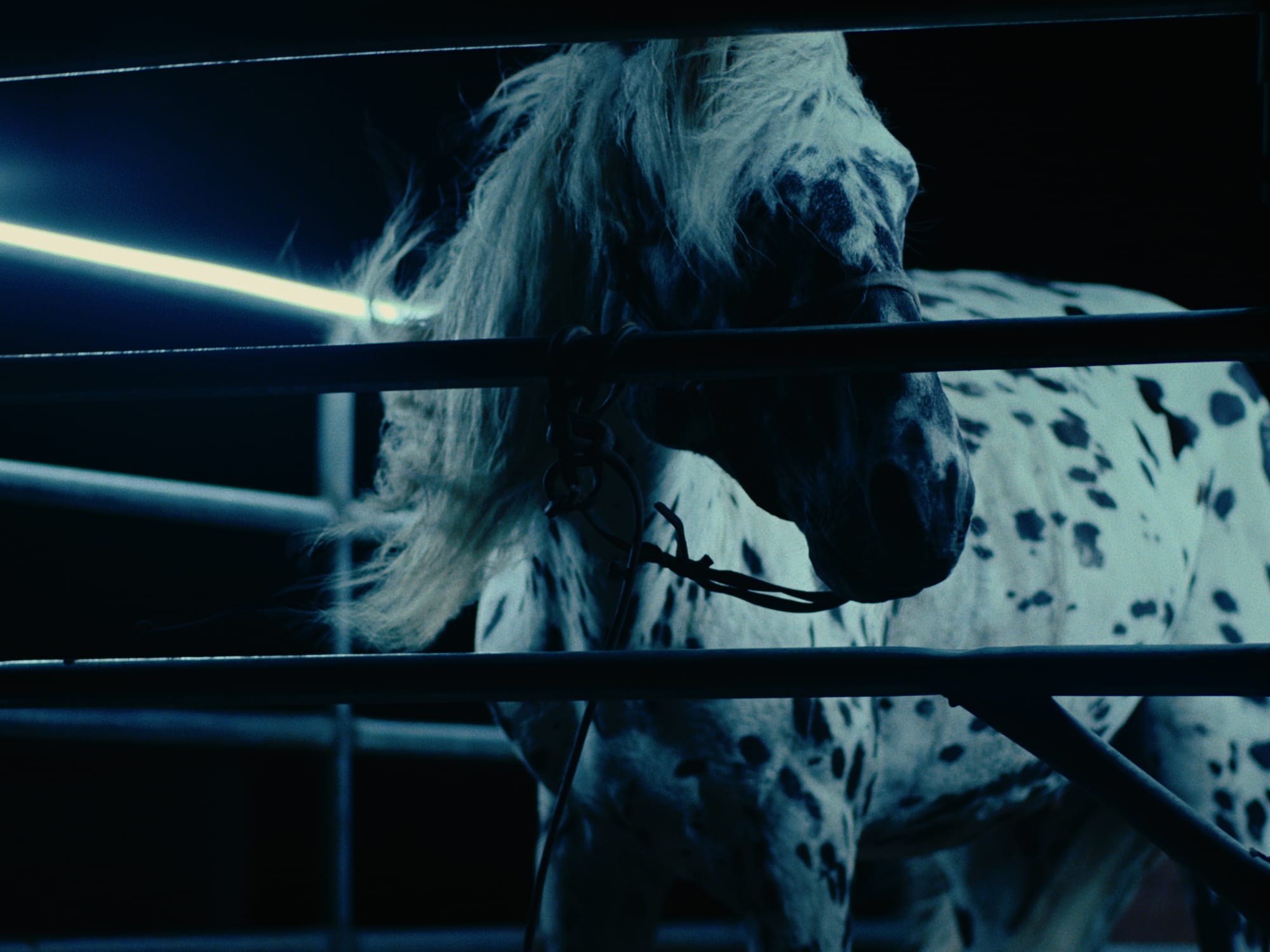
Once we began filming, however, I realized that the horse was not simply an object of the boy's affection or a symbol within the story. Its physical presence, behavior, and reactions carried a kind of emotional truth that could not be written or controlled in advance. Working with an animal was logistically challenging because every movement was unpredictable, but that unpredictability also created some of the most powerful moments in the film.
On set, there were times when the horse's hesitation, stillness, or response to the boy expressed more than any planned action could. In the edit, I began giving the horse more space and paying closer attention to its gaze, body, and rhythm. Gradually, I came to see the film not only as a story about a child trying to protect a horse, but also as a story experienced, in some sense, from the horse's point of view. That shift fundamentally changed how I understood the emotional center of the film.
What moment in the film feels most like you, or like something only you could have made?
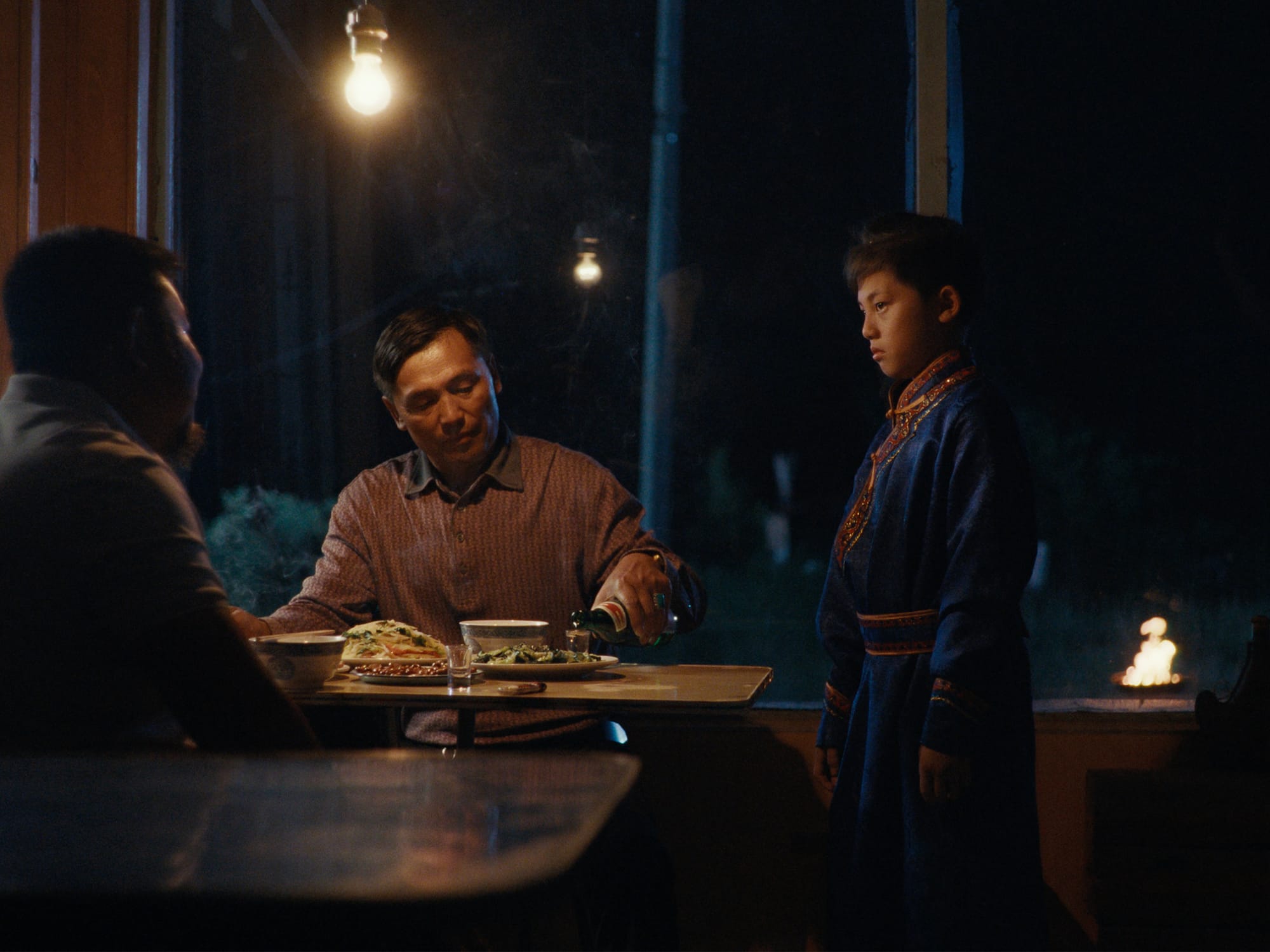
The final scene by the lake feels most like me. After the boy and the horse have witnessed and endured the violence of the film, their relationship has been permanently changed. They look at each other again, but it is no longer the same gaze as before. What they now recognize in one another is left open, and that ambiguity gives the moment its emotional power.
This scene expresses what I was searching for throughout the film: a sense of spiritual resonance between a human and an animal. Creating that moment required much more than simply placing the boy and the horse in the same frame. We had to carefully guide both performances, respond to the horse's unpredictable behavior, and find a balance between preparation and instinct. It was technically difficult, but it also required patience, sensitivity, and trust.
For me, that final exchange of gazes contains the film's deepest emotion. It is quiet, but I hope it leaves the audience feeling that something irreversible has passed between them.
What was the hardest creative decision you made while making the film?
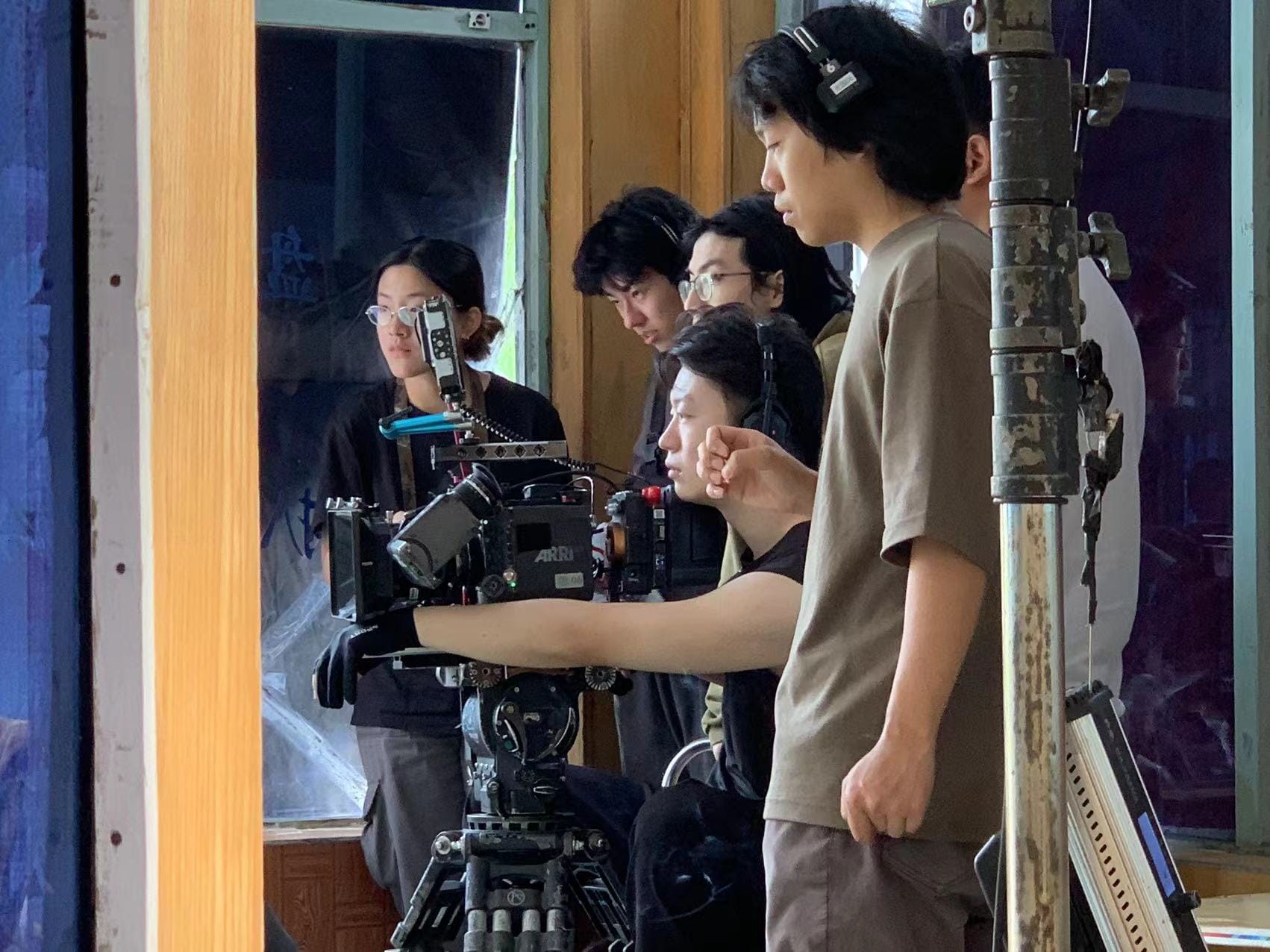
The hardest creative decision was choosing to reshoot part of the film after completing an initial edit. Seeing the footage assembled gave me a completely new understanding of the story. I realized that certain emotional and narrative elements were still missing, and that I needed additional material to reshape the film rather than simply refine the existing cut.
Deciding to organize a small reshoot was difficult because it meant admitting that the original production had not fully captured what the film needed. But it ultimately became one of the most important breakthroughs in the process. It taught me that reshooting is not something to fear. Filmmaking is a circular and constantly evolving process: writing leads to shooting, shooting leads to editing, and editing can send you back to the set with a deeper vision. Sometimes the most important creative decision is to remain open enough to follow where it leads.
What tool, technique, or mindset shift helped most during production?
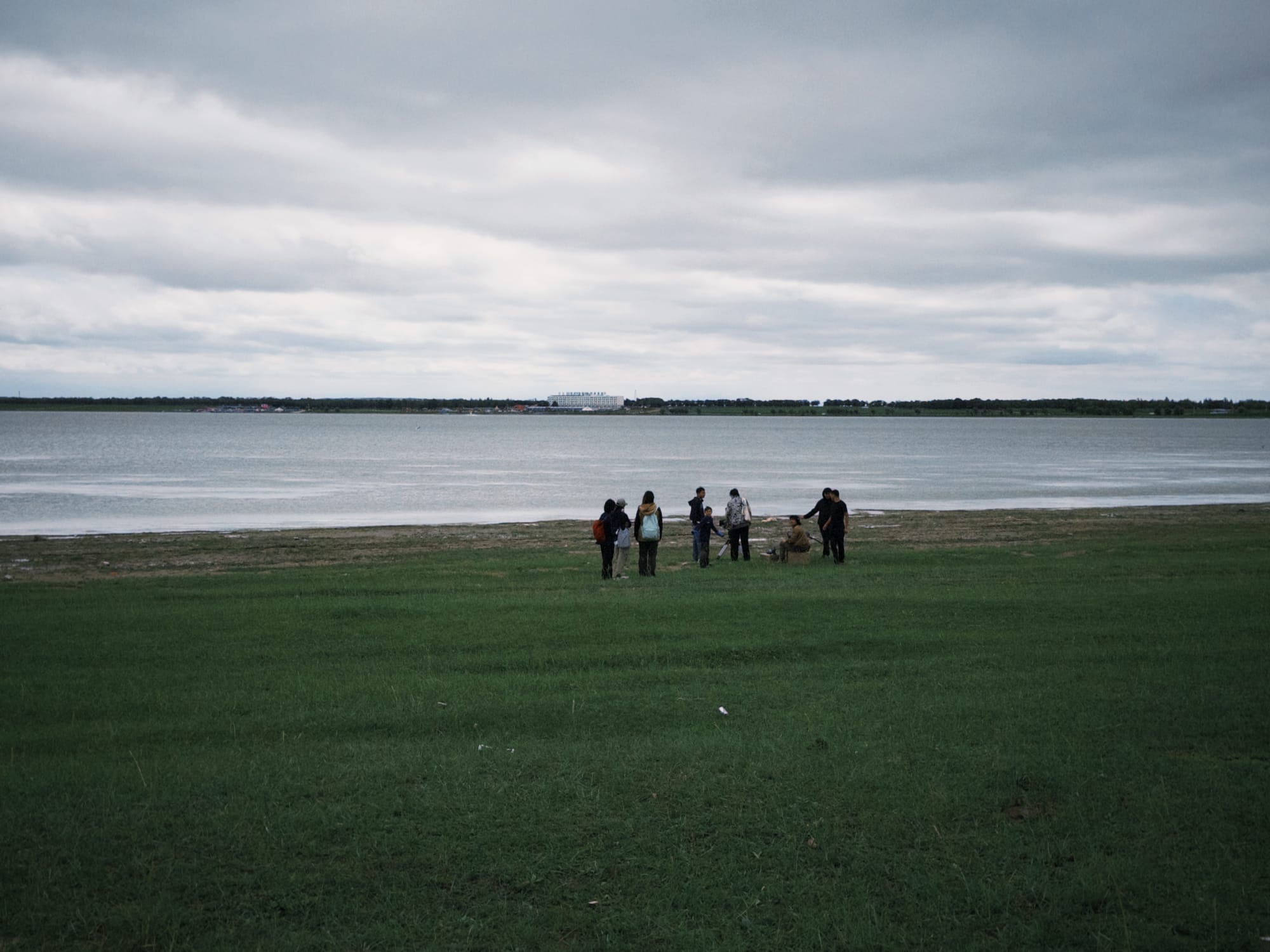
One of the most helpful mindset shifts was realizing that every scene does not need to be filmed with the same camera. The choice of equipment should respond to the movement, scale, and emotional needs of each moment.
Our main camera was the ARRI Alexa Mini, which gave the film much of its visual texture and depth. However, it was still too large and heavy for certain scenes, especially when the boy and the horse needed to run freely together. For those moments, we used a Sony FX3 with a stabilizer, which allowed the camera to move more closely and spontaneously with them.
The most important lesson was to remain flexible and not become overly attached to one tool or production method. A camera is ultimately there to serve the story. Sometimes changing the equipment can create a new visual perspective and make possible a moment that would otherwise feel too controlled or technically restricted.
How does your film fit within, or push the boundaries of, its genre or form?
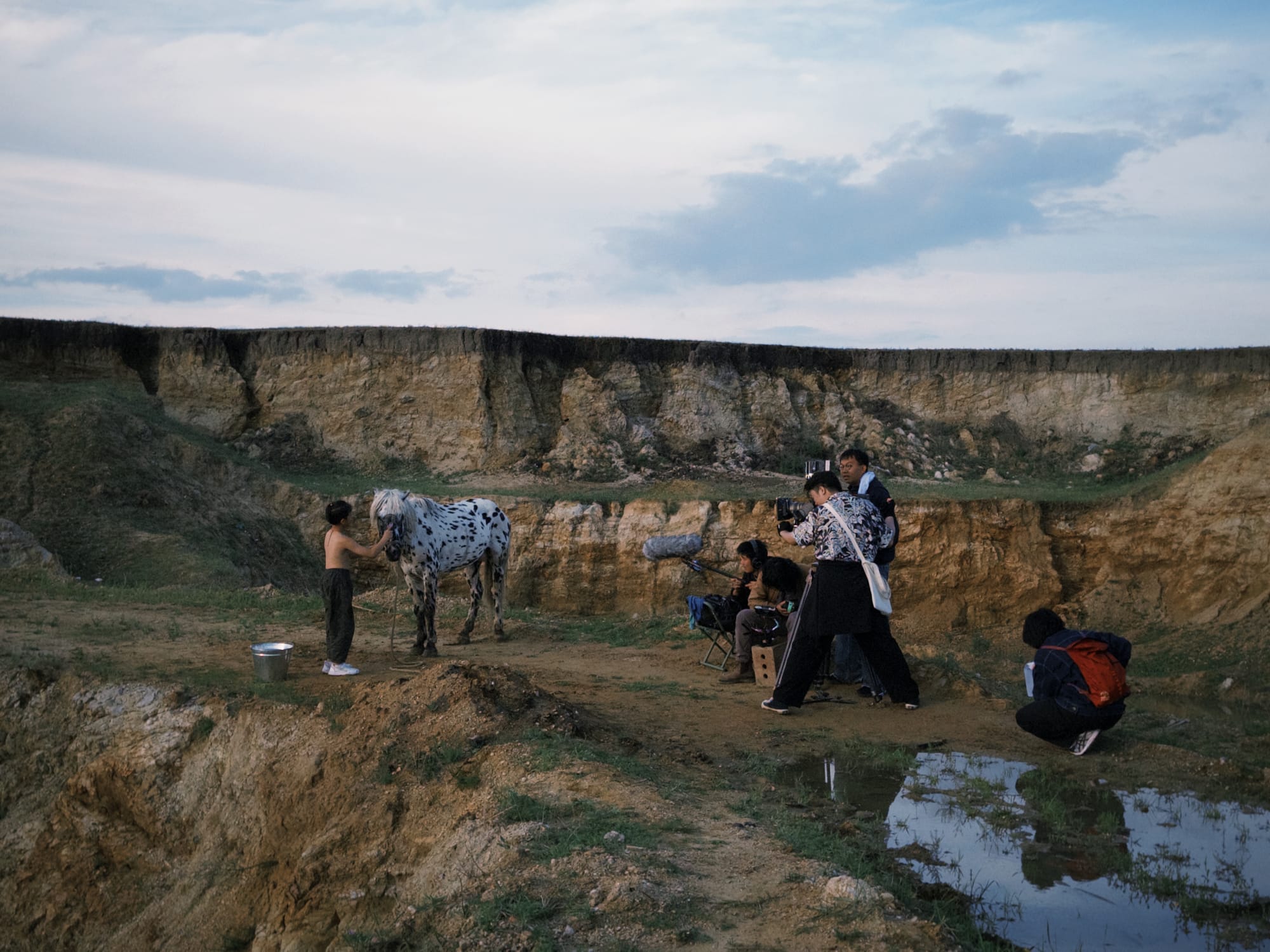
In terms of narrative, the film follows a relatively traditional coming-of-age structure centered on a child and a horse. By the end, the boy has been changed by what he experiences, and I wanted to honor that emotional expectation of the genre.
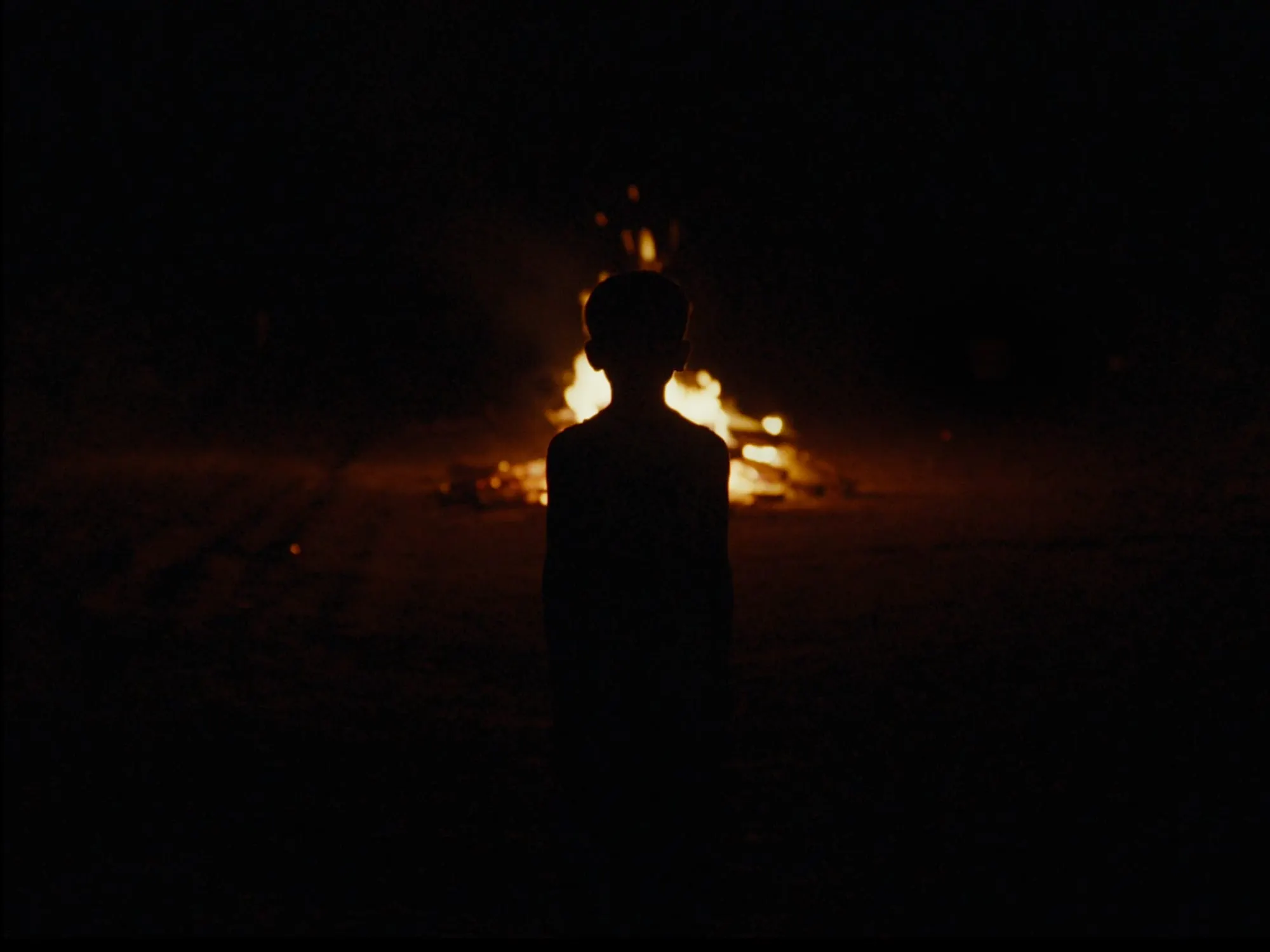
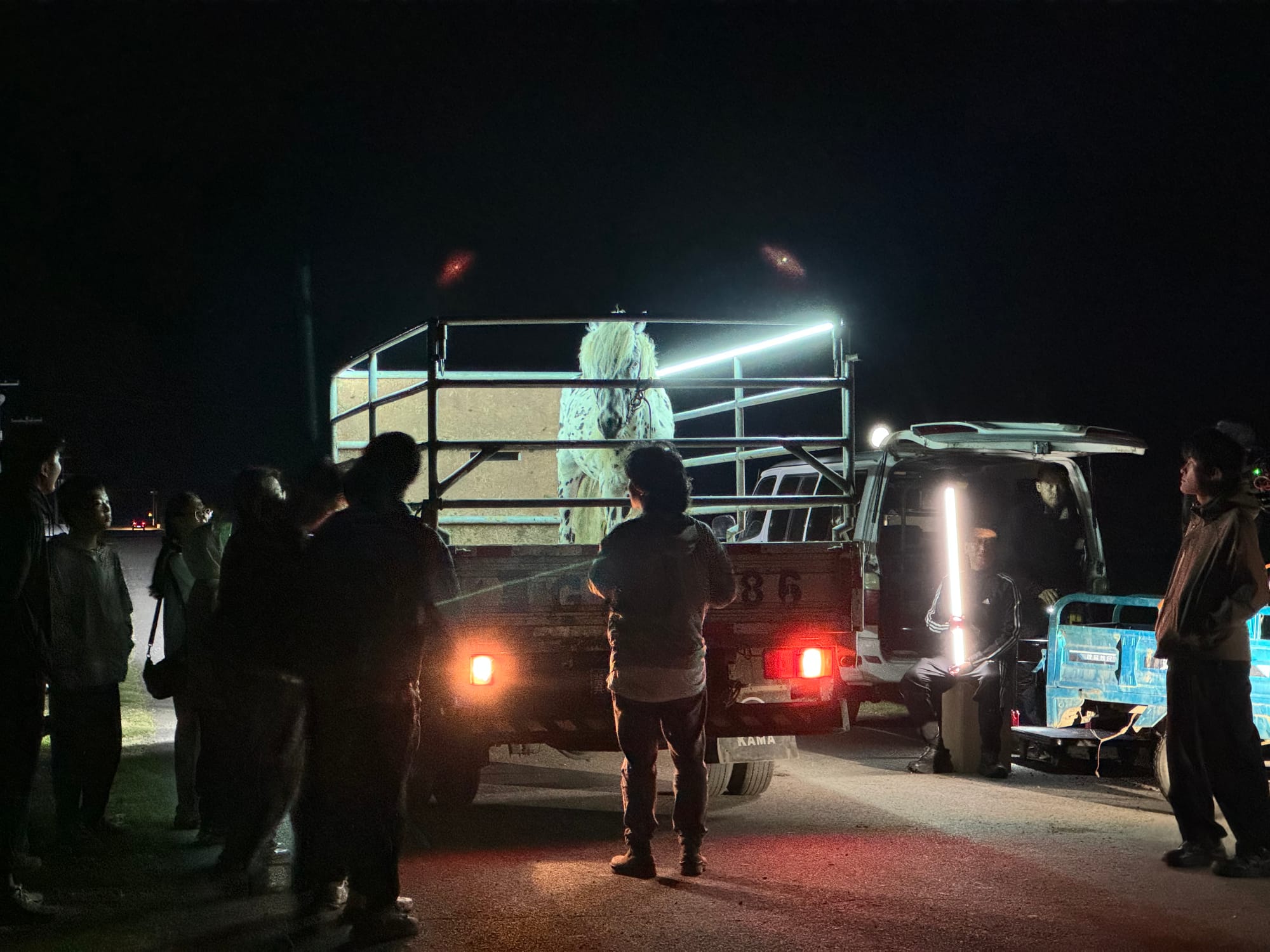
Where I hoped to push the film further was through its visual language. Rather than relying entirely on a conventional realist style, I used long takes and approached the grassland landscape, especially at night, as something mysterious and almost dreamlike. We transformed the locations with neon light, firelight, and other artificial elements to create a more heightened visual world. The film remains grounded in a familiar coming-of-age story while using a more stylized cinematic language to make the experience feel unfamiliar.
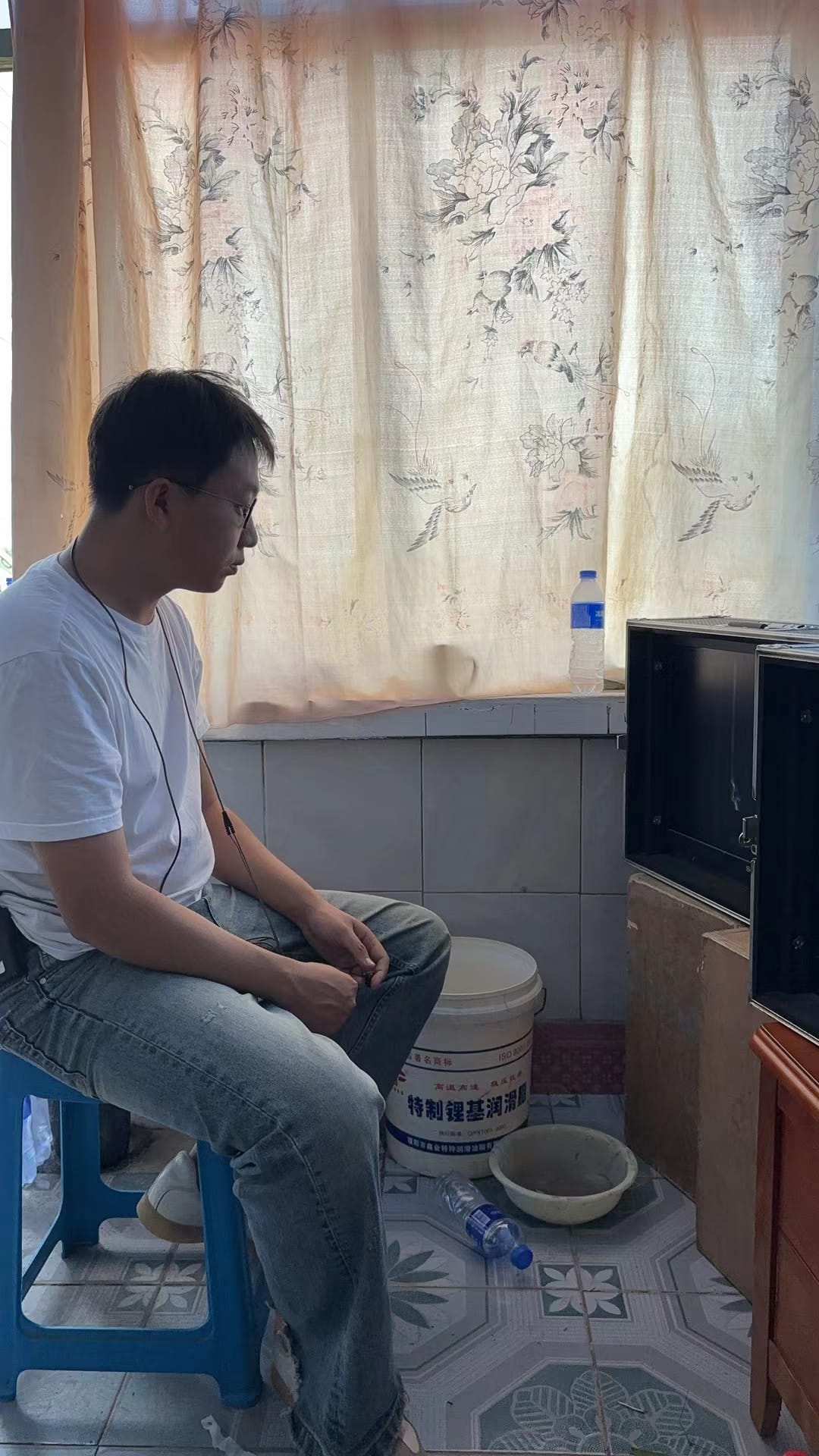
What does it mean to have your film selected for HollyShorts?
Having the film selected for HollyShorts is incredibly exciting and meaningful to me. Screening at the TCL Chinese Theatre, one of Hollywood's most iconic cinemas, feels like the realization of a dream.
I also have many close friends in Los Angeles, so I'm especially happy to share the film with them and experience the screening together. After such a personal journey making the film in my hometown, bringing it to the heart of Hollywood feels both surreal and deeply rewarding.
Main Cast & Crew
- Cast: Aban, Yang Yang, Si Feng
- Director, Producer: Zichen Zhao
- Writers: Yue Zhang, Zichen Zhao
- Director of Photography: Junxiong Zhu
- Production Designer: Jingru Song
- Editors: Zichen Zhao, Yue Zhang
Filmmaker Opportunities
💛 Fund your next project with fiscal sponsorship
Have a project in the works? As a 501(c)(3) nonprofit, the Cinematography for Actors Institute can accept tax-deductible donations on your film's behalf — a door-opener for grants, foundations, and supporters who want to back your work. We've serviced over 100 projects to date and helped route over $800,000 in funding to filmmakers. Explore fiscal sponsorship →
📬 Grant deadlines and festival opportunities, straight to your inbox
The CFA newsletter rounds up grants, festival calls, and community news for independent filmmakers — the kind of opportunities that are easy to miss and painful to miss. Join the newsletter →
🎬 Focus on the creative — we'll help with the logistics
Production Management, CFA's newest member program, launches this November: production insurance and workers' comp, payroll, film permits, gear rental coordination, SAG-AFTRA compliance, contract drafting, production consulting, and crew recommendations — handled by a team of working filmmakers, à la carte or all in, in partnership with Creative Access Group. It's waitlist-only until launch. Join the waitlist →
League of Filmmakers is published by our parent organization, the Cinematography for Actors Institute — a 501(c)(3) dedicated to education, community, and capital for underrepresented filmmakers and actors. Learn more about CFA →