Table of Contents
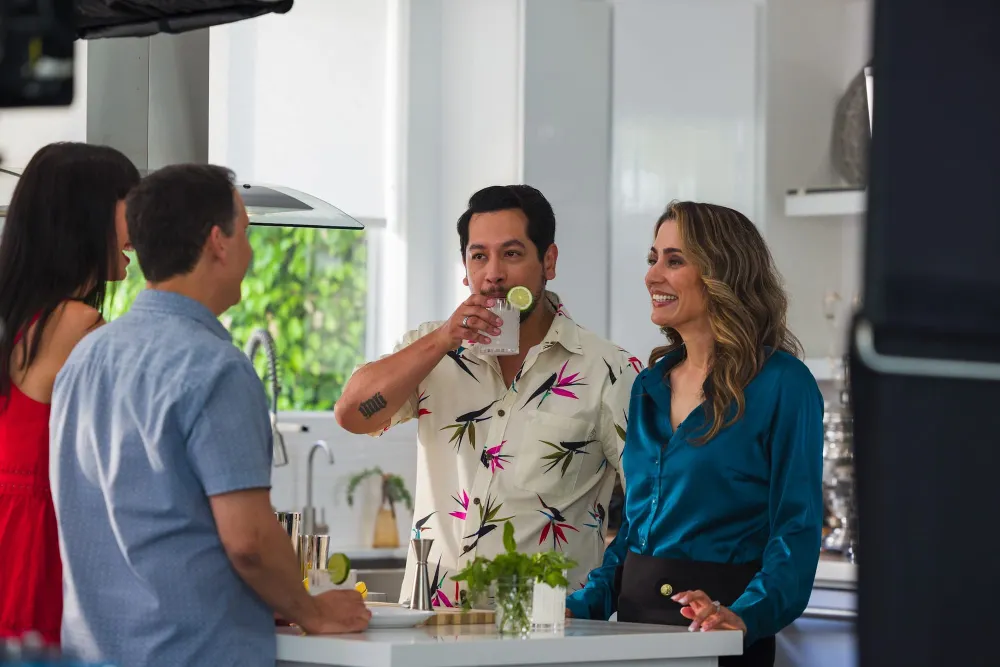
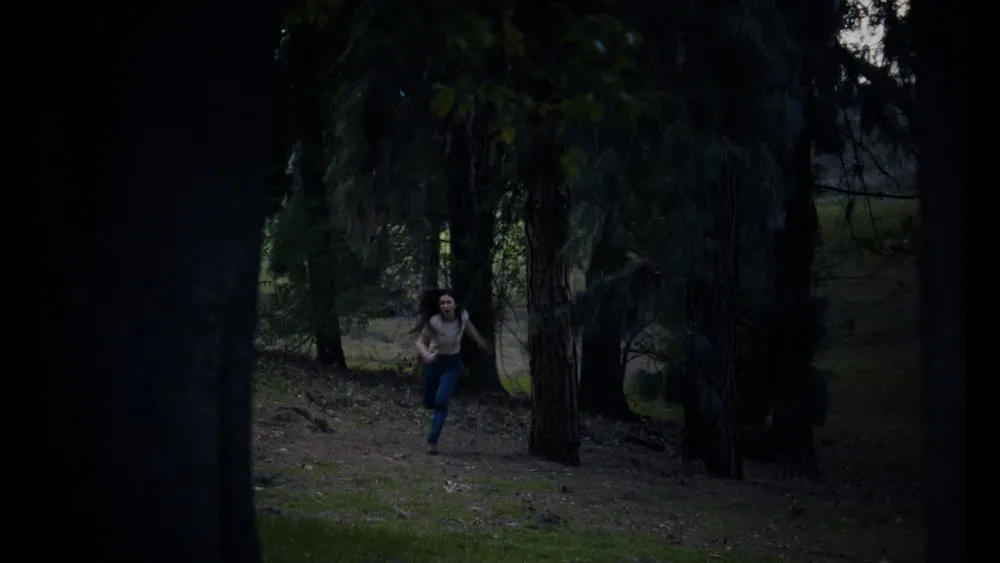
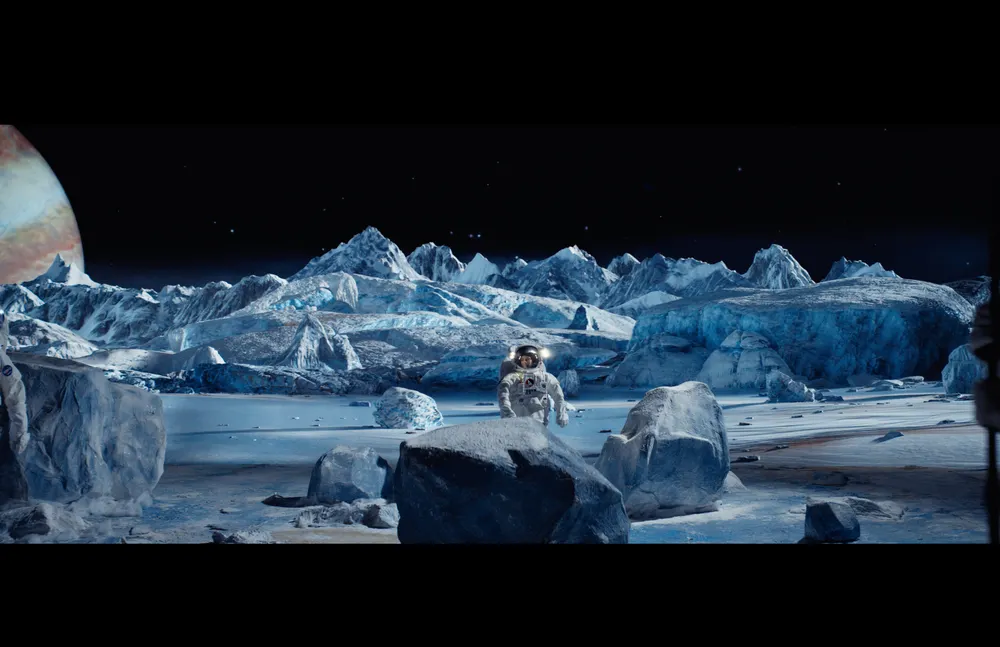
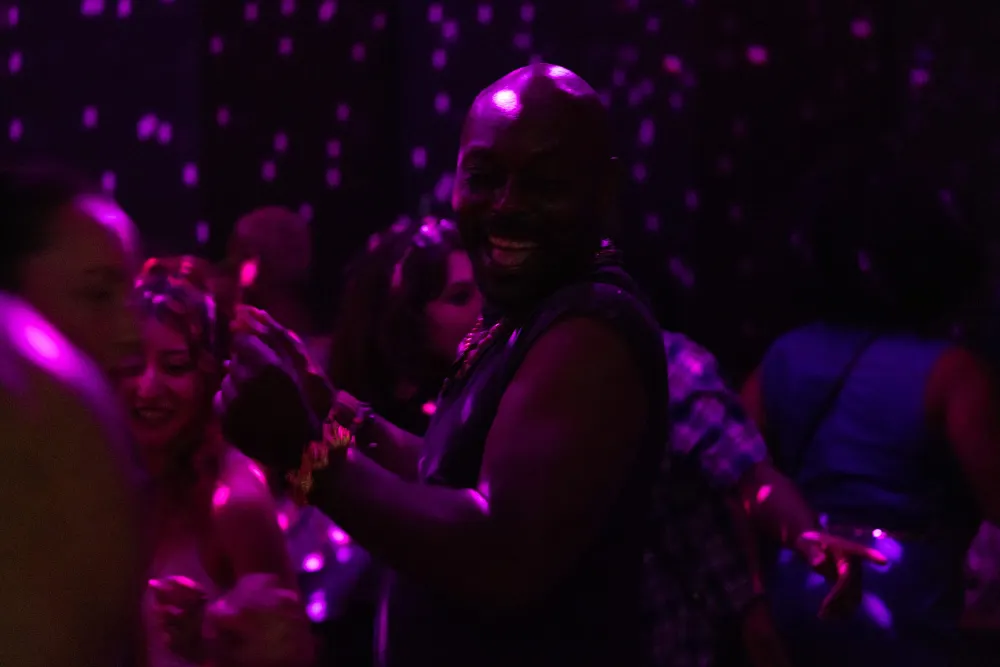
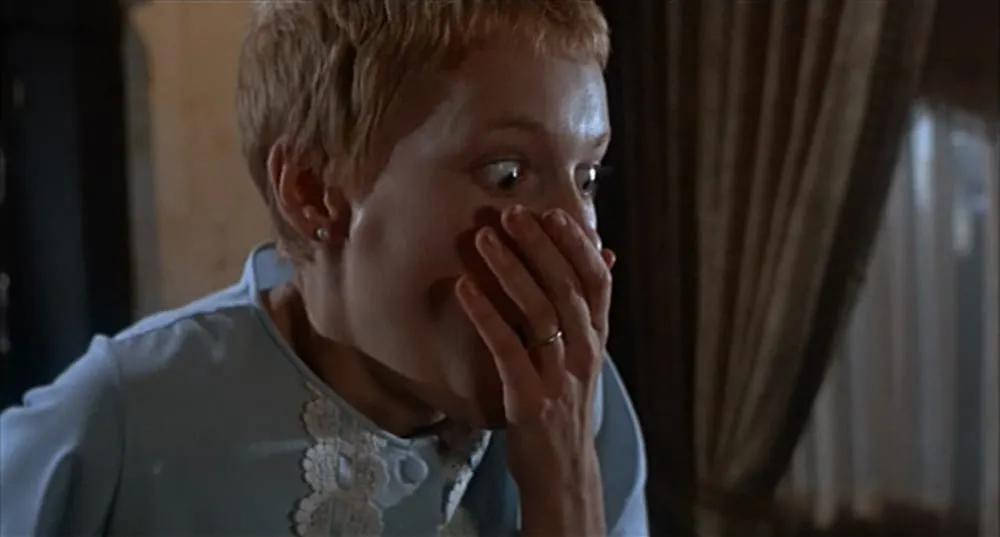
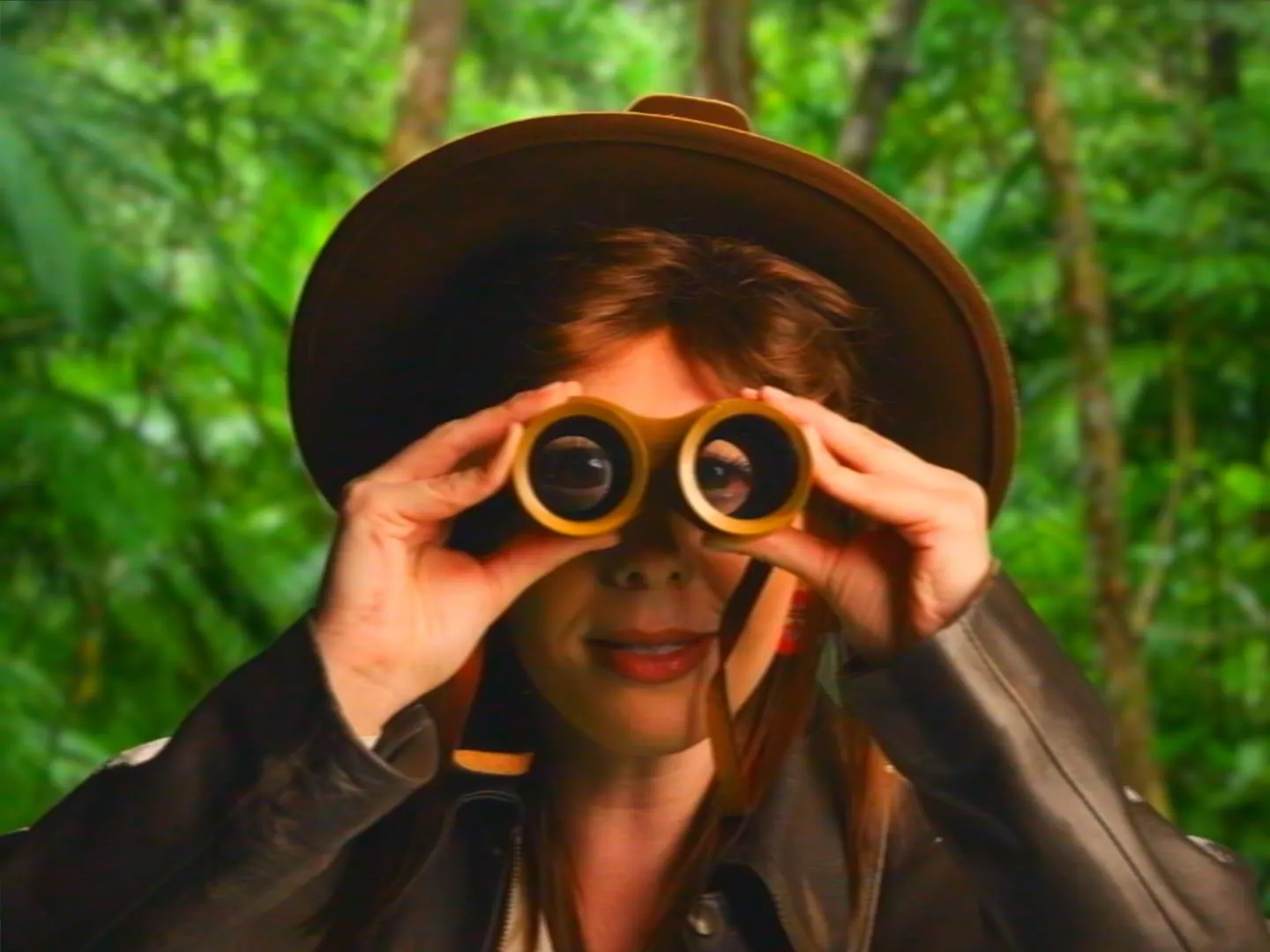
Framed as an absurd instructional VHS produced by the fictional "Rainbow Mafia," The Late in Life Guide to Modern Day Lesbianism onboards "late-in-lifers" with everything they didn't know they needed to survive modern-day queerness. Beneath the static and the paperwork, though, is something tender: the relief of finally being seen, the joy of shared language, and the reassurance that you're not late, you're right on time.
Written by, starring, and executive produced by Ashley Gianni — founder of the queer, female-led Pizza Bagel Pictures — the film grew directly out of her own late-in-life coming out. It arrives at HollyShorts, an Academy Award-qualifying festival, made on a budget of $2,000, proof that a precise voice can outrun a production account.
Key Takeaways
- A satirical 90s corporate training video that turns coming out later in life into camp, then quietly reveals its emotional core.
- Gianni made it for roughly $2,000 — a green screen, an iPhone, CapCut, and a small crew of trusted collaborators.
- What began as a love letter to late-in-life lesbians became a story about the universal desire for belonging.
Gianni spoke about vulnerability, constraint, and the film she could only have made herself.
Interview
What drew you to make this film, and why this story, why now?
The Late in Life Guide to Modern Day Lesbianism explores the often-overlooked experience of coming out later in life, using humor and camp to illuminate a deeply vulnerable and transformative journey. Framed as an absurd instructional VHS tape, the film satirizes the notion that queerness follows a set of rules, while revealing the very real desire for guidance, belonging, and self-understanding.
At its core, the film challenges the idea that identity has a timeline. It speaks to an often-overlooked segment of the LGBTQ+ community: those who arrive at their identity later in life, frequently navigating feelings of isolation, missed time, or uncertainty. It affirms that there is no "right" timeline for authenticity, and that self-discovery is not delayed; it is simply unfolding as it should. Late-in-life queer narratives are rarely centered, despite being widely experienced. As a filmmaker and founder of Pizza Bagel Pictures, I'm committed to telling stories that uplift, empower, and create tangible social impact. Ultimately, this film is a love letter to my younger self, to my fellow late bloomers, to chosen family, and to the courage it takes to claim your truth at any stage of life.
What surprised you most about the filmmaking process?
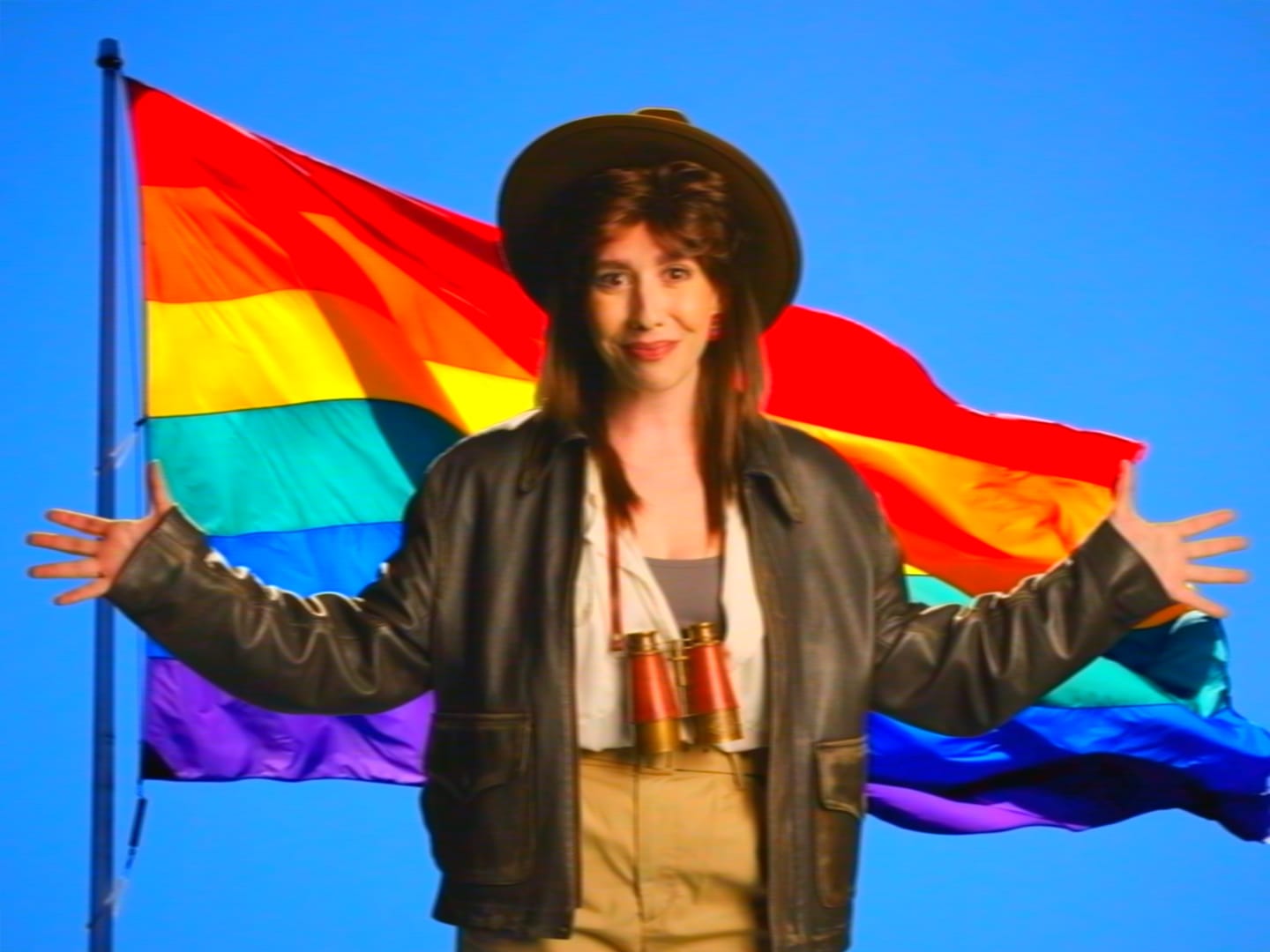
With such a specific and personal story, I initially believed the film's core audience would be fellow members of the Rainbow Mafia, and particularly those who, like me, came out later in life. What surprised me most during post-production was discovering just how universally the comedy resonated. Our cisgender, straight male collaborators in sound and music connected with the film in ways I never anticipated, laughing at the same moments while also recognizing the emotional truth beneath the humor.
That experience fundamentally changed how I viewed the story. I realized that while the circumstances of coming out later in life are uniquely queer, the underlying journey is universal. Everyone is searching for their community, for a place where they feel seen, and ultimately, for themselves. What began as a love letter to late-in-life lesbians evolved into a story about the universal human desire for belonging, self-discovery, and the courage to embrace who we truly are.
What moment in the film feels most like you, or like something only you could have made?
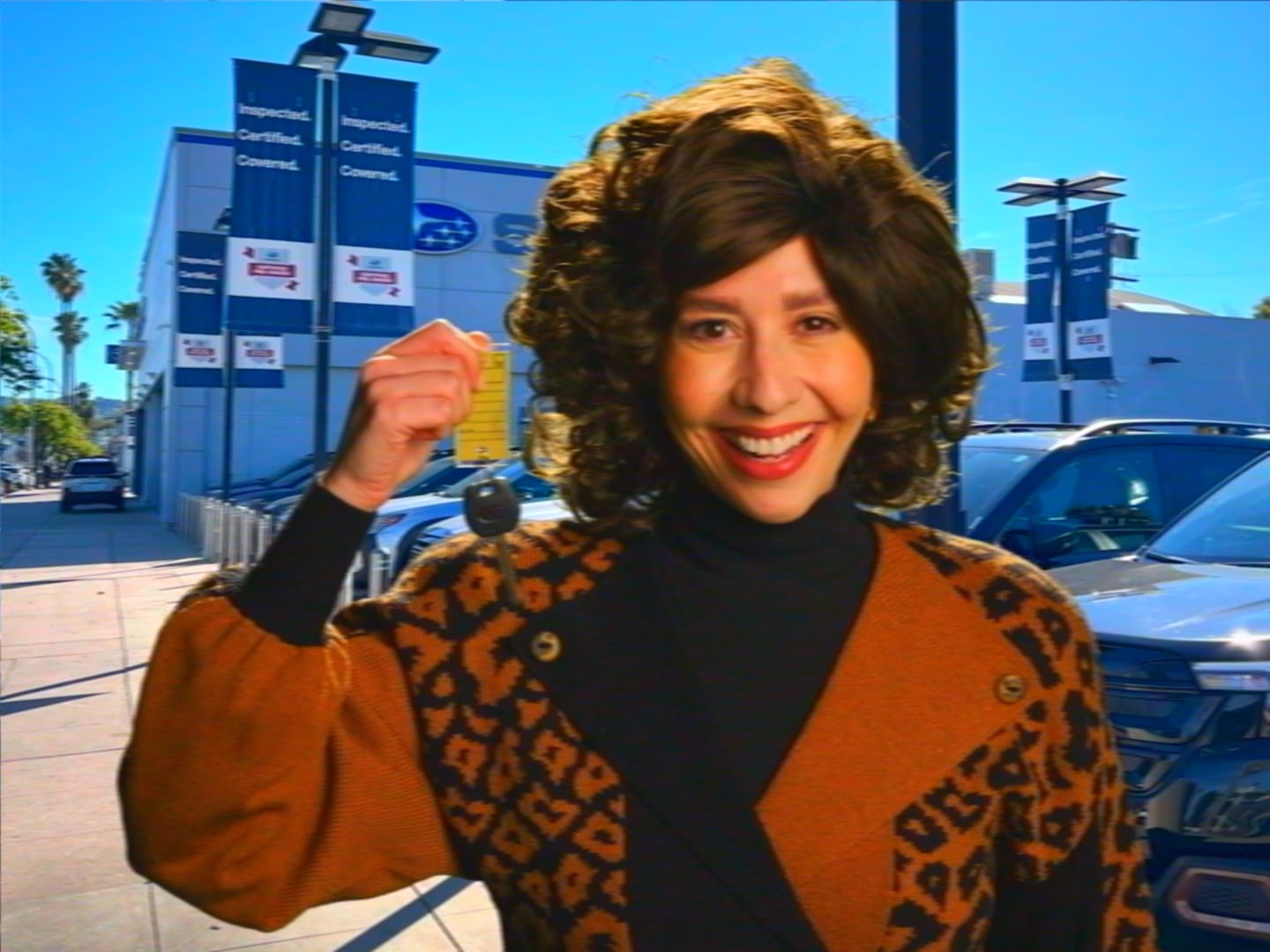
This is the first film I've made that I can confidently say could only have come from me. It is my most personal work to date. Every cultural reference, inside joke, and lived experience is rooted in my own journey and perspective as someone who came out later in life.
What began as a campy queer comedy unexpectedly became something far more vulnerable. As I wrote, I realized I wasn't simply creating a guide for the audience; I was creating one for myself. The process became a way of unpacking years of grief, shame, and uncertainty while giving myself permission to embrace my identity without comparison or expectation. The film's central message — that there is no right or wrong way to be a lesbian, and no timeline for discovering who you are — is one I needed to hear just as much as the audience. In trying to empower others, I found myself doing the same.
What was the hardest creative decision you made while making the film?
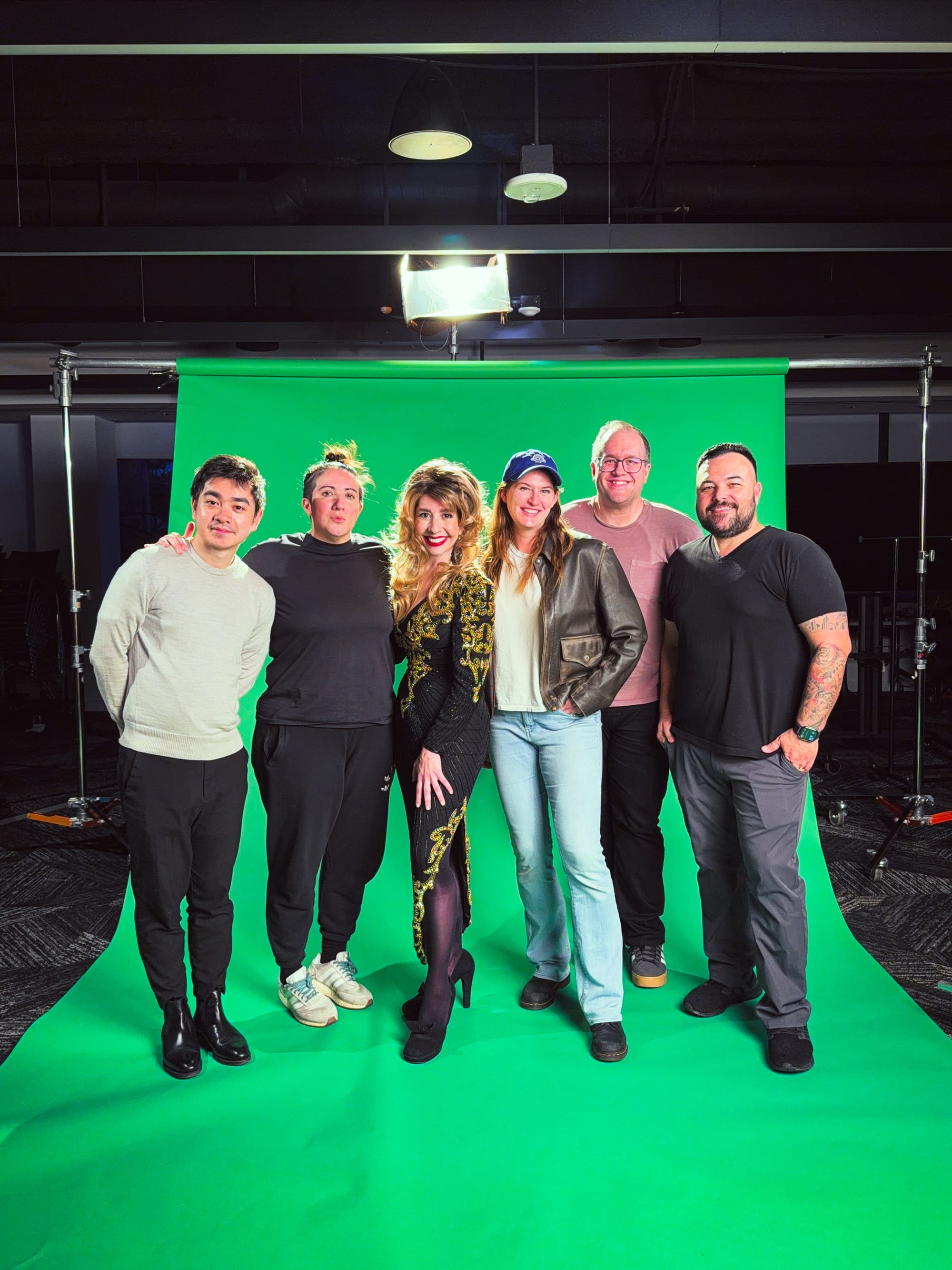
As a neurodivergent creative with a vivid imagination, my storytelling naturally leans toward the expansive. One of the hardest decisions was learning what to let go. The original script was 13 pages, and while every scene felt meaningful to me, not every moment ultimately served the story.
Because this is my most personal film to date, it was incredibly difficult to separate what I wanted to say from what the audience truly needed to experience. I'm grateful for the collaboration with my co-directors, who helped shape the script into a focused, meaningful, and ultimately funnier seven-page film. Having two trusted storytellers challenge my instincts and redirect us toward the emotional core allowed me to step back and see the bigger picture. Sometimes the strongest storytelling isn't about saying more, it's about having the confidence to say exactly enough.
What tool, technique, resource, collaborator, or mindset shift helped most during production?
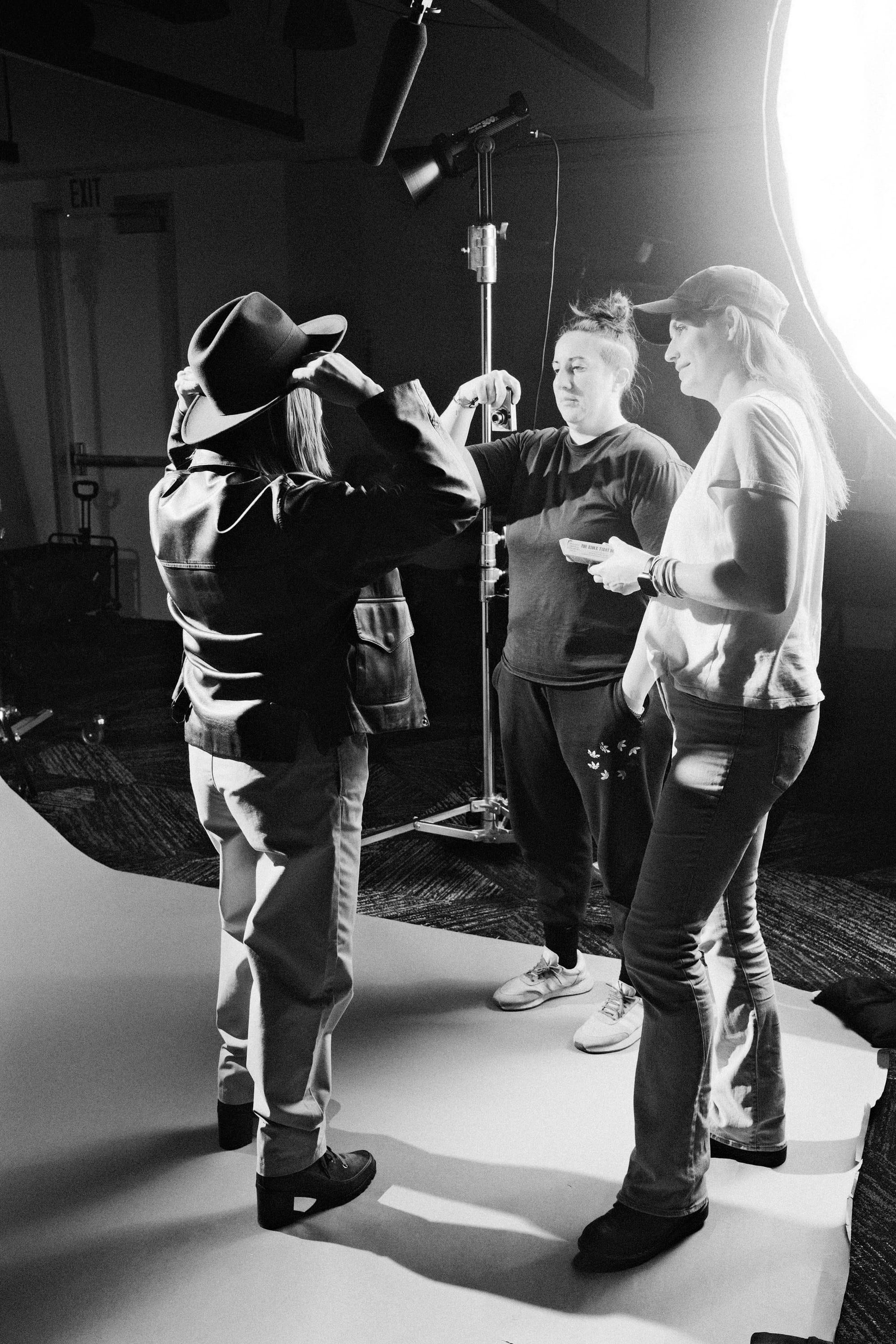
My collaboration with my partner, art director, and co-director, Molly Rangel, was the single greatest catalyst in shaping both the script and my mindset during development. Having walked alongside me throughout my coming out journey, Molly encouraged me to dig deeper and embrace a level of vulnerability I hadn't initially planned to put on the page.
She reminded me of conversations we'd had, moments I'd experienced, and emotions I had unknowingly minimized over time. Rather than letting me stay in the safety of comedy, she challenged me to explore how those experiences had shaped my identity. Her empathy, honesty, and unwavering support created a space where I felt safe enough to tell the truth. Molly became both a creative collaborator and a trusted mirror, helping me recognize that the film's greatest strength wasn't its satire, it was its vulnerability.
What is the greatest strength of independent filmmaking, and what lesson would you share?
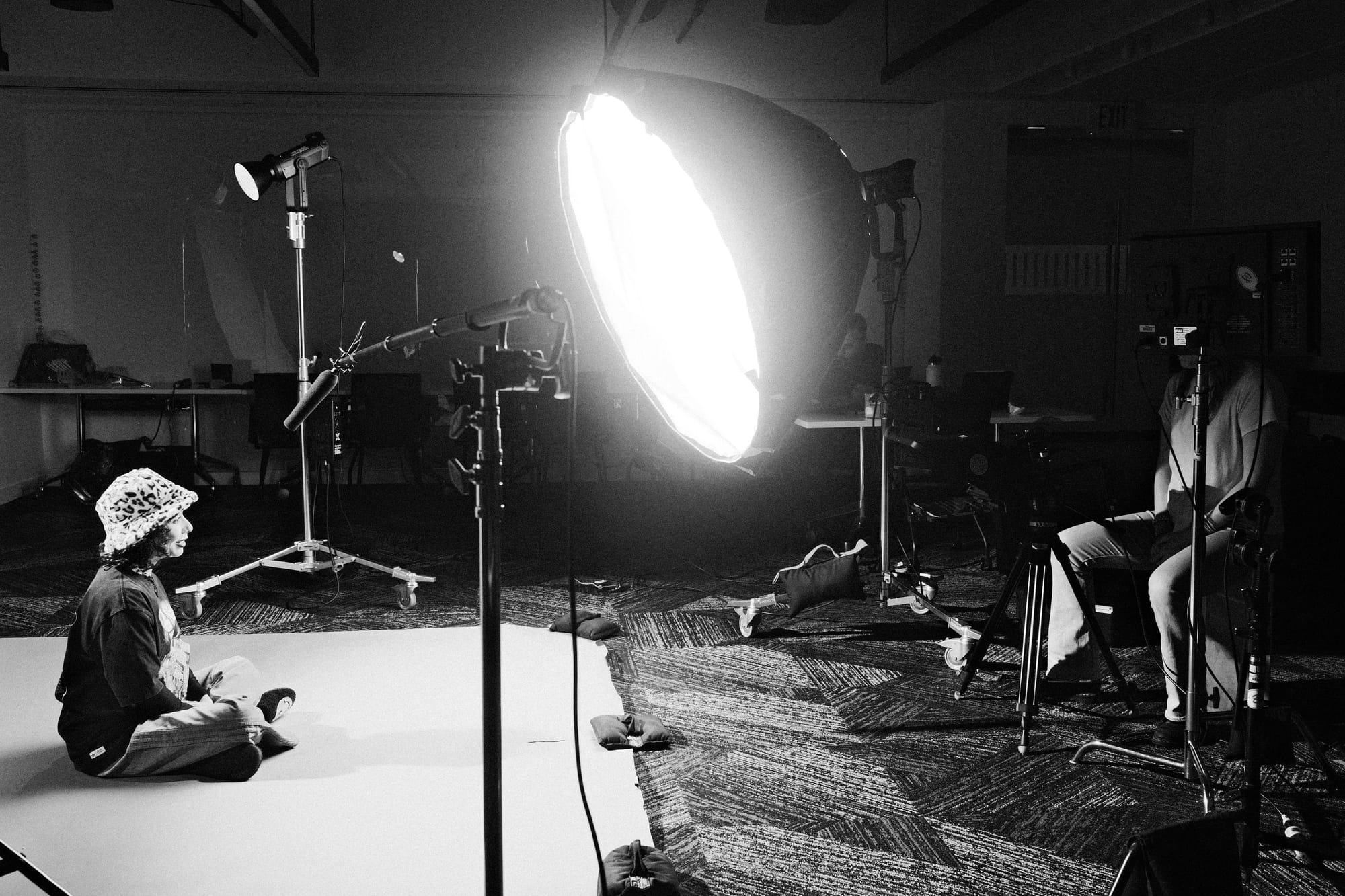
I believe the greatest strength of independent filmmaking is learning to master the resources you already have. Constraints don't have to limit creativity; they can sharpen it. After two years on the festival circuit with two films, I was creatively inspired but completely burnt out from fundraising and producing. So I asked myself a different question: What could I make with just me, a green screen, my iPhone, CapCut, and, let's be honest, probably convincing my partner Molly to help?
That mindset changed everything. A $2,000 grant from my previous film's festival run gave me just enough to feed everyone, create a DCP, and submit to festivals. Every dollar was stretched with intention, proving that thoughtful storytelling will always outweigh expensive production. Today, The Late in Life Guide to Modern Day Lesbianism is celebrating its Los Angeles premiere at an Academy Award-qualifying film festival, on only $2,000. The biggest lesson I'd share is simple: don't wait. You don't need permission, perfect timing, or a six-figure budget to make something meaningful. Start with the resources you have, trust your voice, and tell the story only you can tell.
Where do you see this film going next?
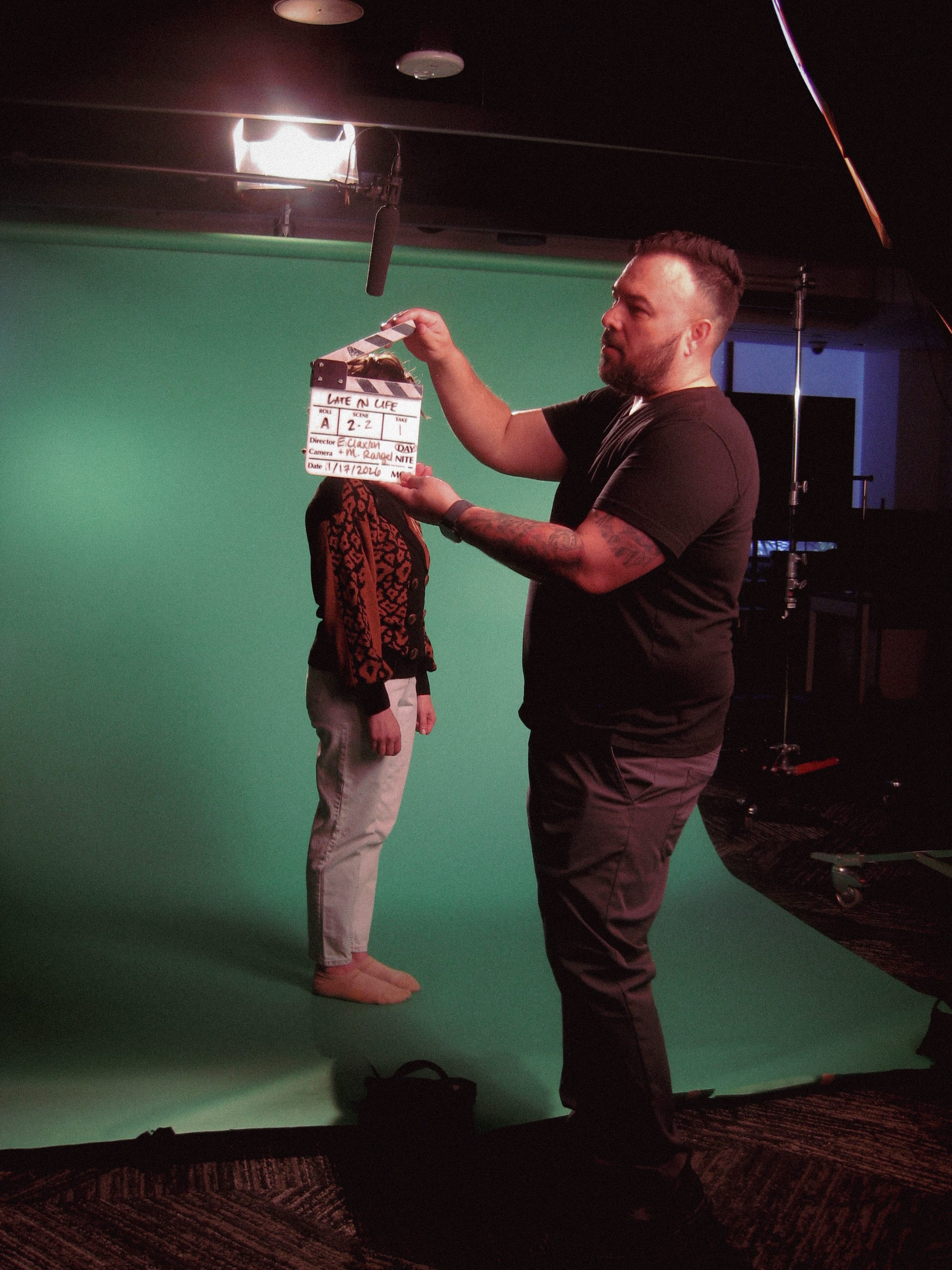
We hope to continue a robust festival run, bringing the film to audiences around the world while fostering meaningful conversations about identity, belonging, and coming out later in life. Our goal is for it to reach not only LGBTQIA+ audiences, but anyone who has ever questioned where they belong or wondered if they were "too late" to become the person they were meant to be.
Beyond the festival circuit, we hope to expand the concept into a series of humorous, empowering "instructional" films exploring different facets of the queer experience through the same nostalgic VHS lens. By combining comedy with honest conversations around identity, mental health, and community, we aim to create resources that entertain, educate, and affirm members of the Rainbow Mafia while inviting broader audiences into those experiences with empathy and humor.
Main Cast & Crew
- Directed by Emelie Claxton
- Co-Directed and Art Directed by Molly Rangel
- Executive Produced, Written by and Starring Ashley Gianni
- Produced by Emelie Claxton, Molly Rangel, and Daniel Ott
- VFX Supervisor & Graphic Designer: Rob Stoffel
- Graphic Designer: Scott Lau
- Music by Karl Gottschalk, Jack Greenleaf, and Eric Stoffel
- Sound Design by Jeremy Barr, Oddly Enough Productions LLC
- Pizza Bagel Pictures Presents, in Association with Rad Disaster Media
Filmmaker Opportunities
💛 Fund your next project with fiscal sponsorship
Have a project in the works? As a 501(c)(3) nonprofit, the Cinematography for Actors Institute can accept tax-deductible donations on your film's behalf — a door-opener for grants, foundations, and supporters who want to back your work. We've serviced over 100 projects to date and helped route over $800,000 in funding to filmmakers. Explore fiscal sponsorship → You can also catch our 3rd annual financing panel at HollyShorts.
📬 Grant deadlines and festival opportunities, straight to your inbox
The CFA newsletter rounds up grants, festival calls, and community news for independent filmmakers — the kind of opportunities that are easy to miss and painful to miss. Join the newsletter →
🎬 Focus on the creative — we'll help with the logistics
Production Management, CFA's newest member program, launches this November: production insurance and workers' comp, payroll, film permits, gear rental coordination, SAG-AFTRA compliance, contract drafting, production consulting, and crew recommendations — handled by a team of working filmmakers, à la carte or all in, in partnership with Creative Access Group. It's waitlist-only until launch. Join the waitlist →
League of Filmmakers is published by our parent organization, the Cinematography for Actors Institute — a 501(c)(3) dedicated to education, community, and capital for underrepresented filmmakers and actors. Learn more about CFA →